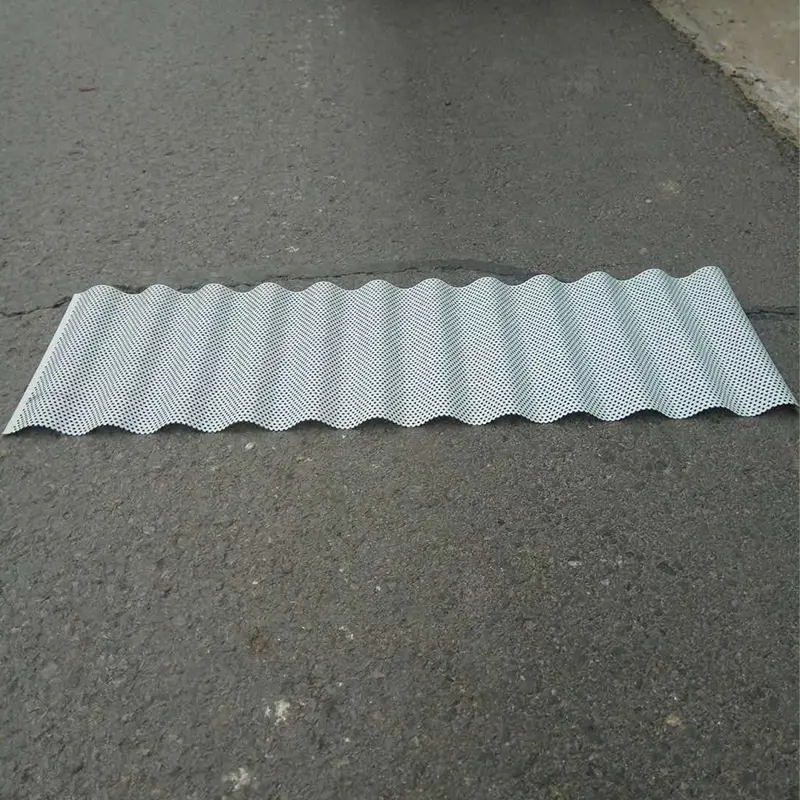
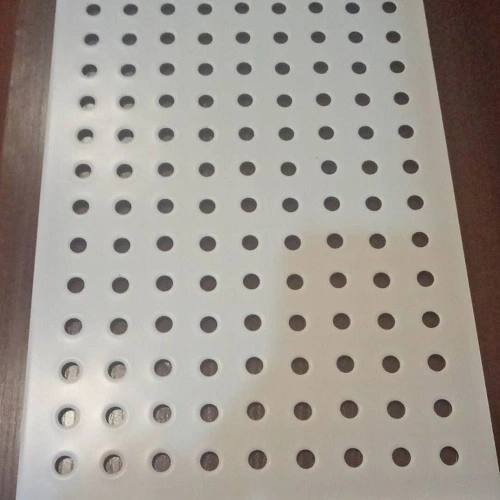
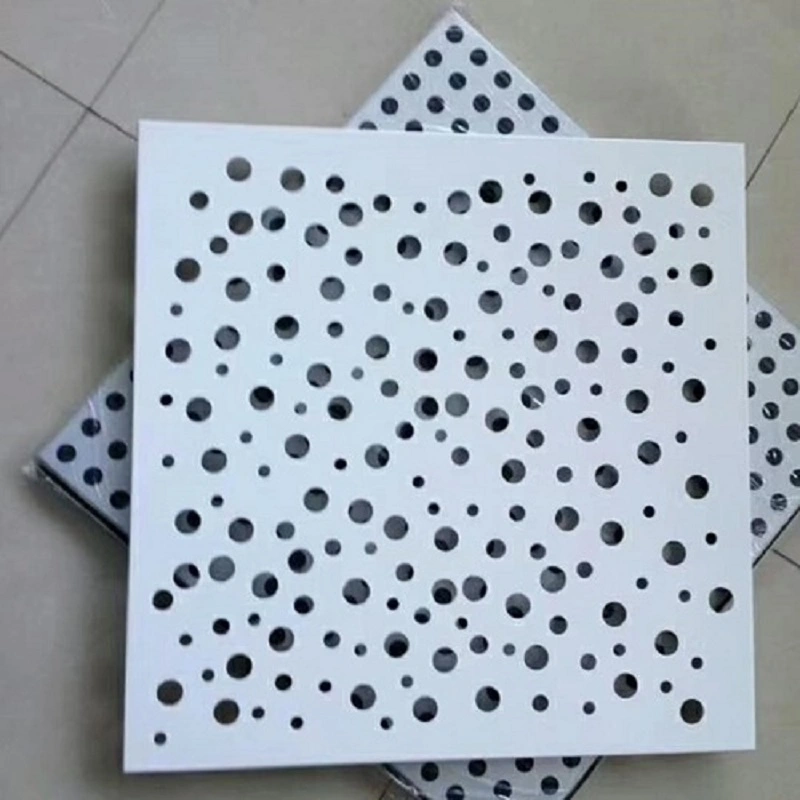
Perforated metal sheets are produced by punching hole patterns into metal plates. SENBO Building Materials supplies these products for architectural, acoustic, and industrial applications, with a focus on material traceability and dimensional control.
The base material is selected according to the operating environment and required performance. Common options include stainless steel (SUS304, SUS316), galvanized steel, aluminum, aluminum alloy, low-carbon steel (Q235, Q345), copper, and nickel. Sheet thickness ranges from 0.1 mm to 20 mm, and hole diameters can be adjusted from 0.1 mm to 300 mm to meet specific project needs.
Hole Patterns and Their Typical Uses
A wide range of hole patterns is available, and custom designs can be produced based on drawings or samples. Common patterns include:
Round and square holes: General-purpose options used in filtration, screening, and architectural applications.
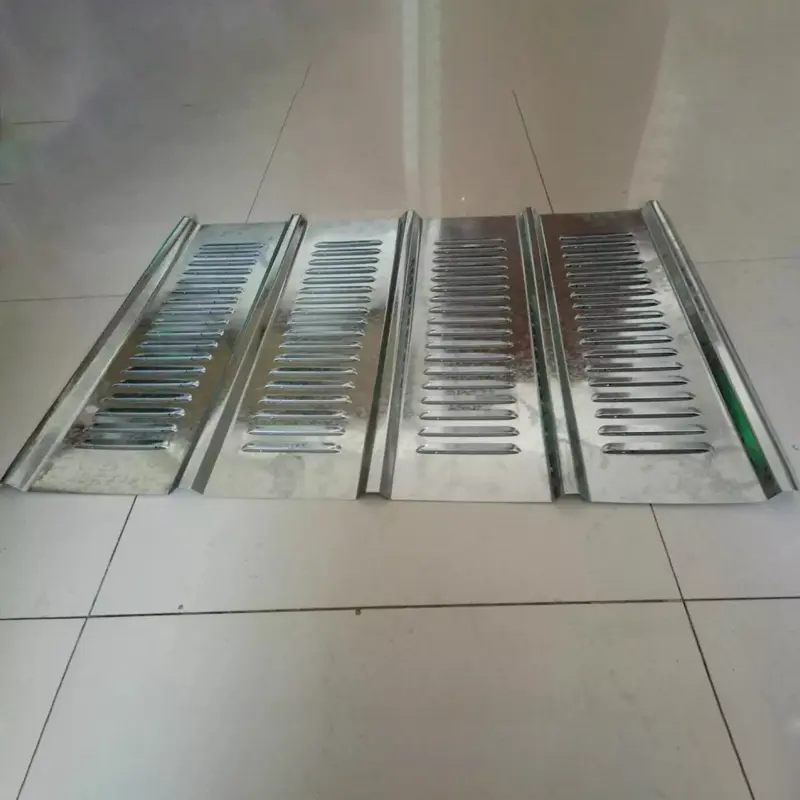
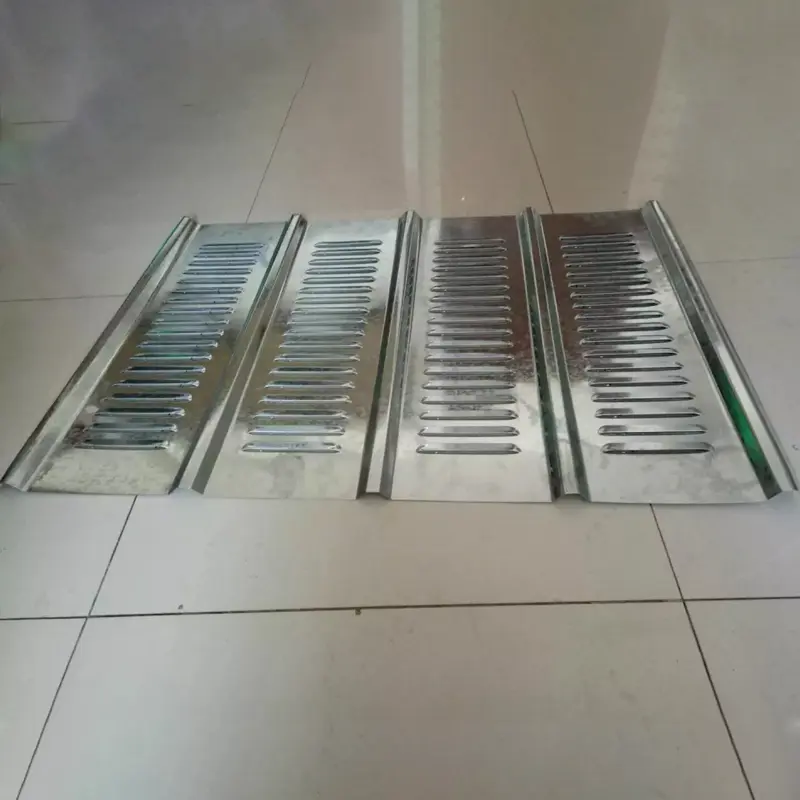
Slotted and hexagonal holes: Often selected for acoustic panels and decorative facades where a particular visual or sound-absorbing effect is required.
Fish-scale, plum-blossom, and cross holes: Frequently used in industrial screening and specialized architectural designs.
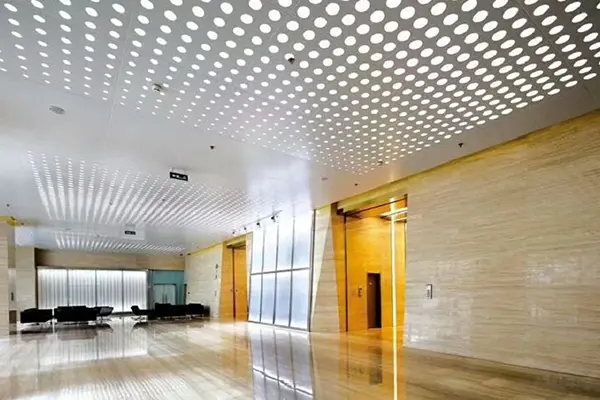
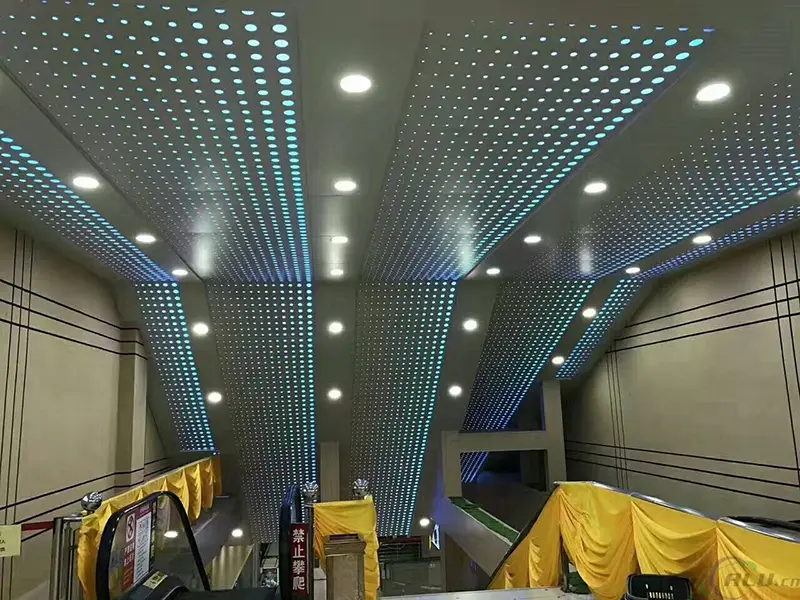
Decorative and irregular patterns: Used mainly for interior cladding, ceiling panels, and feature walls where aesthetics are the primary consideration.
The choice of pattern affects not only appearance but also open area, airflow resistance, and mechanical strength. Our engineering team can assist in selecting a pattern that balances functional and visual requirements.
Technical Specifications
The following table summarizes standard production parameters. Customization is available for materials, dimensions, and surface treatments.
|
Parameter
|
Range / Options
|
Notes
|
|
Materials
|
Stainless steel, galvanized steel, aluminum, aluminum alloy, low-carbon steel, copper, nickel
|
Selected by environment and performance
|
|
Sheet Thickness
|
0.1–20 mm
|
Dependent on material and application
|
|
Hole Diameter
|
0.1–300 mm
|
Customizable
|
|
Hole Patterns
|
Round, square, slotted, hexagonal, cross, fish-scale, plum-blossom, decorative, irregular
|
Over 20 types available
|
|
Standard Sheet Sizes
|
1 m × 2 m, 1.2 m × 2.4 m, 1 m × 20 m (coil), 1.2 m × 20 m (coil)
|
Custom sizes available
|
|
Surface Treatments
|
Hot-dip galvanizing, fluorocarbon coating, electrostatic powder coating, painting, polishing
|
Selected for durability and environment
|
|
Secondary Processing
|
Bending, cutting, rolling, welding
|
Per project requirements
|
Acoustic Performance and Structural Considerations
Perforated sheets can contribute to sound absorption when installed with a porous backing layer and an air cavity. The actual acoustic performance depends on hole diameter, open area, panel thickness, backing material, and mounting configuration. For example, in some tested assemblies, a noise reduction coefficient above 0.8 has been measured under laboratory conditions. Test reports for specific configurations are available on request.
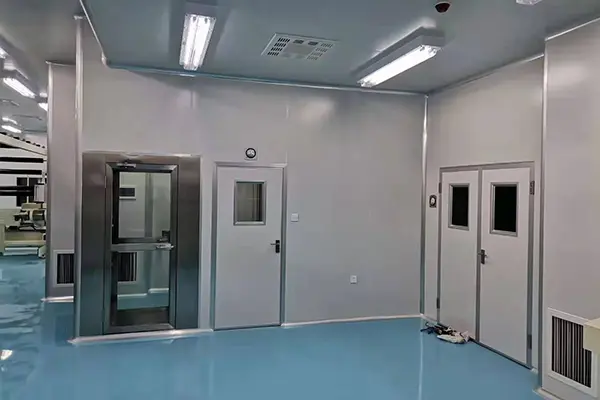
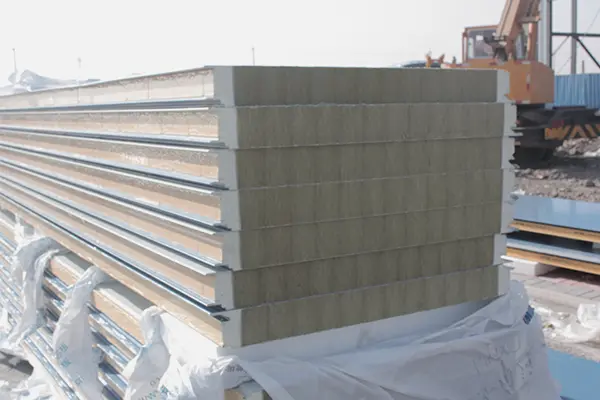
In cleanroom and industrial building envelopes, perforated panels are sometimes combined with rock wool sandwich panels to achieve both acoustic control and thermal insulation. This combination is common in mechanical rooms, equipment enclosures, and building service areas.
Structural capacity is determined by base material, thickness, hole pattern, support span, and fastening method. Load calculations should be performed for each project. For reference, a 3 mm thick steel panel with 10 mm square holes has been verified to withstand a uniformly distributed load of 5 kN/m² under defined support conditions. Detailed engineering notes can be provided.
Corrosion Resistance and Surface Durability
Stainless steel perforated sheets offer good corrosion resistance in humid and mildly aggressive environments. In salt spray testing according to ASTM B117, a 304 stainless steel sample showed no rust after 1000 hours. Galvanized steel with hot-dip galvanizing and powder coating withstood 500 hours without peeling or rusting. Actual durability depends on the selected material, coating system, and exposure conditions.
Typical Applications
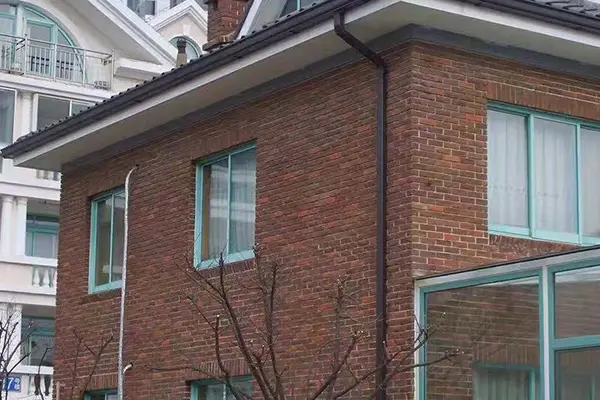
1. Architectural facades, ceiling panels, interior partitions, stair railings, and balcony cladding. The perforation pattern creates visual depth and helps control daylight and solar heat gain.
2. Acoustic barriers for highways, railways, and metro systems. When combined with sound-absorbing material, the panels help reduce traffic noise. A double-layer construction can improve sound insulation while maintaining ventilation.
3. Industrial filtration and screening for chemical, pharmaceutical, food processing, and mining equipment. Perforated plates are used as vibrating screens and filter elements.
4. Protective covers, speaker grilles, ventilation panels, and equipment guards in machinery and electronics.
5. Interior design elements such as display racks, partitions, and decorative panels in commercial and office spaces.
Custom Manufacturing and Quality Control
Customers can supply CAD drawings in DXF or DWG format for custom perforation layouts. Our engineering team reviews hole geometry, edge distance, open area, and forming requirements before production. A first article inspection can be arranged for new designs. Material certificates and inspection reports are available with each shipment.
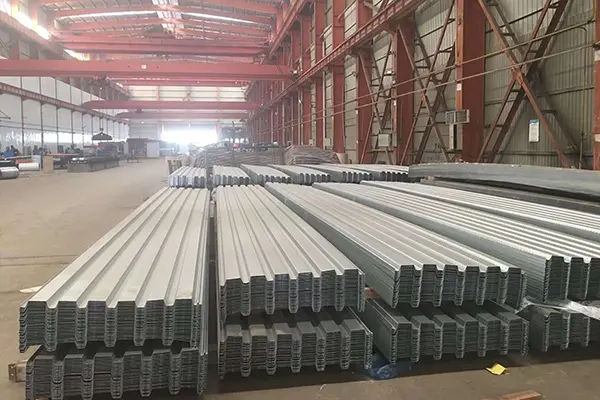
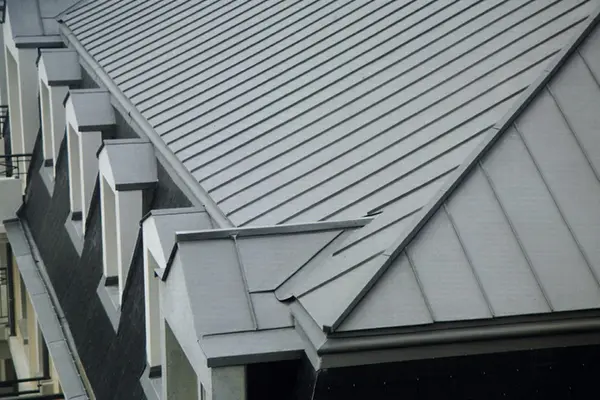
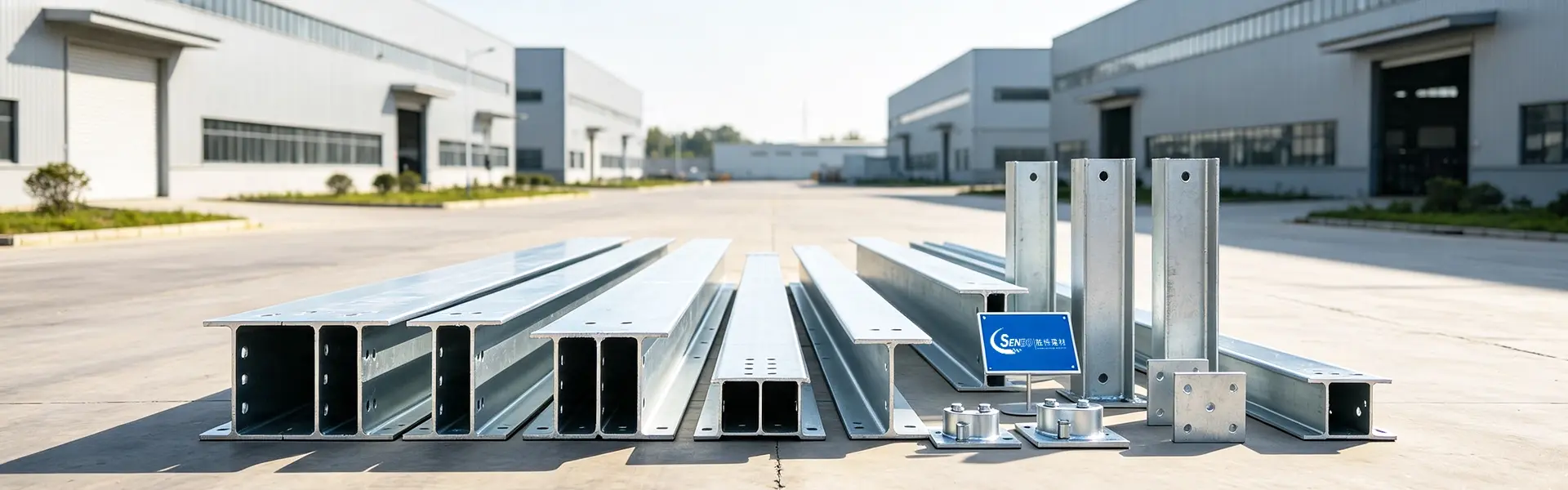
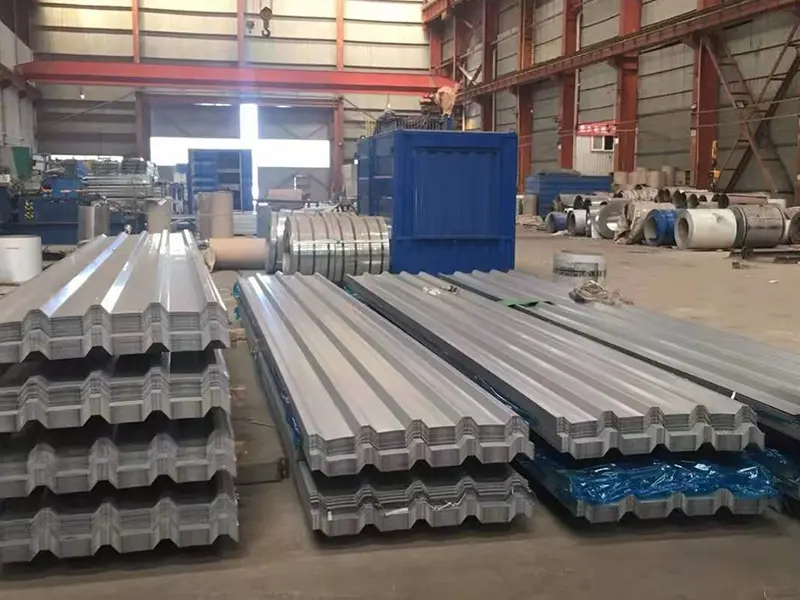
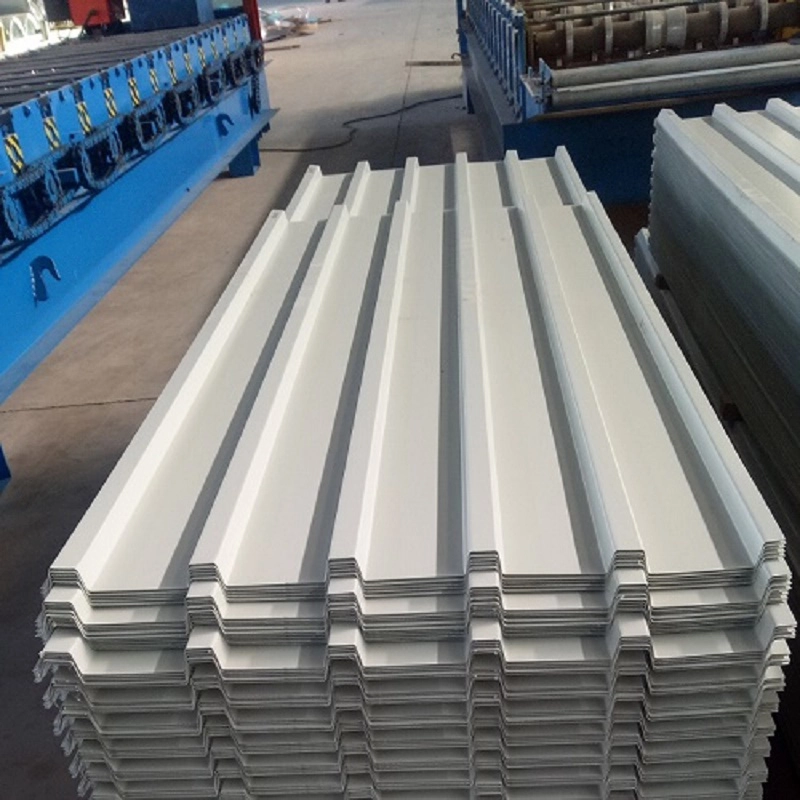
For projects that require coordinated metal envelope systems, SENBO also supplies cleanroom panels, aluminum-magnesium-manganese panels, and related accessory systems, allowing perforated sheets to be integrated with the surrounding wall, ceiling, and flashing details.
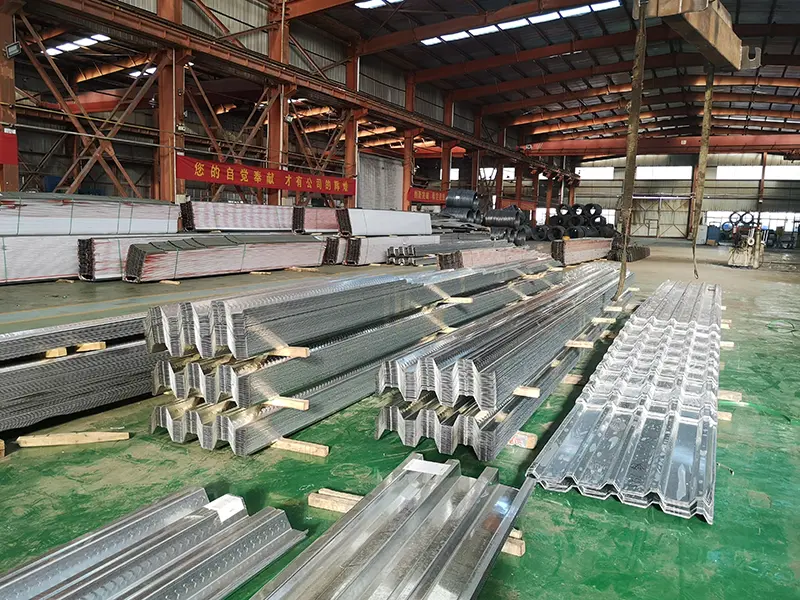
Production is carried out on high-tonnage CNC punching lines and precision laser cutting equipment. Dimensional checks are performed in-process and on finished products to ensure hole diameter, spacing, and flatness meet the agreed tolerances.
Selection and Installation Guidance
For acoustic ceilings: Choose a perforation rate and backing material that match the target frequency range. An air gap behind the panel improves low-frequency absorption. Verify the assembly's noise reduction coefficient with test data or an acoustic consultant.
For exterior facades: Select stainless steel or powder-coated aluminum for corrosion resistance. Confirm the panel thickness and profile meet the local wind load requirements, and use appropriate fasteners.
For industrial screening: Specify the required hole diameter, spacing, and open area precisely. Consistent dimensional tolerance is critical for separation efficiency. Consider the wear resistance of the base material.
During installation: Handle panels carefully to avoid bending the perforated edges. For acoustic assemblies, ensure the backing layer is installed without gaps or compression that could reduce performance.
Frequently Asked Questions
1. What information should I provide for a custom perforated sheet order?
Please provide the base material, sheet thickness, hole pattern, hole diameter, hole spacing or open area, panel dimensions, surface treatment, and whether the panels are for interior or exterior use. If the panels will be bent or formed, include the forming details so we can review edge distances and hole layout.
2. How does the hole pattern affect structural strength?
The hole pattern, open area, and hole arrangement influence the panel's stiffness and load-bearing capacity. A higher open area reduces the effective cross-section and lowers strength. For structural applications, the panel thickness and support spacing should be calculated with the perforation geometry taken into account.
3. Can I get a sample before placing a large order?
Yes. We can produce a sample panel with the specified material, hole pattern, and surface finish for evaluation. A small lot charge may apply, which can be credited toward a subsequent production order.
4. What is the difference between perforated metal and expanded metal?
Perforated metal is punched from solid sheet, creating clean, uniform holes with precise dimensions. Expanded metal is slit and stretched, forming diamond-shaped openings. Perforated sheets generally offer better flatness, a wider variety of patterns, and tighter tolerances, while expanded metal may be lighter and more economical for some applications.
5. How should perforated panels be cleaned and maintained?
For most architectural applications, occasional cleaning with mild detergent and water is sufficient. Avoid abrasive cleaners that could damage the surface coating. In industrial environments, inspect panels periodically for signs of wear or corrosion and replace as needed. Stainless steel panels in coastal areas may benefit from periodic rinsing with fresh water.