
Summary: Metal roofing panels combine structural strength, weather resistance, waterproofing performance, and architectural flexibility in a lightweight roofing solution. Modern systems can use galvanized steel, Al-Zn coated steel, color-coated steel, aluminum-magnesium-manganese alloy, or stainless steel. With panel thicknesses commonly ranging from 0.5–1.5 mm and yield strengths of approximately 220–550 MPa, the right profile and installation system can be selected according to building loads, climate, roof geometry, and service-life requirements.
SENBO provides metal roofing panels manufactured through continuous cold-roll forming, with material options and concealed installation systems designed for industrial, commercial, public, and architectural projects. The product range supports both conventional roofing applications and demanding projects where wind resistance, drainage, thermal movement, and long-term weatherability are important considerations.
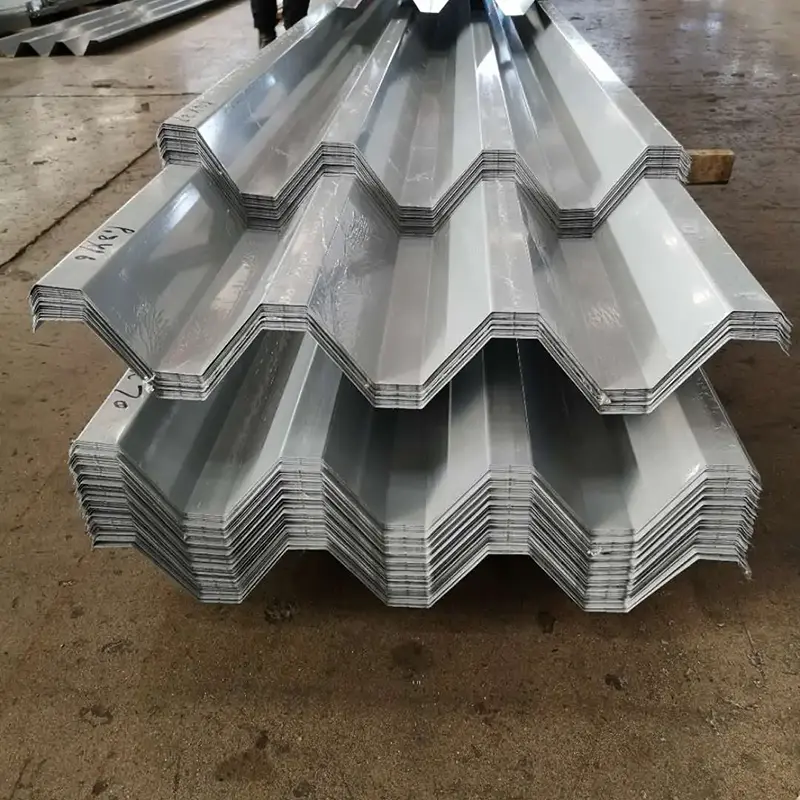
Table of Contents
- What Are Metal Roofing Panels?
- What Materials Are Available?
- What Technical Specifications Should Buyers Check?
- What Performance Benefits Do They Provide?
- Which Installation Systems Are Available?
- How Should Buyers Select the Right Panels?
- Frequently Asked Questions
What Are Metal Roofing Panels?
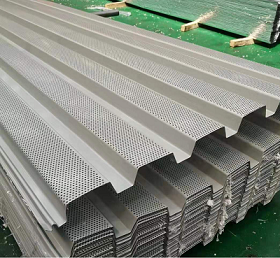
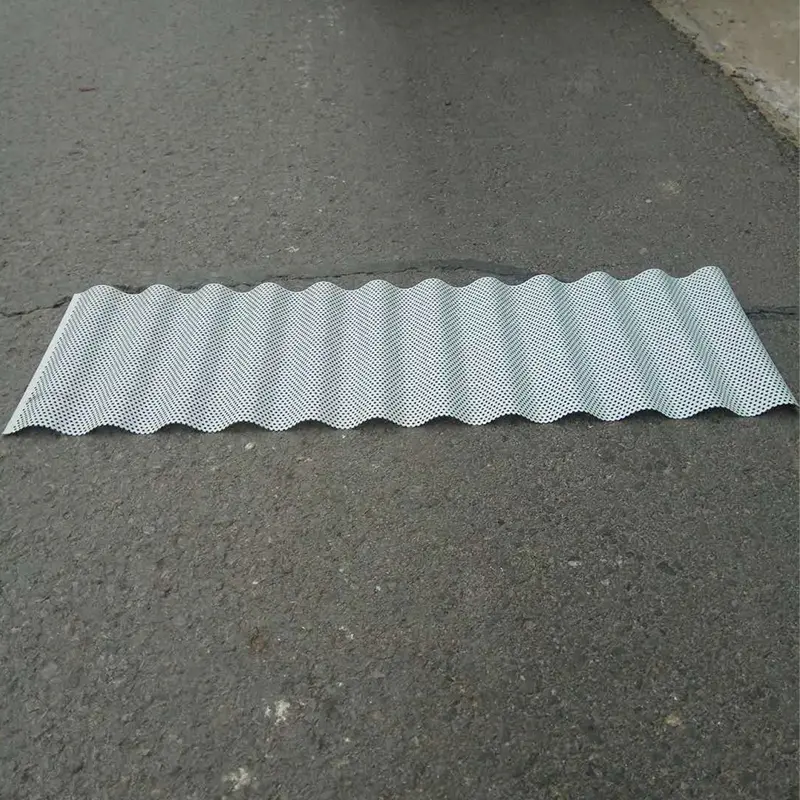
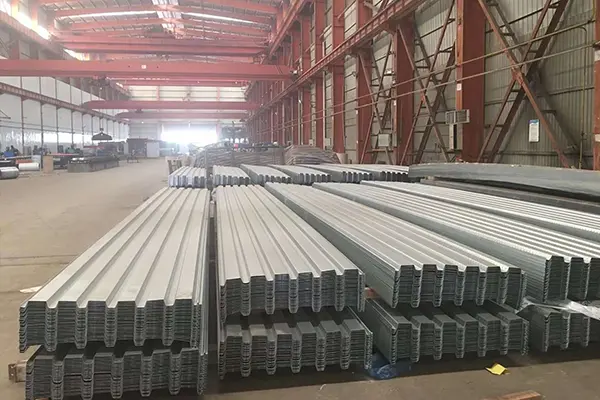
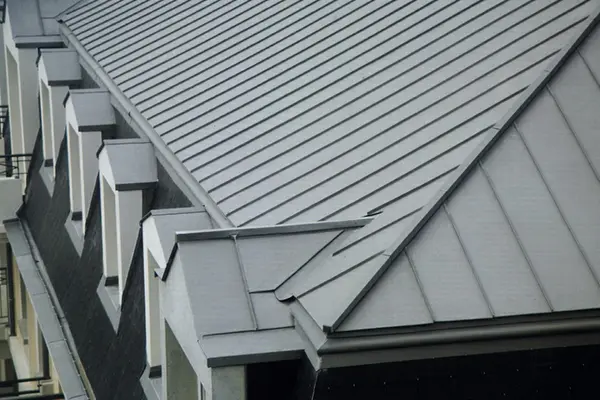
Metal roofing panels are profiled sheets formed from metal coils through cold-roll forming. Their ribs or corrugated geometry increases bending stiffness without requiring an excessively thick sheet. This allows relatively lightweight panels to provide the structural performance needed for roofing, wall cladding, and related building-envelope applications.
The panel itself is only one part of a complete roofing system. Depending on the building design, the roof may incorporate structural purlins, insulation, vapor barriers, waterproofing membranes, clips, seams, fasteners, and other accessories. Correct coordination between these components is essential for achieving reliable drainage, thermal performance, wind resistance, and long-term durability.
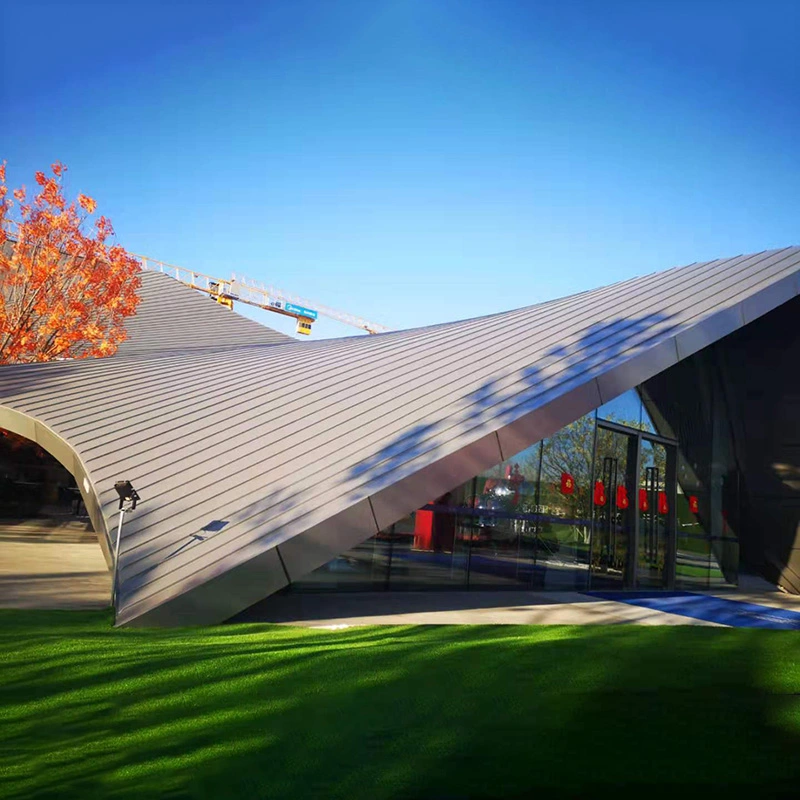
For demanding architectural projects, panels can also be produced in different geometries, including straight, curved, or fan-shaped configurations. This makes profiled metal roofing suitable for both functional industrial buildings and complex modern architectural structures.
What Materials Are Available?
Material selection directly affects corrosion resistance, weight, appearance, forming characteristics, and expected service life. A professional supplier should therefore match the material to the building environment rather than treating all metal panels as interchangeable.
| Material | Typical Characteristics | Common Applications |
|---|---|---|
| Hot-Dip Galvanized Steel | Zinc-coated steel with practical corrosion protection | Industrial and general-purpose buildings |
| Al-Zn Coated Steel | Aluminum-zinc coating with enhanced corrosion resistance | Commercial and industrial roofing |
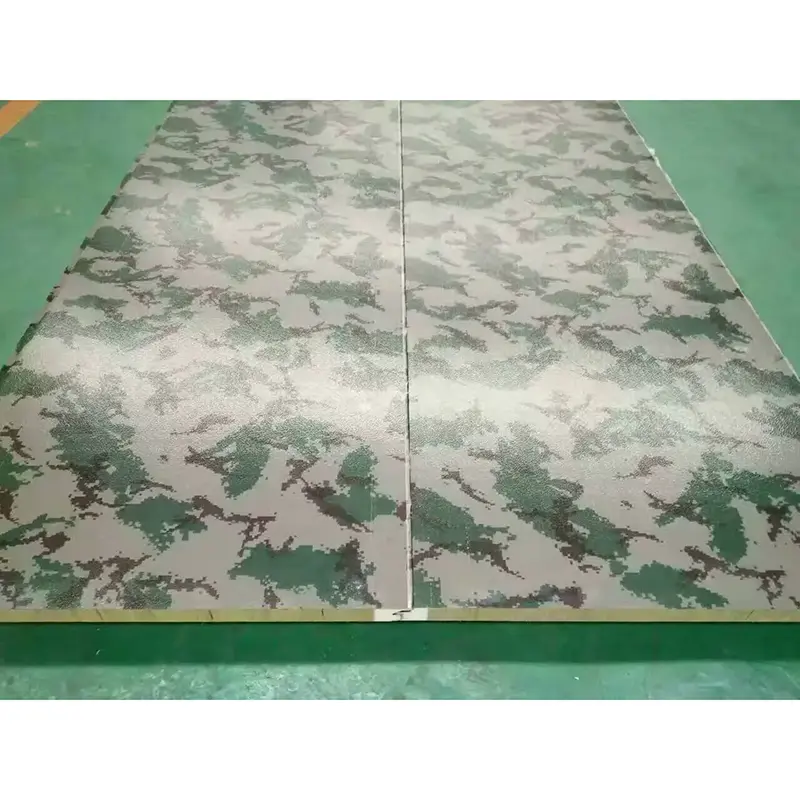
| Color-Coated Steel | Protective PE or PVDF coating with multiple appearance options | Architectural and commercial buildings |
| Aluminum-Magnesium-Manganese | Low density, strong weather resistance, and long service potential | Large architectural roofing systems |
| Stainless Steel | High corrosion resistance and suitability for demanding environments | Large public and high-performance buildings |
For example, SENBO lists galvanized, Al-Zn coated, color-coated, aluminum-magnesium-manganese, and stainless steel as available material categories. Aluminum-magnesium-manganese alloy has a listed density of 2.73 g/cm³, while stainless steel is used where particularly demanding wind and environmental conditions need to be addressed.
What Technical Specifications Should Buyers Check?
Purchasing decisions should be based on engineering requirements rather than panel appearance alone. Important specifications include base material, thickness, yield strength, coating system, profile geometry, installation method, roof slope, wind-load requirements, and expected service life.
| Performance Indicator | SENBO Reference Specification | Why It Matters |
|---|---|---|
| Standard | GB/T 12755-2008 | Defines requirements for profiled steel sheets for building applications |
| Panel Thickness | 0.5–1.5 mm | Influences strength, weight, forming, and project design |
| Yield Strength | 220–550 MPa | Helps determine structural performance |
| Wind Resistance | ≥18 kPa for specified welded stainless-steel systems | Important for high-wind and coastal projects |
| Waterproofing | Grade I reference | Supports long-term roof-envelope protection |
| Installation | Standing seam / continuous welding | Influences water tightness and thermal movement |
| Design Service Life | 15–50 years; Al-Mg-Mn can exceed 50 years | Helps evaluate long-term project value |
Buyers should also request appropriate documentation, such as mill test certificates, coating-thickness records, dimensional inspection reports, and project-specific wind uplift data where applicable. These records make it easier to verify that delivered materials match the approved specification.
What Performance Benefits Do They Provide?
Structural Efficiency
The ribbed profile improves the bending stiffness of relatively thin metal sheets. This combination of geometry and material strength can provide an efficient roofing solution without unnecessarily increasing panel weight.
Weather and Corrosion Resistance
Coating and material selection play a major role in protecting the roof from moisture and atmospheric exposure. Galvanized steel, Al-Zn coated steel, coated steel, aluminum alloys, and stainless steel can be selected according to environmental conditions.
Water Management
Roof geometry and installation details work together to direct water toward drainage points. Standing seam systems can use concealed clips and mechanically locked seams, while welded stainless-steel systems can provide continuous joints for particularly demanding applications. SENBO recommends considering a suitable drainage slope and ensuring that valleys, gutters, penetrations, and eaves are correctly designed.
Thermal Movement Management
Metal expands and contracts as temperatures change. Long panels therefore require an installation system that accommodates movement. Sliding clips in standing seam systems can allow movement along the roof slope, while specialized welded systems may incorporate transverse corrugations or expansion provisions.
Architectural Flexibility
Modern roll-forming and fabrication technology allows metal roofing to extend beyond simple straight panels. Depending on project requirements, panels can be engineered for curved or other specialized architectural geometries, supporting distinctive roof forms without abandoning the advantages of metal construction.
Which Installation Systems Are Available?
Two important approaches for high-performance roofing applications are standing seam installation and continuous welding.
- Standing seam system: Adjacent panel edges are mechanically locked or seamed, while concealed clips secure the panels to the supporting structure.
- Continuous welding system: Stainless-steel panels are joined through continuous welding to create highly integrated seams for projects with demanding waterproofing and wind-resistance requirements.
Standing seam construction is particularly useful where thermal movement needs to be accommodated. Concealed sliding clips allow panels to move as temperatures change while keeping the external roof surface relatively clean.
Continuous welding can be considered for projects requiring a highly integrated roof surface. SENBO's project information records wind uplift testing of 18.2 kPa for a continuously welded stainless-steel roof system at Guangzhou Baiyun International Airport Terminal 3, while a similar approach at the Greater Bay Area Cultural and Sports Center reportedly achieved 21 kPa in laboratory testing. Such figures should always be evaluated against the specific roof configuration, engineering calculations, and applicable local requirements.
How Should Buyers Select the Right Panels?
A practical selection process should begin with the building rather than the product catalog. Before placing an order, project teams should evaluate the following factors:
- Building location: Identify exposure to coastal air, humidity, industrial pollutants, snow, wind, and temperature changes.
- Design wind speed: Establish the required wind uplift resistance for the complete roof assembly.
- Roof geometry: Confirm roof slope, panel length, drainage routes, penetrations, valleys, and edge details.
- Material compatibility: Select a metal and coating system appropriate for the environmental exposure.
- Thermal movement: Consider panel length and expected temperature variation when selecting clips and seams.
- Documentation: Request material certificates, dimensional records, coating information, and relevant test data.
- Installation capability: Make sure the supplier or installation team understands the selected roofing system and its connection details.
Quality control should continue after production. On-site receiving inspections can verify material grade, panel dimensions, surface condition, and quantity before installation. During installation, purlin alignment, clip positioning, seam engagement, lifting methods, and roof-surface handling should also be controlled.
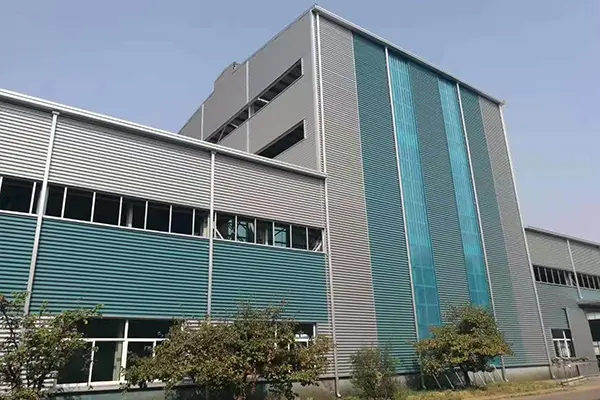
For additional building-envelope solutions, buyers can also explore SENBO's profiled steel sheets and related metal wall panels to develop a coordinated exterior system.
Frequently Asked Questions
What thickness are metal roofing panels?
SENBO lists common roofing panel thicknesses from 0.5 mm to 1.5 mm. The appropriate thickness depends on material grade, profile geometry, structural loads, span, wind requirements, and project specifications.
Are metal roofing panels suitable for high-wind areas?
They can be engineered for high-wind applications, but performance depends on the complete roof assembly rather than the sheet alone. Panel material, seam design, clips, support spacing, edge conditions, and connection details should all be verified through engineering calculations and applicable testing.
How do metal roofs handle thermal expansion?
Standing seam systems commonly use sliding clips that permit movement along the roof slope. Other systems may use expansion joints or specially formed profiles. The correct solution depends on panel length, roof geometry, material, and expected temperature range.
Do metal roofing panels require regular maintenance?
Routine inspection is recommended. Maintenance checks should include panel condition, drainage paths, fasteners where exposed, seams, penetrations, and sealant condition. Keeping the roof free of debris also helps maintain effective drainage.
Can metal roofing panels be customized?
Yes. Depending on manufacturing capability and project requirements, metal roofing can be produced in different materials, profiles, lengths, finishes, and geometries. Large architectural projects may also require curved or specialized panel configurations.
Make Your Roofing Project More Reliable with the Right Panel System
Choosing the right roofing material is ultimately an engineering decision involving structural loads, climate exposure, waterproofing, thermal movement, appearance, installation method, and service-life expectations. SENBO combines cold-roll forming capability, material options, production inspection, and project-oriented roofing solutions to support different building requirements. If you are sourcing metal roofing panels for an industrial, commercial, infrastructure, or architectural project, contact us to discuss your required material, thickness, profile, dimensions, environmental conditions, and performance targets, and request a suitable specification and quotation.