Tianjin SENBO Building Materials Technology Co., Ltd.
Products
Perforated Zn-Al-Mg Coated Sheet
  • Perforated Zn-Al-Mg Coated SheetPerforated Zn-Al-Mg Coated Sheet

Perforated Zn-Al-Mg Coated Sheet

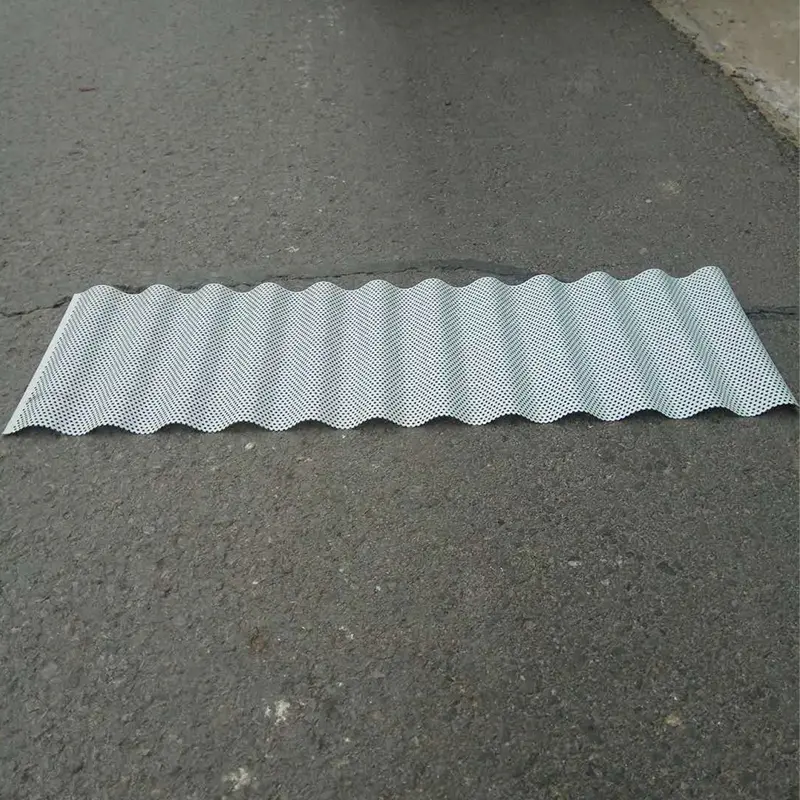
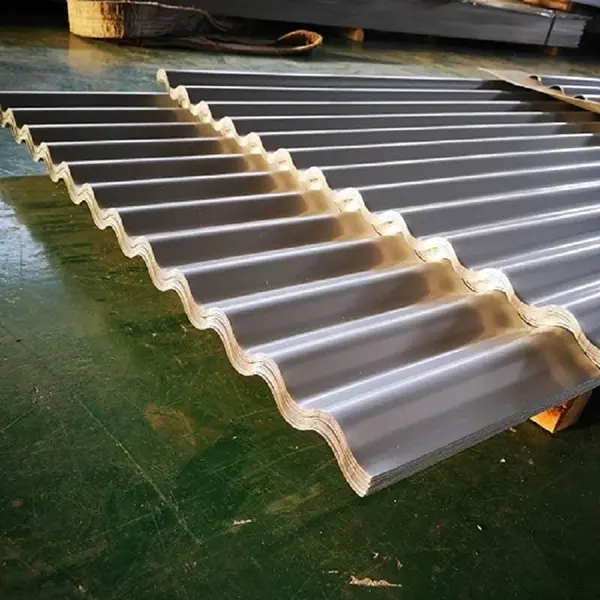
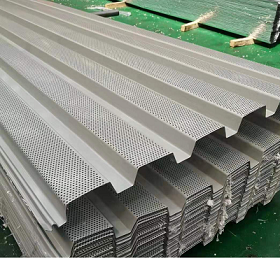
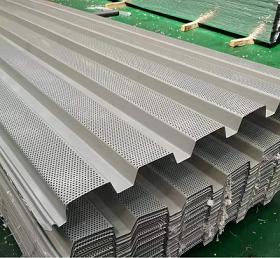
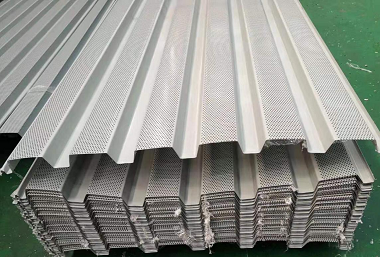
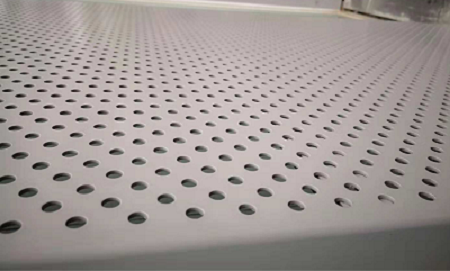
Shenbo operates a dedicated production facility for the high-speed, precision punching of perforated zn-al-mg coated sheet. As a manufacturer of perforated Zn-Al-Mg panels, the company offers a product that inherently solves the corrosion issue associated with standard hot-dip galvanized sheets—where the exposed steel substrate at the edges of punched holes begins to corrode immediately—thereby eliminating the need for remedial measures such as additional coatings or post-processing.

The base material forperforated zn-al-mg coated sheets is steel coated with a Zn-Al-Mg alloy. Within this ternary coating, zinc provides sacrificial anodic protection; aluminum forms dense, stable, and water-insoluble corrosion products that effectively block corrosive agents and slow the rate of uniform corrosion; and magnesium transforms corrosion products into stable, dense, and strongly adherent basic carbonate complex salts. These salts firmly cover the coating surface and any scratches, inhibiting further corrosion penetration. After perforation, the MgZn₂ phase within the coating ionizes preferentially at the cut edges, rapidly forming a dense protective film composed of substances such as zinc hydroxide and magnesium oxide.

Why Cut Edges Are Critical: Self-Healing Protection:

For perforated products, the battle against corrosion is fought at the edges of the holes, not on the flat surface of the sheet. Conventional coatings fail here: the perforation process strips the coating away from the very areas that need protection most, leaving the steel substrate directly exposed. Zn-Al-Mg coatings, however, excel in this area:

Preferential Ionization: 

The MgZn₂ eutectic phase in the coating corrodes preferentially, depositing protective corrosion products directly onto the exposed steel substrate at the cut edge.

Dense Barrier Film: 

Products such as zinc hydroxide and magnesium oxide form a dense, insulating protective layer that effectively prevents corrosive agents from penetrating further.

No Post-Processing Required:

Perforated edges, sheared edges, and even scratches caused during installation do not require touch-up painting, passivation, or edge sealing. This eliminates a processing step and removes the risk of accidentally missing an edge during treatment.

Under neutral salt spray testing conditions, Zn-Al-Mg coatings can withstand ≥4000 hours without red rust—far outperforming hot-dip galvanized sheets of the same coating thickness. Under normal processing and usage conditions, the perforated zn-al-mg coated sheet is guaranteed to remain free of red rust for 30 years and free of corrosion-induced perforation for 35 years.

Technical Specifications:
Item Specification Range
Substrate Material Zinc-aluminum-magnesium alloy coated steel sheet (low Al / medium Al / high Al series)
Coating Series Low Al Zn-6%Al-3%Mg; High Al Zn-11%Al-3%Mg
Coating Mass AZM100 / AZM150 / AZM180 / AZM200 (≥100–200 g/㎡)
Sheet Thickness 0.4–3.0 mm (common: 0.5–1.5 mm)
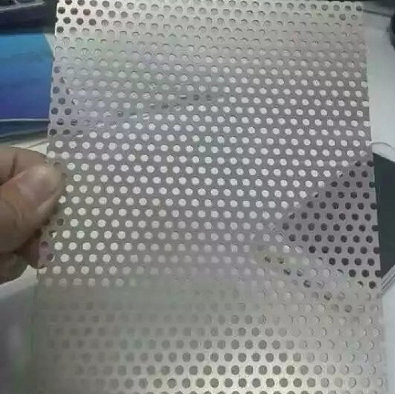
Hole Diameter 0.5–200 mm
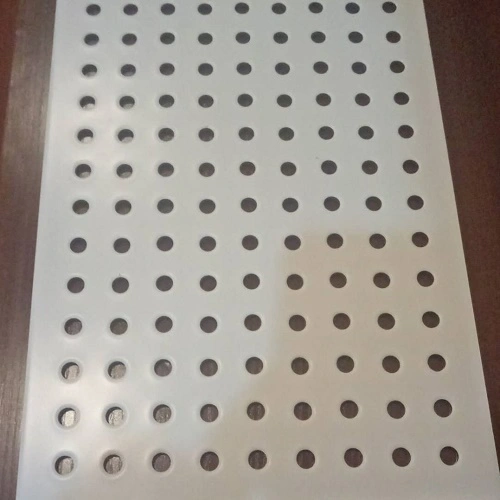
Open Area Ratio 5%–40% (20%–30% commonly used for sound absorption)
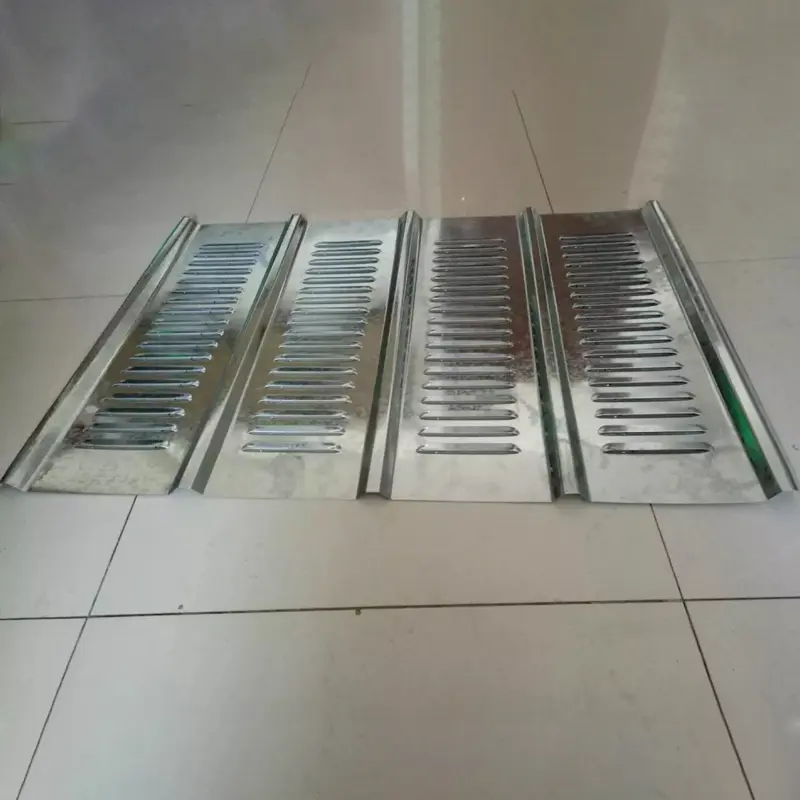
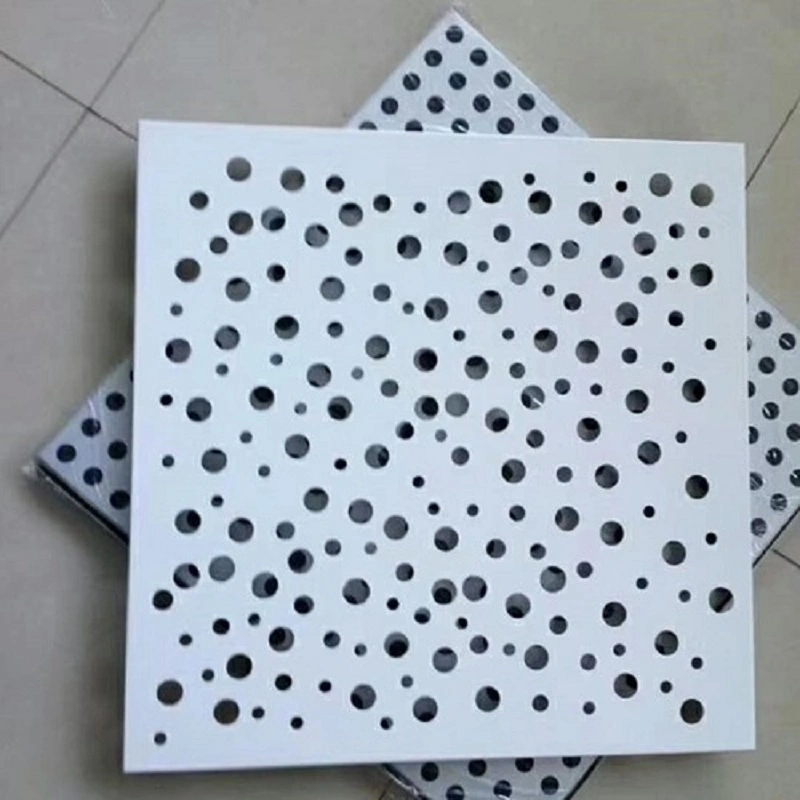
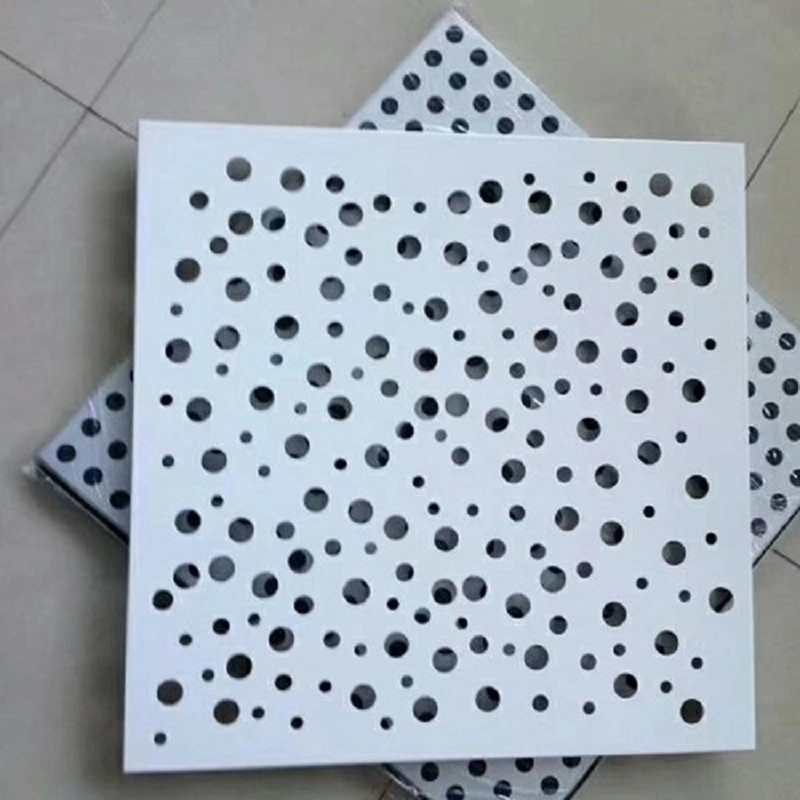
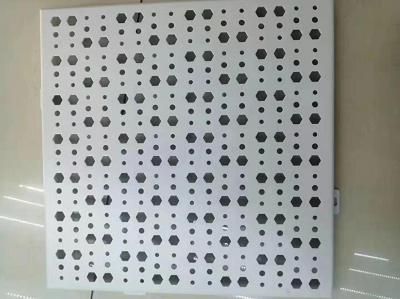
Hole Pattern Round holes (in-line / 60° staggered), square holes, rectangular holes, diamond holes, hexagonal holes, slotted holes, louver holes, fish-scale holes, cross holes; custom special-shaped holes available per drawings
Coil Dimension Width 900–1500 mm
Sheet Dimension 1×2 m, 1.22×2.44 m; custom cut-to-length available per drawings
Yield Strength G300 / G350 / G550
Surface Treatment Passivation + oiling, passivation without oiling, anti-fingerprint, fluorocarbon coating, polyester coating, powder coating (100+ colors)
Salt Spray Resistance ≥4000 h without red rust
Anti-corrosion Service Life No red rust within 30 years, no corrosion perforation within 35 years
Executed Standard YB/T 4634-2017


Selection Guide: Which Specification Suits Your Project? 

Selection based on operating environment: 

For coastal, high-salinity, or industrially polluted areas, prioritize aluminum-rich or high-aluminum Zinc-Aluminum-Magnesium (Zn-Al-Mg) coatings. In livestock facilities, ammonia and hydrogen sulfide rapidly corrode standard coatings; however, Zn-Al-Mg perforated panels excel in these chemical environments, offering a stable service life of 20–30 years for ventilation panels and fencing. For indoor decorative applications in dry environments, low-aluminum series products are sufficient and more cost-effective.

Selection based on function:

1.Sound-absorbing panels and noise barriers: 

Open area ratio of 20%–30%; when paired with rock wool or glass wool, the Noise Reduction Coefficient (NRC) can reach 0.70–0.90. Excellent corrosion resistance ensures outdoor noise barriers remain rust-free and effective for decades.

2.Photovoltaic (PV) mounting components: 

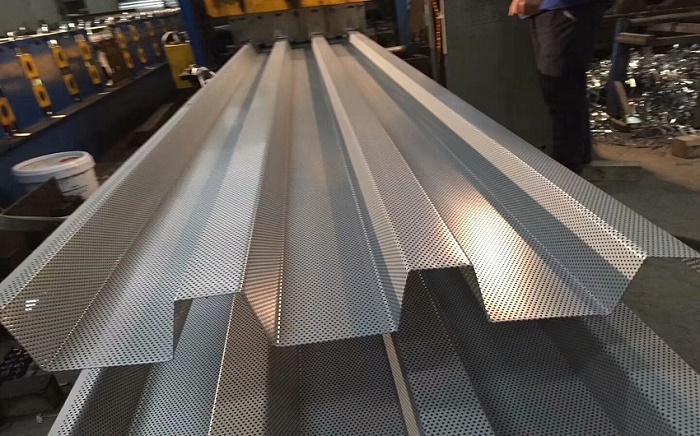
Thickness of 0.5–1.5 mm and G550 high-strength grade; suitable for roll forming, punching, and shaping processes without damaging the coating.

3.Curtain walls, sun-shading louvers, and decorative ventilation panels: 

Custom hole patterns based on drawings; options for fluorocarbon (PVDF) or polyester coatings with over 100 color choices to match building facades.

4.Filter screens and equipment guards:

Hole diameters ranging from 0.5 to 200 mm; available with anti-fingerprint or oiled surface finishes; suitable for home appliance and machinery casings.

Selection based on hole arrangement: The 60° staggered (hexagonal) pattern is the most frequently requested configuration—it offers the highest structural strength for a given open area ratio and provides the most visually uniform rhythm on facades.

Application Scenarios:

Photovoltaic power generation: 

Perforated components for mounting crossbeams and purlins; the coating withstands coastal salt spray, covering the 30-year design lifespan of PV power plants.

Livestock farming:

Ventilation panels and fencing; resistant to corrosion from ammonia, hydrogen sulfide, and disinfectants.

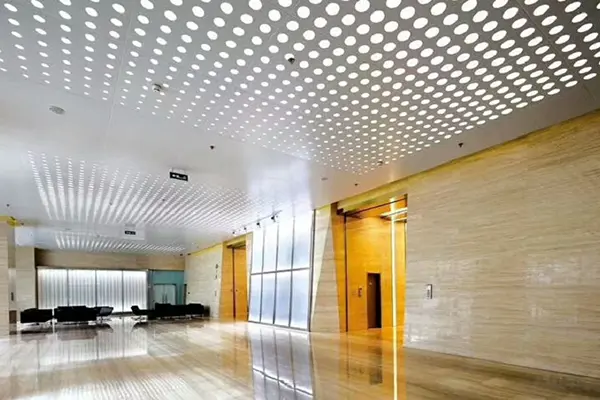
Architectural facades and sun shading: 

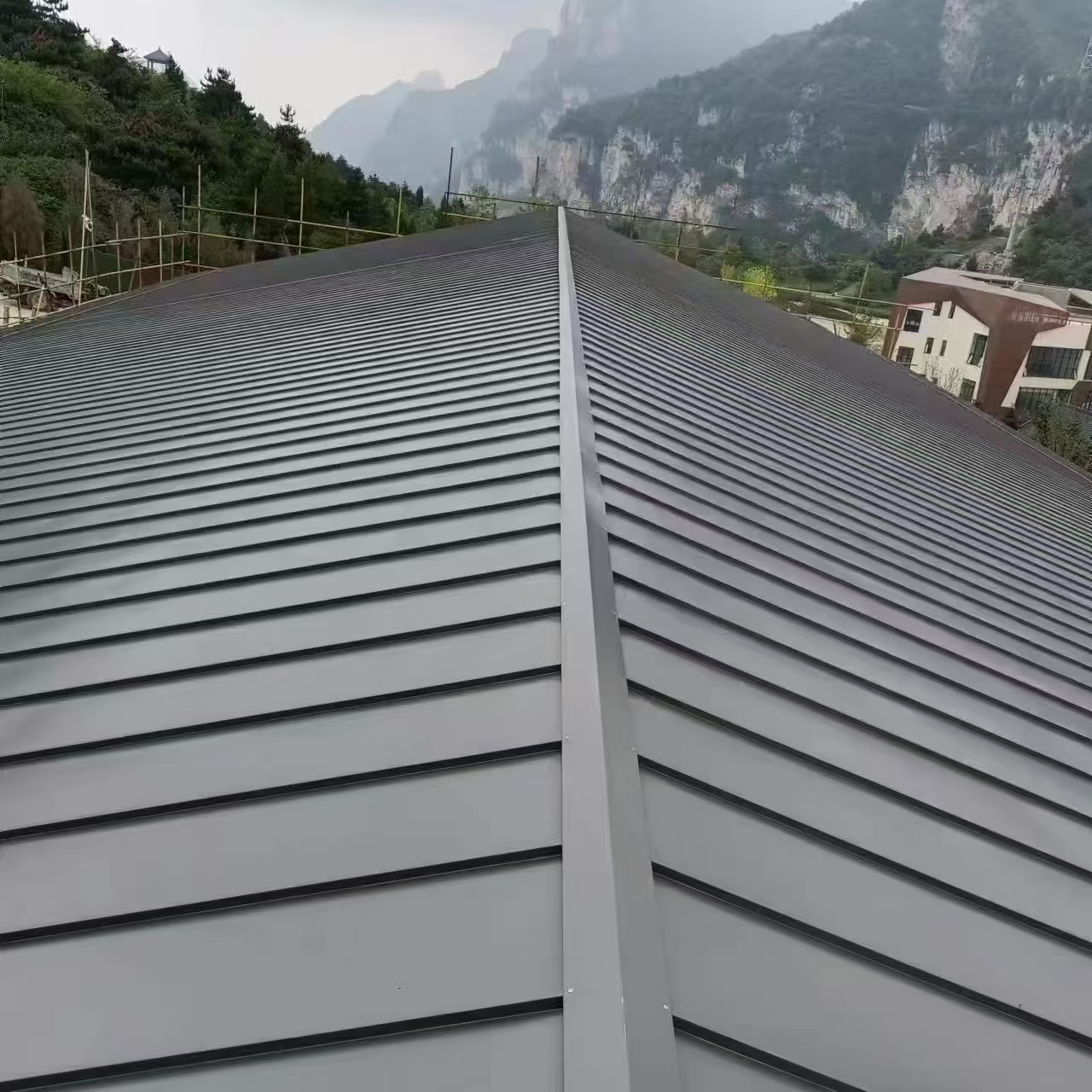
perforated zn-al-mg coated sheets are suitable for use as facade cladding, sun-shading louvers, and decorative ventilation panels in coastal and polluted regions. 

Acoustic Noise Reduction Engineering:

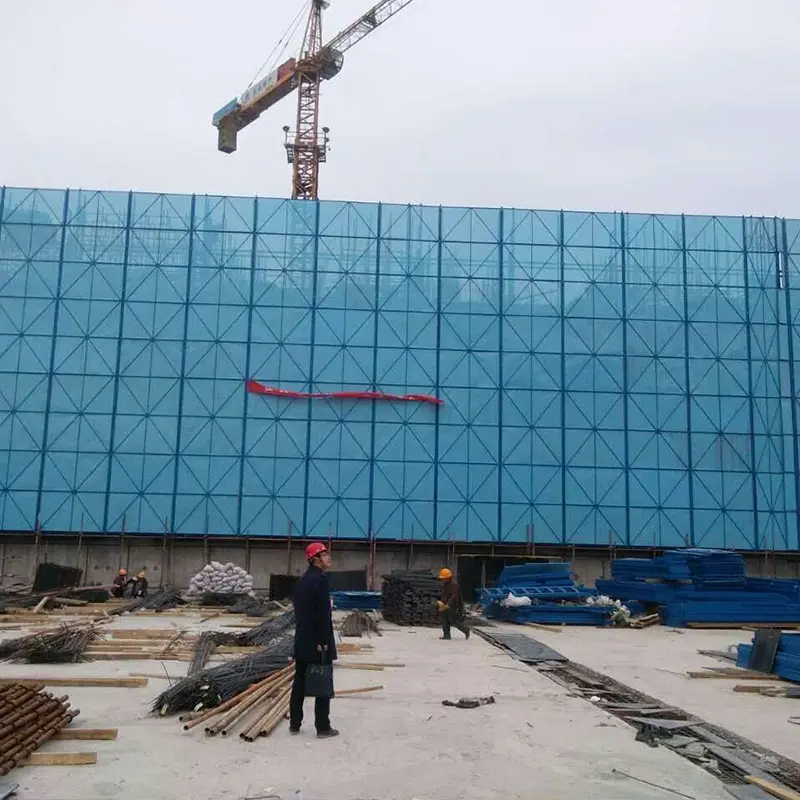
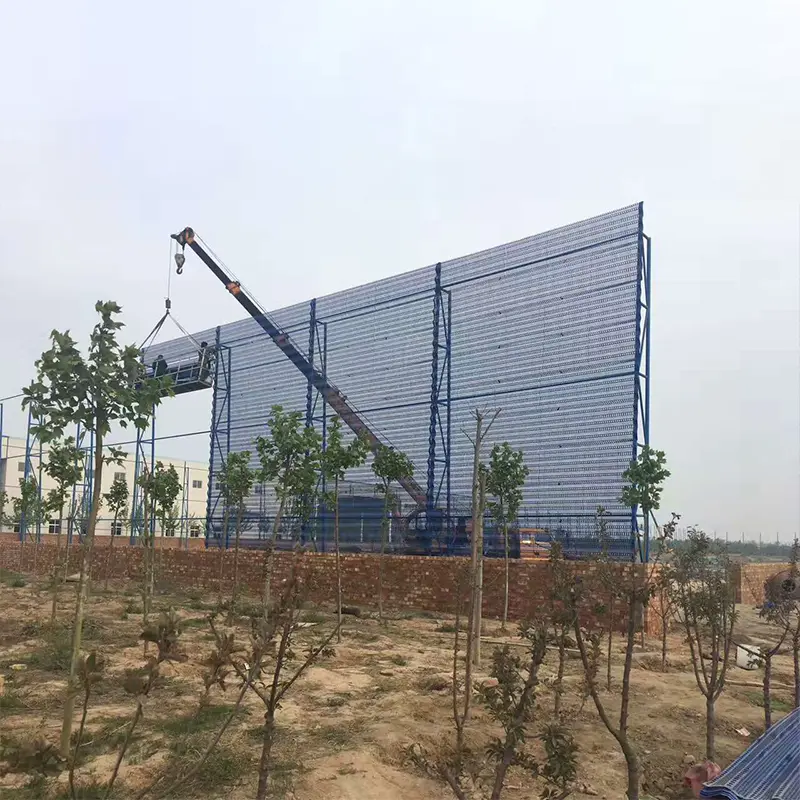
Highway noise barriers, as well as sound-absorbing panels for stadiums and equipment rooms (used in conjunction with rock wool).

Transportation Infrastructure:

Perforated components for highway guardrails, cable trays, and underground utility tunnels.

Chemical & Industrial Equipment:

Filter screens, noise-dampening panels, and equipment protective guards; resistant to corrosion from acids, alkalis, and cleaning agents.

Commercial Interiors:

Shelving back panels, ceiling tiles, and air conditioning vent panels; customizable colors available.

Frequently Asked Questions (FAQ)

Q1: Will the edges of the perforations rust? 

No. The MgZn₂ phase within the perforated zn-al-mg coated sheets preferentially at the cut edges, forming a dense protective film (composed of zinc hydroxide, magnesium oxide, etc.) that seals the exposed steel substrate. This self-healing reaction recurs at the site of any cut, scratch, or perforation, requiring no post-processing.

Q2: How does it differ from standard hot-dip galvanized perforated sheets? 

For the same coating thickness, corrosion resistance is approximately 10–20 times greater than that of hot-dip galvanized sheets: neutral salt spray resistance of ≥4,000 hours versus 500–1,000 hours, and a service life of over 30 years versus 8–15 years. While standard galvanized sheets begin to rust at the cut edges, Zinc-Aluminum-Magnesium sheets effectively "heal" the cut.

Q3: Can you manufacture according to our specific perforation patterns and drawings? 

Yes. We accommodate hole diameters of 0.5–200 mm and open area ratios of 5%–40%. Options include round, square, hexagonal, louvered, and custom-shaped holes. Products can be delivered as cut-to-size sheets or coils, and OEM production based on project drawings is our standard procedure.

Q4: Is it suitable for livestock farming environments? 

This is one of its strongest applications, second only to stainless steel. The coating resists salt spray, ammonia, and common acids/alkalis. In coastal curtain wall and livestock ventilation panel projects, the self-healing edge function effectively prevents red rust from spreading from the perforation edges.

Q5: How are the sheets protected during transport? 

Coil loading and unloading are carried out in accordance with SOPs to prevent direct contact between wire ropes and the coating; minor scratches and cuts are self-healing, so transport marks do not compromise overall corrosion resistance.


Send Inquiry
Contact Info
Send SENBO an inquiry for steel building materials. Request a free quote, sample or bulk order price list. Our sales team responds within 24 hours with factory direct pricing, stock availability and shipping options.
X
We use cookies to offer you a better browsing experience, analyze site traffic and personalize content. By using this site, you agree to our use of cookies. Privacy Policy
RejectAccept