Tianjin SENBO Building Materials Technology Co., Ltd.
News

Why Is Color-coated Profiled Steel Sheet Becoming a Smarter Choice for Modern Building Projects

2026-09-15 0 Leave me a message

Article Summary: SENBO provides Color-coated Profiled Steel Sheet designed for roofing, wall cladding, industrial buildings, warehouses, airports, sports facilities, and large-span steel structures. With common thicknesses from 0.4–1.6 mm, yield strengths of 250–550 MPa, rib heights of 10–200 mm, and PE or PVDF coating options, these profiled sheets balance structural performance, corrosion protection, installation efficiency, and architectural appearance.

Color-coated Profiled Steel Sheet

Table of Contents

What Is Color-coated Profiled Steel Sheet?

Why Choose Color-coated Profiled Steel Sheet?

Key Technical Specifications

How Should Material and Coating Be Selected?

Where Is It Commonly Used?

What Should Be Considered During Installation?

How Can Quality Be Verified Before Delivery?

Frequently Asked Questions

Final Considerations


What Is Color-coated Profiled Steel Sheet?

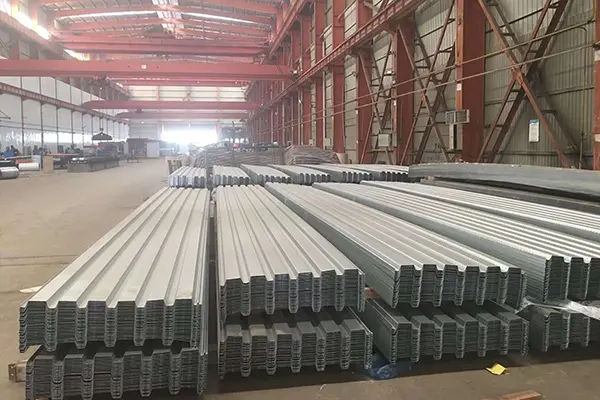
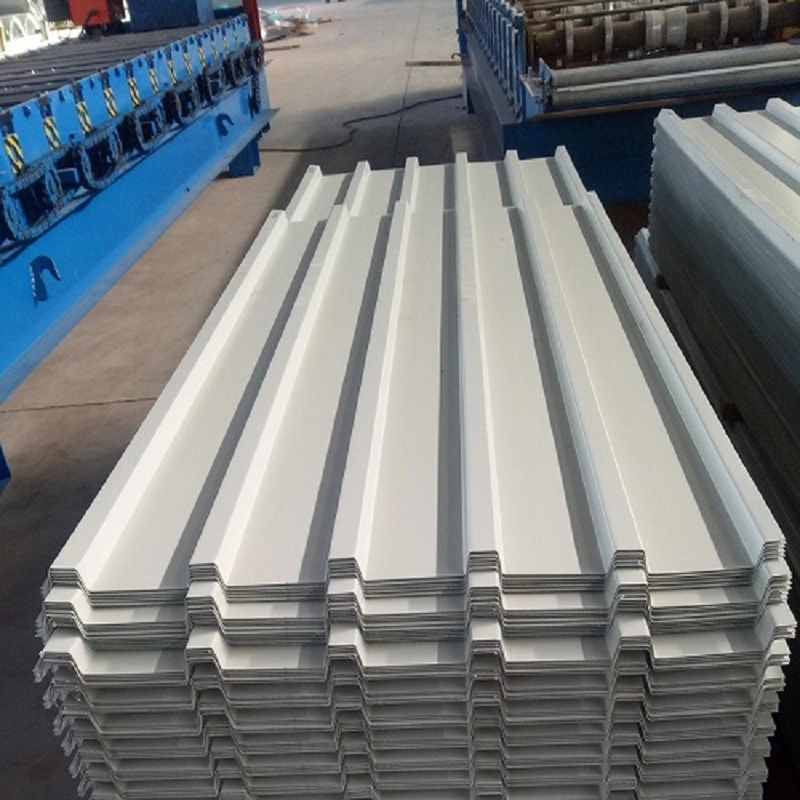
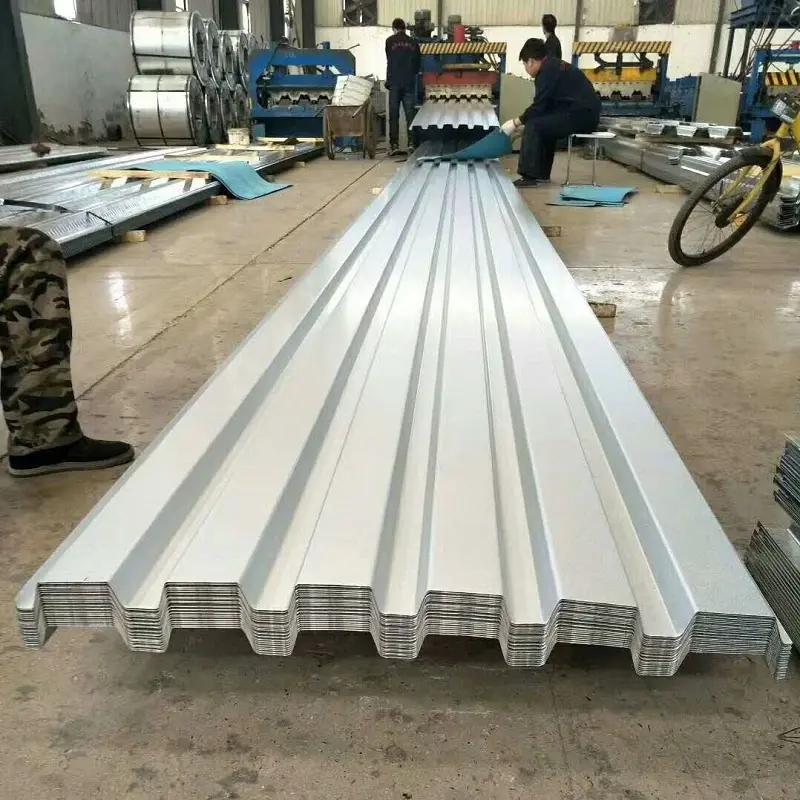
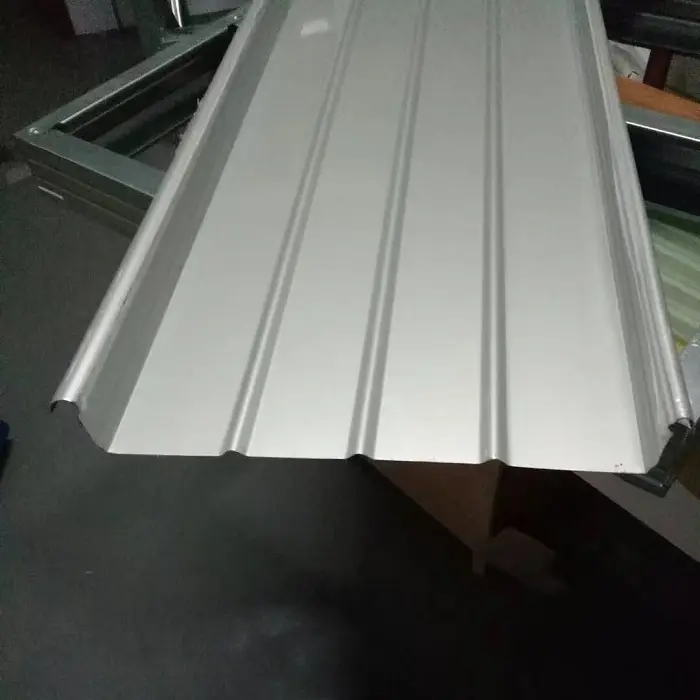
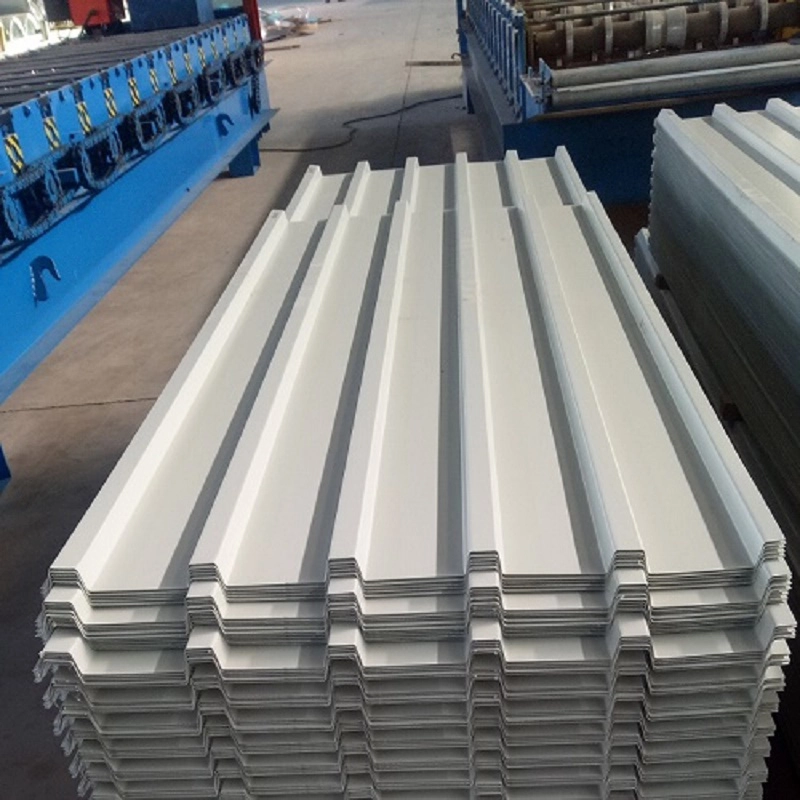
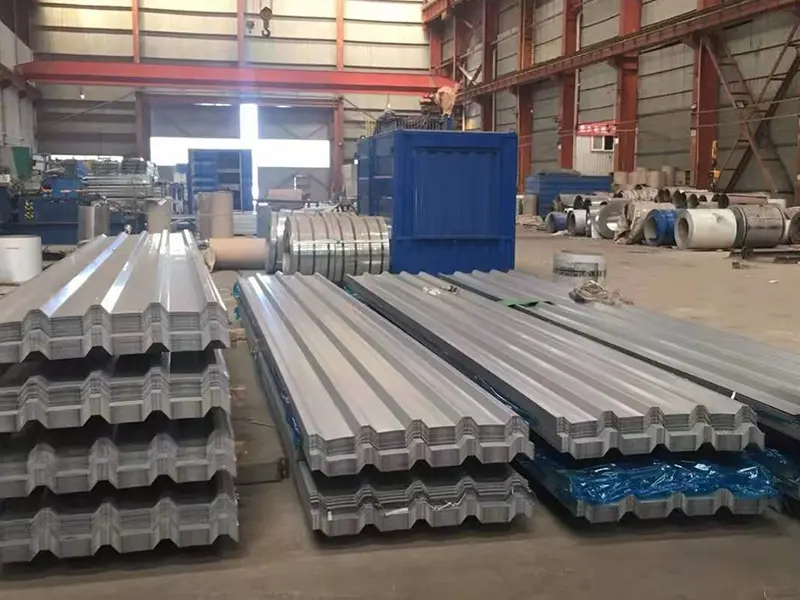
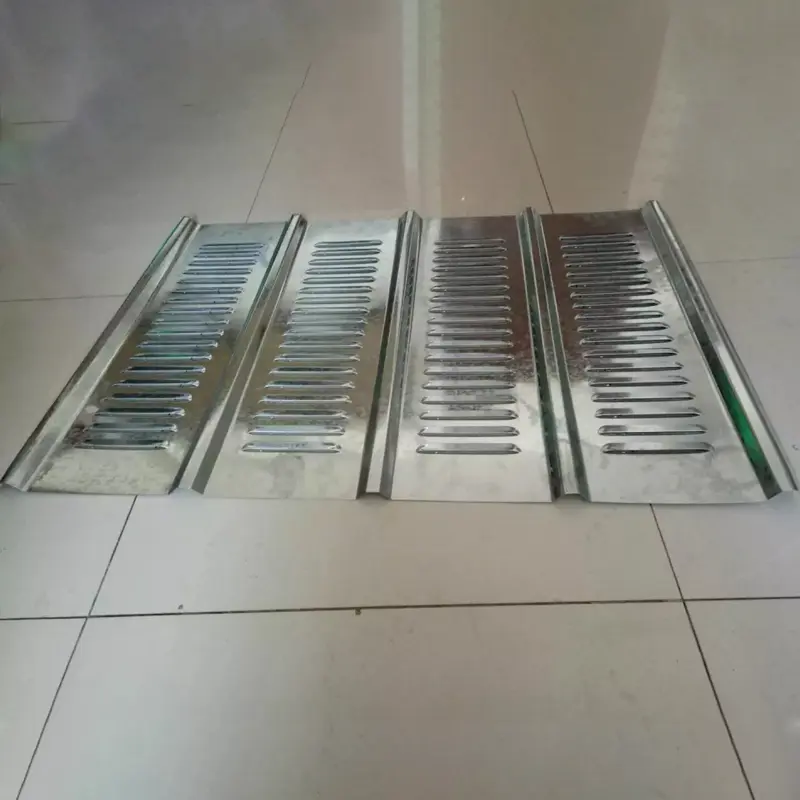
Color-coated Profiled Steel Sheet is a formed steel building material produced by cold-roll forming pre-coated steel coils into corrugated or ribbed profiles. The combination of a strong steel substrate, protective metallic coating, organic paint layer, and engineered profile gives the sheet both structural rigidity and an attractive exterior finish.

Unlike flat steel sheet, the profiled geometry increases bending stiffness without requiring excessive material thickness. This makes the product suitable for lightweight building envelopes where designers need a practical balance between strength, weight, weather resistance, and construction efficiency.

The typical structure includes:

  • Steel substrate: Provides the basic mechanical strength and dimensional stability.
  • Metallic coating: Helps protect the substrate against corrosion.
  • Organic coating: Provides color, surface protection, and additional weather resistance.
  • Profiled geometry: Improves stiffness and supports roofing or wall-cladding applications.

According to SENBO's product information, available yield-strength grades range from 250 MPa to 550 MPa, while common sheet thicknesses range from 0.4 mm to 1.6 mm.


Why Choose Color-coated Profiled Steel Sheet?

The main advantage of profiled color-coated steel is that several functional requirements can be addressed with one building material. It can contribute to structural efficiency while also providing a finished exterior surface.

1. Lightweight Construction

The typical dead weight is approximately 6–10 kg/m², depending on thickness, profile, and material configuration. A relatively low self-weight can help reduce the load transferred to supporting structures and foundations, particularly in large industrial buildings.

2. High Strength-to-Weight Performance

Profile geometry increases the bending stiffness of the sheet, while different steel grades allow engineers to match material strength to project requirements. SENBO lists yield-strength options from 250 MPa through 550 MPa, providing flexibility for different spans and loading conditions.

3. Faster Installation

Steel sheets are relatively easy to transport, lift, position, and fasten compared with heavier traditional envelope materials. For long-length roofing projects, on-site roll forming can also reduce transportation difficulties and minimize damage caused by handling oversized sheets.

4. Appearance and Weather Protection

The coated surface offers a finished architectural appearance without requiring conventional site painting. PE and PVDF coating systems can be selected according to budget, environmental exposure, and expected outdoor durability.


Key Technical Specifications

Choosing a suitable sheet requires more than simply comparing thickness. Profile height, yield strength, effective width, coating system, roof slope, and environmental exposure should all be considered during project design.

Performance Indicator Typical Specification Project Consideration
Sheet Thickness 0.4–1.6 mm Higher thickness may be required for demanding structural applications
Yield Strength 250–550 MPa Select according to span, loading, and structural design
Rib Height 10–200 mm Higher ribs can provide greater bending stiffness
Dead Weight 6–10 kg/m² Helps reduce building envelope weight
Common Base Width 1000 mm 600 mm, 1000 mm, and 1200 mm series can be available
Coating Options PE / PVDF Selection depends on weather and corrosion exposure
Typical Roof Slope 2–5% Drainage design should be considered together with local climate
Applicable Standards GB/T 12754 / GB/T 12755-2008 Confirm project-specific compliance requirements before ordering

Common profiles include YX35-125-750, Jiaochi 760, and Jiaochi 820. However, the appropriate profile should always be selected according to engineering calculations rather than appearance alone.


How Should Material and Coating Be Selected?

Material selection has a direct influence on the service performance of a steel building envelope. A suitable configuration should consider both mechanical requirements and environmental conditions.

Steel Strength

For ordinary roofing and wall applications, commonly used grades may be sufficient. Projects involving longer spans, higher loads, or specialized profiles may require higher-strength steel. For example, SENBO identifies 550 MPa steel as an option for certain snap-lock profile applications.

Metallic Coating

Hot-dip galvanized and aluminum-zinc-coated substrates provide different levels of corrosion protection. The product information specifies common coating requirements of at least 90/90 g/m² for hot-dip galvanized substrates and 50/50 g/m² for aluminum-zinc-coated substrates unless otherwise specified.

Organic Coating

PE coatings can provide a practical balance between cost and general outdoor performance. PVDF coatings are often considered when stronger weather resistance and long-term color performance are important, particularly for exposed architectural applications.

For coastal areas, chemical plants, or other corrosive environments, the coating system should be selected based on actual exposure conditions rather than simply choosing the lowest-cost option.


Where Is It Commonly Used?

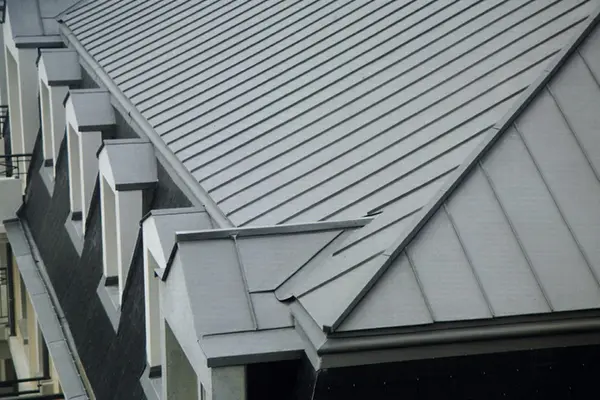
The versatility of profiled coated steel makes it suitable for a broad range of commercial, industrial, and architectural structures.

  • Industrial plants: Used for external walls and roofing systems.
  • Logistics warehouses: Provides a lightweight and practical building envelope.
  • Steel structure buildings: Works with structural frames and supporting purlins.
  • Airports and exhibition centers: Suitable for large-span architectural applications.
  • Sports facilities: Provides functional roofing and wall-cladding solutions.
  • Storage buildings: Supports efficient construction of large enclosed spaces.
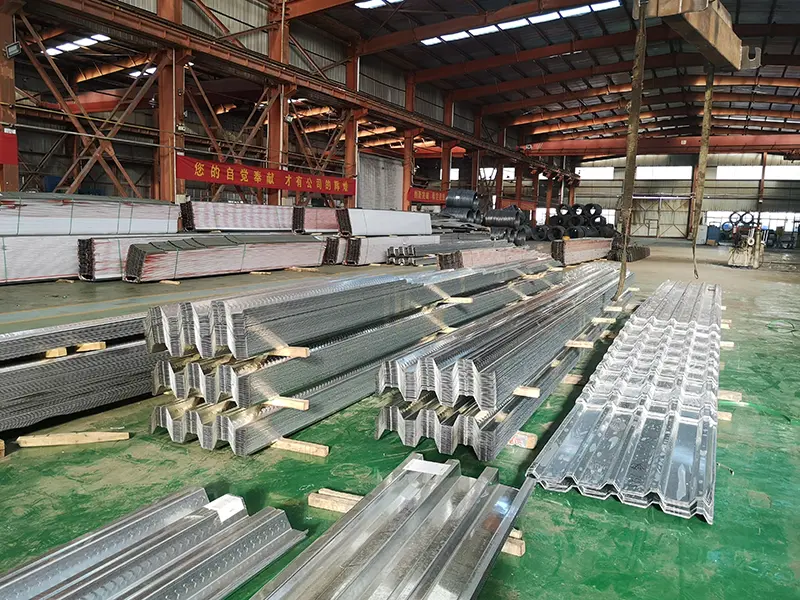
  • Composite floor systems: Suitable profiles can be used as floor decking where structural requirements are met.

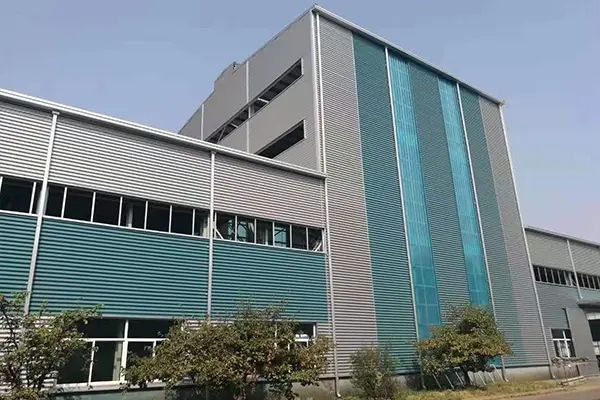
For example, SENBO's product information describes applications involving large industrial workshops and large-span structures, demonstrating how profile geometry and material strength can be matched to demanding building envelopes.


What Should Be Considered During Installation?

Even a high-quality sheet can perform poorly if the supporting structure or installation method is unsuitable. Proper preparation is therefore essential for maintaining alignment, drainage, coating integrity, and long-term performance.

  1. Inspect the supporting structure: Check purlin alignment and spacing before installation.
  2. Handle bundles carefully: Use suitable lifting methods to prevent rib deformation.
  3. Protect the coating: Use cutting tools that minimize damage to coated surfaces.
  4. Select compatible fasteners: Washers and fasteners should be compatible with the coating system to reduce corrosion risks.
  5. Control overlaps: Follow specified side-lap and end-lap requirements.
  6. Verify roof drainage: Maintain an appropriate slope to reduce the possibility of standing water.
  7. Coordinate curved applications: Confirm the minimum bending radius before forming the sheet.

For long-length projects, on-site roll forming can be considered when transportation, storage, or lifting limitations make factory-produced long sheets difficult to handle.


How Can Quality Be Verified Before Delivery?

Quality verification should focus on measurable characteristics rather than visual appearance alone. For procurement teams, contractors, and building-material distributors, documentation can also help confirm that delivered products match the agreed specifications.

Important inspection points include:

  • Base steel grade and yield strength
  • Actual sheet thickness
  • Profile dimensions and effective width
  • Rib height and geometry
  • Coating type and coating thickness or weight
  • Surface condition and color consistency
  • Dimensional tolerances
  • Mill test certificates and relevant inspection records

For large projects, it is also advisable to purchase sheets for the same roof or wall elevation from the same production batch. This helps minimize visible color differences between panels.

Project-specific wind uplift requirements, structural calculations, or test documentation should be confirmed with the manufacturer when the sheets are intended for critical or specialized structures.


Frequently Asked Questions

What thickness is commonly used for profiled steel roofing?

Common thicknesses range from 0.4 mm to 1.6 mm. For many roofing and wall-cladding applications, 0.5–0.6 mm is frequently considered, while important building exteriors may require at least 0.6 mm. The final thickness should be determined by span, loading, wind conditions, and engineering requirements.

Is PVDF better than PE coating?

Neither coating is universally better for every project. PE can provide a cost-effective solution for general applications, while PVDF is often selected when stronger weather resistance and long-term exterior appearance are priorities. Environmental exposure and expected service life should guide the decision.

What rib height should I choose?

Rib height affects stiffness and spanning capability. Lower profiles may be appropriate for shorter spans, while deeper profiles can provide greater stiffness for longer spans or higher loads. Selection should be based on engineering calculations and manufacturer span data.

Can color-coated profiled steel sheets be used in coastal areas?

Yes, but the coating system should be selected for the specific corrosive environment. Aluminum-zinc substrates and higher-performance coatings such as PVDF may be considered, while aggressive environments may require additional protective measures and higher coating specifications.

Can these steel sheets be customized?

Yes. SENBO supports customized specifications and bulk orders. Buyers can discuss sheet thickness, profile geometry, effective width, steel grade, coating configuration, length, color, and other project requirements with the supplier before production.


Final Considerations

Choosing the right Color-coated Profiled Steel Sheet is ultimately a balance between structural performance, corrosion protection, installation efficiency, appearance, and project cost. With thicknesses from 0.4–1.6 mm, yield strengths up to 550 MPa, multiple profile configurations, and PE or PVDF coating options, the material can be adapted to industrial roofs, warehouse walls, large-span structures, and other demanding building applications.

For projects requiring customized dimensions, suitable coating systems, bulk purchasing, or technical specification support, working directly with an experienced manufacturer can simplify material selection and procurement. If you are planning a new steel-building project or need a reliable profiled sheet solution, learn more about SENBO's Color-coated Profiled Steel Sheet and contact us for customized specifications, quotation, samples, and project-based recommendations.

Related News
Leave me a message
X
We use cookies to offer you a better browsing experience, analyze site traffic and personalize content. By using this site, you agree to our use of cookies.Privacy Policy
RejectAccept