Tianjin SENBO Building Materials Technology Co., Ltd.
Products
Metal Profiled Sheet
  • Metal Profiled SheetMetal Profiled Sheet
  • Metal Profiled SheetMetal Profiled Sheet
  • Metal Profiled SheetMetal Profiled Sheet

Metal Profiled Sheet

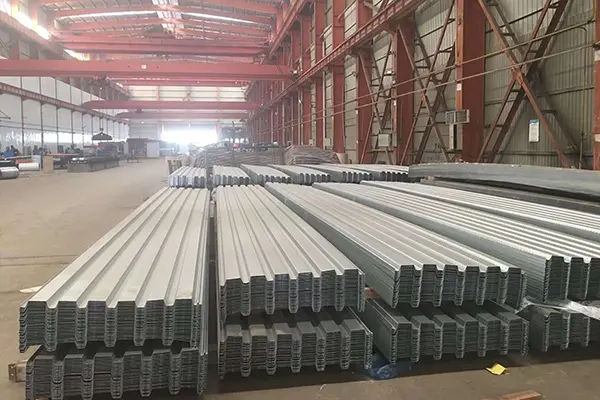
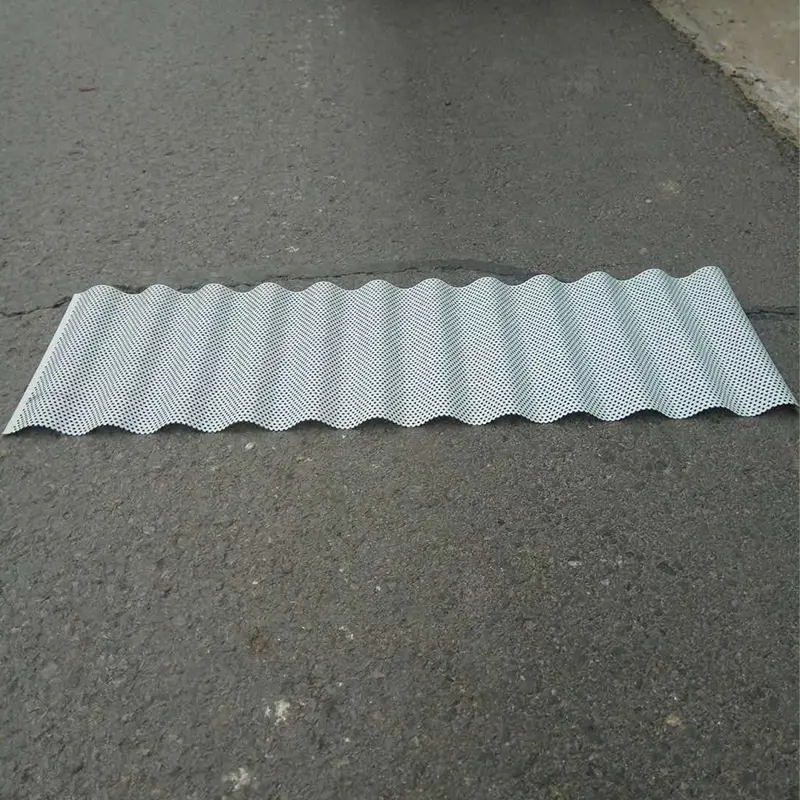
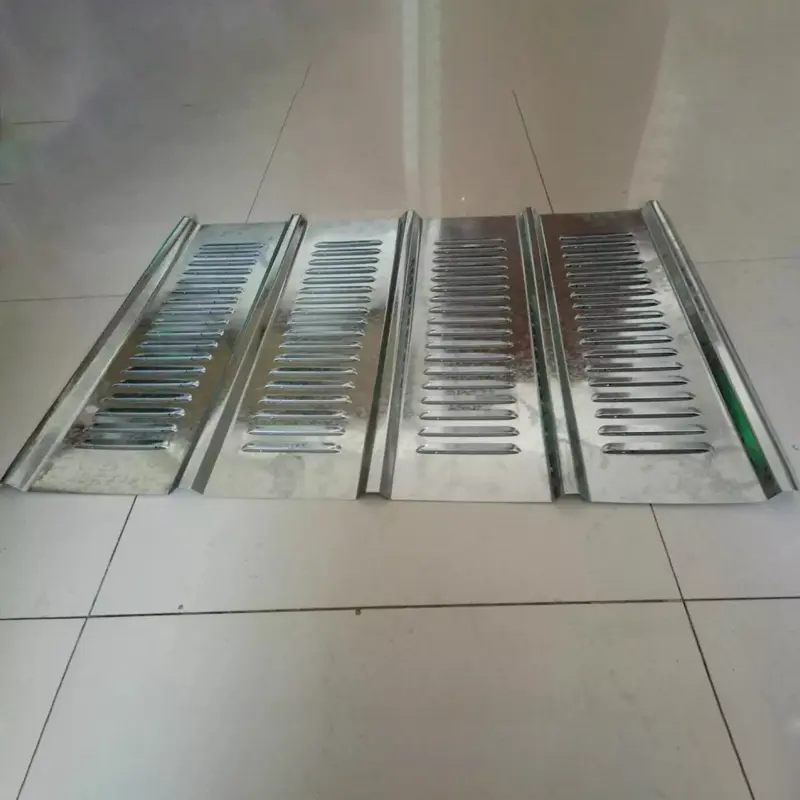
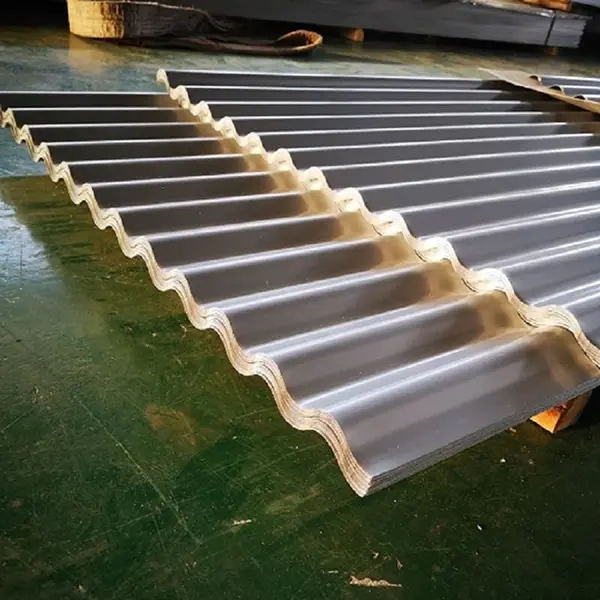
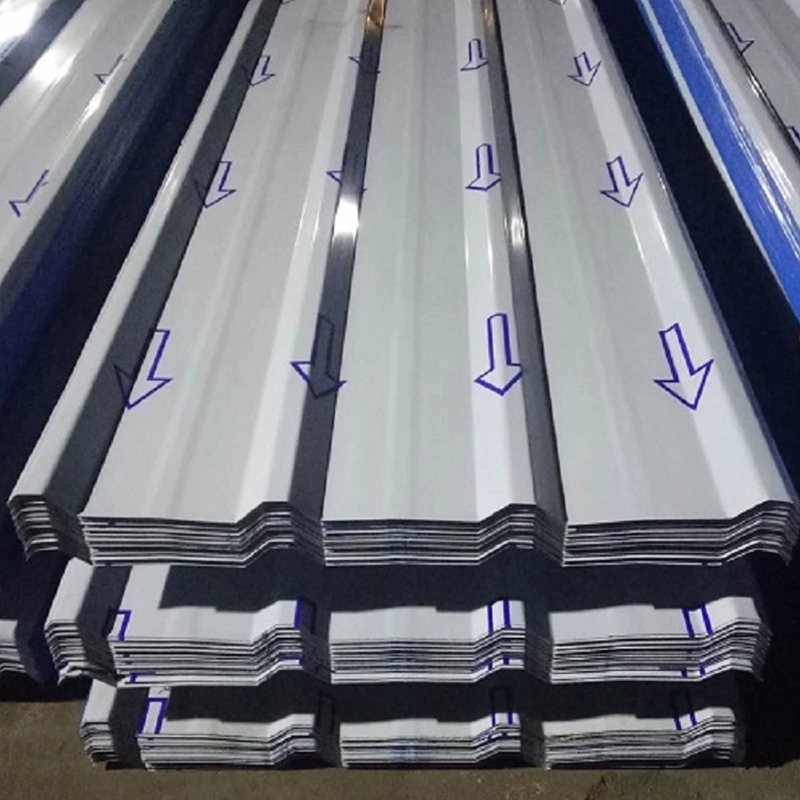
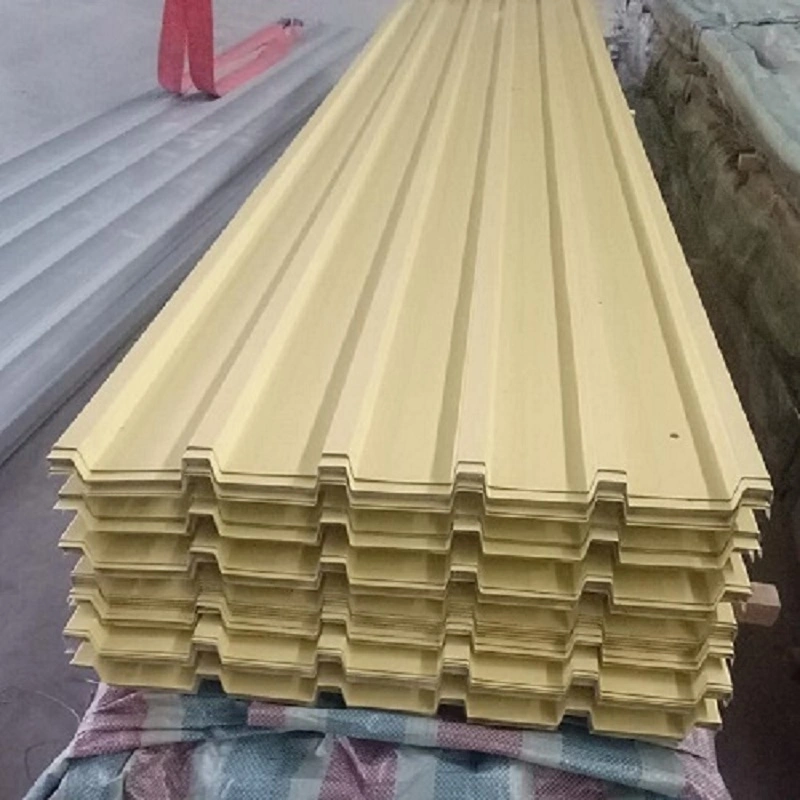
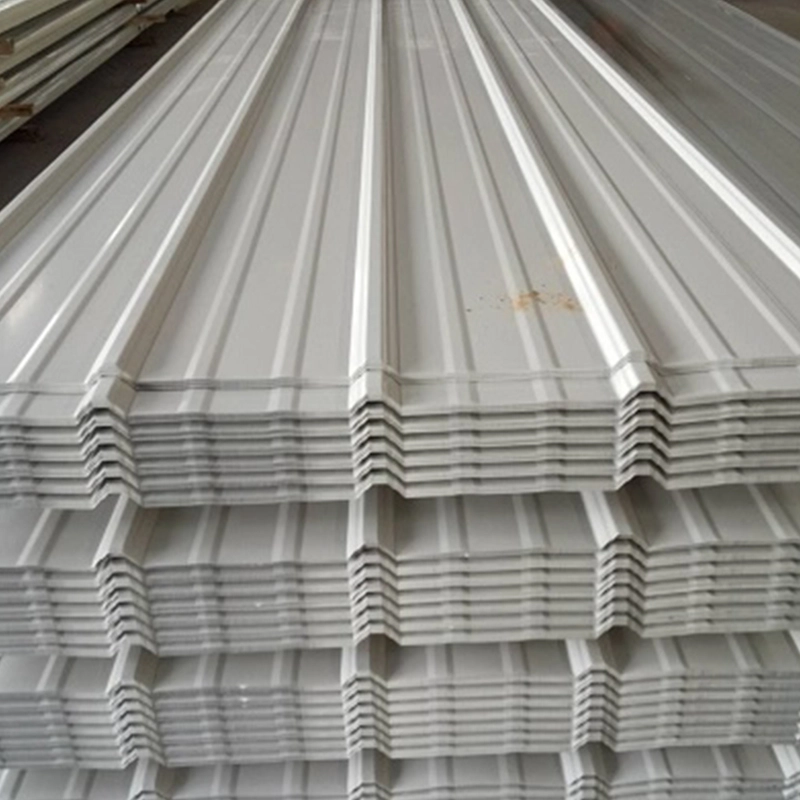
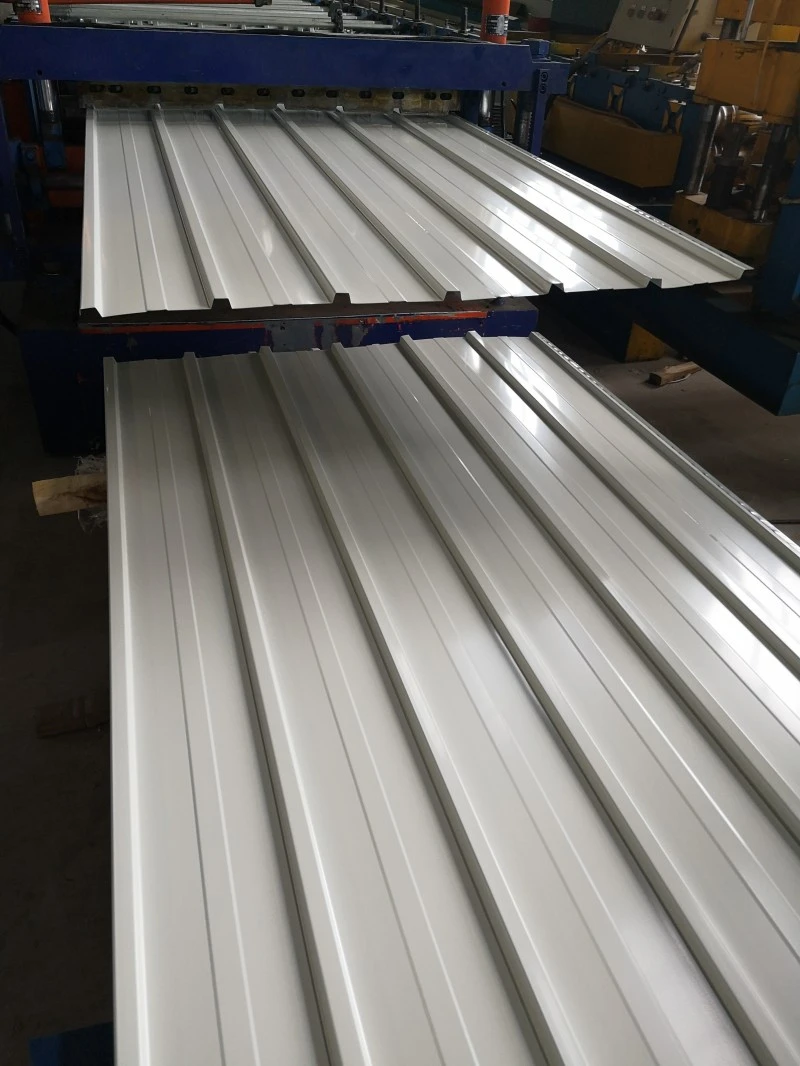
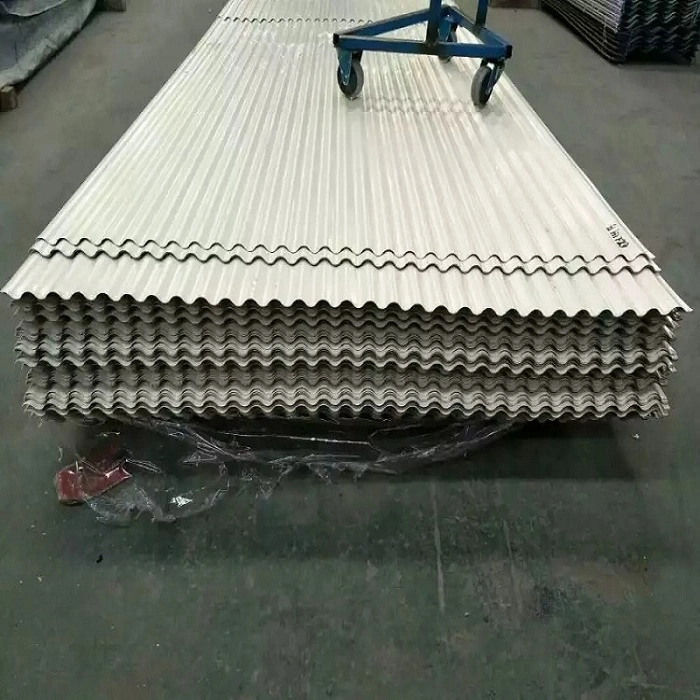
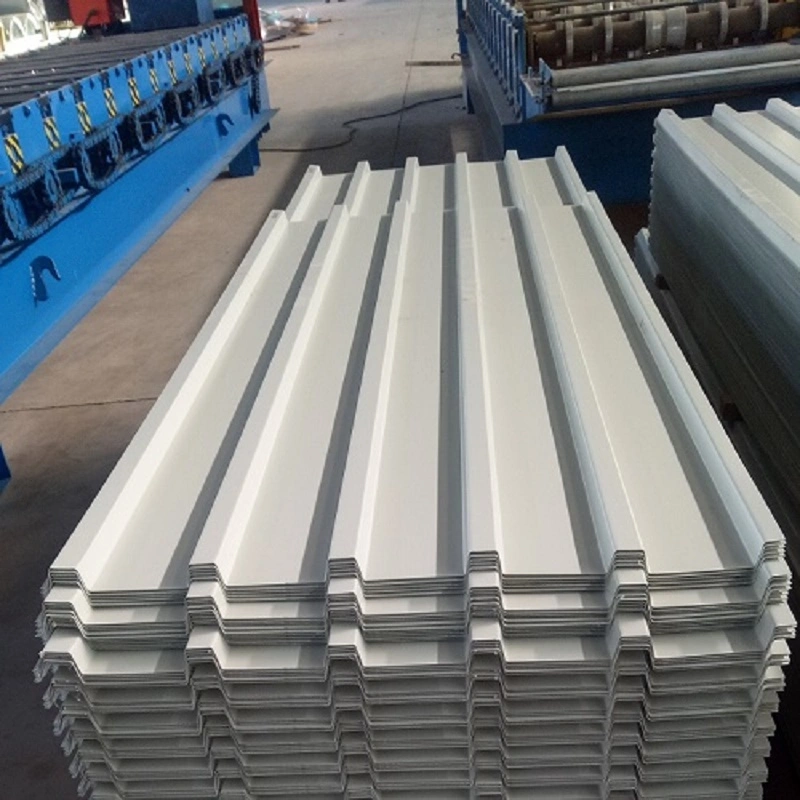
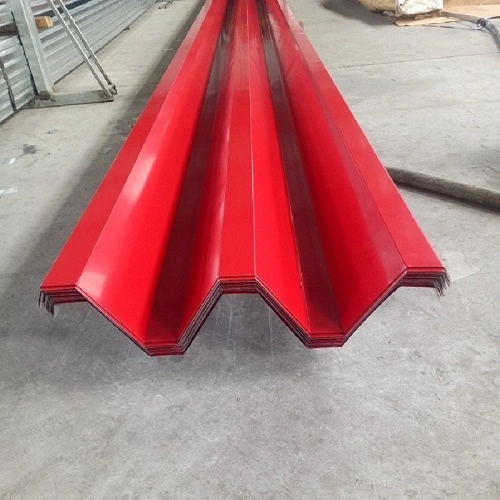
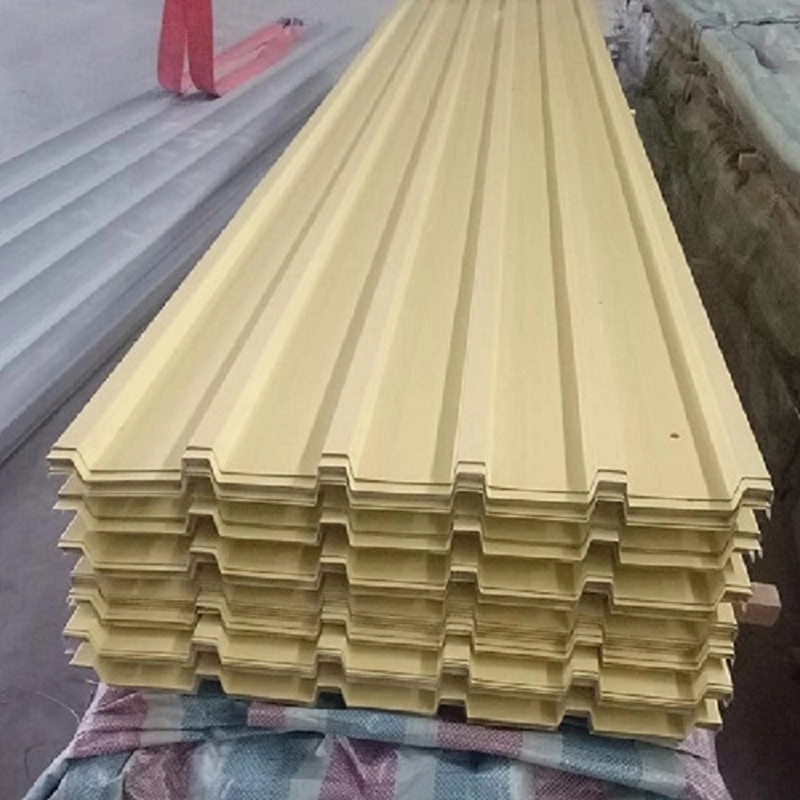
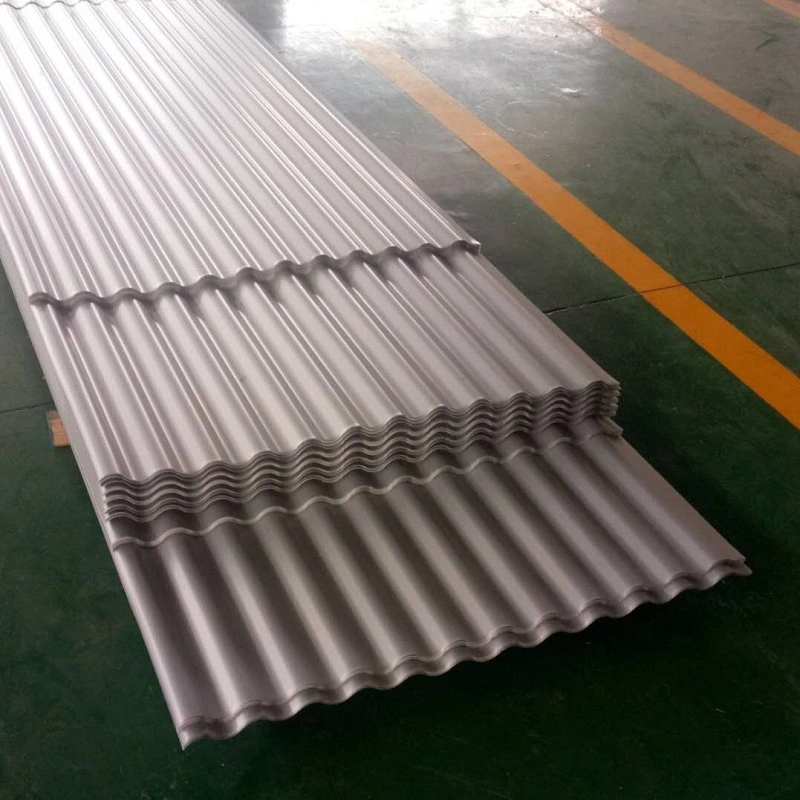
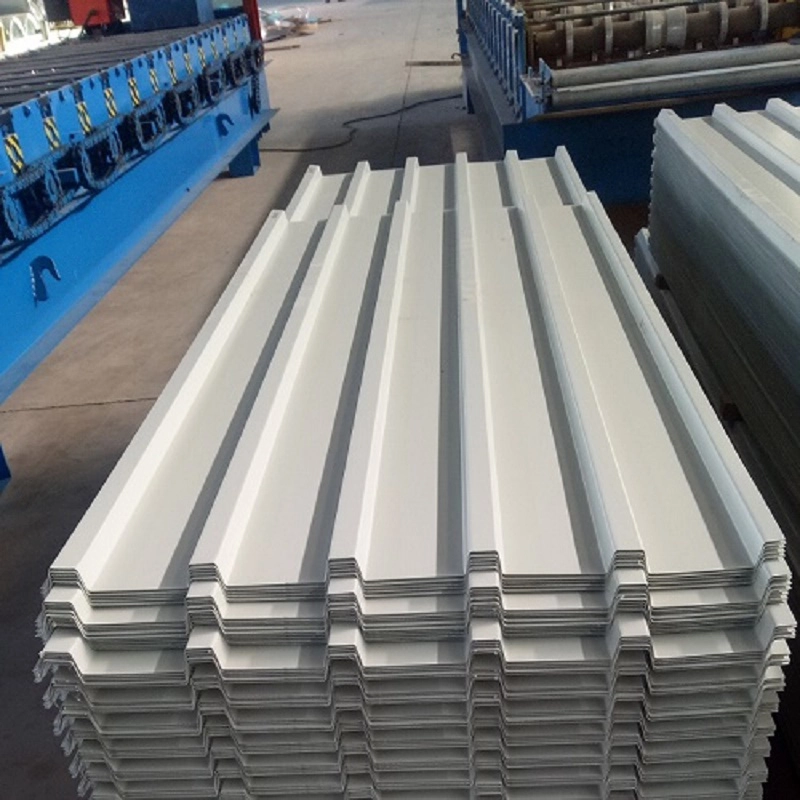
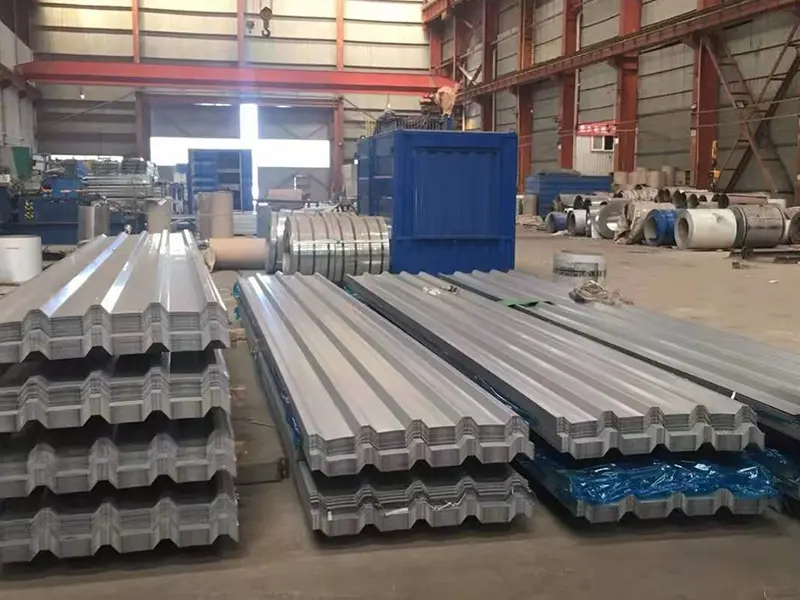
SENBO Metal Profiled Sheet is available in galvanized steel, Al-Zn coated steel, color-coated steel, and aluminum alloy. Cold-roll formed into V, ribbed, and stiffened profiles, the sheets combine lightweight construction with high strength for roofing, wall cladding, and floor decking. SENBO provides wholesale supply, bulk orders, and customized profiles for industrial and commercial projects.

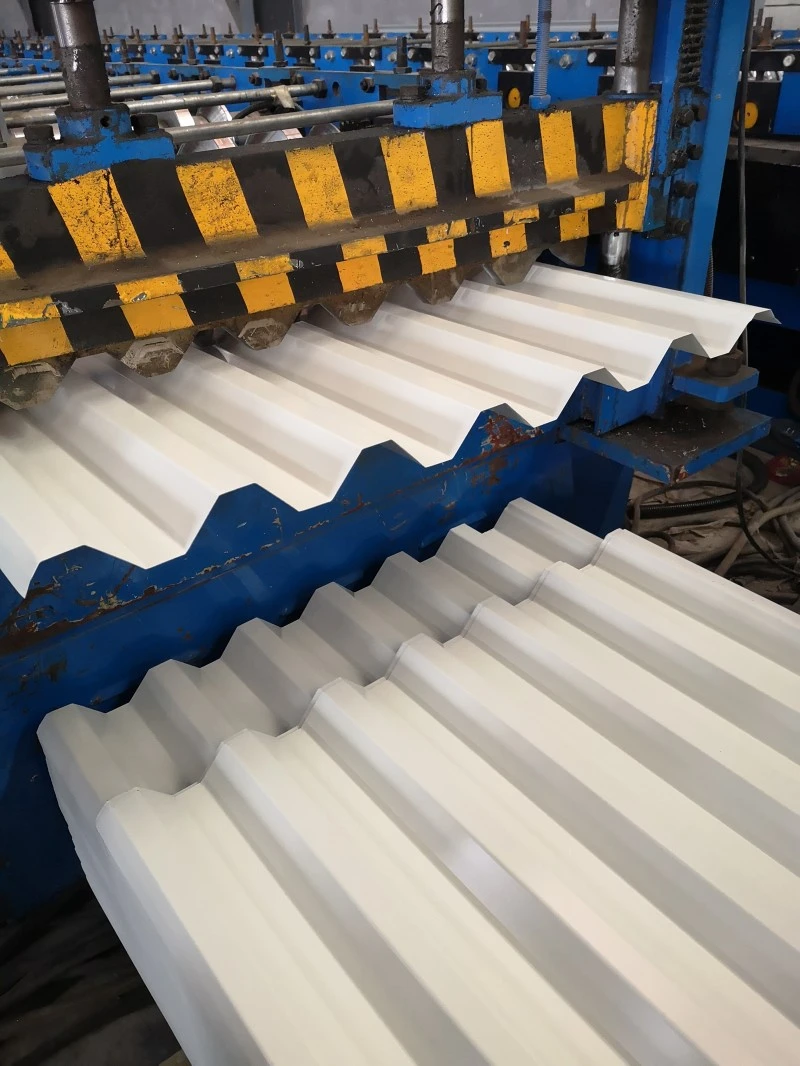
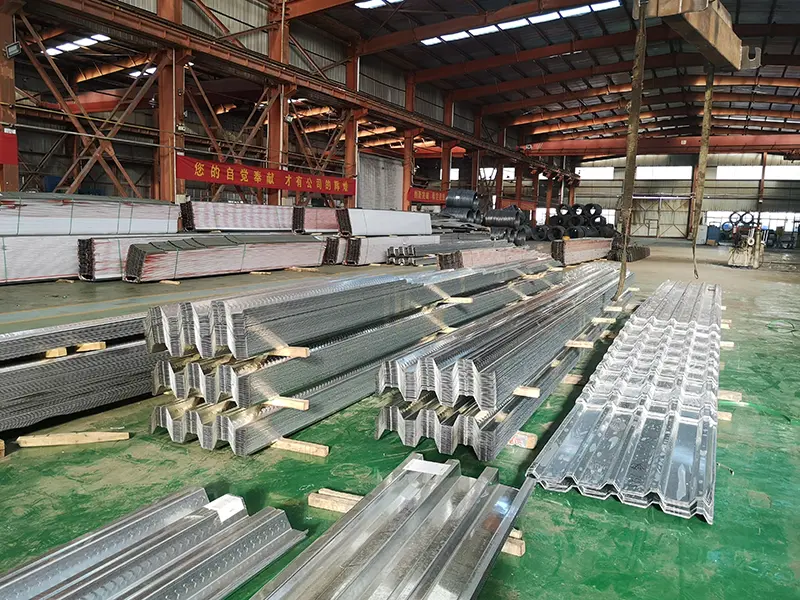
Metal Profiled Sheet, also called corrugated metal panel, is produced by roll forming thin steel or aluminum alloy coil into a corrugated cross-section at ambient temperature. The base material is selected according to the project environment and load requirements. SENBO operates multi-roll continuous forming lines and carries out dimensional checks on rib height, sheet width, and profile geometry during production. The company also maintains incoming inspection records for base metal thickness and coating weight.

Substrate Options

  • Galvanized steel sheet: Common construction grades include Z275 and Z450, with double-sided zinc coating weights of 275 g/m² and 450 g/m² respectively. Minimum coating thickness per side is approximately 19 μm.
  • Al-Zn alloy coated steel sheet: The metallic coating contains about 55% aluminum, 43.5% zinc, and 1.5% silicon. Corrosion resistance is 3 to 5 times that of galvanized steel. AZ150 is a widely used grade.
  • Color-coated steel sheet: Uses a galvanized or Al-Zn substrate with a pretreatment and organic coating such as polyester, acrylic, or fluorocarbon. This option combines corrosion protection with a decorative finish.
  • Aluminum alloy sheet: Semi-hard aluminum alloy sheets from 0.6 mm to 1.2 mm thick offer good corrosion resistance and formability. An insulating barrier is required at connections with dissimilar metals to avoid galvanic corrosion.

Forming and Classification

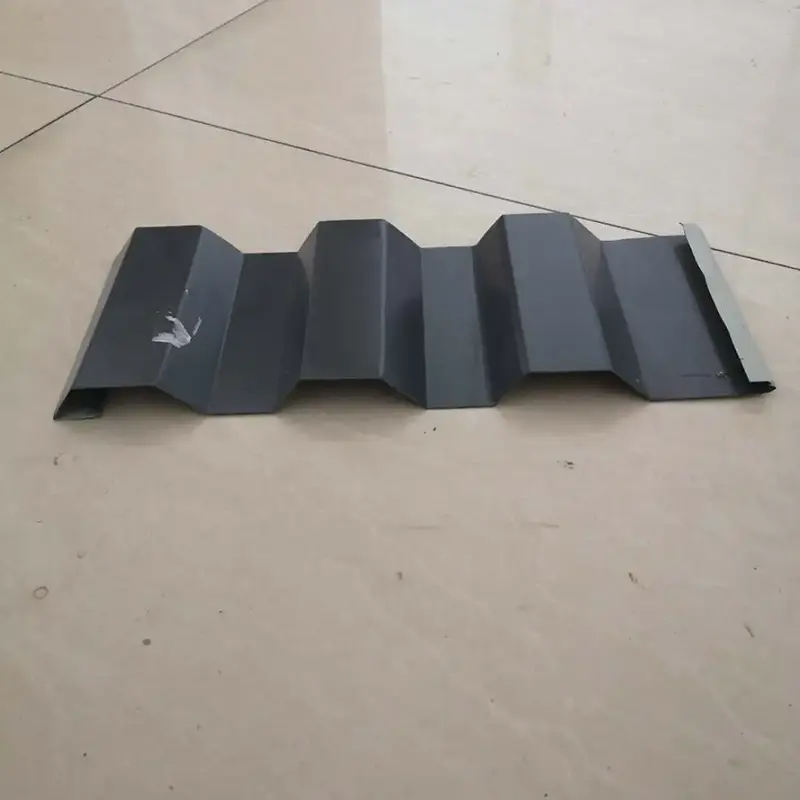
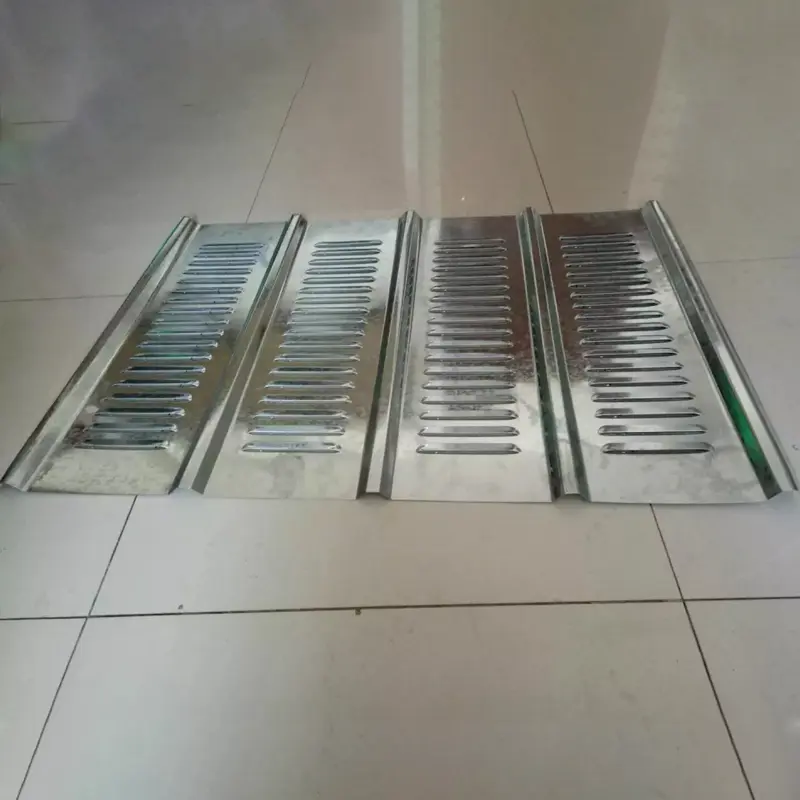
The Metal Profiled Sheets are formed on continuous roll forming lines and can be produced in lengths from several meters to tens of meters. Factory prefabrication provides high dimensional accuracy but is limited by transport length. On-site forming allows sheet length to match the project, reducing end laps and saving material and labor. Products are classified by cross-section into V-shaped, U-shaped, W-shaped, ribbed, stiffened, and dovetail-grooved types. By application, they include roof panels, wall panels, composite floor decking, and arched structural panels.

Metal Profiled Sheet Metal Profiled Sheet

Technical Specifications

Item Parameter / Specification Notes
Common Sheet Thickness Roof and wall: 0.4–1.6 mm; floor deck and silo: 2–3 mm or more Thicker material for load-bearing uses
Rib Height Range 10–200 mm Height-to-thickness ratio preferably below 200
Base Material Types Hot-dip galvanized / Al-Zn coated / Color-coated / Aluminum alloy Selected based on environment
Galvanized Steel Grade Z275, Z450 Total double-sided coating mass 275 g/m² or 450 g/m²
Al-Zn Coated Steel Grade AZ150 Coating composition: 55% Al, 43.5% Zn, 1.5% Si
Steel Usage for Roofing Approx. 5–11 kg/m² without insulation Lightweight envelope
Economical Span Approx. 3.5 m May vary by profile and load
Applicable Standard GB/T 12755-2008 Profiled steel sheets for building

Project Application Data

1. Industrial Buildings and Warehouses

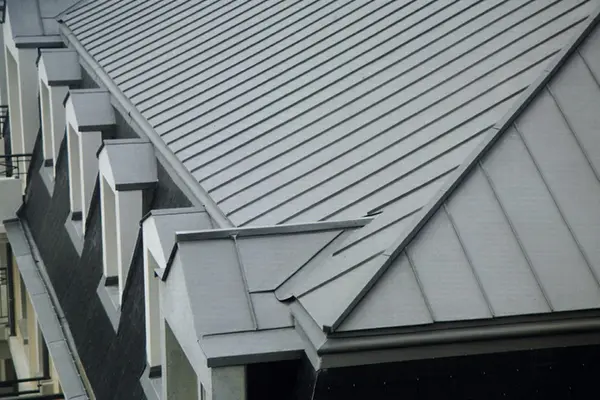
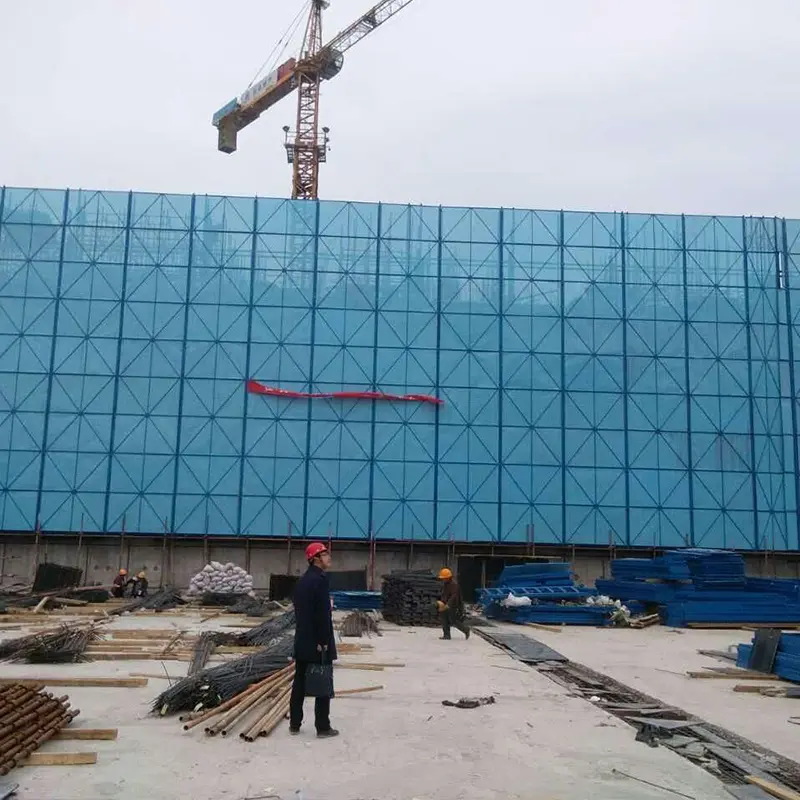
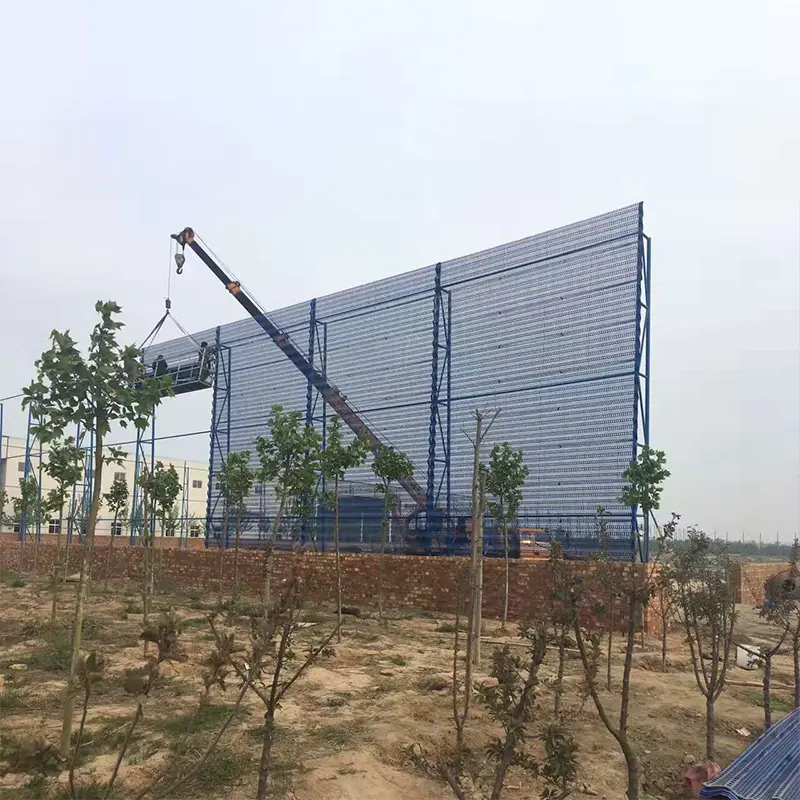
Profiled metal sheets are commonly used for roof and wall enclosures in industrial plants and warehouses due to their low self-weight and adequate strength. For projects without thermal insulation, steel consumption is about 5 kg/m² to 11 kg/m². The metal roofing at the Pingliang Sports Park complex, installed between June 2020 and June 2023, used 0.6 mm thick Al-Zn coated profiled steel sheets as the roof base layer. The project received the Silver Award for Engineering Technology at the 2024 Building Waterproofing Industry Science and Technology Awards, which indicates the material performed acceptably in a large public facility.

2. Composite Floor Systems

When combined with concrete, profiled steel sheeting acts as both permanent formwork and tensile reinforcement. This approach removes the need for traditional timber formwork and temporary shoring. To improve the bond between the steel and concrete, shear studs can be pre-welded to the sheet, or the sheet can be formed with bidirectional stiffening ribs. Composite floor systems are widely used in high-rise buildings and multi-story industrial structures.

3. Arched and Curved Structures

The Metal Profiled Sheets can be formed as flat or curved panels. Curved sheets enable arched buildings that combine beam, slab, and column functions into a single structural form. Roof systems can be produced as curved or variable-section panels and are suitable for waterproofing grades I through III with a minimum slope of 1.5 degrees.

4. Roof Waterproofing and Wind Resistance

Roof systems typically use either lapped screw-fixed connections or high-standing-seam interlocking designs. The standing seam method uses concealed, non-penetrating fasteners and has been applied in projects such as terminal buildings at Beijing Capital International Airport. SENBO's 360° standing-seam profiled sheet system has a panel width of 430 mm and a rib height of 65 mm. It is designed for a drainage slope of at least 5% and purlin spacing not exceeding 1.5 m. The concealed fastening method improves resistance to wind uplift and reduces leak paths compared with exposed fasteners.

Product Characteristics

  • Lightweight and economical: Steel consumption of 5 kg/m² to 11 kg/m² for roofing and an economical span around 3.5 m make the material suitable for large enclosures.
  • Corrosion resistance: Al-Zn coated sheets provide 3 to 5 times the corrosion resistance of galvanized steel. PVDF coatings further extend service life in aggressive environments.
  • Profile variety: V-shaped, ribbed, stiffened, and dovetail profiles are available. Curved and variable-section panels can be produced for special architectural forms.
  • Two production modes: Factory prefabrication or on-site roll forming gives flexibility in sheet length and transport planning.
  • Recyclable material: Steel and aluminum sheets can be recycled at the end of service. The sheets can also be integrated with photovoltaic systems for energy generation.

Typical Applications

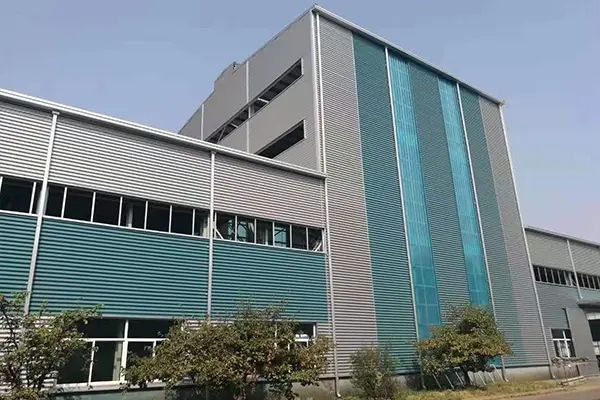
  • Roof and wall cladding for industrial plants and logistics warehouses.
  • Metal roofing for public buildings such as stadiums, exhibition centers, and airport terminals.
  • Composite floor decking for high-rise buildings and multi-story industrial facilities.
  • Arched buildings and temporary structures that benefit from a self-supporting shell form.

Installation and Handling Recommendations

  • Store sheets on level supports and keep them dry. Use a breathable cover if outdoor storage is unavoidable.
  • Lift bundles with wide slings or spreader bars to prevent rib deformation and coating damage.
  • Cut sheets with shears or nibblers. Avoid abrasive cutting that generates heat and damages the metallic or organic coating.
  • Use fasteners with washers that are compatible with the sheet material to avoid galvanic corrosion.
  • Follow the specified side lap and end lap details. In high-wind areas, increase fastener density at roof edges and corners.
  • For standing seam systems, verify clip engagement and seam tightness before moving to the next panel.

Common Questions

How do I choose between galvanized, Al-Zn coated, and color-coated sheets?

The choice depends on the atmospheric environment and appearance requirements. Galvanized sheets are economical for mild conditions. Al-Zn coated sheets offer better corrosion resistance and are preferred for coastal or industrial locations. Color-coated sheets add a durable decorative finish and are chosen when appearance matters or when additional coating protection is needed.

Can profiled metal sheets be used for both roof and wall applications?

Yes, but the profile and thickness may differ. Roof panels must handle water drainage and wind uplift, while wall panels focus more on wind load and appearance. The manufacturer's span tables should be used to select the correct profile for each application.

What is the minimum roof slope for these sheets?

For lapped screw-fixed systems, a minimum slope of 5% is typical. Standing seam systems can be used on slopes as low as 1.5 degrees when installed with proper seam sealing and drainage design. The project's design wind load and rainfall intensity should also be considered.

How are thermal expansion and contraction handled in long sheets?

Long sheets expand and contract with temperature changes. Standing seam systems allow movement through sliding clips. For lapped systems, the end lap detail and fastener spacing should be designed to accommodate thermal movement. The sheet length and temperature range should be reviewed by the project engineer.

Quality Control and Documentation

Suppliers should provide mill test certificates for the base metal and coating weight records. Profile dimensions such as rib height, pitch, and effective width are checked during production and before shipment. For projects with specific wind uplift requirements, test reports or calculations can be provided. On-site receiving inspection should verify sheet thickness, profile shape, coating condition, and length against the order.

Selection Considerations

  • Identify the environmental corrosion category of the site before selecting the base material and coating.
  • Confirm the design wind load and span to choose the correct sheet thickness and profile.
  • Check the roof slope and drainage layout to avoid water accumulation and leaks.
  • For long continuous sheets, verify that the transport route can accommodate the required length or plan for on-site roll forming.
  • If the sheet will be used in a composite floor system, confirm the required shear stud layout and fire rating requirements.
Hot Tags: Metal Profiled Sheet Manufacturer, Metal Profiled Sheet Supplier, Profiled Metal Roofing Sheet Wholesale
Send Inquiry
Contact Info
Send SENBO an inquiry for steel building materials. Request a free quote, sample or bulk order price list. Our sales team responds within 24 hours with factory direct pricing, stock availability and shipping options.
X
We use cookies to offer you a better browsing experience, analyze site traffic and personalize content. By using this site, you agree to our use of cookies.Privacy Policy
RejectAccept