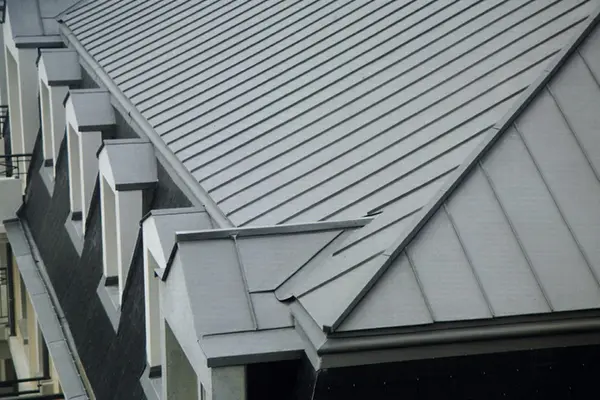
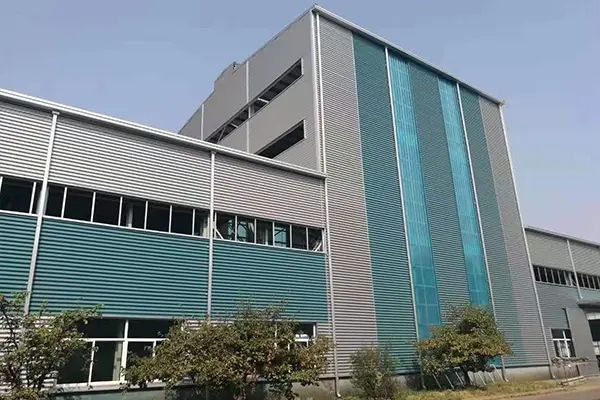
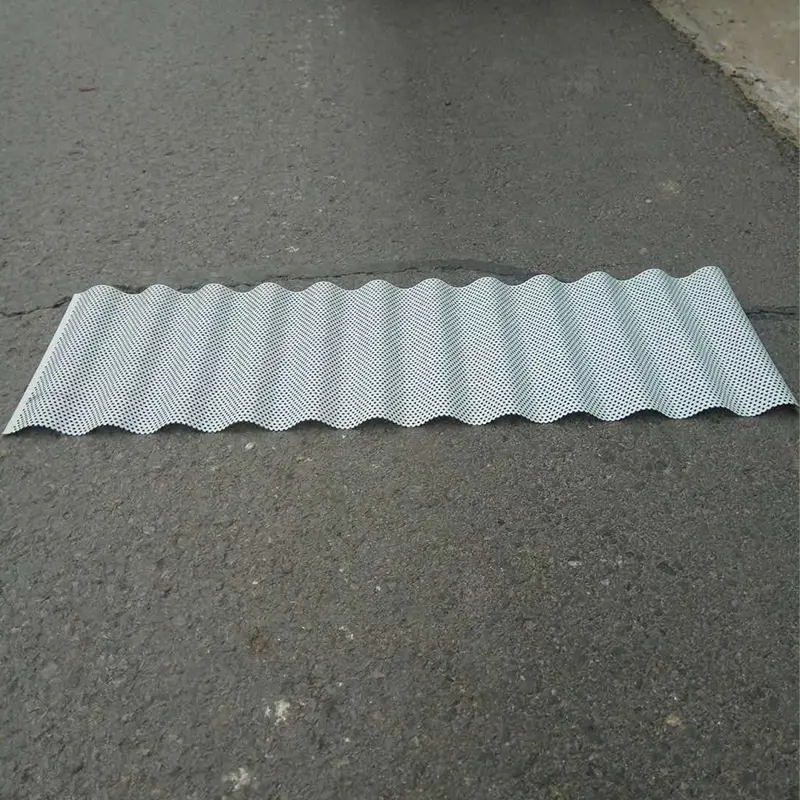
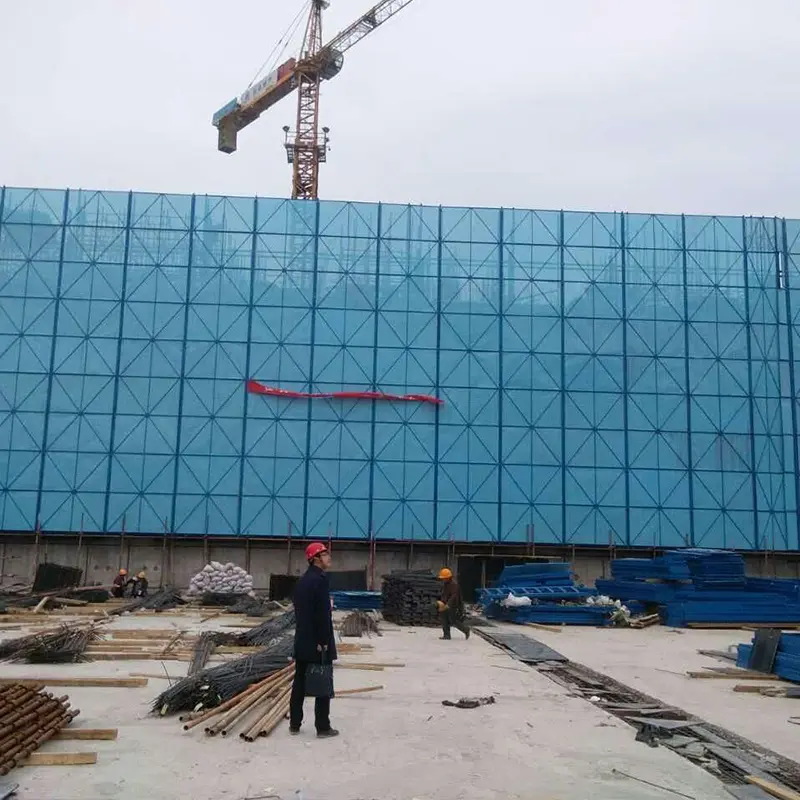
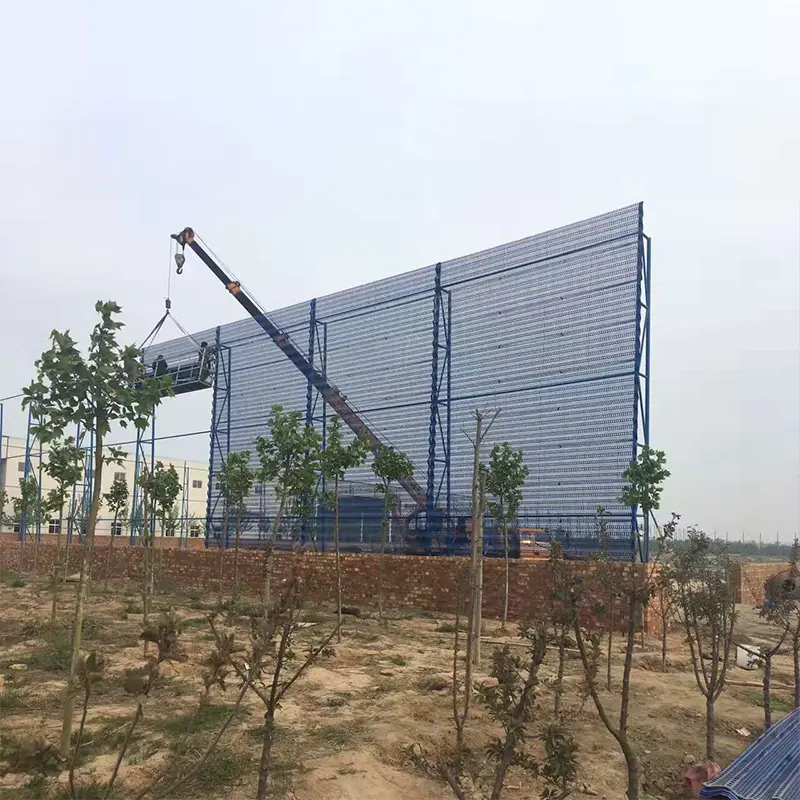
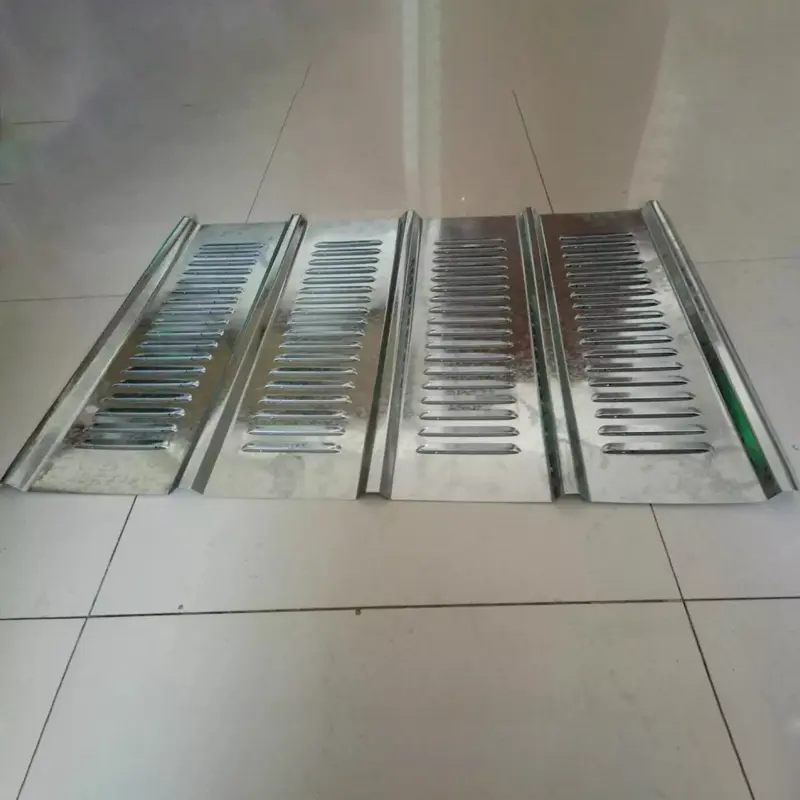
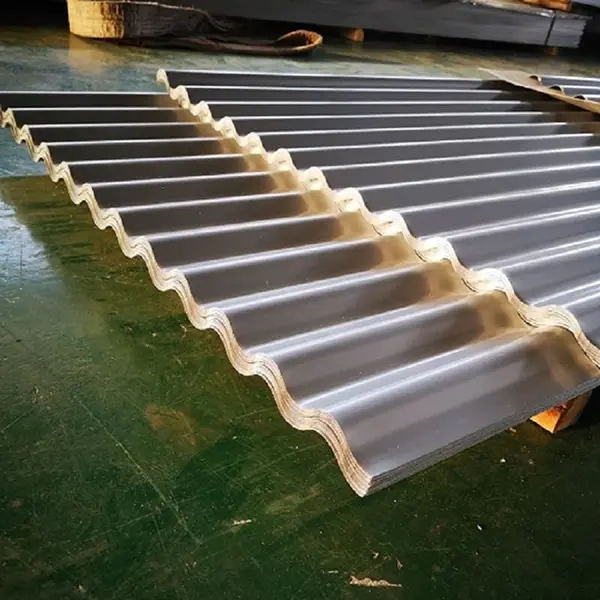
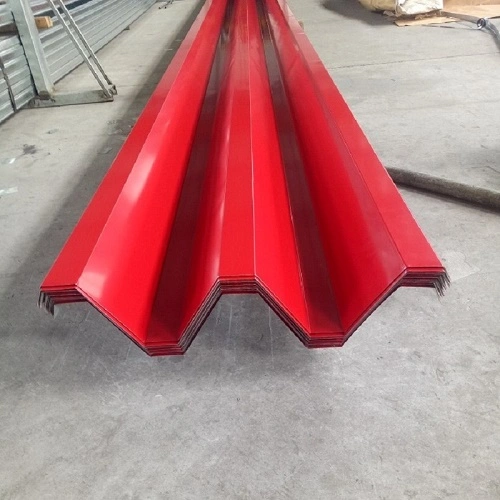
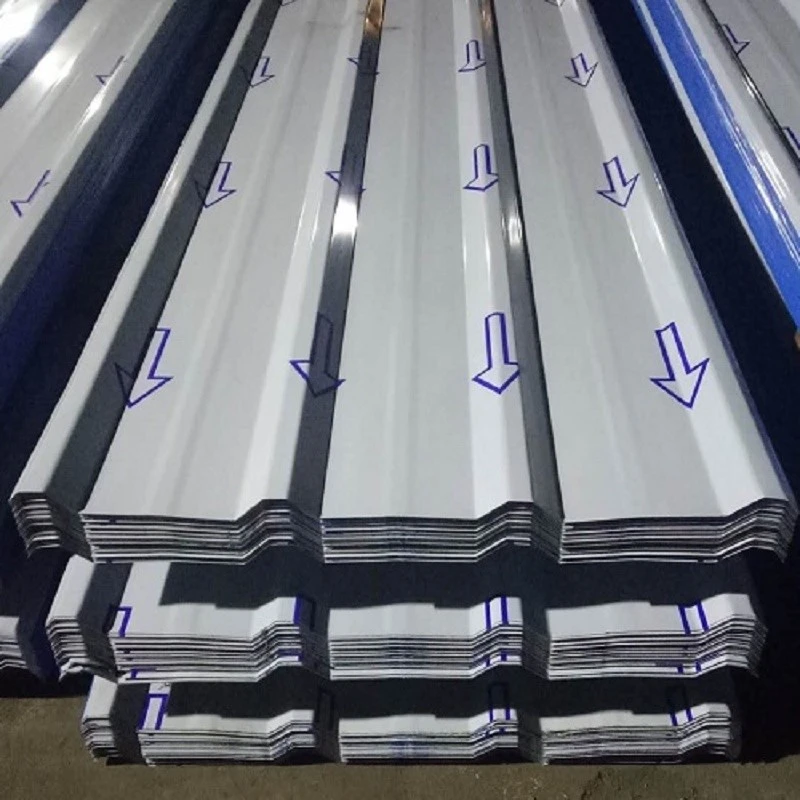
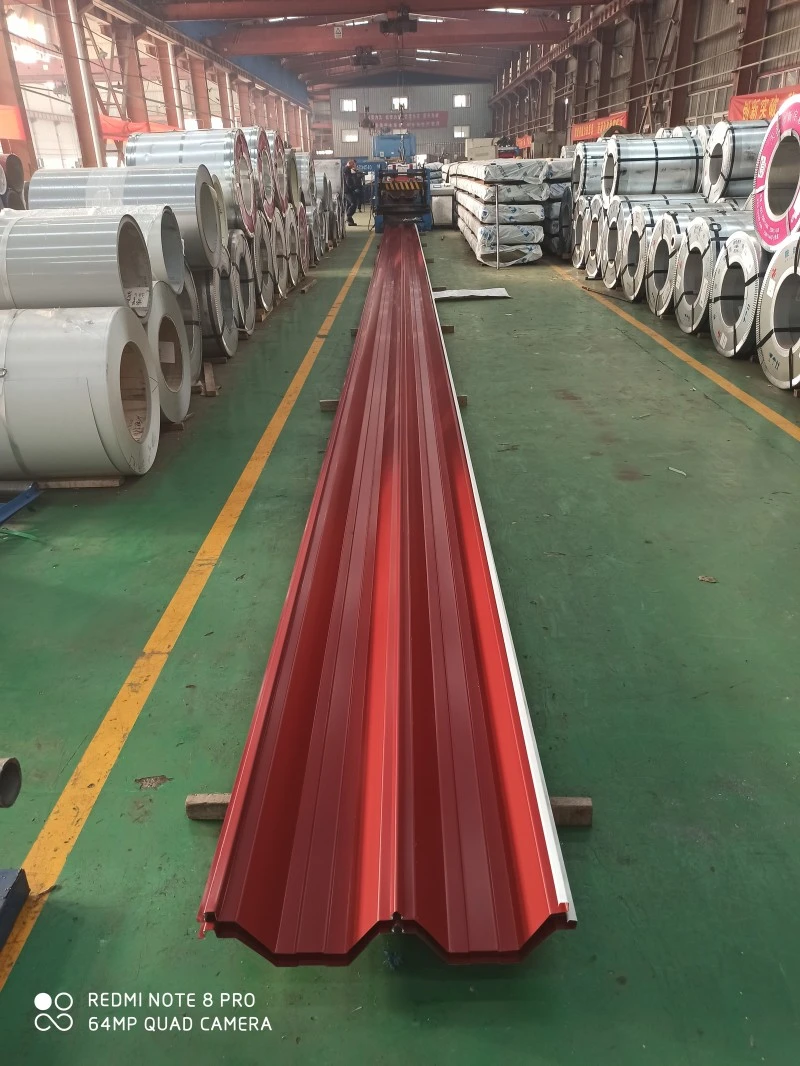
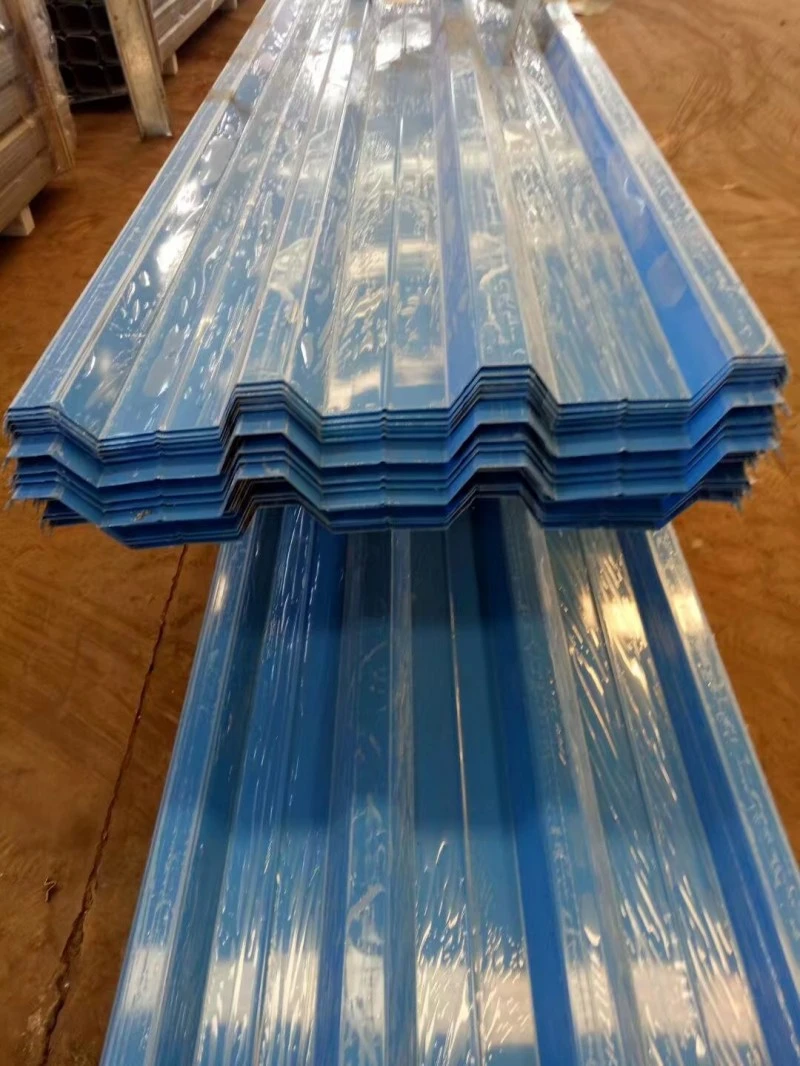
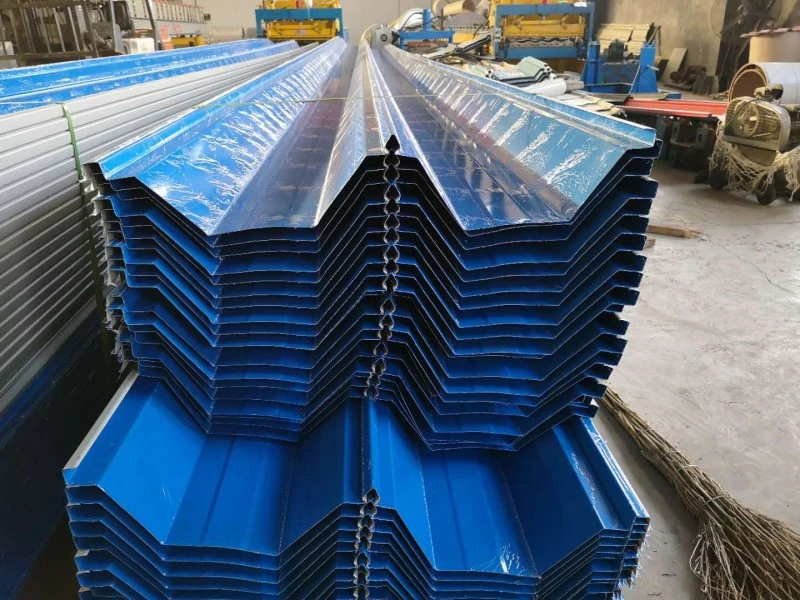
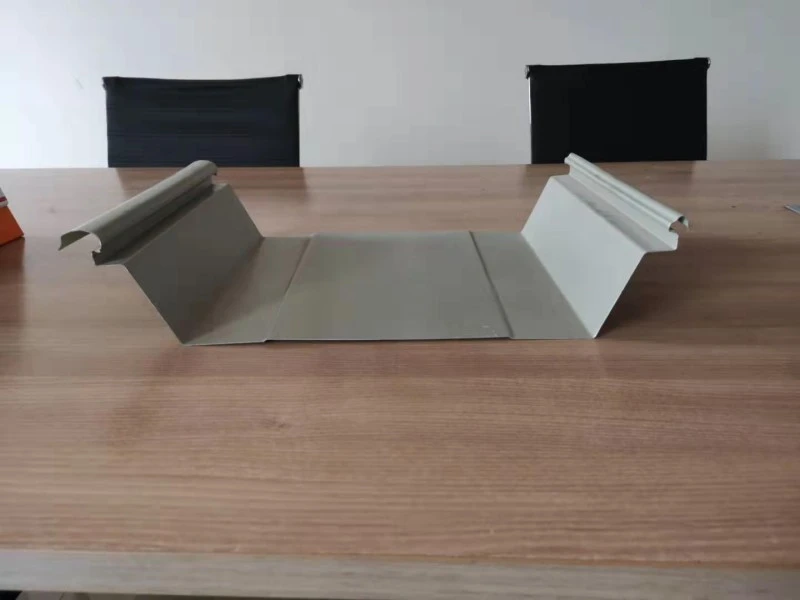
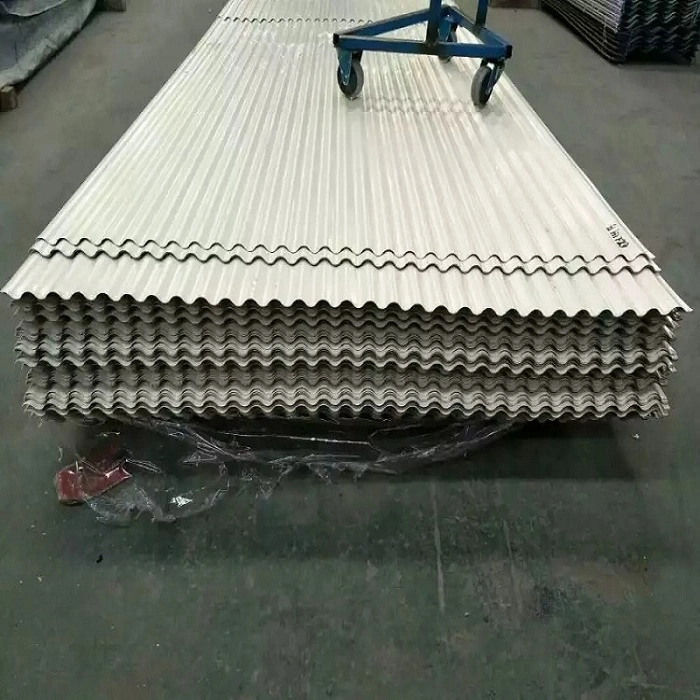
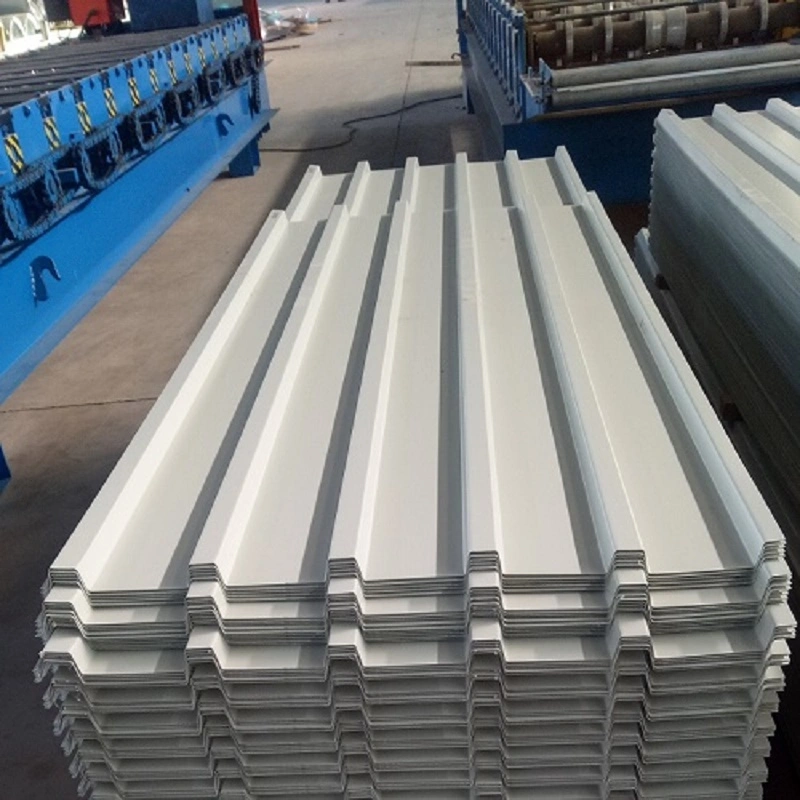
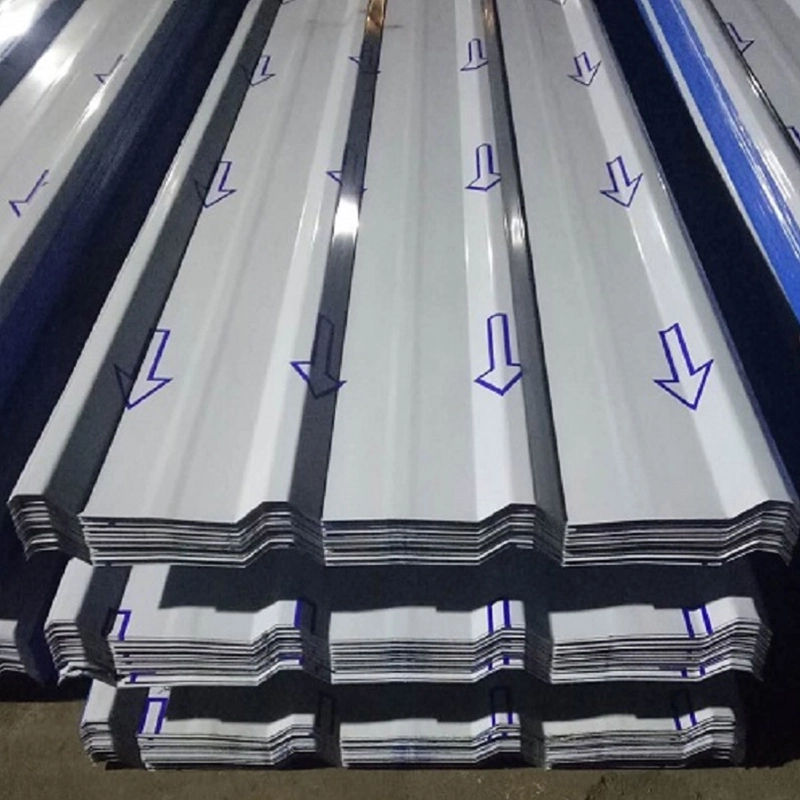
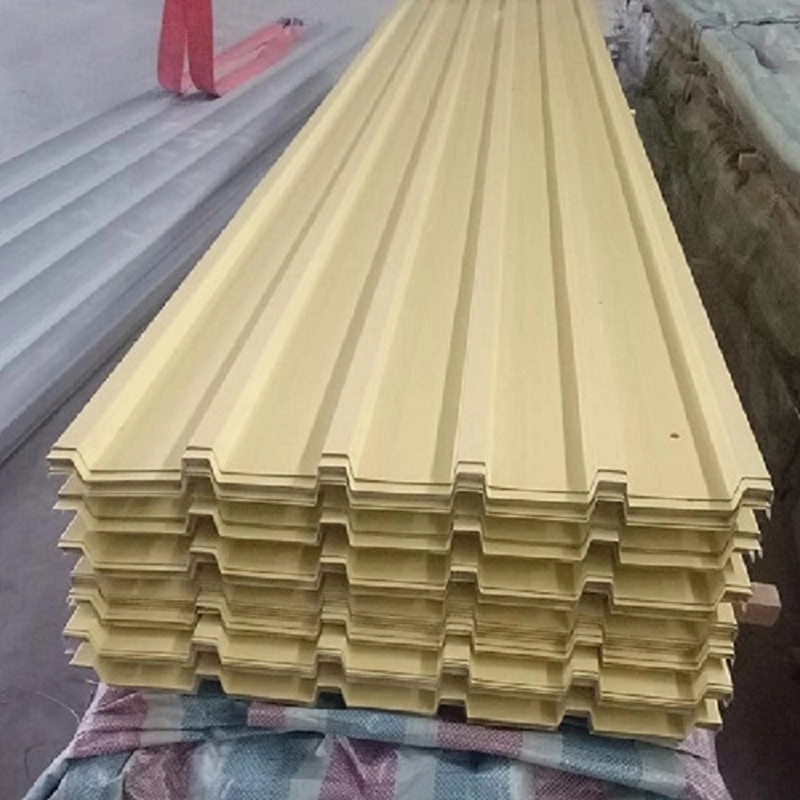
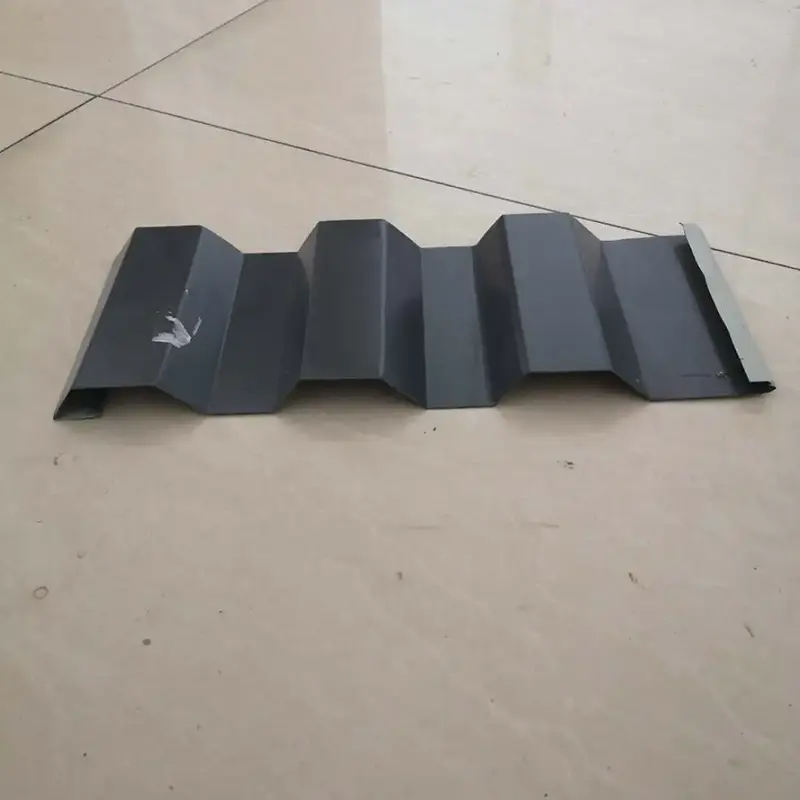
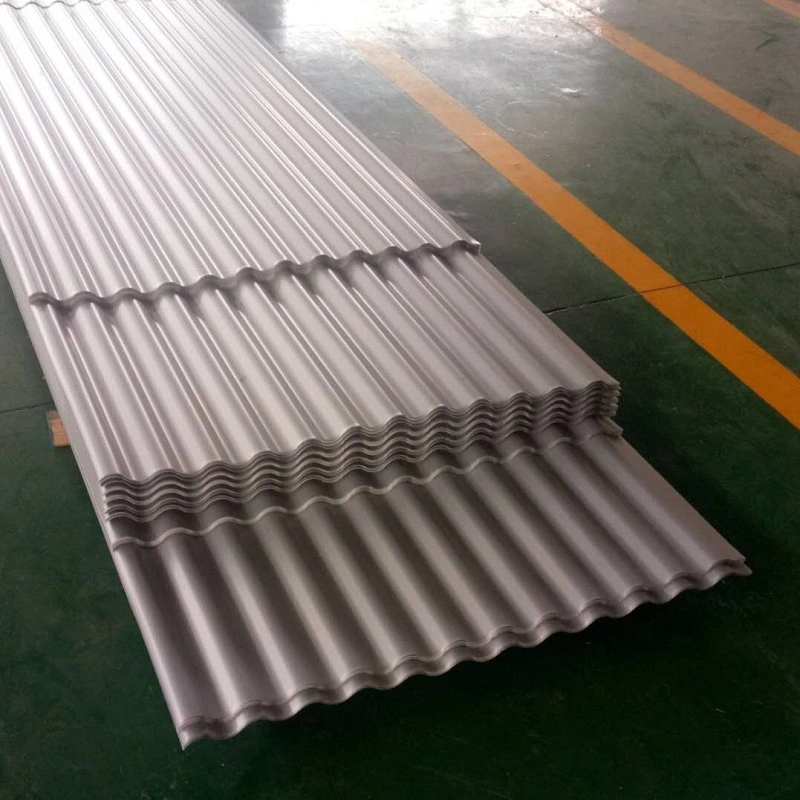
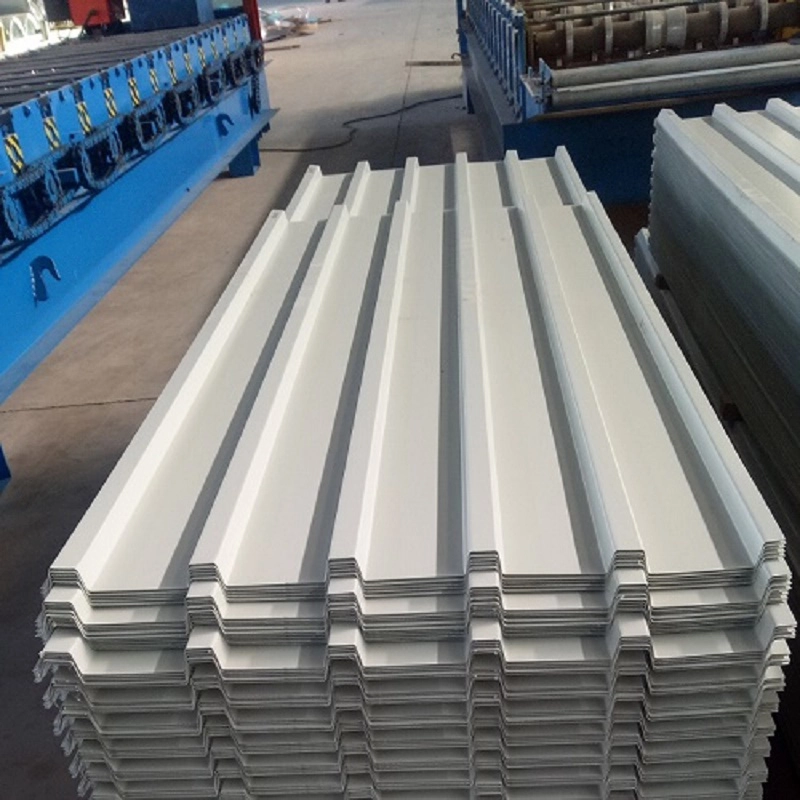
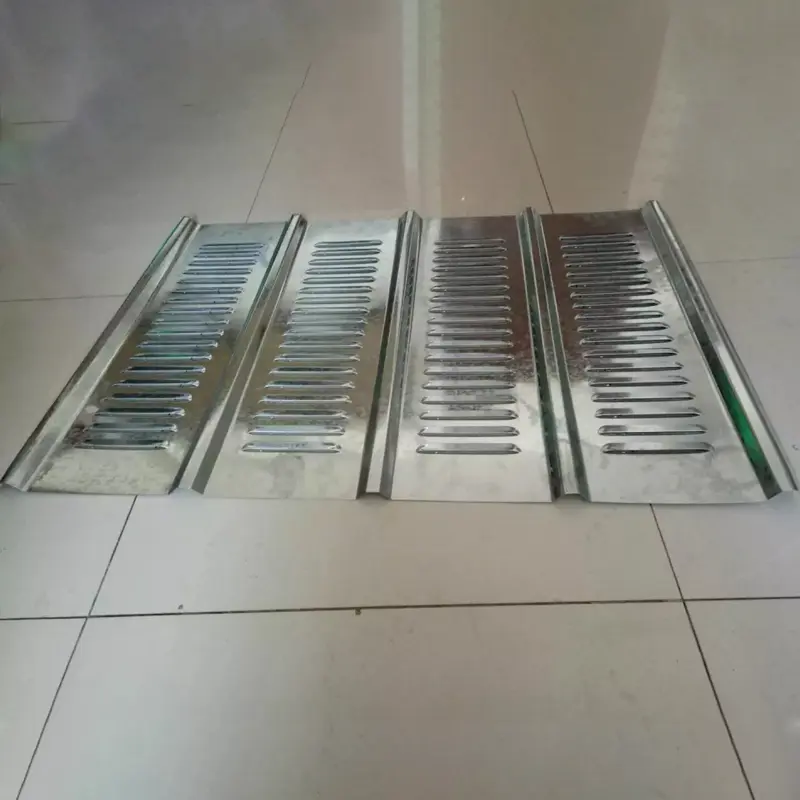
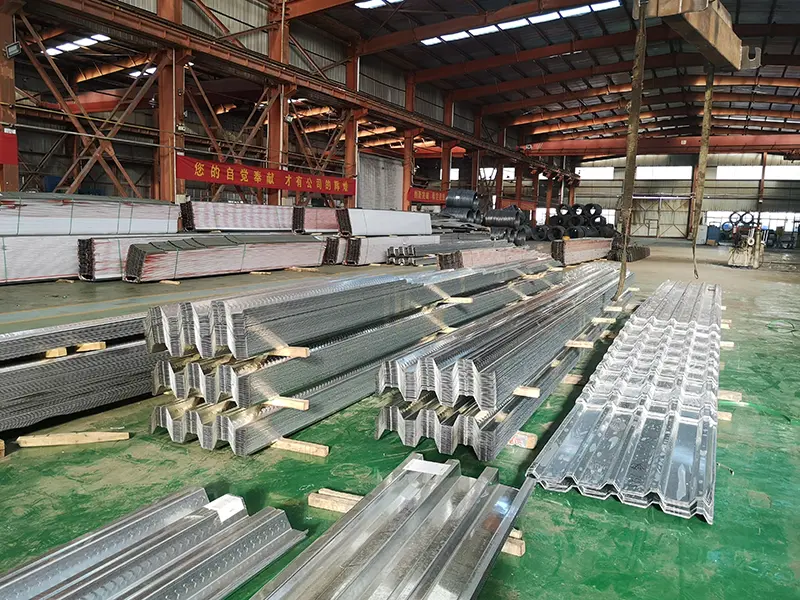
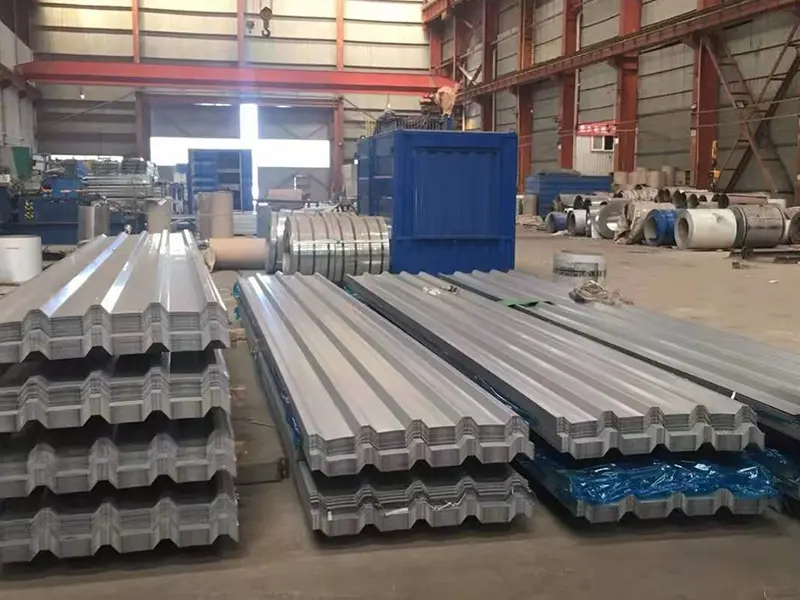
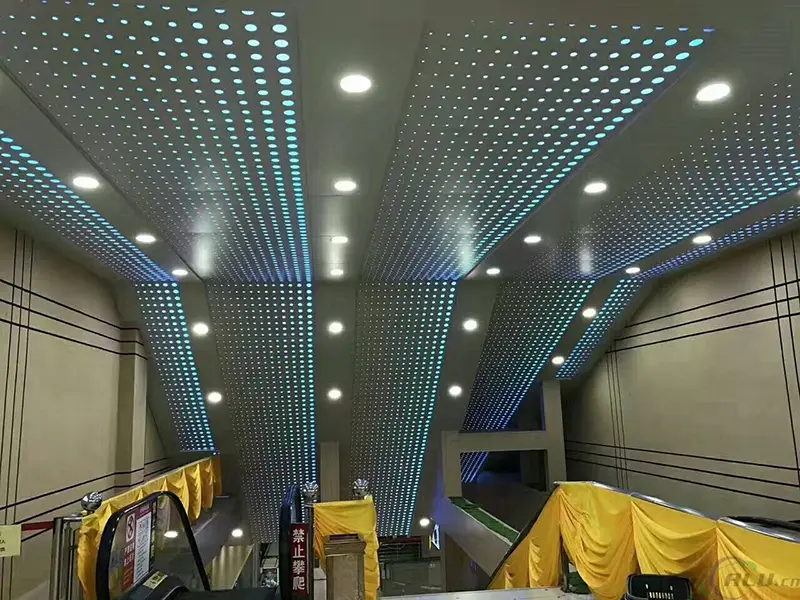
SENBO Metal Roof Sheet are durable roofing systems formed from galvanized steel, Al-Zn coated steel, color-coated steel, aluminum, or stainless steel. With thicknesses from 0.5–1.5 mm, they support standing-seam and other roofing applications for commercial, industrial, and public buildings. SENBO offers wholesale supply, bulk orders, and customized metal roofing panels to meet different project requirements.
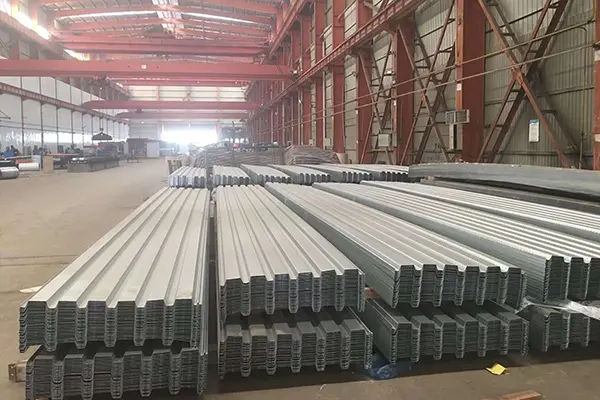
Metal Roof Sheets are roll-formed from steel or alloy coils into corrugated profiles used for roof and wall cladding. The coil materials include hot-dip galvanized steel, Al-Zn coated steel, pre-painted steel, aluminum-magnesium-manganese alloy, and stainless steel. The corrugated profile increases bending stiffness along the rib direction, allowing thin sheets from 0.5 mm to 1.5 mm to carry roof loads. SENBO supplies these panels with material certificates and profile inspection records, and the production process includes regular checks on rib geometry, sheet thickness, and coating condition.
Base Material Options
Hot-dip galvanized steel: Grades such as DX51D+Z with double-sided zinc coating from 40 g/m² to 275 g/m².
Al-Zn coated steel: AZ150 coating for improved corrosion resistance in moderate to severe environments.
Pre-painted steel: Available with polyester or PVDF coatings for color and weather resistance.
Aluminum-magnesium-manganese alloy: AA3004 grade with a service life exceeding 50 years and lower weight than steel.
Stainless steel: Ferritic grades such as 445J2 used where high wind resistance and corrosion performance are required.
System Construction
A complete metal roof system typically uses multiple layers. An airport terminal roof with a stainless steel outer sheet may include from bottom to top: galvanized primary purlins, a perforated Al-Zn coated base sheet, a vapor control layer, sound-absorbing rock wool, galvanized secondary purlins, thermal insulation rock wool, a galvanized steel sheet, a TPO waterproofing membrane, stainless steel fixing brackets, acoustic foam, the stainless steel roof panel, and a stainless steel cap. This assembly combines structural support, thermal control, air and vapor management, acoustic performance, and weather protection.
Connection Methods
Standing seam interlocking: Panel edges are mechanically seamed, often with sealant pre-applied in the seam.
Continuous welding: Stainless steel panels are joined along the full seam length by welding.
Lapped fastening: Overlapping panels are secured with exposed fasteners, used mainly for secondary or low-slope applications.
Technical Specifications
Performance Indicator
Parameter / Specification
Basis or Remarks
Executive Standard
GB/T 12755-2008
Profiled steel sheets for building
Design References
24CJ113-1, 26CJ113-5
National standard design details for metal sheet buildings
The continuously welded stainless steel roof at Guangzhou Baiyun International Airport Terminal 3 underwent wind tunnel and static uplift tests. The recorded capacity was 18.2 kPa, which corresponds to a Category 17 typhoon. For comparison, conventional aluminum-magnesium-manganese standing seam roofs typically resist Category 12 conditions. The Greater Bay Area Cultural and Sports Center stadium uses an embedded continuously welded stainless steel roof system and reached 21 kPa in laboratory tests. The continuous welding approach eliminates the interlocking seam as a weak point and improves overall uplift resistance.
2. Waterproofing and Airtightness
Standing seam systems achieve weather tightness through mechanically locked seams with sealant pre-applied in the joint. Welded stainless steel systems use full-length welding to create a continuous surface without seam openings. At the Greater Bay Area Cultural and Sports Center, the drainage design included optimized gutters and water-retaining walls. A double-layer flexible membrane was used below the metal surface to avoid fastener penetrations through the waterproofing layer.
3. Thermal Movement Management
Thermal expansion and contraction must be accommodated in long roof runs. At Guangzhou Baiyun Airport Terminal 3, welded connections work together with transverse corrugations in the panel profile to absorb thermal stress. This approach helps maintain the roof's structural integrity over time and reduces the risk of fatigue cracking at fixed points.
4. Construction Efficiency
The Greater Bay Area Cultural and Sports Center used a modular strategy for the roof structure below the waterproofing membrane. The 78,000 m² roof was divided into 878 modules, which were assembled and welded on the ground and then hoisted into position. This method increased installation efficiency by 30% and kept material waste near 2%, particularly beneficial for complex curved roof geometries.
Design and Installation Notes
Verify the supporting purlin system for alignment, spacing, and load capacity before panel placement.
Use lifting straps with edge protection to avoid panel deformation during hoisting.
For standing seam systems, confirm seam engagement and clip alignment before final mechanical seaming.
For welded systems, keep the work area clean and dry, and follow qualified welding procedures for stainless steel.
Protect completed roof surfaces from construction traffic and falling debris; schedule inspections after major weather events.
Coordinate roof penetrations and edge details before panel installation to avoid field modifications after the roof is sealed.
Quality Control and Documentation
Suppliers should provide mill test certificates for the base metal, coating thickness reports, and panel profile dimensional checks. For projects with specific wind load requirements, wind uplift test reports for the exact system configuration should be available. On-site receiving inspections should verify material grades, panel lengths, rib profiles, and surface condition before installation begins.
Selection Considerations
Evaluate the building location and design wind speed before selecting the roofing system type.
Confirm the roof slope and drainage layout to ensure effective water removal and avoid ponding.
Consider the environmental exposure, including salt spray, industrial pollutants, and UV levels, when choosing base material and coating.
For complex geometries, involve the roof system supplier early to review panel fabrication limits and modular construction options.
Review maintenance access and future rooftop equipment needs during the design stage.
FAQ
Which connection method is most reliable for high-wind coastal locations?
Continuous welding of stainless steel panels offers the highest measured wind uplift resistance and is often specified for typhoon-prone regions. Standing seam systems can also perform well when seam and clip details are reinforced according to wind tunnel or uplift test data.
How does the roof system handle thermal movement in long panels?
Standing seam systems use sliding clips that allow movement along the roof slope. Welded systems may incorporate transverse corrugations or expansion joints. The specific method should be confirmed by the roof system designer based on the building geometry and temperature range.
What is the typical maintenance requirement for a metal roof?
Periodic inspections should check for loose fasteners, damaged panels, blocked drainage paths, and sealant condition at penetrations. Standing seam and welded systems generally require less maintenance than exposed-fastener roofs because fasteners are not directly exposed to weather.
Can a metal roof be installed over an existing roof?
In some cases, a new metal roof can be placed over an existing roof if the structure can support the added load and the existing surface is compatible. A structural engineer must evaluate the existing conditions and confirm that the attachment details are suitable.
Hot Tags: Metal Roof Sheet Manufacturer, Metal Roof Sheet Supplier, Metal Roof Sheet Wholesale
Send SENBO an inquiry for steel building materials. Request a free quote, sample or bulk order price list. Our sales team responds within 24 hours with factory direct pricing, stock availability and shipping options.
We use cookies to offer you a better browsing experience, analyze site traffic and personalize content. By using this site, you agree to our use of cookies.Privacy Policy