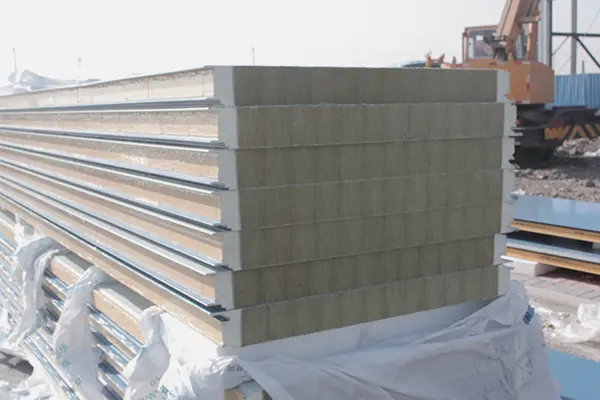
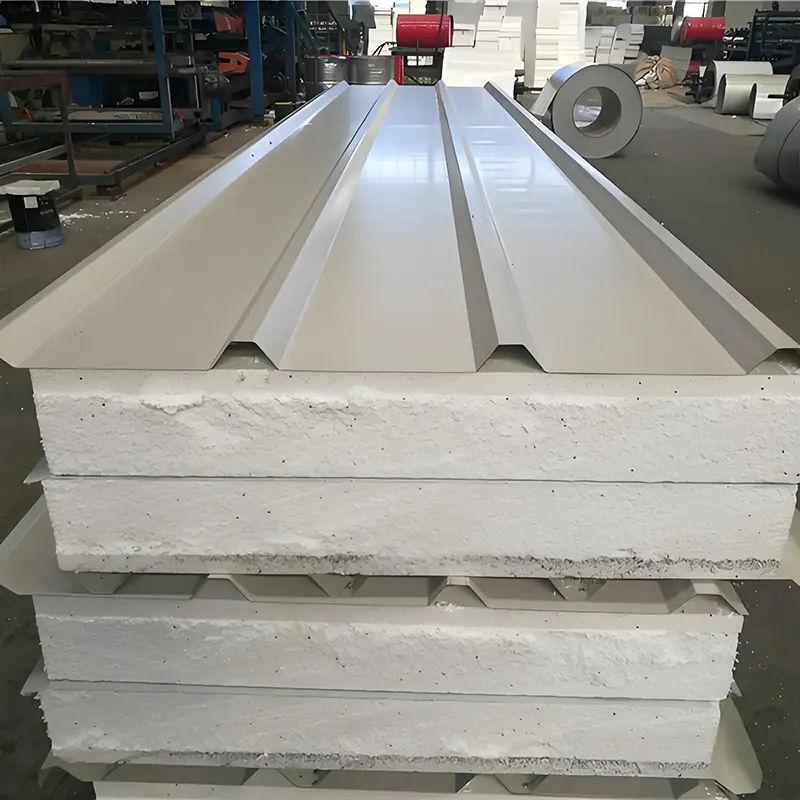
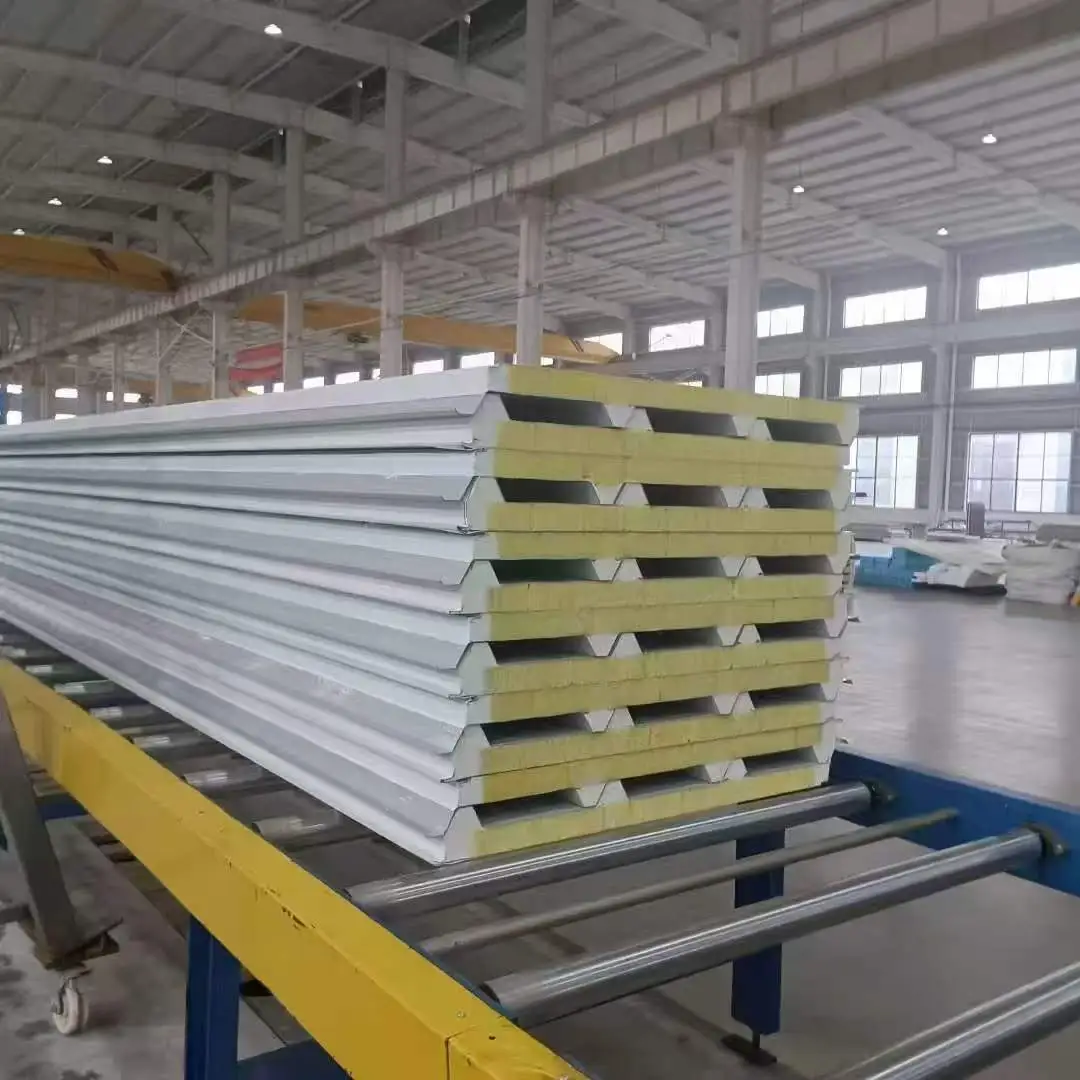
Rock wool sandwich panels are composite building panels consisting of a rock wool core bonded between two metal facings. SENBO Building Materials supplies these panels for roof, wall, and partition applications in steel structure buildings, with a focus on fire performance, thermal insulation, and long-term dimensional stability.
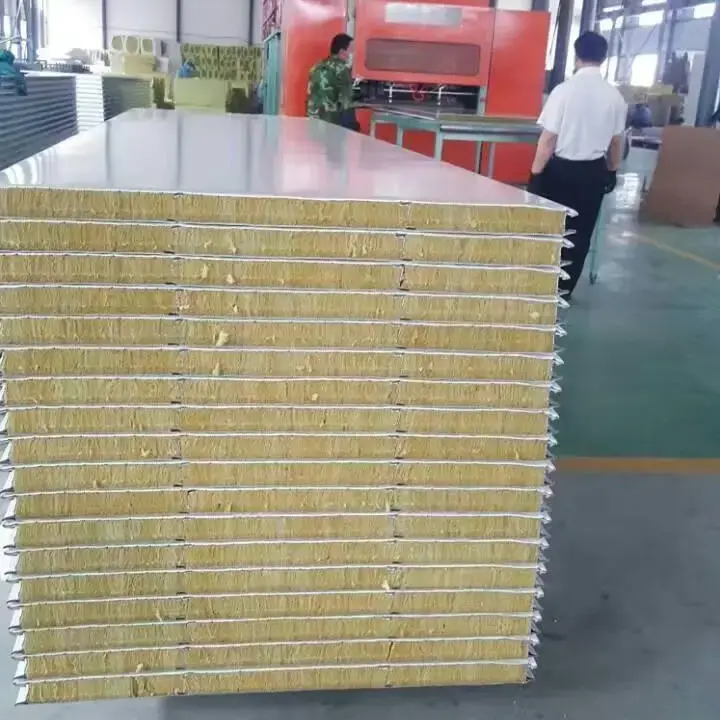
The core is produced from natural rocks such as basalt, melted at temperatures above 1450°C and fiberized into discontinuous fibers. The fibers are treated with water-repellent agents and binders before being formed into rigid boards. Core density typically ranges from 120 kg/m³ to 150 kg/m³, which provides a balance of thermal insulation, fire resistance, and structural support.
Facing materials include color-coated steel, galvanized steel, aluminum-zinc alloy coated steel, stainless steel, aluminum alloy, and aluminum-magnesium-manganese alloy. Facing thickness ranges from 0.3 mm to 0.8 mm. The facing protects the core from moisture and mechanical damage while providing the exterior appearance.
Production Methods and Panel Types
Two production methods are commonly used:
Machine-made panels: Produced on continuous automated lines where the rock wool core and steel facings are bonded under controlled pressure and temperature. This method provides consistent quality and is cost-effective for large-volume standard panels. Machine-made panels are suitable for general industrial buildings, warehouses, and standard partition walls.
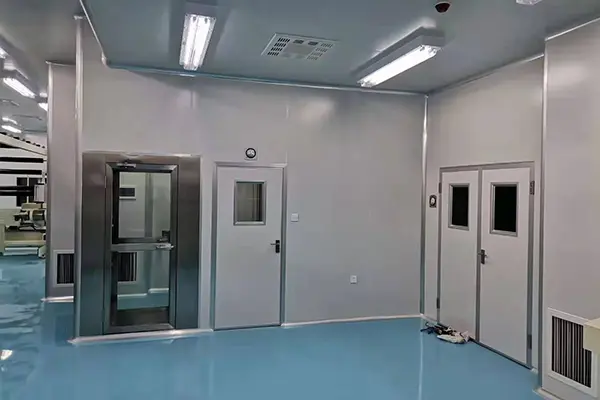
Hand-made panels: Assembled with a perimeter frame of galvanized steel or aluminum alloy profiles, with the rock wool core inserted and bonded inside the frame. This construction provides higher edge strength, better flatness, and greater load-bearing capacity. Hand-made panels are specified for cleanroom partitions, ceilings that support equipment, and high-end architectural applications.
Fire Resistance and Thermal Performance
Rock wool is an inorganic fibrous material classified as Class A non-combustible under GB 8624. The core can withstand continuous exposure to temperatures above 1000°C without losing structural integrity. Fire resistance limits vary with panel thickness and construction:
50 mm panel: Approximately 60 minutes fire resistance.
100 mm panel: Approximately 120 minutes fire resistance.
150 mm panel: Approximately 180 minutes fire resistance.
These values are based on standard fire test configurations and should be confirmed with the applicable test report for the specific panel assembly.
Thermal conductivity of the rock wool core ranges from 0.035 W/(m·K) to 0.043 W/(m·K). This provides effective thermal insulation for both hot and cold environments. In cold storage and temperature-controlled buildings, the panel thickness should be calculated based on the required thermal resistance and the indoor-outdoor temperature difference.
Acoustic Performance
The porous fiber structure of rock wool contributes to sound absorption and sound insulation. For a panel with a core density of 120 kg/m³, the weighted sound reduction index is approximately Rw = 29–30 dB. This makes the panels suitable for applications where noise control is required, such as equipment rooms, mechanical plant areas, and partition walls between noisy and quiet zones.
Rain impact noise on metal roofs is also reduced compared to single-skin profiled sheets, as the rock wool core absorbs impact energy and dampens the transmitted sound.
Technical Specifications
|
Parameter
|
Range / Options
|
Notes
|
|
Facing Material
|
Color-coated steel, galvanized steel, Al-Zn coated steel, stainless steel, aluminum alloy, Al-Mg-Mn alloy
|
Thickness 0.3–0.8 mm
|
|
Core Material
|
Hydrophobic rock wool
|
Density 120–150 kg/m³
|
|
Panel Thickness
|
50 / 75 / 80 / 100 / 120 / 150 / 175 / 200 / 250 mm
|
Customizable
|
|
Effective Width
|
950 / 1000 / 1150 mm
|
500–1200 mm customizable
|
|
Panel Length
|
Up to 15,000 mm
|
Cut to project requirements
|
|
Fire Rating
|
Class A (A1) non-combustible
|
Per GB 8624
|
|
Thermal Conductivity
|
0.035–0.043 W/(m·K)
|
Core material property
|
|
Sound Insulation
|
Rw = 29–30 dB
|
Core density 120 kg/m³
|
|
Hydrophobicity
|
≥98%
|
Core material property
|
|
Acidity Coefficient
|
≥1.8
|
Core material property
|
|
Applicable Standards
|
GB/T 23932-2009, GB 8624
|
Conformity documentation available
|
Selection Considerations
For fire-rated partitions: Select the panel thickness based on the required fire resistance duration. A 100 mm panel provides approximately 120 minutes of fire resistance, which meets the requirements for many fire compartment walls. Confirm the specific assembly's test report for compliance.
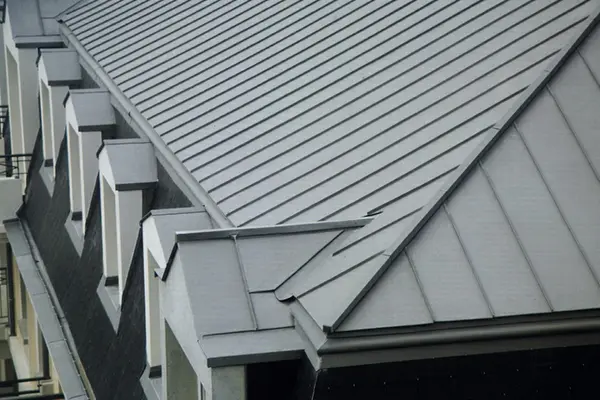
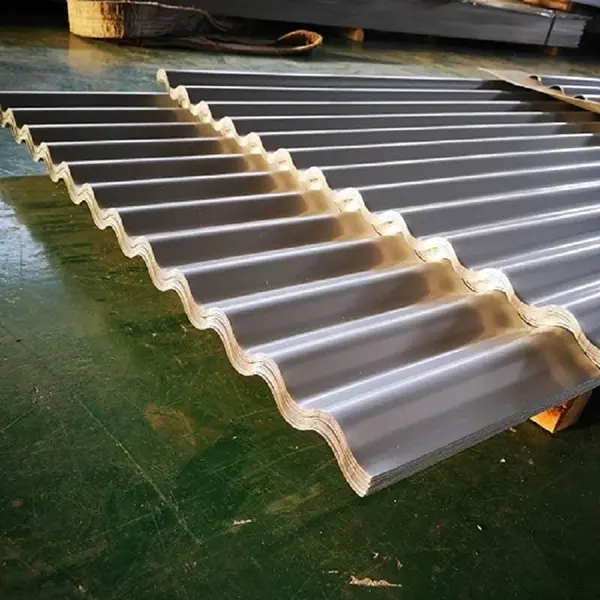
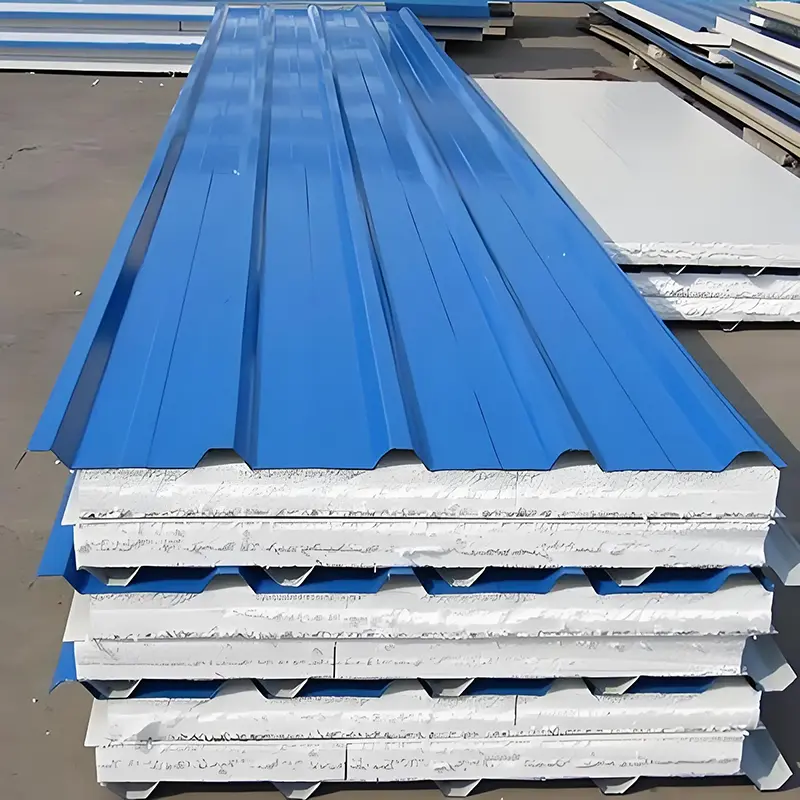
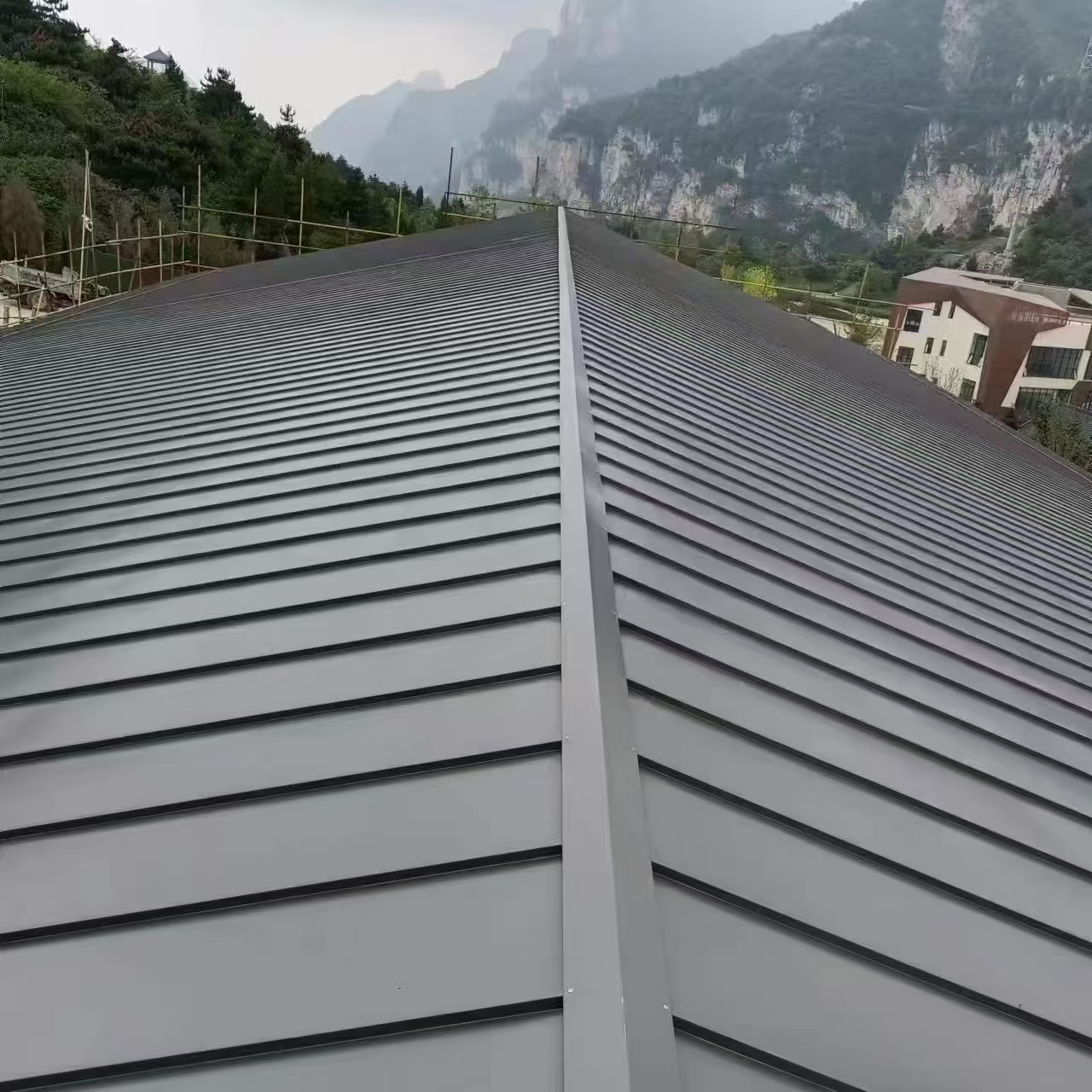
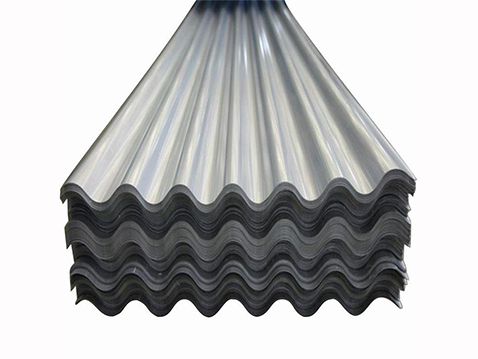
For roofs: Panel thickness should be calculated from the thermal insulation requirement and the expected roof loads. Corrugated profile panels are commonly used for roofs to improve drainage and structural stiffness. Polyurethane edge sealing can be specified for improved water resistance at panel joints.
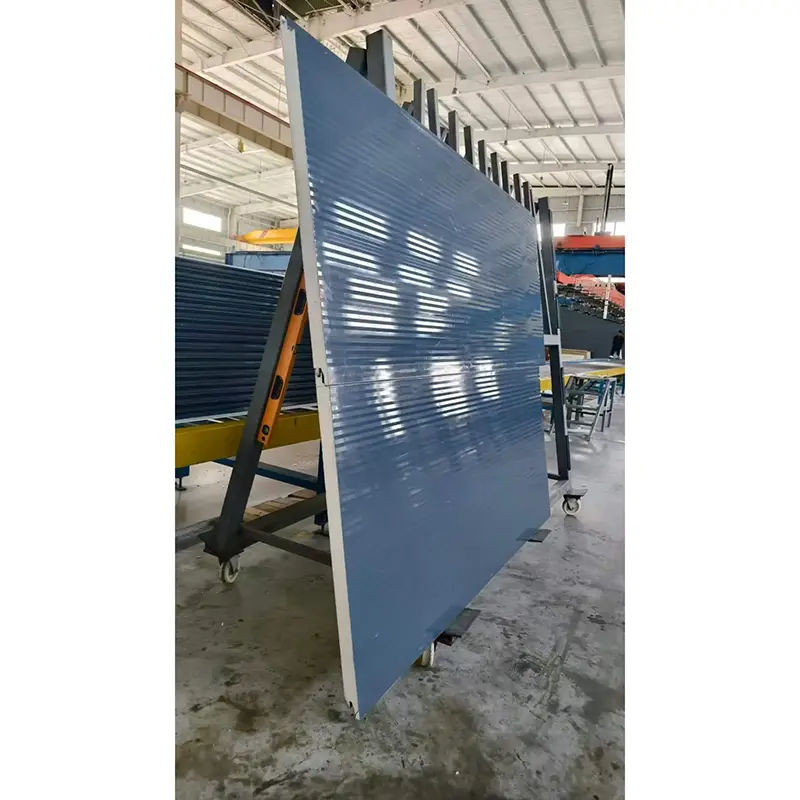
For walls: Tongue-and-groove panels provide a clean appearance and good joint sealing. The panel width can be selected to minimize cutting waste based on the wall dimensions.
For humid environments: The rock wool core is hydrophobic, but the panel edges and joints should be properly sealed to prevent moisture ingress. Stainless steel or aluminum-zinc coated facings offer additional corrosion resistance. Polyurethane edge-sealed panels provide improved moisture protection at the joints.
For cleanroom applications: Hand-made panels with steel perimeter frames are recommended. These panels offer better flatness and edge strength, and can support ceiling-mounted equipment. Cleanroom Panels with rock wool cores combine fire safety with the surface cleanability required for controlled environments.
Installation and Quality Control
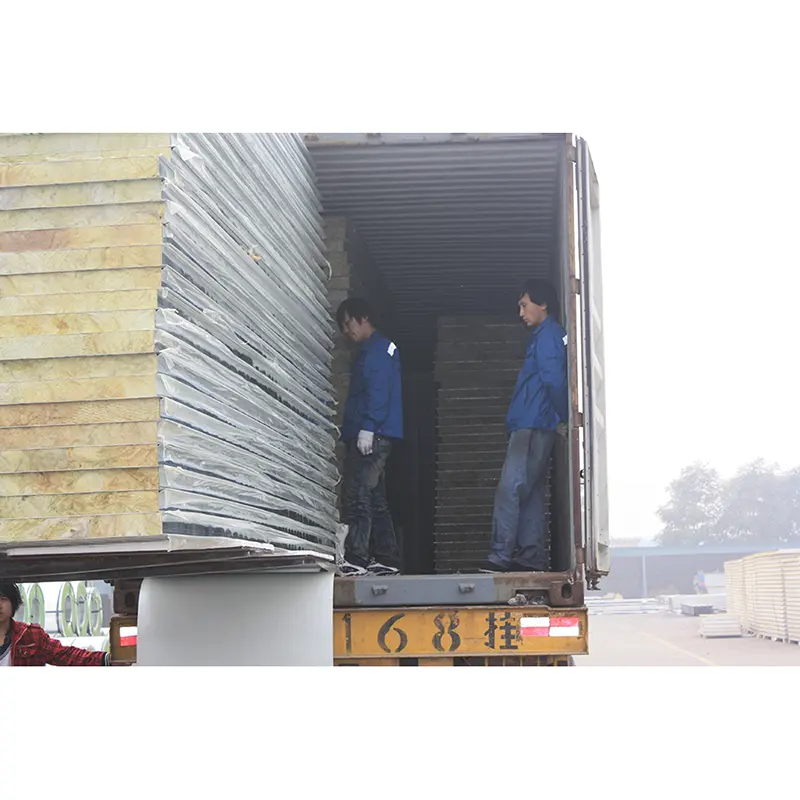
Panel handling: Use lifting equipment that distributes the load evenly across the panel surface. Avoid dragging panels across rough surfaces. The protective film should remain in place until final cleaning after installation.
Joint sealing: All panel joints should be sealed according to the project specification. For tongue-and-groove panels, ensure the male edge is fully engaged before fastening. Polyurethane edge-sealed panels provide a tighter joint seal and should be used where water tightness is critical.
Fastening: Use the specified fasteners and spacing. For concealed fastener systems, verify that the clips or screws are correctly positioned before panel installation. Over-tightening can damage the facing and reduce weathertightness.
Cutting and trimming: Field cuts should be made with appropriate tools to avoid damaging the rock wool core. Exposed cut edges should be protected with touch-up coating and edge trim to prevent moisture ingress.
Coordination with Other Building Envelope Products
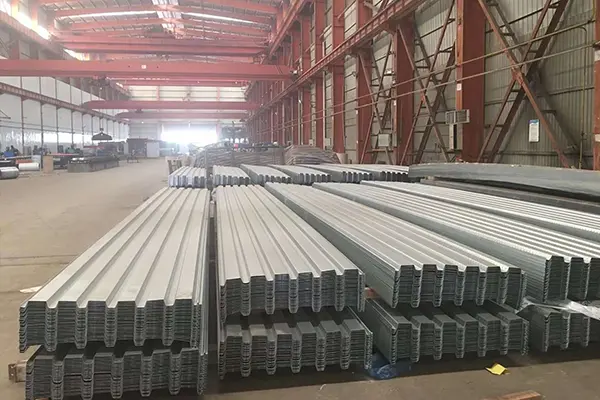
Rock wool sandwich panels are often installed together with Profiled Steel Sheets for the inner liner of roof and wall assemblies. The sandwich panel provides the thermal barrier, while the profiled sheet carries structural loads and provides a finished interior surface. Floor Decking profiles may be used in the same building for composite floor construction. Building Material Accessory Systems, including purlins, fasteners, flashing, and sealants, must be selected to match the panel profile and project conditions. Our engineering team can provide coordinated layout drawings for these combined systems.
Typical Application Areas
1. Industrial plant roofs and walls requiring A-grade fire resistance and thermal insulation.
2. Warehouse and logistics facility enclosures where fire safety and energy efficiency are priorities.
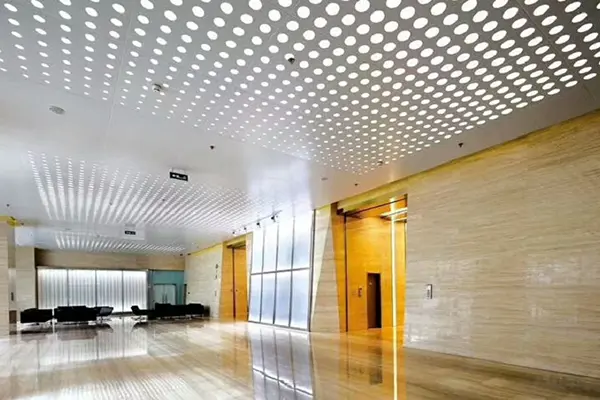
3. Public buildings such as airport terminals, railway stations, and sports venues with strict fire safety requirements.
4. Cleanroom partitions and ceilings in pharmaceutical, electronic, and food processing facilities.
5. Cold storage and temperature-controlled buildings where consistent thermal performance is critical.
Frequently Asked Questions
1. How does panel thickness affect fire resistance and thermal insulation?
Thicker panels provide both higher fire resistance and better thermal insulation. A 50 mm panel offers approximately 60 minutes of fire resistance, while a 100 mm panel offers approximately 120 minutes. Thermal insulation increases proportionally with core thickness. The required thickness should be determined by the project's fire safety and energy efficiency requirements.
2. What is the advantage of polyurethane edge-sealed panels over standard panels?
Polyurethane edge sealing fills the panel joints with foam, reducing thermal bridging and preventing moisture ingress at the edges. This improves the overall thermal performance and reduces the risk of core moisture absorption in high-humidity environments. Edge-sealed panels are recommended for cold storage, cleanrooms, and buildings in wet climates.
3. Can rock wool sandwich panels be used for cleanroom applications?
Yes. Hand-made panels with steel perimeter frames and rock wool cores are commonly used in cleanroom partitions and ceilings. They provide A-grade fire resistance, good thermal insulation, and the structural strength needed to support equipment. Stainless steel facings can be specified for areas requiring frequent washing and disinfection.
4. How are panel joints sealed against water infiltration?
Standard tongue-and-groove panels use interlocking edges that provide basic joint sealing. For improved water tightness, polyurethane edge-sealed panels have foam-filled edges that create a tighter joint. All joints should be further sealed with appropriate sealant during installation. The specific sealing method depends on the panel profile and the project's exposure conditions.
5. What documentation is provided with the panels?
We supply test reports for fire performance, thermal conductivity, and relevant mechanical properties. Material certificates for the steel facings and rock wool core are available. For projects requiring additional compliance documentation, such as acoustic performance or specific fire resistance ratings, these can be provided on request.