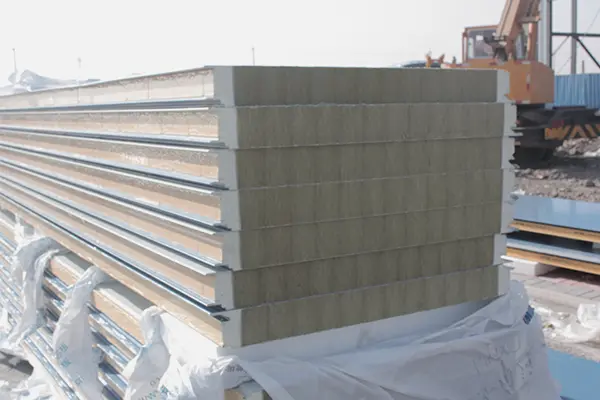
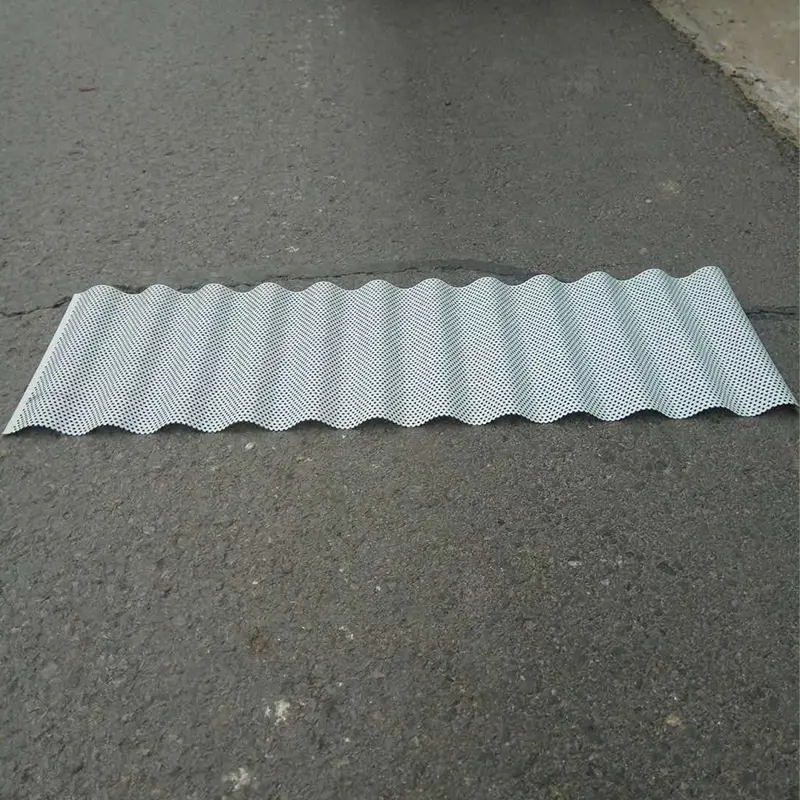
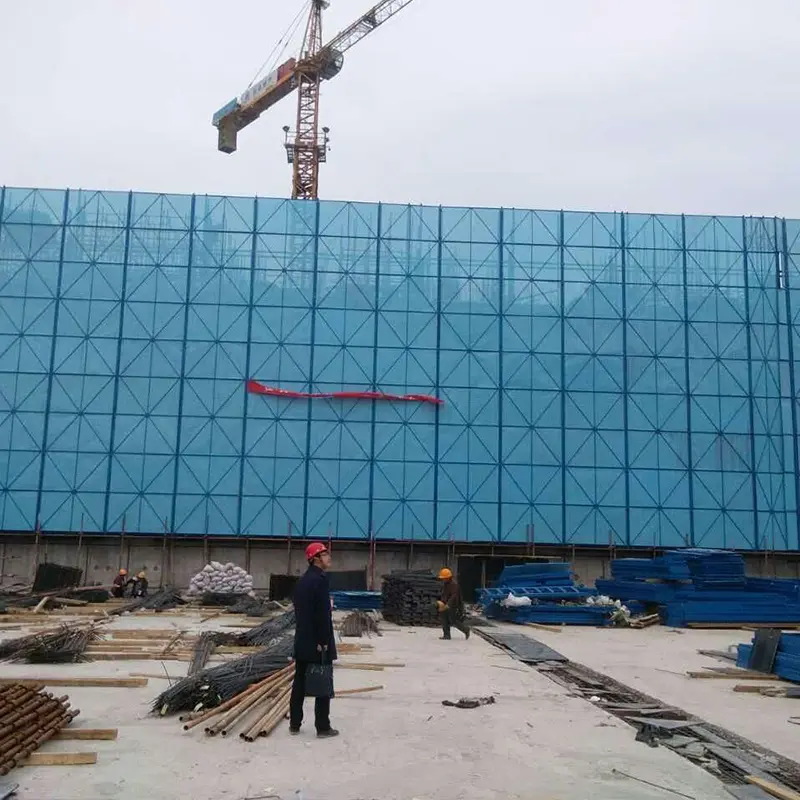
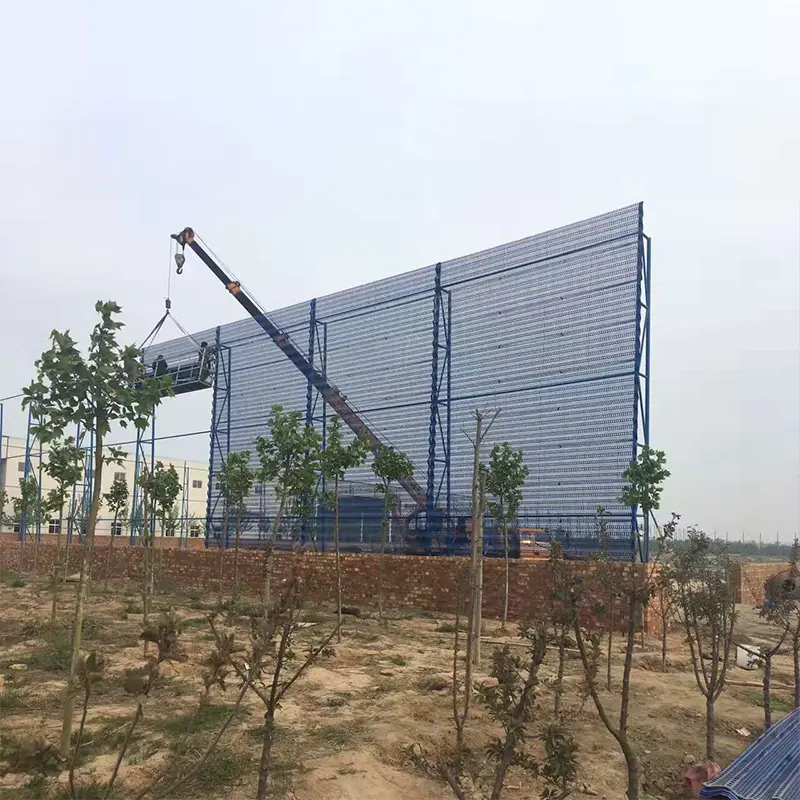
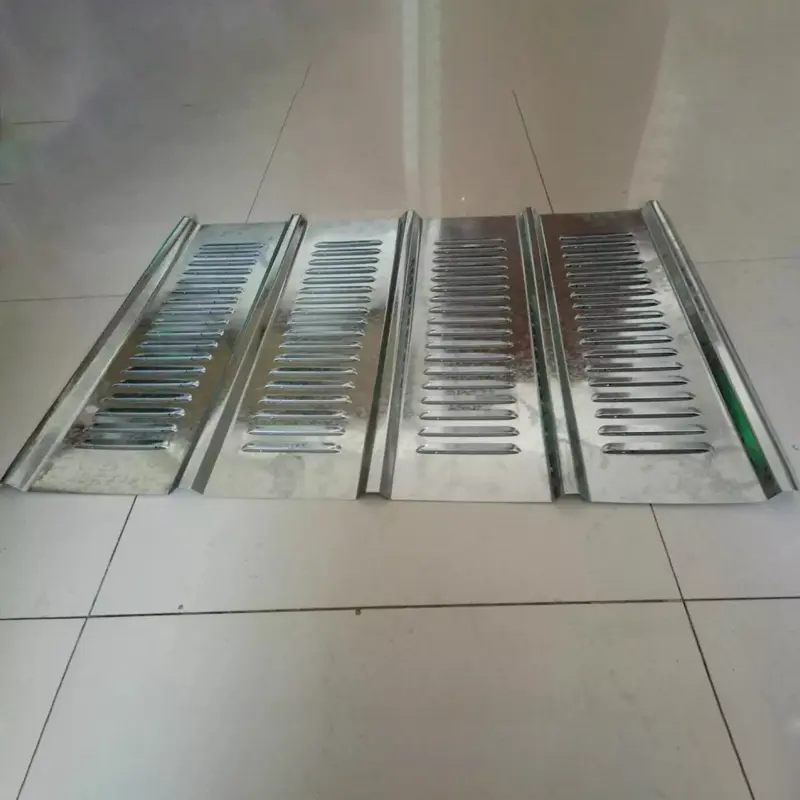
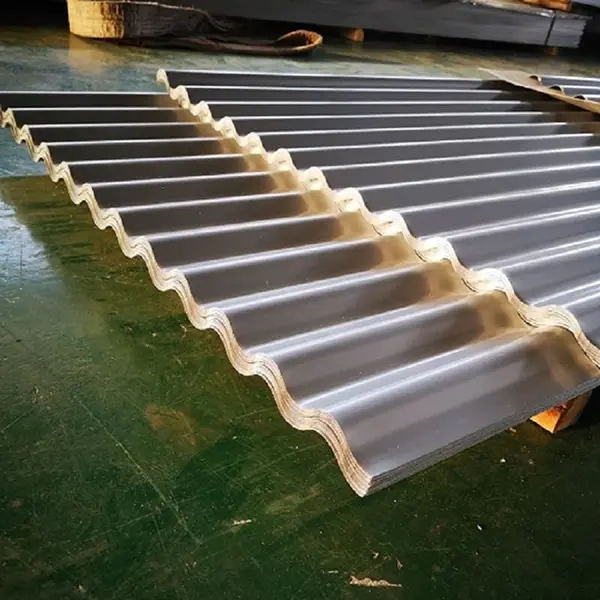
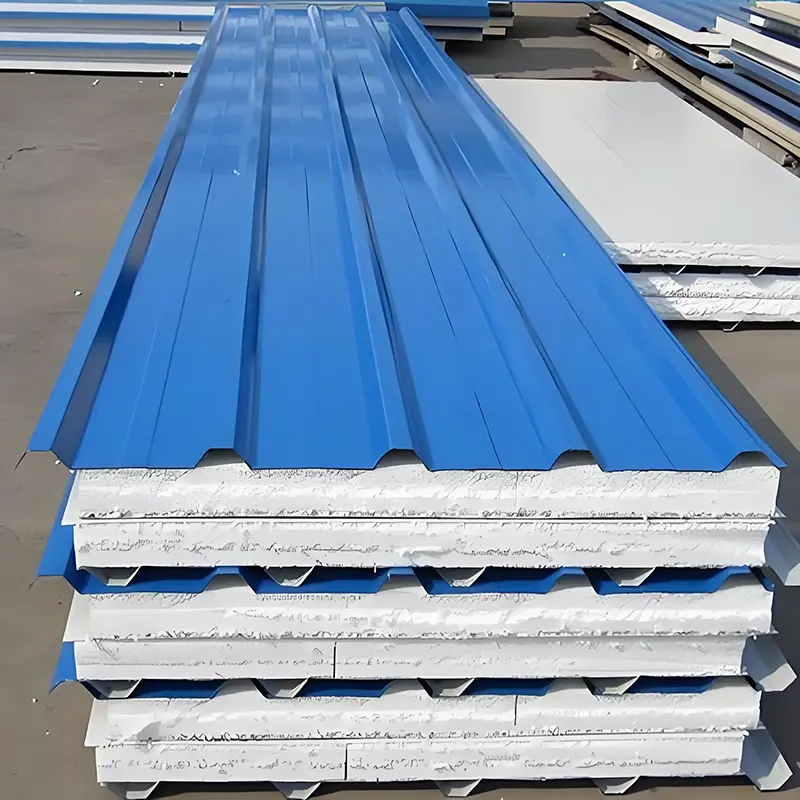
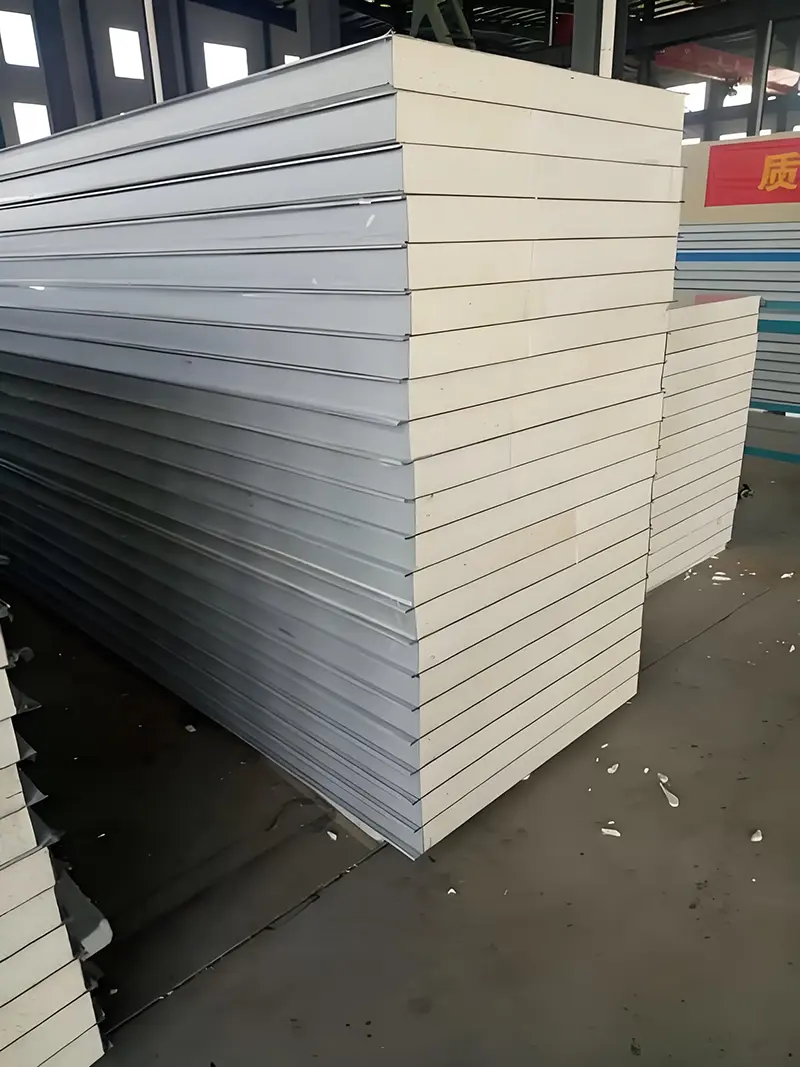
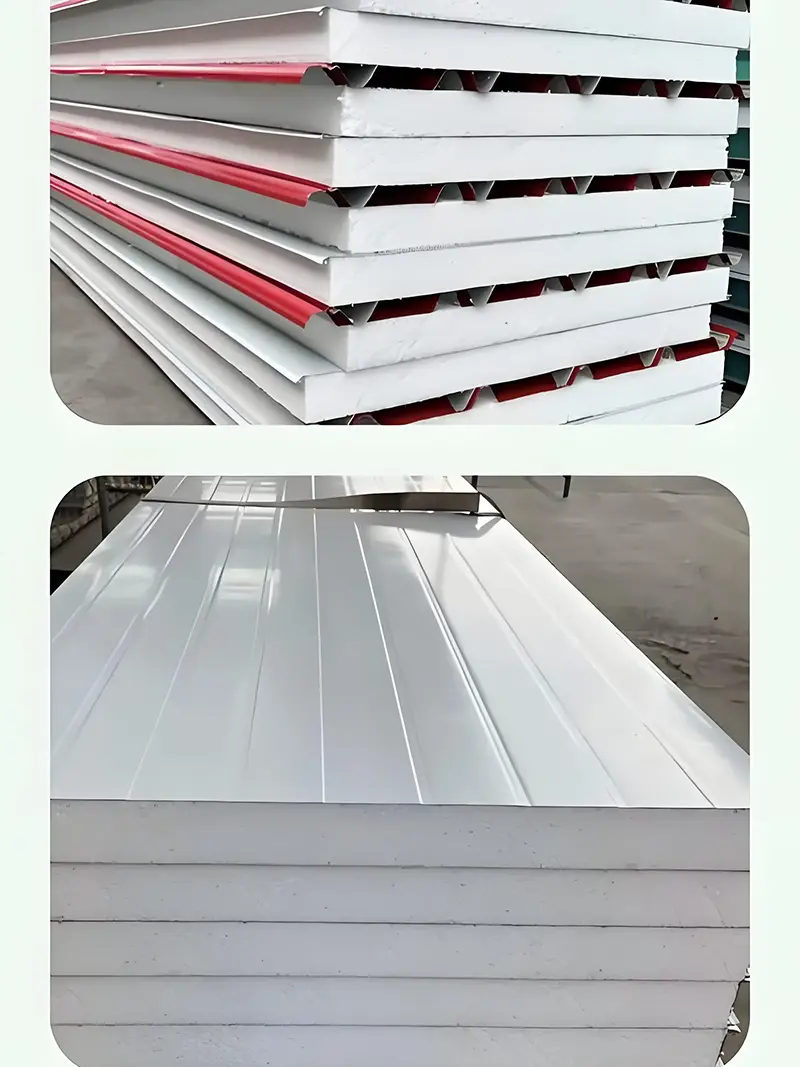
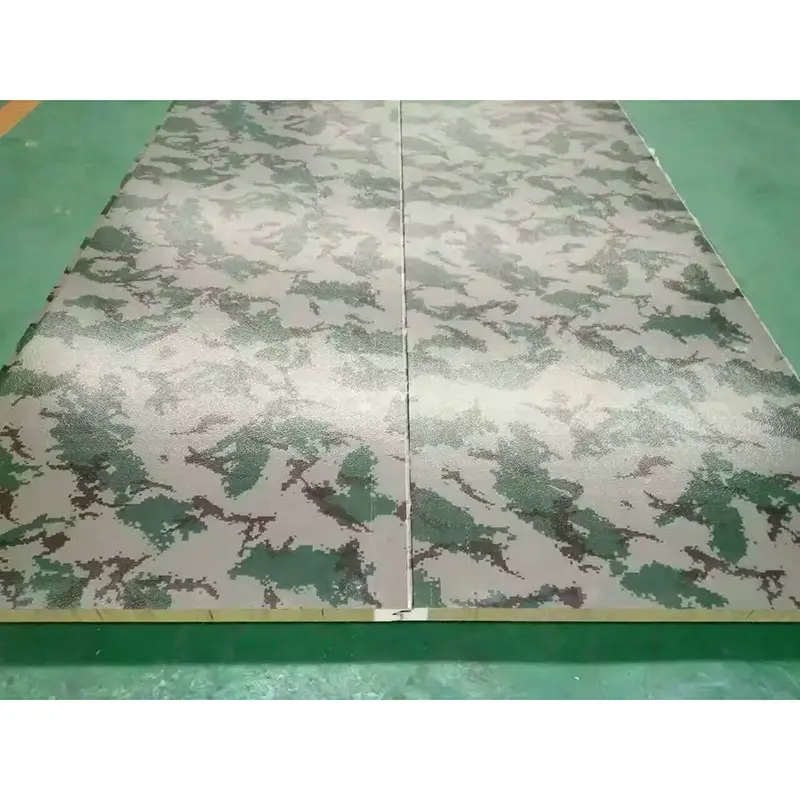
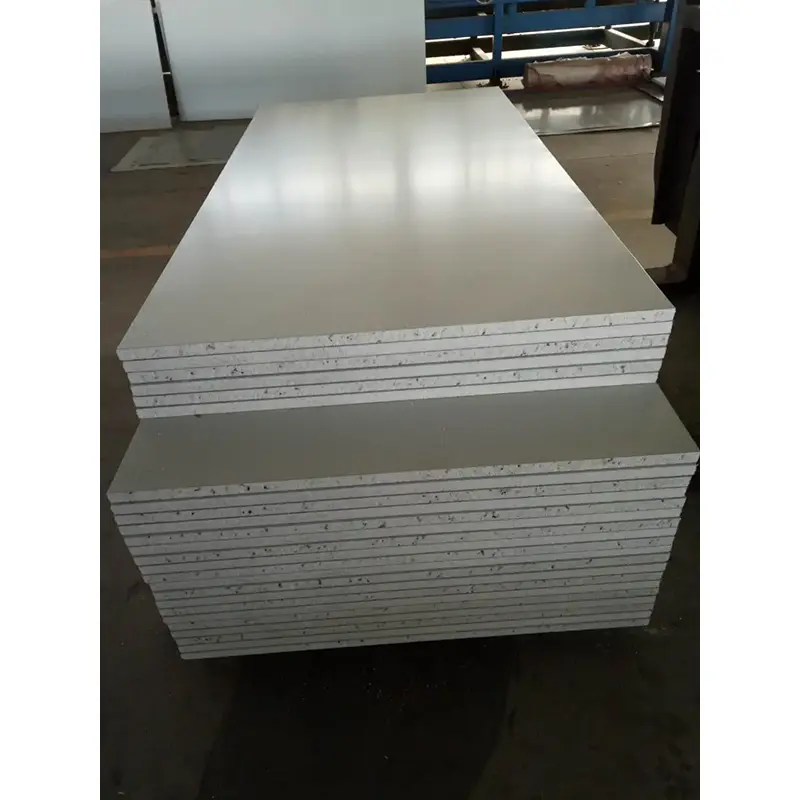
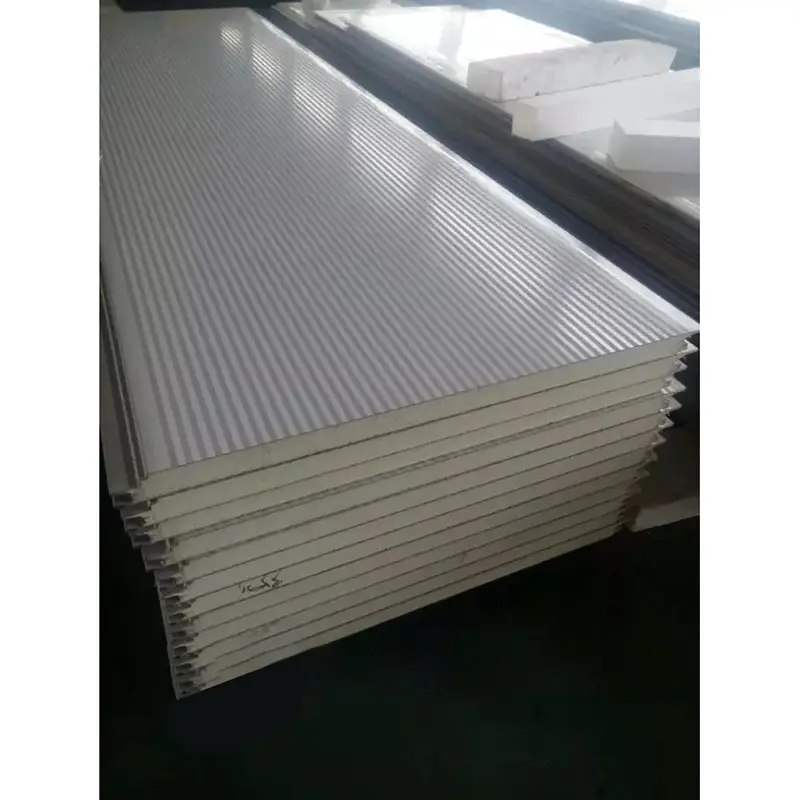
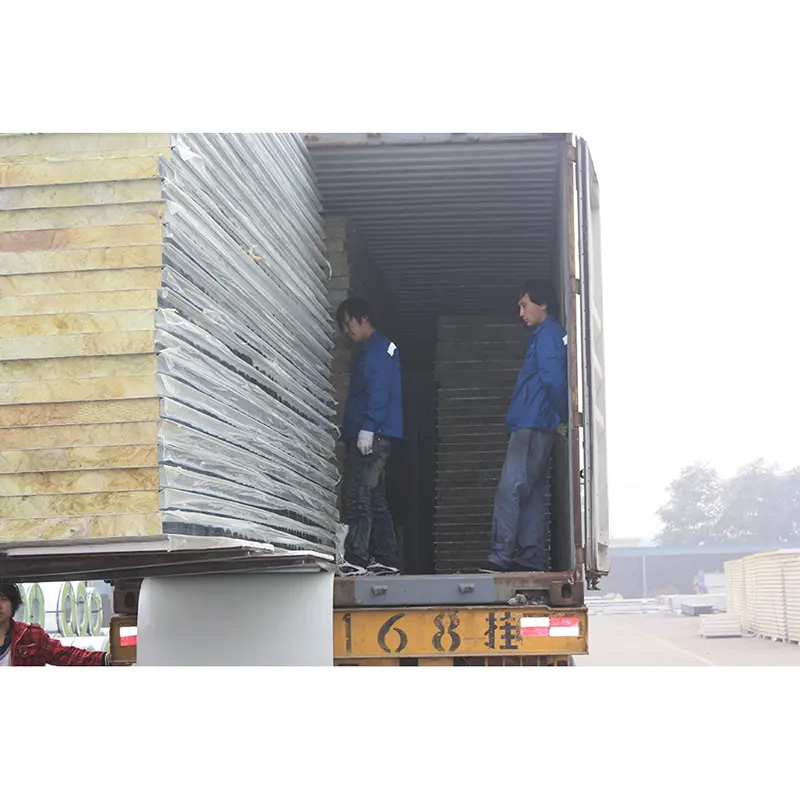
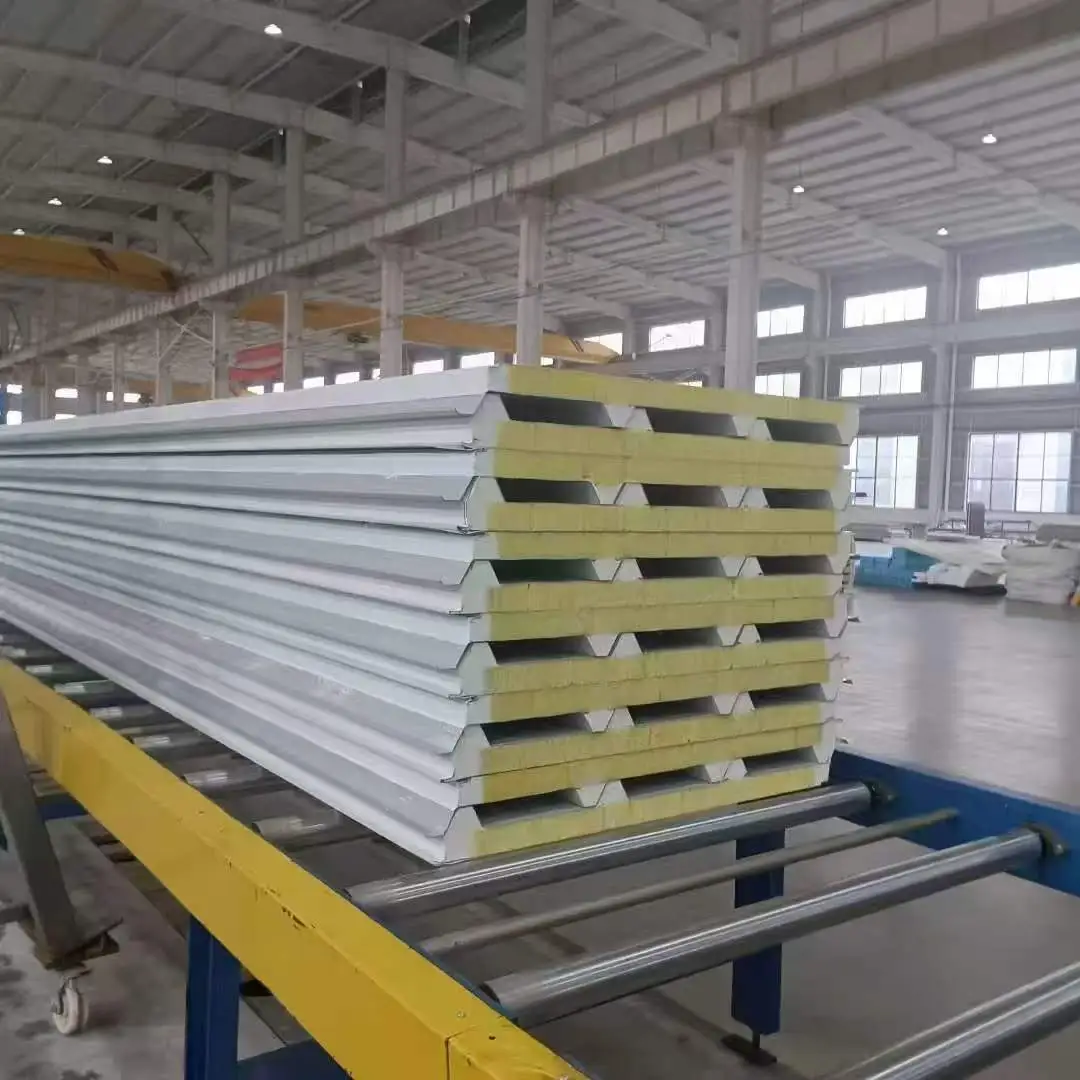
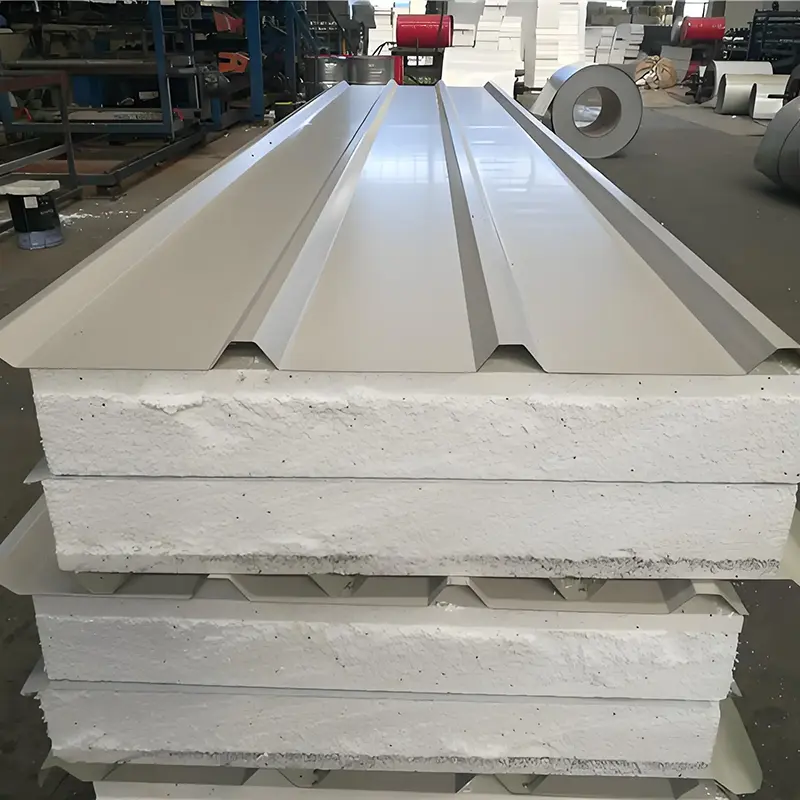
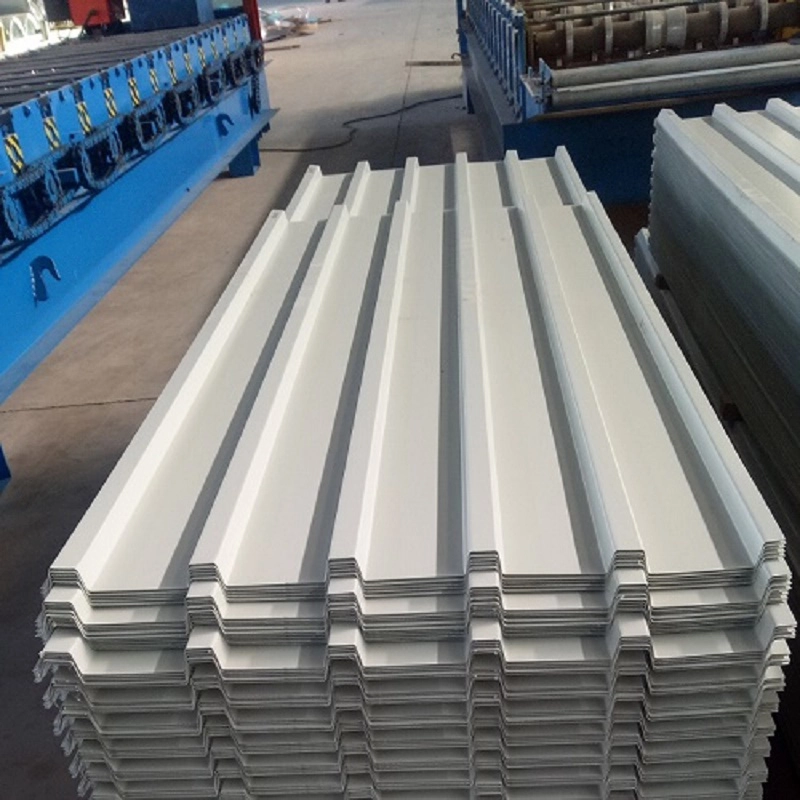
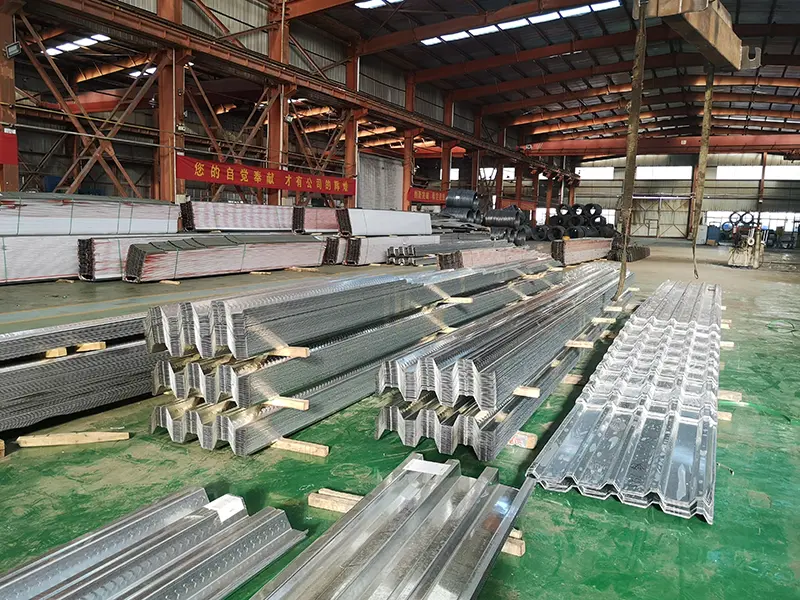
The Polystyrene Composite Panels supplied by Tianjin SENBO is a thermal insulation panel for buildings, featuring a flame-retardant EPS foam core combined with various reinforcing materials. Buyers can choose from several product types, including inorganic composite, cement-polystyrene composite, and gypsum-polystyrene composite versions. Validated by standard technical specifications (03J122) and real-world projects, this product offers a solution that integrates thermal insulation performance with structural strength, effectively meeting procurement needs for exterior wall and roofing insulation projects.
Polystyrene composite panels are a category of building insulation products that combine a polystyrene foam core with various facing materials to form an integrated panel. The panel provides thermal insulation, structural support, and decorative functions. Based on the facing material, the main types are inorganic composite polystyrene board, reinforced cement polystyrene composite board, reinforced gypsum polystyrene composite board, and paper-faced gypsum polystyrene composite board.
1. Inorganic Composite Polystyrene Board
This board is produced by bonding a flame-retardant inorganic slurry, such as calcium sulfate hemihydrate, to a low-density expanded polystyrene foam substrate. Negative-pressure pore-penetration and adsorption technology is used to ensure uniform adhesion. Test data indicate a thermal conductivity of 0.041 W/(m·K), a calorific value of 2.91 MJ/kg, an oxygen index of 39.7%, and a combustion performance rating of Class A2. During combustion, the board does not shrink or melt and retains its shape. The peak heat release rate and total heat release are significantly lower than those of the polystyrene foam substrate alone.
2. Reinforced Cement Polystyrene Composite Board
This board is manufactured by casting a mixture of sulfoaluminate cement and perlite, reinforced with fiberglass mesh, onto a self-extinguishing polystyrene foam core. Common specifications include a length of 2400 mm to 2700 mm, width of 595 mm, and thickness of 50 mm or 60 mm. The surface density does not exceed 30 kg/m². The equivalent thermal resistance is at least 0.8 m²·K/W. The compressive strength of the reinforced cement facing layer is at least 10 MPa.
3. Reinforced Gypsum Polystyrene Composite Board
This board consists of a construction gypsum facing layer bonded to a polystyrene board. It is used for internal thermal insulation on exterior walls of residential buildings. Common specifications are similar to the cement type: length 2400 mm to 2700 mm, width 595 mm, and thickness 50 mm or 60 mm. The surface density does not exceed 25 kg/m². The moisture content is not more than 5%. The equivalent thermal resistance is at least 0.8 m²·K/W. The flexural load capacity is at least 1.5 times the board weight.
4. Paper-faced Gypsum Polystyrene Composite Board
This board is composed of a paper-faced gypsum board facing layer bonded to a self-extinguishing polystyrene board. The polystyrene core has a density of 20 kg/m³, a thermal conductivity below 0.04 W/(m·K), an oxygen index above 30%, and a thickness of 30 mm to 40 mm. The composite board dimensions are 900 mm or 1200 mm in width and 42 mm or 52 mm in thickness.
Technical Specifications
Performance Indicator
Inorganic Composite Polystyrene Board
Reinforced Gypsum Polystyrene Board
Reinforced Cement Polystyrene Board
Paper-faced Gypsum Polystyrene Board
Surface Density
Not specified
≤25 kg/m²
≤30 kg/m²
Not specified
Thermal Conductivity
≤0.050 W/(m·K)
Core <0.04 W/(m·K)
Not specified
Core <0.04 W/(m·K)
Tensile Strength
≥0.10 MPa
Not specified
Not specified
Not specified
Combustion Performance
Class A2
Class B1
Class B1
Class B1
Standard Thickness
Customizable
50 mm / 60 mm
50 mm / 60 mm
42 mm / 52 mm
Reference Standard
JG/T 536
03J122
03J122
03J122
Performance Verification Through Project Applications
1. Internal Thermal Insulation for Residential Buildings
Reinforced cement polystyrene composite boards and reinforced gypsum polystyrene composite boards have been used for many years in internal insulation projects on residential exterior walls. The construction sequence includes cleaning the structural wall surface, marking layout lines, preparing and repairing panels, setting leveling pads, installing composite panels, treating panel joints and corners, and finishing the panel surface. Ten days after installation, all joints must be inspected for bonding quality. Subsequent work may proceed only after confirming that no cracks are present.
2. Roof Insulation Retrofit
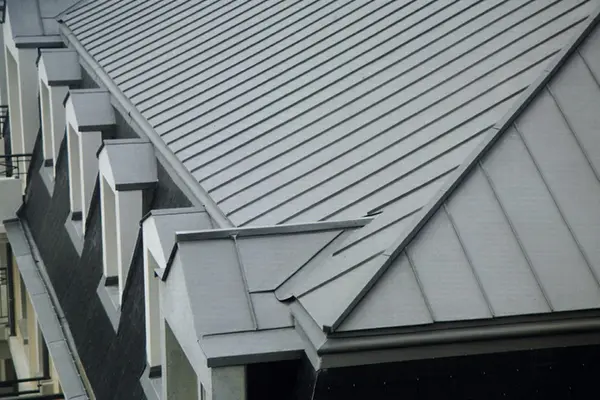
A roof renovation project at the Cangzhou River Affairs Bureau office building replaced the original color steel sheets with polystyrene insulation composite panels. The project area was 756 m² with a total investment of 180,000 yuan. A sequential workflow was adopted using five crane shifts and more than 120 labor shifts. The project was completed on schedule and all quality assessments met the required standards.
3. External Insulation with Cast-in-place Concrete Walls
For a residential complex with floors 19 to 25, an external insulation system was used with 50 mm thick composite panels consisting of a 30 mm extruded polystyrene board and a 20 mm lightweight concrete layer. The panels were secured to the wall reinforcement with galvanized wire and cast monolithically with the concrete wall. This method eliminates the risk of insulation layer delamination, detachment, or collapse. The system achieved an energy-saving insulation efficiency of 60%.
Installation and Construction Notes
Before installation, verify that the wall surface is clean, flat, and free of loose material.
Use leveling pads or shims to keep panel surfaces aligned and to control joint widths.
Apply joint treatment materials at panel joints and corners to prevent cracking and improve airtightness.
For inorganic composite boards, use cutting tools suitable for mineral-based facings to avoid edge chipping.
Store panels in a dry area and protect them from direct sunlight and rain before installation.
Frequently Asked Questions
How do I choose between inorganic composite polystyrene board and reinforced cement or gypsum types?
The choice depends primarily on fire safety requirements. Inorganic composite boards achieve Class A2 combustion performance and are suitable for projects with stricter fire codes. Reinforced cement or gypsum boards are typically B1 rated and are commonly used for internal insulation in residential buildings. Project specifications and local regulations should guide the selection.
What is the difference between reinforced cement and reinforced gypsum polystyrene composite panels?
Both are used for internal wall insulation. The cement facing layer has higher compressive strength (≥10 MPa) and is more moisture resistant. The gypsum facing layer is lighter (surface density ≤25 kg/m²) and offers easier surface finishing. For damp areas, the cement type is generally preferred.
Can polystyrene composite boards be used for external insulation?
Some types, such as the composite panels with a lightweight concrete layer cast together with the wall, have been used in external insulation applications. However, most reinforced gypsum and cement types are designed for internal insulation. External use requires specific engineering evaluation and compliance with local fire and weather resistance codes.
What standards apply to polystyrene composite panels?
Inorganic composite polystyrene boards are covered by JG/T 536. Reinforced cement, reinforced gypsum, and paper-faced gypsum polystyrene composite boards are detailed in the National Building Standard Design Atlas 03J122. Contractors should refer to these documents for construction details and acceptance criteria.
Quality Assurance and Inspection
Incoming raw materials, including polystyrene foam, facing materials, and adhesives, are inspected for compliance with specified parameters. During production, panel dimensions, surface density, and bond strength are monitored. Finished boards are checked for surface defects, dimensional accuracy, and packaging before shipment. Test reports can be provided in accordance with the relevant product standards.
Selection Guide by Application
For internal wall insulation in residential buildings, reinforced gypsum or cement polystyrene composite panels are common choices due to their mature construction process and moderate cost.
For projects requiring Class A fire performance, such as public buildings or areas with strict fire codes, inorganic composite polystyrene boards should be considered.
For roof retrofit projects where a lightweight insulation layer is needed, polystyrene insulation composite panels can be used, provided the structural load capacity is verified.
For prefabricated or modular applications, paper-faced gypsum polystyrene composite boards offer a simple finishing surface suitable for interior partitions.
Send SENBO an inquiry for steel building materials. Request a free quote, sample or bulk order price list. Our sales team responds within 24 hours with factory direct pricing, stock availability and shipping options.
We use cookies to offer you a better browsing experience, analyze site traffic and personalize content. By using this site, you agree to our use of cookies.Privacy Policy