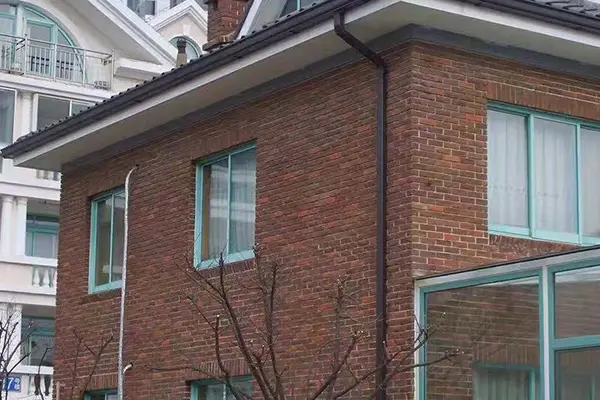
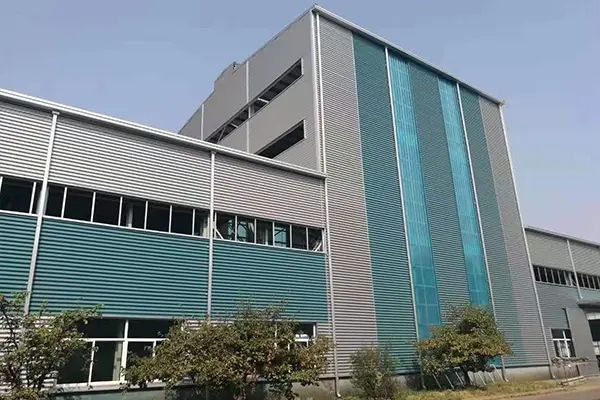
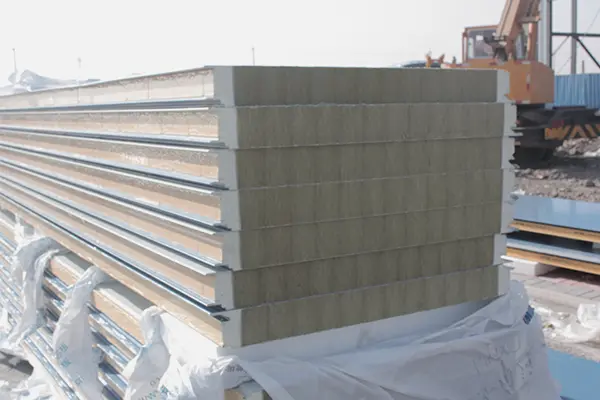
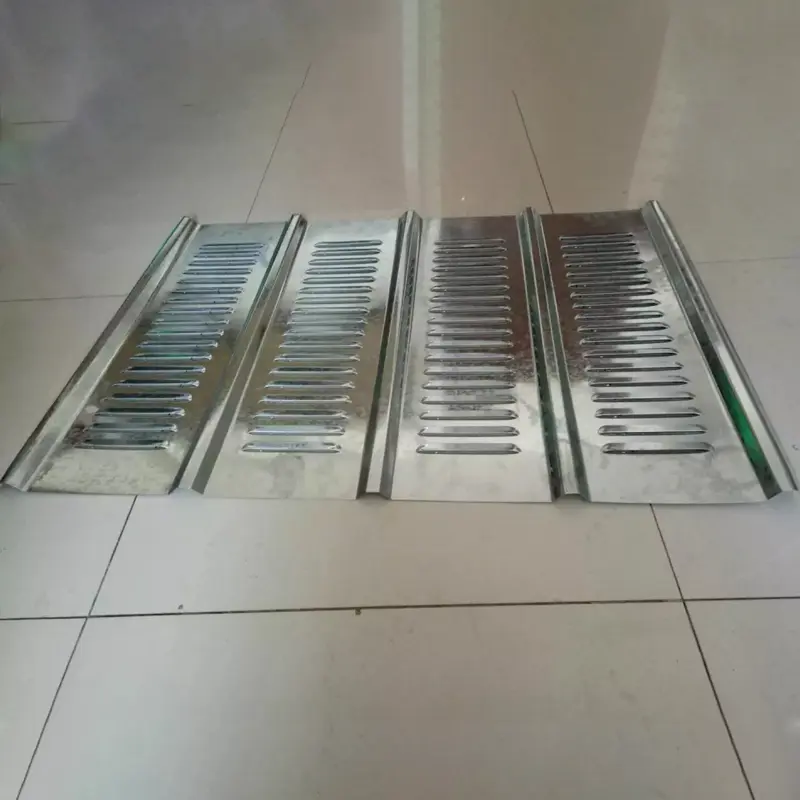
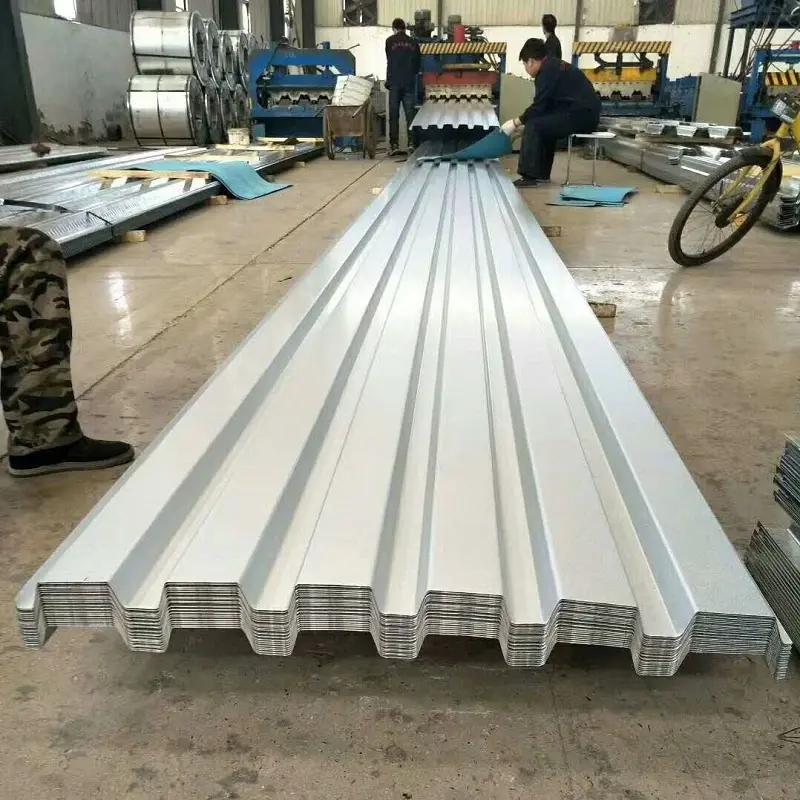
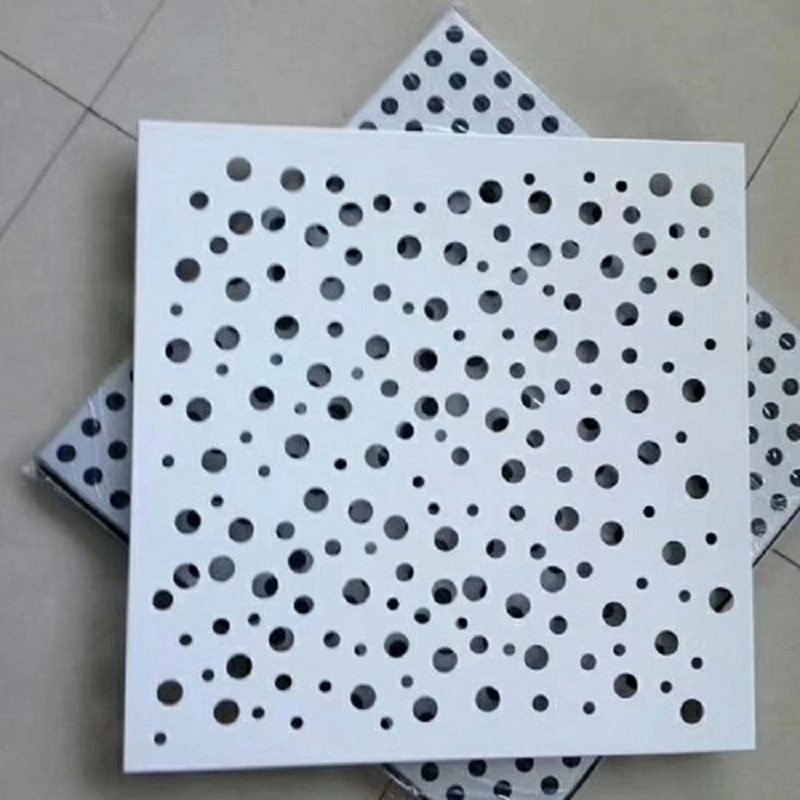
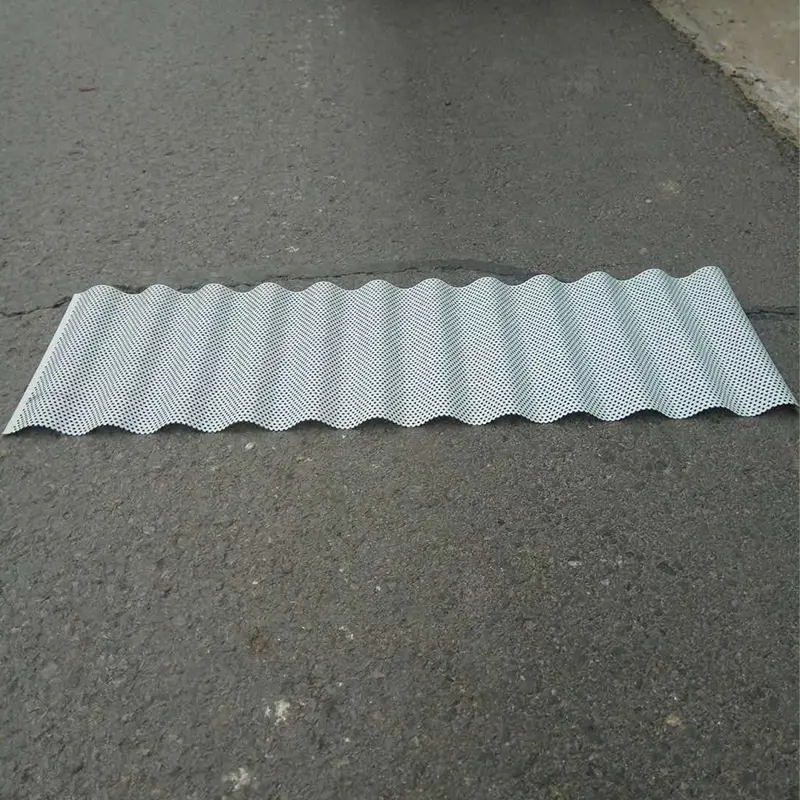
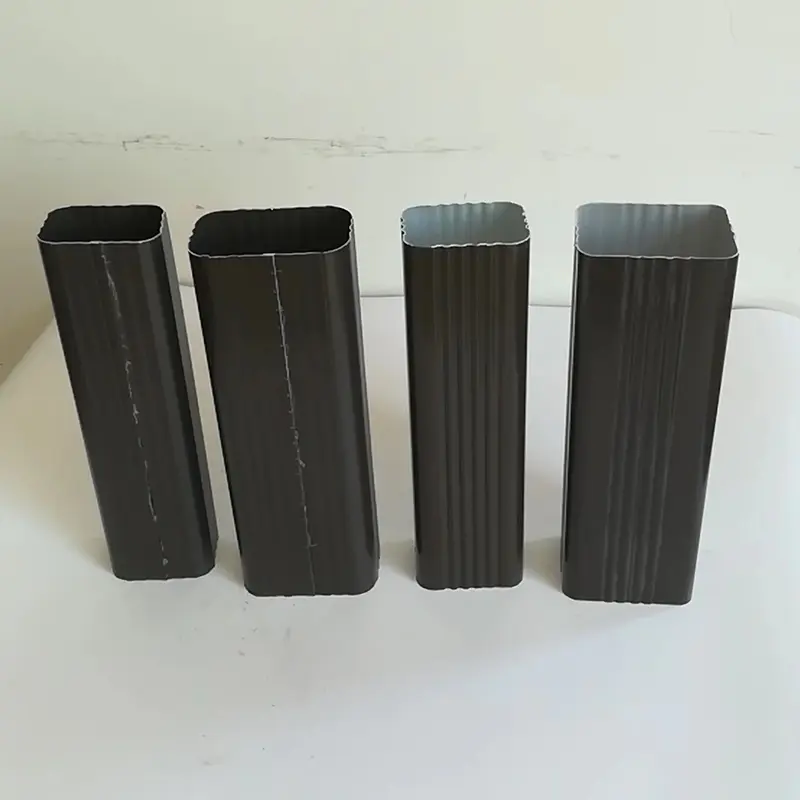
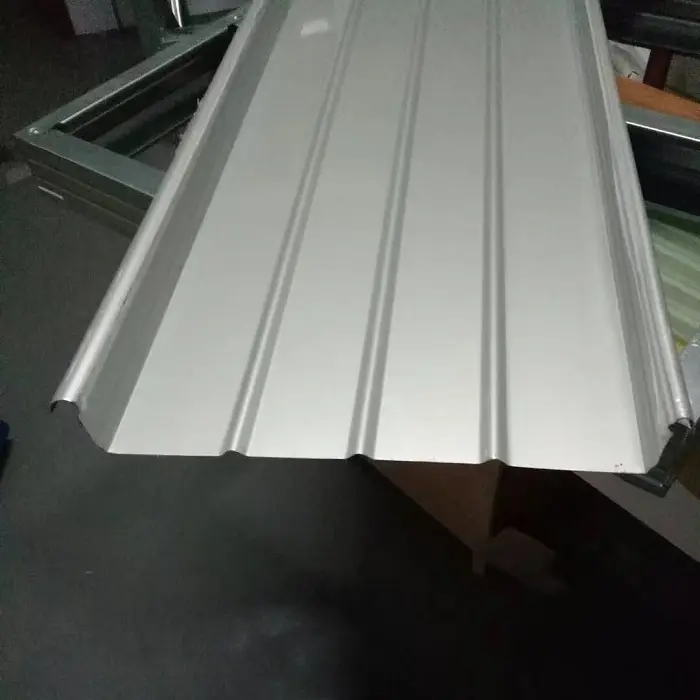
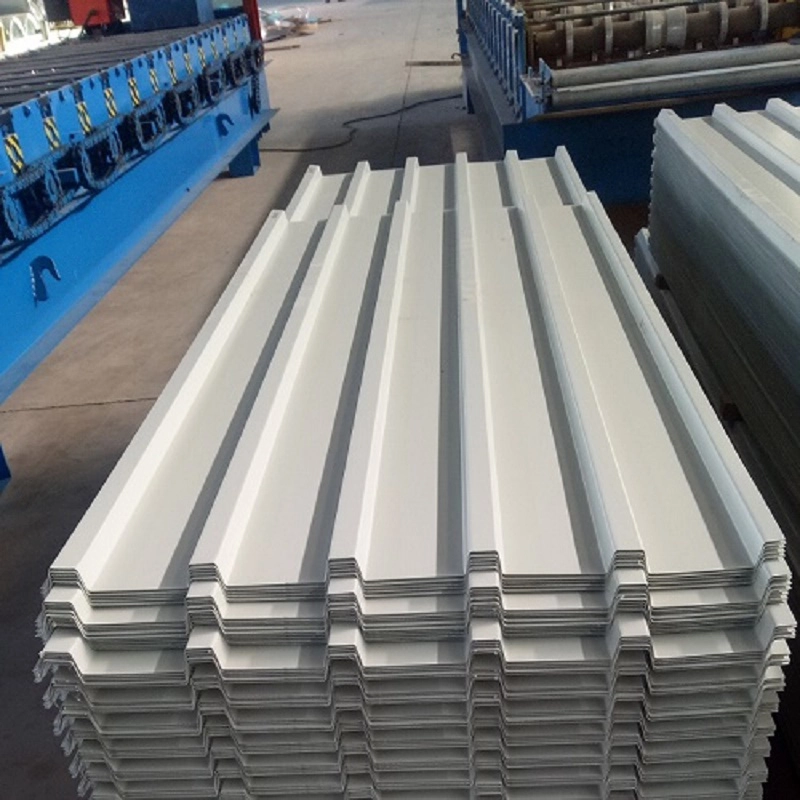
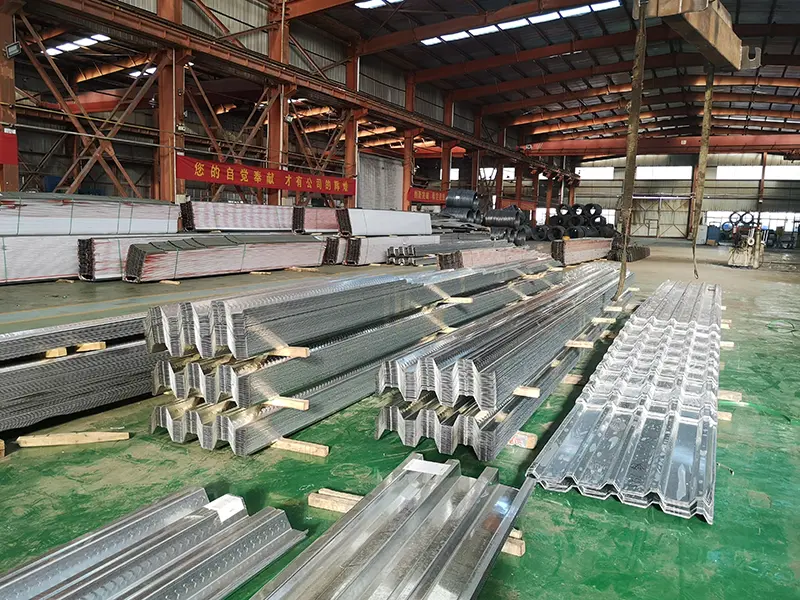
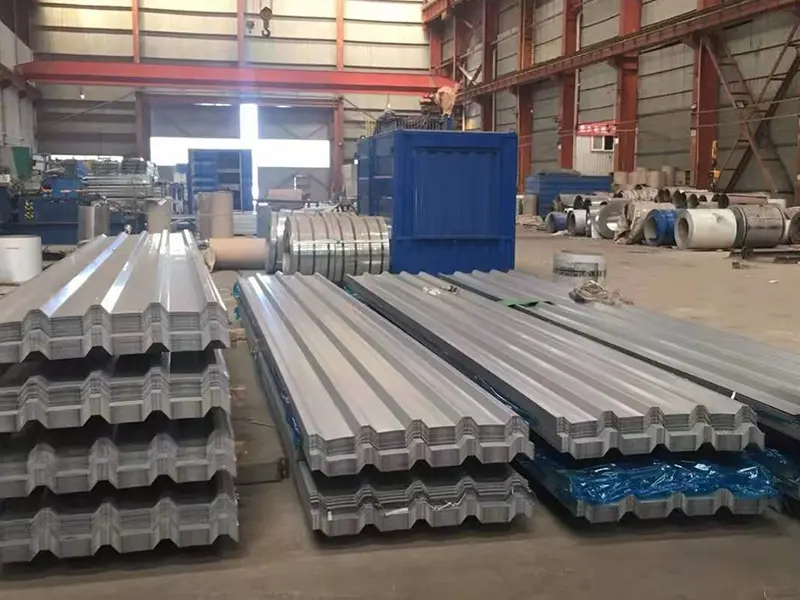
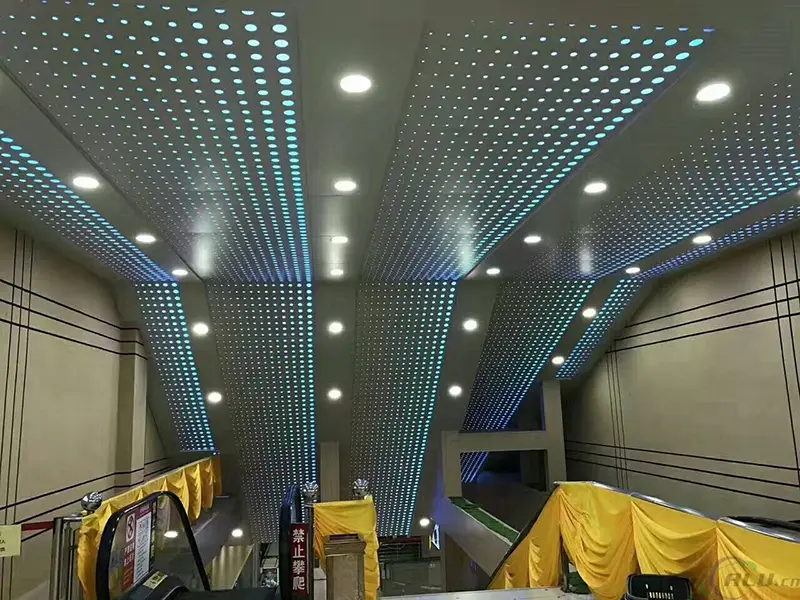
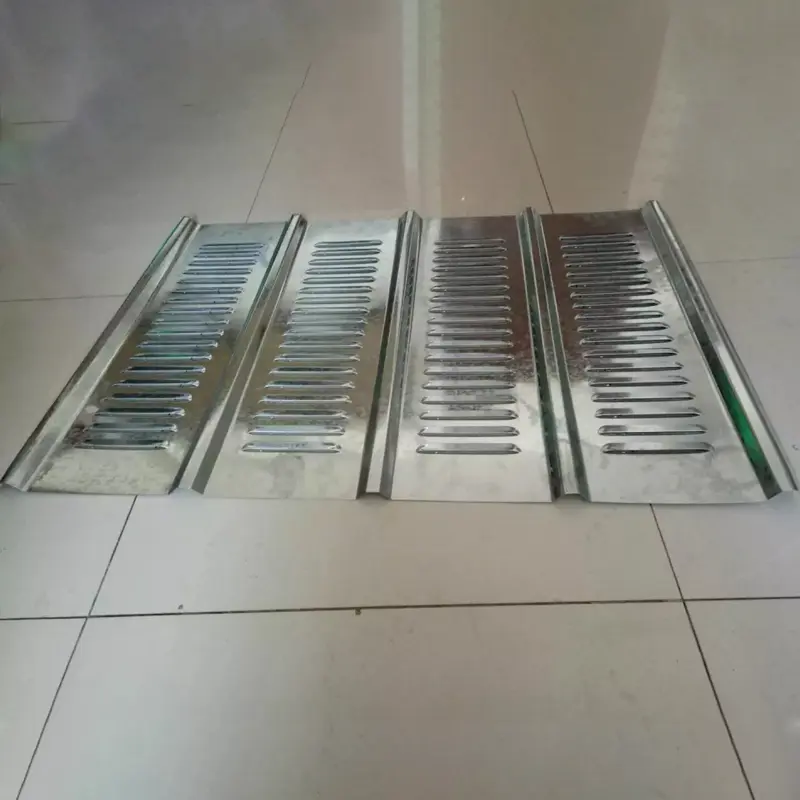
Louvered Perforated Sheet has become an innovative solution for architects, engineers, and construction professionals seeking a balance between aesthetics, ventilation, privacy, and environmental performance. SENBO provides customized metal building solutions designed to meet different architectural requirements. By combining precise perforation technology with louver structures, this material delivers excellent airflow control, sunlight regulation, and decorative value for modern facades, ceilings, partitions, and industrial applications.
A Louvered Perforated Sheet is a specially processed metal panel that integrates louver structures with perforated openings. Unlike traditional flat perforated panels, this design creates angled openings that improve airflow direction, reduce direct visibility, and enhance functional performance.
The combination of perforation and louver forming technology allows the sheet to serve multiple purposes, including ventilation, shading, decorative enhancement, and protective covering. It is widely applied in architectural facades, equipment enclosures, ventilation systems, and industrial buildings where both appearance and performance are important.
Compared with ordinary perforated metal sheets, louvered designs provide better control of air movement and sunlight penetration. The special structure can help maintain ventilation efficiency while creating a cleaner and more modern visual effect for exterior and interior applications.
Key Features and Advantages of Louvered Perforated Sheet
Modern construction projects increasingly require materials that provide both functional benefits and aesthetic value. Louvered Perforated Sheet meets these demands through advanced manufacturing processes and flexible customization options.
1. Excellent Ventilation Performance
The angled louver openings allow air to circulate effectively while preventing excessive exposure to rain, dust, and external elements. This makes the material suitable for ventilation covers, mechanical rooms, building facades, and industrial equipment protection.
2. Improved Sunlight and Heat Control
By adjusting the louver angle and perforation design, the sheet can reduce direct sunlight penetration and help improve indoor comfort. It is an ideal choice for energy-efficient architectural designs.
3. Modern Decorative Appearance
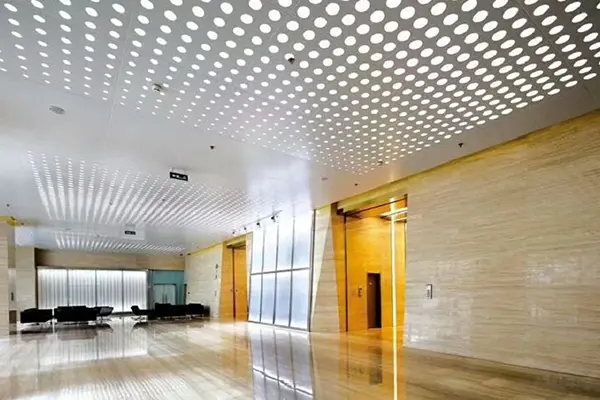
Architects can use different hole patterns, materials, finishes, and surface treatments to create unique building appearances. The combination of shadows and textures generated by perforated louvers adds visual depth to commercial and public buildings.
4. Durable Metal Structure
Louvered perforated panels are commonly manufactured from aluminum, stainless steel, galvanized steel, and other durable metals. These materials provide excellent corrosion resistance and long service life in outdoor environments.
Feature
Performance Benefit
Typical Application
Louver Design
Controls airflow direction and reduces direct exposure
Ventilation systems and exterior walls
Perforated Surface
Improves ventilation and decorative effects
Facades, ceilings, partitions
Metal Construction
Provides strength and weather resistance
Industrial and architectural projects
Custom Patterns
Supports creative design requirements
Commercial buildings and public spaces
Where Is Louvered Perforated Sheet Commonly Used?
Due to its combination of ventilation, protection, and design flexibility, Louvered Perforated Sheet is widely adopted across different industries. Modern architectural projects often use perforated louver systems to achieve both functional and visual goals.
Building Facades: Used as exterior cladding materials to improve appearance, ventilation, and sunlight management.
Ventilation Covers: Applied in air conditioning systems, mechanical rooms, and equipment enclosures.
Interior Decoration: Used for ceilings, partitions, room dividers, and decorative wall panels.
Industrial Protection: Provides airflow while protecting machinery and technical equipment.
Parking and Public Facilities: Helps create open structures with improved ventilation and privacy.
In architectural applications, perforated louver panels can also be customized with different hole sizes and patterns to achieve specific lighting effects and design concepts. Many modern facade systems use perforated materials because they combine aesthetic flexibility with practical environmental performance.
How to Choose the Right Louvered Perforated Sheet?
Selecting the correct Louvered Perforated Sheet requires consideration of project requirements, environmental conditions, and design expectations. The following factors should be evaluated before production:
Material Selection: Aluminum is lightweight and corrosion-resistant, while stainless steel provides higher strength and durability.
Opening Design: Hole size, shape, and louver angle influence airflow, visibility, and shading performance.
Surface Treatment: Powder coating, anodizing, and other finishing methods can improve appearance and weather resistance.
Project Requirements: Different applications require different thicknesses, dimensions, and structural designs.
Working with an experienced manufacturer can help ensure that the final product matches engineering specifications and architectural expectations.
Louvered Perforated Sheet vs Traditional Metal Panels
Comparison Item
Louvered Perforated Sheet
Traditional Metal Panel
Airflow Control
Excellent due to angled louver openings
Limited ventilation performance
Design Flexibility
Multiple patterns and finishes available
Usually simple flat appearance
Sunlight Management
Provides shading and light control
Limited adjustment capability
Architectural Value
Creates modern decorative effects
Mainly focuses on protection
Compared with conventional metal panels, Louvered Perforated Sheet provides additional functional advantages while maintaining a sophisticated appearance. This makes it a preferred choice for projects requiring both technical performance and architectural creativity.
Frequently Asked Questions About Louvered Perforated Sheet
Q1: What materials are commonly used for Louvered Perforated Sheet?
Common materials include aluminum, stainless steel, galvanized steel, and other metal alloys. The best material depends on environmental conditions, strength requirements, and design expectations.
Q2: Can Louvered Perforated Sheet be customized?
Yes. Manufacturers can customize panel dimensions, hole patterns, louver angles, thicknesses, and surface finishes according to different architectural and industrial requirements.
Q3: Is Louvered Perforated Sheet suitable for outdoor applications?
Yes. With proper material selection and surface treatment, louvered perforated panels can provide excellent durability for outdoor facades, ventilation systems, and protective structures.
Q4: How does Louvered Perforated Sheet improve building efficiency?
The structure improves natural airflow, controls sunlight exposure, and supports energy-saving building designs by reducing heat gain and improving ventilation conditions.
Conclusion
Louvered Perforated Sheet is an advanced architectural material that combines ventilation performance, decorative flexibility, and long-term durability. From modern building facades to industrial ventilation systems, it provides an effective solution for projects that require both functionality and attractive design. With professional manufacturing capabilities and customized solutions, SENBO helps customers develop reliable metal panel solutions for various applications. If you are looking for high-quality louvered perforated solutions, please contact us to discuss your project requirements and receive professional support.
We use cookies to offer you a better browsing experience, analyze site traffic and personalize content. By using this site, you agree to our use of cookies.Privacy Policy