Tianjin SENBO Building Materials Technology Co., Ltd.
Products
Handmade Sound-Absorbing Cleanroom Panels
  • Handmade Sound-Absorbing Cleanroom PanelsHandmade Sound-Absorbing Cleanroom Panels

Handmade Sound-Absorbing Cleanroom Panels

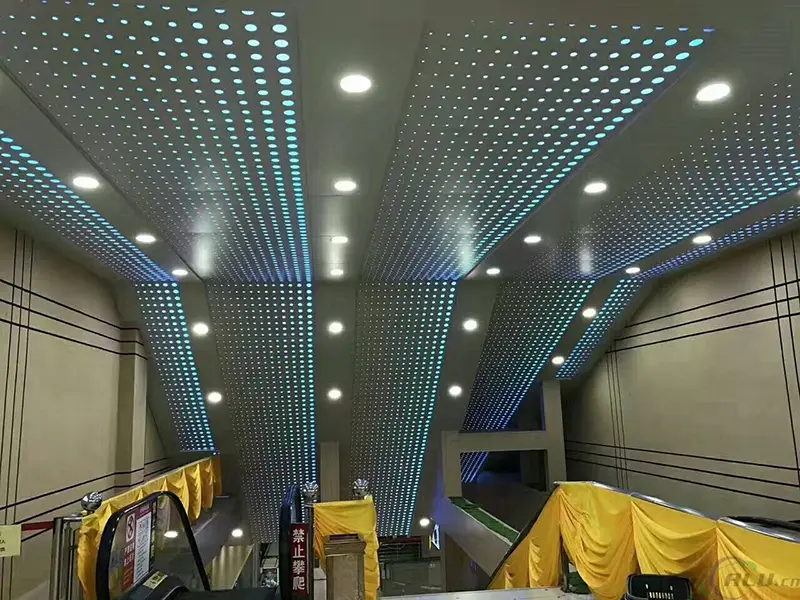
SENBO is a professional manufacturer of handmade sound-absorbing cleanroom panels. Perforated metal facings with sound-absorbing core deliver noise reduction and cleanliness. Sound insulation up to 35dB, Class A fire rating. Ideal for anechoic chambers, transport hubs, sports venues. Custom sizes/OEM available—contact for quotes.

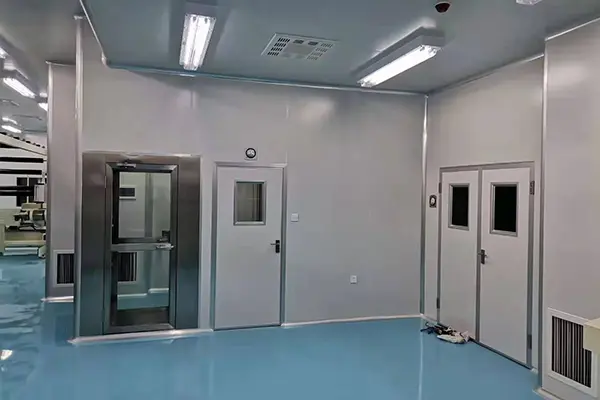
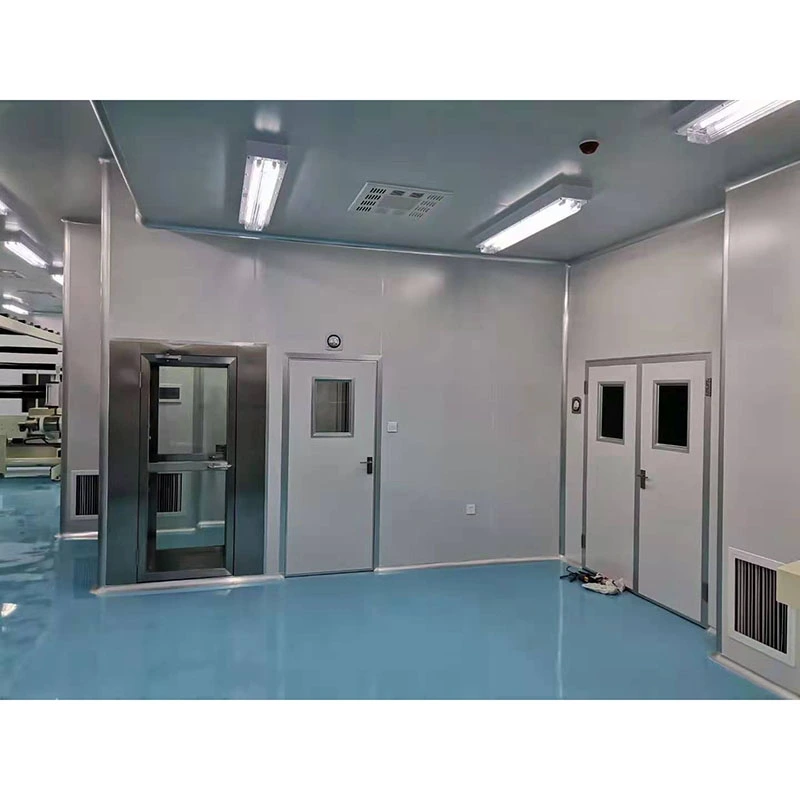
Handmade sound-absorbing cleanroom panels serve a dual purpose. They maintain the clean enclosure functions of standard cleanroom panels while also providing acoustic control through a perforated facing and a sound-absorbing core. SENBO Building Materials supplies these panels for projects that require both controlled environments and noise reduction.

Panel Construction and Material Options

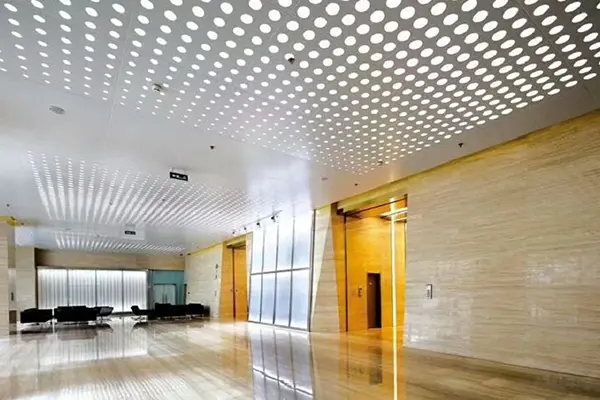
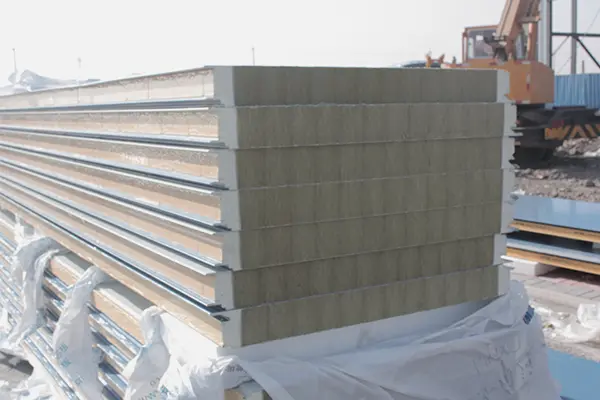
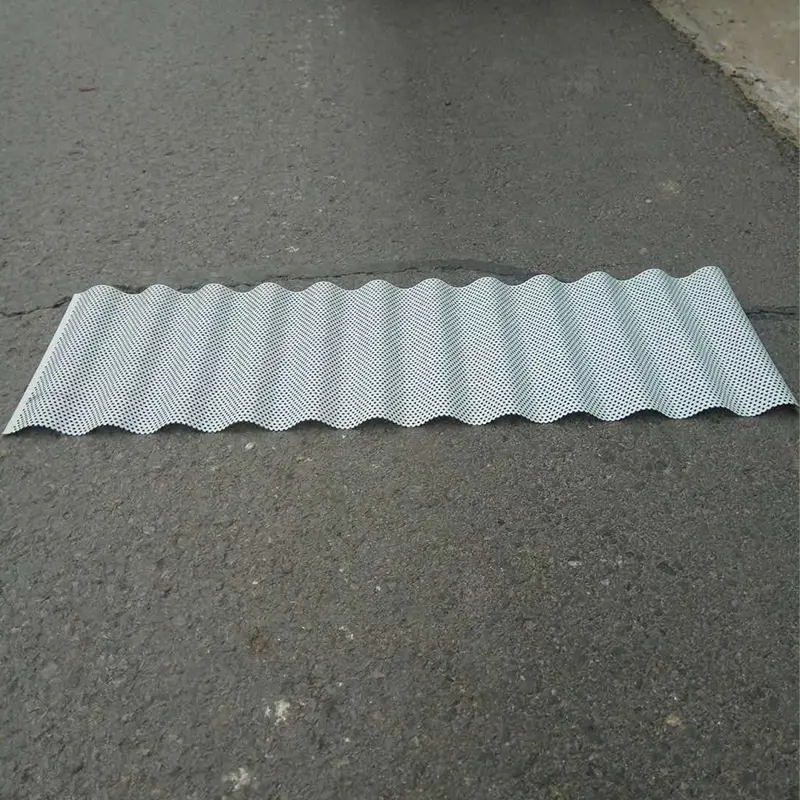
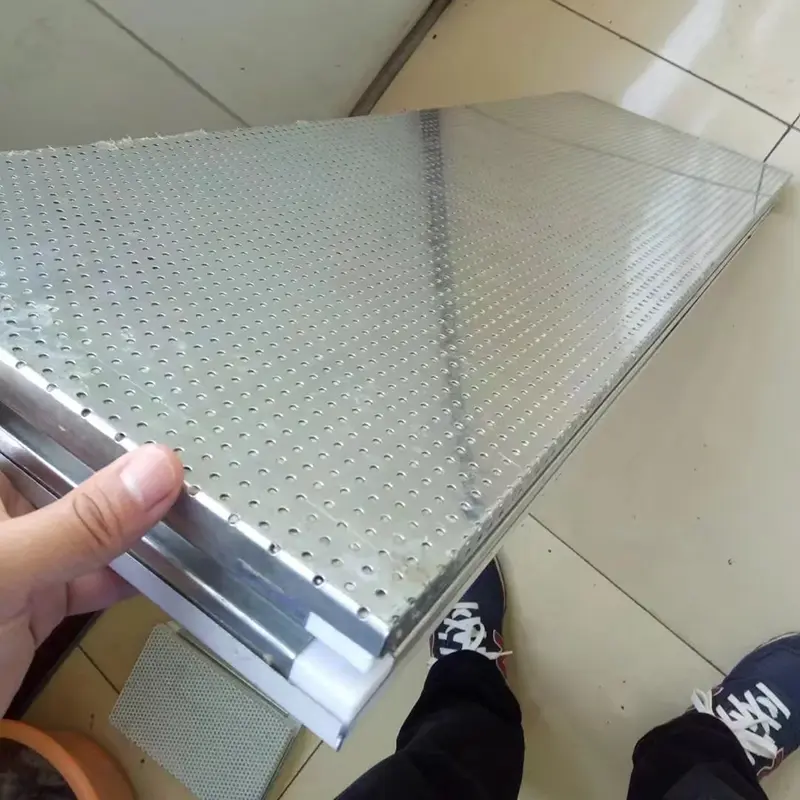
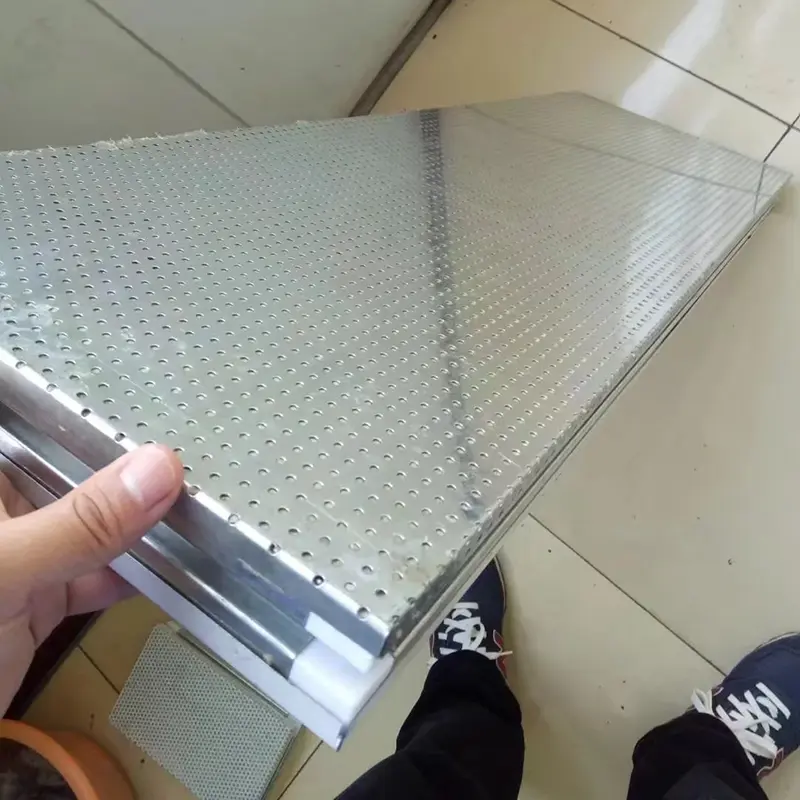
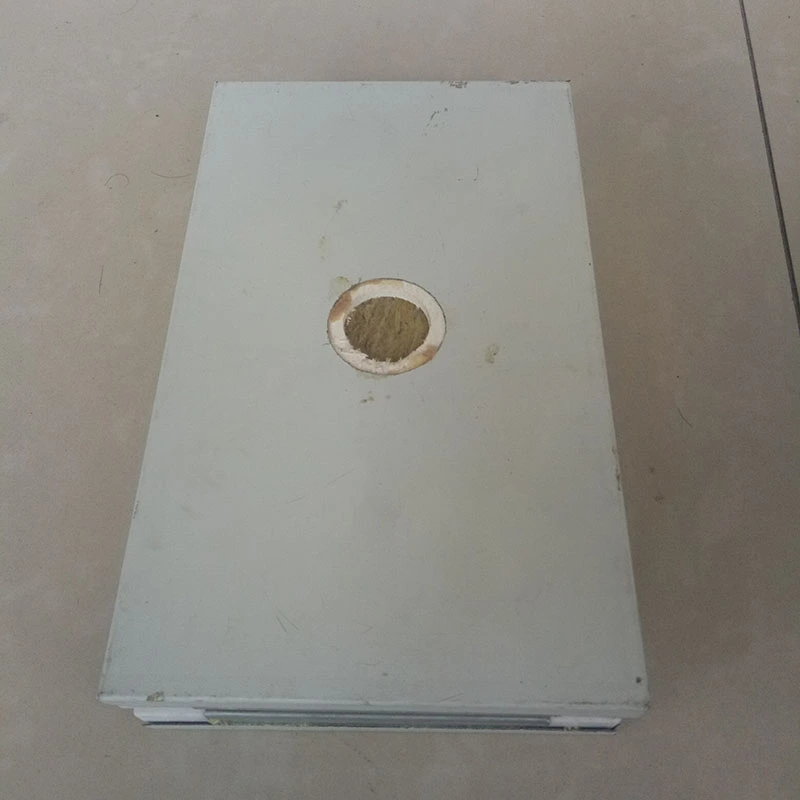
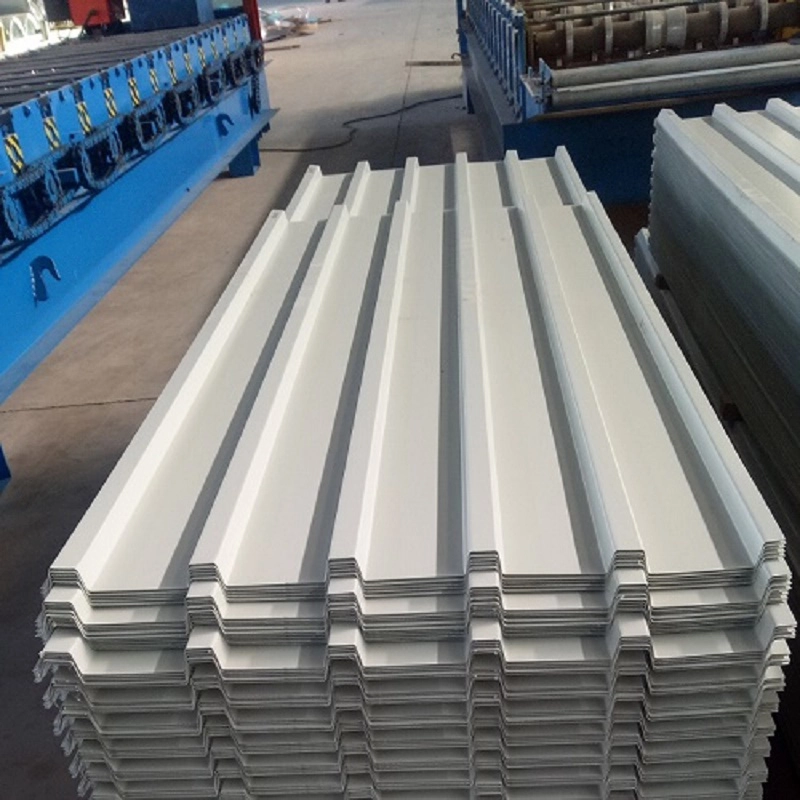
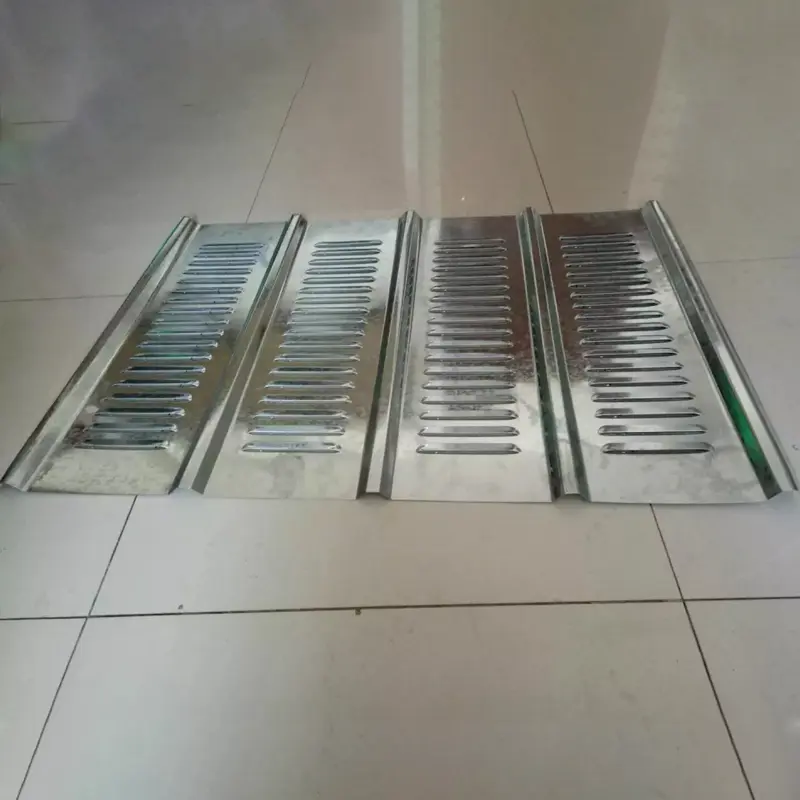
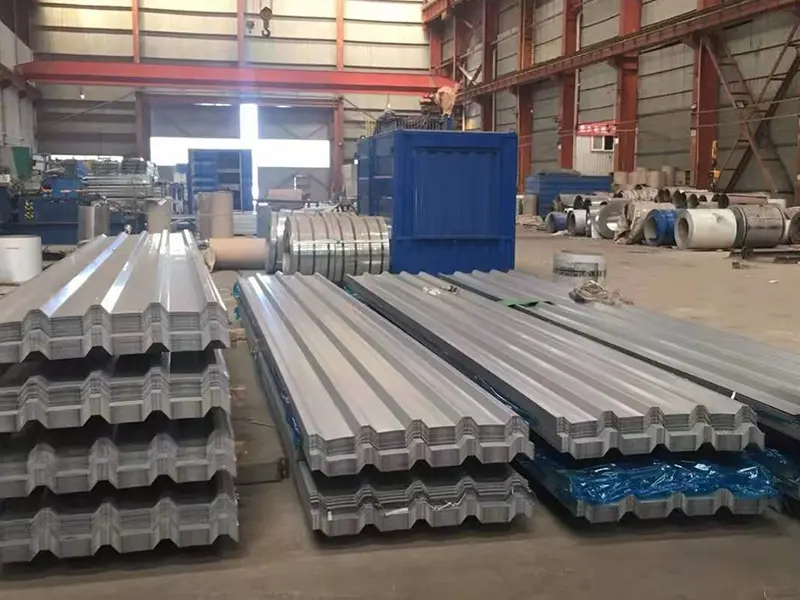
The Handmade Sound-Absorbing Cleanroom Panels uses a composite sandwich structure. The outer layer is a porous metal panel made from color-coated steel, galvanized steel, or stainless steel. It is processed with precision perforation equipment, and hole diameters and spacing can be customized to meet acoustic design requirements.

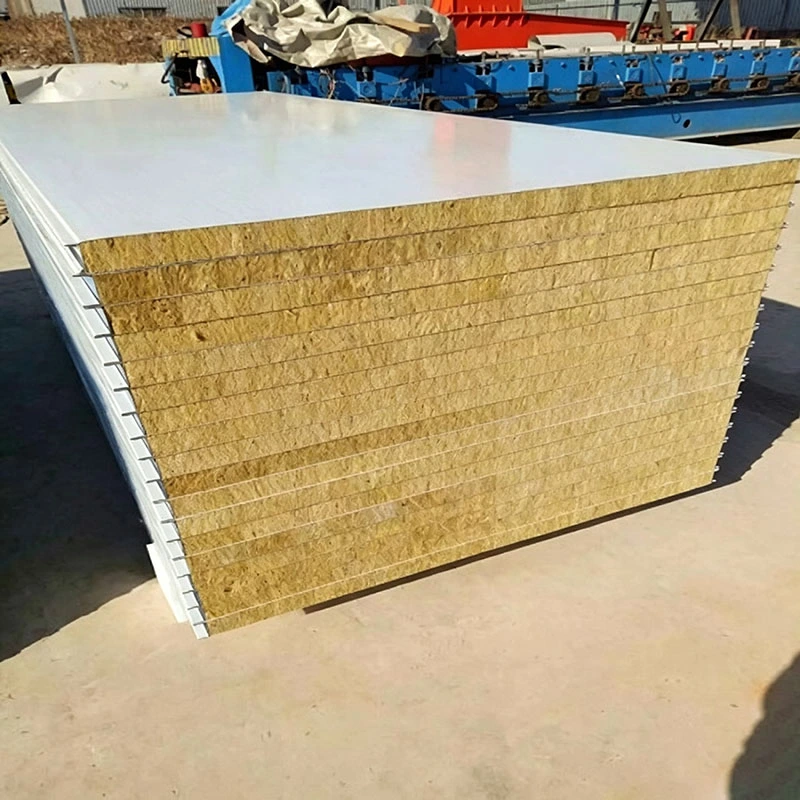
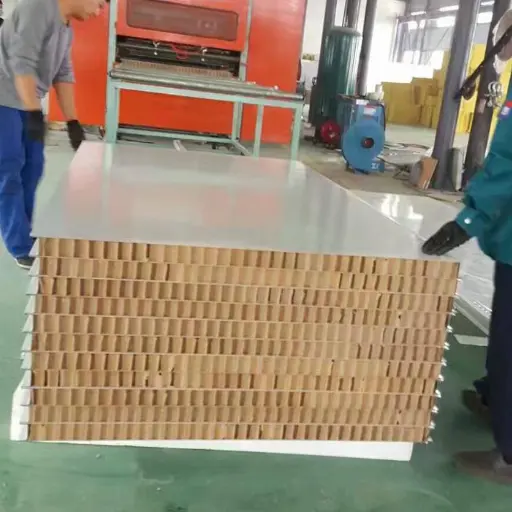
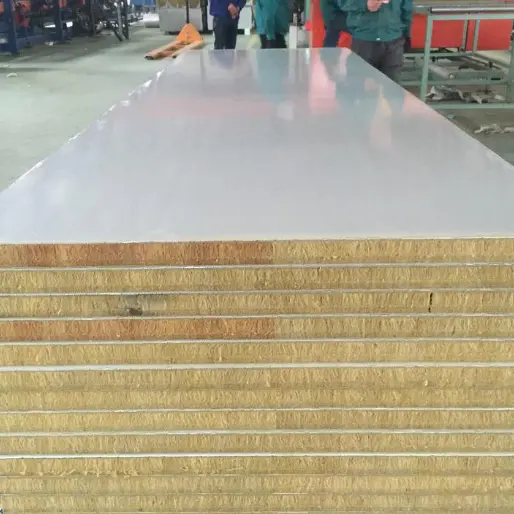
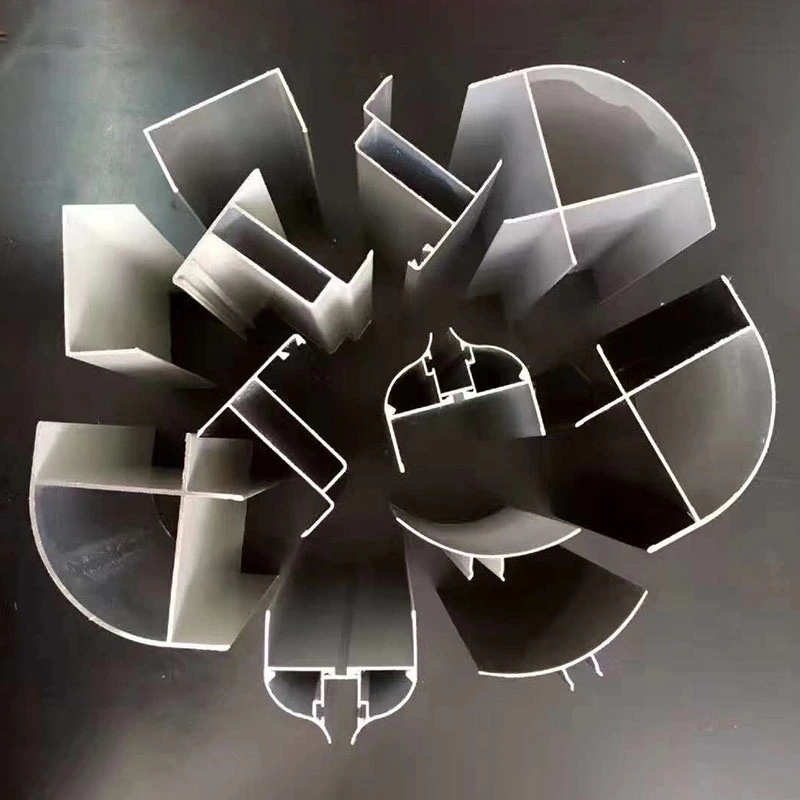
The middle layer is a sound-absorbing core, typically rock wool or glass wool. Its surface is covered with flame-retardant non-woven fabric or fire-resistant fiberglass cloth to prevent fiber shedding. The back layer is a solid, sealed metal sheet. The edges are sealed with cold-drawn aluminum alloy profiles and bonded into a finished panel.

Perforation patterns include slotted perforation or full-surface perforation, depending on acoustic requirements. A typical specification uses a 3 mm hole diameter and 6 mm hole spacing. Standard panel widths range from 980 mm to 1,180 mm, with customization available for non-standard sizes. Core material thickness options range from 50 mm to 200 mm, and steel sheet thickness is adjustable between 0.4 mm and 1.5 mm.

Facing options include color-coated steel (with coatings such as polyester, PVDF, SMP, or HDP), galvanized steel, and stainless steel. Colors can be customized according to RAL standards to meet architectural and decorative requirements.

Handmade Sound-Absorbing Cleanroom Panels

Tested Performance Characteristics

1. Acoustic Performance: Sound Insulation of 35 dB

The acoustic performance of these panels is determined by the composite structure of the perforated facing and the sound-absorbing core. Sound waves pass through the perforations into the porous fibrous core, where friction and viscous effects between the fibers convert sound energy into heat, achieving sound absorption and noise reduction.

Testing shows that a 100 mm thick panel with 1.0 mm steel facings and rock wool density of 120 kg/m³ achieves a sound insulation value of 35 dB. Acoustic performance is tested in accordance with GB/T 20247, "Acoustics: Measurement of sound absorption in a reverberation room." The Noise Reduction Coefficient (NRC) is calculated as the arithmetic mean of the sound absorption coefficients at the 250 Hz, 500 Hz, 1000 Hz, and 2000 Hz octave bands. An NRC of 0.5 or higher indicates a qualified sound-absorbing material.

2. Fire Performance: Class A Non-combustible

The rock wool core is an inorganic fibrous material classified as Class A non-combustible. With a core density of at least 120 kg/m³ for rock wool or 64 kg/m³ for glass wool, the material does not burn, melt, or drip when exposed to fire, and it does not produce toxic smoke. This meets the mandatory fire safety requirements for cleanroom and public building envelope materials in the Code for Fire Protection Design of Buildings.

3. Thermal Insulation: Thermal Conductivity ≤0.043 W/(m·K)

With a thermal conductivity of no more than 0.043 W/(m·K), the rock wool core provides thermal insulation alongside sound absorption. This helps reduce heat transfer between indoor and outdoor environments and lowers energy consumption.

4. Cleanliness: Dense Surface with No Fiber Shedding

The panel surface is smooth and flat, with tight, seamless joints that do not attract dust or microorganisms. The sound-absorbing core is faced with flame-retardant non-woven fabric or fire-resistant fiberglass cloth. This effectively prevents the shedding of rock wool or glass wool fibers and maintains hygiene standards for cleanroom environments.

5. Structural Rigidity: Advantages of Hand-Crafted Construction

The perimeter framing uses cold-drawn aluminum alloy profiles, which gives these hand-crafted panels superior overall rigidity and bending load-bearing capacity compared to machine-made panels. The tongue-and-groove joints are filled with polyurethane foam, enhancing structural integrity while preventing joint deformation and water leakage.

Technical Specifications

The following parameters are based on standard production and relevant testing. Customization is available.

Performance Indicator Parameter/Specification Notes / Standard Basis
Facing Material Color-coated steel / Galvanized steel / Stainless steel Thickness: 0.4–1.5 mm; coatings: PVDF, PE, SMP, HDP
Core Material Type Rock wool (≥120 kg/m³) / Glass wool (≥64 kg/m³) Faced with flame-retardant non-woven fabric or fire-resistant fiberglass cloth
Panel Thickness 50 / 75 / 100 / 150 / 200 mm Customizable
Panel Width 980–1180 mm (standard) Non-standard sizes available
Perforation Pattern Strip perforation / Full-surface perforation Typical aperture: 3 mm; pitch: 6 mm
Sound Insulation 35 dB For 100 mm panel, 1.0 mm steel, 120 kg/m³ rock wool
Thermal Conductivity ≤0.043 W/(m·K) Rock wool core
Fire Performance Class A (non-combustible)
Acoustic Testing Standards GB/T 20247; GB/T 18696.1/2 Reverberation room method; impedance tube method
NRC Rating Criteria NRC ≥ 0.5 (qualified); NRC ≥ 0.7 (high performance)

Key Features and Practical Benefits

1. Verified Acoustic Performance. The composite structure of a perforated facing and a porous core provides sound absorption and noise reduction. A 100 mm panel achieves 35 dB sound insulation, tested according to GB/T 20247.

2. Class A Fire Safety. The rock wool core is non-combustible and produces no toxic fumes when exposed to fire, meeting the fire safety requirements for cleanrooms and public buildings.

3. Handcrafted Edge Sealing for Structural Reliability. The cold-drawn aluminum alloy perimeter frame and polyurethane-filled tongue-and-groove joints prevent deformation and water seepage, offering superior rigidity compared to machine-made panels.

4. Fiber Containment for Cleanliness. The flame-retardant non-woven fabric or fire-resistant fiberglass cloth facing prevents fiber shedding, balancing sound absorption with hygiene requirements.

5. Material and Color Customization. Options include color-coated steel, galvanized steel, and stainless steel, with PE, PVDF, SMP, or HDP coatings and RAL-standard colors.

Design and Installation Considerations

For acoustic design: The perforation rate and core density directly influence the Noise Reduction Coefficient. Work with the acoustic consultant to select the appropriate perforation pattern and core material for the target frequency range.

For cleanroom applications: Confirm that the facing material and joint sealing meet the required cleanliness class. Stainless steel facings are recommended for areas with frequent wash-downs or chemical exposure.

For fire-rated assemblies: Verify that the panel thickness and core density meet the required fire resistance rating. The Class A rating applies to the rock wool core; the overall assembly performance depends on installation details.

During installation: Use appropriate lifting equipment to avoid damage to the perforated facing. Ensure that the tongue-and-groove joints are properly aligned and filled with polyurethane foam. Protect the PVC film until final cleaning.

Where These Panels Are Used

1. Spaces with specific acoustic requirements, such as anechoic chambers, soundproof rooms, and recording studios.

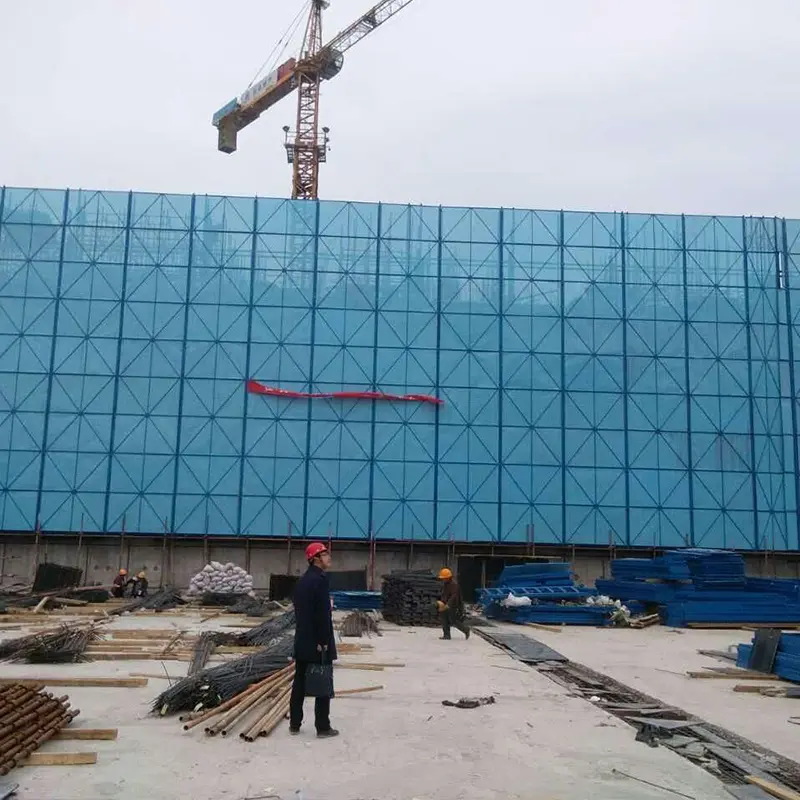
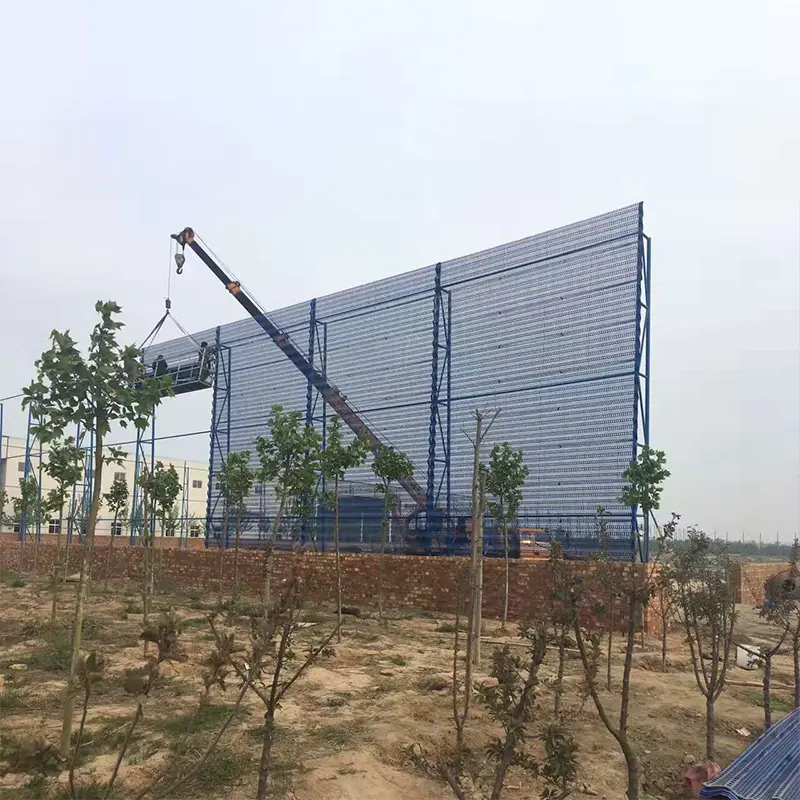
2. Noise barriers for traffic noise mitigation along highways, railways, and subways.

3. Environmental noise control for public buildings such as stadiums, theaters, and transportation hubs.

4. Noise control for industrial production equipment and general plant environments.

5. Areas within cleanrooms or purification facilities that require specific acoustic performance.

Frequently Asked Questions

1. How do these panels combine acoustic control with cleanroom functionality?

The panels use a perforated metal facing that allows sound waves to enter the sound-absorbing core, while the sealed back layer and smooth surface maintain the cleanliness and airtightness required for cleanroom environments. The core is covered with non-woven fabric to prevent fiber shedding, which would otherwise contaminate the clean space.

2. What is the difference between rock wool and glass wool cores for acoustic performance?

Both materials are porous and absorb sound effectively. Rock wool typically has a higher density (≥120 kg/m³) and provides better fire resistance and sound insulation at low frequencies. Glass wool is lighter and may be used where weight is a concern, but it usually has a slightly lower density (≥64 kg/m³). The choice depends on the specific acoustic and fire requirements.

3. Can the perforation pattern be customized for specific frequencies?

Yes. The hole diameter, spacing, and perforation pattern (slotted or full-surface) can be adjusted to target specific frequency ranges. A smaller aperture and closer spacing generally improve high-frequency absorption, while larger openings may be needed for low frequencies. Acoustic consultants can help determine the optimal configuration.

4. Are these panels suitable for exterior noise barriers?

Yes, but for exterior applications, the facing material and coating should be selected for outdoor durability. Color-coated steel with PVDF coating or stainless steel is recommended. The panel edges and joints must be sealed to prevent water ingress, and the supporting structure should be designed for wind loads.

5. How are the panels cleaned without damaging the acoustic performance?

The smooth, non-porous facing can be cleaned with mild detergents and a soft cloth. Avoid abrasive cleaners that could scratch the surface or damage the perforations. If the PVC protective film is still in place, it should be removed after installation and final cleaning.

About SENBO Building Materials

Tianjin SENBO Building Materials Technology Co., Ltd. is a manufacturer of handmade sound-absorbing cleanroom panels, magnesium oxysulfate purification panels, closed-profile steel decking, and other metal envelope products. Our production base is located in Jinghai Economic Development Zone, Tianjin, China, equipped with automated production lines and a four-stage quality inspection process. For more information about our factory, certifications, testing capabilities, and project references, please visit our About Us page or contact our engineering team.


Hot Tags: Handmade Sound-Absorbing Cleanroom Panels, Cleanroom Acoustic Panels, Soundproof Cleanroom Wall Panels
Send Inquiry
Contact Info
Send SENBO an inquiry for steel building materials. Request a free quote, sample or bulk order price list. Our sales team responds within 24 hours with factory direct pricing, stock availability and shipping options.
X
We use cookies to offer you a better browsing experience, analyze site traffic and personalize content. By using this site, you agree to our use of cookies.Privacy Policy
RejectAccept