Tianjin SENBO Building Materials Technology Co., Ltd.
Products
Rock Wool Cleanroom Panels
  • Rock Wool Cleanroom PanelsRock Wool Cleanroom Panels
  • Rock Wool Cleanroom PanelsRock Wool Cleanroom Panels

Rock Wool Cleanroom Panels

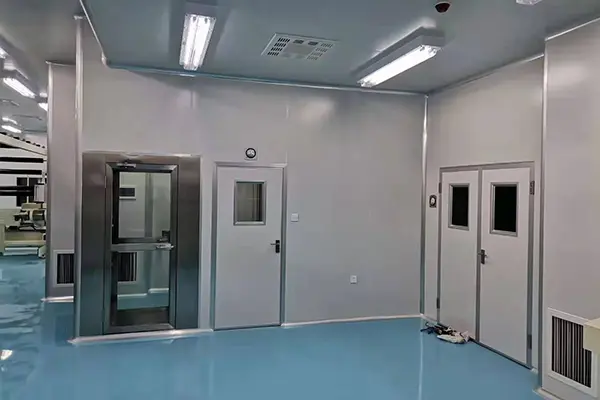
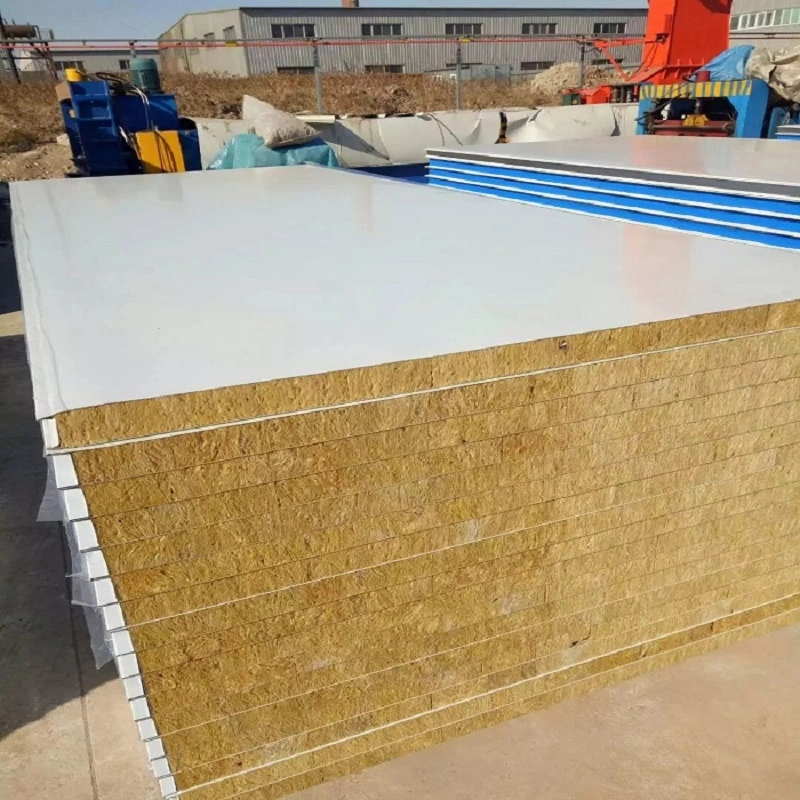
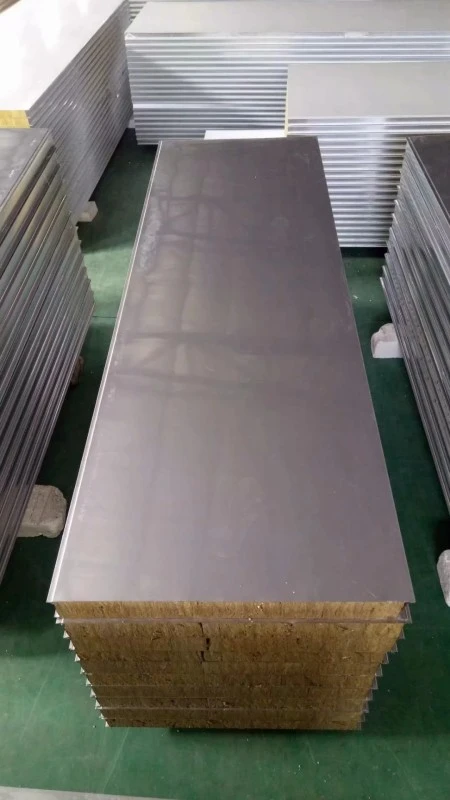
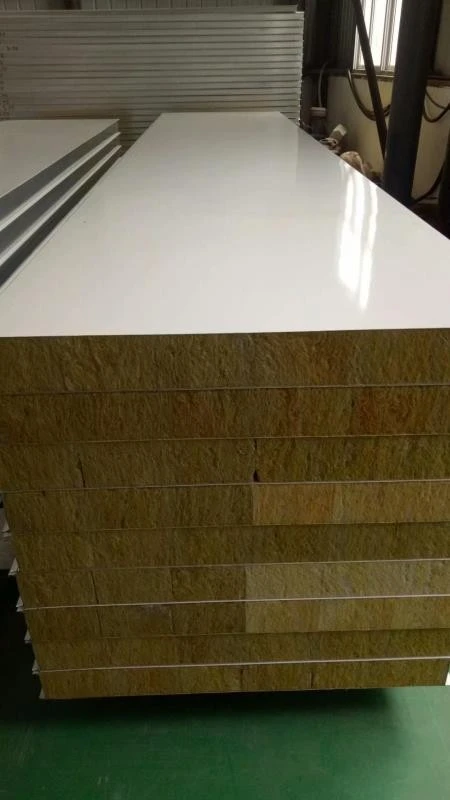
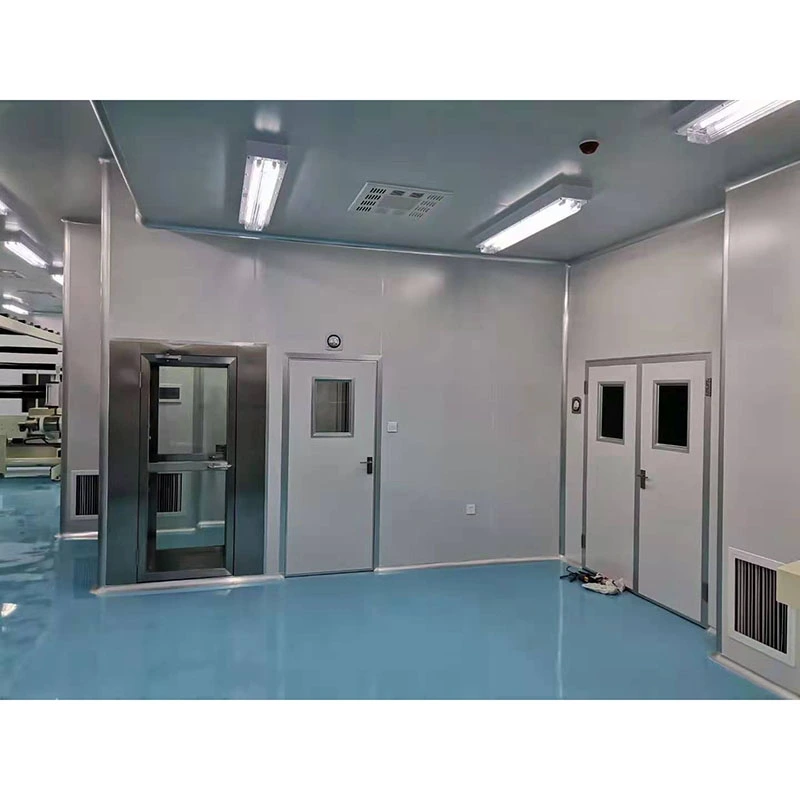
SENBO rock wool cleanroom panels provide Class A fire-rated cleanroom enclosure with high thermal insulation. 50mm panel offers ≥1h fire resistance, 100mm ≥2h, and 100mm with dual MgO boards up to 4h. Ideal for GMP pharmaceutical workshops, electronics cleanrooms, hospital operating rooms, and food processing plants. Buy SENBO rock wool sandwich panels at factory price from trusted cleanroom panel manufacturer.

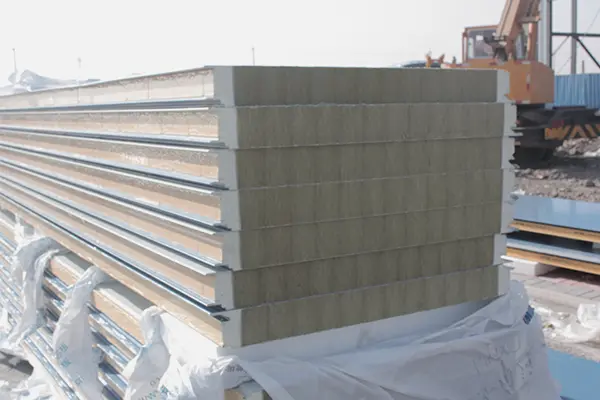
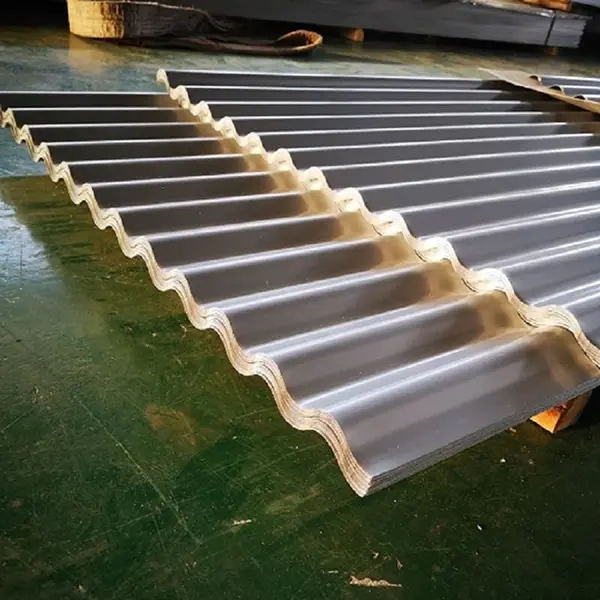
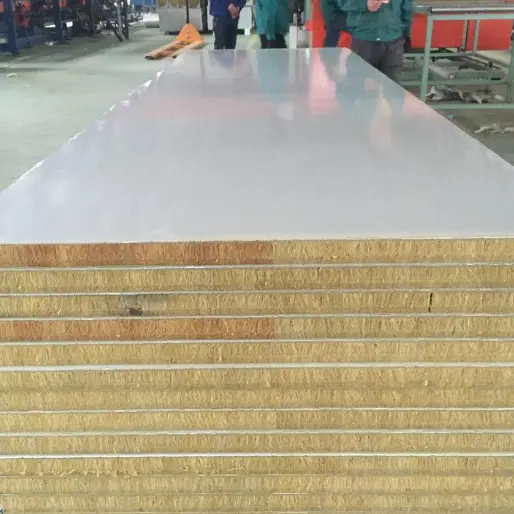
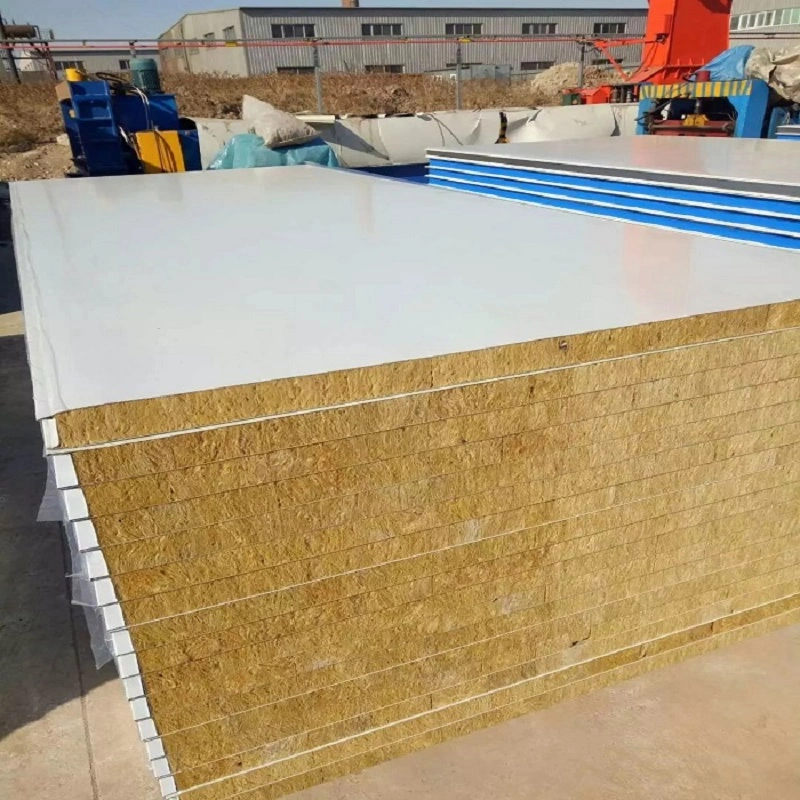
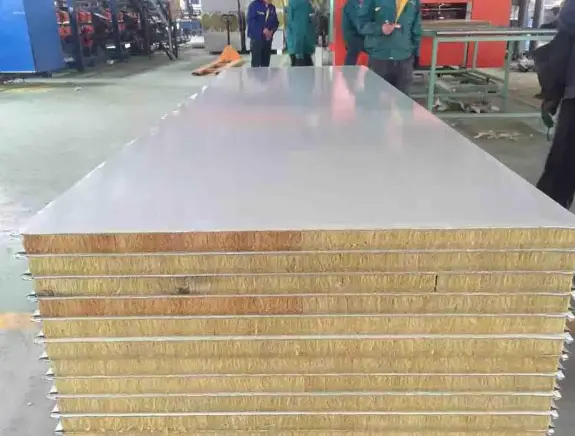
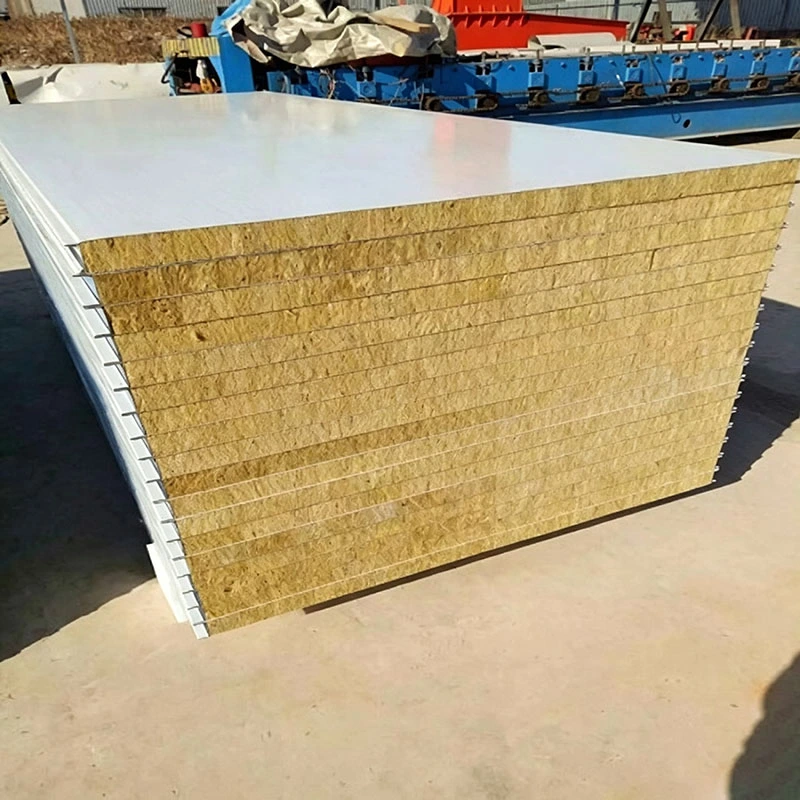
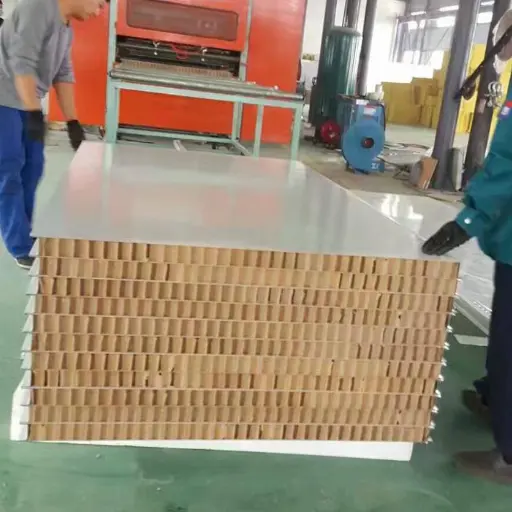
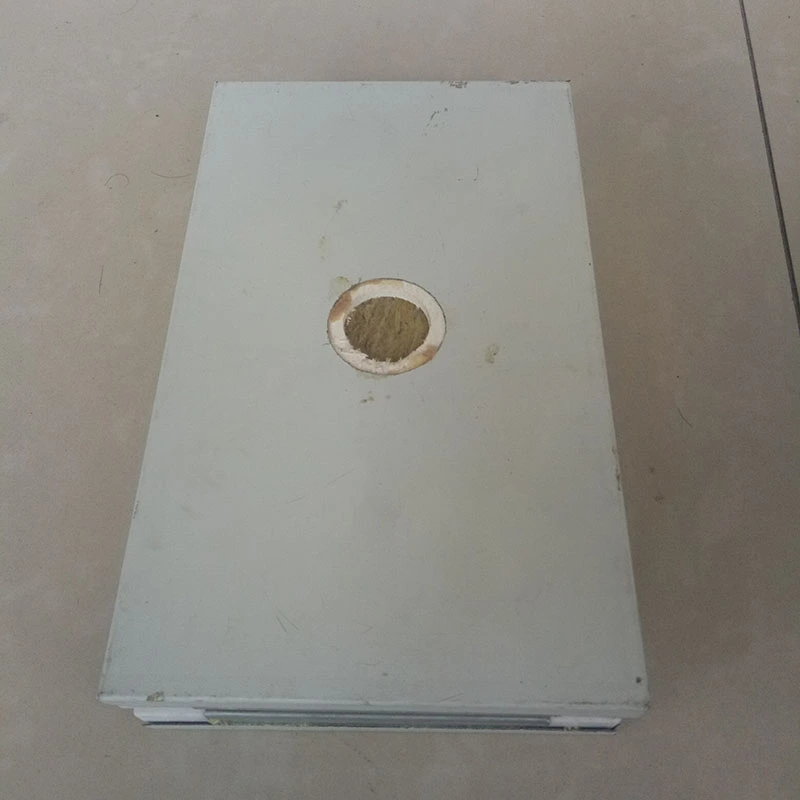
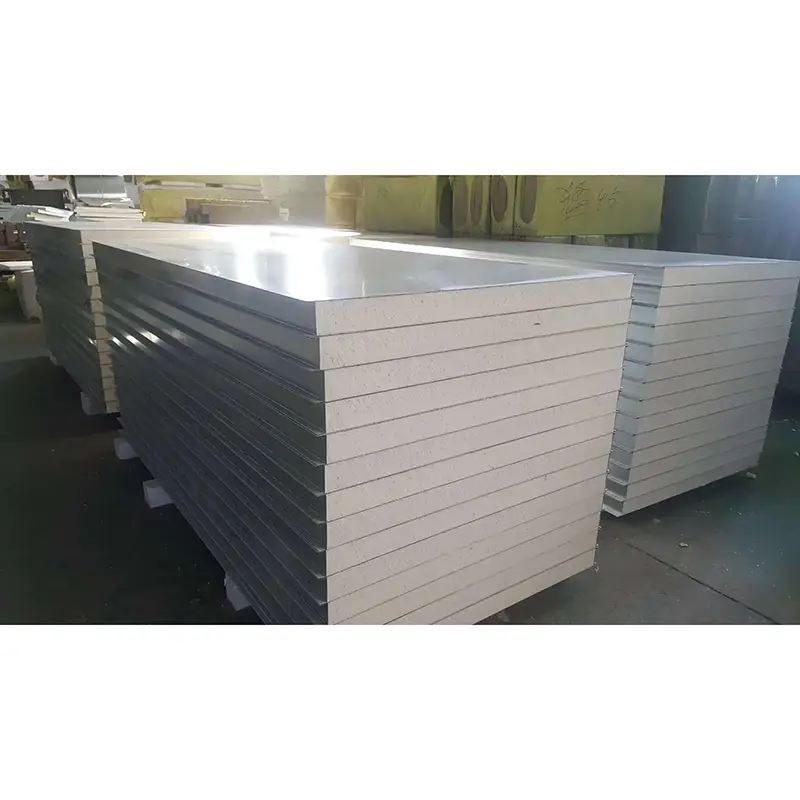
The rock wool cleanroom panel is a sandwich-structured board composed of cleanroom-grade color-coated steel facings (0.4–0.8 mm thick, with stainless steel available on request) and a rock wool core, bonded with high-strength adhesive. SENBO Building Materials supplies these panels as part of its cleanroom enclosure range, focusing on fire safety, thermal stability, and long-term cleanliness.

The core is produced from natural ores such as basalt and dolomite. Raw materials are melted at temperatures above 1450°C and then processed via four-roll centrifugal technology into discontinuous fibers with diameters of 4–7 μm. Binders and water-repellent agents are added during curing and molding. The resulting core has a density of 100–140 kg/m³, thermal conductivity ≤0.043 W/(m·K), water repellency ≥98%, and an acidity coefficient greater than 1.8.

Common panel thicknesses are 50 mm, 75 mm, and 100 mm. Standard widths are 980 mm, 1150 mm, and 1180 mm. Wall panel lengths are up to 6000 mm, and ceiling panel lengths are up to 3000 mm. Non-standard sizes can be produced according to project requirements. The product complies with GB/T 23932-2009 for metal-faced insulating sandwich panels, and combustion performance is tested according to GB 8624-2012.

Rock Wool Cleanroom PanelsRock Wool Cleanroom Panels

Fire Resistance and High-Temperature Performance

Rock wool is an inorganic fibrous material classified as Class A non-combustible in accordance with GB 8624-2012. Under standard fire test conditions, it does not contribute to flame spread or produce flaming droplets. Fire resistance limits for different panel configurations are as follows: a 50 mm thick pure rock wool panel achieves at least 1 hour, a 100 mm thick panel achieves at least 2 hours, and a 100 mm thick panel reinforced with dual magnesium oxide boards can reach up to 4 hours.

Rock wool fiber can withstand continuous exposure to temperatures up to 750°C without significant degradation, and it does not ignite under normal fire exposure. These characteristics make rock wool panels suitable for areas with elevated fire risk, such as pharmaceutical chemical synthesis zones, injection sterilization areas, and curing sections in electronics soldering workshops.

Thermal and Moisture Performance

The thermal conductivity of the rock wool core ranges from 0.038 to 0.043 W/(m·K) under standard test conditions. A hydrophobicity rate of at least 98% helps maintain insulation performance in the constant temperature and humidity conditions typical of cleanrooms, reducing heat loss through the envelope and lowering HVAC energy consumption.

Under natural conditions, water absorption is ≤3% and the moisture expansion rate is ≤0.4%. This dimensional stability makes the panels suitable for cleanroom environments with humidity levels below 80%, provided that joints are properly sealed.

Cleanliness and Surface Characteristics

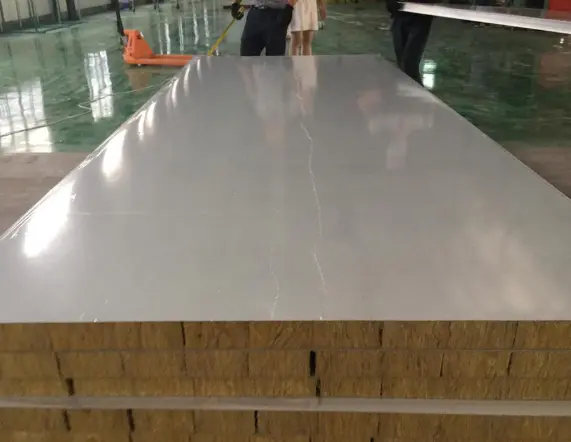
The color-coated steel facing is flat and smooth, with a flatness tolerance of ≤0.5 mm. Panel joints are tight, which reduces dust accumulation and simplifies routine cleaning. The rock wool core has inherent antimicrobial properties that help inhibit the survival of pathogens on the panel surface.

The product is free from asbestos and formaldehyde, emits no VOCs during use, and resists mold and dust generation. These properties have led to its selection as a key enclosure material for public health emergency facilities, such as makeshift hospitals, where hygiene standards are particularly strict.

Installation Efficiency and Modular Assembly

Panels are prefabricated and assembled using a modular approach, eliminating the need for on-site secondary processing. An average daily installation area of 600–800 m² can be achieved, depending on site conditions. The standardized interlocking connections and optional protective film applied during production help prevent coating damage during transport and installation.

Rock Wool Cleanroom PanelsRock Wool Cleanroom PanelsRock Wool Cleanroom Panels

Technical Specifications

The table below summarizes key parameters based on standard production and relevant test standards. Test reports and certificates are available upon request.

Performance Indicator Parameter/Specification Notes / Standard Basis
Panel Material Cleanroom-grade color-coated steel / Stainless steel Thickness: 0.4–0.8 mm; flatness: ≤0.5 mm
Core Material Rock wool (basalt fiber) Fiber diameter: 4–7 μm; acidity coefficient: >1.8
Core Density 100–140 kg/m³ Higher density improves rigidity and fire resistance
Thermal Conductivity ≤0.043 W/(m·K) Test method available upon request
Hydrophobicity ≥98%
Panel Thickness 50 mm, 75 mm, 100 mm (customizable) See selection guide below
Panel Width 980 mm, 1150 mm, 1180 mm (standard) Non-standard sizes customizable
Fire Rating Class A (non-combustible) Per GB 8624-2012; test report available
Fire Resistance Limit 50 mm: ≥1 h; 100 mm: ≥2 h; 100 mm with MgO boards: ≥4 h Based on standard fire tests
Installation Efficiency 600–800 m²/day
Applicable Standards GB/T 23932-2009, GB 8624-2012 Conformity documentation available

Selection Guide: 50 mm, 75 mm, or 100 mm?

Selecting the appropriate panel thickness depends on the required fire rating, thermal insulation, and structural span. The following guidance is based on common cleanroom design practices:

50 mm panels: Suitable for internal partitions where a 1-hour fire rating is sufficient and thermal insulation requirements are moderate. Commonly used in corridors, changing rooms, and general clean areas.

75 mm panels: A balanced option offering improved thermal insulation and rigidity. Often selected for perimeter walls, areas with higher humidity, or where a 1-hour fire rating is required with additional safety margin.

100 mm panels: Recommended for applications requiring a 2-hour fire rating or where maximum thermal insulation and structural stiffness are needed. Also used for ceilings with longer spans or in high-temperature zones.

For projects needing fire resistance up to 4 hours, a 100 mm panel with dual magnesium oxide board reinforcement is available.

Cleanroom Panel Material Comparison

When selecting an enclosure material, the following comparison may help in evaluating rock wool against other common core materials.

Factor Rock Wool EPS PU
Fire Rating Class A non-combustible Combustible (no rating unless treated) Combustible (B2 or B1 with additives)
Thermal Conductivity ≤0.043 W/(m·K) ~0.038 W/(m·K) 0.022–0.028 W/(m·K)
Temperature Resistance Up to 750°C continuous Low (max ~80°C) Moderate (max ~120°C)
Moisture Resistance Hydrophobic (≥98%) Closed cell, low absorption Closed cell, low absorption
Cleanroom Suitability High (low dust, antimicrobial) Limited (dust generation possible) Good (smooth surface)
Typical Application Fire-rated cleanrooms, high-temp zones Low-cost general enclosures Cold storage, high insulation needs

This comparison is provided as general guidance. Final selection should be based on project-specific fire safety, thermal, and budget requirements.

Typical Areas of Use

1. High fire-rating clean enclosure systems for biopharmaceutical chemical synthesis zones, TCM extraction workshops, and injection sterilization areas.

2. Curing zones in electronic component and chip packaging workshops, as well as perimeter partitions in circuit board soldering workshops.

3. Enclosure systems for medical clean spaces such as hospital operating rooms, ICU wards, and mobile cabin hospitals.

4. Clean workshops requiring low dust generation and easy cleaning, such as food thermal processing cooling rooms and post-sterilization packaging areas.

5. Medium-to-high temperature clean environments, including clean zones around high-temperature sintering furnaces for photovoltaic cells and clean annealing workshops for deep glass processing.

Rock Wool Cleanroom PanelsRock Wool Cleanroom Panels

Frequently Asked Questions

1. How do rock wool cleanroom panels compare with EPS panels in terms of fire safety?

Rock wool panels are Class A non-combustible, while EPS panels are combustible and typically have no fire rating unless treated with flame retardants. For any cleanroom area with fire rating requirements, rock wool is the safer choice. EPS may be considered only in areas where fire codes permit combustible materials.

2. What rock wool density should be used for cleanroom wall panels?

For wall panels, a core density of 100–120 kg/m³ is common. Higher densities (up to 140 kg/m³) can improve rigidity and fire resistance, but also increase weight. The appropriate density depends on panel thickness, span, and structural requirements. Our technical team can assist with selection.

3. Can rock wool panels be used around high-temperature equipment?

Yes. The rock wool core can withstand continuous temperatures up to 750°C, making it suitable for areas near high-temperature equipment such as sintering furnaces or sterilization autoclaves. However, the steel facings and adhesives have lower temperature limits, so the panel should not be exposed to direct flame or excessive heat without additional protection.

4. How should panel joints be sealed in high-humidity cleanrooms?

In high-humidity environments, joints should be sealed with a neutral, antimicrobial sealant compatible with the panel coating. The sealant should be applied continuously along the tongue-and-groove joint, and any gaps should be filled before final finishing. Regular inspection of sealant integrity is recommended.

5. What documentation is available for compliance verification?

We can provide test reports for combustion performance (GB 8624-2012), thermal conductivity, and other relevant parameters. Material certificates for the steel facings and rock wool core are also available. Please contact our sales team with your specific documentation requirements.

About SENBO Building Materials

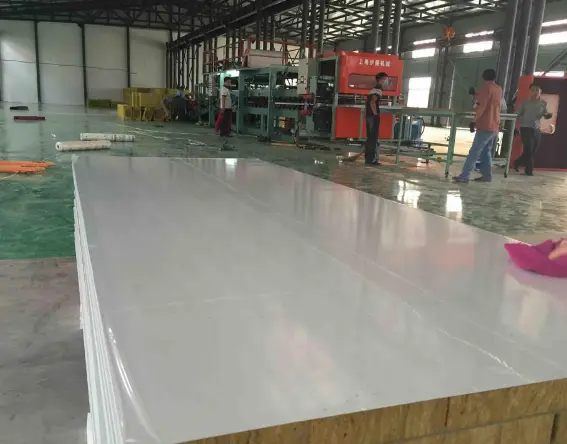
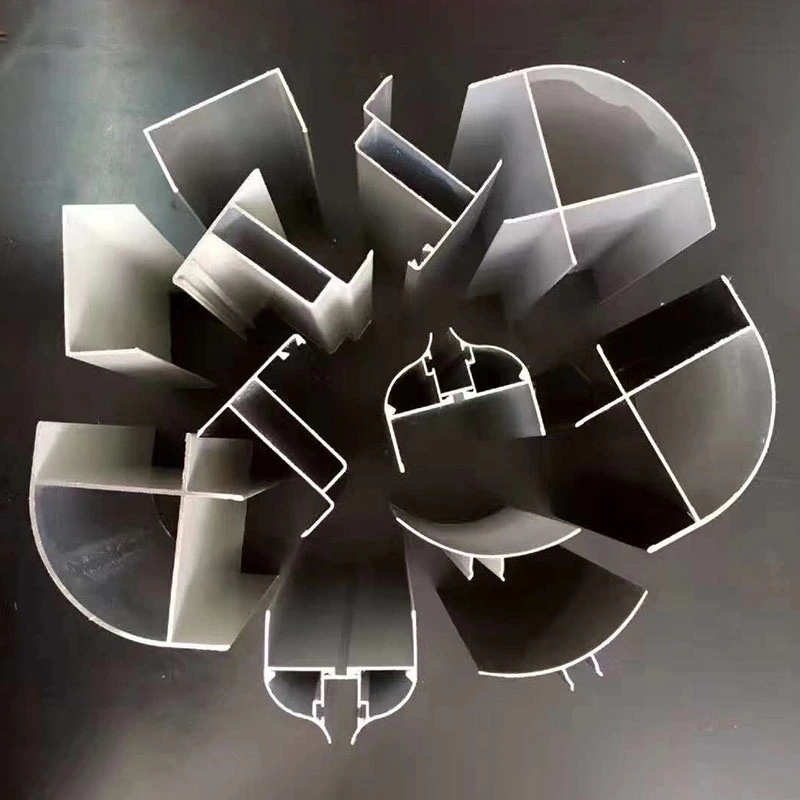
Tianjin SENBO Building Materials Technology Co., Ltd. is a manufacturer of rock wool cleanroom panels, cleanroom aluminum accessories, cleanroom doors, and other metal envelope products. Our production base is located in Jinghai Economic Development Zone, Tianjin, China, equipped with automated production lines and a four-stage quality inspection process. For more information about our factory, certifications, testing capabilities, and project references, please visit our About Us page or contact our engineering team.


Hot Tags: Rock Wool Cleanroom Panels Manufacturer, Rock Wool Sandwich Panels Supplier, Fireproof Cleanroom Panels Wholesale
Send Inquiry
Contact Info
Send SENBO an inquiry for steel building materials. Request a free quote, sample or bulk order price list. Our sales team responds within 24 hours with factory direct pricing, stock availability and shipping options.
X
We use cookies to offer you a better browsing experience, analyze site traffic and personalize content. By using this site, you agree to our use of cookies.Privacy Policy
RejectAccept