Tianjin SENBO Building Materials Technology Co., Ltd.
Products
Handmade Cleanroom Panels
  • Handmade Cleanroom PanelsHandmade Cleanroom Panels
  • Handmade Cleanroom PanelsHandmade Cleanroom Panels
  • Handmade Cleanroom PanelsHandmade Cleanroom Panels
  • Handmade Cleanroom PanelsHandmade Cleanroom Panels

Handmade Cleanroom Panels

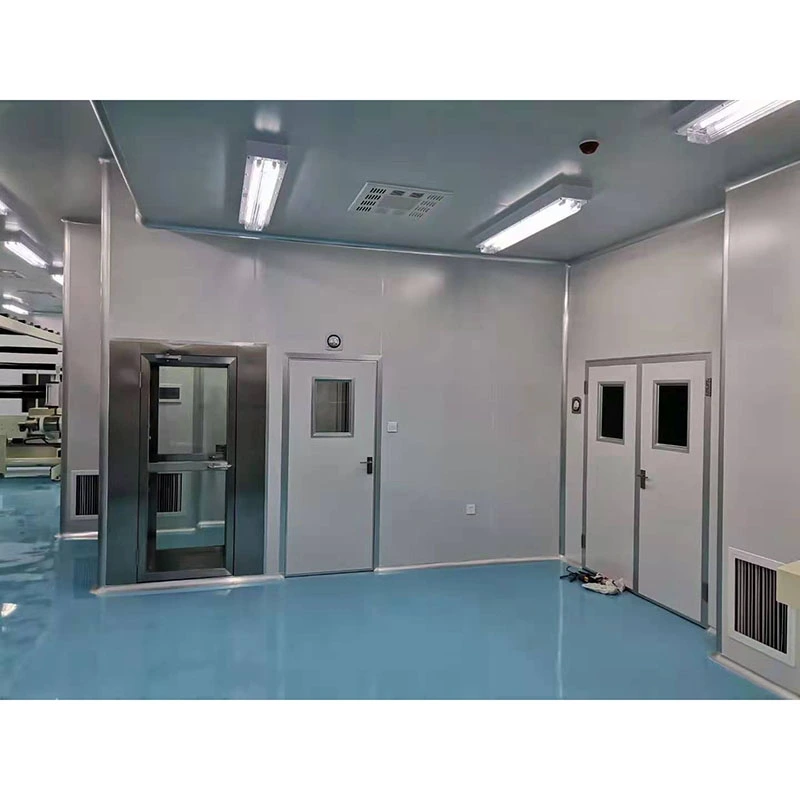
SENBO Handmade Cleanroom Panels offer superior flatness, flexural strength, airtightness and customization. Core options: rock wool, MGO, magnesium oxysulfate, silicon-modified rock wool, honeycomb. 100mm dual MGO/rock wool: 4h fire rating, ≥0.5 kN/m² load, ≥98% hydrophobicity. Ideal for pharmaceutical GMP, electronics, hospital operating rooms, food cleanrooms. Buy SENBO hand-crafted panels at factory price.

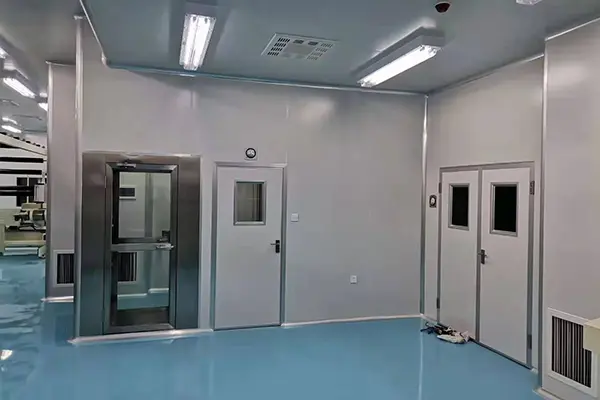
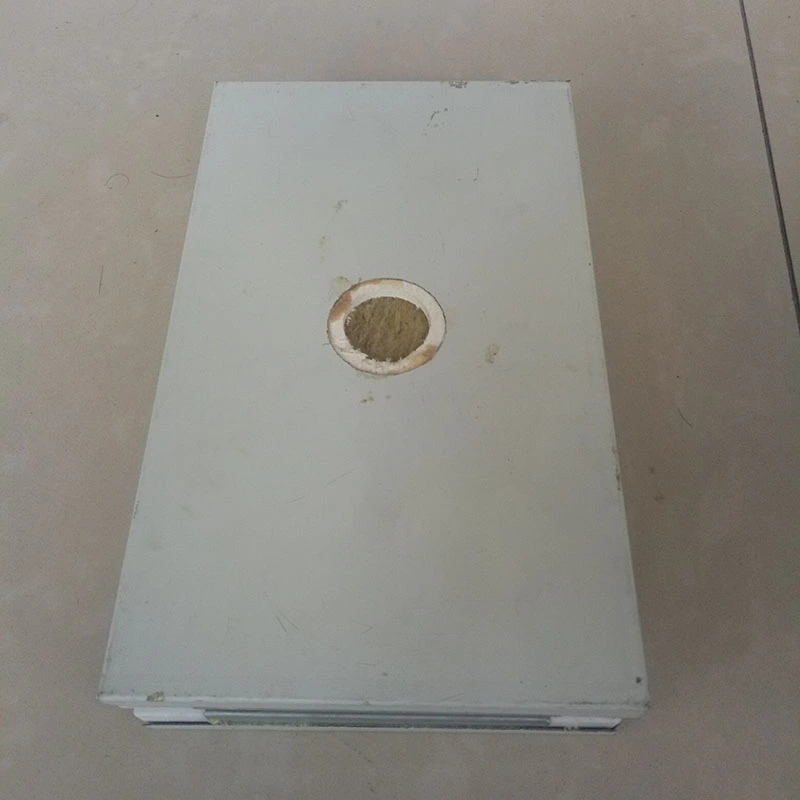
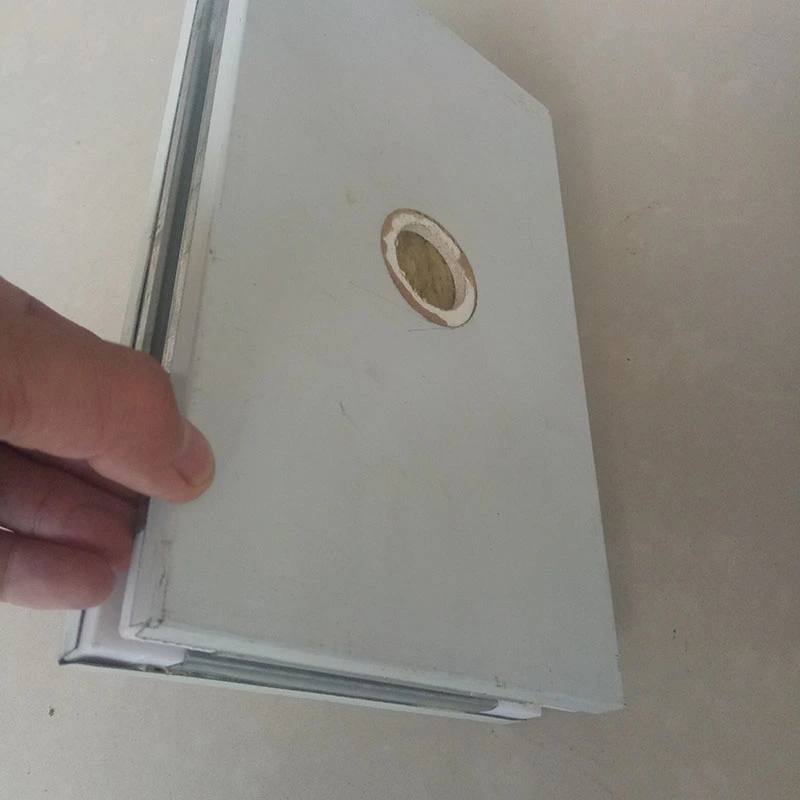
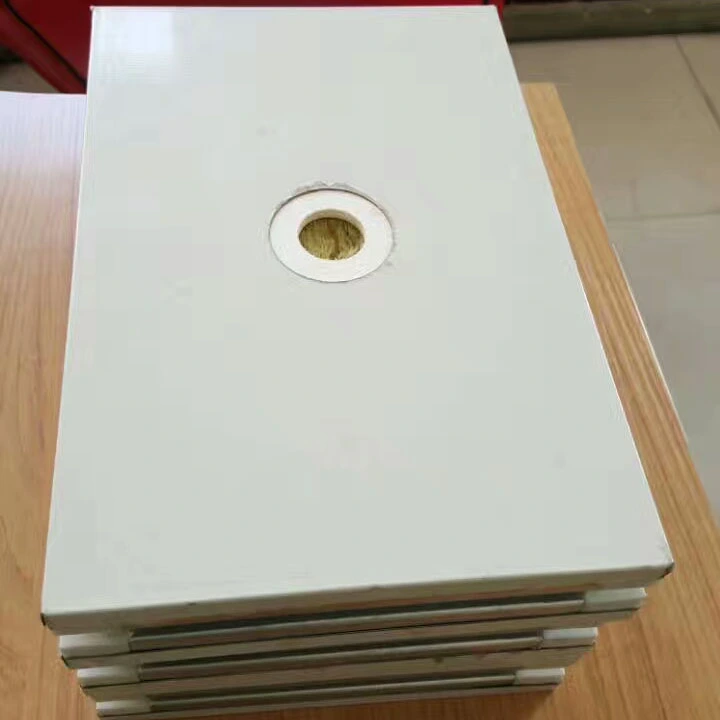
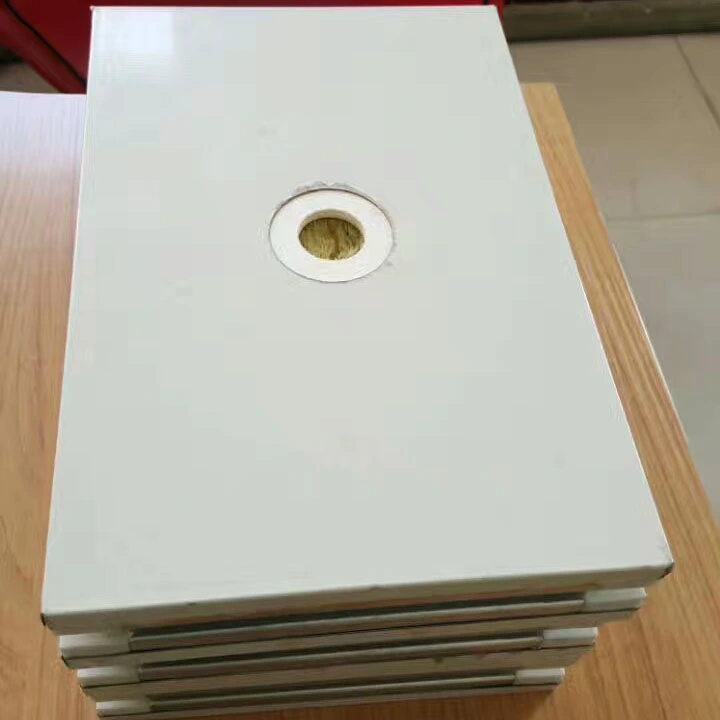
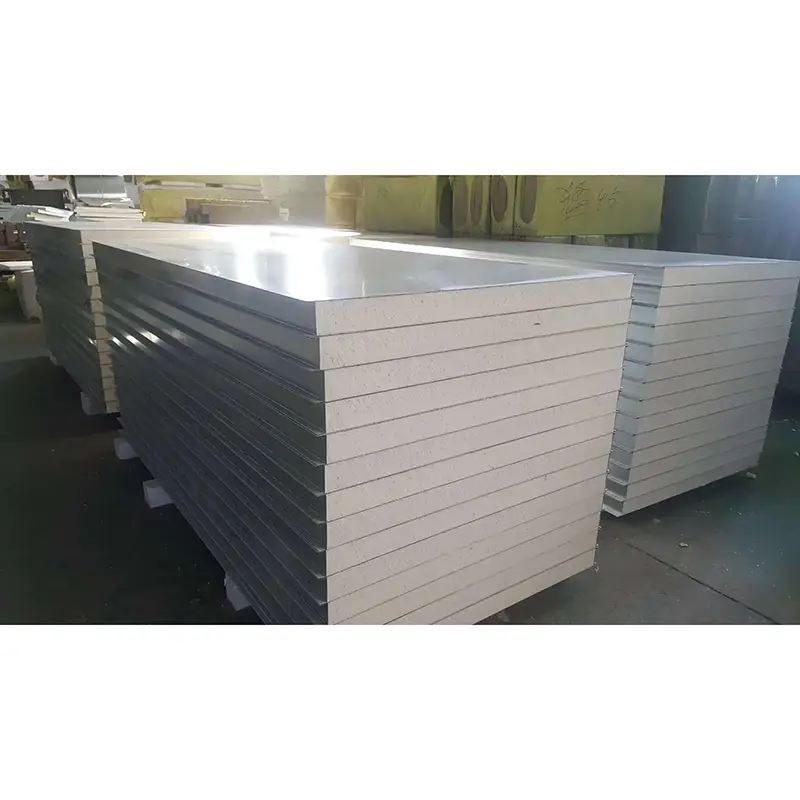
Handmade Cleanroom Panels, also known as hand-crafted composite panels, are enclosure materials produced through manual assembly of the internal framing rather than continuous production line processing. SENBO Building Materials supplies these panels for cleanroom projects that require high dimensional accuracy, surface flatness, and tight joint sealing.

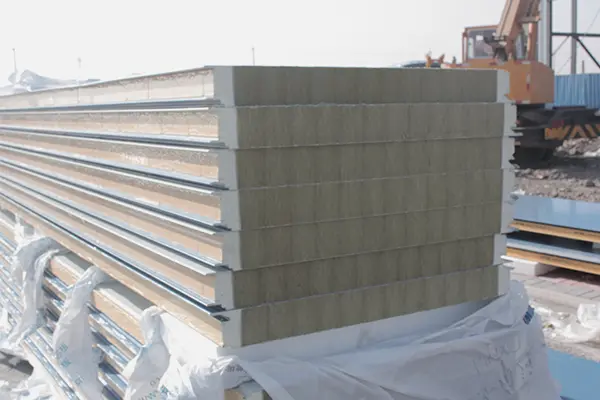
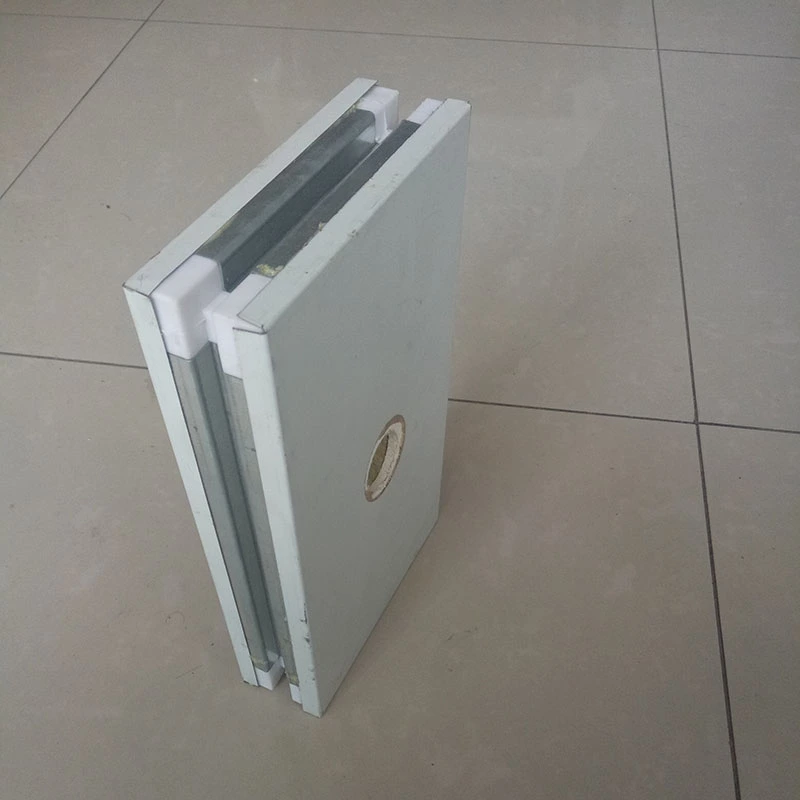
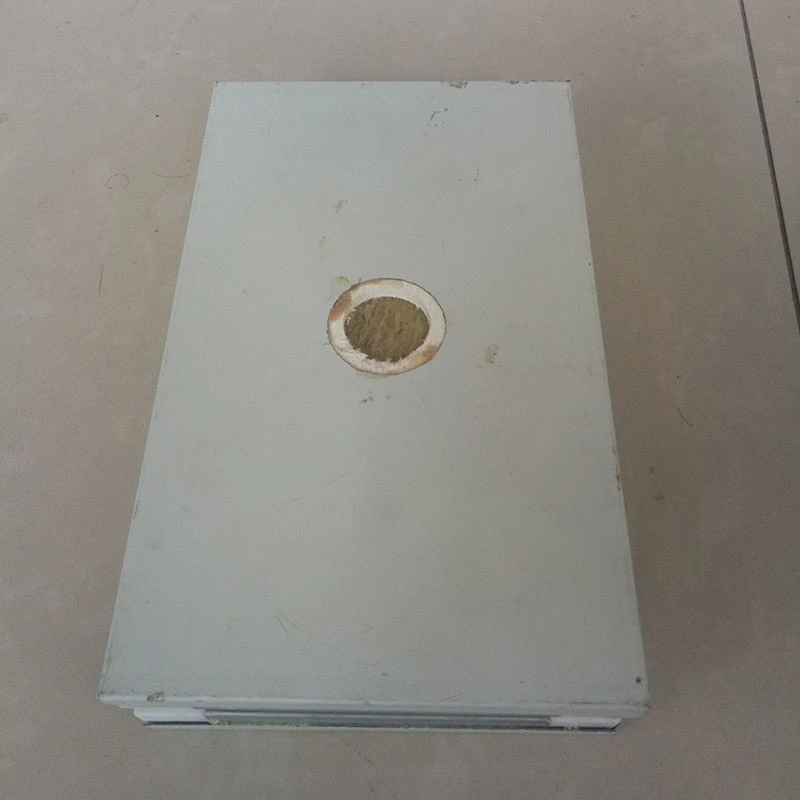
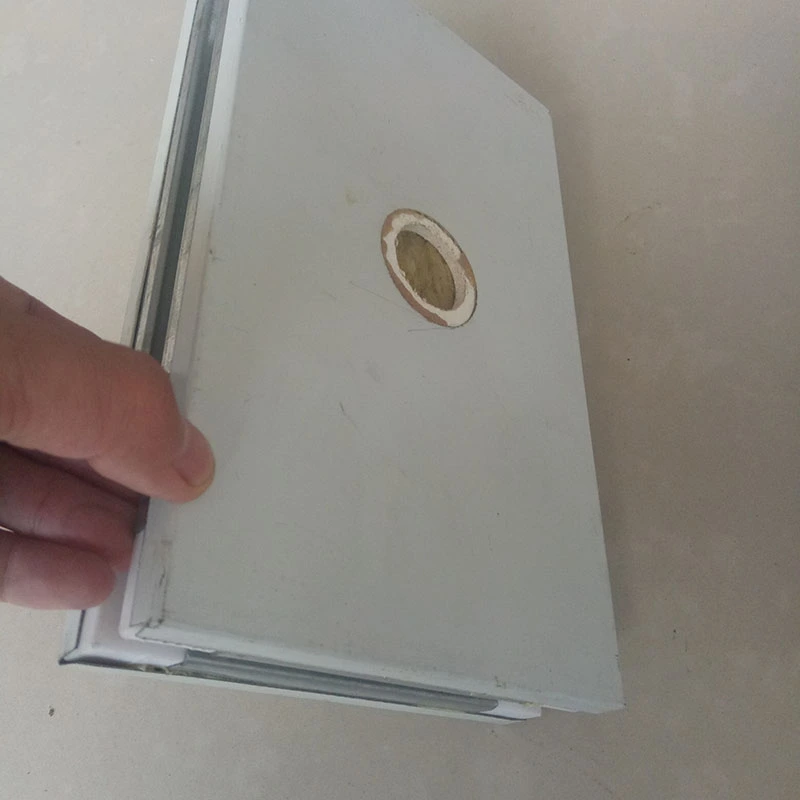
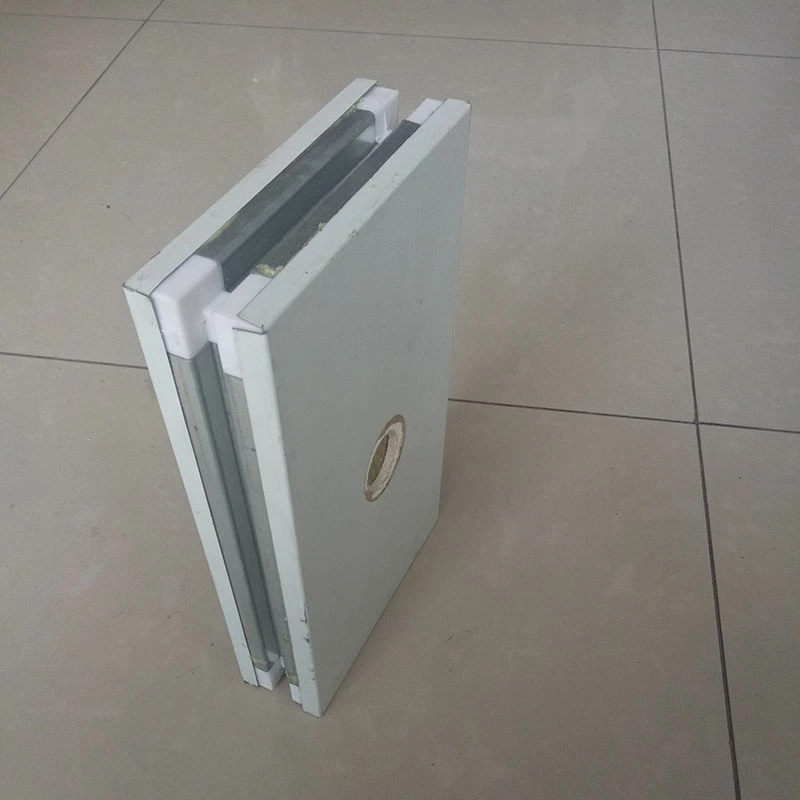
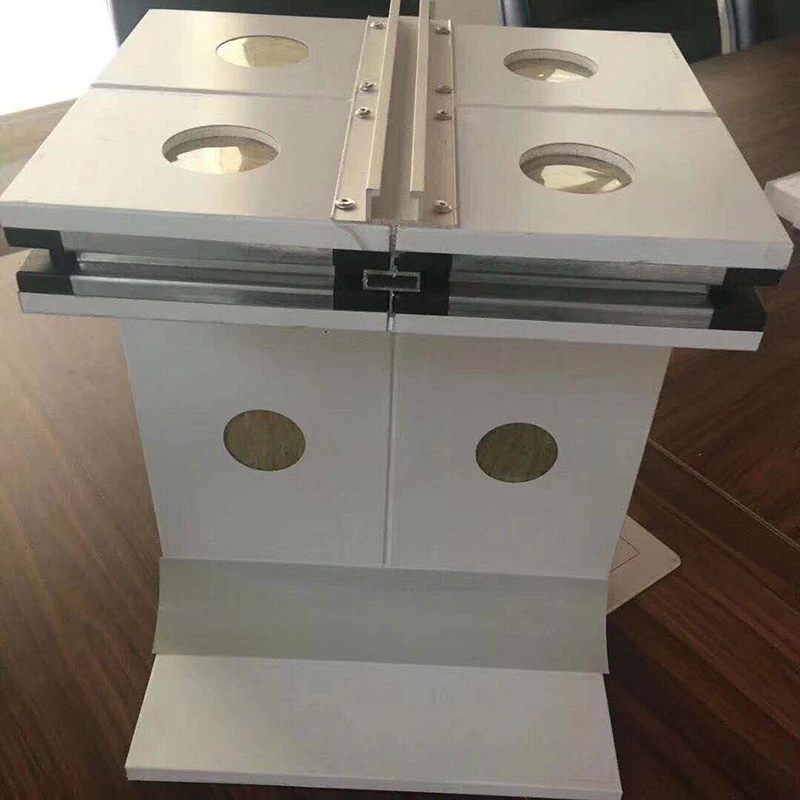
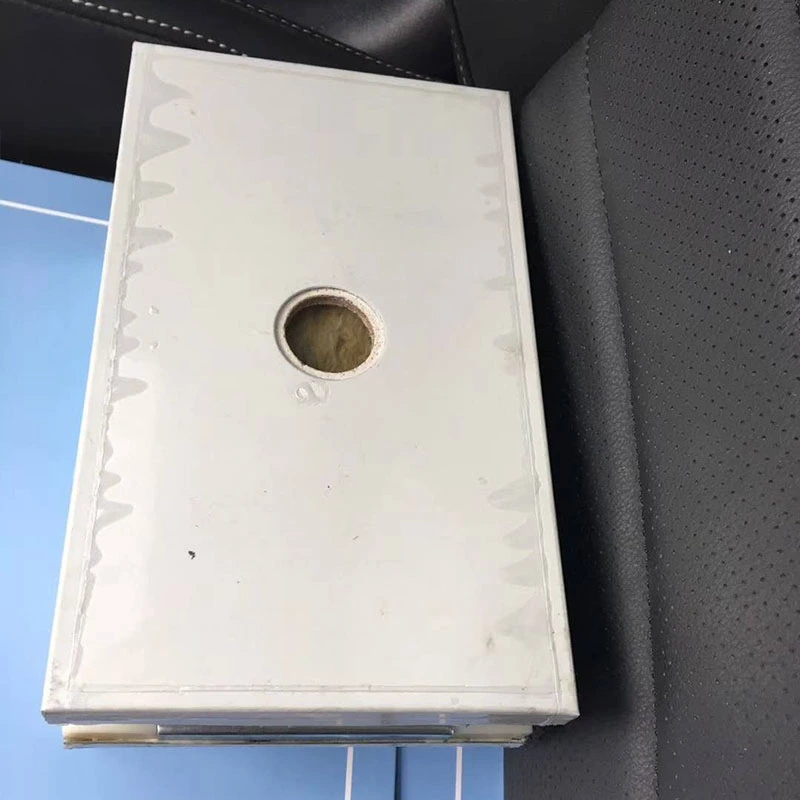
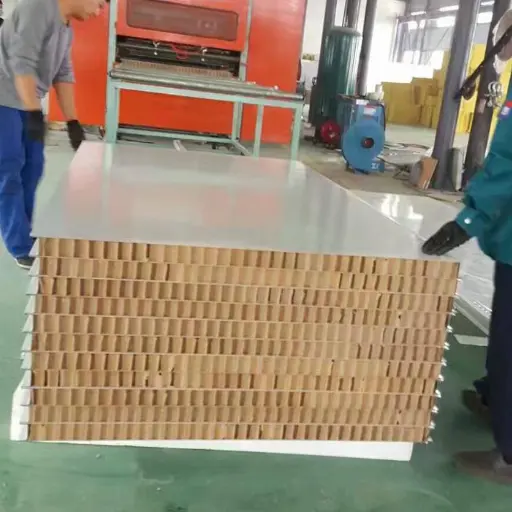
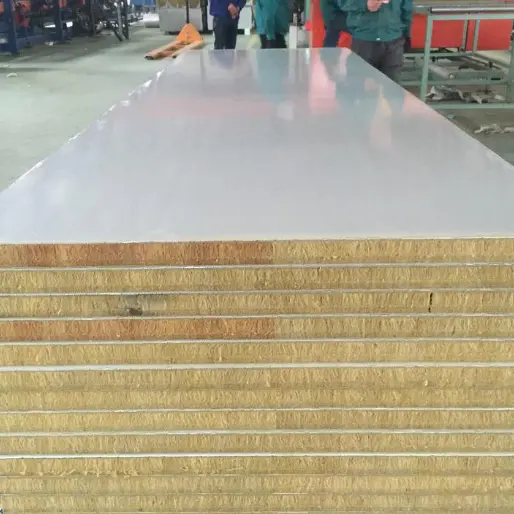
The panels feature a composite sandwich structure with cleanroom-grade color-coated steel facings on both sides (0.4–0.8 mm thick, with stainless steel available on request) and a functional core material. The perimeter is sealed with galvanized steel strip framing. The key difference from machine-made panels is the manual assembly process, which allows for tighter control over frame alignment and joint fit. This makes the panels particularly suitable for environments with strict airtightness and aesthetic requirements.

Available Core Materials

Several core options are available, each selected for different fire rating, strength, and budget requirements.

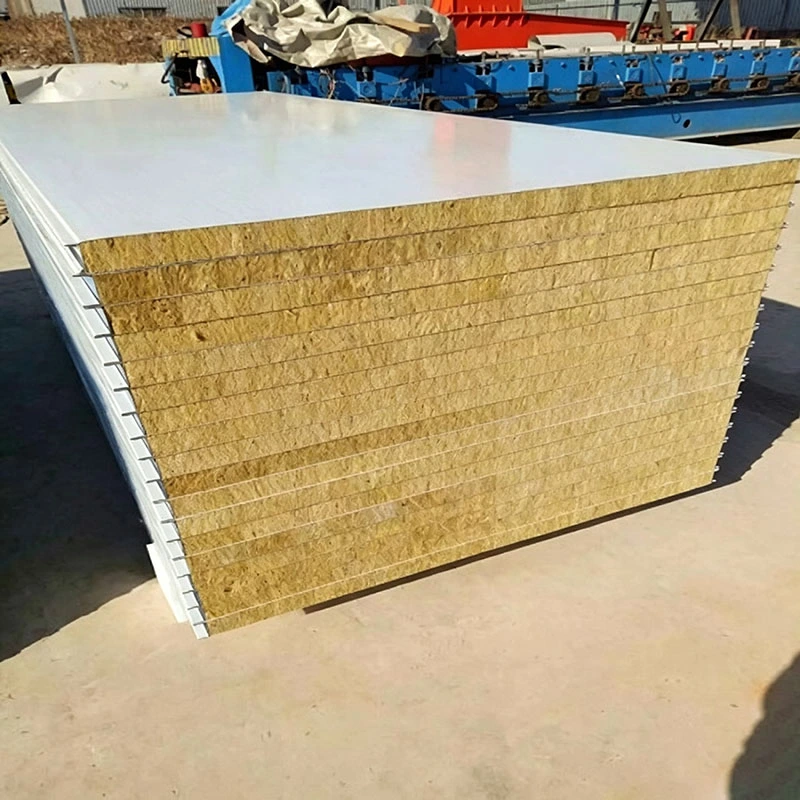
Rock wool / glass-magnesium (MGO) rock wool composite core: Uses hydrophobic rock wool (density 100–140 kg/m³, thermal conductivity ≤0.043 W/(m·K), hydrophobicity ≥98%) laminated on one or both sides with glass-magnesium reinforced boards. The double-sided MGO configuration offers the highest fire resistance.

Magnesium oxysulfate (MOS) core: Features a Class A1 fire rating, water absorption ≤0.8%, and high-temperature resistance exceeding 1200°C. It combines fire resistance and moisture resistance with a lightweight profile.

Silica-rock (modified rock wool) core: Density is approximately 80 kg/m³, with a Class A combustion rating and fire resistance temperatures exceeding 1000°C.

Paper or aluminum honeycomb core: Lightweight and high-strength, suitable for applications with self-weight limitations or demanding surface flatness requirements.

Dimensions and Connection Methods

Panel thickness options include 50 mm, 75 mm, and 100 mm, with customization available from 30 mm to 200 mm. Standard widths are 980 mm and 1180 mm, and non-standard widths can be produced on request. Wall panel lengths go up to 6000 mm, while ceiling panel lengths are limited to 3000 mm.

Connection methods include H-profile, tongue-and-groove, interlocking, and "three-female-one-male" joint configurations. The choice depends on the installation sequence, sealing requirements, and whether future disassembly is anticipated.

The product complies with GB/T 23932-2009 (metal-faced thermal insulation sandwich panels for buildings) and JC/T 2761-2023 (technical requirements for purification performance of decorative panels with purification functions).

Handmade Cleanroom PanelsHandmade Cleanroom Panels

Project Experience and Fire Performance

Fire safety is a core consideration in cleanroom engineering. Depending on the core material, the combustion performance rating can reach Class A or Class A1. Fire resistance limits vary by configuration: 50 mm panels with a single MGO layer and rock wool achieve at least 1 hour; 50 mm panels with double MGO layers achieve at least 2 hours; and 100 mm panels with double MGO layers reach at least 4 hours. Magnesium oxysulfate panels withstand high temperatures exceeding 1200°C without emitting toxic smoke.

For the Yantai New Era Health Industry New Park project (total investment of 2 billion RMB, covering 278,300 m²), double-MGO rock wool handmade panels were selected for the health supplement production workshop, daily chemical production workshop, and R&D/testing center. Total application area was approximately 26,000 m². The project used 0.8 mm galvanized steel bow-shaped framing and specialized corner systems. Project documentation and photos are available upon request.

Structural and Mechanical Performance

The composite MGO reinforcement layer and galvanized steel perimeter framing give these panels higher flexural load-bearing capacity and impact resistance than machine-made panels. Testing shows flexural capacity of at least 0.5 kN/m² for wall panels and 1.2 kN/m² for ceiling panels, measured at a deflection of L₀/250.

Surface flatness is maintained at 0.5 mm or better, which supports the strict finish requirements of cleanroom engineering and helps the panels remain flat during long-term use.

Moisture, Mold, and Thermal Performance

The dense metal facing and hydrophobic rock wool core (water repellency ≥98%) keep the panels free from moisture absorption and mold growth in high-humidity cleanroom environments. The magnesium oxysulfate core has a water absorption rate of 0.8% or less and shows no deformation after eight hours of water immersion. The MGO composite layer adds further moisture resistance and has natural antimicrobial properties.

Thermal conductivity of the rock wool core ranges from 0.035 to 0.043 W/(m·K), depending on the specific core type. The hydrophobic treatment helps maintain stable insulation performance in constant temperature and humidity conditions, reducing HVAC energy consumption.

Demountability and Future Adaptability

The hand-assembled structure allows individual panels to be removed and reinstalled without damage. This is useful when equipment needs to be relocated, processes are adjusted, or spatial reconfiguration is required after initial construction. Panels can also be customized with curved corners, embedded conduits, pre-cut openings, and integrated windows, which reduces on-site secondary processing and helps maintain the overall appearance of the cleanroom system.

Handmade Cleanroom PanelsHandmade Cleanroom Panels

Technical Specifications

The following parameters are based on standard production and relevant test standards. Test reports are available upon request.

Performance Indicator Parameter/Specification Notes / Standard Basis
Panel Material Cleanroom-grade color-coated steel / Stainless steel / Galvanized steel Thickness: 0.3–0.8 mm; double-sided customization
Core Material Type Rock wool, single/double MGO rock wool, MOS, silica rock, honeycomb Selected based on fire and strength requirements
Core Density (rock wool) 80–140 kg/m³ Hydrophobicity: ≥98%
Thermal Conductivity 0.035–0.043 W/(m·K) Depends on core type
Panel Thickness 50 / 75 / 100 mm (customizable: 30–200 mm)
Panel Width 980 mm, 1180 mm (standard) Non-standard sizes available
Wall Panel Length ≤6000 mm
Ceiling Panel Length ≤3000 mm
Combustion Performance Class A / A1 (non-combustible) Tested per GB 8624-2012
Fire Resistance Limit Single MGO 50 mm: ≥1 h; double MGO 50 mm: ≥2 h; double MGO 100 mm: ≥4 h Based on standard fire tests
Wall Panel Flexural Capacity ≥0.5 kN/m² At deflection L₀/250
Ceiling Panel Flexural Capacity ≥1.2 kN/m² At deflection L₀/250
Water Absorption (MOS core) ≤0.8% No deformation after 8 h immersion
Executive Standards GB/T 23932-2009, GB 8624-2012, JC/T 2761-2023 Conformity documentation available

Selection Considerations by Application

For pharmaceutical GMP workshops and vaccine production lines: Double-MGO rock wool panels with 100 mm thickness are often specified for fire zones where a 4-hour rating is required. Confirm that the core material and facing meet the project's cleanability and disinfection compatibility requirements.

For electronics and semiconductor cleanrooms: Lightweight cores such as aluminum honeycomb may be considered where self-weight is a concern. Verify that the panel flatness meets the requirements for laminar airflow uniformity.

For high-humidity food processing areas: MOS cores offer low water absorption and natural antimicrobial properties. Combine with stainless steel facings in areas with frequent wash-downs.

For spaces that may be reconfigured: Choose a connection method that supports demountability, such as H-profile or interlocking joints. This reduces future renovation costs and minimizes downtime during layout changes.

Typical Applications

1. High-fire-safety cleanroom enclosures for biopharmaceutical GMP workshops, vaccine production lines, and biological laboratories.

2. Hospital operating rooms, ICU wards, and pharmaceutical R&D laboratories.

3. Cleanrooms for electronics and semiconductors, chip manufacturing plants, and precision instrument workshops.

4. Enclosures for food processing cleanrooms, dairy production facilities, and central kitchens.

5. Cleanrooms for new energy lithium battery production and photovoltaic module manufacturing.

Handmade Cleanroom PanelsHandmade Cleanroom Panels

Frequently Asked Questions

1. What is the main advantage of handmade panels over machine-made cleanroom panels?

Handmade panels offer tighter control over the internal frame alignment and joint fit, which leads to better surface flatness and overall rigidity. They are often specified for high-end cleanrooms where airtightness and load-bearing capacity are critical. Machine-made panels are more economical and may be sufficient for standard applications.

2. Which core material should I choose for a 4-hour fire-rated wall?

For a 4-hour fire rating, a 100 mm thick panel with double-sided magnesium oxide boards and a rock wool core is the recommended configuration. This has been tested to the 4-hour limit. Confirm with the project's fire safety engineer that the specified assembly meets local code requirements.

3. Can handmade panels be disassembled and reused?

Yes. The demountable design allows individual panels to be removed and reinstalled without damage. This is particularly useful in cleanrooms where equipment layouts change or where future expansion is planned. The choice of connection method affects the ease of disassembly.

4. How do MOS cores compare with rock wool cores for moisture resistance?

Both cores are moisture-resistant. MOS cores have a water absorption rate of 0.8% or less and do not deform after prolonged immersion. Rock wool cores rely on hydrophobic treatment to achieve a water repellency rate of at least 98%. For extremely wet environments, MOS may be the better choice; for most cleanroom applications, either core performs well when properly sealed.

5. What customization options are available for handmade panels?

Customization includes non-standard thicknesses (30–200 mm), special widths, curved corners, embedded conduits, pre-cut openings, and integrated windows. These options help reduce on-site secondary processing and maintain the cleanroom's visual consistency. Custom orders are subject to minimum quantities and extended lead times.

About SENBO Building Materials

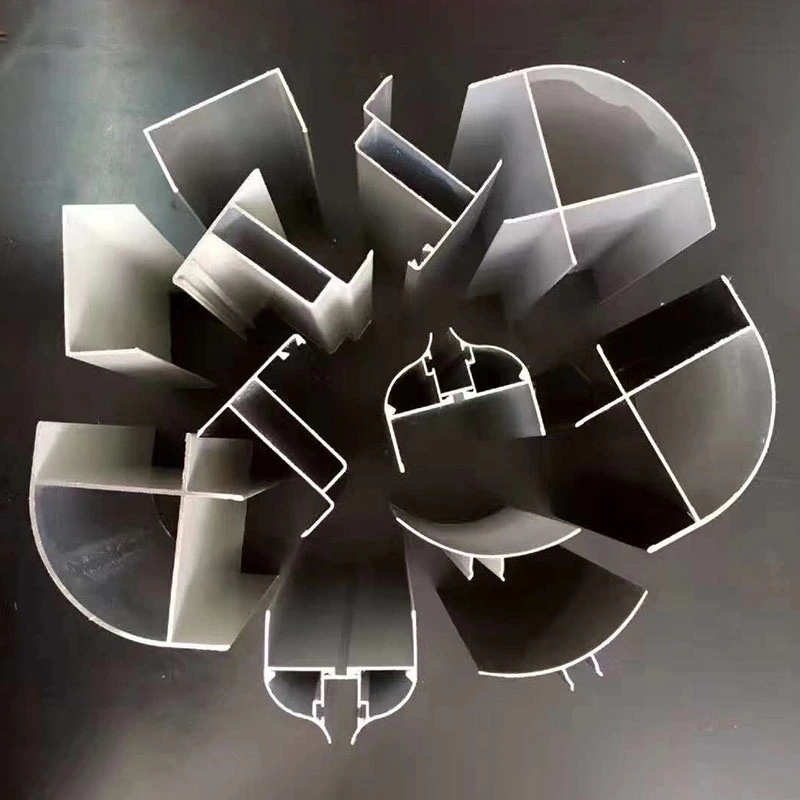
Tianjin SENBO Building Materials Technology Co., Ltd. is a manufacturer of handmade cleanroom panels, rock wool cleanroom panels, cleanroom aluminum accessories, cleanroom doors, and other metal envelope products. Our production base is located in Jinghai Economic Development Zone, Tianjin, China, equipped with automated production lines and a four-stage quality inspection process. For more information about our factory, certifications, testing capabilities, and project references, please visit our About Us page or contact our engineering team.


Hot Tags: Handmade Cleanroom Panels, Cleanroom Wall Panels, Cleanroom Ceiling Panels
Send Inquiry
Contact Info
Send SENBO an inquiry for steel building materials. Request a free quote, sample or bulk order price list. Our sales team responds within 24 hours with factory direct pricing, stock availability and shipping options.
X
We use cookies to offer you a better browsing experience, analyze site traffic and personalize content. By using this site, you agree to our use of cookies.Privacy Policy
RejectAccept