Tianjin SENBO Building Materials Technology Co., Ltd.
Products
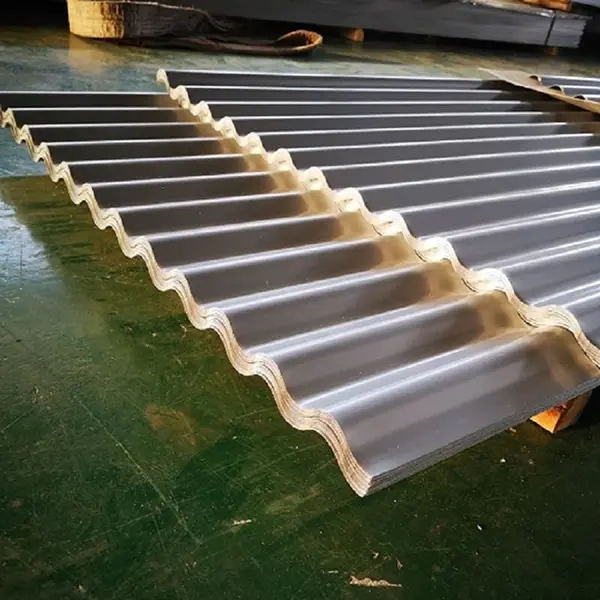
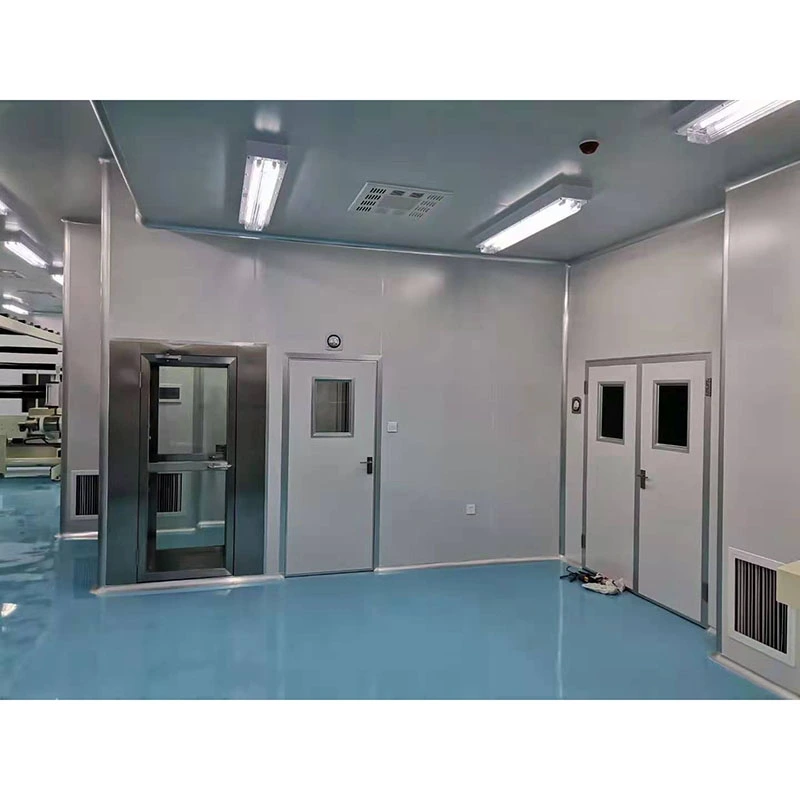
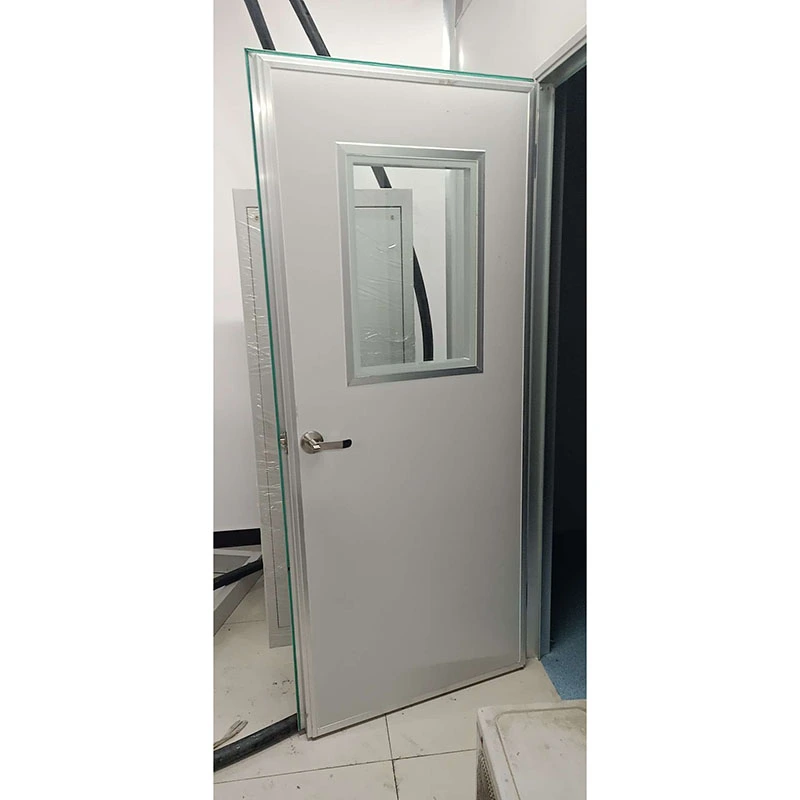
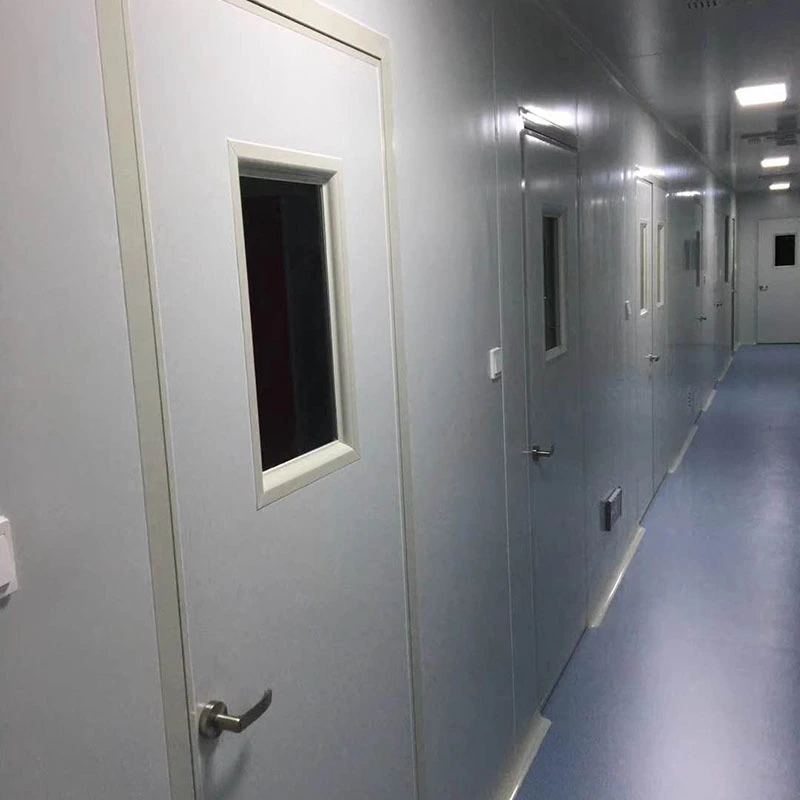
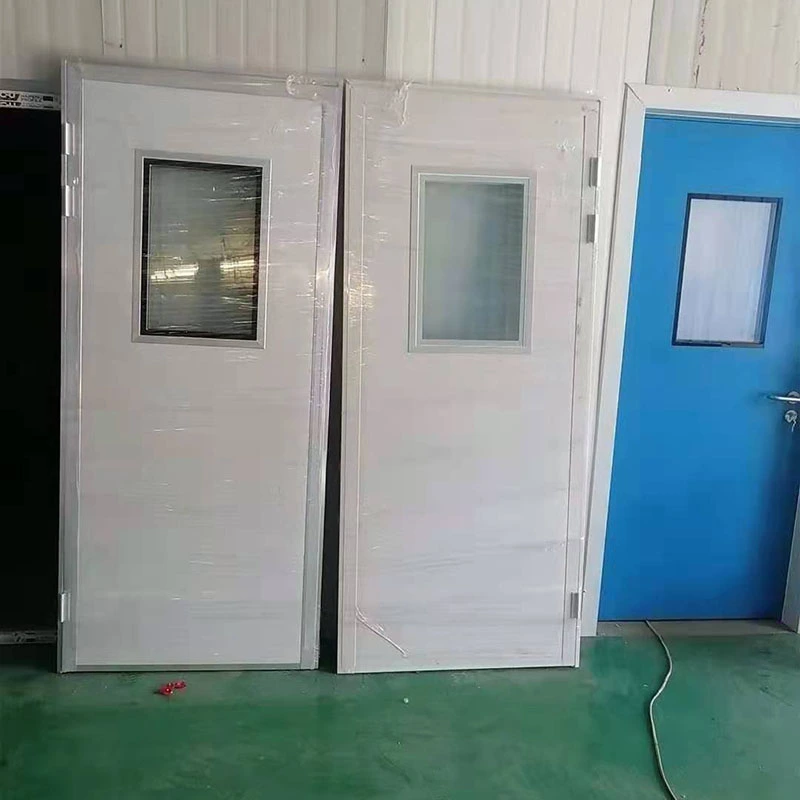
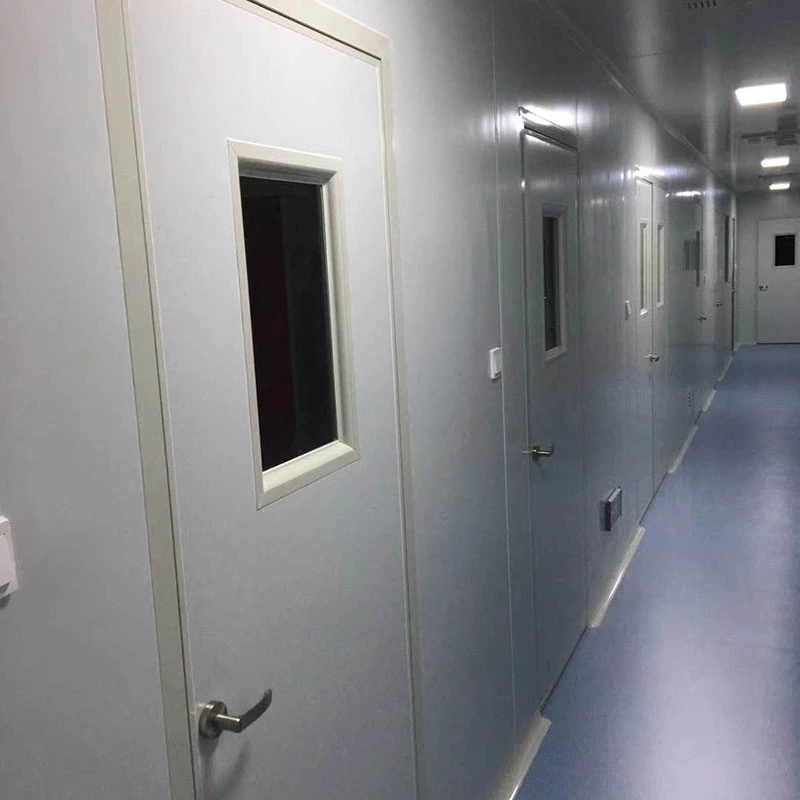
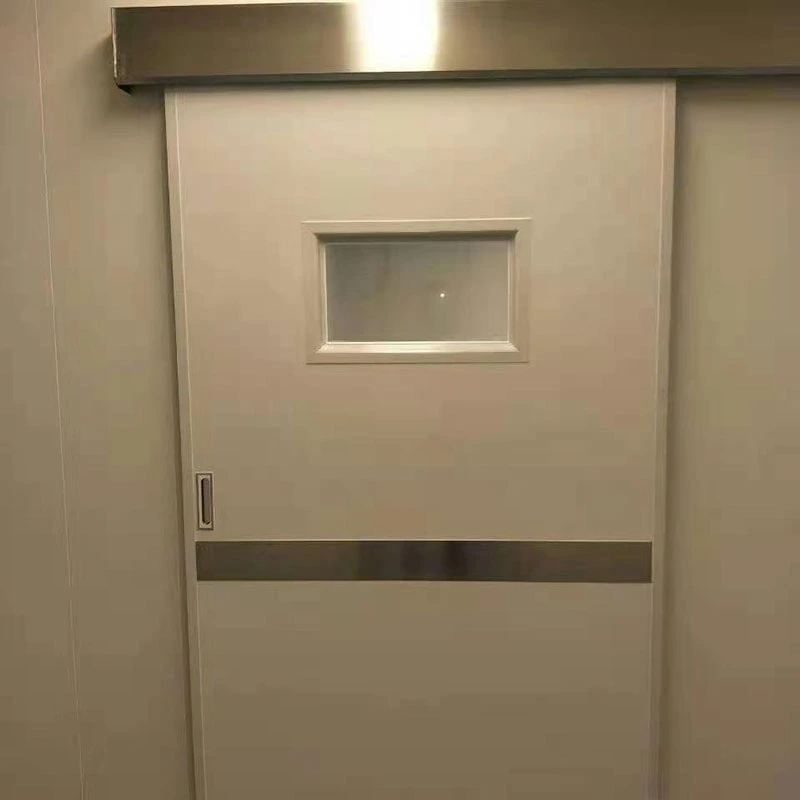
Hygienic Cleanroom Door
  • Hygienic Cleanroom DoorHygienic Cleanroom Door
  • Hygienic Cleanroom DoorHygienic Cleanroom Door
  • Hygienic Cleanroom DoorHygienic Cleanroom Door
  • Hygienic Cleanroom DoorHygienic Cleanroom Door

Hygienic Cleanroom Door

SENBO Hygienic Cleanroom Door — airtight steel door with fire-resistant core and dual-seal system. GB/T 47162-2026 compliant: frame≥1.2mm, panel≥0.6mm, antibacterial≥99%. Ideal for pharmaceutical GMP workshops, electronics cleanrooms, hospital operating rooms. Buy SENBO cleanroom doors at factory price from trusted manufacturer.

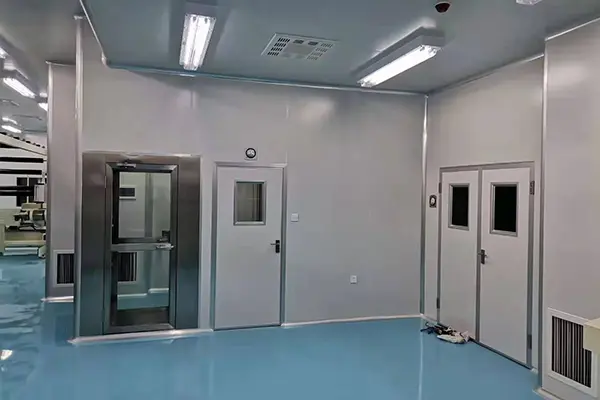
Hygienic Cleanroom Doors are access units designed for controlled environments within cleanroom enclosure systems. SENBO Building Materials supplies these doors as part of its cleanroom panel and door system range, with a focus on material compliance and long-term sealing performance.

The door leaf uses a composite sandwich structure. Facings are made from stainless steel, galvanized steel, or color-coated steel with a thickness of at least 0.6 mm. The frame uses galvanized steel or aluminum alloy with a nominal thickness of at least 1.2 mm, and the core is filled with a non-combustible material.

The surface is finished with electrostatic powder coating or baked enamel. This produces a smooth, non-dust-generating surface that is easy to clean and sanitize. Colors can be customized to match specific cleanroom design requirements.

Standards Compliance and Surface Performance

Materials used in cleanroom doors must meet contamination control requirements defined in GB/T 47162-2026. Specifically, they must not release harmful gases or generate dust, must resist microbial growth, and must be compatible with standard cleanroom sterilization methods such as ultraviolet light or chemical disinfection.

The surface coating is tested according to GB/T 21866. The antibacterial rate must be at least 99%, and the mold resistance rating must be no lower than Grade 1. After 1,000 wipes with a chlorine-based disinfectant, the coating must show no discoloration, peeling, or loss of gloss.

Hardware and Sealing Components

Hardware and sealing components directly affect the airtightness and service life of cleanroom doors. Each door leaf is equipped with at least three hinges made of corrosion-resistant material such as stainless steel. Door closers use a sealed design. The installation gap for handles is no more than 0.5 mm, and surfaces are smooth to avoid dust-trapping crevices.

Sealing materials must be neutral, age-resistant, and free from irritating volatile compounds or dust shedding. They should also contain antimicrobial agents to inhibit microbial growth at the door perimeter.

Hygienic Cleanroom DoorHygienic Cleanroom DoorHygienic Cleanroom Door

Technical Specifications

The following parameters are based on standard production and GB/T 47162-2026. Customization is available to meet specific project requirements.

Performance Indicator Parameter/Specification Notes / Standard Basis
Door Frame Material Galvanized steel / Stainless steel / Aluminum alloy Nominal thickness ≥ 1.2 mm
Door Leaf Facing Color-coated steel / Stainless steel / Galvanized steel Steel sheet thickness ≥ 0.6 mm
Surface Finish Electrostatic powder coating / Baked enamel Antibacterial rate ≥ 99%; mold resistance Grade 1
Hardware Stainless steel / Corrosion-resistant aluminum alloy Hinges ≥ 3 per leaf; salt spray test ≥ 48 h
Sealing Materials Neutral antimicrobial sealant / Gasket Zero VOC emissions; disinfectant resistant
Common Sizes Single: 900×2100 mm; Unequal double: 1200×2100 mm; Double: 1500×2100 mm Customizable
Door Leaf Thickness 50 mm, 60 mm, 75 mm, 100 mm Customizable
Observation Window Double-glazed safety glass Light transmission ≥ 85%; flush-mounted
Executive Standard GB/T 47162-2026 Effective September 1, 2026

Functional Characteristics

1. Material Compliance and Airtightness. The steel thickness requirements (frame ≥1.2 mm, leaf ≥0.6 mm) align with the upcoming national standard. A dual-seal design helps maintain the pressure differential required in cleanroom environments.

2. Antimicrobial and Corrosion-Resistant Surface. The coating achieves an antibacterial rate of at least 99% and withstands 1,000 wipes with chlorine-based disinfectants. The smooth, non-porous surface minimizes dust accumulation.

3. Precision Hardware and Durability. Stainless steel hinges, sealed door closers, and recessed handles keep assembly gaps at or below 0.5 mm. Hardware passes 48-hour salt spray testing without significant corrosion.

4. Observation Window Options. Cleanroom doors can be fitted with observation windows made from safety tempered or laminated glass. Light transmission is at least 85%, and the double-pane design prevents condensation.

5. System Integration with Wall Panels. The doors are designed to integrate with cleanroom wall panels as a matched modular system. This allows for rapid installation without on-site modification or secondary processing.

Selection and Installation Guidance

For GMP and pharmaceutical facilities: Confirm that the door materials and surface finish meet the contamination control requirements of GB/T 47162-2026. Select stainless steel facings in areas with frequent wash-downs or chemical exposure.

For electronics and semiconductor cleanrooms: Consider doors with flush-mounted observation windows to maintain clean sightlines and avoid dust-collecting ledges. Verify that hardware does not shed particles during operation.

For hospital operating rooms: Use doors with sealed hinges and closers to maintain air pressure cascades. Ensure the sealing system is compatible with routine disinfection protocols.

During installation: Align the door frame precisely with the wall panel opening. Check that the gap between the door leaf and frame is uniform before applying sealant. After installation, verify that the door opens and closes without binding and that the seals make full contact.

Where Cleanroom Doors Are Used

1. Entry and exit points for GMP-compliant biopharmaceutical cleanrooms.

2. Personnel accessways for electronics and semiconductor cleanrooms and precision assembly workshops.

3. Airtight door systems for hospital operating rooms, ICUs, and sterile supply departments.

4. Personnel access control for food processing cleanrooms and laboratory clean zones.

Frequently Asked Questions

1. What does GB/T 47162-2026 require for cleanroom door materials?

The standard requires that materials used in cleanroom doors do not release harmful gases or generate dust, resist microbial growth, and remain compatible with common sterilization methods such as ultraviolet light and chemical disinfection. The surface coating must achieve an antibacterial rate of at least 99% and a mold resistance rating of Grade 1 or better.

2. How are cleanroom doors tested for chemical resistance?

The coating is subjected to 1,000 wipes with a chlorine-based disinfectant. After testing, the coating must show no discoloration, peeling, or loss of gloss. This ensures that routine cleaning and disinfection do not degrade the door surface over time.

3. Can observation windows be added to any cleanroom door?

Most cleanroom door models can be fitted with observation windows. The window uses double-glazed safety glass with light transmission of at least 85%. The frame is flush-mounted to the door surface to prevent dust accumulation. Custom sizes and shapes can be accommodated on request.

4. What hardware finishes are available?

Hardware is typically supplied in stainless steel or corrosion-resistant aluminum alloy. All components, including hinges and handles, are designed with smooth surfaces and minimal crevices to prevent dust collection. Salt spray testing of at least 48 hours verifies corrosion resistance.

5. How are cleanroom doors installed with wall panels?

The doors are designed as part of a matched modular system with cleanroom wall panels. The frame is installed into the panel opening, and the door leaf is then hung and adjusted. No on-site cutting or secondary processing is required. Installation should follow the manufacturer's alignment and sealing guidelines to ensure airtightness.

About SENBO Building Materials

Tianjin SENBO Building Materials Technology Co., Ltd. is a manufacturer of cleanroom doors, polystyrene cleanroom panels, paper honeycomb purification panels, and other metal envelope products. Our production base is located in Jinghai Economic Development Zone, Tianjin, China, equipped with automated production lines and a four-stage quality inspection process. For more information about our factory, certifications, testing capabilities, and project references, please visit our About Us page or contact our engineering team.


Hot Tags: Hygienic Cleanroom Door Manufacturer, Cleanroom Door Supplier, Hygienic Cleanroom Door OEM
Send Inquiry
Contact Info
Send SENBO an inquiry for steel building materials. Request a free quote, sample or bulk order price list. Our sales team responds within 24 hours with factory direct pricing, stock availability and shipping options.
X
We use cookies to offer you a better browsing experience, analyze site traffic and personalize content. By using this site, you agree to our use of cookies.Privacy Policy
RejectAccept