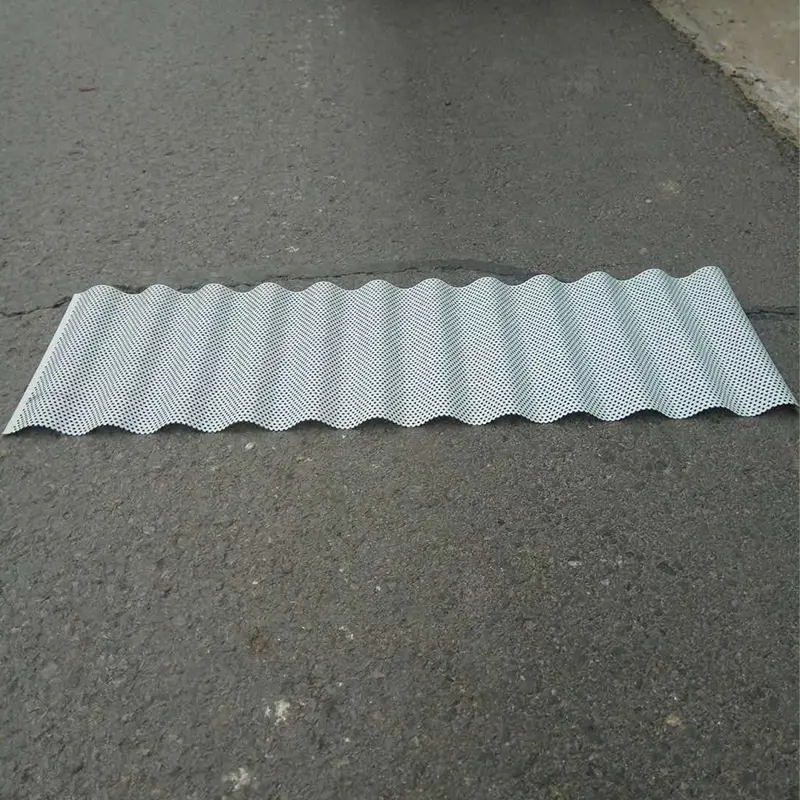
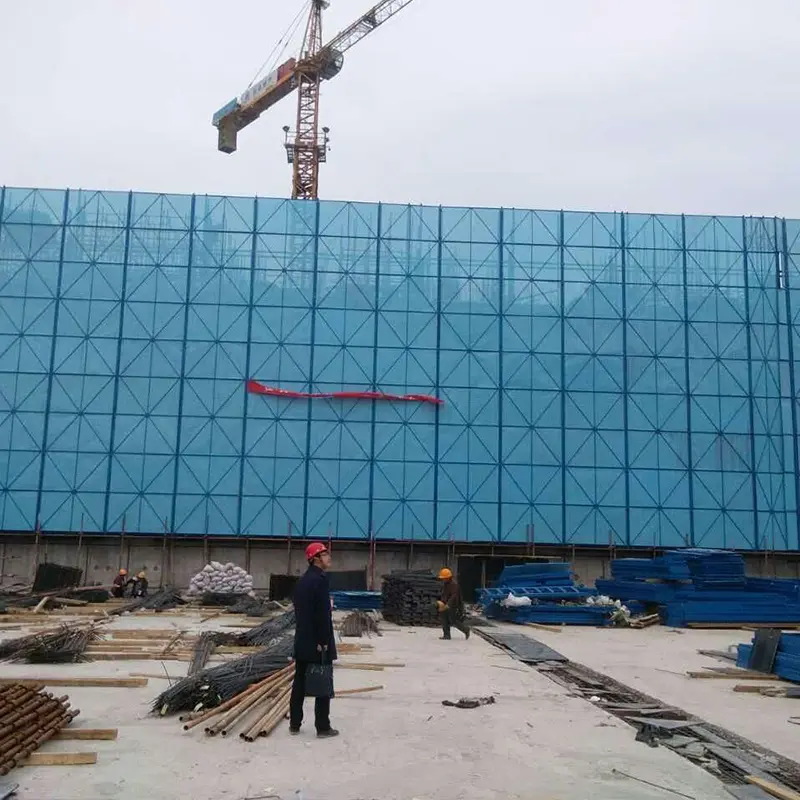
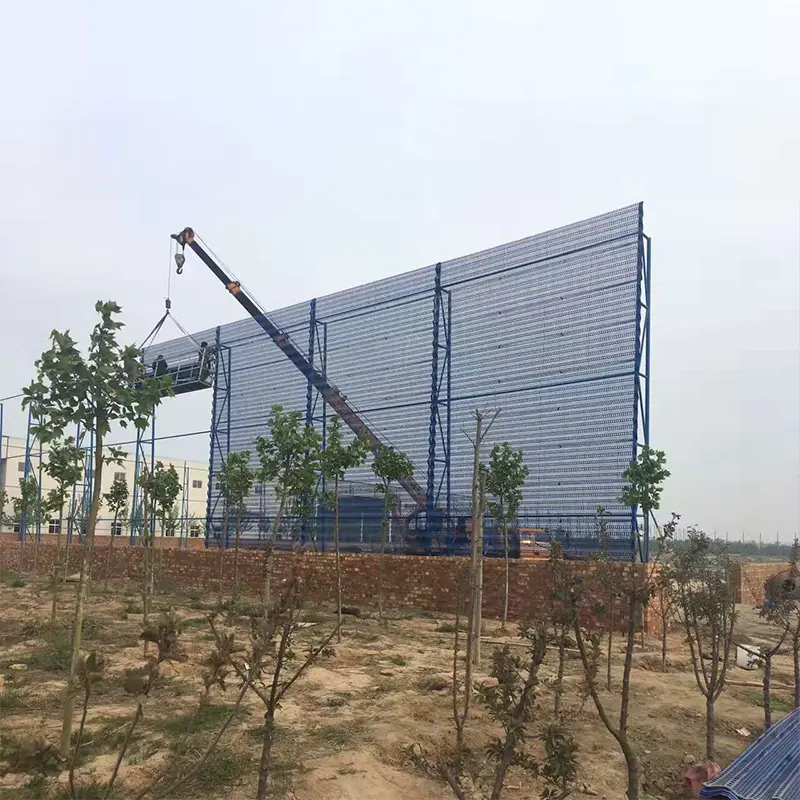
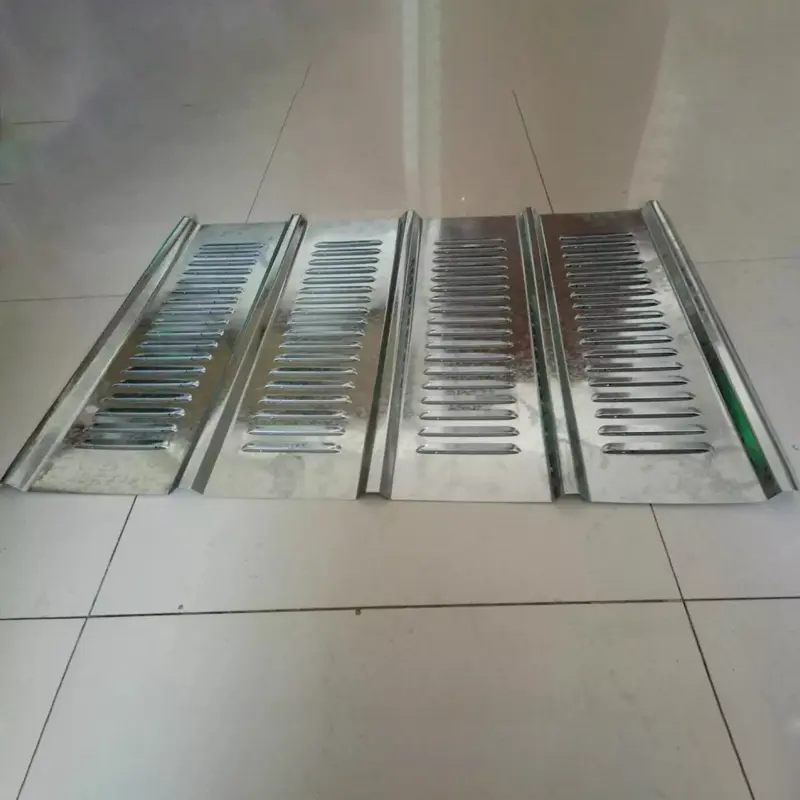
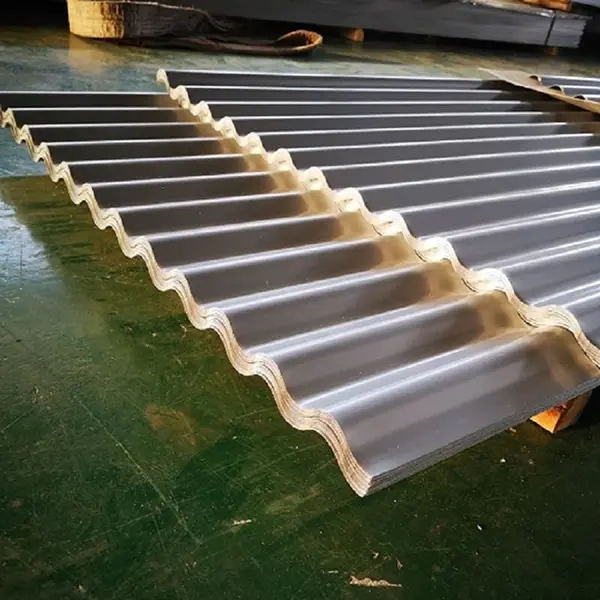
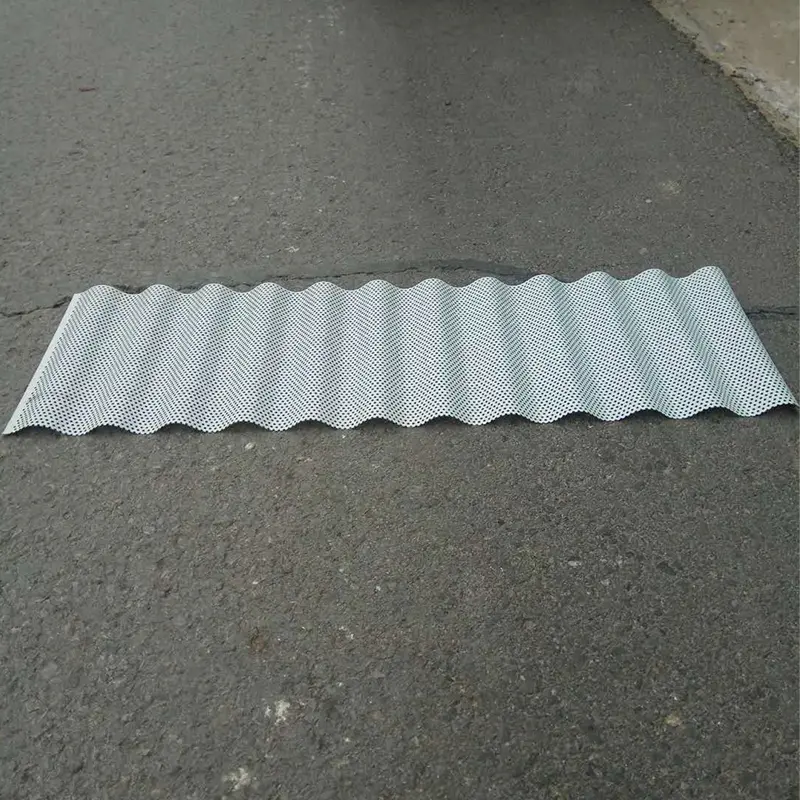
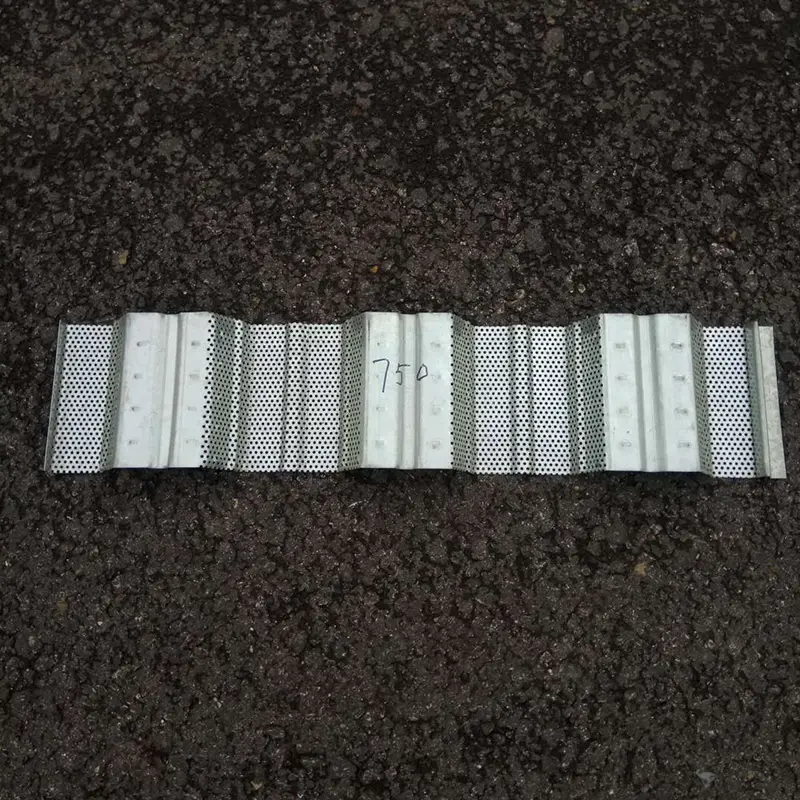
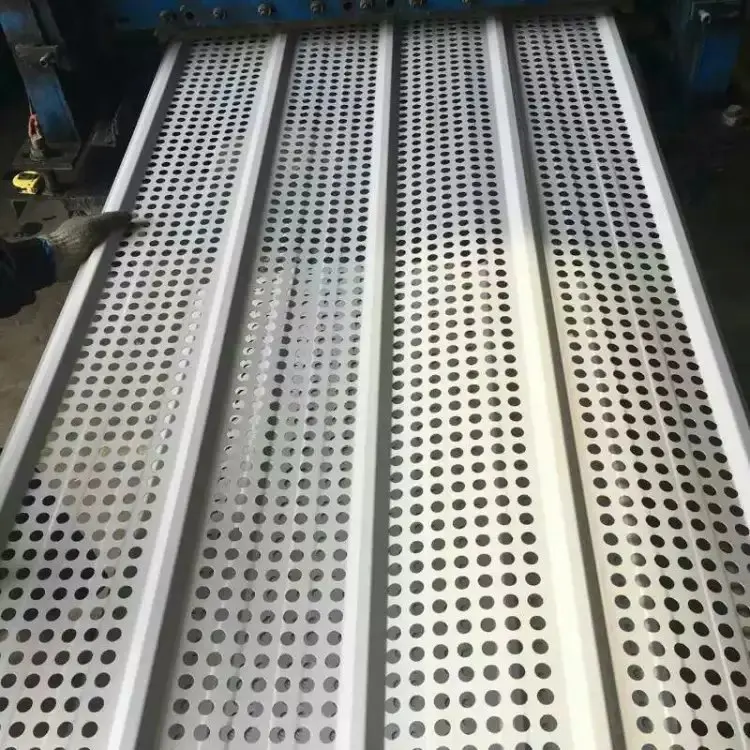
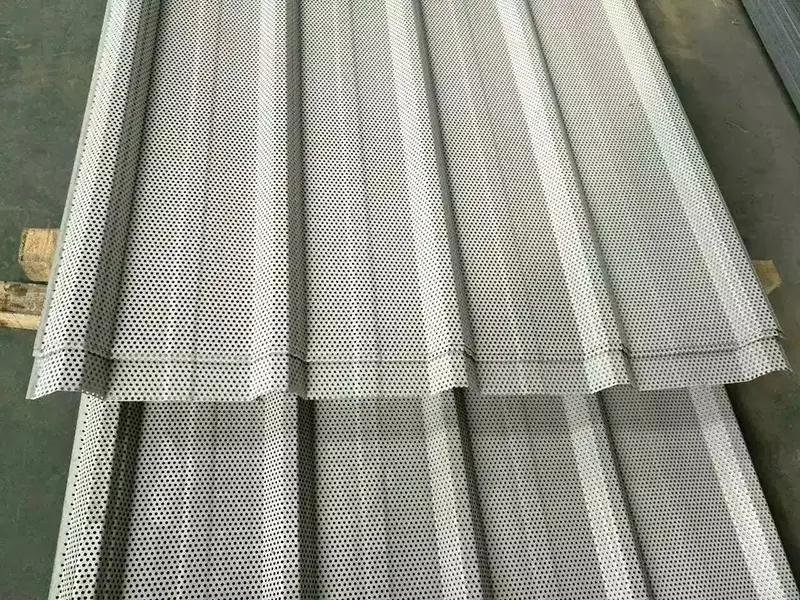
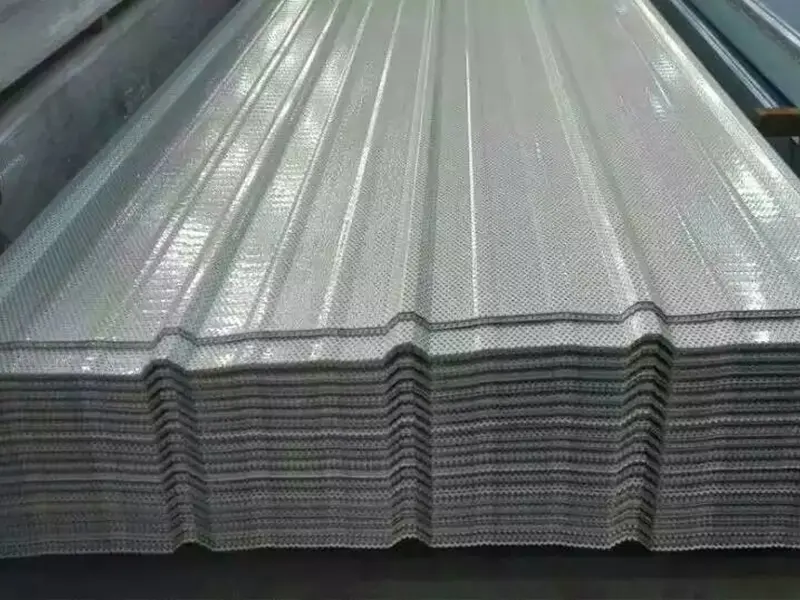
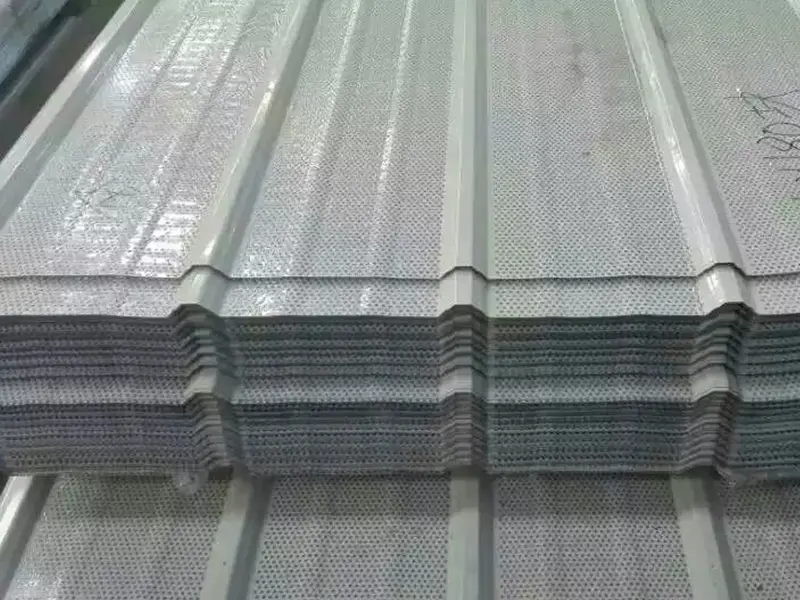
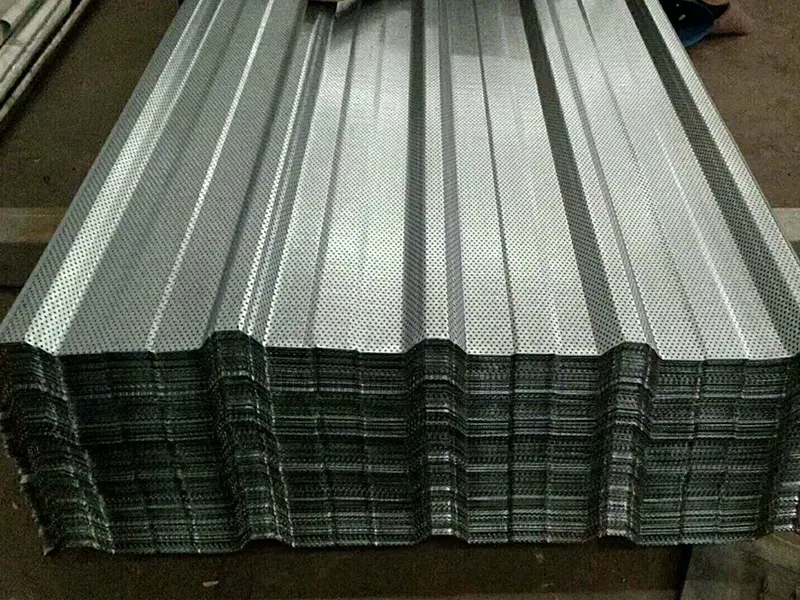
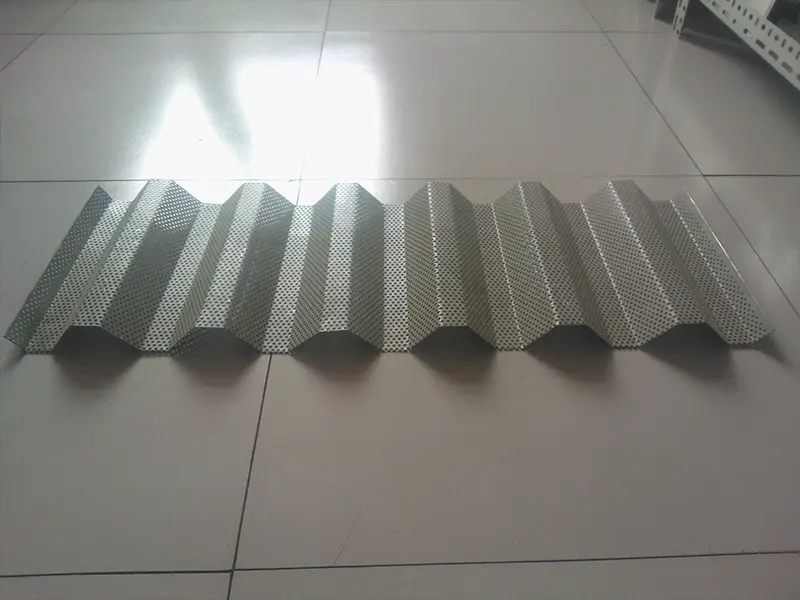
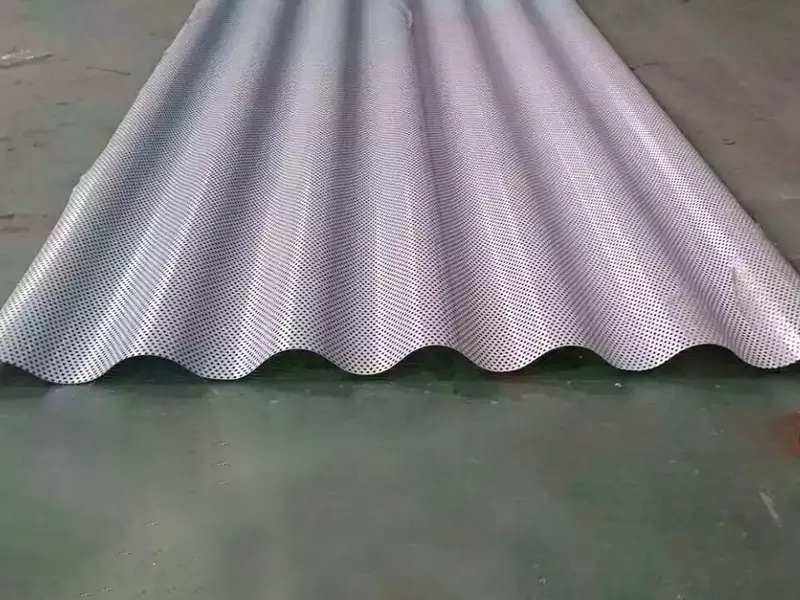
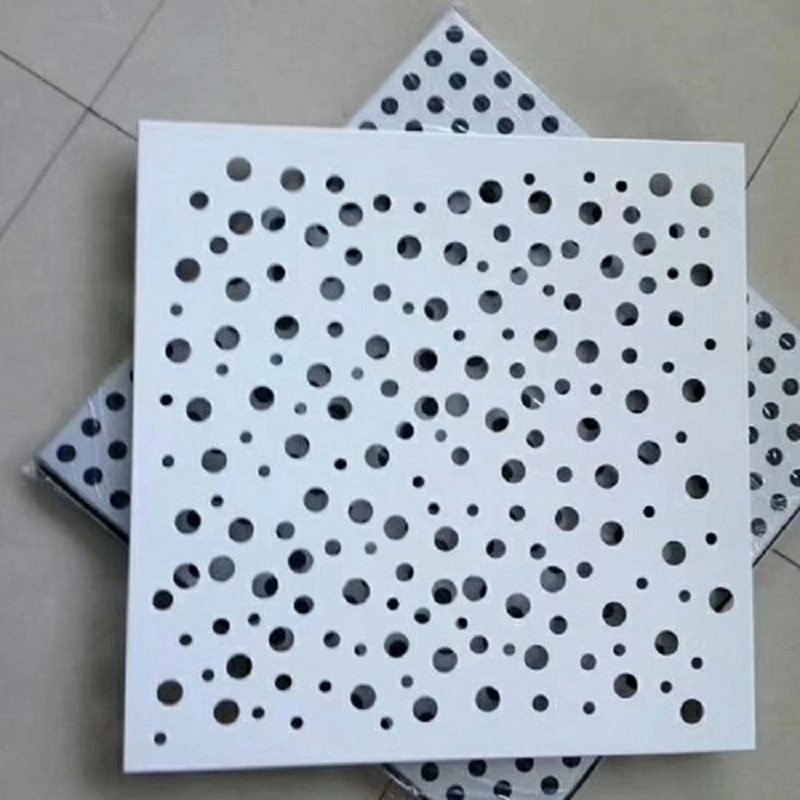
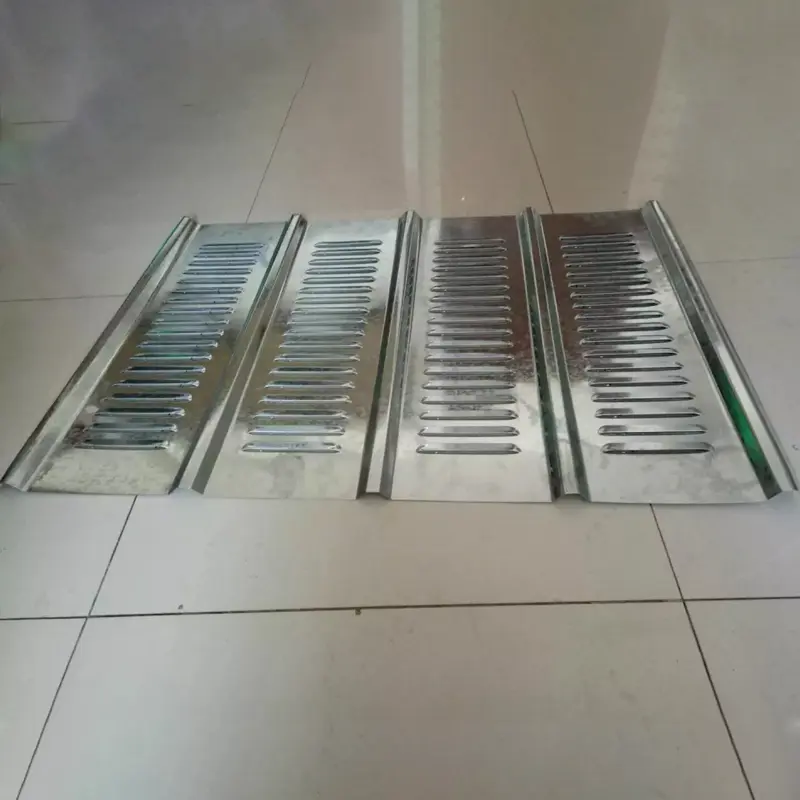
SENBO Perforated Profiled Metal Panels are engineered architectural envelope solutions backed by 10+ years of metal processing expertise. Tested across roofing, facades, ceilings, and noise barrier projects, they provide enhanced load capacity, up to 0.9 NRC acoustic performance, and improved ventilation efficiency. SENBO ensures consistent quality for industrial, commercial, and public building applications.
SENBO Building Materials is a brand dedicated to functional profiled metal panels. Our core production base and automated lines are located in the Jinghai Economic Development Zone, Tianjin, China. We are committed to integrating structural mechanics, acoustic and ventilation design, and weather-resistant anti-corrosion technology into our perforated profiled metal panels.
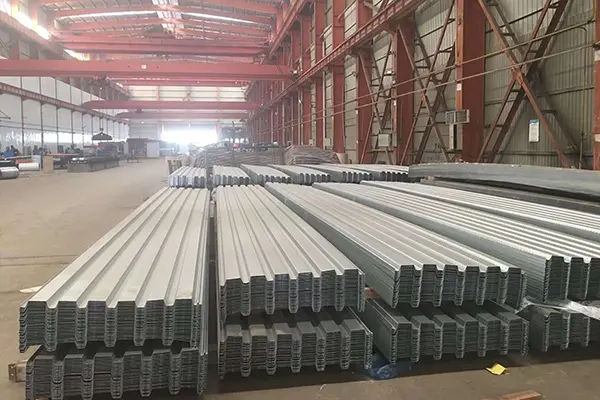
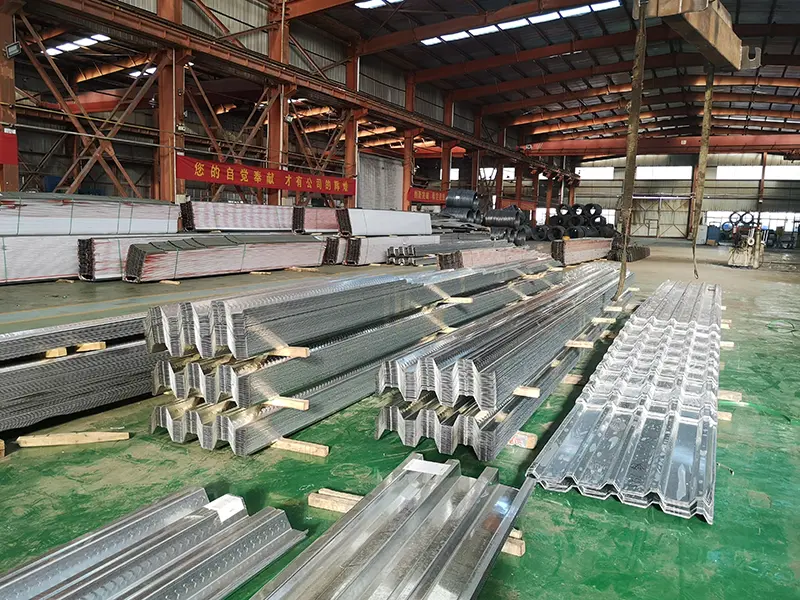
As an established supplier in the metal envelope industry, we maintain a complete, closed-loop quality control process. From base material intake, CNC punching, and roll forming to surface lamination and final product spot checks, every panel undergoes multi-dimensional performance testing before leaving the factory.
With years of expertise in the custom production of perforated acoustic profiled panels, we consistently deliver high-quality products that offer structural stability, noise reduction, ventilation, and durability. Test reports and material certificates for key parameters are available upon request.
Performance Testing Under Actual Operating Conditions
1. Eight-month comprehensive on-site field testing
Testing Duration: Eight consecutive months of uninterrupted on-site monitoring.
Testing Scenarios: Industrial factory roofing and interior walls, stadium ceilings, subway equipment room acoustic walls, and highway noise barriers.
Standard Loads: Uniformly distributed loads of 0.6–1.2 kN/m², corresponding to standard loads for industrial plants and venue ceilings.
Key Conclusion: For architectural envelope panels, noise reduction, ventilation, and structural stability take precedence over the characteristics of ordinary perforated sheets. This represents the core design advantage of SENBO Perforated Profiled Metal Panels.
2. Structural Load-Bearing Performance Test
A month-long comparative load test on the factory panels clearly demonstrated the difference in structural performance between SENBO perforated profiled sheets and standard perforated profiled sheets.
Standard perforated profiled sheets: Under a 1.5m span, significant deflection occurred after 3 hours of sustained loading.
SENBO perforated profiled sheets: Featuring an optimized corrugation profile and a uniform perforation layout, the load is evenly distributed. Under the same span and full load for 72 hours, no visible deformation occurred. Comparative flexural capacity tests under controlled conditions (panel thickness 0.6mm, perforation ratio 20%, 35mm rib profile) indicated an improvement of 22%–28%.
Key structural design elements achieving this high strength:
Standard 35mm high-profile ribs: Optimizes the moment of inertia, evenly distributes roof and ceiling loads, and reduces localized stress concentrations.
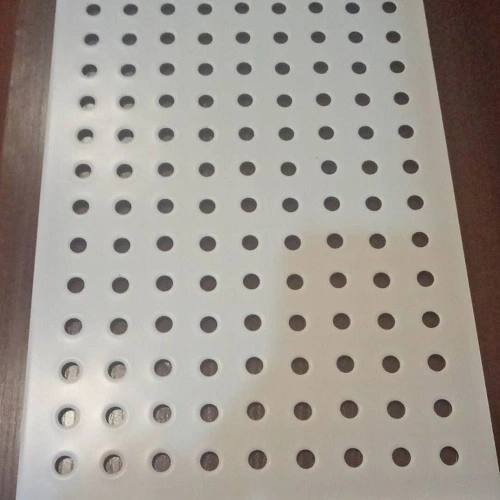
Staggered (quincunx) perforation pattern: Avoids the stress concentration associated with linear perforation patterns, thereby maintaining overall structural rigidity.
3. Professional Sound Absorption and Noise Reduction Test
SENBO perforated profiled sheets feature an acoustic structure optimized for workshop noise, traffic noise, and venue reverberation. Noise reduction performance has been verified through simulated testing in professional acoustic laboratories.
Test conditions: 20% standard perforation rate for sound absorption, 50mm rock wool backing layer, tested against mid-to-high frequency noise (500Hz–2000Hz) in accordance with ISO 354 / ASTM C423 reverberation room methods.
Test results: Noise Reduction Coefficient (NRC) reaches 0.7–0.9. The perforations create a resonant sound-absorbing structure. Sound waves passing through the holes undergo multiple energy losses within the cavity, effectively attenuating mechanical roar, traffic noise, and venue echoes.
This sound-absorbing performance is suitable for factory workshops, subway equipment rooms, stadiums, and highway noise barriers, significantly optimizing the indoor acoustic environment and meeting industrial noise control and public building acoustic standards. Full acoustic test reports are available upon request.
Real-World Application Scenarios
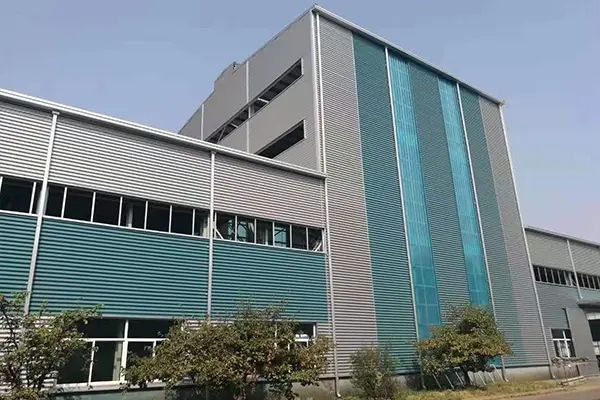
1. Industrial Workshops and Factories
In a steel structure manufacturing plant, replacing interior wall panels with SENBO perforated profiled panels resulted in a significant reduction in machinery noise. After five years of continuous use, the panels show no signs of paint peeling or rust, and the structure remains stable without deformation. Detailed project information is available upon request.
2. Stadiums and Large Public Venues
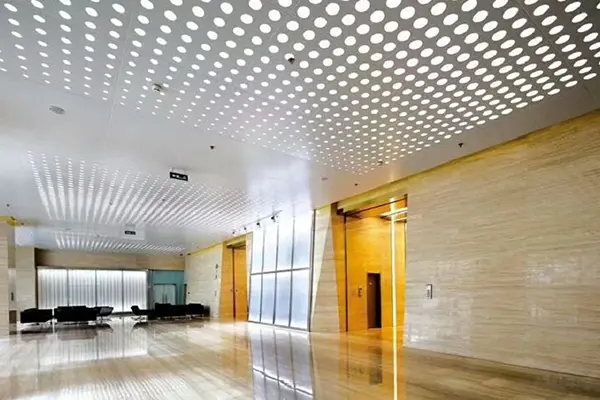
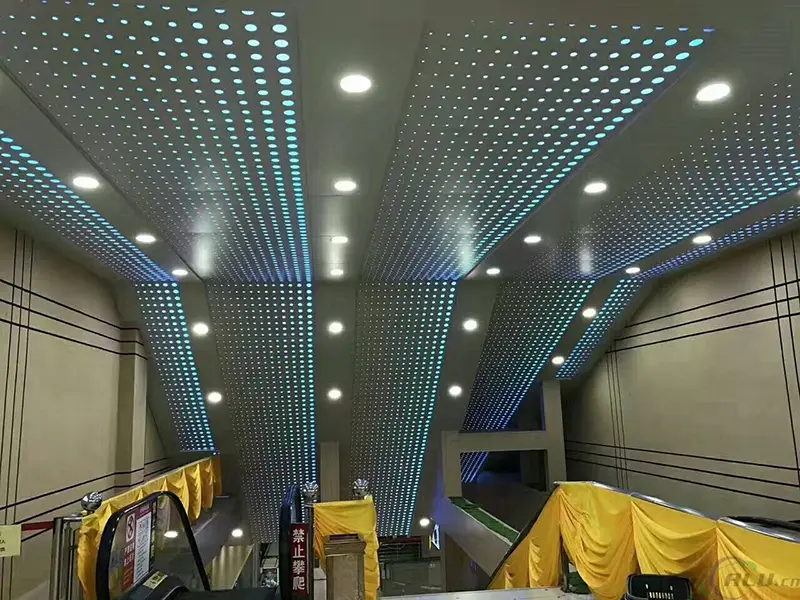
SENBO perforated profiled panels were used extensively for stadium ceilings to resolve issues with echoing and noise. The panels also facilitate natural lighting and ventilation. Available in various colors, they offer a clean, aesthetic look and are easy to install and join, significantly shortening the construction schedule.
3. Highway and Rail Transit Noise Barriers
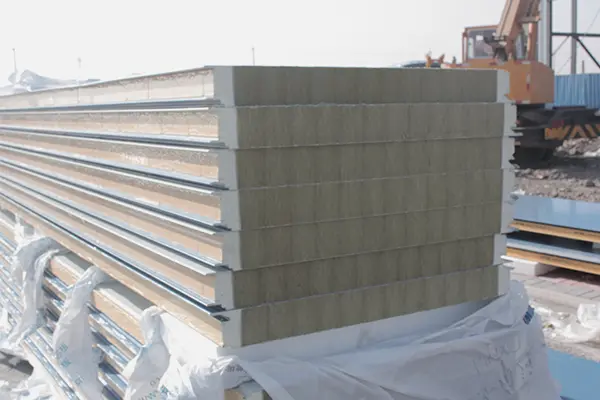
By combining SENBO perforated profiled panels with rock wool for noise barriers, road traffic noise was reduced to meet local compliance standards. The panels are resistant to rain and snow corrosion. Sections installed in coastal areas have shown no rust or damage after three years of use.
Verified Product Specifications
All specifications listed below are subject to factory test reports and material certificates. Copies are available upon request.
1. Base Material: Hot-dip galvanized or Alu-zinc color-coated steel, aluminum alloy, 304/316 stainless steel. Coating options include PE (polyester), HDP (high durability), and PVDF (fluorocarbon). These coatings offer wear and UV resistance with an outdoor service life of 10–30 years.
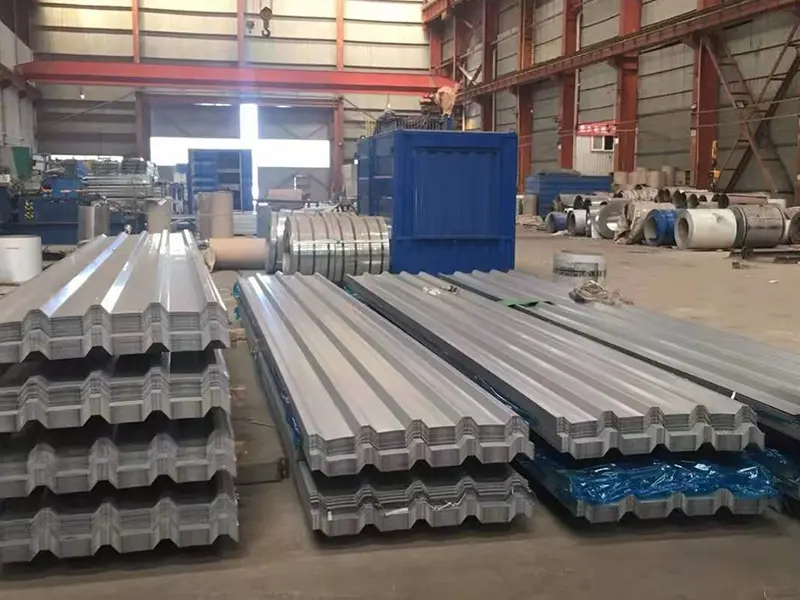
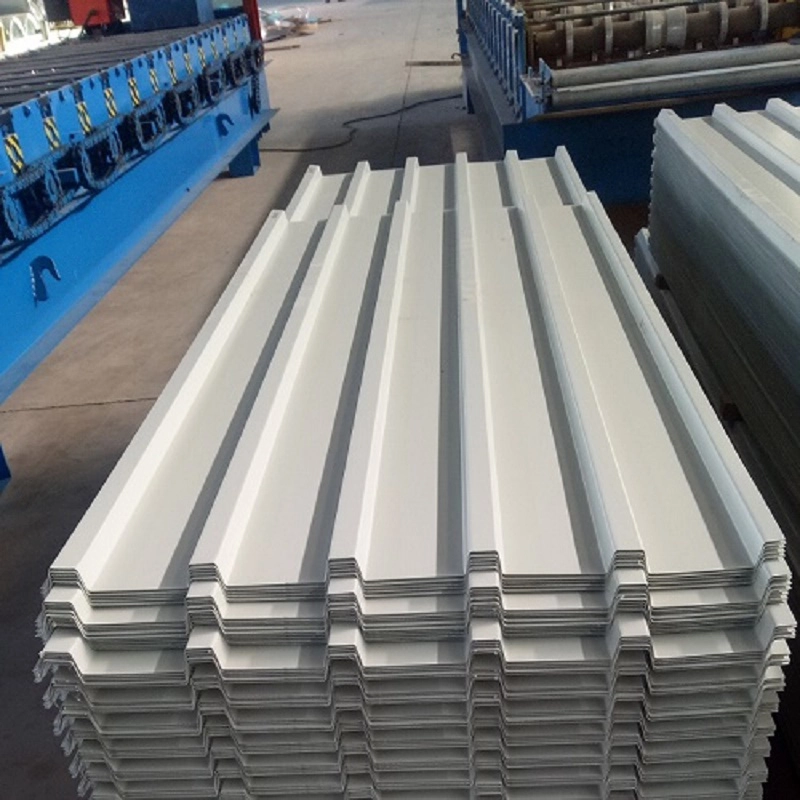
2. Standard Effective Width: 840mm, 900mm, or 950mm. Standard model features a 35mm rib height. Custom wave profiles are available upon request.
3. Panel Thickness: 0.4–1.2mm. 0.5–0.6mm is typically used for standard projects, while 0.8–1.0mm is used for long-span roofing.
4. Perforation Specifications: Hole diameters from Φ3mm to Φ12mm. Patterns include round, oblong, square, and staggered plum-blossom holes. Open area ratio is adjustable from 10% to 40% as needed.
5. Load-bearing Standards: Maximum uniform load capacity of 1.2kN/m². Suitable for standard roofing, ceiling, and enclosure projects. Wind pressure resistance meets national standards for building enclosure panels.
6. Fire Performance: The galvanized substrate is Class A non-combustible. Combined with a rock wool infill layer, it meets fire safety standards for industrial facility enclosures.
Key Advantages
1. Verified by real-world data, no exaggerated claims. All parameters regarding load-bearing capacity, noise reduction, and ventilation are derived from eight months of field testing and professional laboratory analysis.
2. Optimized structural design for high strength and deformation resistance. Features an integrated design with staggered perforations and raised ribs. Flexural load-bearing capacity is increased by 22%–28% under specified test conditions, ensuring no sagging over long-term use across wide spans.
3. Resonant sound absorption and noise reduction for diverse environments. Standard acoustic perforations paired with an infill layer achieve a Noise Reduction Coefficient (NRC) of up to 0.9, effectively mitigating noise from industrial operations, traffic, and large venues.
4. Comprehensive factory quality control and long-lasting weather resistance. Produced on automated lines with four-stage inspections (base material, perforation, coating, and finished product). Corrosion and weather resistance ensure suitability for long-term outdoor use.
5. High level of customization. Perforation patterns, open area ratios, panel thickness, colors, and corrugation profiles can be tailored to project blueprints, balancing functionality with architectural aesthetics.
Target Users and Project Applications
1. Steel-structure factories, production workshops, and generator rooms requiring noise reduction and ventilation.
2. Public buildings with specific acoustic requirements, such as stadiums, exhibition centers, and lecture halls.
3. Noise barrier projects for highways, urban light rail, and subway systems.
4. Commercial complex facades, sun-shading partitions, and interior decorative ceilings.
Are you looking for a multifunctional perforated profiled panel that offers structural stability, sound absorption, ventilation, heat dissipation, and weather durability? Choose SENBO. We combine expertise in structural mechanics, acoustics, and ventilation engineering, validated by real-world field testing and backed by standardized quality control from our own domestic factory.
As a reliable supplier of construction materials, we provide direct factory-customized perforated profiled panels. We offer a one-stop solution for diverse building envelope needs including industrial noise reduction, venue acoustics, traffic noise barriers, and decorative facades, ensuring a balance of practical performance and long-term durability. Choose SENBO perforated profiled panels today to experience an integrated solution that combines structural strength, sound absorption, and ventilation capabilities.
Frequently Asked Questions
1. What perforation rate should I choose for sound absorption?
For most acoustic applications, an open area ratio between 15% and 25% is recommended. A 20% perforation rate combined with a 50mm rock wool backing achieves an NRC of 0.7–0.9, suitable for industrial and public building noise control.
2. What is the recommended panel thickness for roofing?
For long-span roofing, we recommend a panel thickness of 0.8–1.0mm to ensure sufficient load-bearing capacity and resistance to wind uplift. For standard wall or ceiling applications, 0.5–0.6mm is generally adequate.
3. Can these panels be used in coastal or highly corrosive environments?
Yes. We offer Alu-zinc coated steel, aluminum alloy, and 304/316 stainless steel substrates with PVDF or HDP coatings. These options provide excellent corrosion resistance and have been used successfully in coastal areas with no rust after three years of service.
4. Do you provide samples and technical support before ordering?
Absolutely. We provide free samples for evaluation and our engineering team offers technical consultation on perforation design, structural calculations, and installation guidance. Please contact us with your project requirements.
5. What information do I need to provide for a quotation?
Please provide the panel type, dimensions, perforation pattern and open area ratio, substrate material and coating, quantity, and any special requirements such as fire rating or acoustic target. Our team will prepare a detailed quotation and lead time.
Hot Tags: Perforated Profiled Metal Panels Manufacturer, Custom Perforated Panels, Profiled Metal Panels Supplier
Send SENBO an inquiry for steel building materials. Request a free quote, sample or bulk order price list. Our sales team responds within 24 hours with factory direct pricing, stock availability and shipping options.
We use cookies to offer you a better browsing experience, analyze site traffic and personalize content. By using this site, you agree to our use of cookies.Privacy Policy