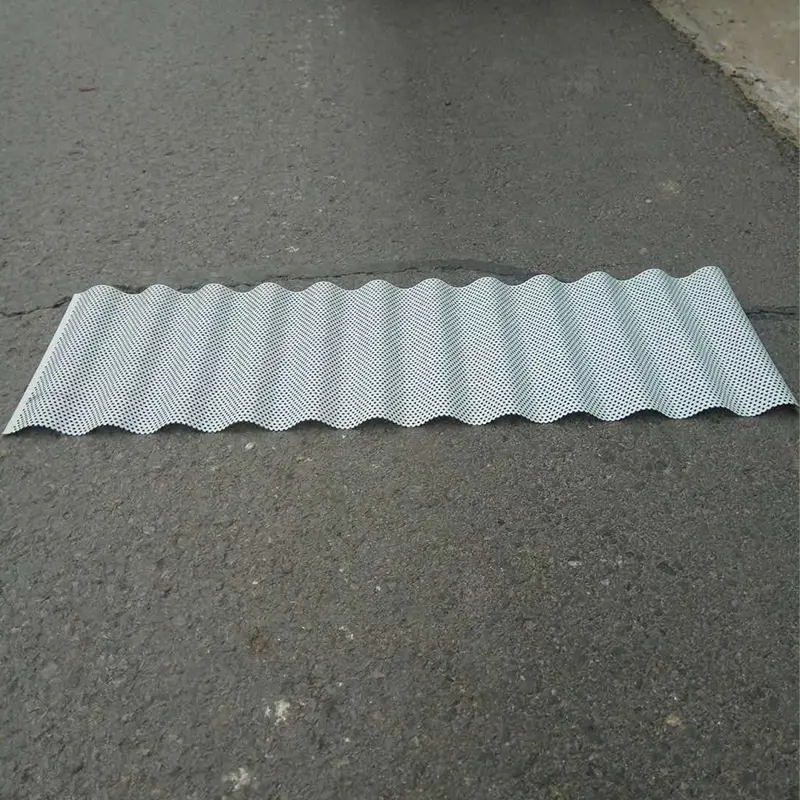
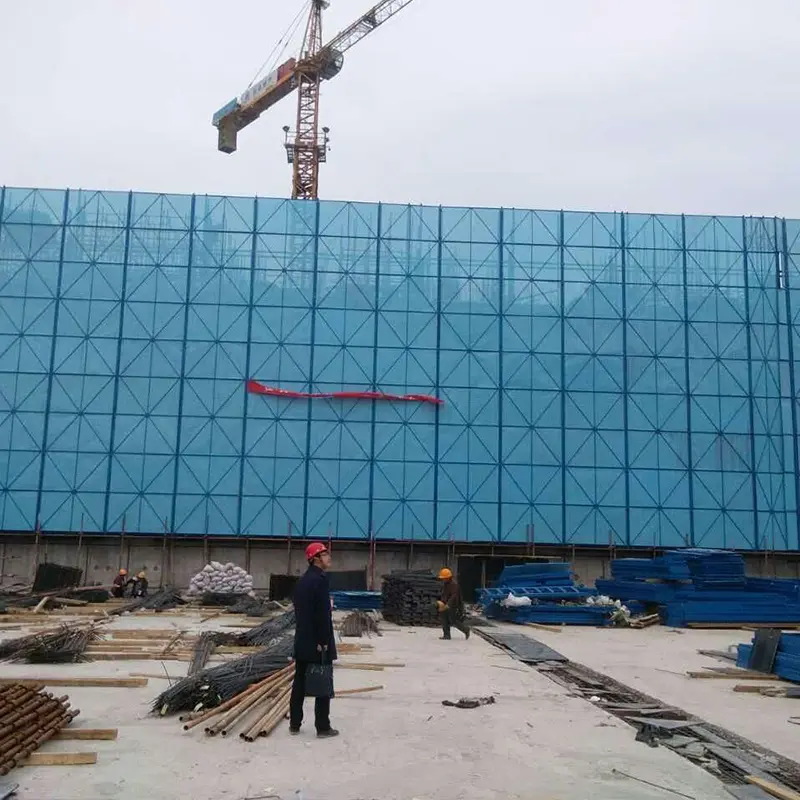
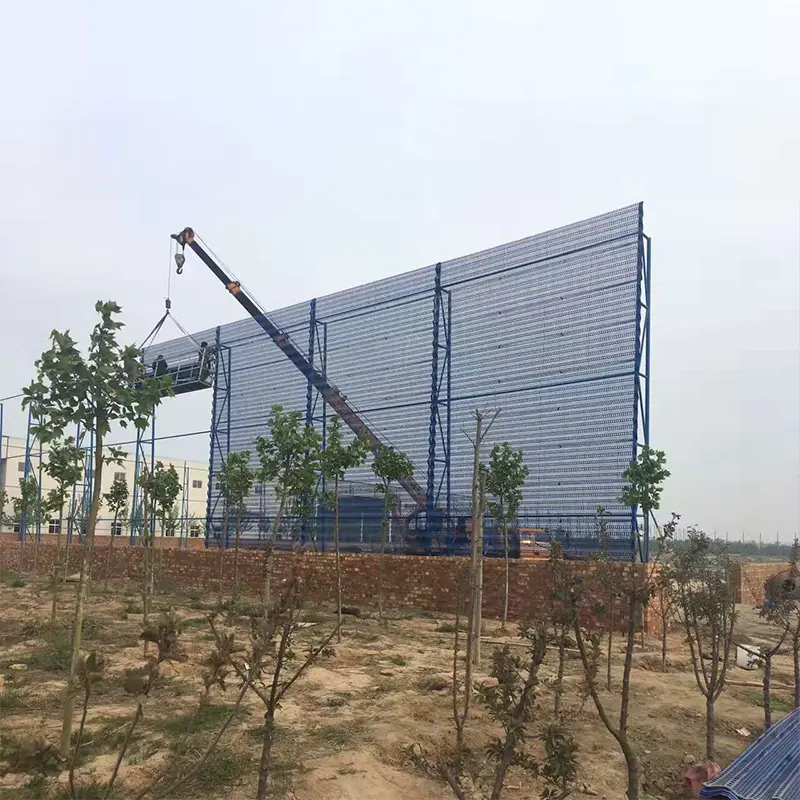
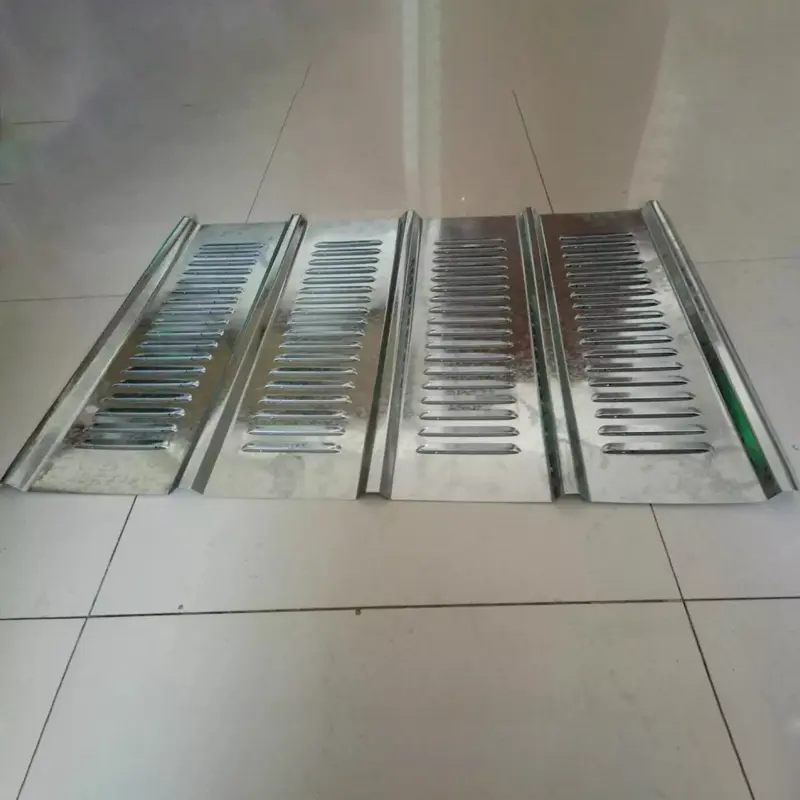
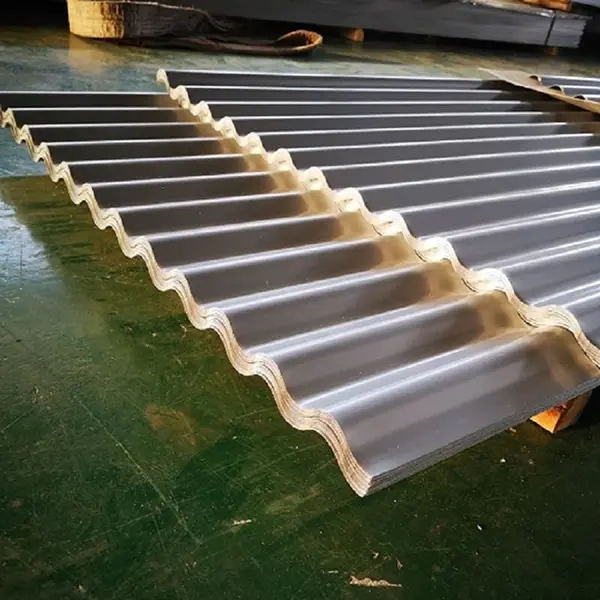
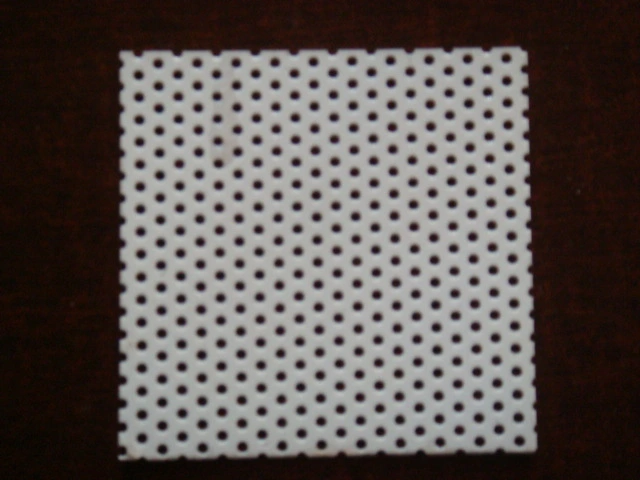
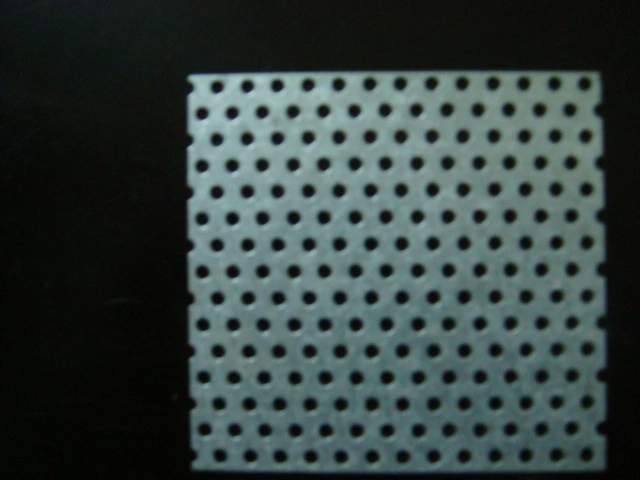
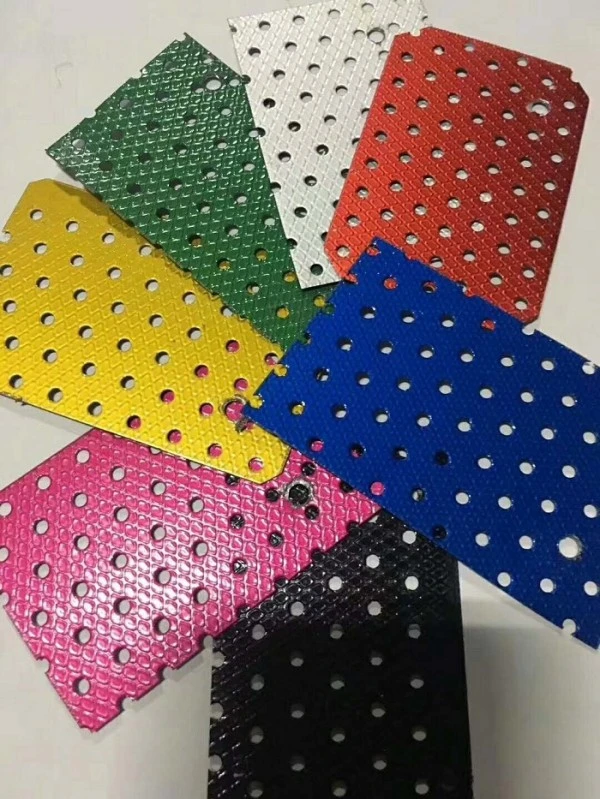
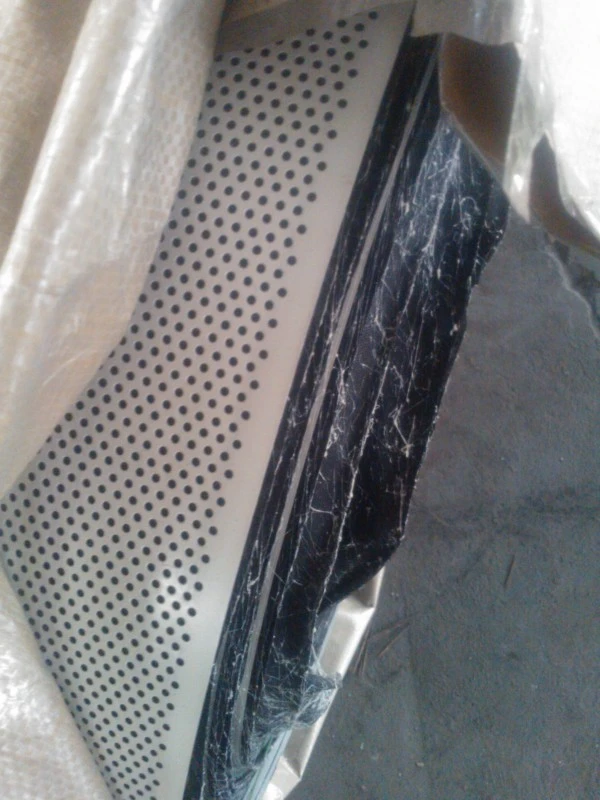
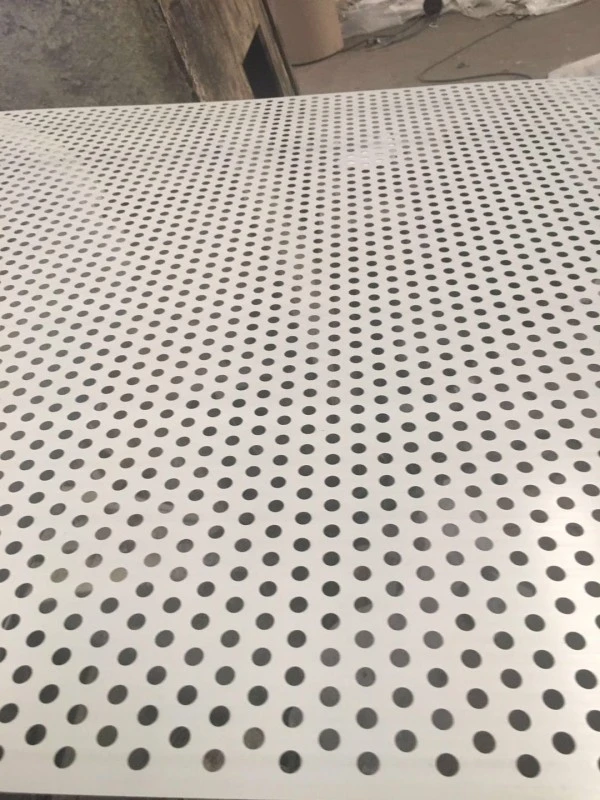
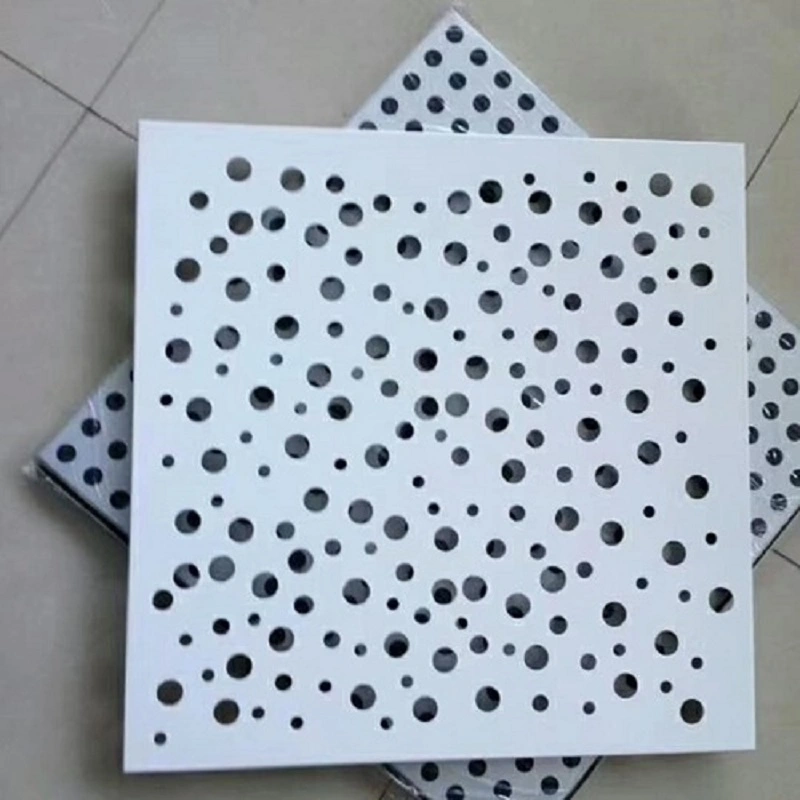
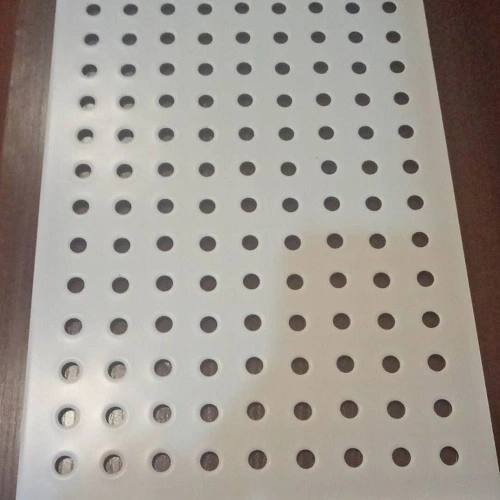
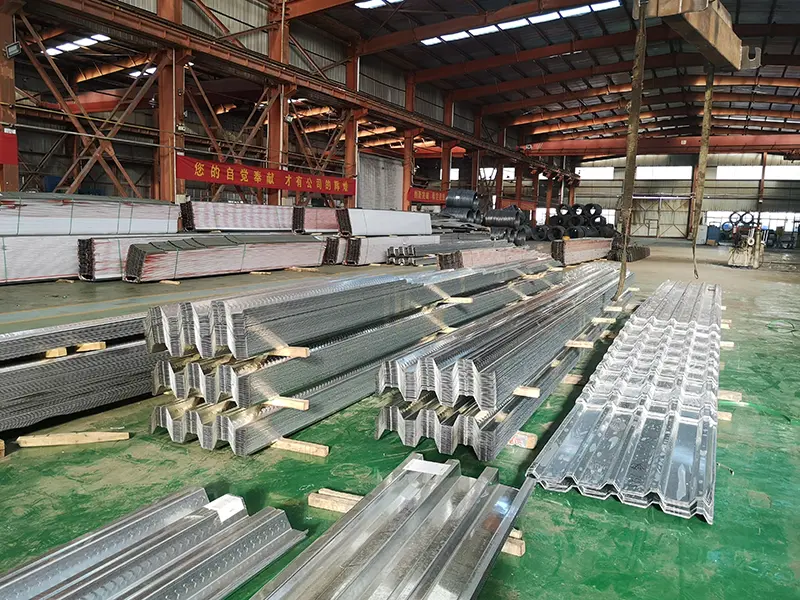
SENBO Color Steel Perforated Sheet, CNC-punched in stainless steel, aluminum, galvanized or color-coated steel, provide sound absorption, ventilation and decorative effects. NRC>0.8, load≥5kN/m², Class A non-combustible. Ideal for noise barriers, acoustic decoration, equipment guards, filtration. Buy SENBO perforated sheets at factory price.
Perforated metal sheets, also known as perforated panels or perforated mesh, are produced by punching hole patterns into metal sheets. SENBO Building Materials supplies these products for architectural, acoustic, and industrial applications, with a focus on dimensional accuracy and material traceability.
The choice of base material depends on the operating environment and performance requirements. Three material groups are commonly used:
304 stainless steel: Provides corrosion resistance suitable for outdoor and chemically aggressive environments. A representative sample has shown no rust after 1000 hours of salt spray testing under ASTM B117 conditions. Actual performance depends on surface finish and edge preparation.
Aluminum alloy (e.g., 6061): Offers low density (approximately 2.7 g/cm³) combined with good strength. The material can be anodized or powder coated for enhanced surface durability and appearance.
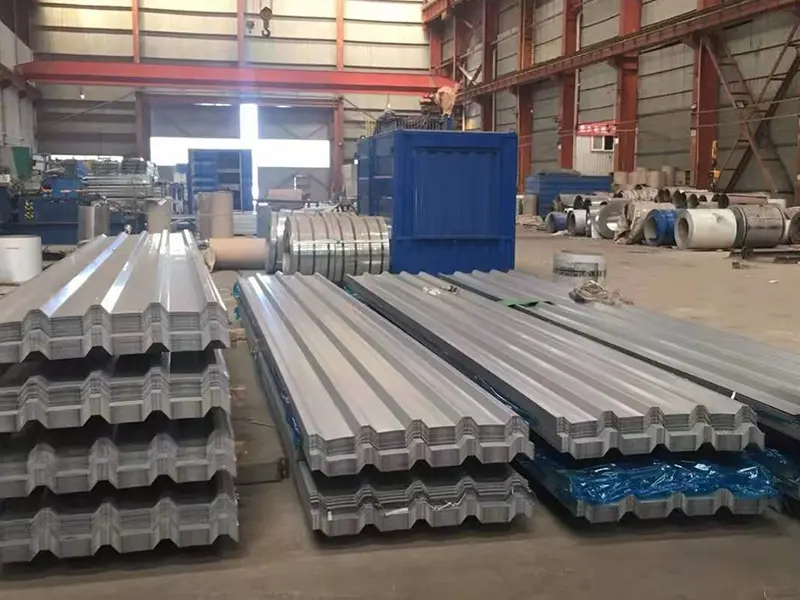
Q235 galvanized or color-coated steel: An economical option for general architectural and industrial use. Surface protection is typically achieved through hot-dip galvanizing followed by electrostatic powder coating.
Manufacturing Process and Dimensional Range
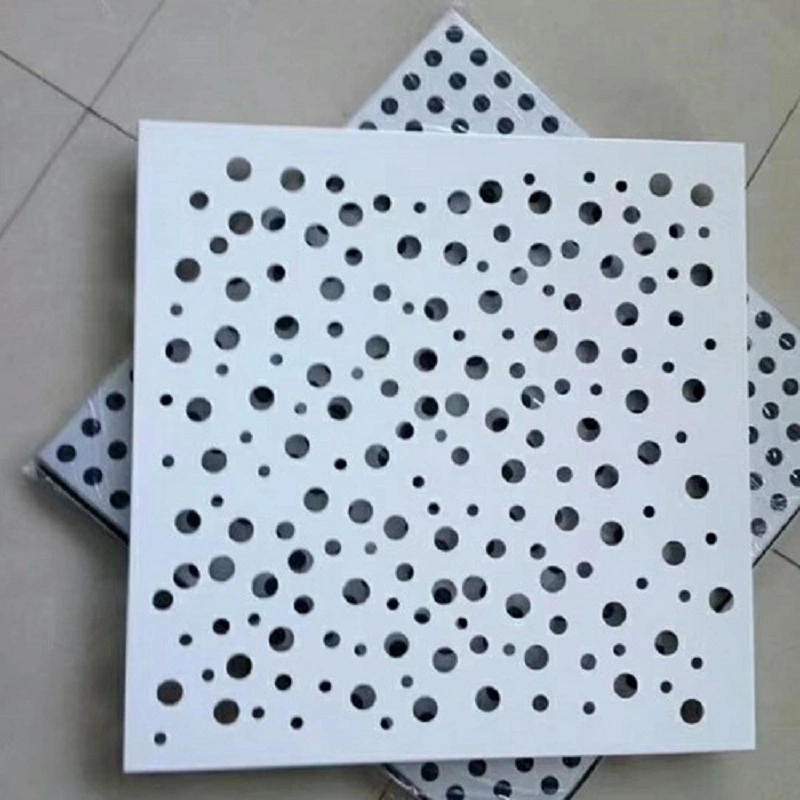
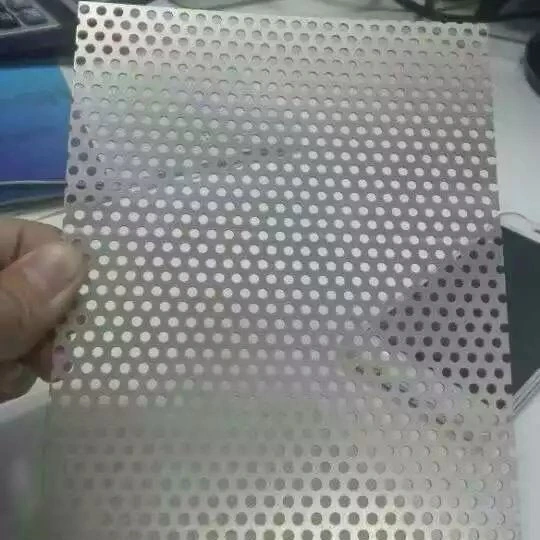
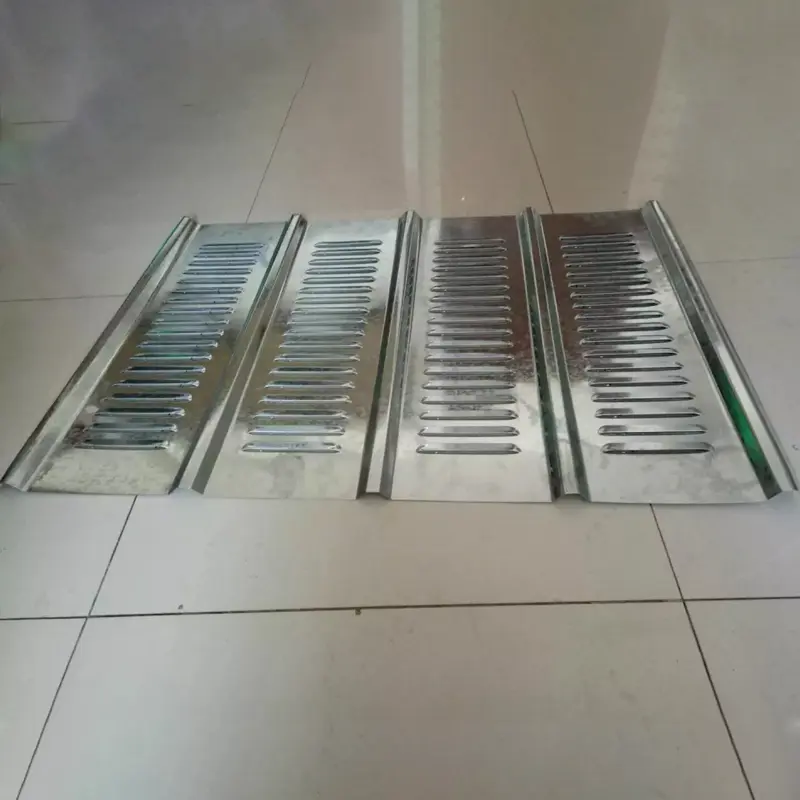
High-speed CNC punching equipment produces over 20 perforation patterns, including round, square, slotted, hexagonal, cross, fish-scale, and plum-blossom shapes. The process allows precise control of hole diameter, spacing, and open area ratio.
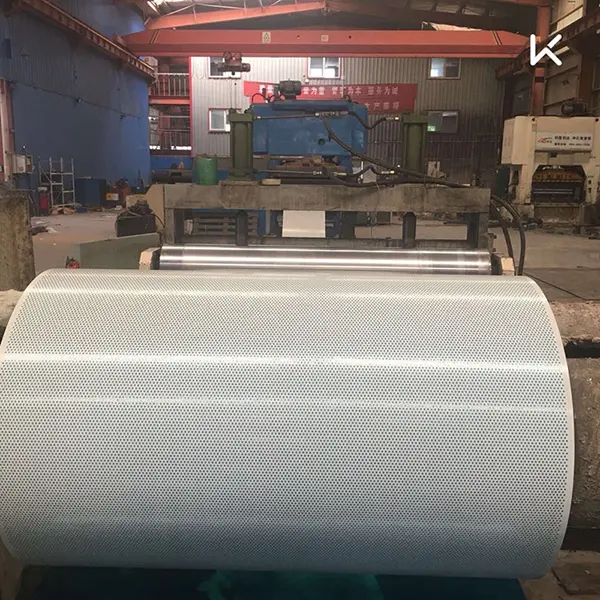
Flat sheets can be produced in thicknesses from 0.1 mm to 15 mm, with hole diameters ranging from 0.1 mm to 200 mm. Coiled sheets are available in thicknesses from 0.2 mm to 1.5 mm, with a maximum width of 1250 mm and hole diameters from 0.5 mm to 10 mm. For architectural applications, common thicknesses range from 0.5 mm to 2.0 mm, with hole diameters between 3 mm and 20 mm. Open area ratios from 15% to 60% are typical, and hole diameter tolerance is controlled within ±0.1 mm.
Surface Treatment Options
Aluminum alloy sheets can be anodized to create a hard, dense oxide layer that improves corrosion resistance and surface hardness. Powder coating offers an environmentally friendly finish with good weather and chemical resistance. Electrophoretic coating provides uniform coverage with strong adhesion.
Steel sheets are usually protected by hot-dip galvanizing followed by electrostatic powder coating, with a typical coating thickness of at least 60 μm.
Measured Performance Characteristics
1. Acoustic Performance: NRC Values from Laboratory Testing
Perforated sheets contribute to sound absorption when installed with an air gap or a porous backing material. Sound waves entering the holes lose energy through friction and viscous effects at the opening surfaces.
Sound absorption coefficients were measured at specified octave-band frequencies according to ASTM C423 for a representative assembly consisting of a hexagonal-hole aluminum panel with a porous backing layer and an air cavity. The resulting Noise Reduction Coefficient (NRC) was 0.8 or higher for that tested configuration. The actual NRC for a specific installation depends on panel thickness, hole size, perforation rate, backing material, air cavity depth, and mounting method. Test reports are available upon request.
2. Mechanical Properties and Load Capacity
Mechanical performance depends on the base material, thickness, and perforation pattern. Structural load capacity should be calculated according to the applicable design standard based on panel thickness, perforation geometry, support spacing, span, and fastening method. For reference, a 3 mm thick steel panel with square perforations (10 mm aperture) and a specified support span has been verified to withstand a uniformly distributed load of 5 kN/m² through engineering calculation. Detailed calculation notes can be provided on request.
Panels with circular perforations (20 mm aperture, 50% open area) show airflow resistance of 50 Pa or less when tested according to ISO 5801.
Corrosion resistance is verified through salt spray testing: a 304 stainless steel sample showed no rust after 1000 hours per ASTM B117; galvanized steel with hot-dip galvanizing and powder coating showed no peeling or rust after 500 hours under the same standard. Test reports are available.
3. Surface Durability and Weather Resistance
Anodized or powder-coated aluminum panels show improved resistance to corrosion, wear, and UV exposure. The performance of each surface treatment can be confirmed by relevant test reports supplied with the order.
4. Application Experience in Construction and Transportation
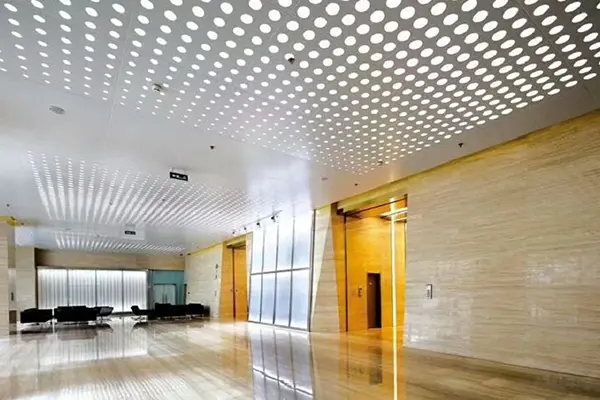
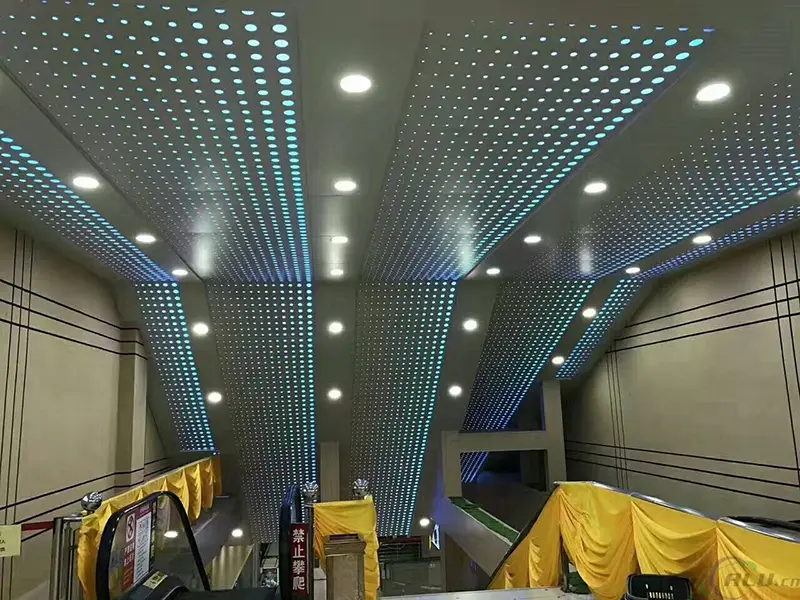
Perforated panels are used in transportation noise barriers, often combined with sound-absorbing material behind the perforated face. In public buildings such as airport terminals, railway stations, stadiums, and exhibition centers, the panels provide acoustic control while allowing visual design flexibility.
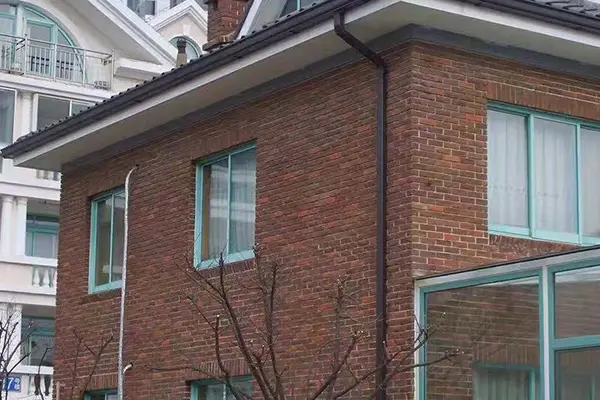
Architectural facades use perforation patterns to create semi-transparent effects and light-and-shadow variations. Documented examples include the metal facade of the Skylight Apartments in France and the library of the Central Academy of Fine Arts. For project-specific references and documentation, please contact our team.
Technical Specifications and Evidence Notes
The following parameters are based on standard production and relevant test standards. Where applicable, evidence documentation is available upon request.
0.5–2.0 mm (architectural); 0.1–15 mm (full range)
Aperture Range
0.5–200 mm (customizable)
3–20 mm common in architecture
Open Area Ratio
15%–60% (customizable)
Hole Pattern
Round, square, slotted, hexagonal, cross, fish-scale, plum blossom, etc.
Over 20 types available
Noise Reduction Coefficient (NRC)
≥0.8 (tested assembly: hexagonal-hole aluminum + backing + air cavity)
ASTM C423; test report available
Uniformly Distributed Load
5 kN/m² (3 mm steel, 10 mm square holes, specified span)
Engineering calculation; details on request
Corrosion Resistance
304 stainless: no rust after 1000 h salt spray; galvanized + powder: 500 h
ASTM B117; test reports available
Fire Performance
Steel substrate non-combustible
Complete assembly classification per applicable test
Max. Flat Panel Size
1450 × 3500 mm
Subject to material and pattern
Aperture Tolerance
±0.1 mm
CNC punching precision
Key Features and Practical Benefits
1. Verified Acoustic Performance. NRC above 0.8 has been confirmed for a specific tested assembly. When combined with appropriate backing and air cavity, the panels help reduce noise levels in traffic barriers and architectural acoustic systems.
2. Material Flexibility. Options include 304 stainless steel for corrosion resistance, aluminum alloy for lightweight decorative applications, and galvanized steel for economical general use.
3. Perforation Pattern Variety. More than 20 patterns are available, with customizable hole diameter and open area ratio to achieve the desired visual transparency, acoustic performance, and ventilation.
4. Weather-Resistant Finishes. Aluminum panels can be anodized or powder coated; steel panels use hot-dip galvanizing plus powder coating. Test reports for salt spray resistance can be provided.
5. Wide Application Range. Suitable for decorative acoustic treatment in public buildings, traffic noise barriers, industrial equipment guards, and filtration components.
Selection and Installation Guidance
For acoustic applications: Select the perforation pattern and open area based on the target frequency range. A porous backing material and an air gap significantly improve absorption. Use ASTM C423 test data for guidance, but verify performance for your specific assembly.
For outdoor facades: Choose 304 stainless steel or powder-coated aluminum for long-term corrosion resistance. Confirm that the panel thickness and profile meet the wind load requirements of the project location.
For industrial filtration: Specify the required hole diameter, spacing, and open area precisely. Dimensional tolerance control is critical for consistent filtering performance.
During installation: Handle panels carefully to avoid bending or damaging the perforated edges. Use appropriate fasteners and support framing. For acoustic assemblies, ensure that the backing material is installed without gaps or compression that could reduce performance.
Custom Manufacturing Support
We accept customer-provided drawings in common CAD formats (DXF, DWG) for custom perforation layouts. Our engineering team reviews hole geometry, edge distance, open area, and forming requirements before production. First article inspection and material certificates are available upon request.
Typical Application Areas
1. Sound barrier systems for traffic noise control along highways, railways, and subways.
2. Interior sound-absorbing decoration for large public buildings, including airport terminals, high-speed railway stations, stadiums, and exhibition centers.
3. Architectural facades, ceilings, and partitions that create light-and-shadow effects and semi-transparent visual designs.
4. Protective covers for industrial equipment, heat dissipation panels, and speaker grilles.
5. Industrial filtration and screening for chemical machinery, pharmaceutical equipment, and food processing machinery.
Frequently Asked Questions
1. How should perforation size and open area be selected for an acoustic ceiling?
The selection depends on the target frequency range and the backing material. For general speech-range absorption, an open area of 20–30% with hole diameters of 3–6 mm is common. A thicker porous backing and a deeper air cavity improve low-frequency absorption. We recommend testing a representative assembly or consulting an acoustics specialist for critical spaces.
2. What is the difference between perforated metal sheets and expanded metal sheets?
Perforated sheets are punched from solid metal, leaving a clean, uniform hole pattern with a high degree of precision. Expanded metal is slit and stretched, creating a mesh with diamond-shaped openings and a textured surface. Perforated sheets typically offer better flatness and a wider range of decorative patterns, while expanded metal is often lighter and less expensive for certain industrial applications.
3. Can perforated metal sheets be bent or formed after punching?
Yes, but the extent depends on the material, thickness, and perforation pattern. Highly open patterns reduce formability. If forming is required, the punching layout should be designed to avoid excessive stress at hole edges. Discuss forming requirements with our engineering team during the design phase.
4. Which material should I choose for a coastal facade application?
For coastal environments, 304 stainless steel or aluminum alloy with a suitable anodized or powder-coated finish is usually recommended. Stainless steel offers the highest corrosion resistance, while aluminum is lighter. Avoid standard galvanized steel unless it has additional protective coatings suitable for the specific conditions.
5. Does a higher open area always provide better sound absorption?
Not necessarily. While a higher open area allows more sound to reach the backing material, there is an optimal range. Above a certain threshold, the panel's mass and stiffness decrease, which can reduce low-frequency performance. The interaction between open area, hole diameter, backing material, and cavity depth determines the overall absorption. Testing or simulation is recommended for precise results.
About SENBO Building Materials
Tianjin SENBO Building Materials Technology Co., Ltd. is a manufacturer of perforated metal sheets, perforated Al-Mg-Mn panels, perforated rock wool composite panels, and other metal envelope products. Our production base is located in Jinghai Economic Development Zone, Tianjin, China, equipped with automated production lines and a four-stage quality inspection process. For more information about our factory, certifications, testing capabilities, and project references, please visit our About Us page or contact our engineering team.
Hot Tags: Color Steel Perforated Sheet Manufacturer, Perforated Metal Sheet Supplier, Colored Perforated Metal Sheet Wholesale
Send SENBO an inquiry for steel building materials. Request a free quote, sample or bulk order price list. Our sales team responds within 24 hours with factory direct pricing, stock availability and shipping options.
We use cookies to offer you a better browsing experience, analyze site traffic and personalize content. By using this site, you agree to our use of cookies.Privacy Policy