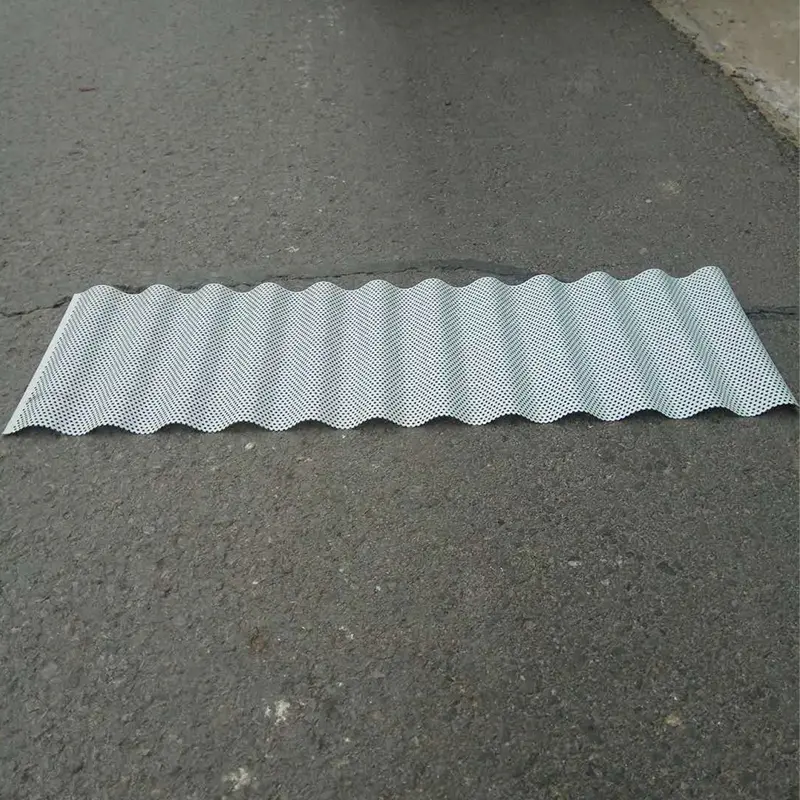
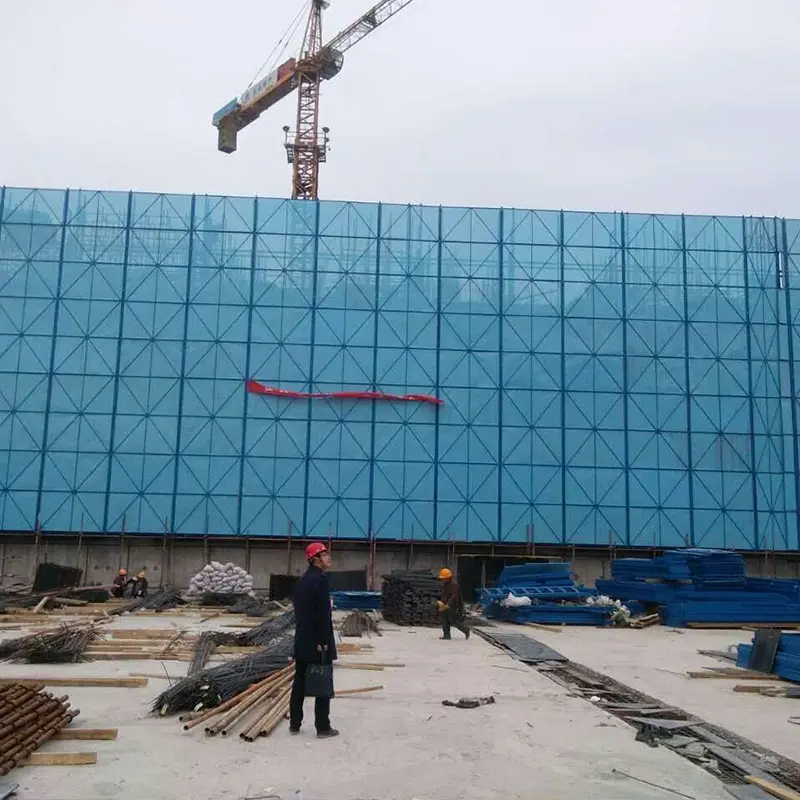
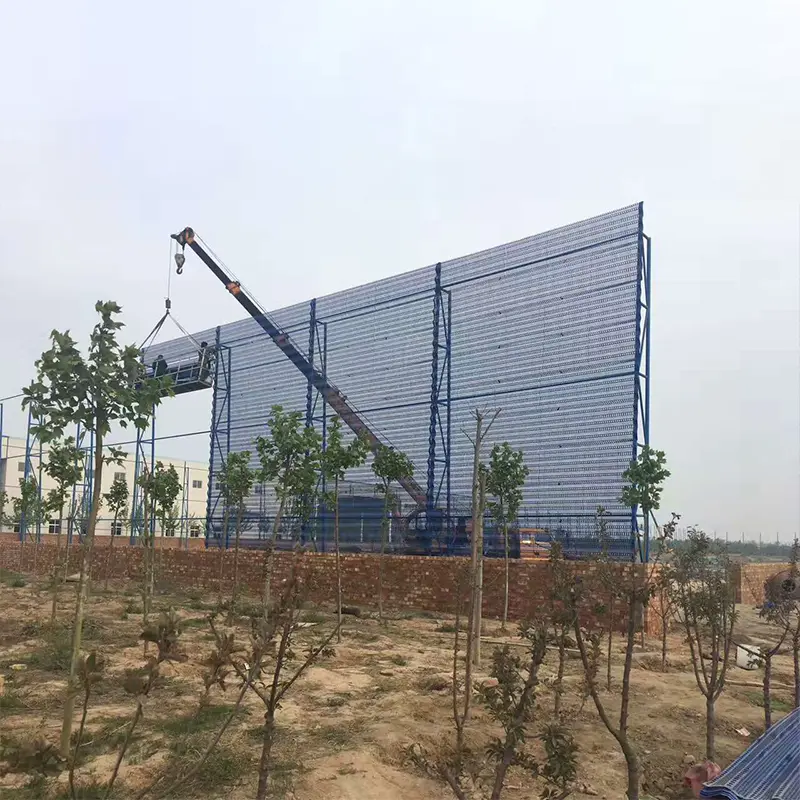
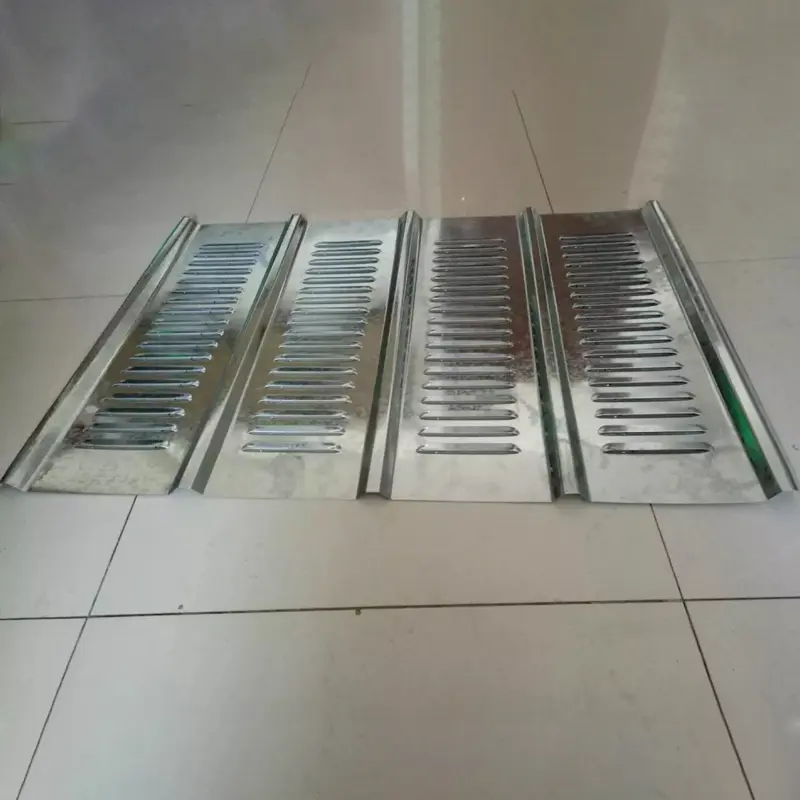
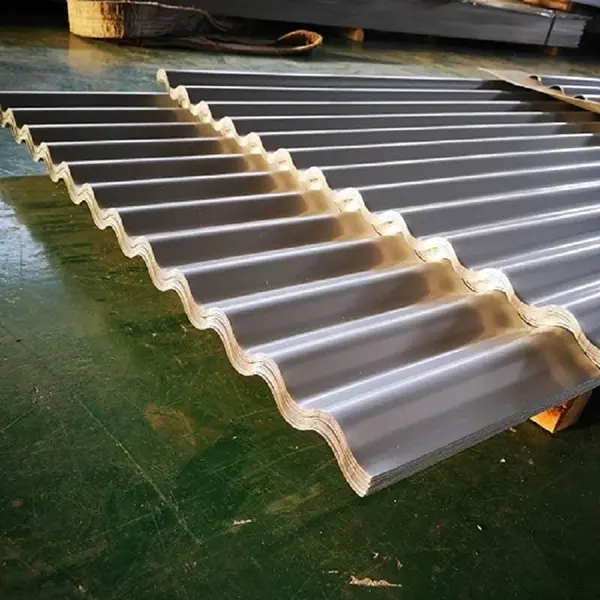
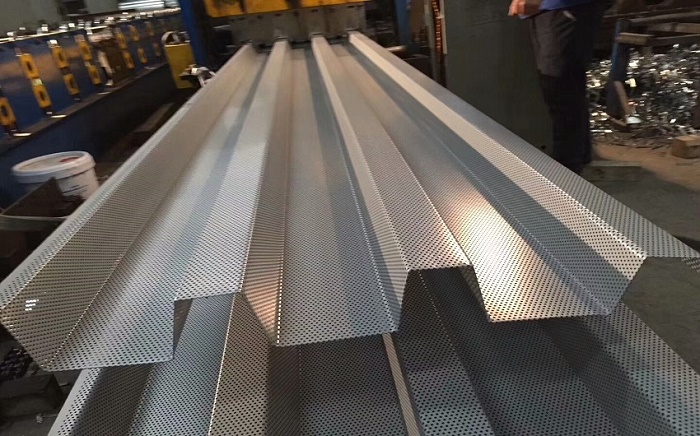
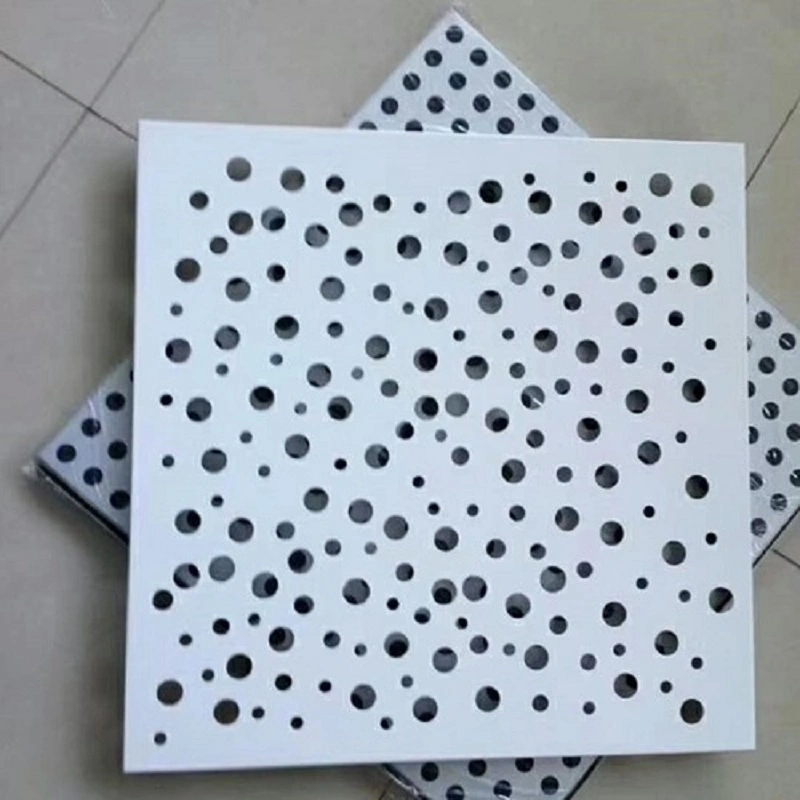
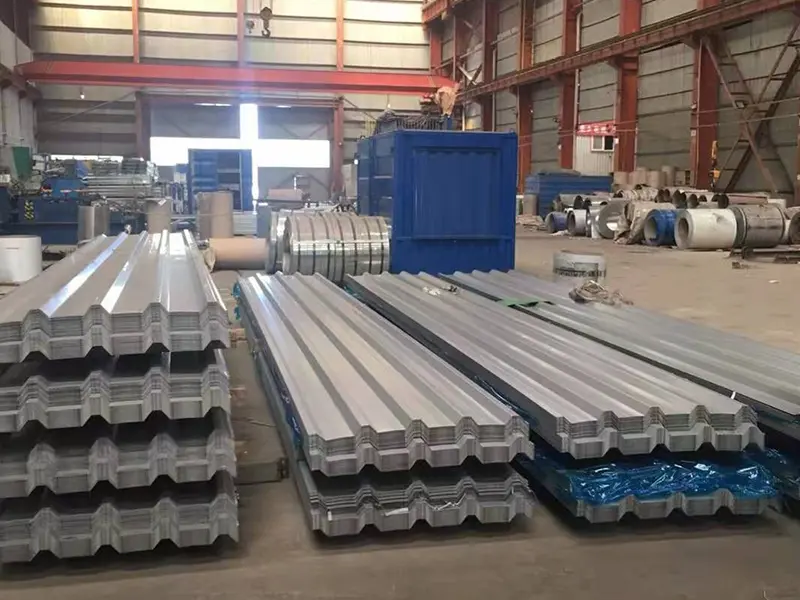
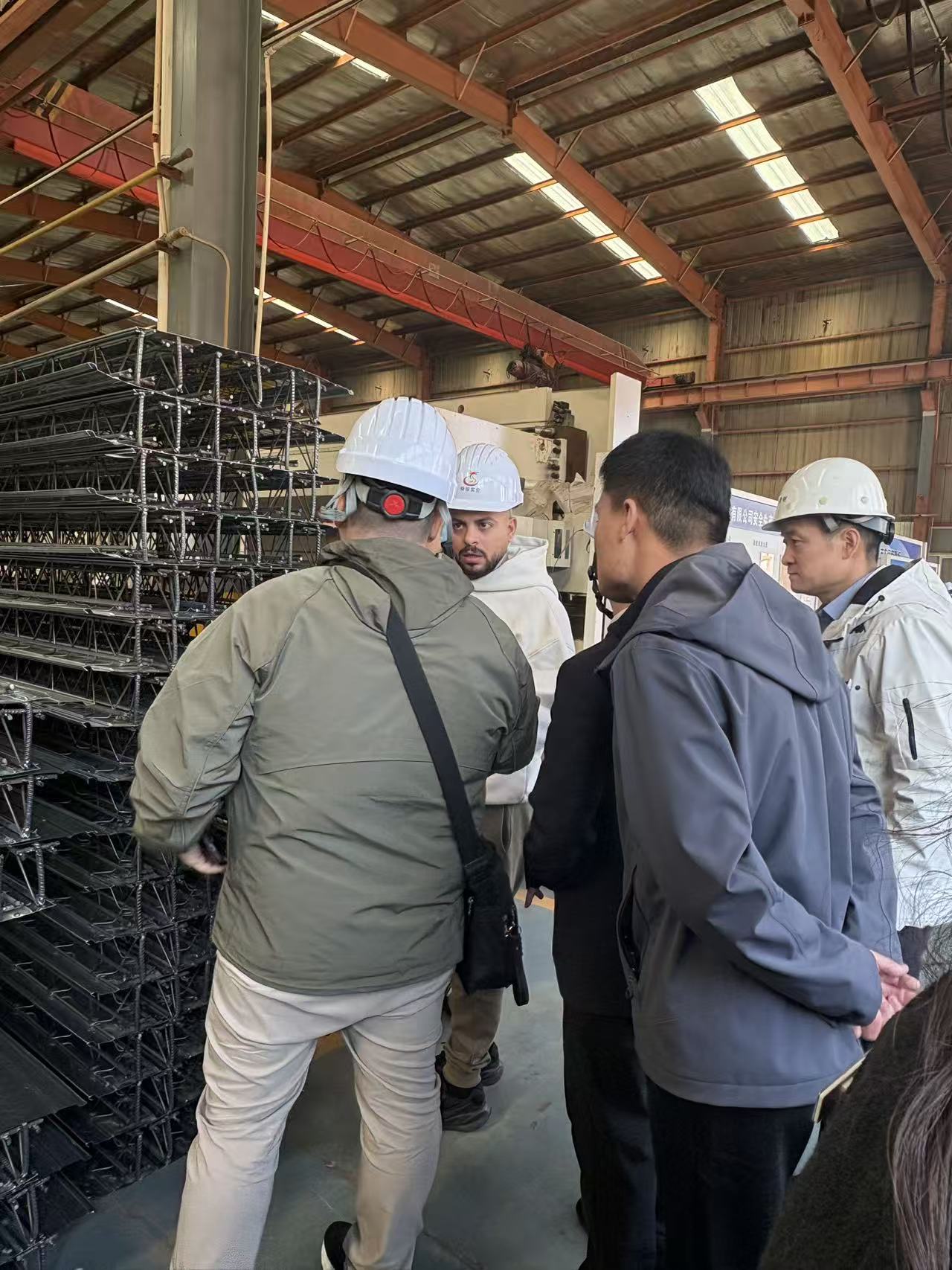
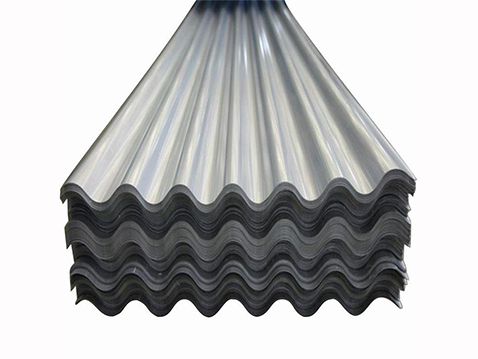
Shengbo manufactures Alu-Zinc coated perforated panels on high-speed, precision production lines in Tianjin. Combining atmospheric corrosion resistance 2–6 times superior to standard galvanized steel, the ability to withstand over 1,500 hours of salt spray testing without red rust, and a versatile aperture range of 2.5–200 mm, these sheets serve as the material behind roofing substrates, wall panels, ceiling systems, equipment protective guards, and ventilation panels for home appliances.
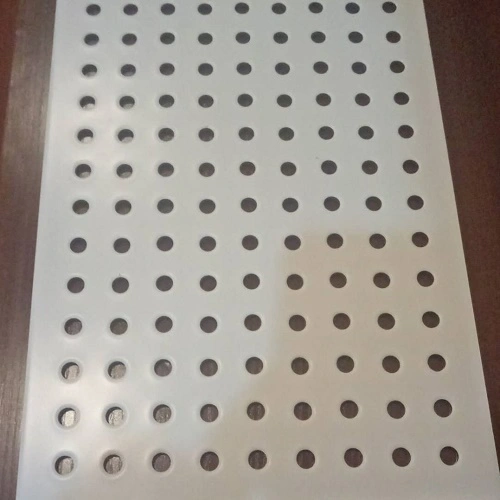
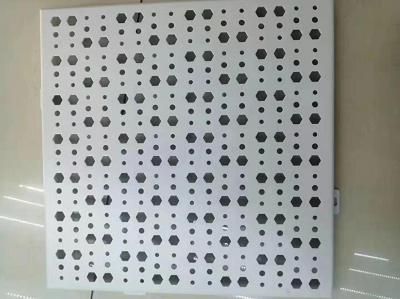
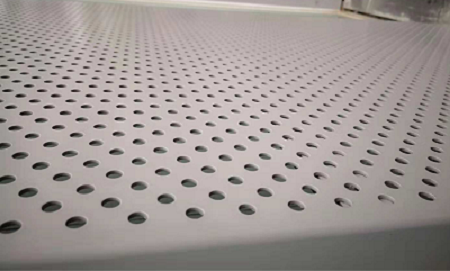
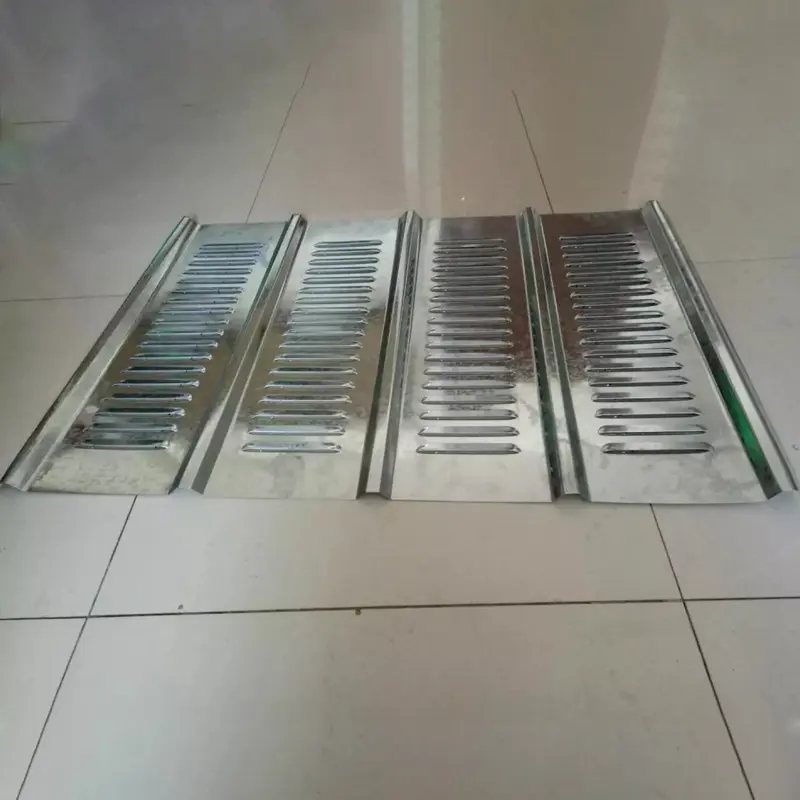
The starting point for Alu-Zinc coated perforated panels is a substrate long trusted by engineers: continuous hot-dip Al-Zn coated steel sheet (AZ sheet) compliant with GB/T 14978-2008, featuring a coating composition of 55% aluminum, 43.5% zinc, and 1.5% silicon. CNC punch presses or high-speed precision punching lines create various perforation patterns—round, square, rectangular, hexagonal, fish-scale, or louvered—transforming a corrosion-resistant sheet into a functional panel that offers ventilation, filtration, sound absorption, and decorative appeal.
Why the 55% Al-Zn coating works
Its performance stems from the coating's chemistry:
Aluminum forms a dense, self-sealing alumina film on the surface, isolating the steel substrate from corrosive agents, while zinc provides electrochemical sacrificial anode protection at the base layer. Working in synergy, these elements grant the flat surface ofAlu-Zinc coated perforated panels atmospheric corrosion resistance two to six times greater than that of standard hot-dip galvanized sheet; in ASTM B-117 salt spray tests, the time until the first appearance of red rust on Alu-Zinc coated perforated panel is 18 times longer than on galvanized steel. For an AZ150 coating, this translates to over 1,500 hours of exposure to neutral salt spray without red rust on the flat surface.
The high aluminum content offers two additional benefits:
First is heat reflection: the coating effectively reflects thermal radiation, reducing heat gain in roofs and walls and lowering air-conditioning loads. Second is appearance: the dense, uniform spangle texture is aesthetically pleasing even when left uncoated—high-quality steel mills produce uniform, attractive spangles suitable for direct use in architecture and home appliances—while also serving as an excellent substrate for painting.
A technical fact that distinguishes professionals from laypeople: while Al-Zn coatings provide outstanding protection for flat surfaces, their protection of punched edges is inferior to that of pure zinc coatings—and far less effective than that of Zinc-Aluminum-Magnesium (ZAM) coatings, which offer edge self-healing capabilities. The exposed steel substrate at the edges of the perforations requires protection. The standard, proven solution is simple: punch the holes first, then apply the coating. A polyester coating (≥25 μm on the front / ≥5 μm on the back) or fluorocarbon coating seals the edges of every perforation, addressing the vulnerability of cut edges while simultaneously enhancing weather resistance and offering color options. We strictly follow this production process for all outdoor orders.
Selection based on coating weight: AZ100 to AZ200.
Grade
Coating weight
Character
Recommended use
AZ100
≥100 g/m²
Economy, general indoor
Indoor ventilation, decorative ceilings
AZ150
≥150 g/m²
Balanced, good corrosion resistance
Roofing underlay, wall decoration
AZ165
≥165 g/m²
Reinforced, outdoor grade
Industrial envelope, sound barriers
AZ200
≥200 g/m²
High-corrosion, severe service
Coastal general environments, humid industrial plants
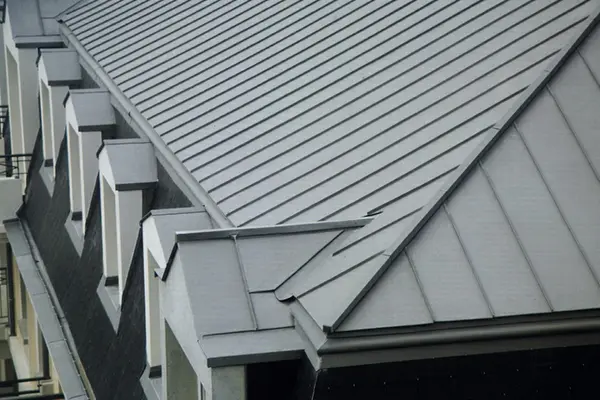
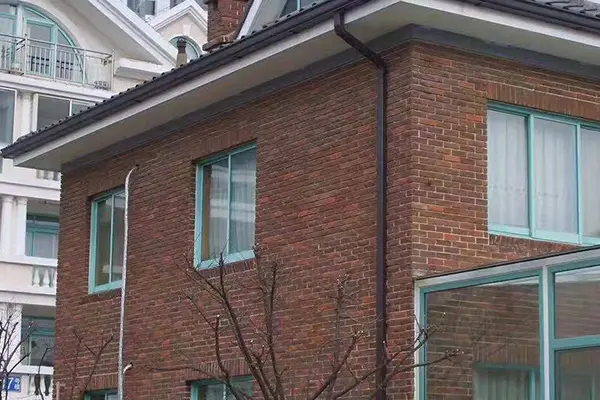
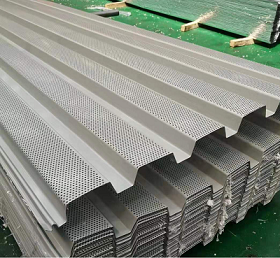
Alu-Zinc coated perforated panels serve as the roof substrate (supporting layer) combined with sound-absorbing insulation—providing both structural support and noise reduction in a single solution. The T3 Terminal expansion project at Changsha Airport utilizes this exact assembly: 0.8 mm perforated profiled Al-Zn sheet (grade S300GD+AZ), with a 75 g/m² Al-Zn coating on each side; profile type YX35-190-950; web perforation diameter of 5.0 mm with a 15% perforation rate; and a double-sided polyester coating (≥25 μm front / ≥5 μm back).
Acoustic Engineering:
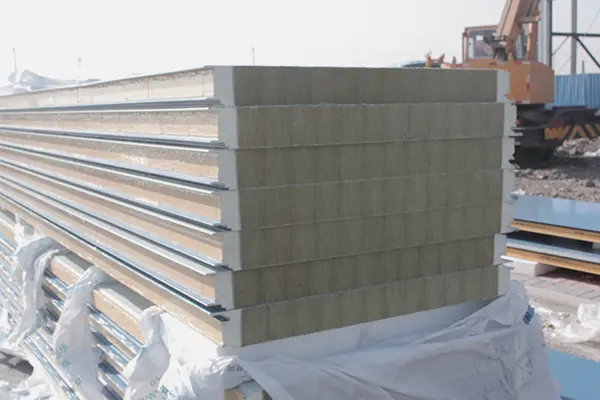
Glass wool or rock wool is installed behind the sheets to create a Helmholtz resonance sound-absorbing structure, suitable for theaters, studios, workshops, offices, stadiums, and libraries. This setup reduces indoor sound pressure while the all-metal and inorganic insulation composition meets Class A non-combustible fire safety standards for public buildings.
Industrial Plants and Warehouses:
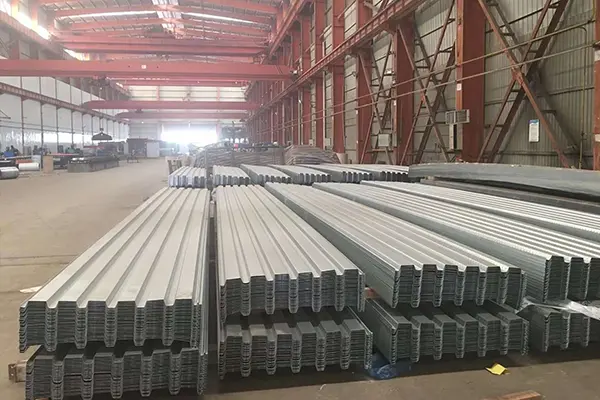
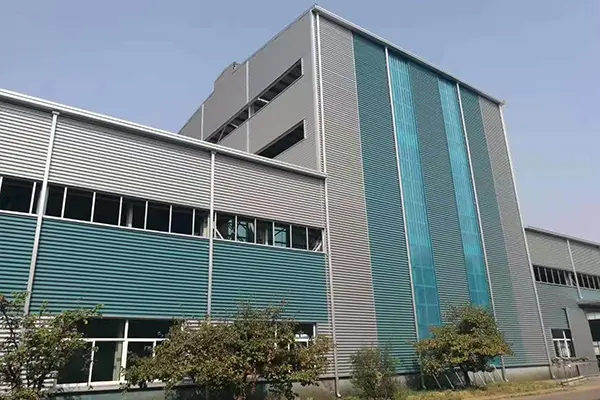
Roofing and wall cladding systems for factories, logistics centers, and renovated industrial facilities. Lightweight, quick-to-install profiled sheets are ideal for projects with tight schedules or limited site space, while the Al-Zn coating ensures the envelope system remains rust-free for years.
Ventilation and Equipment Protection:
Ventilation mesh panels, machinery guards, HVAC outlet panels, and noise attenuation panels—the coating's heat-reflective properties also help lower equipment temperatures slightly.
Home Appliances and Electronics:
Anti-fingerprint treated sheets used for appliance casings, electronic ventilation panels, and backlight modules—offering a cost-effective, high-quality solution for products requiring superior surface finishes.
Interior and Commercial Spaces:
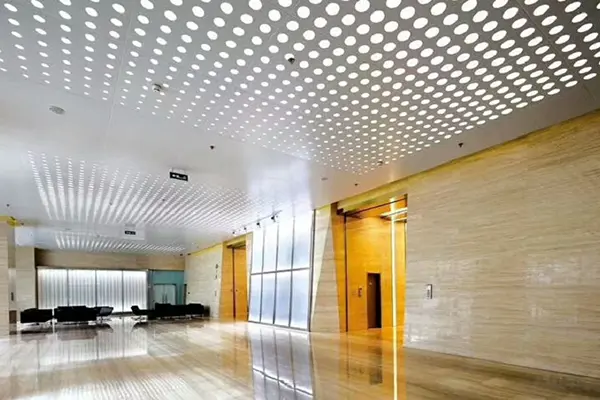
Shopping mall suspended ceilings, office building decorative panels, shelving back panels, and air conditioning vent covers—featuring a distinctive metallic texture with visible spangles and a wide range of customizable coating colors.
Processing and Installation Guidelines
Proper use of Al-Zn coated perforated panels is straightforward, but the following details are crucial for ensuring the material achieves its intended service life.
1. Perforation:
Similar to standard galvanized steel, CNC turret punching or high-speed precision punching lines can be used. For pre-coated products, punching should be performed before coating to ensure the coating fully covers the edges of every perforation.
2. Cutting and Shearing:
The Al-Zn coating offers less edge protection than pure zinc; cut edges should be sealed with paint or sprayed with an anti-rust primer to prevent red rust from spreading along the cut line.
3. Bending and Forming:
The material offers excellent performance in stretching, stamping, bending, and roll forming; profiled panels, bent components, and edge trims are standard applications. Profiled panels feature an effective coverage width of 975 mm and a rib height of 30 mm; tolerances are +0/−15 mm for length, ±4 mm for width, and ±1 mm for rib height.
4. Joining Methods:
Minimize welding—molten coating metal can adhere to resistance welding electrode tips, rendering them unusable. Riveting or bolting is preferred.
5. Storage and Transport:
Avoid using steel cables for direct bundling the Alu-Zinc coated perforated panels during loading and transport (to prevent scratching the coating); store in a well-ventilated, dry area; keep the protective film intact throughout transport and installation.
6. Surface Coating:
Polyester, fluorocarbon, and powder coatings all perform well; ensure complete coverage of perforation edges to seal cut surfaces while enhancing weather resistance and aesthetic appeal.
Frequently Asked Questions (FAQ)
Q1: What is the lead time for custom panels?
Standard panels ship in 3–7 days; custom specifications (aperture, perforation rate, or coating requirements) take 7–15 days, depending on order volume and processing complexity.
Q2: How do they differ from Zinc-Aluminum-Magnesium (ZAM) perforated panels?
Alu-Zinc coated perforated panels excel in flat-surface corrosion resistance and cost-effectiveness; ZAM panels offer self-healing properties at cut edges, require no post-processing, and can withstand over 4,000 hours of salt spray testing. For the same coating weight, the ranking of flat-surface salt spray resistance (from lowest to highest) is: galvanized, low-Al Zn-Al-Mg, medium-Al Zn-Al-Mg, Al-Zn (Galvalume), and high-Al Zn-Al-Mg. The ranking of cut-edge corrosion resistance (from lowest to highest) is: galvanized, low-Al Zn-Al-Mg, Al-Zn, high-Al Zn-Al-Mg, and medium-Al Zn-Al-Mg. Choose Al-Zn when the coating can seal the cut edges; choose Zn-Al-Mg or stainless steel for applications with exposed edges in harsh environments.
Q3: What salt spray resistance levels can be specified?
For AZ150, the flat-surface neutral salt spray resistance is ≥1,500 hours without red rust. Compared to galvanized steel, Al-Zn takes 18 times longer to show red rust in ASTM B-117 tests. Common engineering requirements range from 480 to 2,000 hours; we match the coating weight to your specifications.
Q4: Can it be used in coastal environments?
It is generally suitable for coastal environments, provided that coatings are used to seal punched edges and enhance overall corrosion resistance. For locations with high salt spray and severe corrosion, we recommend switching to Zn-Al-Mg or stainless steel perforated panels; we provide honest advice rather than pushing Al-Zn inappropriately.
Q5: Why must cut edges be coated?
While Al-Zn coatings offer excellent protection for flat surfaces, the steel substrate at punched edges remains exposed, and the coating lacks the self-healing migration properties found in Zn-Al-Mg. Painting the edges or applying an anti-rust primer seals and protects the exposed substrate—this is a standard, cost-effective step that is already integrated into our production process.
Send SENBO an inquiry for steel building materials. Request a free quote, sample or bulk order price list. Our sales team responds within 24 hours with factory direct pricing, stock availability and shipping options.
We use cookies to offer you a better browsing experience, analyze site traffic and personalize content. By using this site, you agree to our use of cookies. Privacy Policy