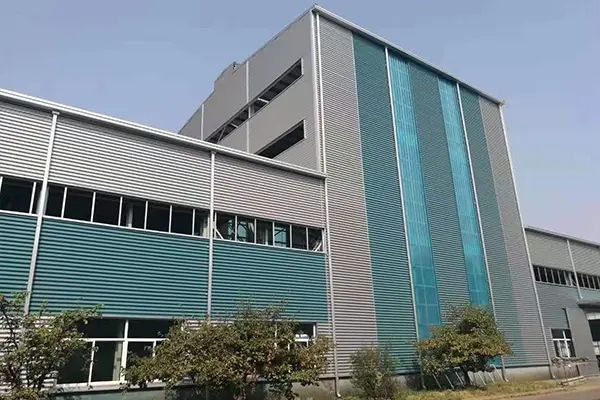
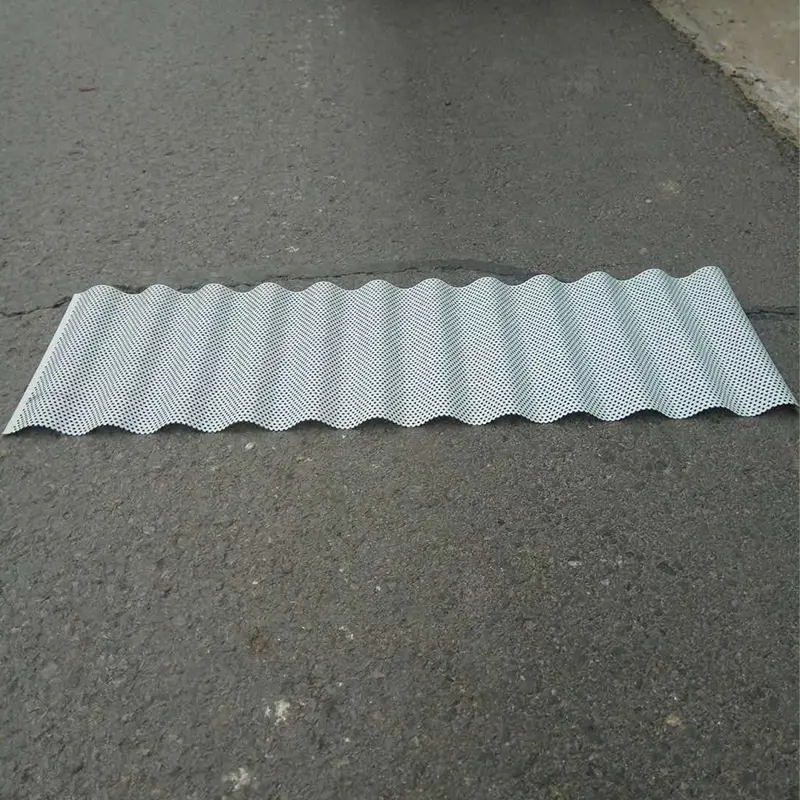
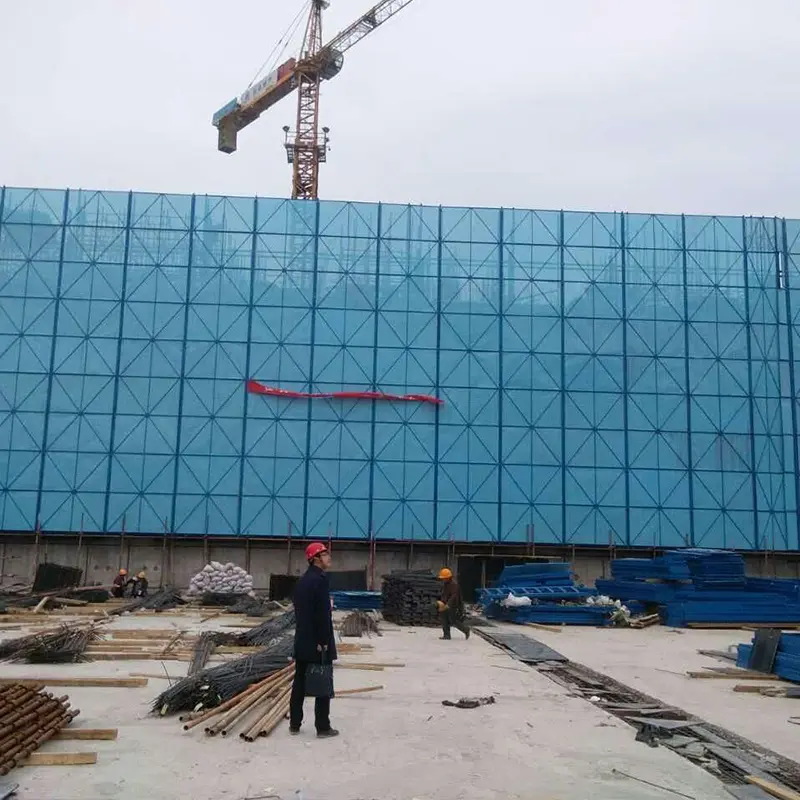
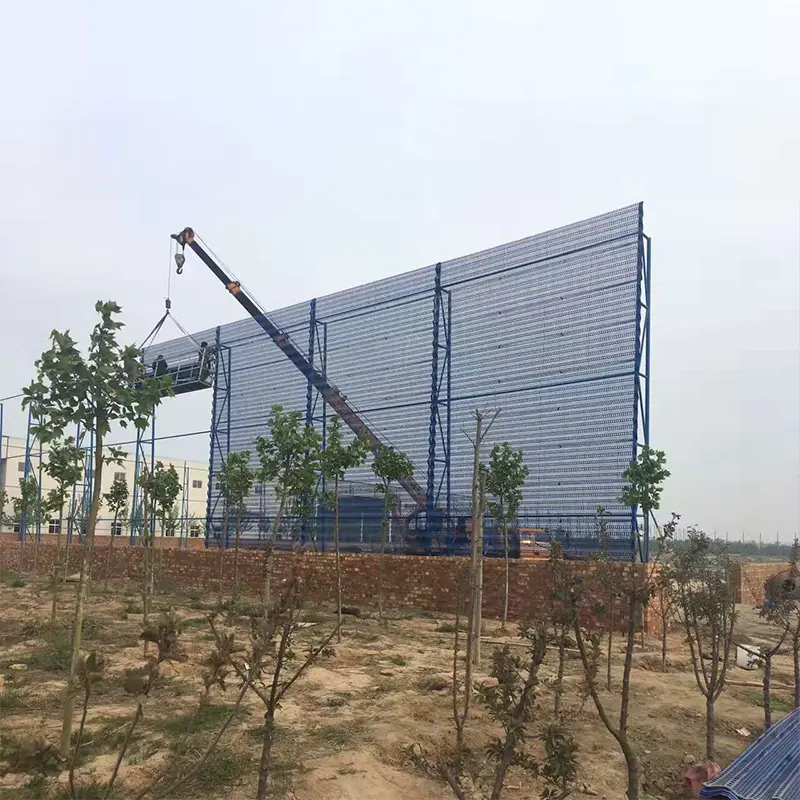
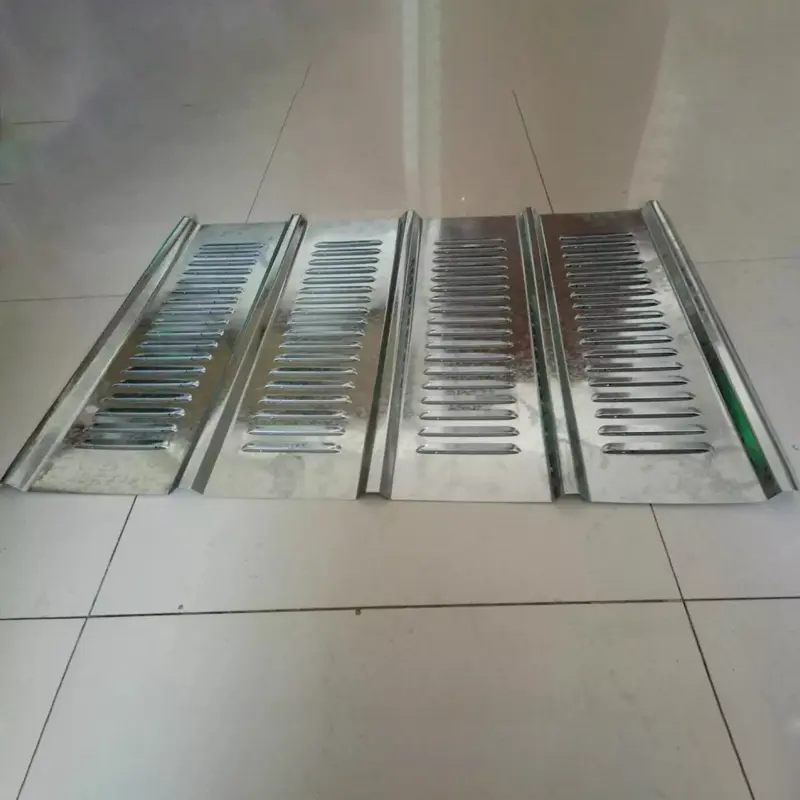
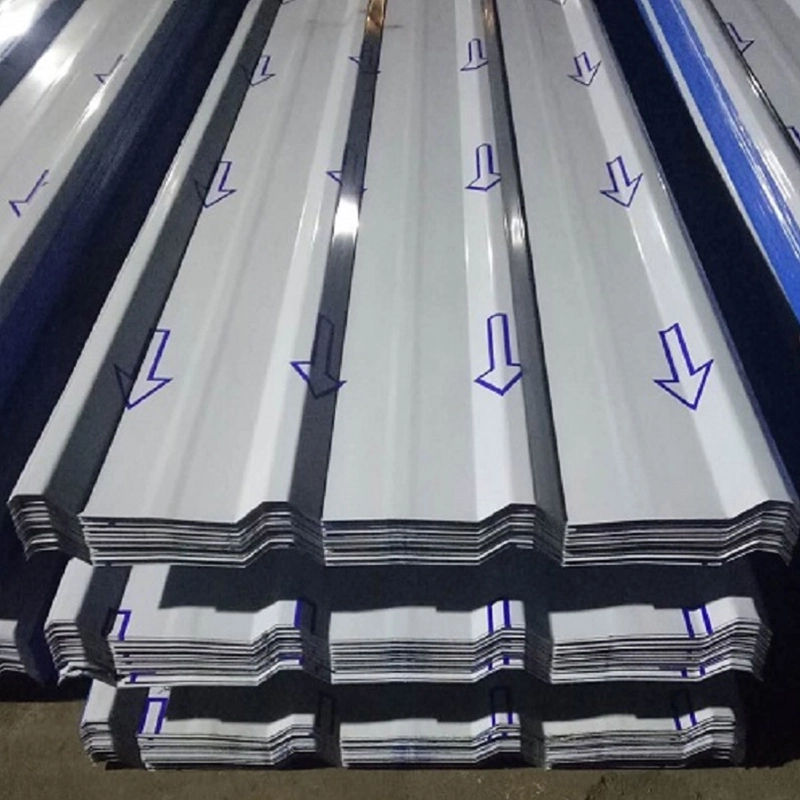
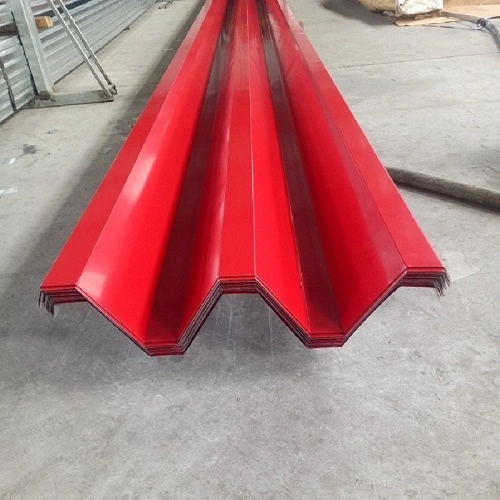
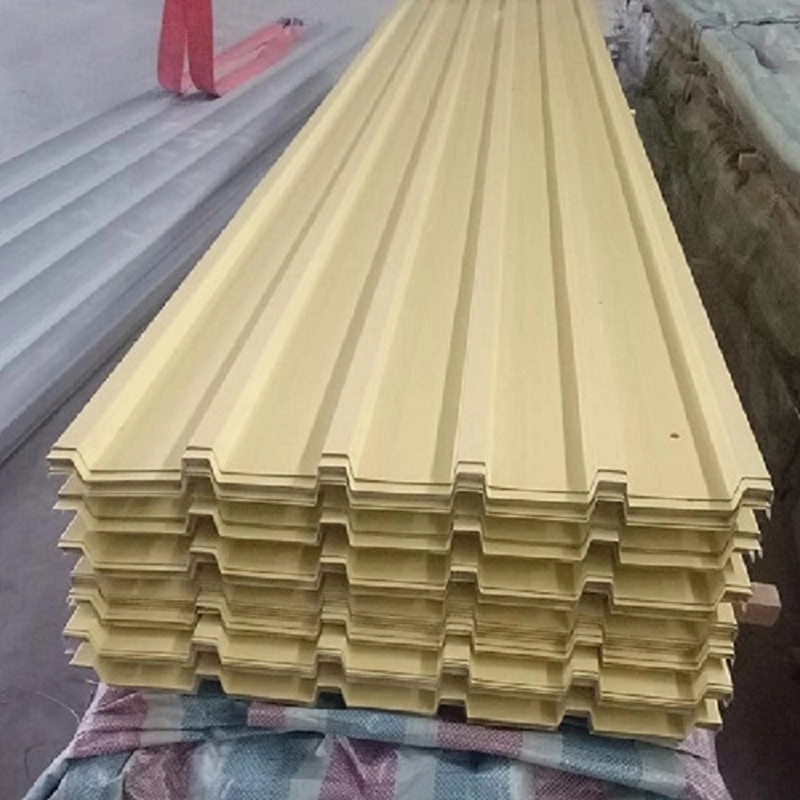
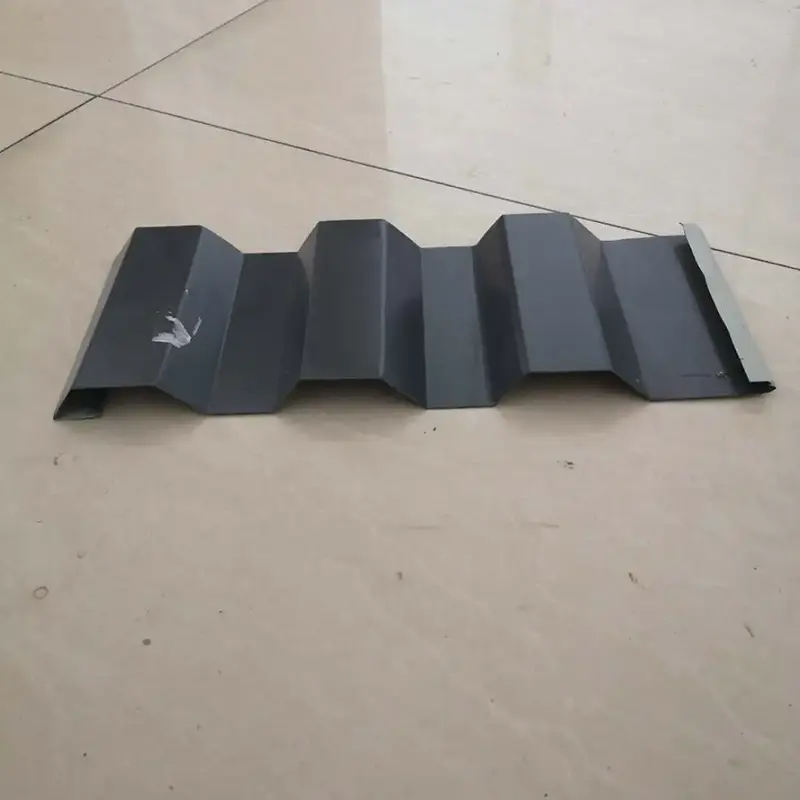
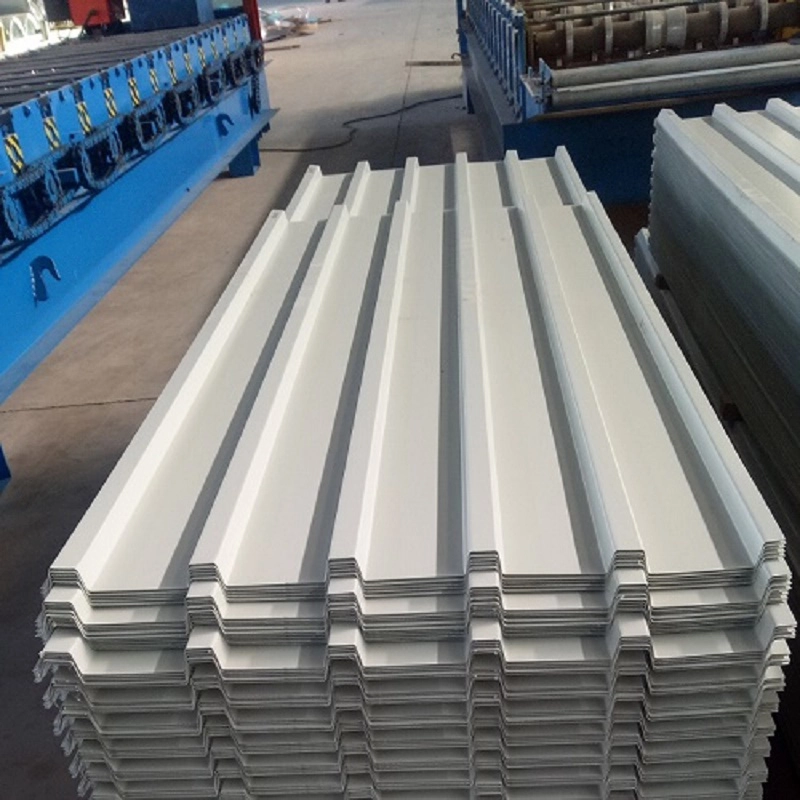
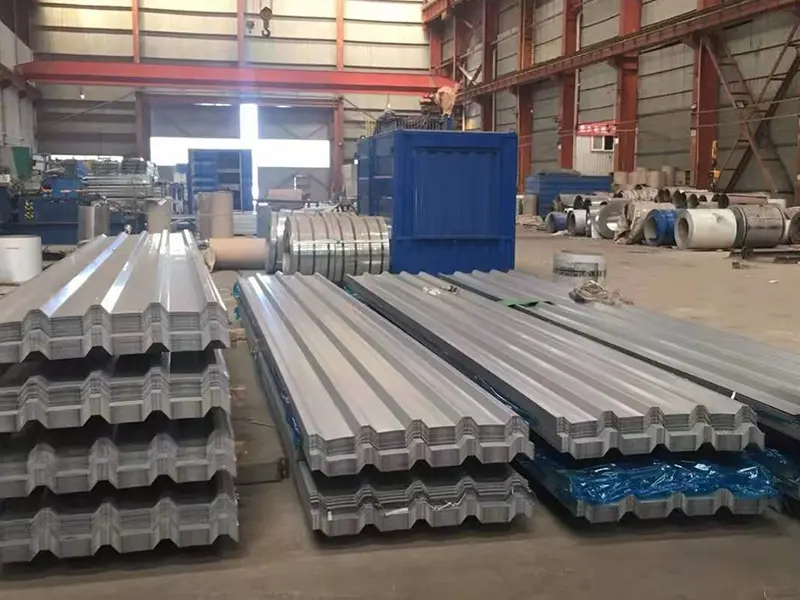
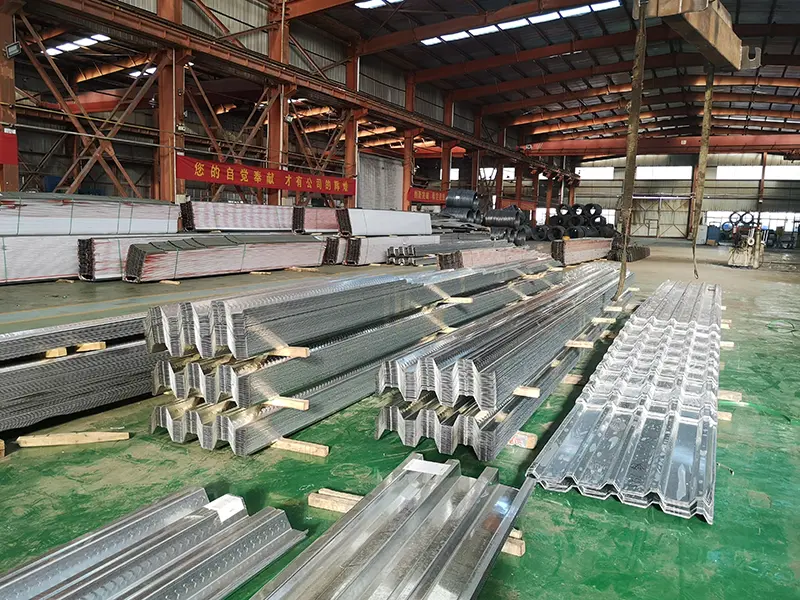
SENBO supplies Metal Wall Panels made from galvanized steel, Al-Zn coated steel, color-coated steel, aluminum, or stainless steel. Designed for durable building envelopes, they provide weather protection, thermal insulation, and architectural flexibility. Available for wholesale and bulk orders, suitable for industrial plants, public buildings, and large-scale venues.
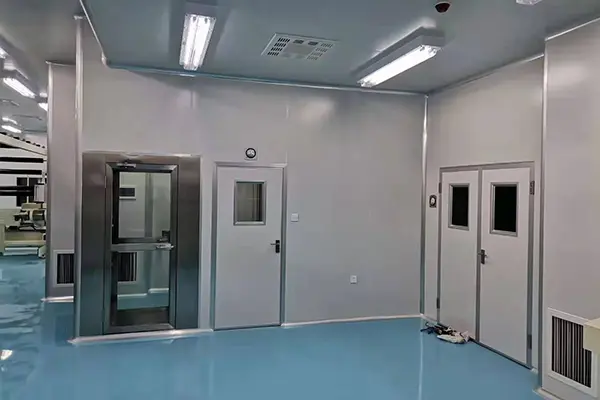
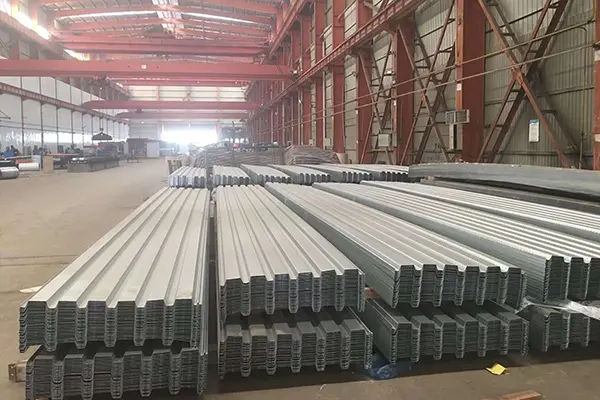
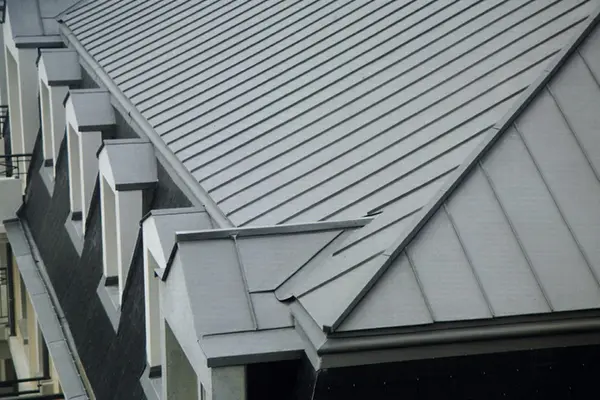
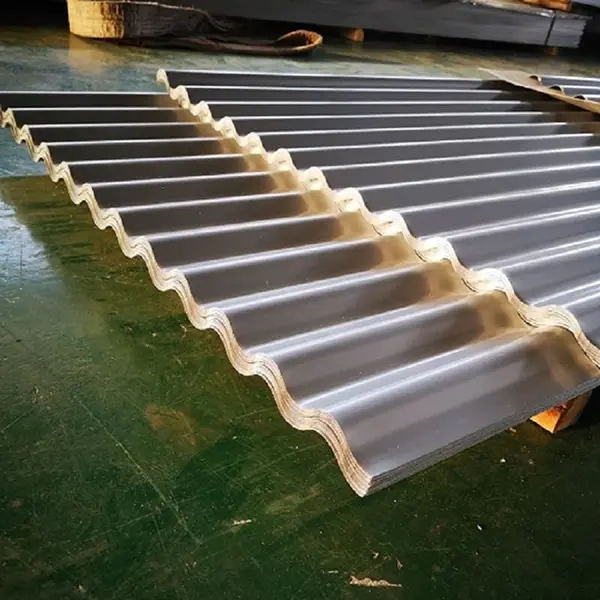
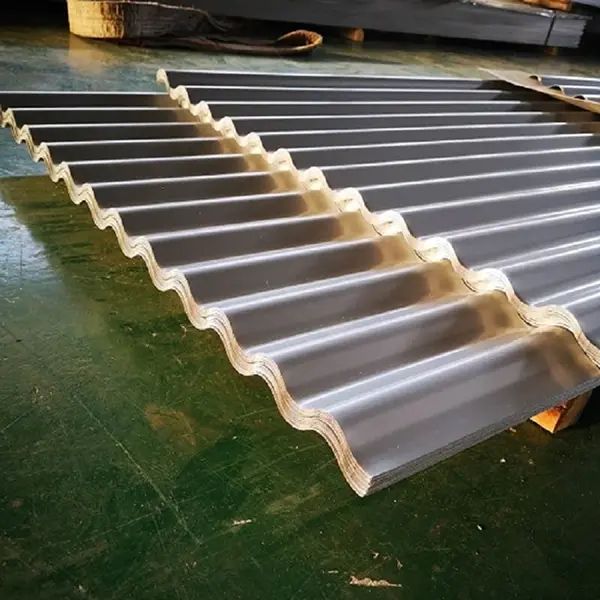
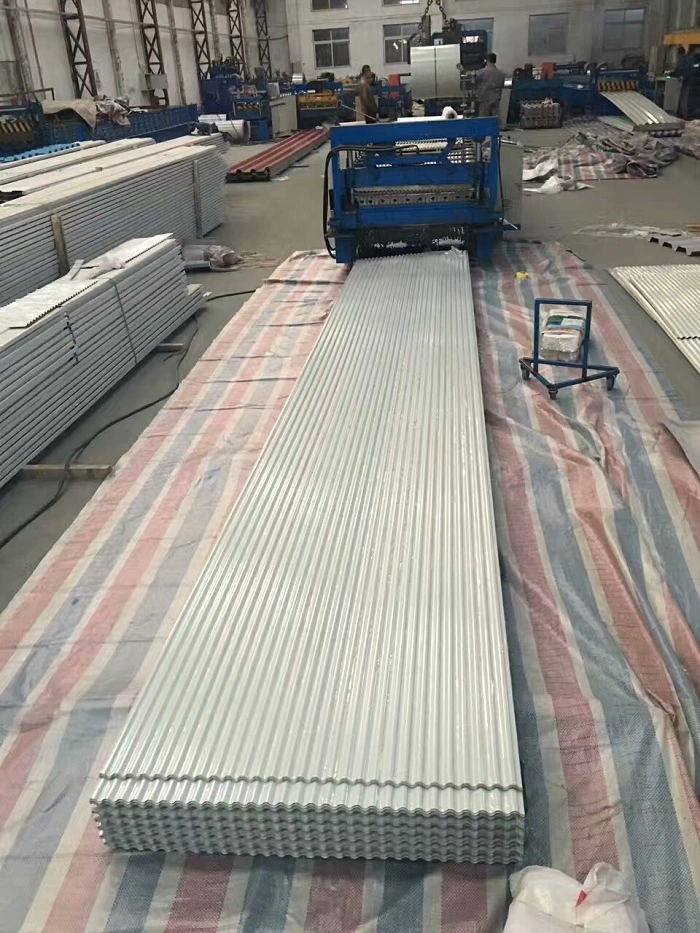
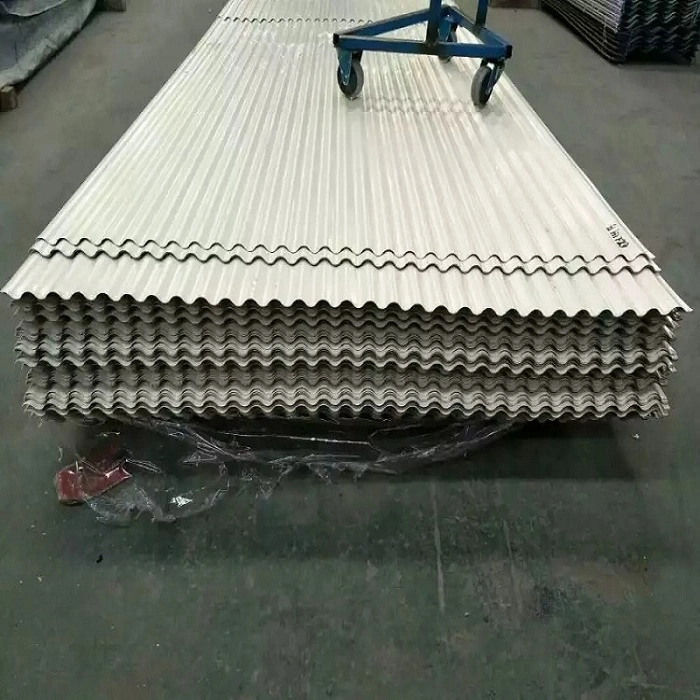
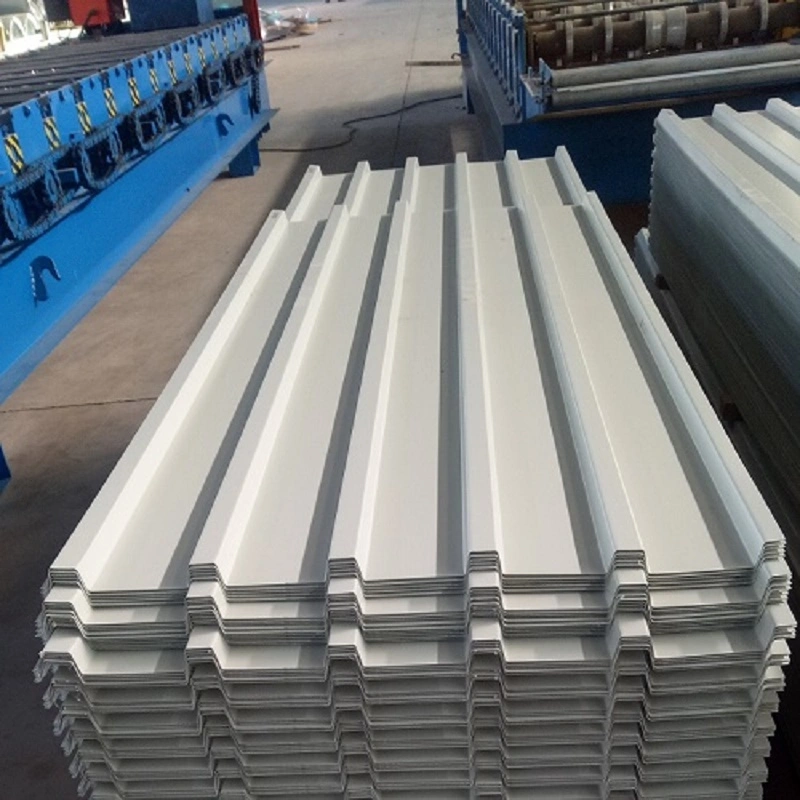
Metal wall panels are profiled sheets used for building exteriors. They are produced by roll-forming metal coils or by bonding metal sheets to an insulating core. Common applications include exterior wall enclosures, curtain wall cladding, and interior partitions in industrial plants, public buildings, and large-scale venues. Base material selection depends on the operating environment and durability requirements. SENBO produces these panels on dedicated roll-forming lines, with in-house quality checks covering material thickness, profile dimensions, and coating adhesion, which helps maintain consistent product performance across batches.
Base Material Options
Hot-dip galvanized steel sheet: Typically DX51D+Z grade. Double-sided zinc coating weight ranges from 40 g/m² to 275 g/m². Suitable for general industrial buildings.
Aluzinc (Al-Zn alloy coated) steel sheet: Coating contains approximately 55% aluminum and 43.5% zinc. Provides 3 to 5 times the corrosion resistance of standard galvanized sheet.
Color-coated steel sheet: Uses polyester (PE) or fluorocarbon (PVDF) coatings, combining corrosion resistance with decorative appearance.
Aluminum alloy sheet: Thickness from 1.5 mm to 3.0 mm. Achieves Class A2 fire rating. Lightweight with high rigidity. Service life typically exceeds 20 years.
Product Categories
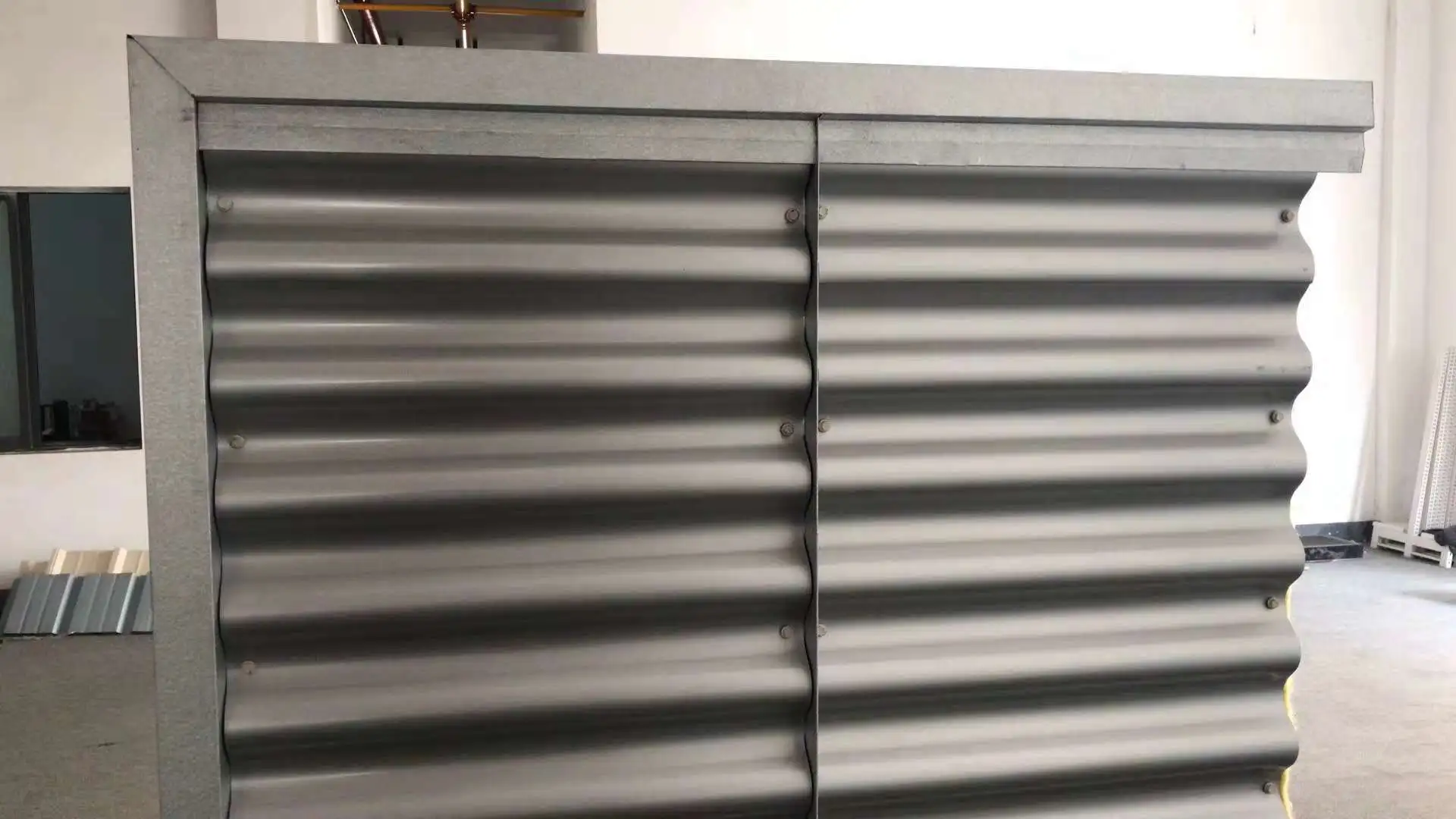
Single-skin metal wall panel: Single-layer profiled metal sheet. Used for non-insulated exterior walls or decorative curtain walls.
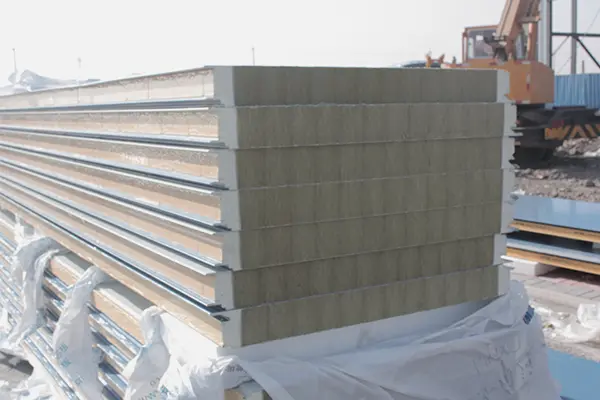
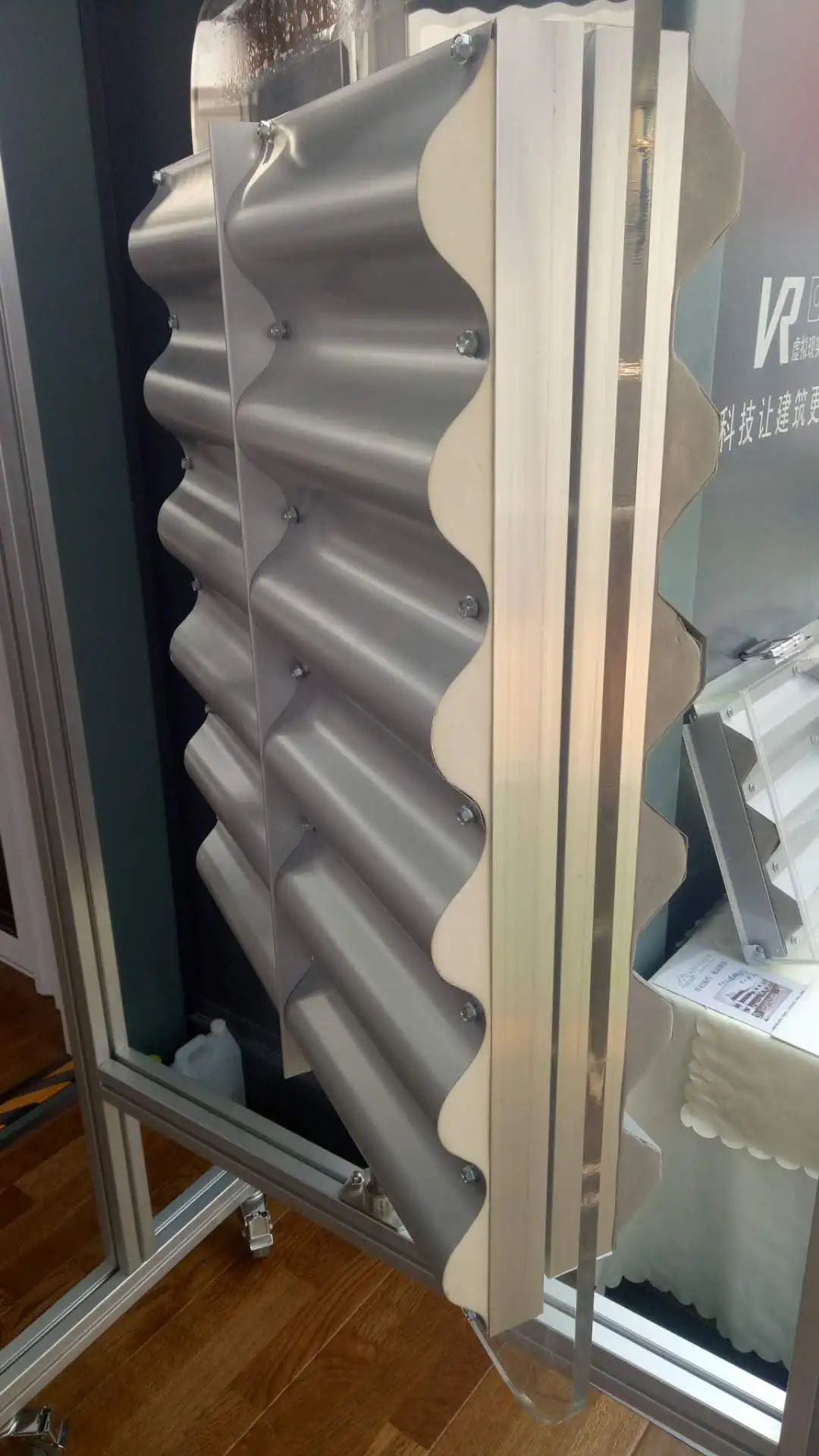
Metal sandwich wall panel: Contains a core material such as rock wool or polyurethane. Integrates thermal insulation with the building envelope.
Concealed-fastener metal wall system: Panels are connected with hidden brackets. No visible fasteners on the panel surface, resulting in a clean appearance.
Installation Systems
Hook-on installation: Uses furring channels and hook structures to mount panels from top to bottom. Allows for straightforward installation and removal.
External mounting: Uses expansion and docking mechanisms to adjust installation spacing and accommodate various panel sizes.
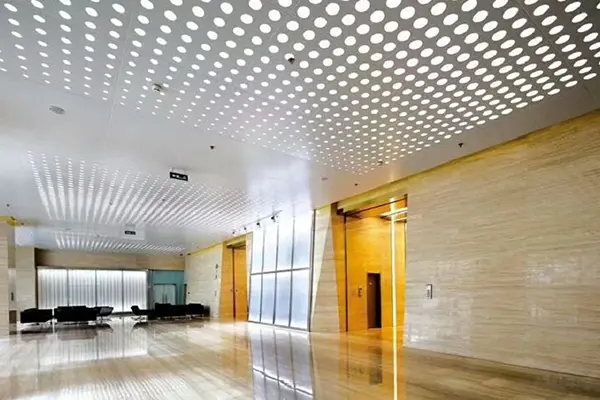
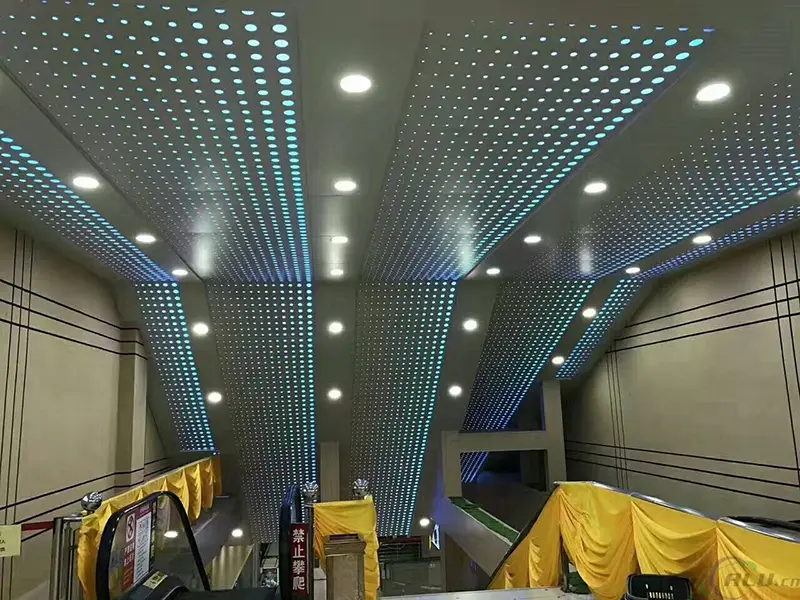
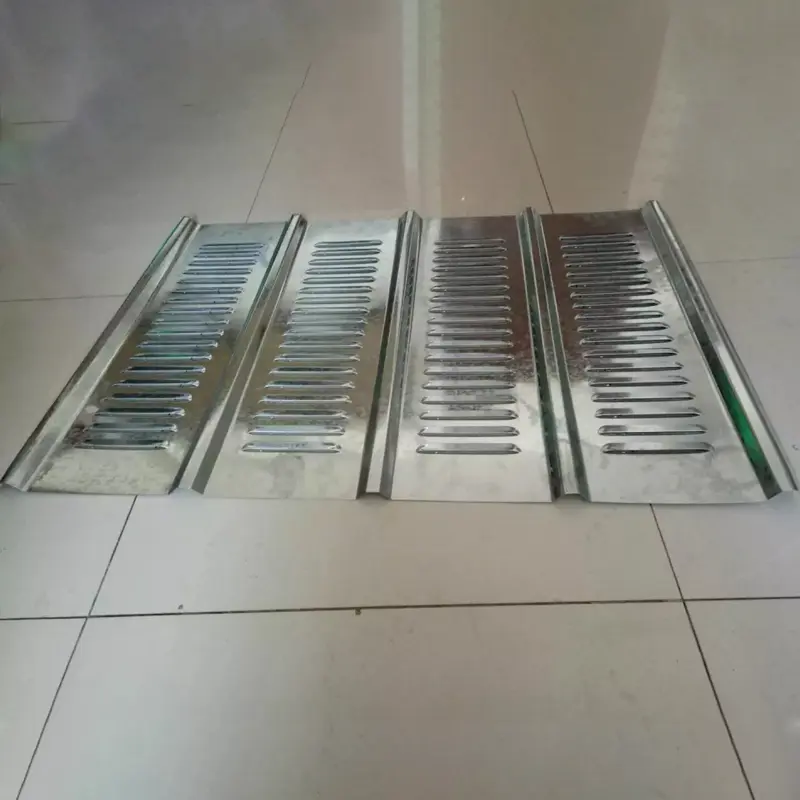
Perforated sound-absorbing structure with acoustic backing
Fire Rating
Class A2
For aluminum alloy panels
Design Service Life
20–50 years
Aluminum alloy panels typically exceed 20 years
Performance Data from Project Applications
1. Wind Resistance
Wind resistance is a key performance metric for metal wall panels in coastal and high-wind regions. The Alashan Tamusu Natural Alkali Development and Utilization Project is located in the Gobi Desert near the China-Mongolia border. The site has a basic wind pressure of 0.6 kN/m², and the building reaches a maximum height of 61 meters. The project uses a metal envelope system with a total area exceeding 400,000 m². Through theoretical calculations and 1:1 scale wind uplift tests, the wall and roof sandwich panel systems achieved load-bearing capacities of 5.2 kPa and 6.3 kPa respectively. The site remained intact despite multiple sandstorms during construction.
2. Coastal Environment Performance
The Terminal 2 building at Zhuhai Jinwan Airport is located in a coastal area with high wind pressures and complex environmental conditions. The project includes 65,000 m² of metal roofing and wall cladding. Continuous stainless-steel welding technology was used to ensure structural stability and watertight sealing of the roof and wall systems, meeting the building's lifecycle performance requirements.
3. Adaptability to Architectural Forms
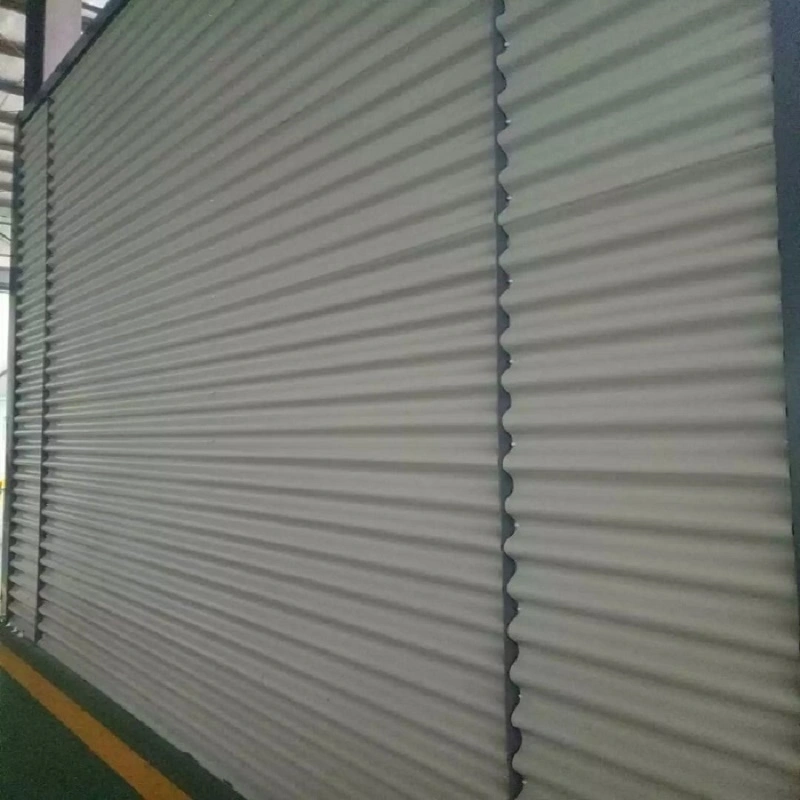
Metal wall panels can be fabricated into straight or curved profiles to accommodate complex architectural designs. In the Alxa Tamusu project, cylindrical silos used vertically arranged profiled steel sheets paired with curved purlins. The finished-product warehouse used a vertical concealed-fastener metal wall system. The panels run the full height without horizontal overlaps and are connected with concealed brackets, providing a clean exterior appearance and reliable wind and sand resistance.
4. Acoustic and Fire Performance
Metal wall panels can integrate perforated sound-absorbing structures. When combined with acoustic backing materials, they achieve a Noise Reduction Coefficient (NRC) of 0.7 to 0.8. Aluminum alloy wall panels can achieve a Class A2 fire rating. Some systems also offer an RH99% moisture resistance rating, making them suitable for high-humidity environments.
5. Surface Treatment and Weather Resistance
Metal wall panels can be finished with PVDF or polyester coatings. These coatings provide resistance to acids, alkalis, salt spray, wind, sun exposure, and acid rain. Aluminum alloy wall panels have a service life of more than 20 years.
Site Installation and Handling Notes
Check the supporting structure for alignment and levelness before starting panel installation.
Use lifting equipment with protective pads to avoid scratching or denting panel surfaces.
For concealed-fastener systems, follow the manufacturer's sequence to ensure correct engagement of hidden brackets.
Cut panels with tools suitable for metal, and deburr cut edges to prevent corrosion and injury.
Apply sealant at joints and around openings according to the project's weatherproofing details.
Common Questions
What is the difference between single-skin panels and sandwich panels for walls?
Single-skin panels consist of one metal sheet and provide weather protection and appearance but no insulation. Sandwich panels include an insulating core, typically rock wool or polyurethane, and provide thermal performance in addition to enclosure. The choice depends on the building's energy requirements and fire safety needs.
Which base material is best for coastal environments?
Aluzinc or aluminum alloy are often preferred in coastal areas because of their improved corrosion resistance compared with standard galvanized steel. PVDF coatings also provide better resistance to salt spray and UV exposure.
Can metal wall panels be curved?
Yes, many metal wall panels can be curved to match architectural designs. Curved panels are usually produced by roll-forming or press-braking to the required radius. The achievable radius depends on the panel profile, material, and thickness.
How are concealed-fastener systems maintained?
Concealed-fastener systems require minimal maintenance. Periodic visual inspection is recommended to check for any loose panels, sealant deterioration, or surface damage. Because fasteners are hidden, they are less exposed to weather, which can reduce long-term corrosion risk.
Quality Control and Documentation
Manufacturers should provide factory test reports covering base material thickness, coating weight, yield strength, and panel dimensions. For projects with specific wind load requirements, wind uplift test reports can be supplied. On-site receiving inspections should verify that panel profiles, colors, and quantities match the order and that surfaces are free from damage.
Selection Considerations
Evaluate the building's fire safety requirements before selecting base material and core type.
For high-wind areas, request wind uplift test data specific to the panel system being considered.
Consider maintenance access and long-term appearance when choosing between visible and concealed fastener systems.
Confirm the availability of custom profiles and lengths with the manufacturer during the design phase.
Hot Tags: Metal Wall Panels Manufacturer, Metal Wall Panels Supplier, Custom Metal Wall Panels Wholesale
Send SENBO an inquiry for steel building materials. Request a free quote, sample or bulk order price list. Our sales team responds within 24 hours with factory direct pricing, stock availability and shipping options.
We use cookies to offer you a better browsing experience, analyze site traffic and personalize content. By using this site, you agree to our use of cookies.Privacy Policy