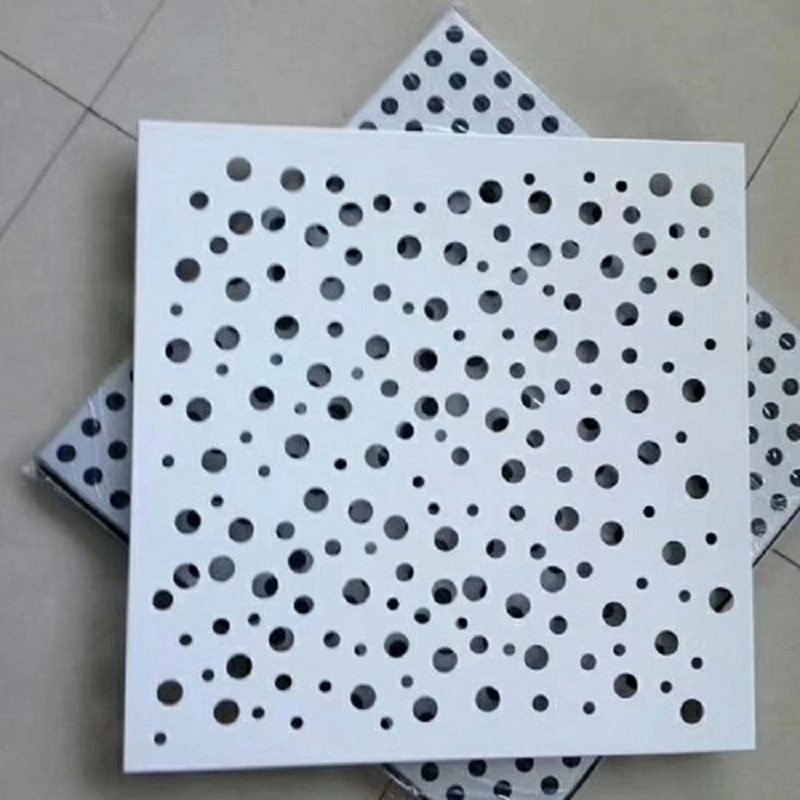
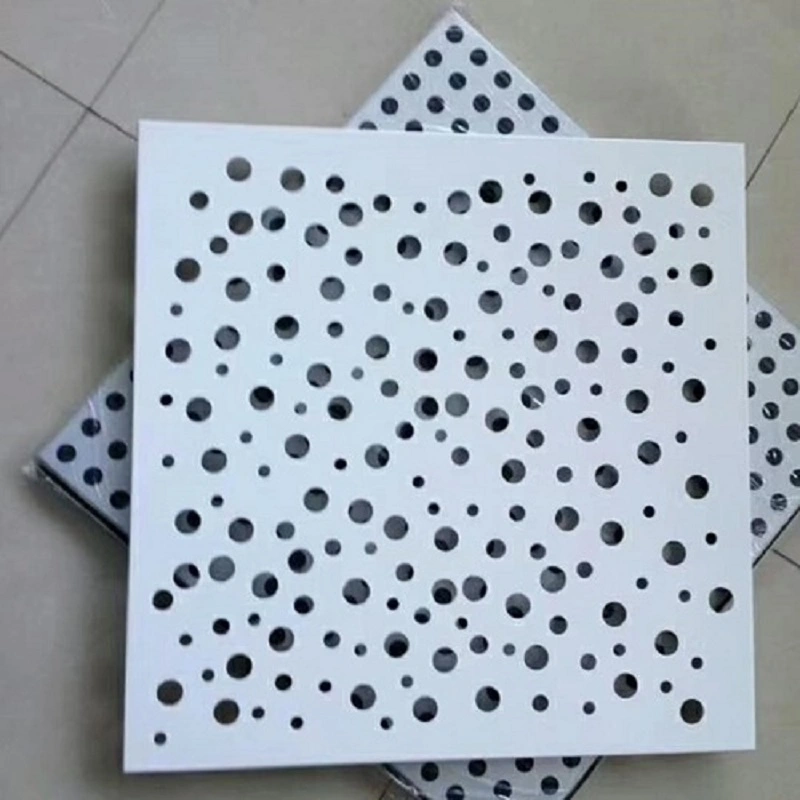
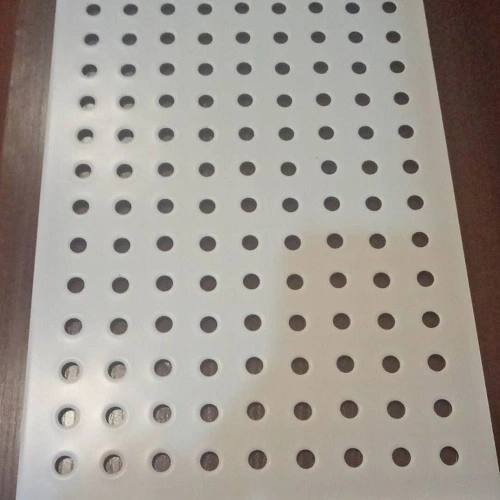
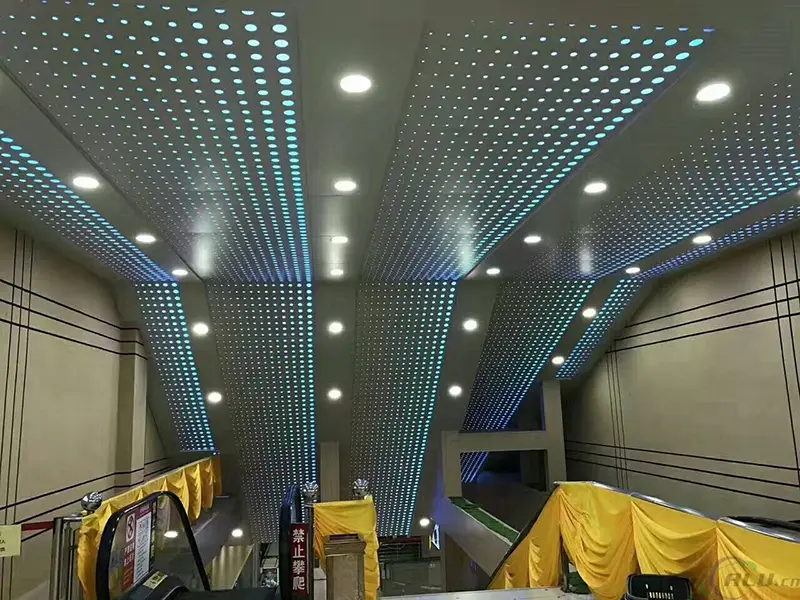
Climbing Scaffolding Mesh is the core enclosure for attached climbing scaffolds. Manufactured by SENBO from galvanized punched steel with powder coating and steel tube frame, it replaces safety netting for full exterior protection. Only 4–5 stories are needed; the system climbs with the structure, saving steel and labor. Fire, impact, and penetration resistant, it is installed once and serves the whole project.
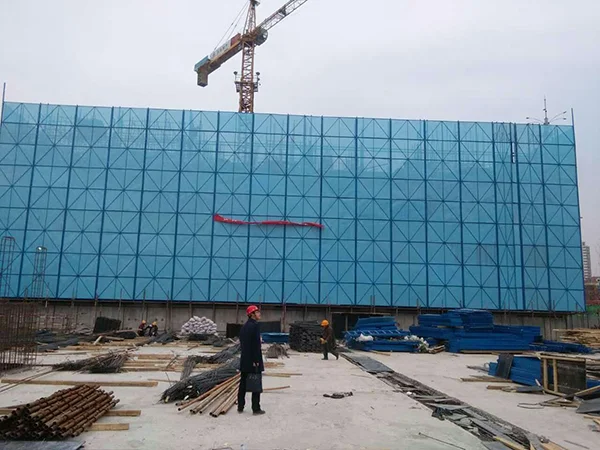
Climbing scaffold mesh is a key component of the attached climbing scaffolding system. This system is a modern type of scaffolding erected on the exterior of a building and attached to the structure itself; it utilizes its own lifting equipment and mechanisms to climb or descend floor by floor. Unlike traditional scaffolding, which must be erected from the ground to the roof, climbing scaffolding requires a height of only 4–5 stories and climbs synchronously with the main structure, effectively transforming high-altitude suspended work into work performed within the safety of the scaffold structure.
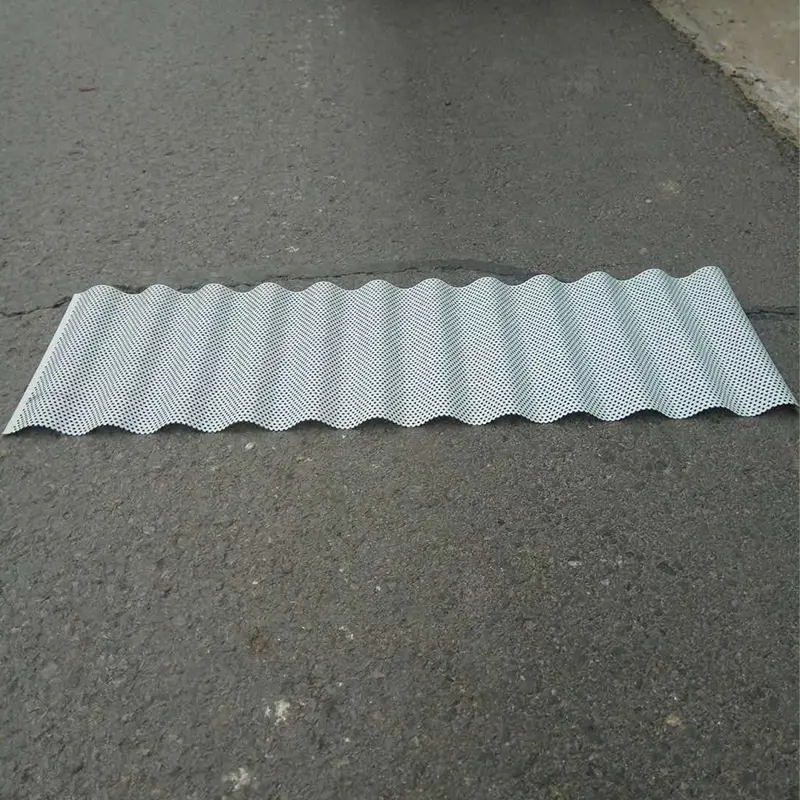
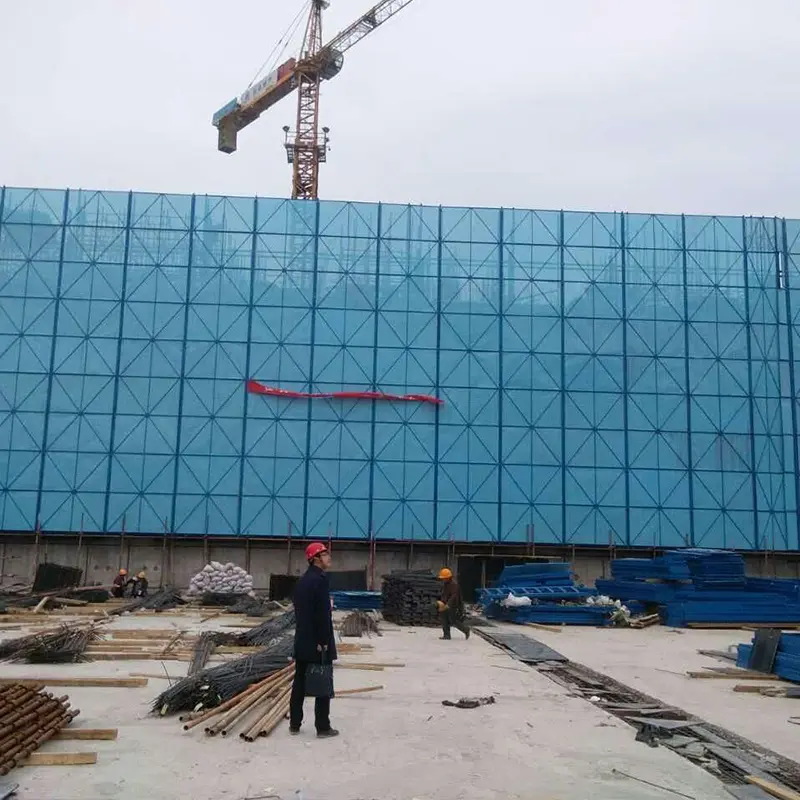
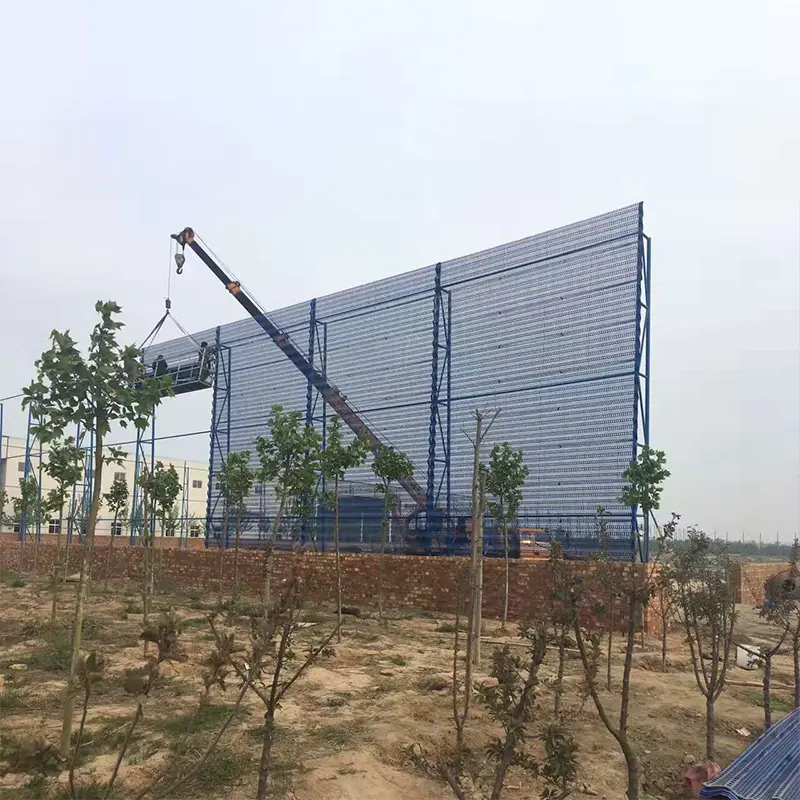
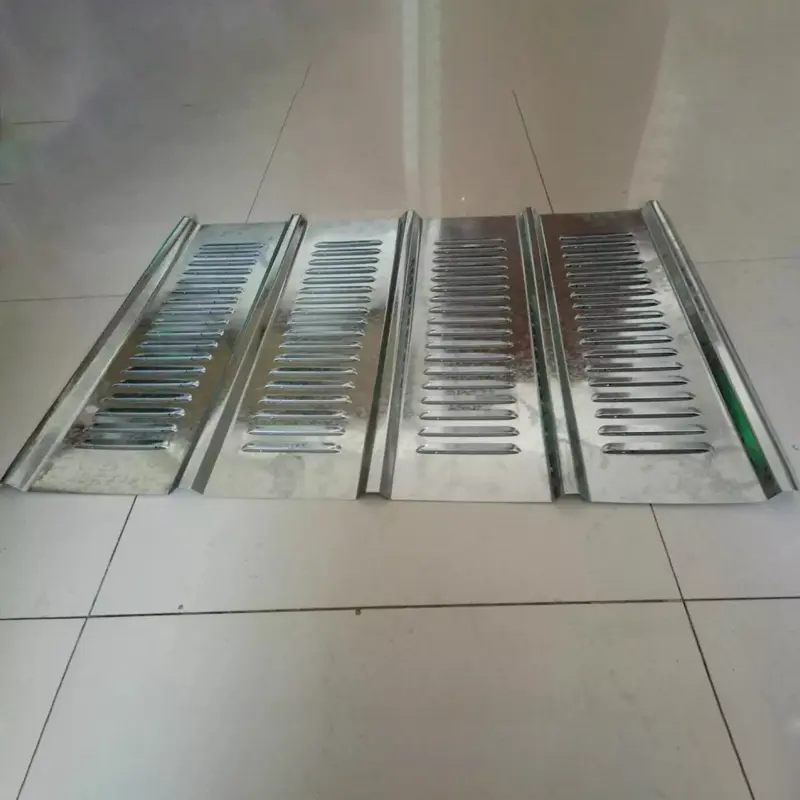
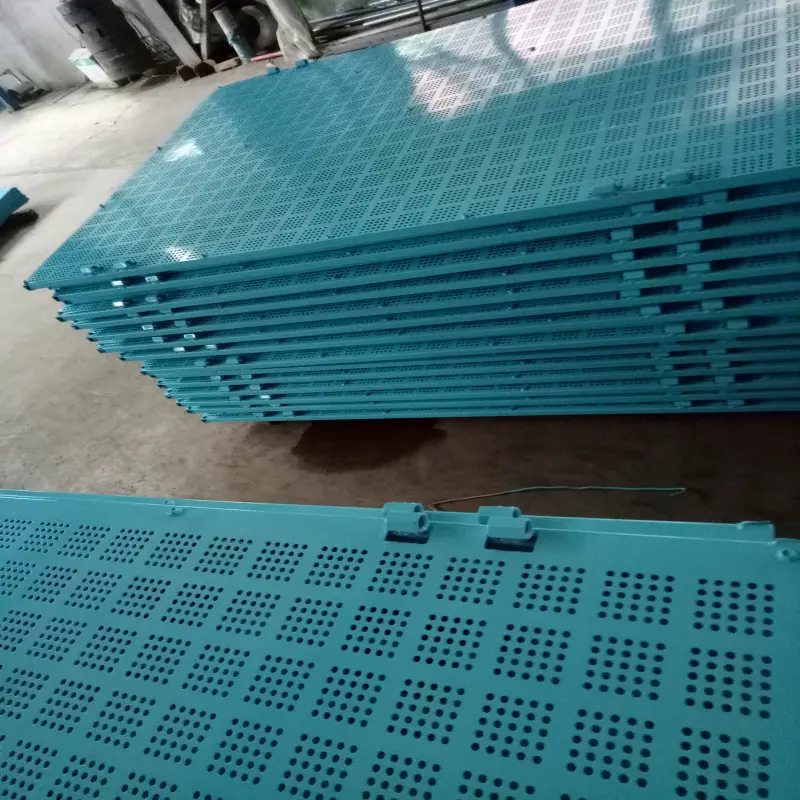
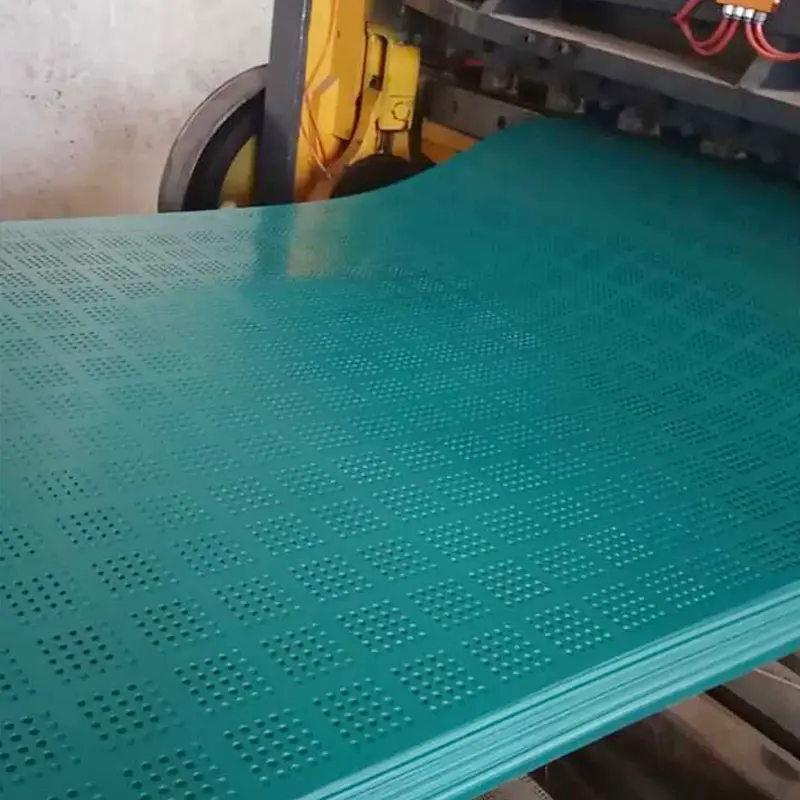
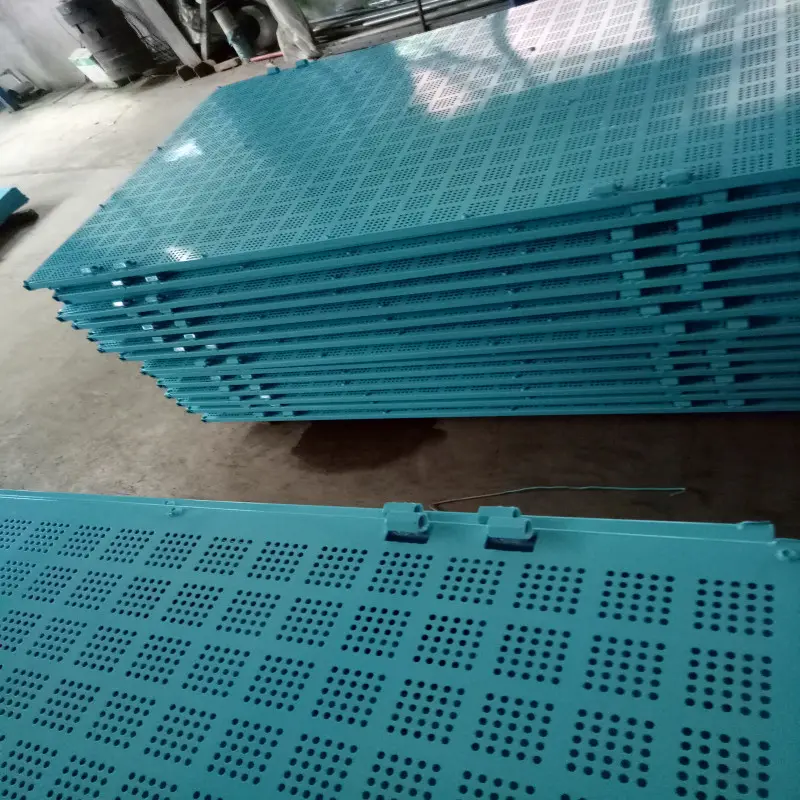
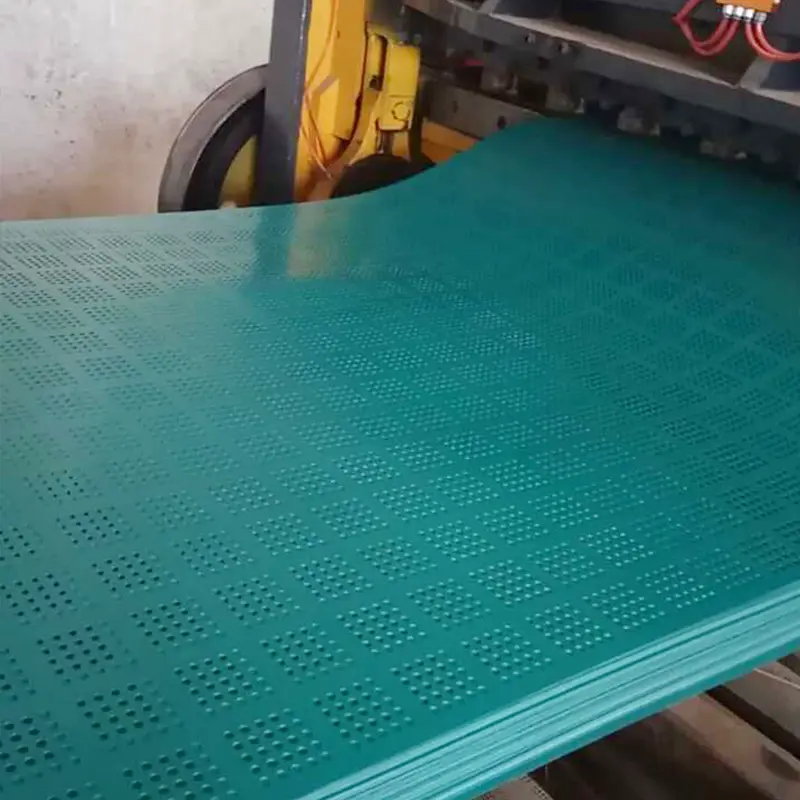
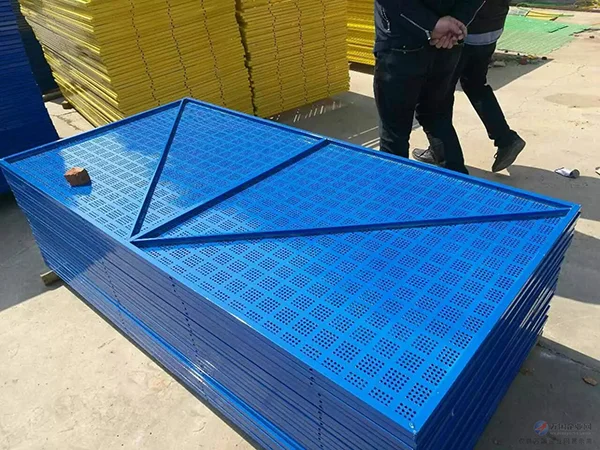
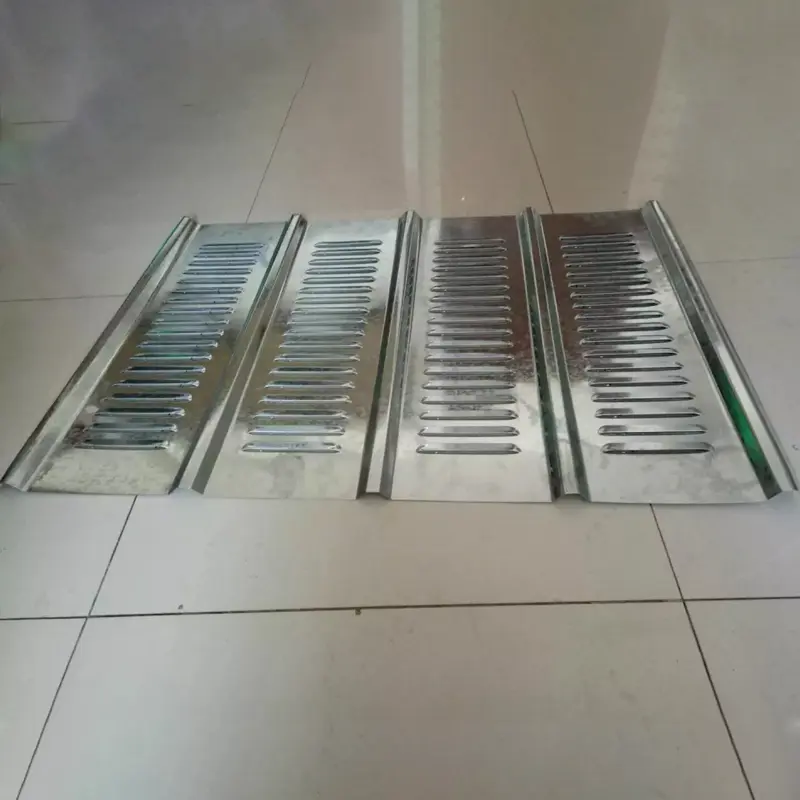
The mesh panels use galvanized steel or low-carbon steel sheets as the base material. After being punched and formed, they are welded to a galvanized square-tube frame, configured in either a "semi-star" or "full-star" (diagonal bracing) pattern, and finished with an electrostatic powder coating, typically in sky blue, dark blue, or yellow-green. This all-steel mesh design replaces traditional rope-woven fine-mesh netting, overcoming issues such as easy breakage, poor fire resistance, and rapid aging, thereby significantly enhancing safety and site management standards.
Product Boundary: SENBO supplies the protective mesh panels (climbing scaffold mesh) as a component of attached climbing scaffolding systems. We do not supply the complete climbing scaffold system unless otherwise specified in a separate quotation. Please contact our engineering team for system integration requirements.
Traditional fine-mesh safety netting is prone to aging and damage, making it difficult to provide stable, reliable fall protection for construction personnel. The climbing scaffold mesh features a welded structure combining all-steel perforated panels with a square-tube frame, offering high rigidity and strong impact resistance.
Procurement specifications from a Shijiazhuang-based construction company require the mesh panels to weigh 6 kg and utilize double-sided, full-penetration bevel welding with CO2 gas shielding. The weld bead height must be 1.2 times the thickness of the base material, and no deformation is permitted post-welding. Field applications demonstrate that replacing standard fine-mesh netting with climbing scaffold mesh significantly enhances fire and penetration resistance, helping to reduce the risk of falling objects and providing a rigid protective enclosure when correctly designed, installed, and maintained.
2. Economic Benefit Verification: Material and Labor Savings
The core advantage of climbing scaffold mesh lies in its ability to be raised and lowered repeatedly, eliminating the need for constant dismantling and re-erection. Unlike traditional scaffolding that must be built from the ground up, climbing scaffolds require an initial setup height of only about 4–5 stories. Compared with conventional full-height scaffolding under the same project conditions, this approach reduces steel consumption by approximately 70% and cuts construction material waste by 30%.
Project data from a 28-story residential development indicates that the installation cycle was reduced from 7 days to 4 days, and the mesh panels required no replacement throughout the entire construction period, avoiding repeated procurement. Actual savings vary according to building height, climbing cycles, panel reuse, labor rates, and project configuration. For buildings exceeding 15 stories, the economic benefits become increasingly pronounced, with potential comprehensive cost savings of 30%–60% per building based on project-specific calculations.
3. Verification of Civilized Construction and Environmental Protection
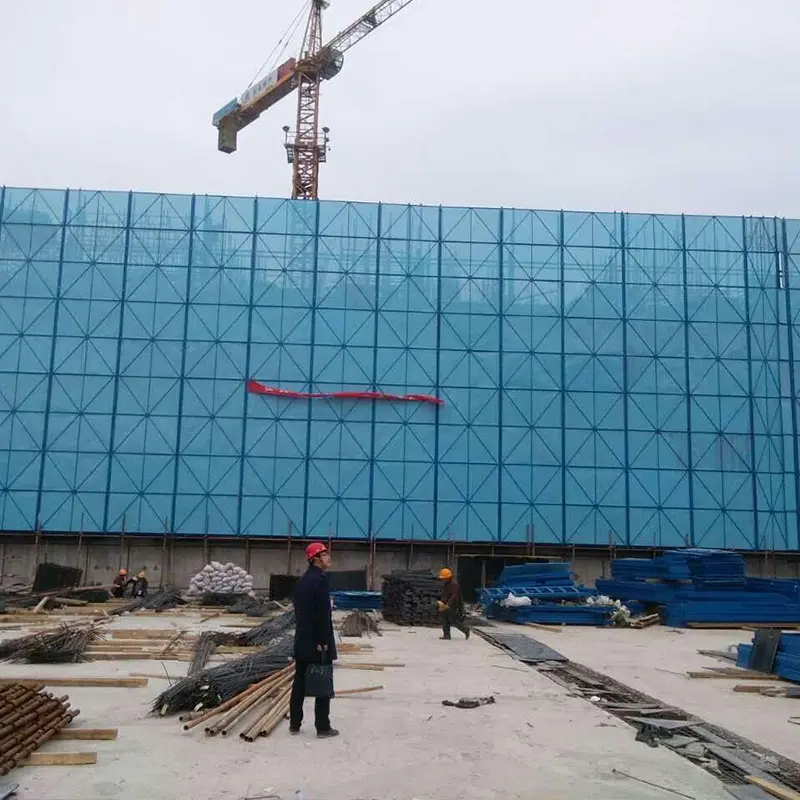
Climbing scaffold mesh enables fully enclosed construction, effectively minimizing the outward spread of noise and dust during high-rise operations. Site data from the "Yanquan Huafu" project shows that the sky-blue powder-coated mesh blends harmoniously with the urban skyline, creating a neat, aesthetically pleasing appearance that elevates the overall image of the construction site.
Furthermore, because the mesh is assembled and dismantled at lower levels, workers do not need to perform dismantling tasks at heights, thereby further reducing safety risks.
Key Specifications Overview
All parameters listed below are based on factory standard production. Customization is available to meet specific project requirements.
Performance Indicator
Parameter/Specification
Description
Base Material
Galvanized steel sheet / Low-carbon steel sheet
Electrostatic powder-coated surface; corrosion-resistant and colorfast
Non-combustible substrate; significantly superior fire resistance compared to traditional fine-mesh netting. Material certificates available upon request.
Applicable Building Height
Typically 15 stories or higher
Economic benefits increase with building height and climbing cycles
Key Advantages
1. One-time installation, climbing with the structure. Requires setup for only 4–5 stories; climbs floor-by-floor with the main structure; eliminates repeated dismantling and reassembly, significantly saving time and labor.
2. All-steel protection, safe and reliable. Replaces easily damaged or degraded fine-mesh netting; offers vastly improved fire, impact, and penetration resistance; helps reduce risks of falls from height and fire hazards when properly installed and maintained.
3. Cost savings and significant benefits. Compared with conventional full-height scaffolding, reduces steel usage by approximately 70% and construction consumables by 30%; overall cost savings vary by project but can reach 30%–60% for high-rise buildings.
4. Civilized construction, eco-friendly and aesthetic. Fully enclosed protection effectively minimizes noise and dust dispersion; the powder-coated surface is neat and attractive, enhancing the construction site's image.
5. Intelligent control and precise synchronization (optional). An optional intelligent control system monitors the load status of each lifting point in real-time. It features automatic alarms and shutdown functions for overload or loss-of-load conditions, ensuring safe and synchronized lifting of the scaffold structure.
Applicable Scenarios
1. External safety protection during the main structural construction of high-rise shear-wall residential buildings and commercial complexes, typically 15 stories or higher.
2. High-rise buildings with uniform exterior profiles; suitable for complex shapes including cast-in-place shear walls, frame structures, curved balconies, and cantilevered slabs.
3. Construction projects in urban centers with strict requirements regarding schedules and site safety/cleanliness standards.
4. Projects requiring exterior wall finishing work to proceed concurrently with the main structural construction.
Why Choose Climbing Scaffold Mesh?
Are you seeking a safe, cost-effective, and efficient external scaffolding solution for a high-rise project? Climbing scaffold mesh replaces traditional fine-mesh netting with a rigid, all-steel protective barrier. It requires only a single installation and rises with the building floors, a system proven effective for safety and cost-efficiency across numerous high-rise residential and commercial developments. As a core component of attached climbing scaffolding systems, it makes high-rise exterior work safer and more manageable, offering shorter installation cycles, significant material savings, and continuous use without the need for replacement during construction. Choose climbing scaffold mesh to build a visible line of safety for your project.
Frequently Asked Questions
1. How is climbing scaffold mesh connected to the scaffold frame?
The panels are connected using Φ48×300mm galvanized steel pipe connectors with a wall thickness of at least 1.2mm. These connectors attach the mesh panel to the supporting frame of the climbing scaffold system, ensuring a secure and stable connection.
2. What panel thickness should I select for a high-rise project?
For most high-rise applications, a panel thickness of 0.5–0.8mm (post-coating) is standard. Thinner panels may be suitable for lower loads, while thicker panels provide additional rigidity in areas with high wind loads or where impact resistance is critical.
3. Can the mesh be customized to fit different climbing scaffold systems?
Yes. We offer custom panel sizes, hole patterns, frame configurations, and color options to match specific climbing scaffold system requirements. Please provide your system drawings and specifications, and our engineering team will recommend the appropriate panel design.
4. What factors affect the panel weight?
Panel weight is mainly influenced by panel dimensions, steel sheet thickness, frame tube wall thickness, perforation pattern, and overall size. Our standard 1.0×2.0m panel weighs approximately 6kg. Custom dimensions and heavier gauge materials will increase weight accordingly.
5. How does powder coating affect outdoor durability?
Electrostatic powder coating provides a uniform, weather-resistant finish that resists chalking, fading, and corrosion. With proper surface preparation and coating thickness, the panels maintain their appearance and structural integrity for many years, even in coastal or industrial environments.
6. Do you provide samples or technical documentation before ordering?
Yes, we can provide sample panels for evaluation. We also offer material certificates, welding procedure specifications, and load test reports upon request to support your project requirements.
Hot Tags: Climbing Scaffolding Mesh Wholesale, Scaffolding Safety Netting, Construction Debris Netting
Send SENBO an inquiry for steel building materials. Request a free quote, sample or bulk order price list. Our sales team responds within 24 hours with factory direct pricing, stock availability and shipping options.
We use cookies to offer you a better browsing experience, analyze site traffic and personalize content. By using this site, you agree to our use of cookies.Privacy Policy