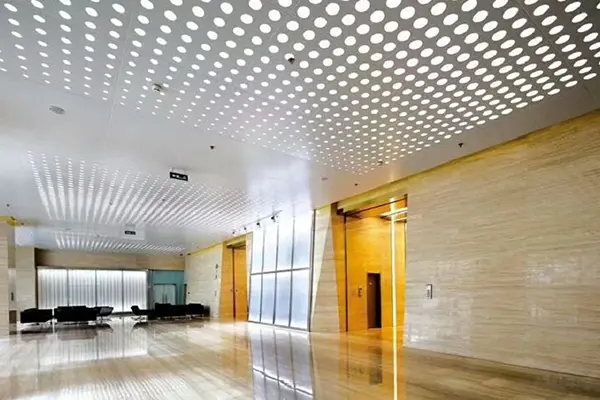
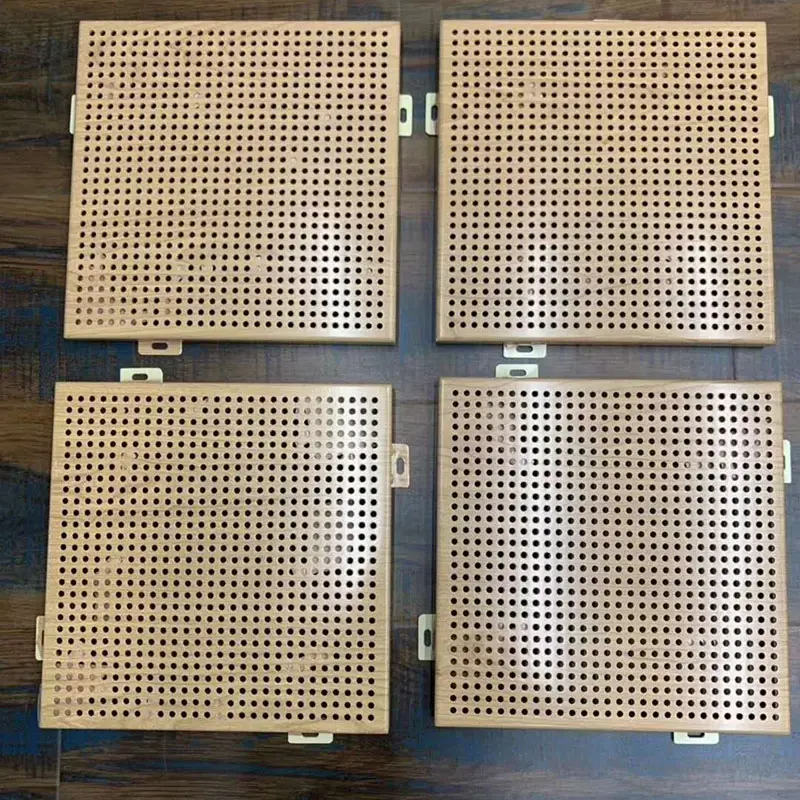
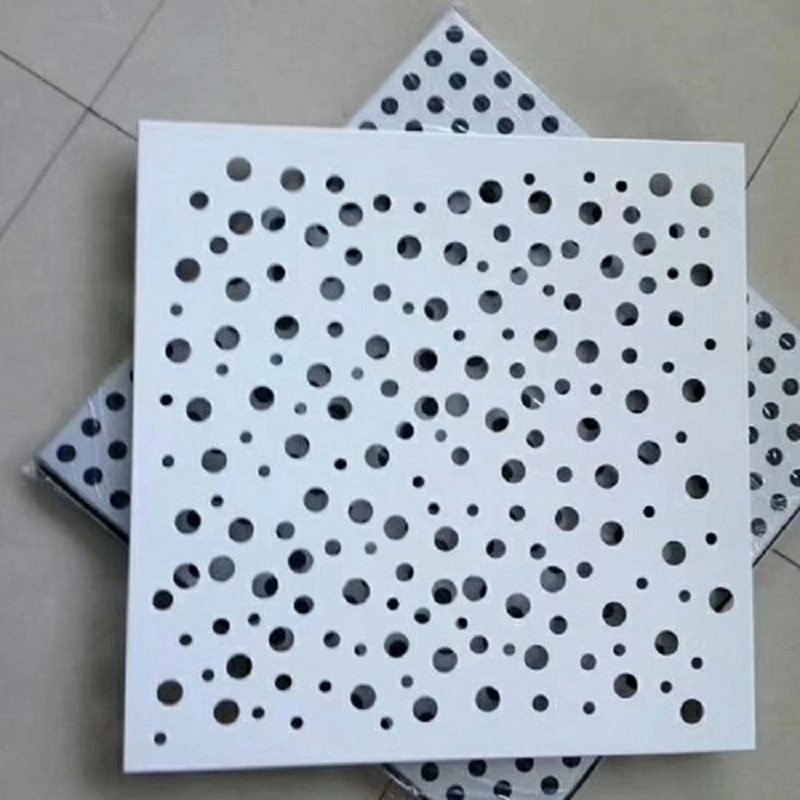
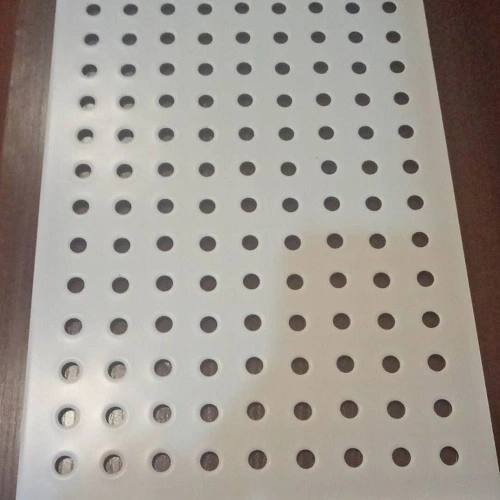
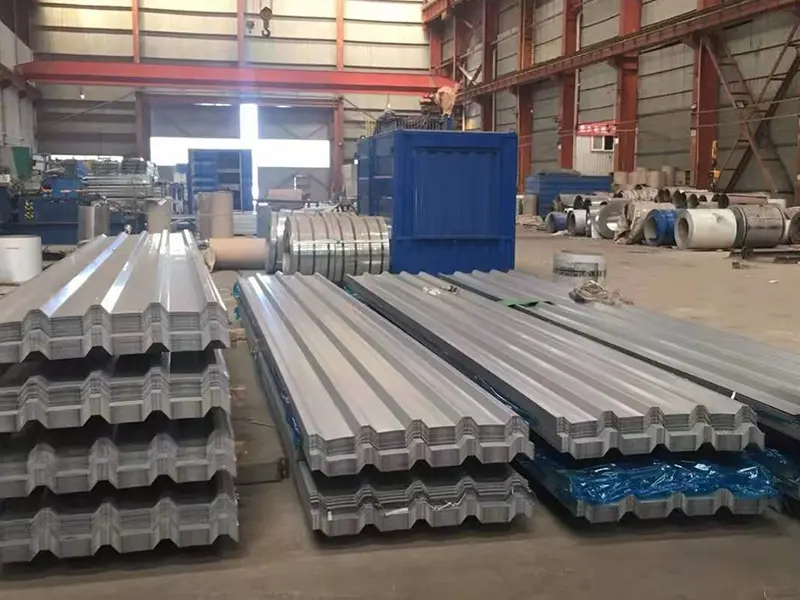
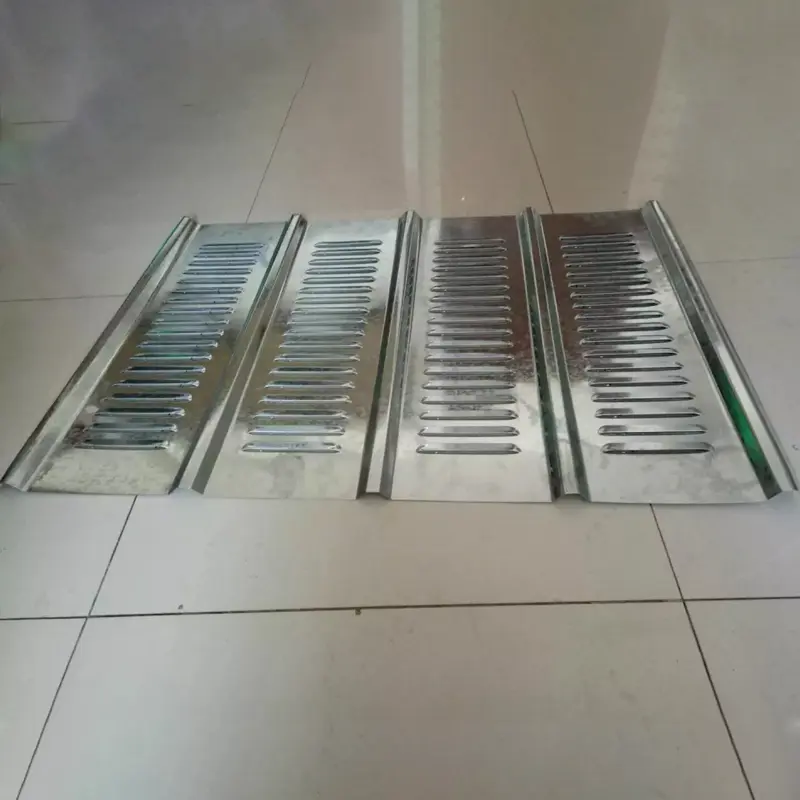
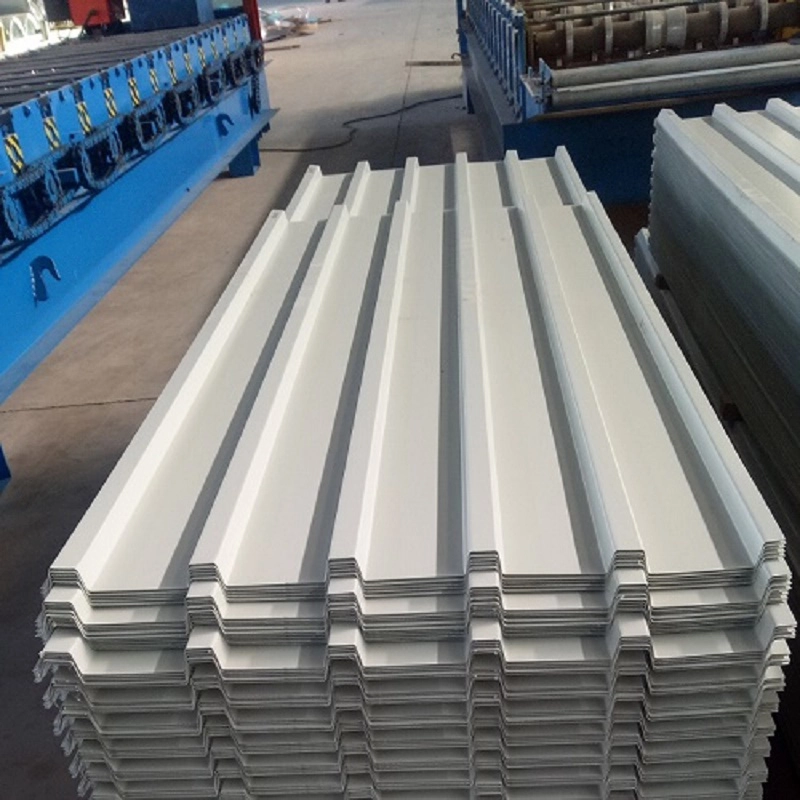
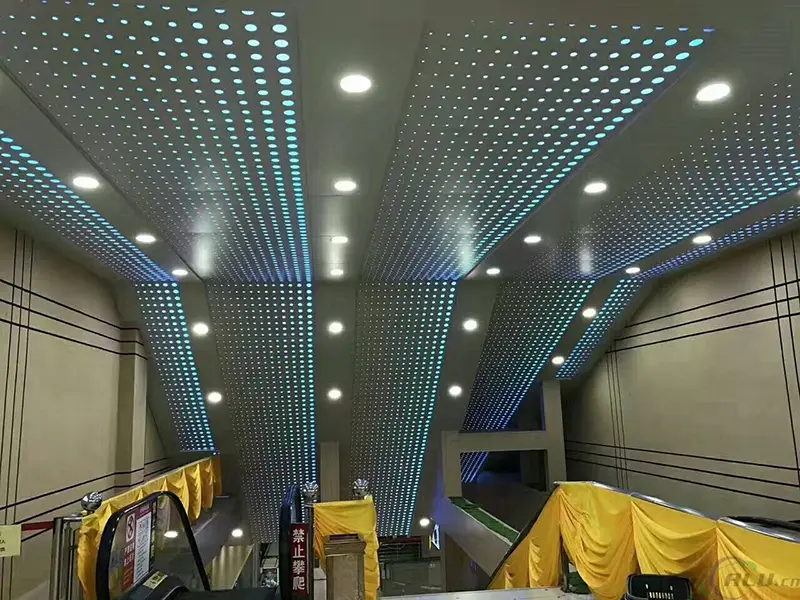
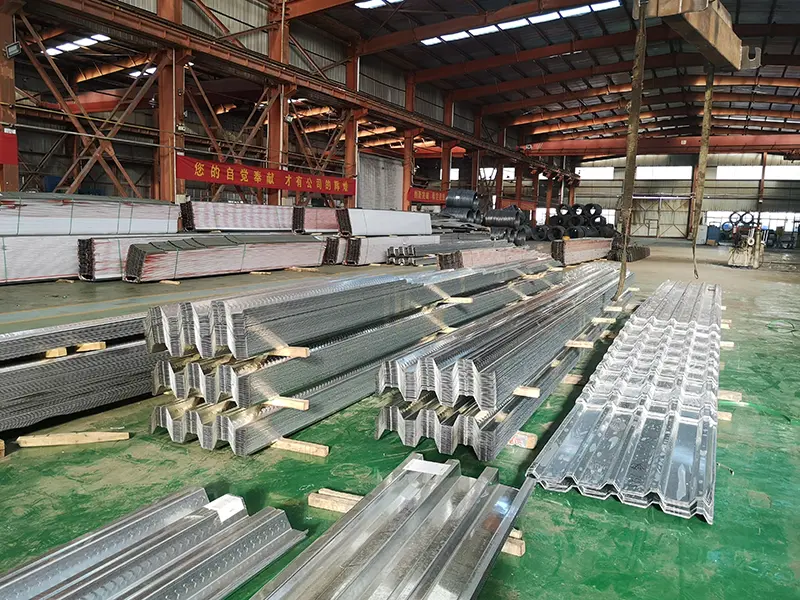
Designed for large-scale venues such as stadiums, exhibition centers, and transportation hubs, SENBO perforated Alu-Mg-Mn Perforated Panels combine a sound absorption coefficient above 0.9 with lightweight construction, high strength, and fire/moisture resistance. Manufactured to national standards under strict factory quality control. Order SENBO aluminum-magnesium-manganese perforated panels at factory-direct prices from the manufacturer.
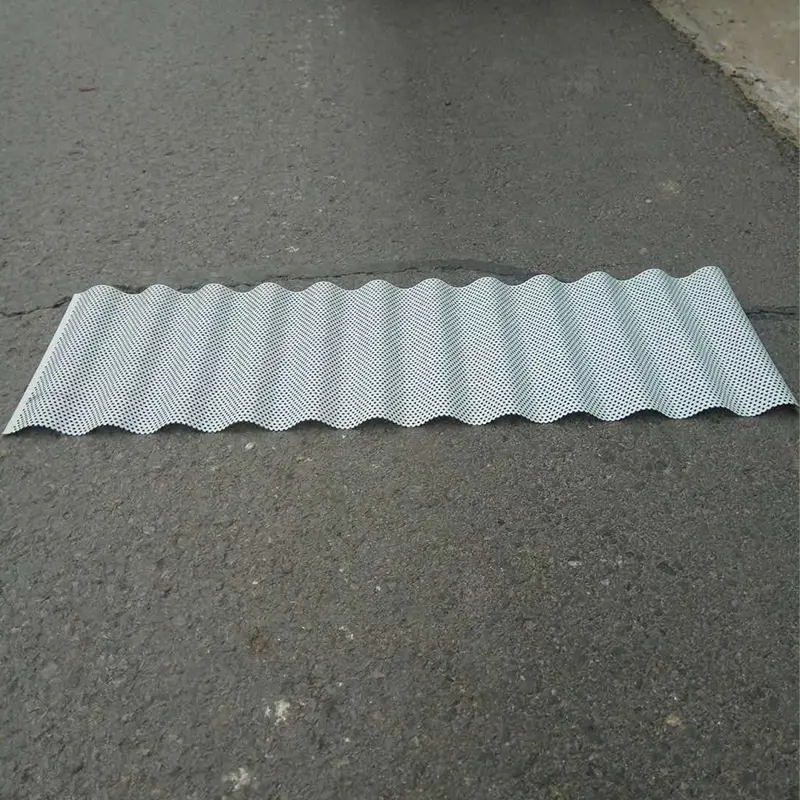
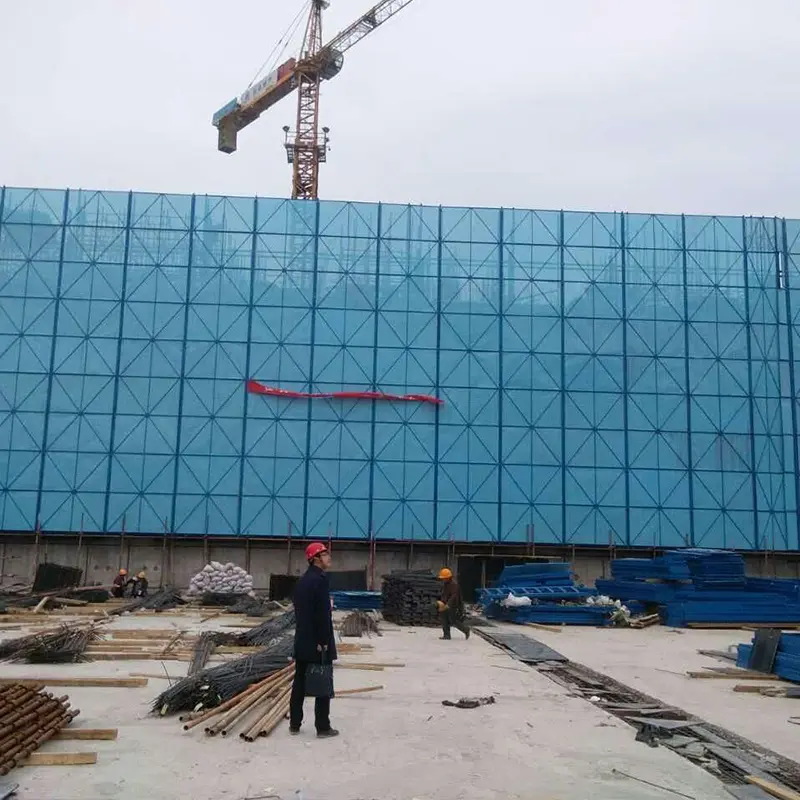
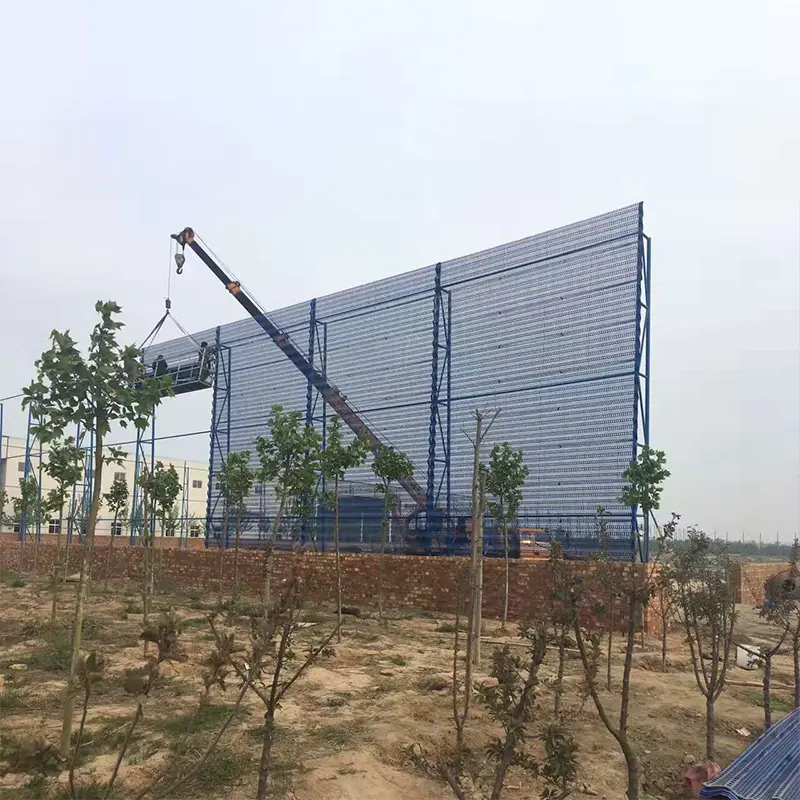
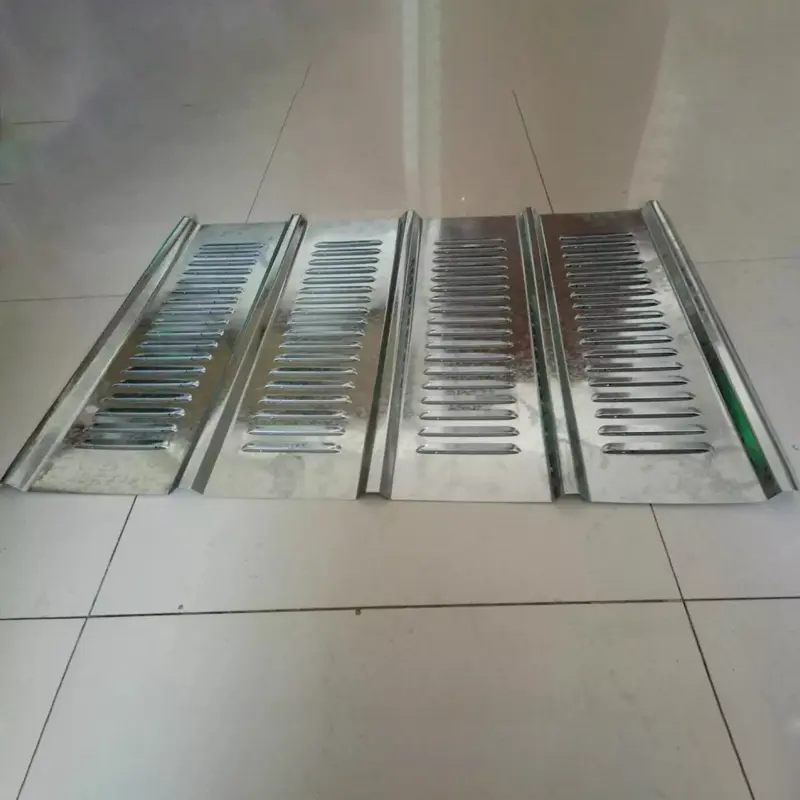
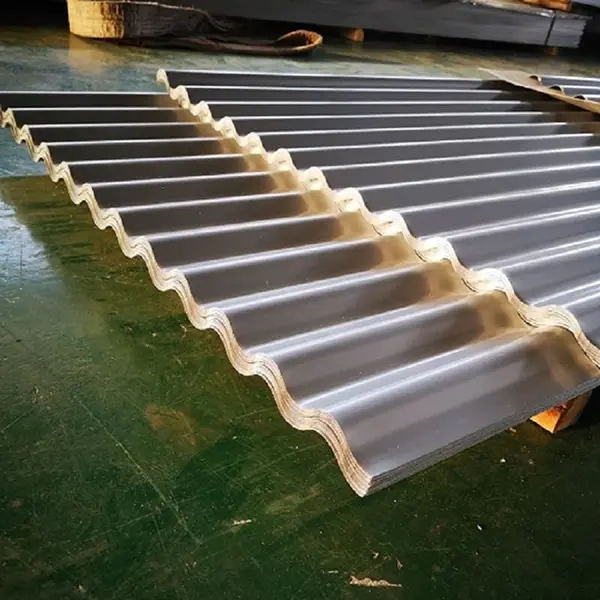
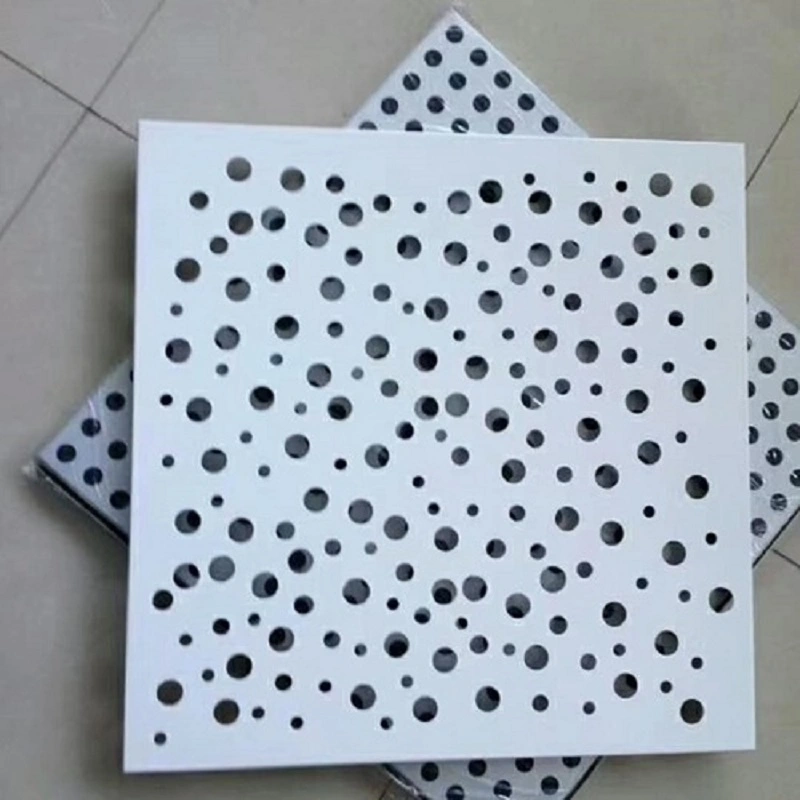
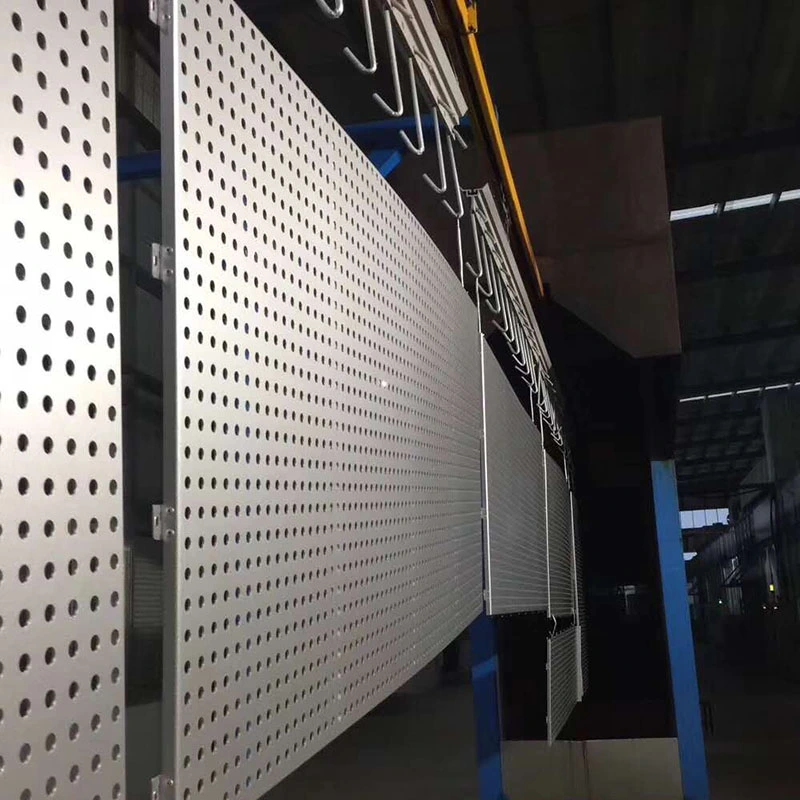
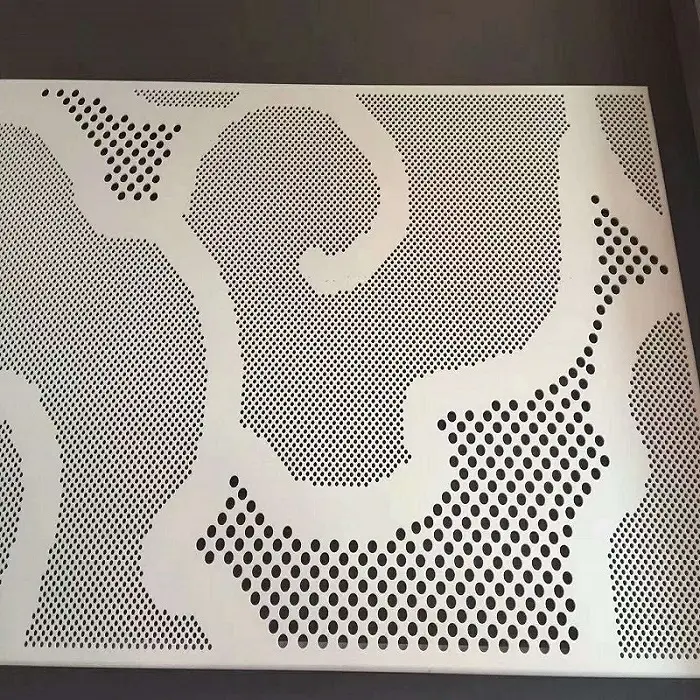
Alu-Mg-Mn Perforated Panels are produced from AA3004 series aluminum-magnesium-manganese alloy (AlMg1Mn1) using high-speed precision punching equipment. SENBO Building Materials supplies these panels for architectural applications that require both acoustic performance and visual appeal, such as airport terminals, high-speed railway stations, sports venues, and exhibition centers.
The alloy contains approximately 1.0%–1.5% manganese and 0.8%–1.3% magnesium, with the balance being aluminum. This composition provides a combination of low density and good mechanical strength. The base metal is non-combustible, and the formed panels offer design flexibility for curved or flat surfaces.
Acoustic Performance and Project Experience
Large spaces with hard surfaces often suffer from excessive reverberation and echo. Perforated Al-Mg-Mn panels can be combined with sound-absorbing materials such as acoustic fabric or glass wool to form an assembly that improves sound absorption. In optimized configurations, the combined system can achieve a sound absorption coefficient above 0.9 under specific laboratory conditions.
Actual acoustic performance depends on panel perforation rate, hole diameter, backing material type and thickness, air cavity depth, and mounting method. Test reports for representative configurations are available upon request.
For example, an acoustic system using perforated Al-Mg-Mn panels with sound-absorbing cotton and acoustic fabric was installed at Zongyang County Stadium to address echo problems. At Linyi Olympic Sports Park Stadium, perforated panels were paired with glass-wool insulation on the roof to reduce noise. These projects demonstrate typical applications, but specific performance should be verified for each design.
Mechanical Strength and Lightweight Design
The density of aluminum-magnesium-manganese alloy is approximately 2.75 g/cm³, about one-third that of steel. This reduces the structural load when used in long-span roofs or suspended ceilings. AA3004 in H36/H46 temper achieves a tensile strength of 240–285 MPa, a yield strength of at least 190 MPa, and an elongation of at least 3%, balancing strength with formability.
Fire Resistance and Corrosion Durability
The metal substrate itself is non-combustible. The fire classification of the complete panel assembly depends on the panel structure, coating, perforation configuration, and any backing materials, and should be confirmed by the applicable test report. For projects requiring a defined fire rating, we can provide documentation from accredited laboratories.
The aluminum surface naturally forms a dense oxide layer that provides self-protecting corrosion resistance against mild acids and alkalis. The expected service life depends on alloy grade, coating system, installation quality, and environmental exposure. For projects with defined durability targets, material and coating selection should be based on the specific environment.
Dimensions and Specification Options
The following table lists typical specifications. Customization is available for hole diameter, pattern, perforation rate, profile shape, and coating color.
Performance Indicator
Parameter/Specification
Notes
Base Material Grade
AA3004 (AlMg1Mn1)
Al-Mg-Mn alloy
Standard Thickness
0.5–1.2 mm
Selected based on span and acoustic needs
Common Profiles
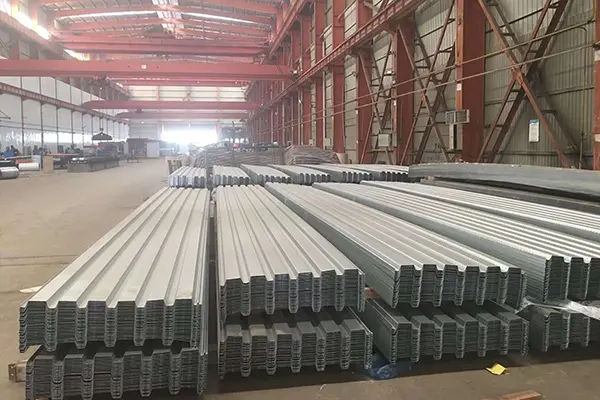
YX15-225-900, YX35-200-800, etc.
Multiple profile options available
Perforation Rate
<30% (customizable)
Adjustable according to acoustic design
Standard Hole Diameter
Φ2.0 mm, Φ2.5 mm, Φ3.0 mm
Custom diameters available
Tensile Strength
240–285 MPa
AA3004 H36/H46 temper
Yield Strength
≥190 MPa
AA3004 H36/H46 temper
Sound Absorption Coefficient
≥0.9 (composite assembly)
When combined with acoustic backing; test conditions apply
Fire Rating
Metal substrate non-combustible
Assembly classification per applicable test
Design Service Life
Project-specific
Depends on alloy, coating, and environment
Key Features and Practical Benefits
1. Effective Acoustic Control in Large Spaces. When used as part of a sound-absorbing assembly, the panels help reduce echo and reverberation. Performance depends on the backing material and installation details.
2. Lightweight with Adequate Strength. The low density reduces structural load, while the tensile strength above 240 MPa supports long-span applications without excessive deflection.
3. Corrosion Resistance and Longevity. The natural oxide layer and optional PVDF coating provide resistance to weathering and mild chemical exposure. Actual service life depends on environmental conditions and maintenance.
4. Design Flexibility. Perforation pattern, hole diameter, open area, profile shape, and color can be customized to meet architectural and acoustic requirements.
5. Recyclable Material. Aluminum alloy is fully recyclable at the end of its service life, aligning with sustainable building practices.
Selection and Installation Guidance
For acoustic design: Determine the target reverberation time and required absorption. Select an appropriate perforation rate and combine with acoustic fabric or sound-absorbing cotton. An air cavity behind the panel can improve low-frequency performance.
For fire-rated areas: Confirm the required fire rating and ensure the complete assembly, including any backing materials, meets local codes. The metal panel itself is non-combustible, but added materials may affect the overall rating.
For outdoor or high-humidity environments: Choose a suitable coating system, such as PVDF, for enhanced weather resistance. Seal joints and edges properly during installation to prevent moisture ingress.
During installation: Use appropriate lifting methods to avoid bending or scratching the perforated surface. Follow the specified fastening pattern and ensure proper alignment for a clean appearance.
Typical Application Areas
1. Sound-absorbing ceiling and wall systems for sports venues such as stadiums and natatoriums.
2. Acoustic decorative installations for transportation hubs, including airport terminals, high-speed rail stations, and metro stations.
3. Public buildings with specific acoustic requirements, such as conference centers, exhibition centers, and theaters.
4. Noise reduction solutions for industrial plants and equipment rooms.
Frequently Asked Questions
1. What is the difference between perforated Al-Mg-Mn panels and standard perforated steel panels?
Al-Mg-Mn panels are lighter than steel panels of the same thickness, reducing structural load and simplifying installation. They also offer natural corrosion resistance from the oxide layer, whereas steel panels require galvanizing or coating. The alloy's formability makes it suitable for curved or complex shapes.
2. What perforation rate should I specify for a stadium acoustic ceiling?
For large venues, a perforation rate between 15% and 30% is common, but the optimal value depends on the target frequency range and backing material. An acoustics consultant can provide specific recommendations based on the room's volume and intended use.
3. Does the reported sound absorption coefficient apply to the perforated panel alone?
No. The reported value of 0.9 or higher refers to the complete assembly, including the perforated panel, porous absorber (e.g., glass wool), and any air cavity. The panel alone has limited absorption. We recommend testing a representative assembly for critical projects.
4. Which alloy grade should I specify for exterior roofing applications?
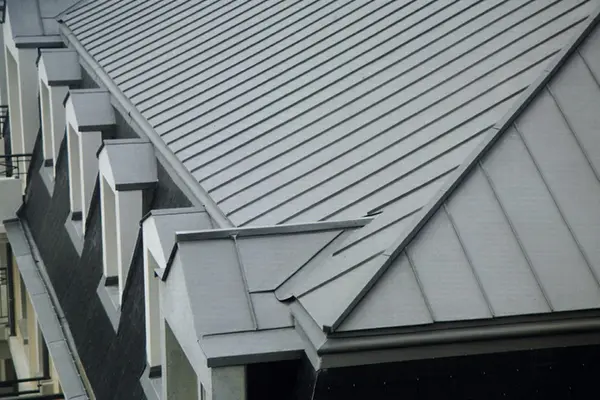
AA3004 is commonly specified for exterior roofing and facade applications because of its higher strength and good corrosion resistance. AA3003 may be used for less demanding interior applications. Confirm with the project engineer which grade meets the structural and durability requirements.
5. How should the panel thickness be selected for suspended ceiling spans?
Panel thickness affects both structural stiffness and weight. For suspended ceilings, a thickness of 0.8–1.0 mm is often used for moderate spans, while larger spans or higher loads may require 1.2 mm. The manufacturer's span tables and the project's load requirements should guide the selection.
About SENBO Building Materials
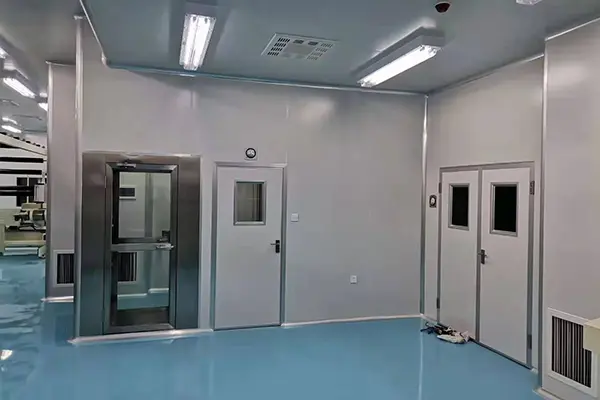
Tianjin SENBO Building Materials Technology Co., Ltd. is a manufacturer of perforated Al-Mg-Mn panels, perforated rock wool composite panels, modular cleanroom wall panels, and other metal envelope products. Our production base is located in Jinghai Economic Development Zone, Tianjin, China, equipped with automated production lines and a four-stage quality inspection process. For more information about our factory, certifications, testing capabilities, and project references, please visit our About Us page or contact our engineering team.
Hot Tags: Alu-Mg-Mn Perforated Panels, Aluminum Perforated Panels, Perforated Metal Panels
Send SENBO an inquiry for steel building materials. Request a free quote, sample or bulk order price list. Our sales team responds within 24 hours with factory direct pricing, stock availability and shipping options.
We use cookies to offer you a better browsing experience, analyze site traffic and personalize content. By using this site, you agree to our use of cookies.Privacy Policy