Tianjin SENBO Building Materials Technology Co., Ltd.
Products
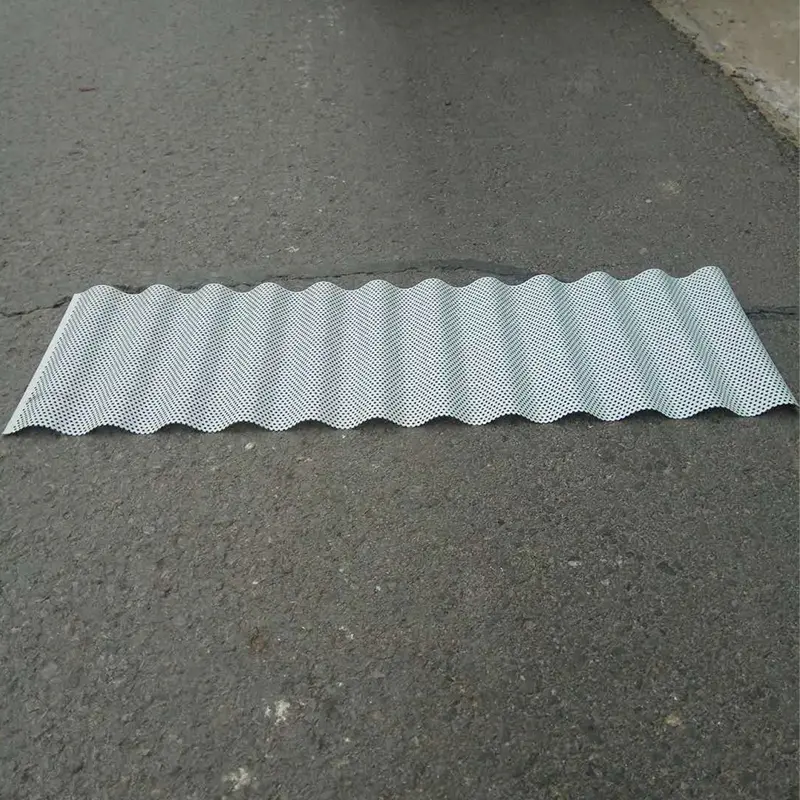
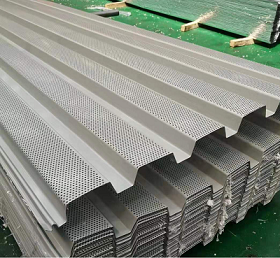
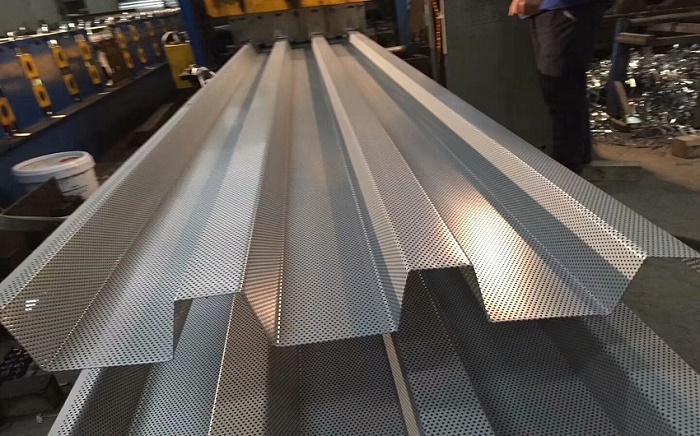
Perforated Sound-Absorbing Panels
  • Perforated Sound-Absorbing PanelsPerforated Sound-Absorbing Panels

Perforated Sound-Absorbing Panels

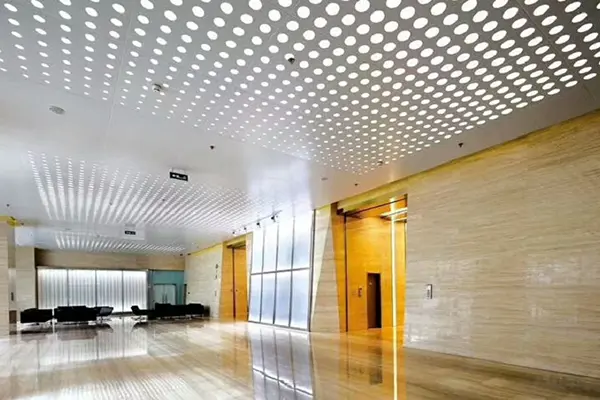
Shengbo Building Materials is a manufacturer and supplier of perforated sound-absorbing panels based in Tianjin, China, in close proximity to the Port of Tianjin. We produce custom perforated acoustic panels made from materials such as color-coated steel, aluminum, and stainless steel, featuring hole diameters ranging from 2.5 mm to 10 mm and an NRC rating of up to 0.90. All orders undergo a three-stage quality inspection before shipment, and our products come with a warranty of up to 15 years.

In environments such as subway tunnels, packed multi-purpose halls, or generator rooms, hard, reflective surfaces cause reverberation times to extend—making broadcasts difficult to hear and allowing machinery noise to travel hundreds of meters. Perforated sound-absorbing panels address this issue directly at the surface: instead of bouncing sound back into the room, the panel surface absorbs reflected sound energy through resonance and converts it into heat. In addition to metal, we offer custom perforated panels for interior projects using substrates such as wood, gypsum, calcium silicate, and magnesium oxide (MGO) board.

Working Principle of the Sound-Absorbing Structure:

Perforated acoustic panels operate based on the Helmholtz resonance principle. As sound waves enter the small perforations, the air inside the holes vibrates, dissipating a portion of the sound energy. When an air cavity is left behind the panel—optionally filled with glass wool or rock wool—sound waves passing through undergo secondary absorption upon reflection.

Four parameters determine the final sound absorption curve:

1.Hole diameter: 2.5–10 mm (0.5–3 mm for micro-perforated designs)

2. Perforation rate: Adjustable from 2.3% to 30%; the 10%–30% range is optimal

3.Panel thickness: 0.4–20 mm, depending on the substrate

4.Cavity depth behind the panel: 30–150 mm; deeper cavities improve low-frequency absorption

With the right combination of parameters, the Noise Reduction Coefficient (NRC) can reach 0.60–0.90; for micro-perforated versions, acoustic testing shows an NRC of 0.70–0.85.


Core Advantages and Reasons:

Measurable acoustic performance:

We cite NRC values based on the reverberation room method (GB/T 20247) rather than using vague "sound-absorbing" claims, allowing acoustic designers to model the room before placing an order.

Fire safety that meets inspection standards:

Metal, gypsum, calcium silicate, and MGO substrates can achieve Class A non-combustibility ratings under GB 8624-2012; wood panels achieve Class B1 after flame-retardant treatment. For public buildings, this distinction determines whether the project passes fire safety inspections. E1 Environmental Rating:

 Indoor panels meet the GB 18580 formaldehyde emission limits, making them suitable for schools, hospitals, and office buildings.

Design Flexibility: 

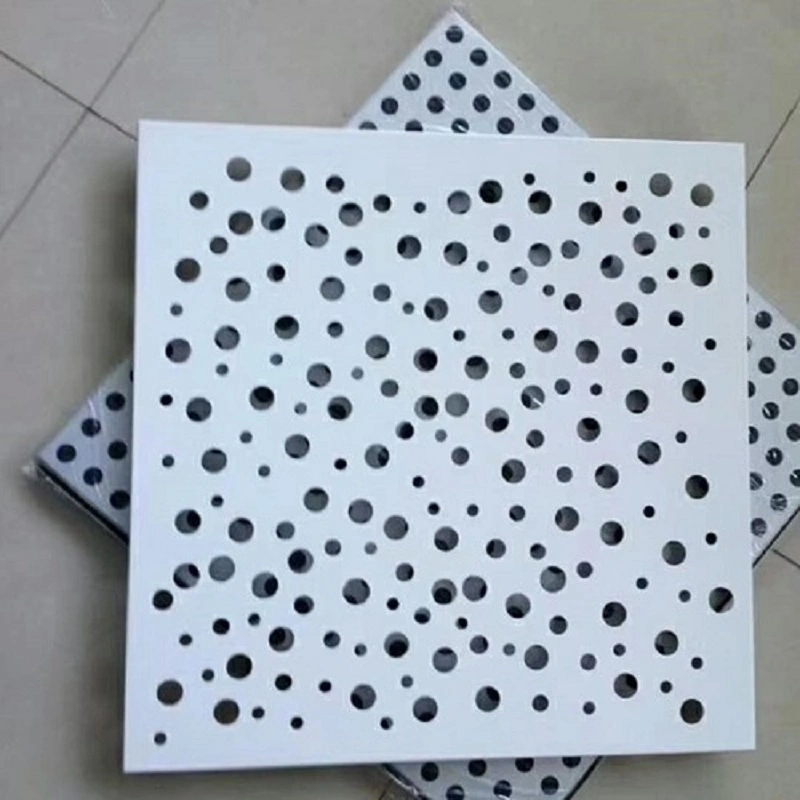
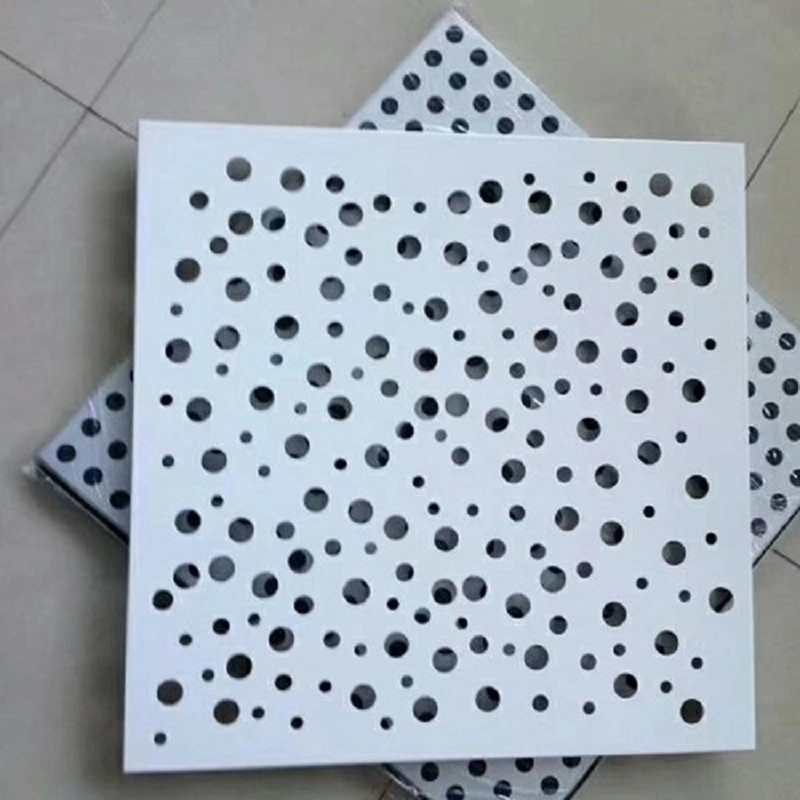
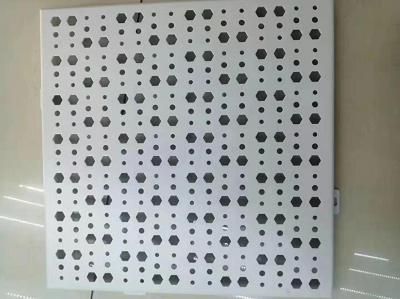
Choose from over 100 custom colors and finishes (powder coating or fluorocarbon coating with film thicknesses up to 75 μm), as well as various perforation patterns—round, square, slotted, or cross-shaped holes. The panels complement architectural designs rather than clashing with them.

Modular Installation: 

Options include furring channel mounting, direct adhesion, or suspension systems. Individual perforated sound-absorbing panels can be removed and replaced separately, ensuring that maintenance doesn't turn into a full-scale renovation.

Technical Specifications:
Item Specification
Metal Substrate Color steel coil, aluminum coil, galvanized steel sheet, stainless steel
Other Custom Substrates MDF / plywood, gypsum board, calcium silicate board, magnesium oxide board
Common Sizes 600×600 mm, 600×1200 mm, 1200×2400 mm; full-size customization available
Board Thickness 0.4–20 mm
Hole Diameter 2.5–10 mm (micro-perforation: 0.5–3 mm)
Perforation Rate 2.3%–30% (recommended 10–30%)
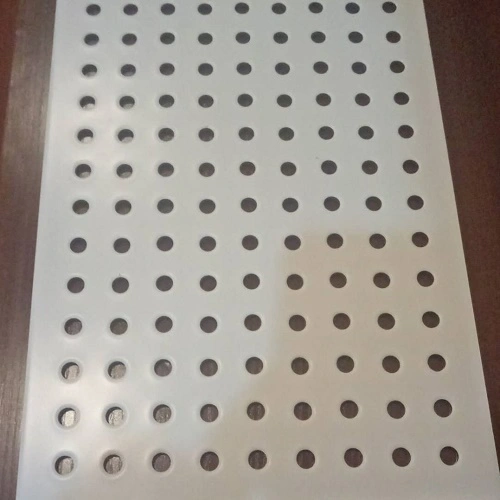
Hole Pattern Round hole, square hole, oblong hole, cross hole, slotted hole
Cavity Depth 30–150 mm (recommended 50–100 mm)
NRC 0.60–0.90 (high-grade version ≥0.75)
Fire Rating Class A non-combustible (metal / gypsum / calcium silicate / magnesium oxide); Class B1 (treated wood-based)
Environmental Grade E1 (GB 18580)
Lead Time 3–7 days for standard items, 7–15 days for custom orders

Which panel is right for your project?

Selection by Frequency Range: 

For venues dominated by human speech—such as lecture halls and gymnasiums—the focus is on absorbing the 500–4000 Hz range; small perforations (1–3 mm) work best here. Theaters and concert halls requiring low-frequency control should use larger perforations (8–10 mm) combined with a 100–150 mm deep air cavity. In most applications, matching the perforation size to the dominant noise frequency is more effective than simply increasing the total panel surface area.

Selection by Substrate:

Perforated metal sound-absorbing panels are widely used in tunnels, subway stations, swimming pools, and exterior facades, where moisture would ruin wood or gypsum-based panels. For decorative interiors—such as auditoriums, conference rooms, and hotel lobbies—wood-grain finished panels offer the best visual appeal. Calcium silicate and magnesium oxide (MGO) substrates are ideal for mechanical rooms, pump rooms, and humid industrial facilities.

Selection by Acoustic Structure:

 A single-layer perforated sound-absorbing panels with an air cavity is sufficient to handle typical mid-to-high frequency noise. Filling the cavity with 50 mm of glass wool or rock wool significantly improves low-frequency absorption—a step we find is most frequently overlooked during on-site installation. Aluminum honeycomb cores compartmentalize airflow, enabling sound absorption coefficients exceeding 0.9 in large public buildings. 

Production and Quality Control:

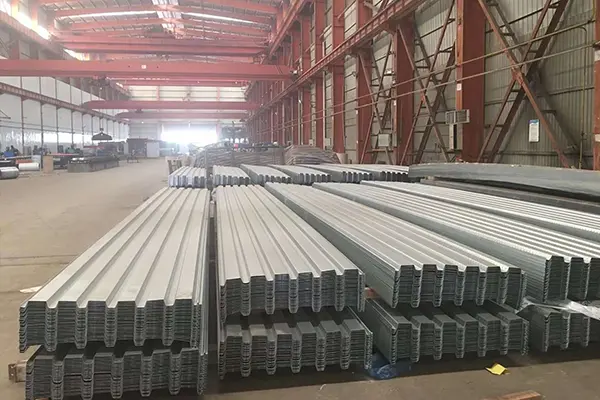
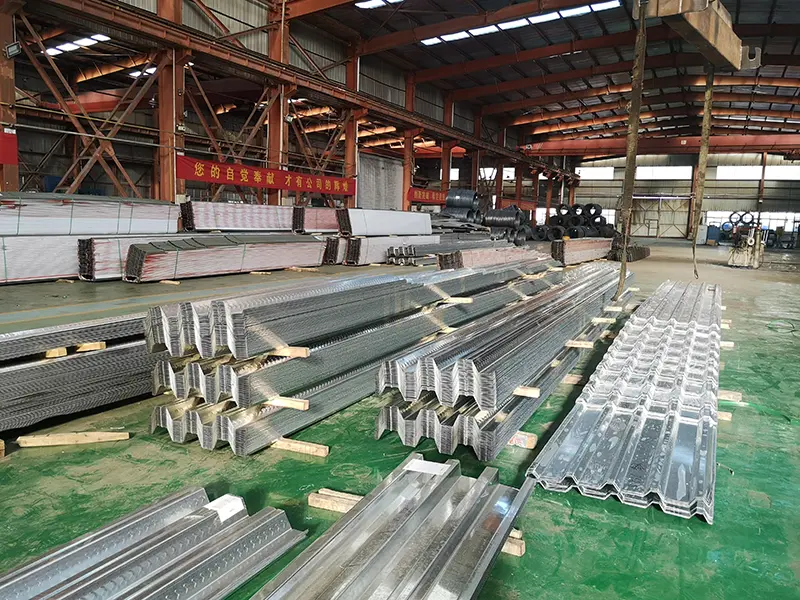
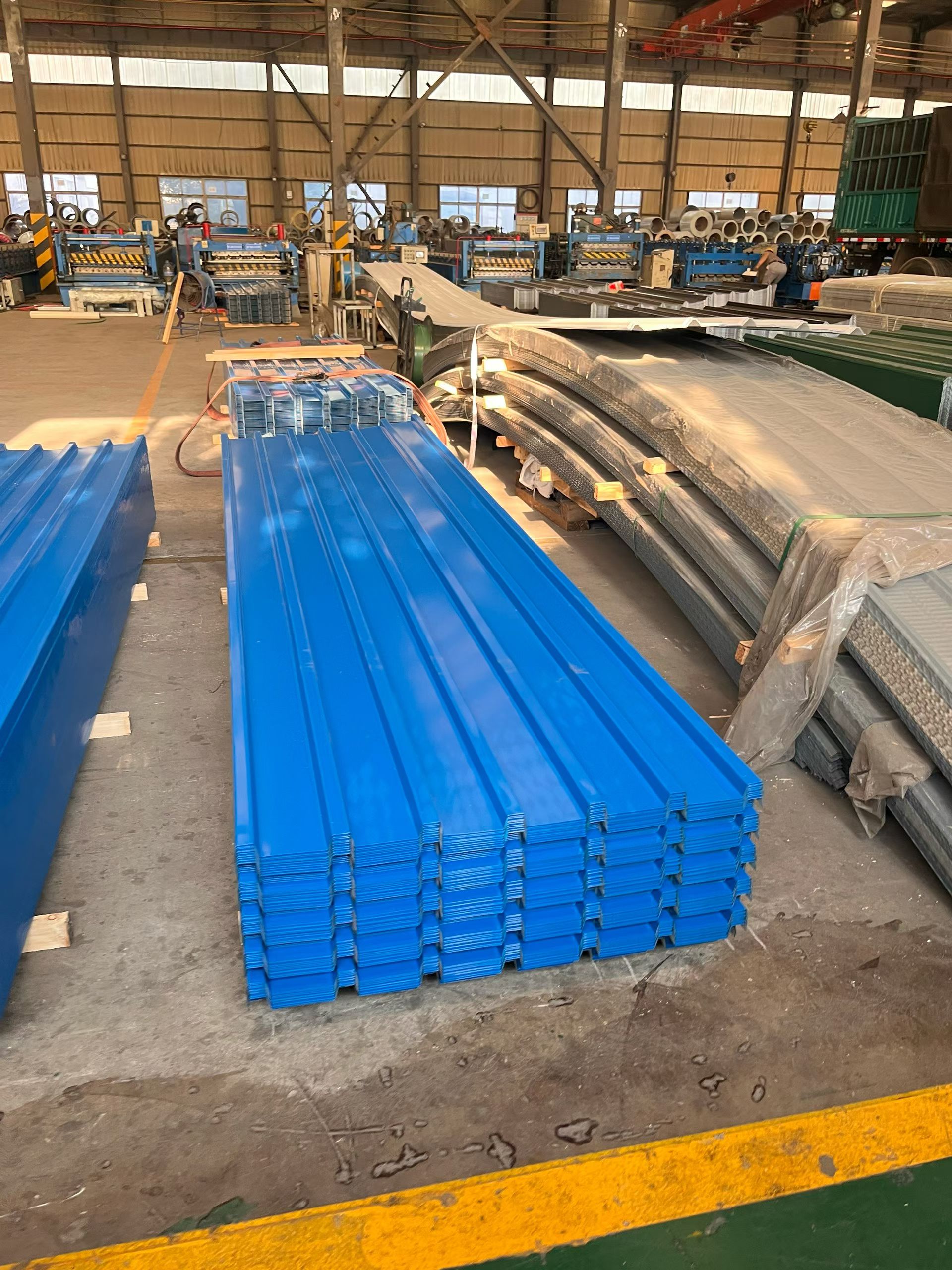
Shengbo operates 5 major production bases, 110 production lines, and over 100 forming machines, with a daily capacity exceeding 100,000 m². Our perforated sound-absorbing panel facility is equipped with high-speed, precision, fully automated punching lines designed for various coil materials. Located adjacent to Tianjin Port, the factory offers convenient container loading and shipping booking, facilitating the export of orders.

A three-tier quality inspection process is implemented for every order:

1. Incoming raw material inspection: Color, thickness, width, and coil weight.

2. In-process inspection: Hole diameter, hole pattern/layout, panel dimensions, scratches, overlapping fit, and panel profile.

3. Pre-shipment inspection: Packaging, stacking, and transport safety (an 8-step SOP packaging process significantly reduces transit damage).

Products come with a 15-year warranty; pre-sales technical support is provided by engineers with over 10 years of experience in metal envelope systems.

FAQ

Q1: Are you a manufacturer or a trading company?

We are a manufacturer with our own perforated acoustic panel production base in Tianjin. You are welcome to visit the factory for an inspection, or we can send you videos of your order being processed on the production line.

Q2: Can hole patterns and colors be customized? 

Yes. We produce orders with hole diameters of 0.5–10 mm, perforation rates of 2.3–30%, various shapes (round, square, slotted, staggered), and over 100 color options. OEM services and customization based on project drawings are part of our standard workflow.

Q3: Do these acoustic panels provide sound absorption immediately upon installation? 

No. The panels themselves are merely perforated sheets; to achieve optimal noise reduction, they must be combined with acoustic insulation and a backing board to form a complete acoustic system. Installing the panel alone significantly reduces acoustic performance, but we can provide a comprehensive acoustic solution.

Q4: What is the lead time? 

Standard panels ship in 3–7 days; customized perforation or finishes take 7–15 days, depending on order volume.

Q5: How do you ensure quality consistency between batches?

The aforementioned three-tier inspection process applies to every order. Before packaging, hole geometry and dimensions are verified against approved drawings, ensuring that panels from different batches fit the same framing/grid layout. 

Q6: Is the product complex to install? Do I need to hire a specialized acoustic contractor? 

The panels are standard steel-structure components, so a standard steel construction team can handle the installation; we can provide installation guidelines, so there is no need to hire a specialized acoustic contractor.


Send Inquiry
Contact Info
Send SENBO an inquiry for steel building materials. Request a free quote, sample or bulk order price list. Our sales team responds within 24 hours with factory direct pricing, stock availability and shipping options.
X
We use cookies to offer you a better browsing experience, analyze site traffic and personalize content. By using this site, you agree to our use of cookies. Privacy Policy
RejectAccept