Tianjin SENBO Building Materials Technology Co., Ltd.
Products
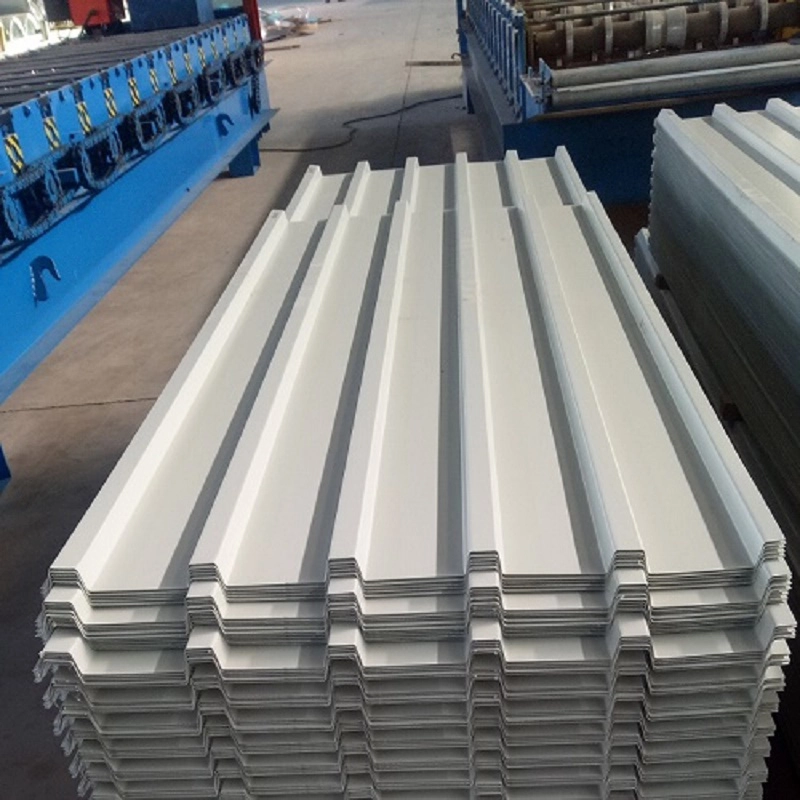
Rock Wool Composite Perforated Panels
  • Rock Wool Composite Perforated PanelsRock Wool Composite Perforated Panels
  • Rock Wool Composite Perforated PanelsRock Wool Composite Perforated Panels

Rock Wool Composite Perforated Panels

SENBO Rock Wool Composite Perforated Panels feature a Class A non-combustible rock wool core and precision-perforated metal facing, delivering NRC>0.8 sound absorption, fire resistance and thermal insulation. Compliant with GB/T 23932. Ideal for stadiums, theaters and industrial plants. Buy SENBO acoustic rock wool sandwich panels at factory price from trusted manufacturer.

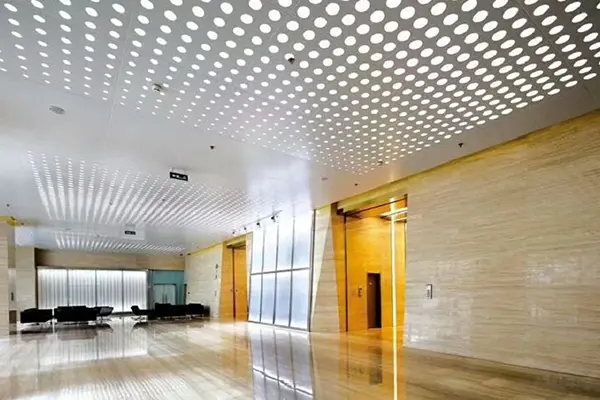
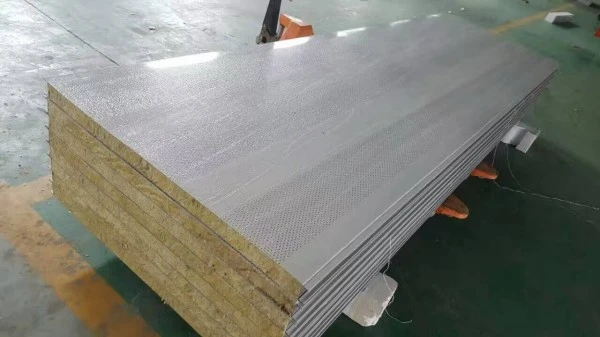
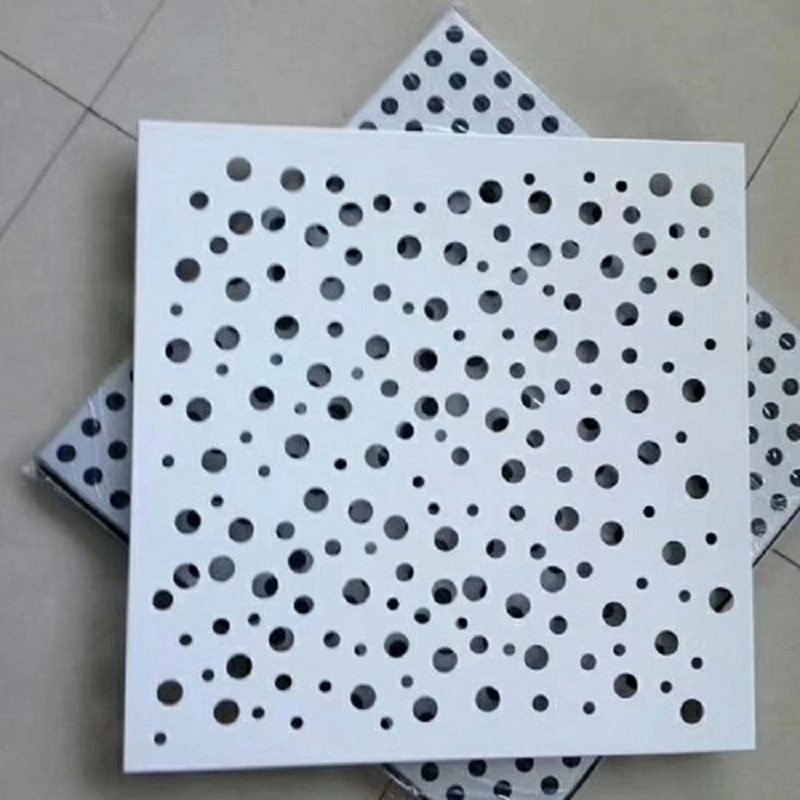
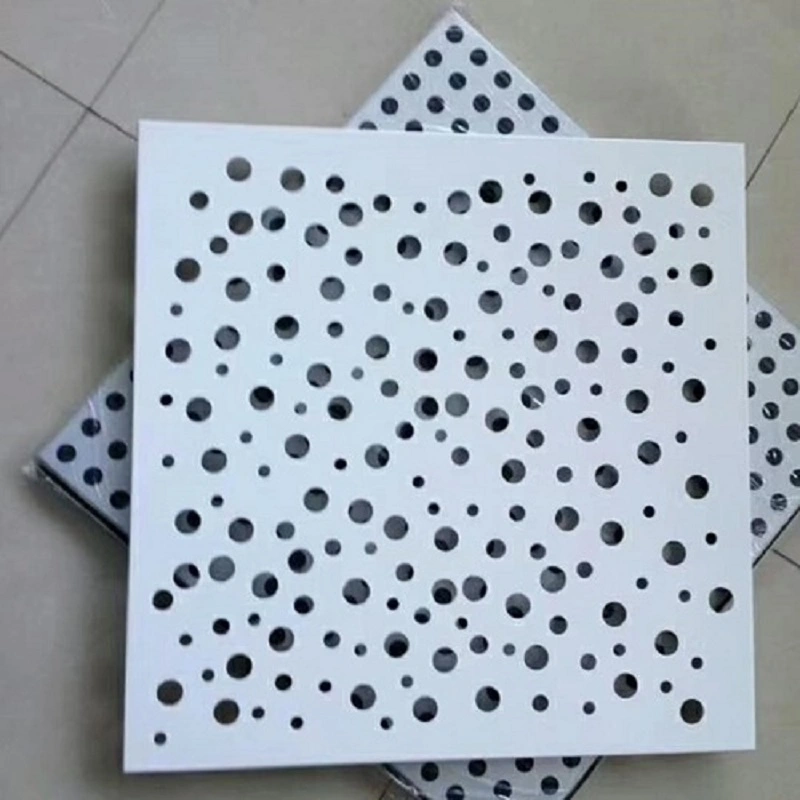
The perforated rock wool composite panel is a metal-faced sandwich panel that combines a rock wool core with a perforated facing sheet. SENBO Building Materials supplies this product for applications where acoustic absorption and fire safety must be addressed together, such as public venues, industrial plants, and equipment rooms.

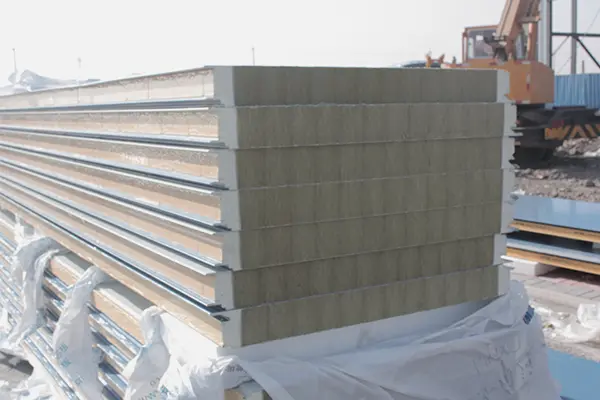
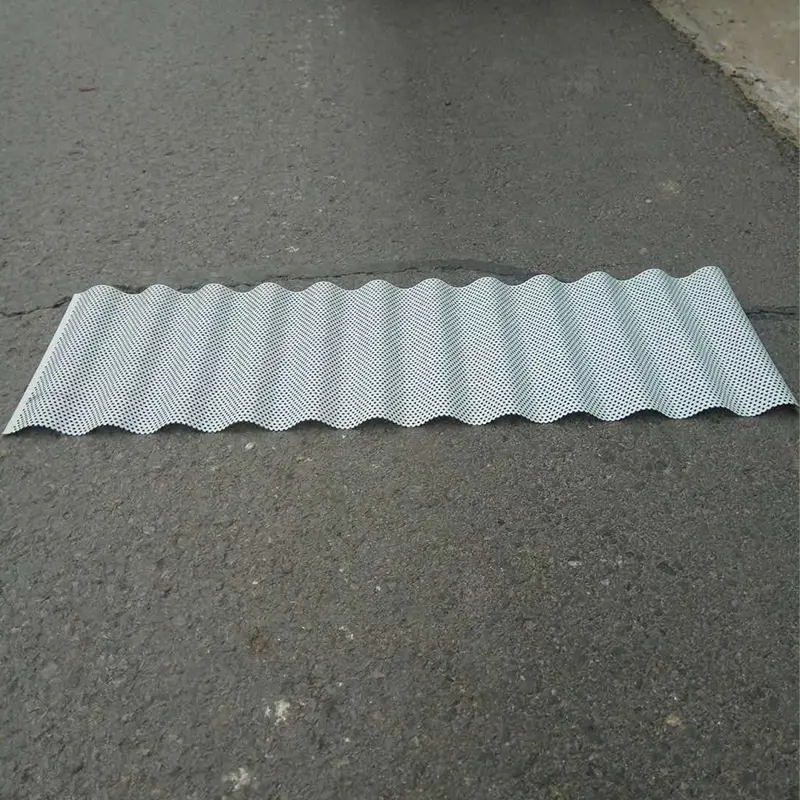
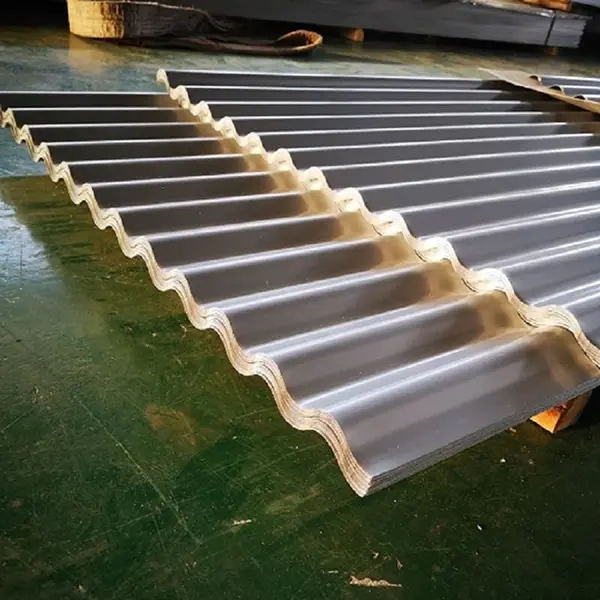
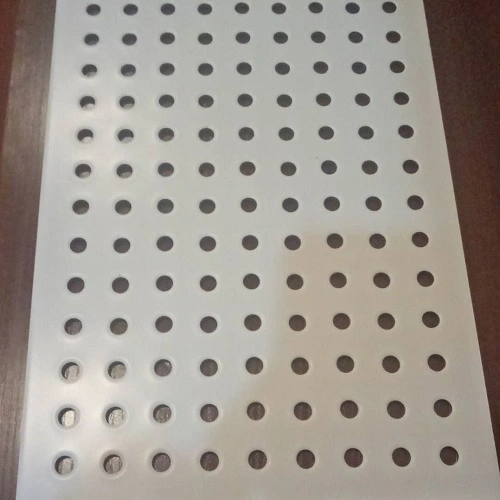
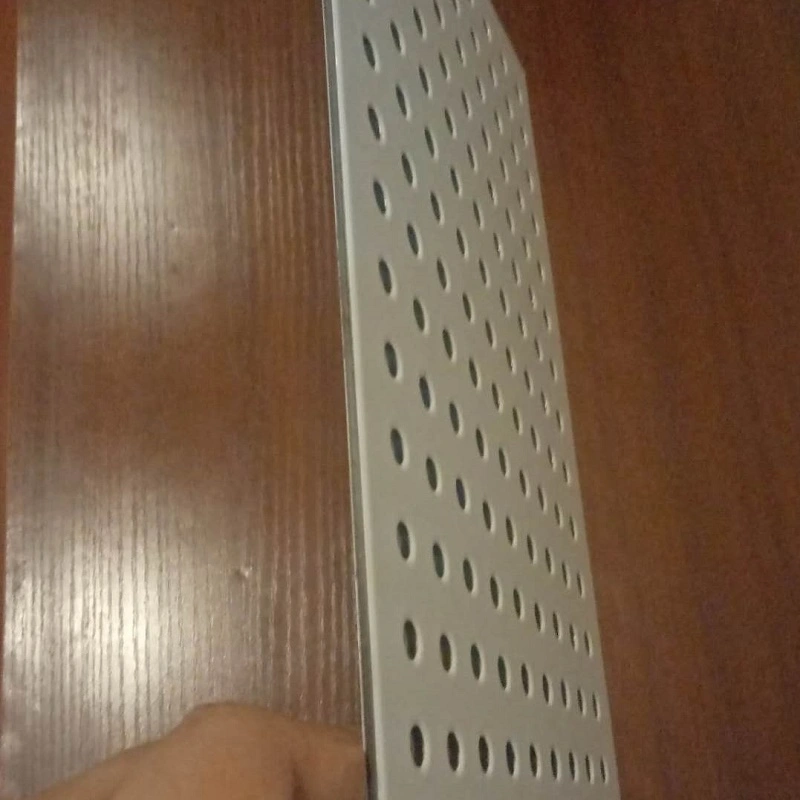
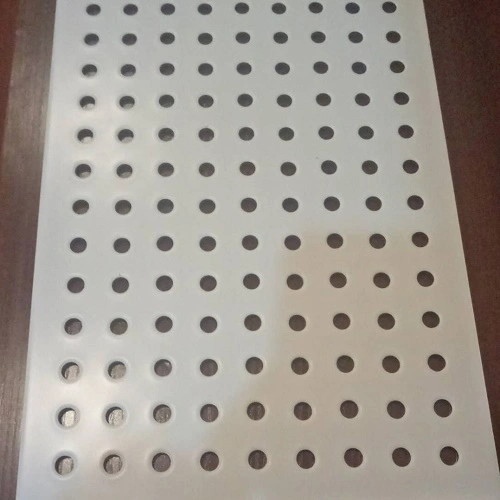
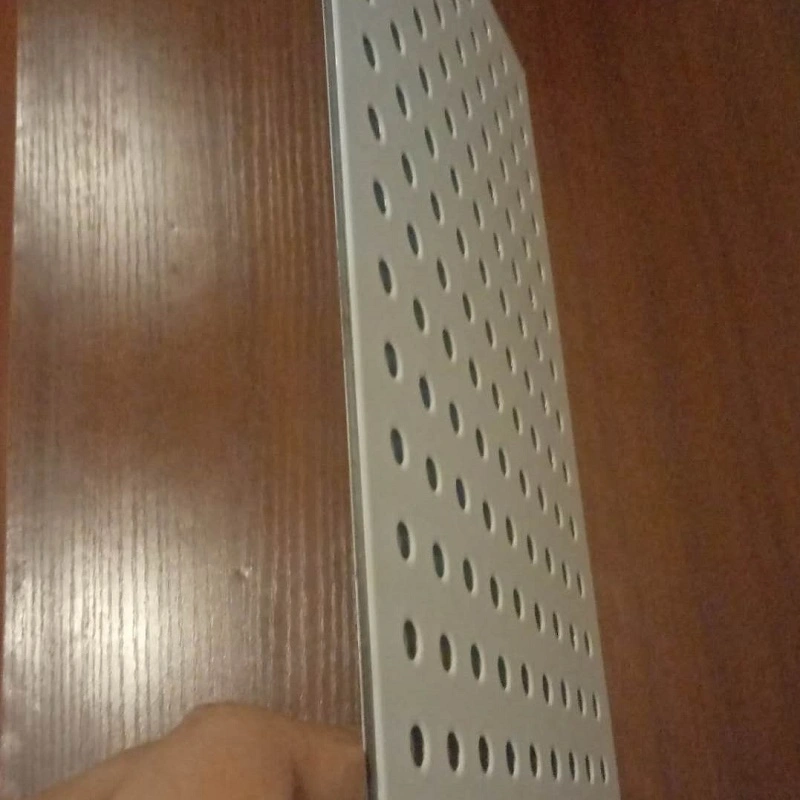
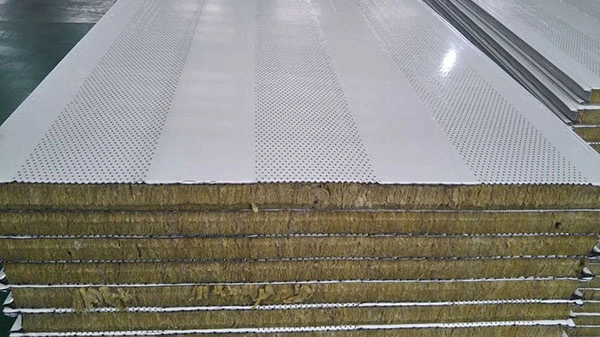
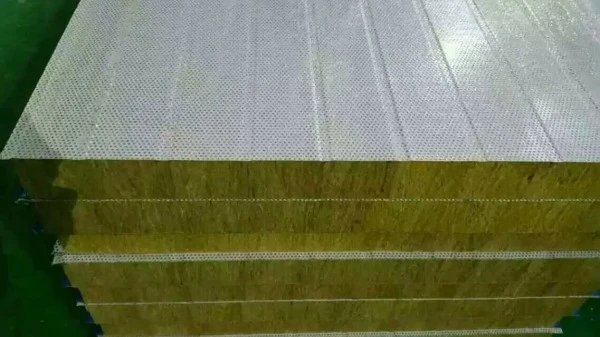
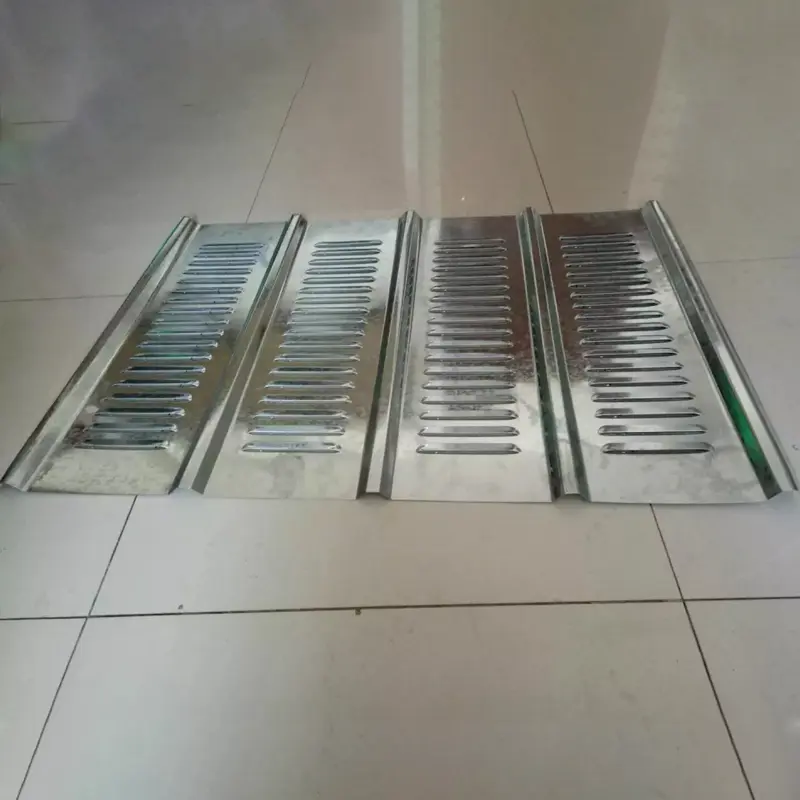
The panel consists of a rock wool core bonded between two metal facings using a high-strength polyurethane foaming agent. The outer face sheet is perforated with precision equipment to create specific aperture sizes and open areas. The inner back sheet is solid and provides structural support. Sound waves enter through the perforations and are absorbed by the rock wool fibers, converting sound energy into heat through friction and viscous effects.

Core Material and Facing Options

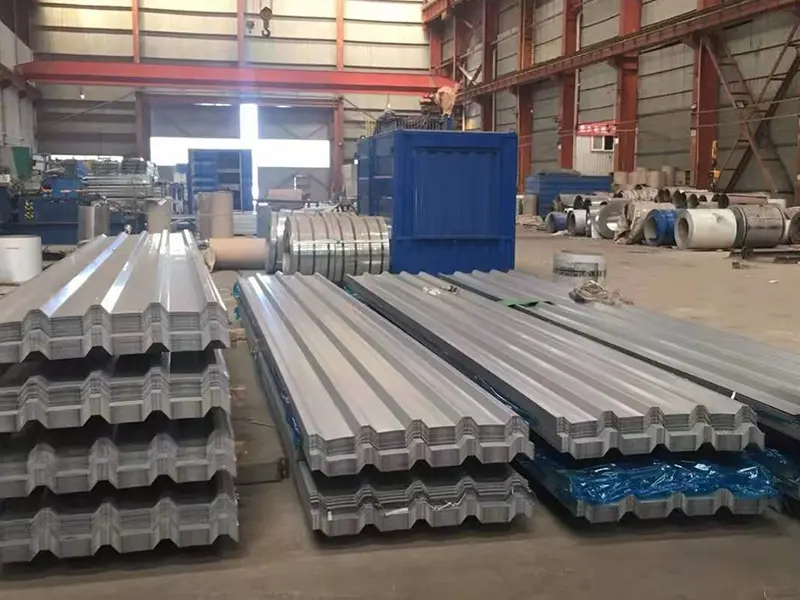
The rock wool core has a density of 80–120 kg/m³, with fiber orientation perpendicular to the panel surface. Facing materials are typically color-coated steel or galvanized steel, with a thickness of 0.4–0.8 mm and customization available. Perforation patterns and hole diameters can be adjusted to meet specific acoustic design requirements.

The product complies with GB/T 23932 (metal-faced rock wool sandwich panels for building use) and JC/T 869 (metal-faced rock wool and slag wool sandwich panels). These standards define the basic requirements for material quality and panel construction.

Rock Wool Composite Perforated PanelsRock Wool Composite Perforated Panels

Measured Acoustic Performance

The sound absorption mechanism relies on the perforated facing and the porous rock wool core. When the perforation rate exceeds 20%, further increases have a limited effect on absorption, and the performance depends mainly on the rock wool itself.

Measurements using the impedance tube method (ISO 10534-2) and the reverberation room method (ISO 354) show that the Noise Reduction Coefficient (NRC) of the perforated metal and rock wool structure can exceed 0.8. High-performance configurations have reached 0.90–0.95 under laboratory conditions. Actual performance depends on the specific panel configuration, mounting method, and the presence of any air cavity behind the panel.

Fire Performance and Thermal Properties

The rock wool core is an inorganic fibrous material with a Class A (non-combustible) rating. It maintains structural integrity at temperatures above 1000°C. The panel is suitable for public buildings with strict fire safety requirements. The rock wool core also has a thermal conductivity of 0.035–0.043 W/(m·K), providing thermal insulation in addition to sound absorption.

The hydrophobicity of the rock wool core is at least 98%, and the moisture content is 0.5% or less. These properties help the panel resist moisture, mold, rot, and insect damage over its service life.

Rock Wool Composite Perforated PanelsRock Wool Composite Perforated PanelsRock Wool Composite Perforated Panels

Technical Specifications

The following parameters are based on standard production and relevant test standards. Test reports are available upon request.

Performance Indicator Parameter/Specification Notes / Standard Basis
Facing Material Color-coated steel / Galvanized steel / Al-Zn coated steel Thickness 0.4–0.8 mm, customizable
Core Material Rock wool (homogeneous inorganic type) Density 80–120 kg/m³
Core Thickness 50 / 75 / 80 / 100 / 120 / 150 / 175 / 200 mm Customizable
Panel Perforation Rate ≥20% (recommended) Above 20%, effect on absorption becomes minor
Common Hole Diameter Customizable Pattern and diameter designed per project
Effective Width 450–1000 mm (varies by panel type) e.g., Model 950, Model 1150
Fire Rating Class A (non-combustible) Meets relevant standards
Thermal Conductivity 0.035–0.043 W/(m·K) Rock wool core
Noise Reduction Coefficient (NRC) ≥0.8 (typical); up to 0.90–0.95 for optimized configurations Measured per ISO 354 / ISO 10534-2
Fire Resistance Limit ≥1000°C Core material property
Hydrophobicity ≥98%
Executive Standards GB/T 23932, JC/T 869 Metal-faced rock wool sandwich panels

Key Features and Practical Benefits

1. Verified Acoustic Absorption. The NRC exceeds 0.8 in typical configurations and can reach up to 0.95 in optimized assemblies. This makes the panel suitable for reducing echo and noise in industrial and public spaces.

2. Class A Fire Safety. The rock wool core is non-combustible and maintains stability above 1000°C, contributing to fire safety in public buildings.

3. Combined Thermal Insulation. Thermal conductivity of 0.035–0.043 W/(m·K) means the panel performs both acoustic and thermal functions, reducing the need for separate insulation layers.

4. Moisture and Mold Resistance. With a hydrophobicity of at least 98%, the panel resists moisture, mold, rot, and insect damage, supporting long-term use in various climates.

5. Factory Lamination for Consistent Quality. The core and facings are bonded using automated equipment, ensuring consistent bond strength and panel rigidity compared to on-site lamination.

Selection and Installation Notes

For acoustic design: Specify the perforation pattern, hole diameter, and open area based on the target frequency range. An air cavity behind the panel can improve low-frequency absorption; consult an acoustics specialist for optimal results.

For fire-rated assemblies: Confirm that the panel configuration meets the required fire resistance and that all supporting components are compatible with the fire safety plan.

For high-humidity areas: Ensure the panel edges and joints are properly sealed during installation to prevent moisture ingress. The hydrophobic core provides resistance, but proper detailing is still necessary.

During installation: Handle panels with care to avoid damage to the perforated facing. Follow the manufacturer's recommendations for fastening and joint treatment. Protect the surface from scratches and impact.

Where These Panels Are Used

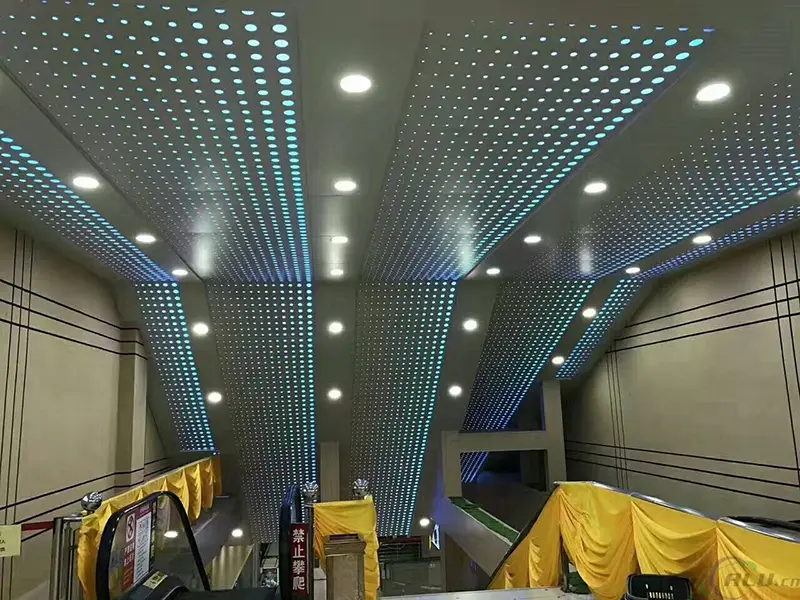
1. Public buildings with dual acoustic and fire safety requirements, such as sports venues, theaters, and concert halls.

2. Industrial plants and equipment rooms where noise reduction is needed.

3. Acoustically sensitive spaces like libraries, conference rooms, and recording studios.

4. Sound-absorbing ceiling and wall systems for transportation hubs, including airport terminals and high-speed railway stations.

Frequently Asked Questions

1. How does the perforation rate affect sound absorption?

When the perforation rate is below 20%, increasing it improves sound absorption by allowing more sound waves to reach the rock wool core. Above 20%, the effect becomes minor, and the absorption depends primarily on the rock wool density and thickness, as well as the mounting configuration.

2. Can these panels be used for exterior applications?

The panels are primarily designed for interior use. For exterior applications, the facing material and coating must be selected for outdoor weathering, and the panel edges and joints need additional protection against moisture. Consult the manufacturer for exterior-specific specifications.

3. What is the difference between impedance tube and reverberation room testing?

The impedance tube method (ISO 10534-2) measures sound absorption under normal incidence and is suitable for comparing materials. The reverberation room method (ISO 354) measures absorption under diffuse field conditions, which better represents real room performance. Both methods are used to evaluate the panel's acoustic properties.

4. How should the panels be cleaned without damaging the perforations?

Use a soft brush or vacuum with a brush attachment to remove dust from the perforations. Avoid using water or liquid cleaners on the perforated surface unless the panel is specifically rated for wet cleaning. The non-perforated facing can be wiped with a mild detergent.

5. What information is needed for a quotation?

Please provide the panel thickness, facing material, perforation rate and pattern, core density, required NRC, and whether the panels will be used on walls or ceilings. Also include the project location and any fire rating or moisture resistance requirements.

About SENBO Building Materials

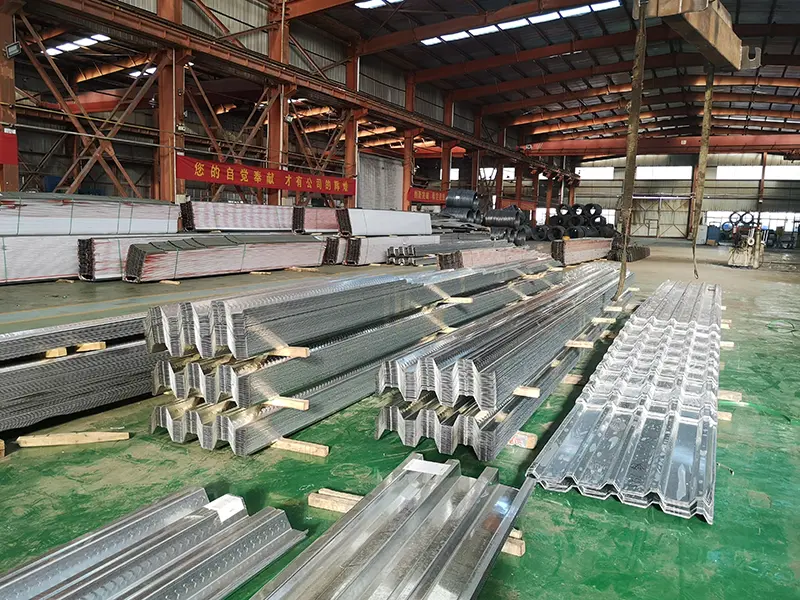
Tianjin SENBO Building Materials Technology Co., Ltd. is a manufacturer of perforated rock wool composite panels, modular cleanroom wall panels, cleanroom panels, and other metal envelope products. Our production base is located in Jinghai Economic Development Zone, Tianjin, China, equipped with automated production lines and a four-stage quality inspection process. For more information about our factory, certifications, testing capabilities, and project references, please visit our About Us page or contact our engineering team.


Hot Tags: Rock Wool Composite Perforated Panels, Rock Wool Acoustic Panels, Perforated Sound Insulation Panels
Send Inquiry
Contact Info
Send SENBO an inquiry for steel building materials. Request a free quote, sample or bulk order price list. Our sales team responds within 24 hours with factory direct pricing, stock availability and shipping options.
X
We use cookies to offer you a better browsing experience, analyze site traffic and personalize content. By using this site, you agree to our use of cookies.Privacy Policy
RejectAccept