As a professional building materials supplier, SENBO provides Climbing Scaffolding Mesh solutions designed to support safer, more organized high-rise construction. These protective mesh panels help enclose climbing scaffold systems, reduce the risk of falling debris, and create a more controlled working environment for exterior building operations. Selecting the right mesh involves evaluating material strength, panel dimensions, surface protection, ventilation, and compatibility with the scaffold structure.
Climbing scaffolding mesh is an important protective component for high-rise construction and exterior wall work. Commonly manufactured from perforated metal sheets and supported by a framed structure, it provides a physical barrier around climbing scaffolding while allowing airflow through the openings. Its performance depends on material quality, hole design, corrosion resistance, connection methods, and proper installation. This guide explains how climbing scaffold mesh works, compares key specifications, outlines its main benefits, and identifies the factors contractors should assess when sourcing a suitable system from SENBO.
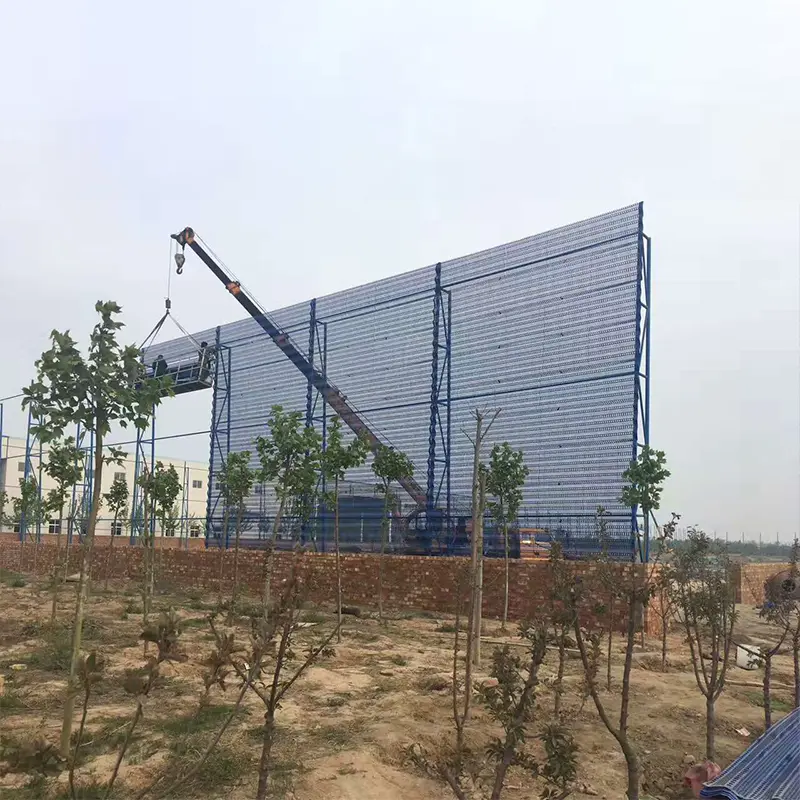
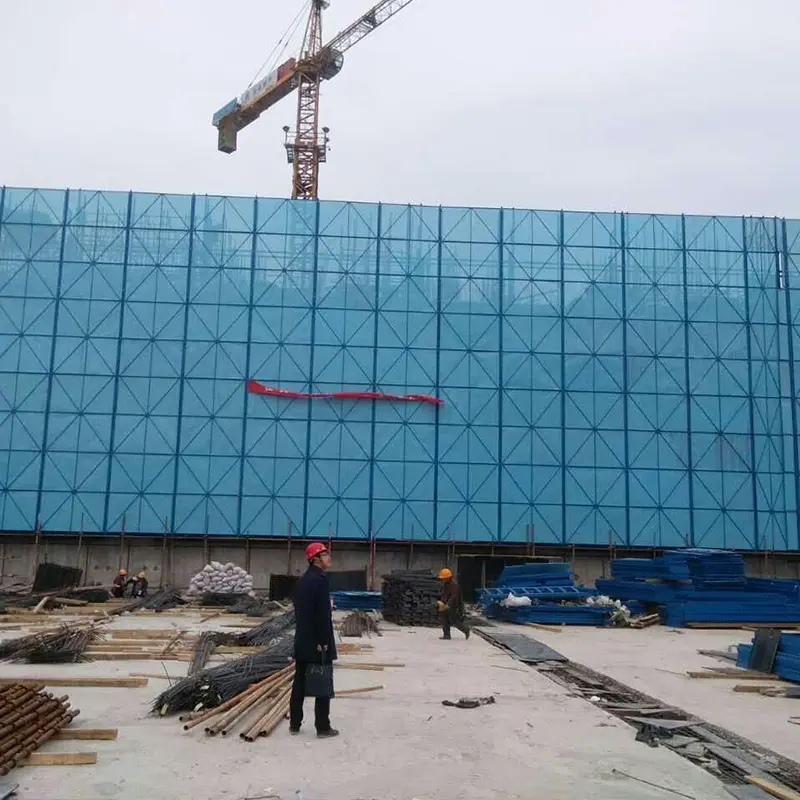
Climbing scaffolding mesh is a protective screening component installed around climbing scaffold or self-climbing platform systems. It is commonly used on high-rise buildings where workers need access to exterior walls, structural surfaces, and elevated construction areas.
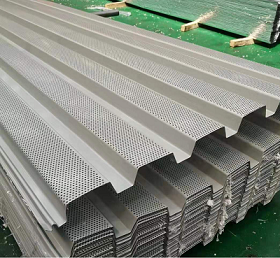
Unlike ordinary flexible scaffold netting, many climbing mesh systems use rigid perforated metal panels connected to supporting frames. The panels form a more stable enclosure around designated working areas and help contain small construction debris. Depending on the system design, the mesh may also serve as a visual screen that gives the building exterior a more organized appearance during construction.
Typical product configurations may include:
The appropriate configuration depends on the scaffold system, site conditions, local safety requirements, and the intended service life. Climbing scaffolding mesh should be treated as part of a coordinated protection system rather than an independent substitute for structural safety equipment.
Climbing scaffold systems are designed to move upward as a building progresses. Depending on the project, movement may be supported by hydraulic equipment or another engineered lifting arrangement. Protective mesh panels are integrated into the designated enclosure so that the screening can function with the scaffold assembly throughout its planned operating cycle.
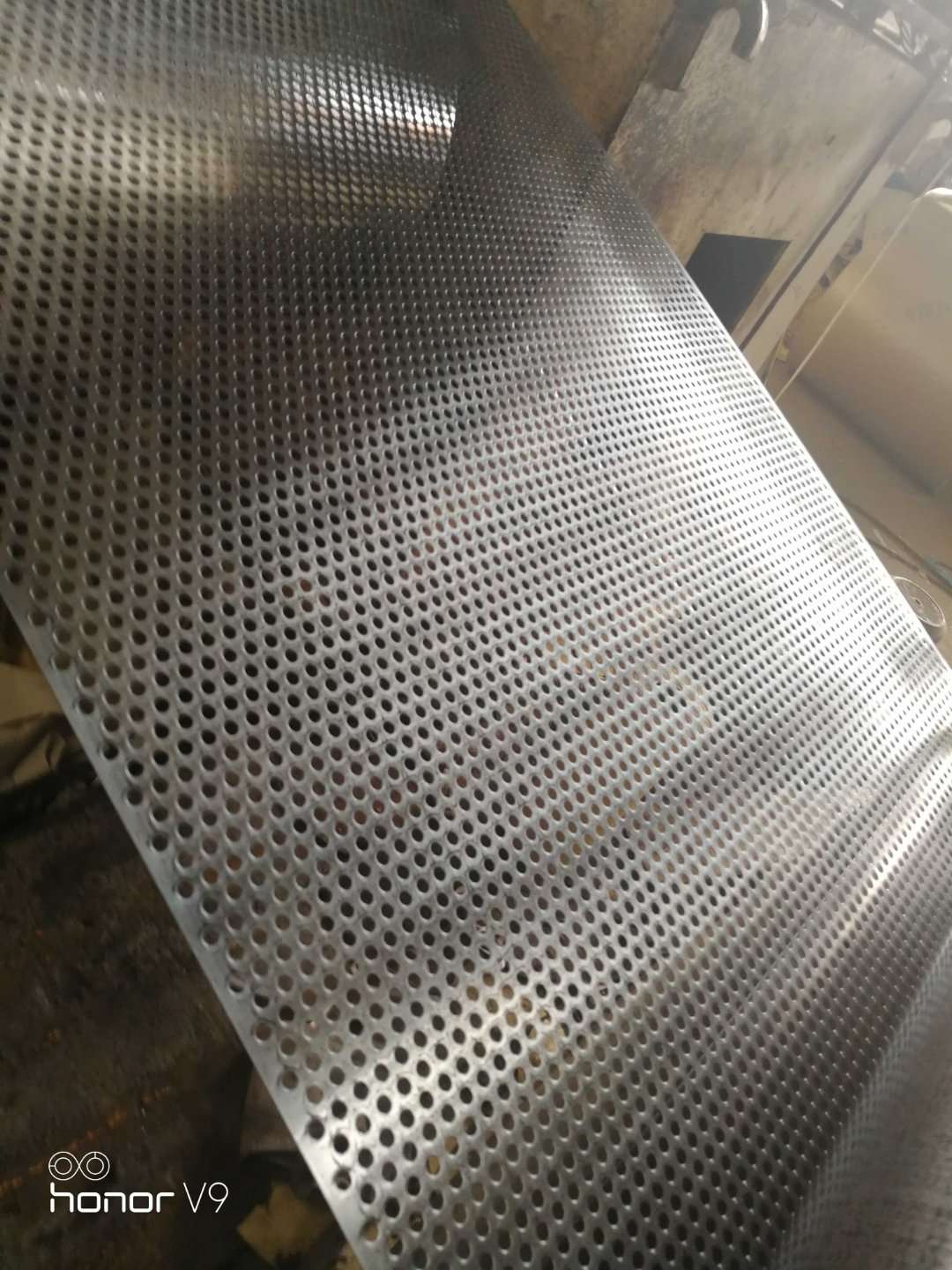
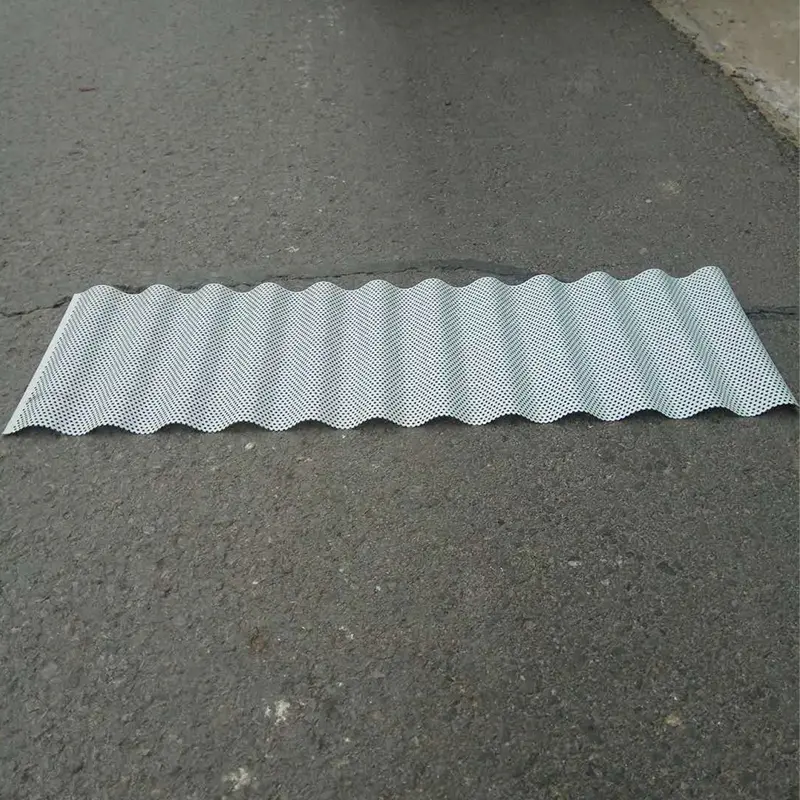
Perforations allow some air to pass through the panels, while the panel structure provides a physical barrier around the working area. The balance between opening size, open-area ratio, sheet thickness, and frame strength influences the system's overall performance.
Well-planned climbing mesh can help contractors:
However, mesh openings, panel joints, access points, and anchoring arrangements must all be considered. The system must be designed and installed according to applicable engineering requirements, including wind loading and the lifting mechanism's operating limitations.
A properly installed mesh enclosure helps create a barrier around elevated work areas and can reduce the chance of small tools or fragments leaving the scaffold area. It should be combined with suitable edge protection, safe working procedures, and other required fall-prevention measures.
Perforated panels allow air to pass through their openings. Compared with a completely solid screen of similar dimensions, a suitably designed perforated panel may reduce wind pressure. Actual performance depends on the opening pattern, open-area ratio, building height, exposure, and the complete scaffold assembly. Engineering assessment remains essential.
Galvanized metal and suitable protective coatings can help limit corrosion during outdoor use. This is particularly important for projects exposed to rain, humidity, airborne pollutants, or changing weather conditions. The coating type should match the anticipated site environment.
Rigid framed panels may be removed, inspected, stored, and reused on subsequent projects when their condition and design permit. Reuse can improve material utilization, although damaged panels, distorted frames, failed connections, and deteriorated coatings must be assessed before redeployment.
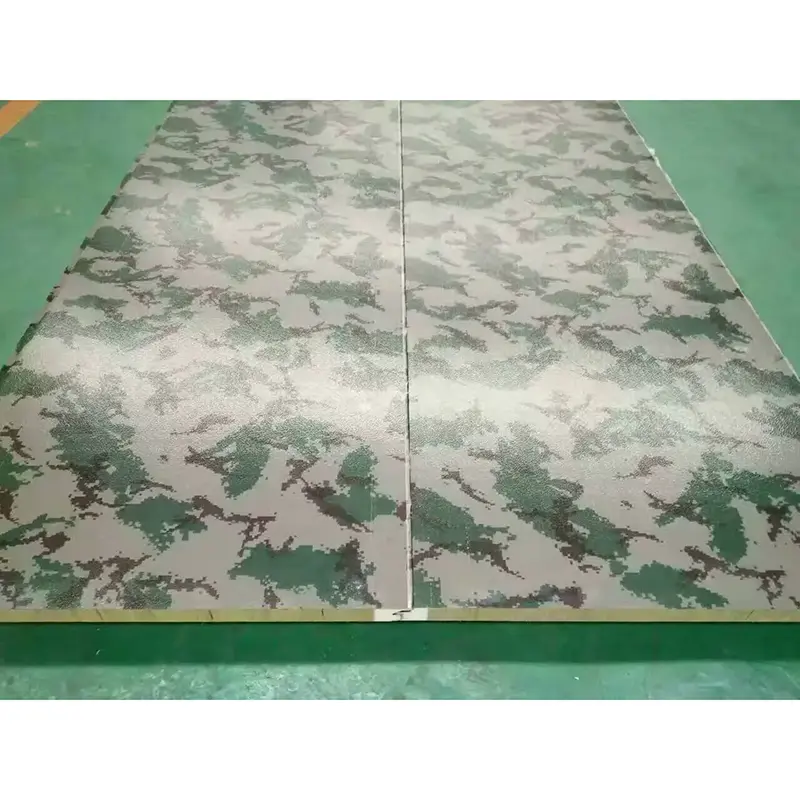
Consistent panel dimensions and coordinated colors can create a uniform appearance across a construction façade. This can be valuable for residential towers, commercial developments, and large infrastructure projects where an orderly site presentation matters.
Material selection directly affects durability, handling, corrosion resistance, and compatibility with the scaffold system. Perforated galvanized steel is a common option, while surface coatings may provide additional protection and allow color customization.
The following table summarizes representative specification ranges found in the climbing scaffold mesh market. These figures are indicative examples, not confirmed specifications for every SENBO model. Buyers should verify the exact product data sheet before ordering.
| Parameter | Representative Range or Option | Why It Matters |
|---|---|---|
| Base material | Galvanized steel sheet or other specified metal | Influences strength, durability, and corrosion performance |
| Sheet thickness | Approximately 0.3–1.2 mm in some product ranges | Affects panel weight, rigidity, and fabrication requirements |
| Common panel dimensions | Examples include 1.0 × 2.0 m and 1.2 × 1.8 m | Must match the scaffold layout and connection points |
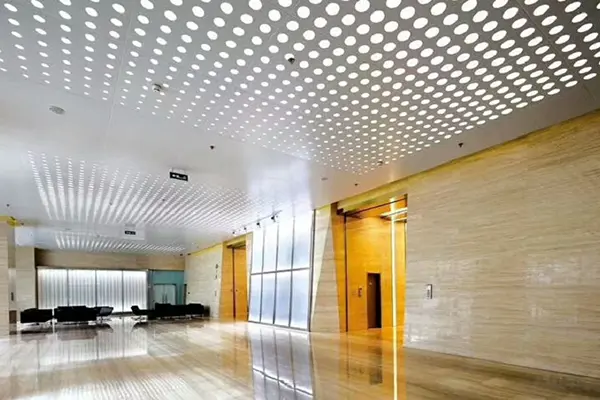
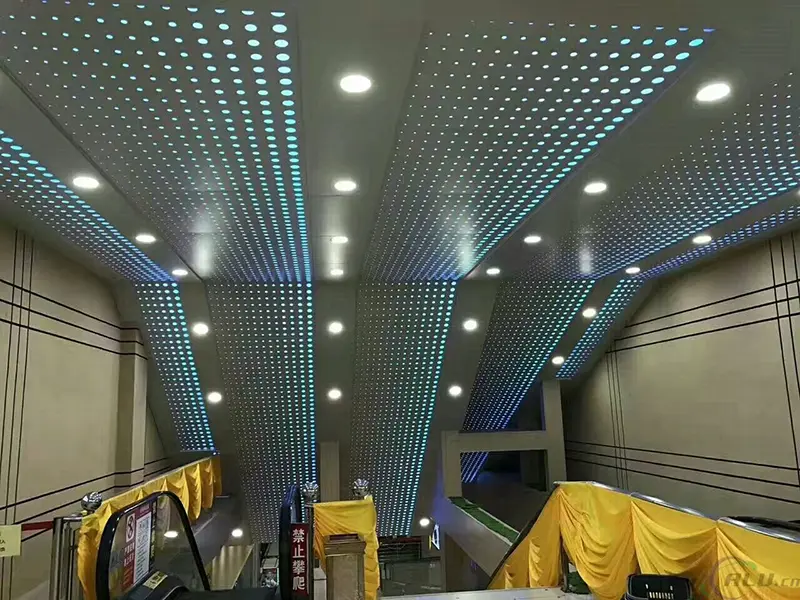
| Opening design | Round holes or other specified perforation patterns | Influences ventilation, visibility, and debris containment |
| Surface treatment | Galvanizing, powder coating, or another specified finish | Helps protect the panel surface in outdoor environments |
| Color | Blue, green, yellow, or a project-specific option | Supports project identification and visual coordination |
| Frame configuration | Selected to suit the engineered scaffold system | Determines fit, connection integrity, and load transfer |
These parameters should never be selected in isolation. For example, reducing sheet thickness may reduce weight, but it can also affect stiffness and resistance to deformation. Similarly, a larger open area may improve airflow while changing debris containment and structural wind behavior. The final specification should reflect the complete system design.
For product details, review the SENBO Climbing Scaffolding Mesh product page and request confirmation of available sizes, materials, finishes, and customization options.
Climbing scaffold mesh is primarily associated with projects that require an enclosed working zone along a building's exterior. Its suitability depends on the lifting system, structural design, and project-specific risk assessment.
During concrete work, façade installation, and exterior finishing, mesh panels help enclose designated work areas and reduce the risk of small debris escaping into surrounding spaces.
Office buildings, hotels, and mixed-use developments may require climbing protection systems that can progress with the building structure. Panel compatibility and predictable connection arrangements are important when planning repeated lifting cycles.
Some industrial construction and renovation projects involve elevated exterior work where a rigid screening system may be suitable. The mesh must be assessed against site-specific exposure, equipment access, and operational hazards.
Bridge piers and other tall structures may use engineered climbing platforms or protective screens. These applications require project-specific engineering rather than assuming that a standard building panel is suitable for every structure.
Purchasing decisions should begin with the scaffold system and project conditions, not simply the lowest panel price. Contractors and procurement teams can use the following checklist when evaluating suppliers.
A supplier that can clarify these requirements before production helps reduce specification gaps and avoidable procurement delays. Clear technical communication is especially valuable for projects involving custom panel dimensions or nonstandard scaffold arrangements.
Even a well-manufactured panel cannot compensate for an incorrectly designed or installed scaffold system. Installation must be completed by competent personnel in accordance with the approved method statement and the system manufacturer's instructions.
Clean the panels as appropriate, document any damage, and store reusable components in a stable, protected location. Panels with structural deformation, failed connections, or significant deterioration should be removed from service until assessed by a qualified person.
For additional context on protective screening systems, consult the relevant OSHA construction safety regulations and the requirements applicable in the project's jurisdiction. Compliance must be assessed against the specific system and intended use.
Different mesh configurations serve different project priorities. The comparison below explains the trade-offs buyers should evaluate rather than identifying a universal best option.
| Selection Factor | What to Evaluate | Practical Procurement Question |
|---|---|---|
| Material | Strength, weight, corrosion resistance, and service conditions | Is the material suitable for the expected environment and loads? |
| Perforation | Opening dimensions, open area, and debris containment | Does the opening design meet the project's protection requirements? |
| Frame | Rigidity, welds, fasteners, and interface compatibility | Can the panel connect correctly to the approved scaffold system? |
| Finish | Coating type, coverage, adhesion, and repair requirements | What surface protection is appropriate for the site conditions? |
| Customization | Dimensions, colors, cutouts, and connection positions | Can the supplier manufacture to the approved drawings? |
| Lifecycle cost | Purchase cost, handling, maintenance, storage, and reuse | What is the expected total cost over the planned service life? |
Evaluating these factors together gives buyers a more reliable basis for comparing quotations. A lower initial price may not represent better value if the panels require additional modifications, are difficult to maintain, or do not fit the planned system.
It is used to screen designated areas of climbing scaffold systems on building and infrastructure projects. It helps contain small debris and provides a physical enclosure around elevated work areas when properly designed and installed.
Perforated galvanized steel is a common choice because it combines a rigid metal structure with corrosion protection. Other material options may be available depending on the manufacturer's product range and project requirements.
Many manufacturers offer options for panel dimensions, perforation patterns, colors, and surface finishes. Customization should be confirmed against the scaffold design, manufacturing capabilities, and any applicable engineering requirements before an order is placed.
No. Perforations can allow airflow, but they do not eliminate wind loads. The complete scaffold and screening system must be evaluated for building height, local wind conditions, panel configuration, anchorage, and the manufacturer's operating limits.
Panels may be reusable when their design permits and they remain in serviceable condition. Each panel should be inspected for deformation, corrosion, coating damage, and connection defects before reuse.
Buyers should provide the required dimensions, estimated quantity, preferred material and finish, delivery destination, and scaffold connection details. Drawings or reference specifications can help SENBO clarify the requested configuration and prepare a more relevant quotation. Confirm product availability and technical details directly before placing an order.
Climbing scaffolding mesh plays an important role in organizing and protecting elevated construction work. The right solution depends on more than panel appearance: material quality, perforation design, corrosion resistance, frame compatibility, installation procedures, and wind-load assessment all contribute to overall performance.
For contractors, developers, and construction material distributors, a clear specification and a qualified supplier are essential starting points. SENBO offers a product-specific starting point for evaluating climbing scaffold mesh requirements, helping buyers identify the details that need confirmation before procurement.
If you are planning a high-rise construction project or sourcing protective screening for a climbing scaffold system, visit the SENBO Climbing Scaffolding Mesh product page to review the available information. Share your drawings, dimensions, material preferences, and project requirements, and contact us to discuss a suitable configuration, confirm technical specifications, and request a quotation for your next construction project.