Tianjin SENBO Building Materials Technology Co., Ltd.
Products
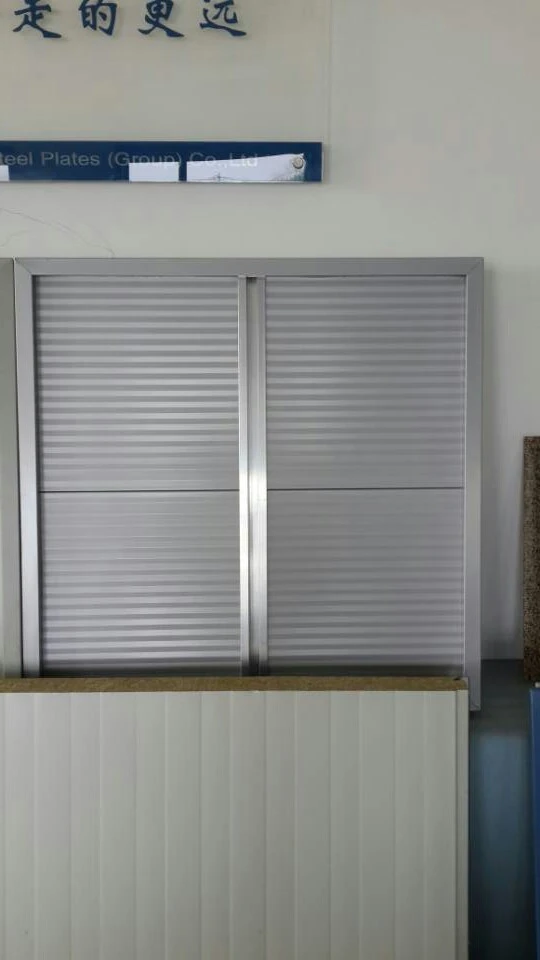
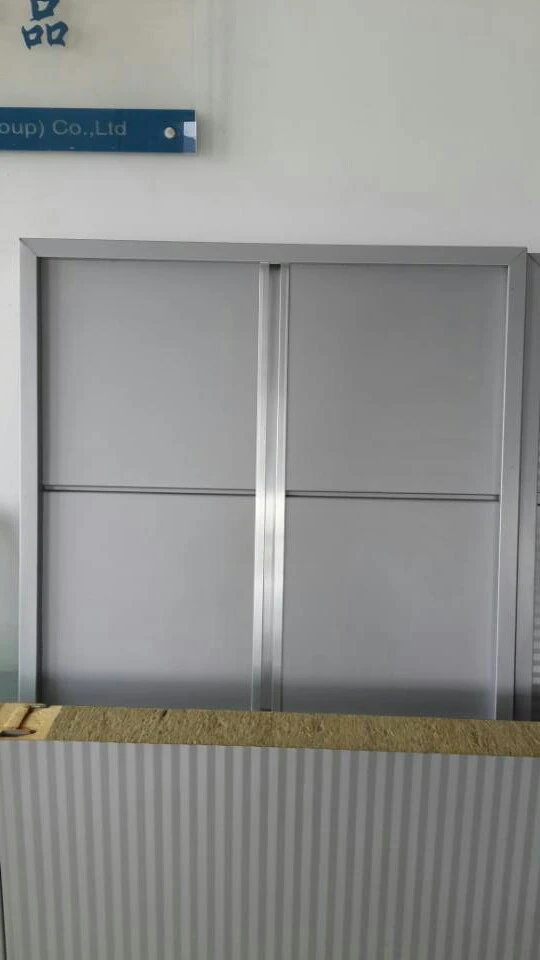
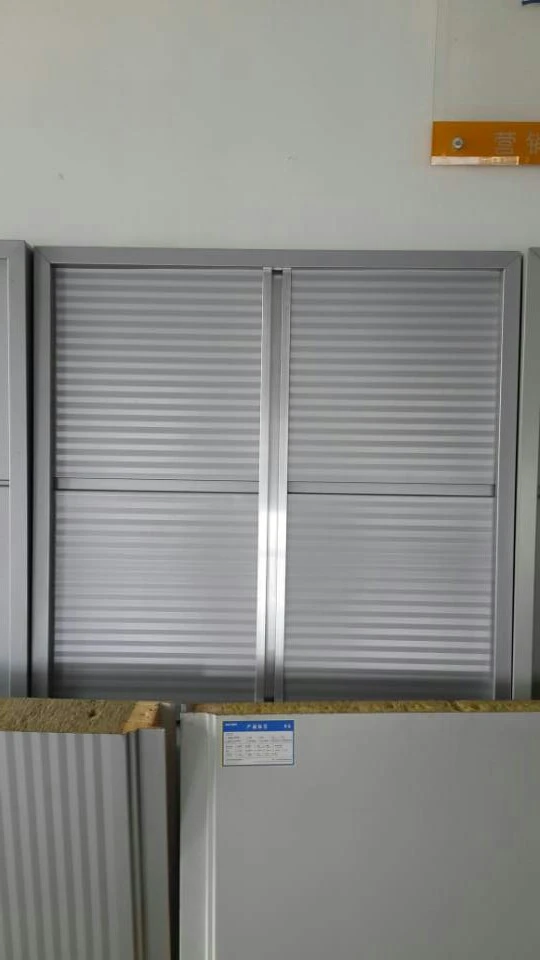
Polyurethane Edge-Sealed Rock Wool Panels
  • Polyurethane Edge-Sealed Rock Wool PanelsPolyurethane Edge-Sealed Rock Wool Panels

Polyurethane Edge-Sealed Rock Wool Panels

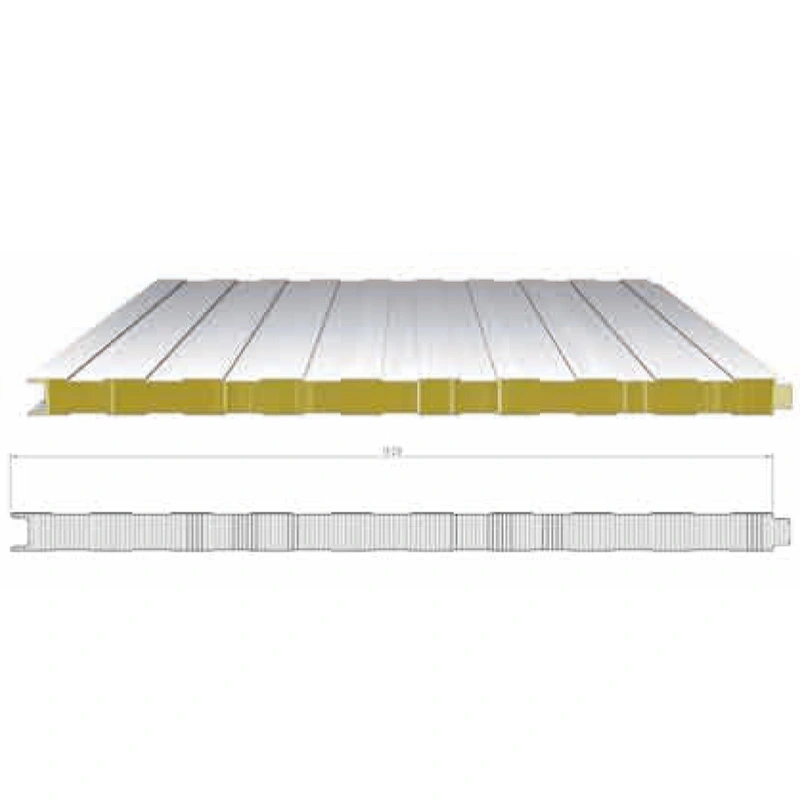
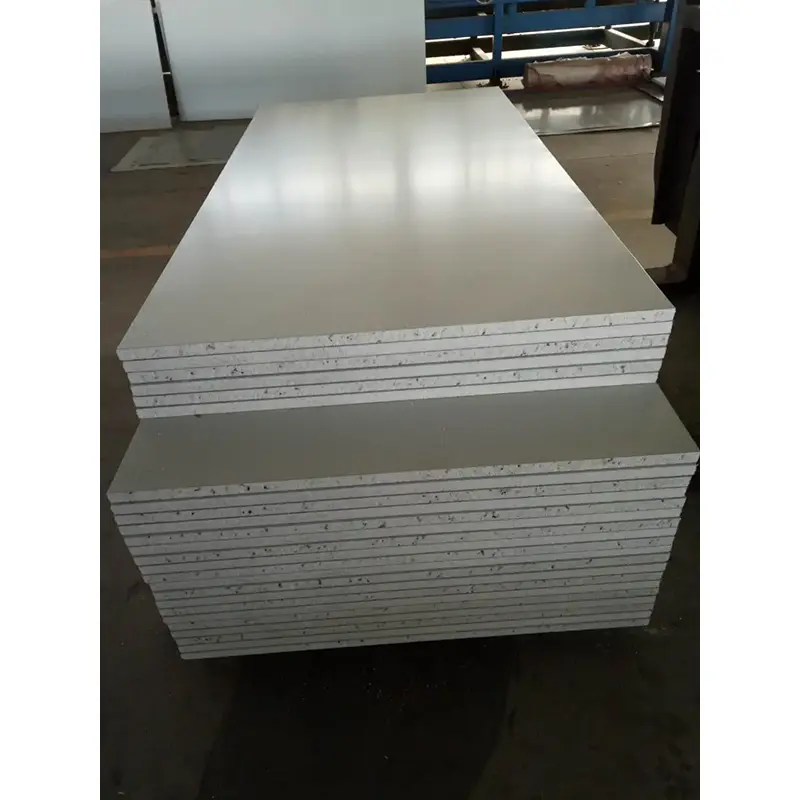
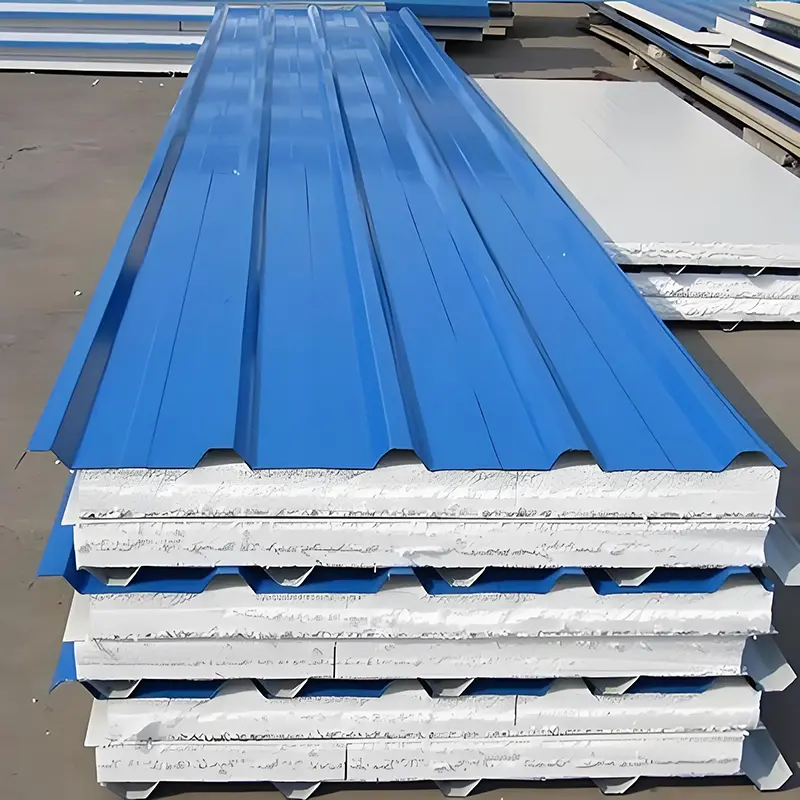
SENBO Polyurethane Edge-sealed Rock Wool Panels combine Class A fire resistance, thermal insulation, waterproofing, and structural sealing performance. Featuring a rock wool core, polyurethane edge sealing, and durable steel facings, they are widely used in industrial, logistics, and public buildings for reliable and efficient enclosure solutions.

SENBO Building Materials supplies polyurethane edge-sealed rock wool panels as part of its metal building envelope product range. These panels combine a non-combustible rock wool core with rigid polyurethane edge sealing, offering a balance of fire resistance, thermal insulation, and moisture protection for industrial and public buildings.

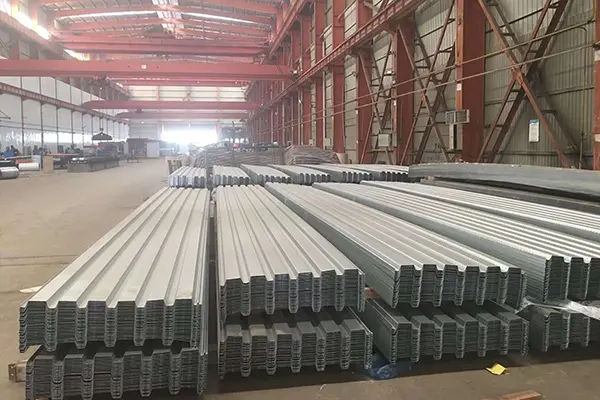
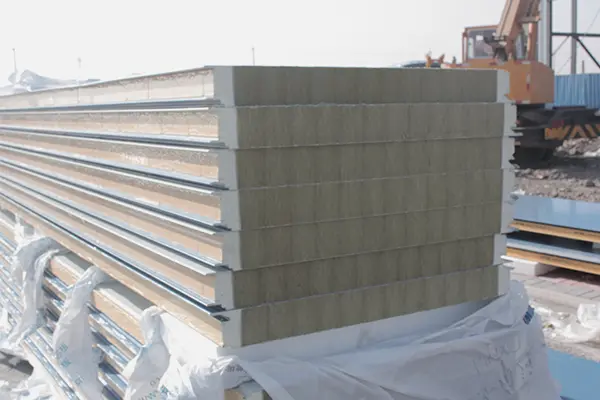
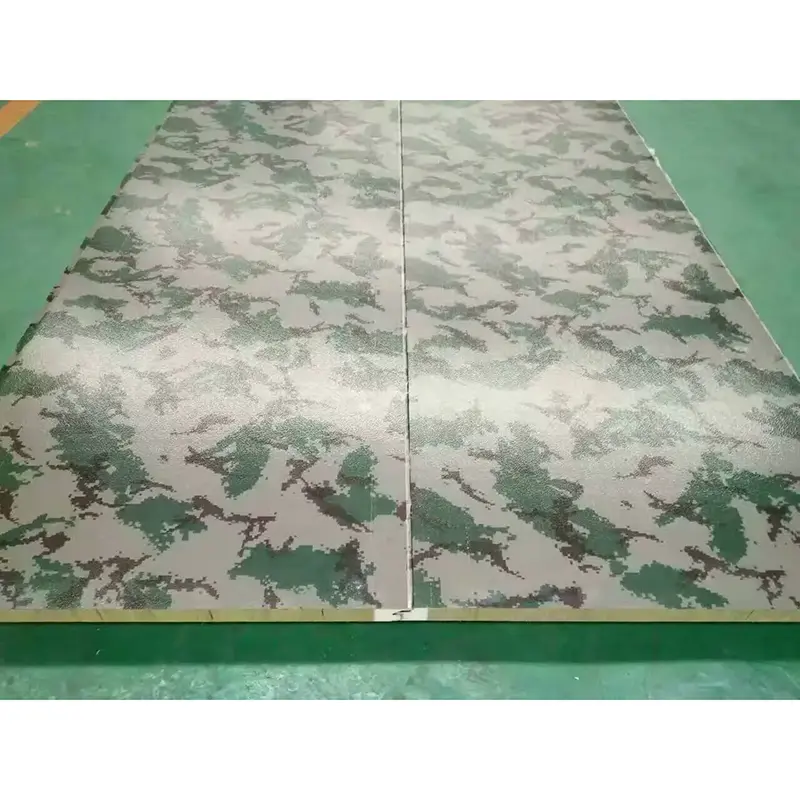
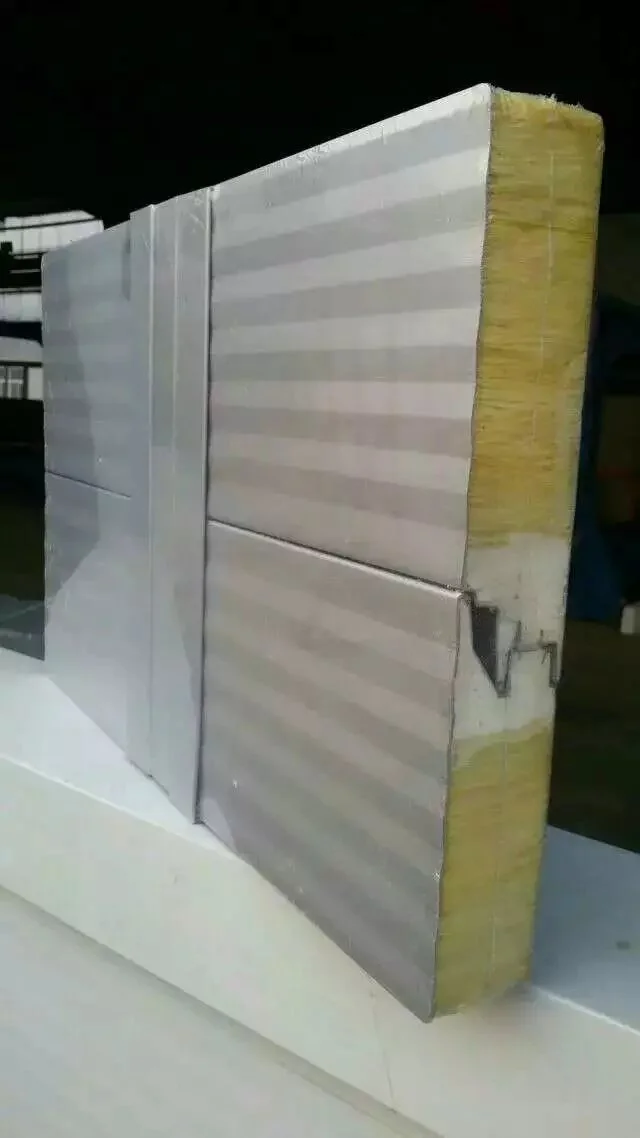
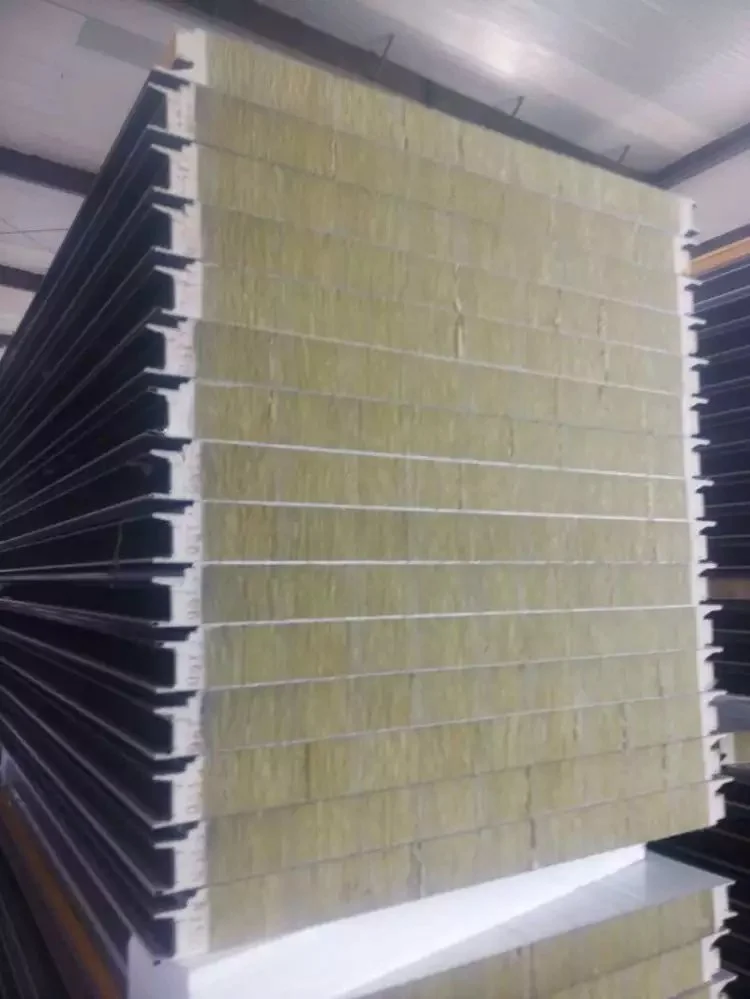
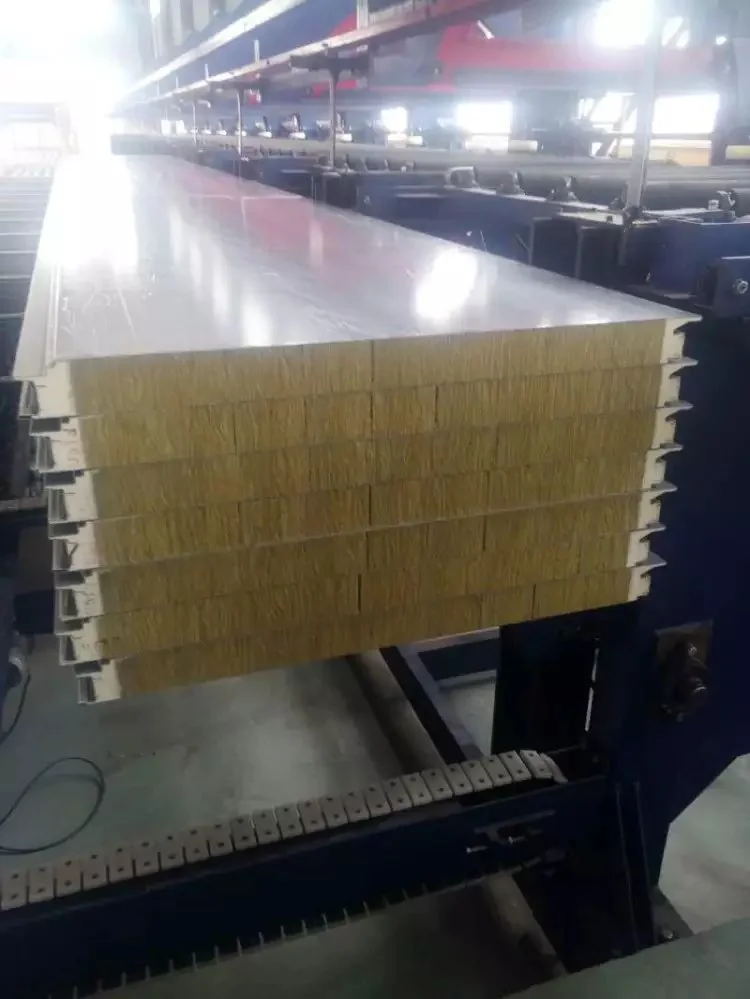
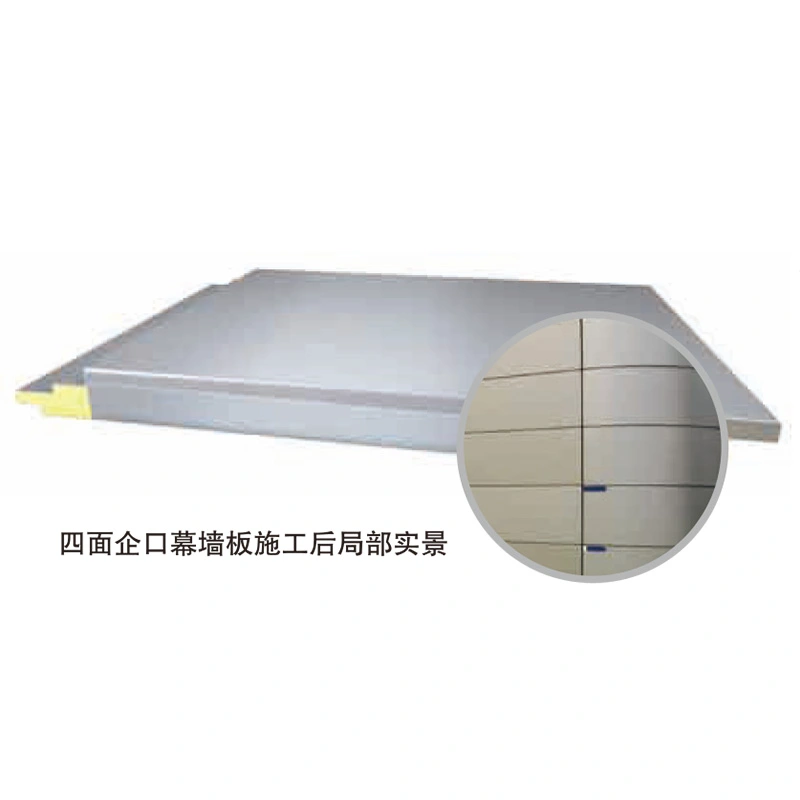
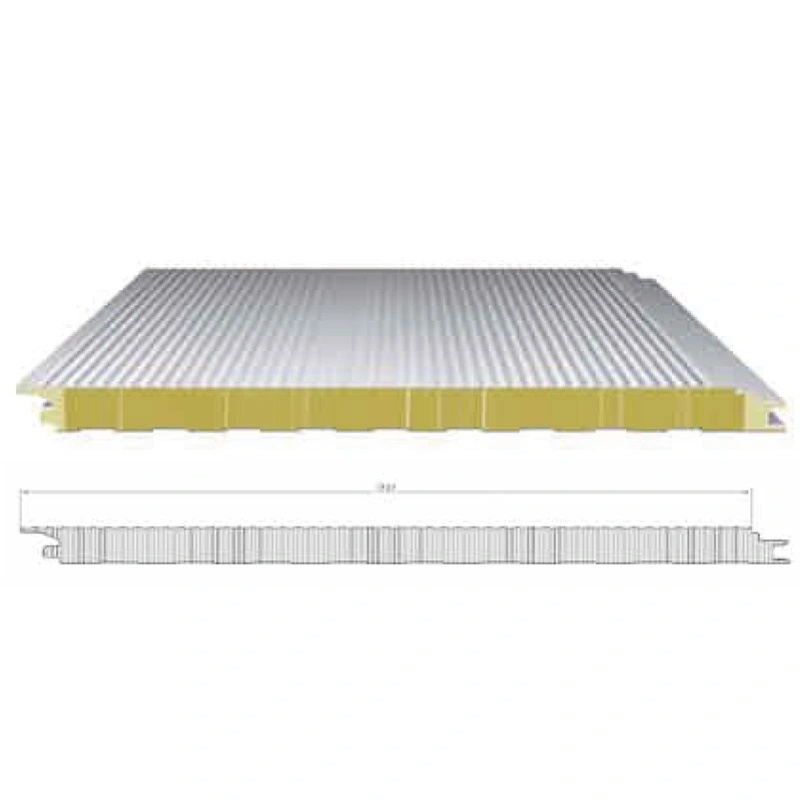
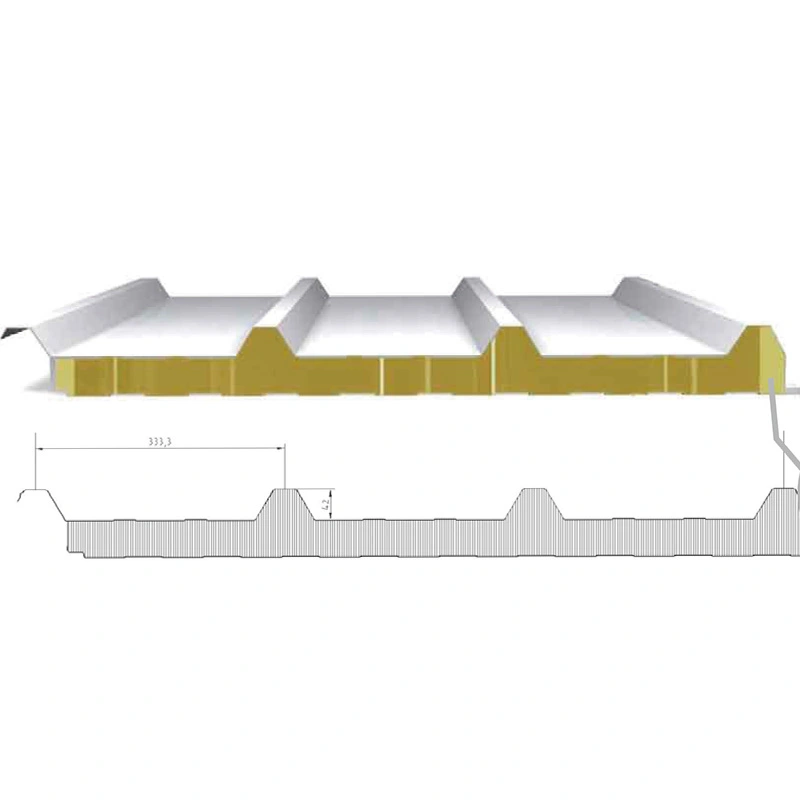
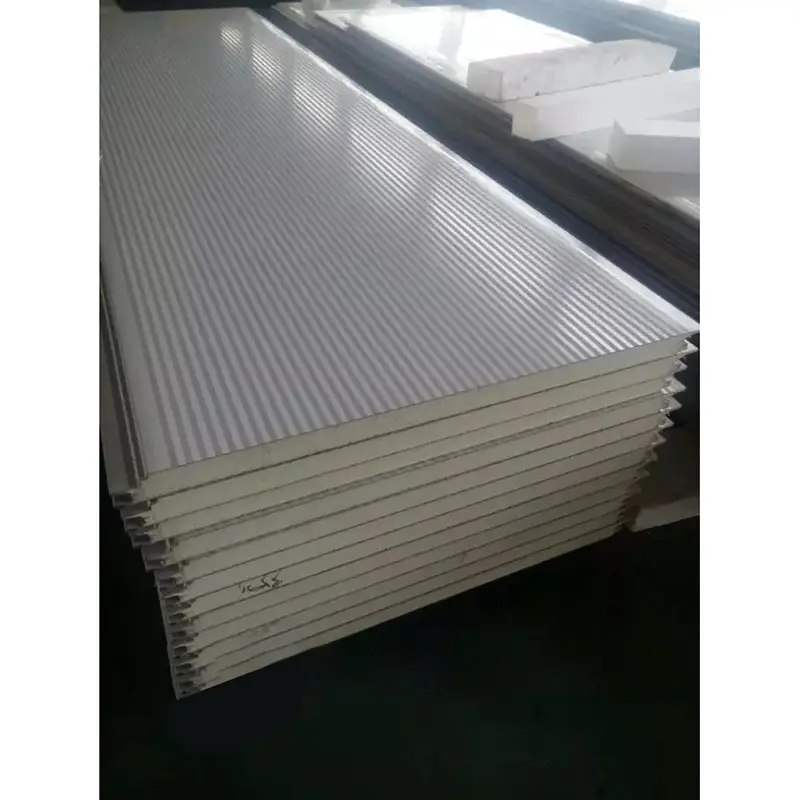
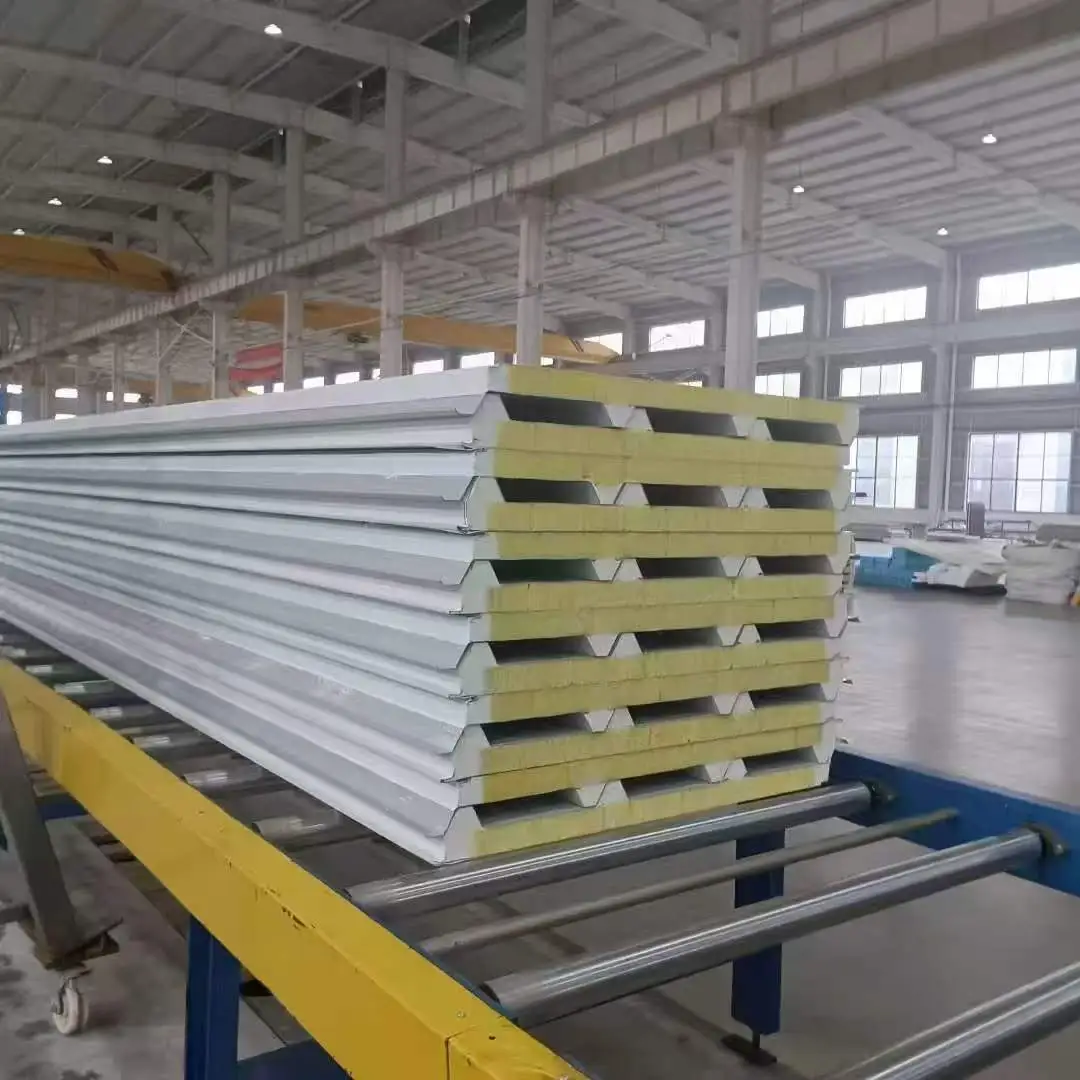
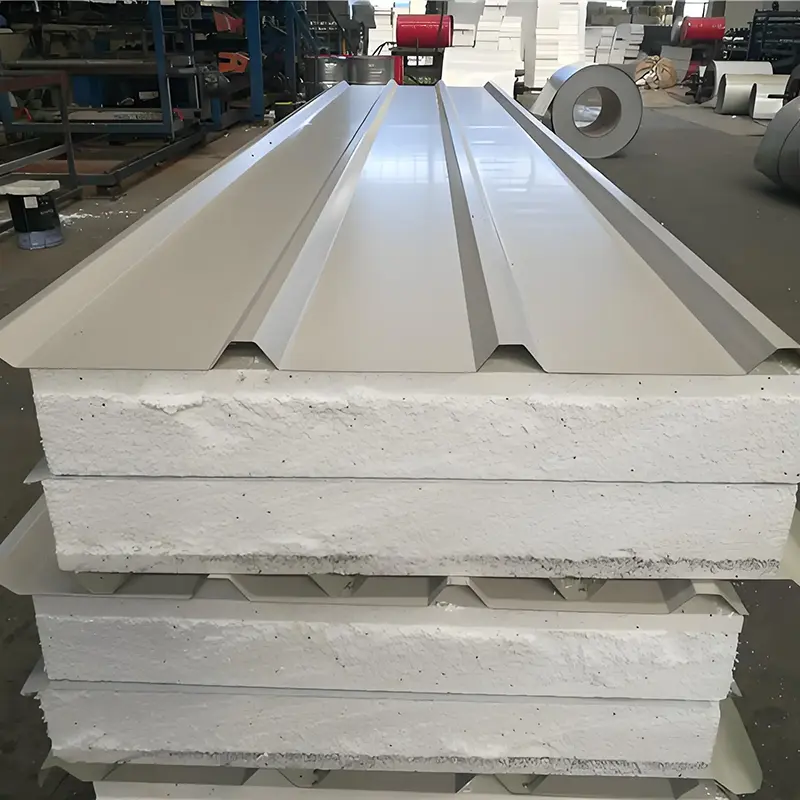
The polyurethane edge-sealed rock wool panel is a composite sandwich panel. The facings are color-coated steel sheets with a thickness of 0.4–0.8 mm. The core is water-repellent rock wool with a density of 120–140 kg/m³. The edges are sealed with rigid polyurethane foam with a density of approximately 40 kg/m³. The panel is formed in a single step using automated hot-pressing equipment.

This structural design enables the panel to perform three functions simultaneously. The rock wool core provides fire resistance and thermal insulation. The polyurethane edge sealing improves sealing and moisture resistance. The color-coated steel facings provide structural strength and a finished appearance.

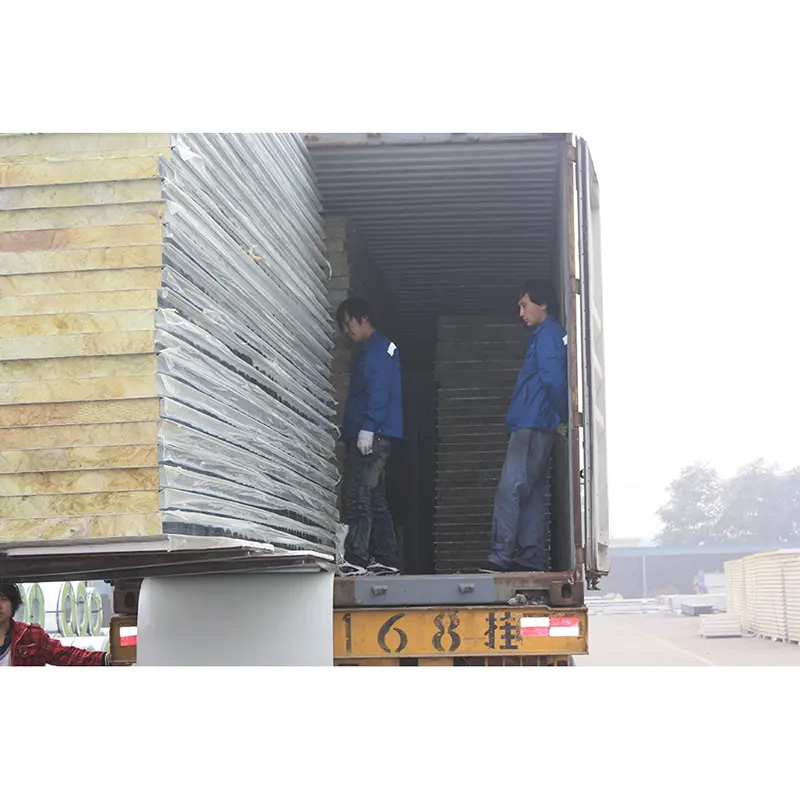
The product uses a concealed fastener connection method, so no screws are visible after installation. Standard specifications include an effective width of 1000 mm and lengths of 0.5–12 m (customizable).
Available panel thicknesses are 50 mm, 60 mm, 75 mm, 90 mm, 100 mm, 120 mm, and 150 mm.
The product has been certified by the National Center for Quality Supervision and Inspection of Fixed Fire Extinguishing Systems and Fire-Resistant Building Components. It is suitable for industrial and public buildings that require fire resistance, thermal insulation, and construction efficiency.

Polyurethane Edge-Sealed Rock Wool PanelsPolyurethane Edge-Sealed Rock Wool PanelsPolyurethane Edge-Sealed Rock Wool Panels

Performance Verification

1. Fire Resistance: Class A Non-combustible Rock Wool Core

The rock wool core is manufactured from natural rocks such as basalt. The raw materials are melted at temperatures exceeding 1450°C and fiberized. The resulting inorganic fiber does not burn, emit toxic fumes, or produce molten droplets when exposed to fire. This meets mandatory fire safety requirements for building envelope materials, including those referenced in the Code for Design of Clean Rooms.

2. Thermal Insulation: Polyurethane Edge Sealing Reduces Thermal Bridging

The rock wool core has a thermal conductivity of 0.040–0.048 W/(m·K). Traditional rock wool sandwich panels may experience thermal bridging at panel joints. The polyurethane edge sealing fills the panel edges with foam, helping to create a tighter fit at connection points and reducing thermal bridges and condensation risk. The polyurethane edge seal also limits moisture absorption by the core, which helps maintain long-term performance.

3. Waterproofing and Airtightness: Polyurethane Edge Sealing Blocks Moisture Infiltration

The polyurethane edge seals on both sides create a rigid, waterproof interlocking joint. Combined with the tongue-and-groove connection and pre-embedded sealing strips, this improves airtightness and watertightness at the joints. The hydrophobic rock wool core has a water repellency rate above 98%. The polyurethane edge seals further reduce capillary water absorption. This helps maintain thermal performance even in high-humidity environments typical of industrial buildings.

4. Sound Absorption: Rock Wool Fiber Structure

The porous fiber structure of the rock wool core provides sound absorption. It helps dampen indoor noise caused by impacts such as rain or hail on the roof. This can be beneficial for buildings with specific acoustic requirements.

5. Construction Efficiency: Daily Installation Area of 600–800 m²

Polyurethane edge-sealed rock wool panels use a prefabricated, interlocking installation method. Standardized modular design and concealed fastener connections allow quick installation without on-site secondary processing. The average daily installation area can reach 600–800 m², depending on site conditions and crew experience.

Polyurethane Edge-Sealed Rock Wool PanelsPolyurethane Edge-Sealed Rock Wool PanelsPolyurethane Edge-Sealed Rock Wool PanelsPolyurethane Edge-Sealed Rock Wool Panels

Key Specifications Overview

The following parameters are based on standard production. Customization is available to meet specific project requirements.

Performance Indicator Parameter/Specification Notes
Panel Material Color-coated steel sheet (galvanized/Al-Zn alloy substrate) Outer sheet: 0.5–0.8 mm; Inner sheet: 0.4–0.6 mm
Core Material Type Hydrophobic rock wool Density: 120–140 kg/m³
Edge-sealing Material Rigid polyurethane foam (PUR/PIR) Density: approx. 40 kg/m³
Panel Thickness 50 mm, 60 mm, 75 mm, 90 mm, 100 mm, 120 mm, 150 mm Customizable
Effective Width 1000 mm Non-standard sizes customizable
Panel Length 0.5–12 m (up to 36 m) Customizable
Thermal Conductivity 0.040–0.048 W/(m·K) Rock wool core
Fire Rating Class A (Non-combustible) Rock wool core; certified by national authority
Hydrophobicity ≥98% Rock wool core
Installation Efficiency 600–800 m²/day Depending on site conditions

Technical Features

1. Class A Fire Rating. The rock wool core is a Class A non-combustible material. It produces no toxic fumes when exposed to fire and offers stable fire resistance.

2. Reduced Thermal Bridging. Polyurethane edge sealing helps create a tight fit at panel joints, reducing thermal bridges and condensation risk.

3. Moisture Protection. Dual protection from hydrophobic rock wool and polyurethane edge sealing limits moisture penetration and helps maintain insulation performance.

4. Sound Absorption. The porous fiber structure of the rock wool reduces noise transmission and dampens impact sounds.

5. Modular Construction. Factory-prefabricated with concealed fastener interlocking, enabling efficient on-site installation.

Selection and Installation Considerations

For fire-sensitive buildings: Select panels with the appropriate rock wool density and confirm the fire rating certification for the complete wall or roof assembly. The Class A rating applies to the rock wool core; verify that all components, including sealants and fasteners, are compatible with the required fire performance.

For high-humidity environments: Specify polyurethane edge sealing to reduce moisture ingress. Ensure that sealing strips and joint details are properly installed to maintain airtightness.

For long-span roofing: Consider panel thickness and span capabilities. Thicker panels provide greater rigidity and thermal resistance. Confirm wind load and snow load requirements with the project engineer.

During installation: Follow the manufacturer's guidelines for lifting, cutting, and fastening. Concealed fasteners require precise alignment. Protect the panel edges from damage during handling to preserve the edge sealing.

Application Scenarios

1. Building envelope systems requiring high fire-resistance ratings, such as industrial plants, power stations, smelting workshops, and petrochemical facilities.

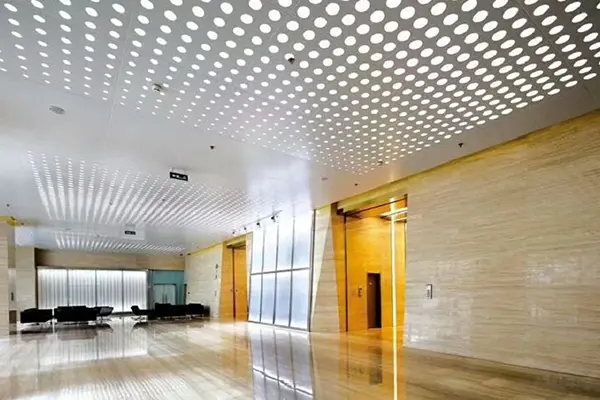
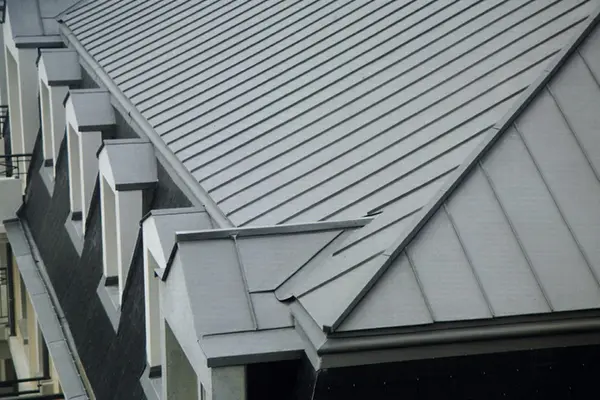
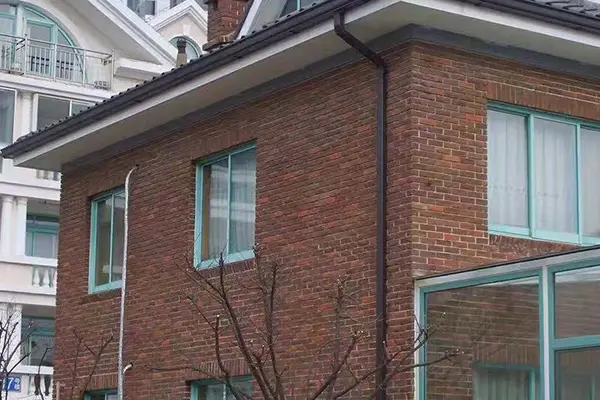
2. Exterior walls and roofing for public buildings, including logistics centers, large supermarkets, exhibition halls, and sports venues.

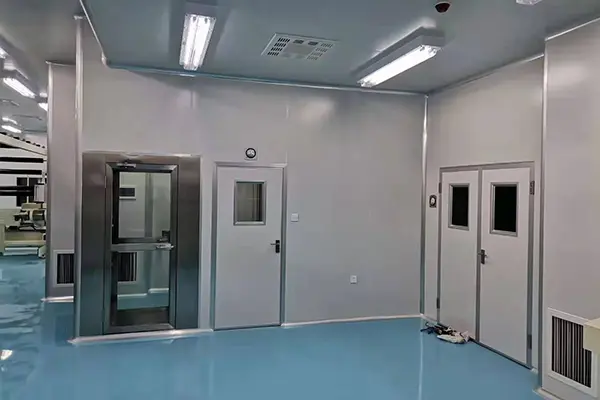
3. Specialized environments requiring thermal insulation and airtightness, such as cold storage facilities, purification workshops, and cleanroom systems.

Polyurethane Edge-Sealed Rock Wool PanelsPolyurethane Edge-Sealed Rock Wool PanelsPolyurethane Edge-Sealed Rock Wool Panels

Frequently Asked Questions

1. What is the difference between standard rock wool sandwich panels and polyurethane edge-sealed rock wool panels?

Standard rock wool sandwich panels may allow moisture ingress and thermal bridging at the exposed cut edges. Polyurethane edge-sealed panels have foam-filled edges that create a tighter joint, reduce thermal bridging, and block capillary water absorption. This can improve long-term thermal performance and reduce condensation risk.

2. Does the polyurethane edge sealing affect the fire rating of the panel?

The rock wool core remains Class A non-combustible. The polyurethane edge seal is a combustible material, but its volume is limited to the edge zone. The overall fire performance of the panel assembly should be evaluated based on the specific product certification and the wall or roof system design.

3. What panel thickness should I choose for a cold storage facility?

Cold storage applications typically require a thicker panel to achieve the desired thermal resistance and to limit condensation. Panel thicknesses of 100 mm, 120 mm, or 150 mm are commonly used. The appropriate thickness depends on the interior temperature and ambient humidity; a thermal calculation is recommended.

4. How are the panels joined and sealed on site?

The panels use a tongue-and-groove interlocking system with concealed fasteners. Joints are sealed with pre-embedded sealing strips during installation. For critical joints, additional sealant may be applied according to the project specification.

5. Can these panels be used for exterior walls in coastal environments?

Yes. The color-coated steel facings can be specified with Al-Zn alloy or other corrosion-resistant substrates and coatings suitable for coastal conditions. It is important to select the appropriate coating system and ensure that cut edges and fasteners are protected against corrosion.

About SENBO Building Materials

Tianjin SENBO Building Materials Technology Co., Ltd. is a manufacturer of polyurethane edge-sealed rock wool panels, polyurethane insulation boards, rock wool composite panels, and other metal envelope products. Our production base is located in Jinghai Economic Development Zone, Tianjin, China, equipped with automated production lines and a four-stage quality inspection process. For more information about our factory, certifications, testing capabilities, and project references, please visit our About Us page or contact our engineering team.


Hot Tags: Polyurethane Rock Wool Panels, Edge-Sealed Rock Wool Panels, Rock Wool Sandwich Panels
Send Inquiry
Contact Info
Send SENBO an inquiry for steel building materials. Request a free quote, sample or bulk order price list. Our sales team responds within 24 hours with factory direct pricing, stock availability and shipping options.
X
We use cookies to offer you a better browsing experience, analyze site traffic and personalize content. By using this site, you agree to our use of cookies.Privacy Policy
RejectAccept