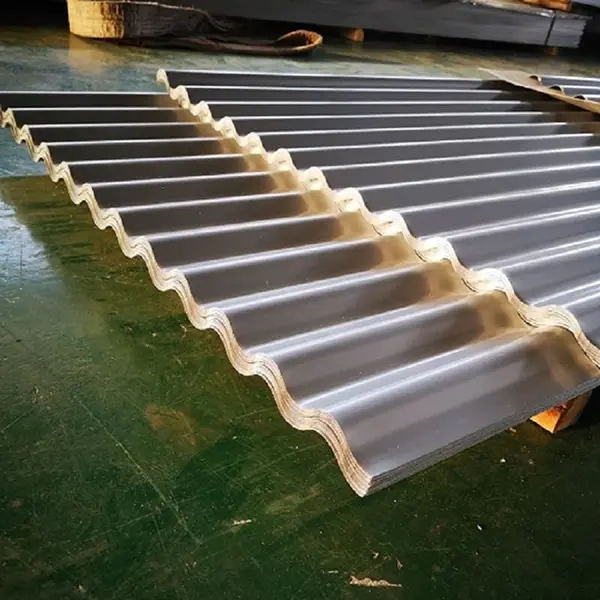
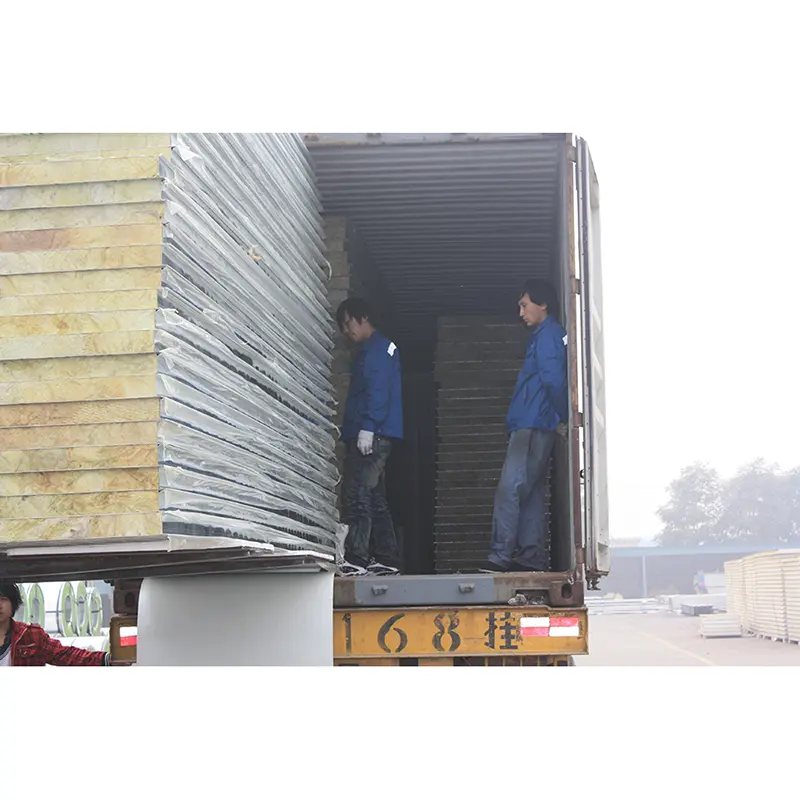
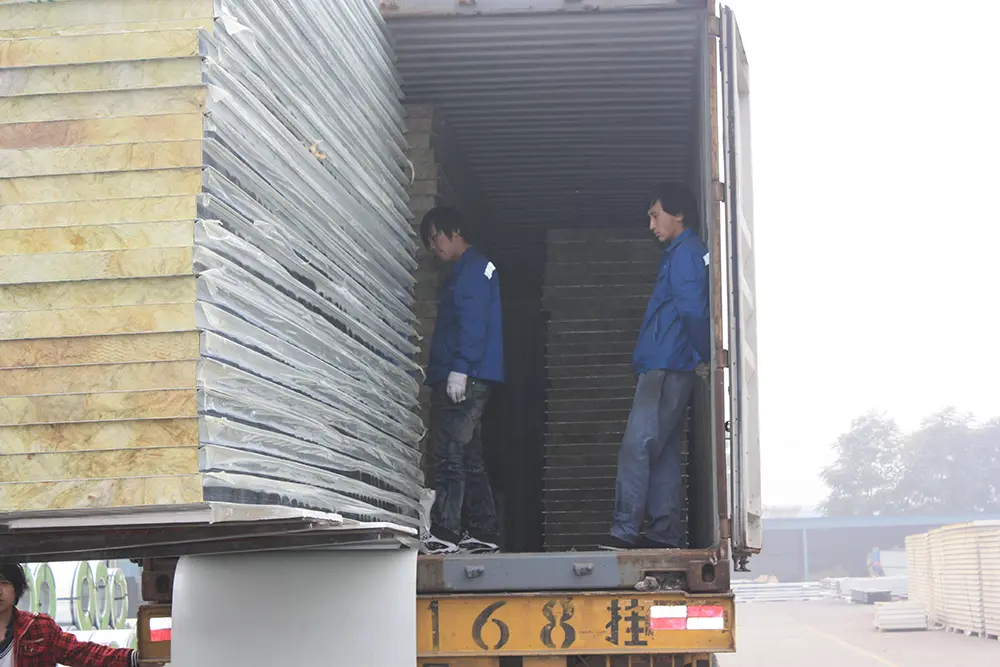
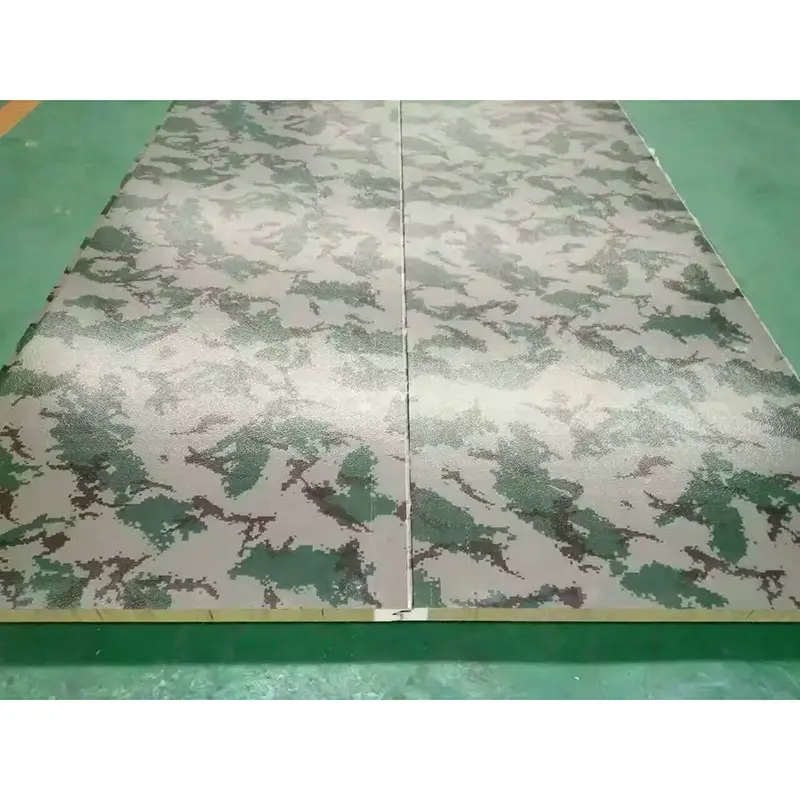
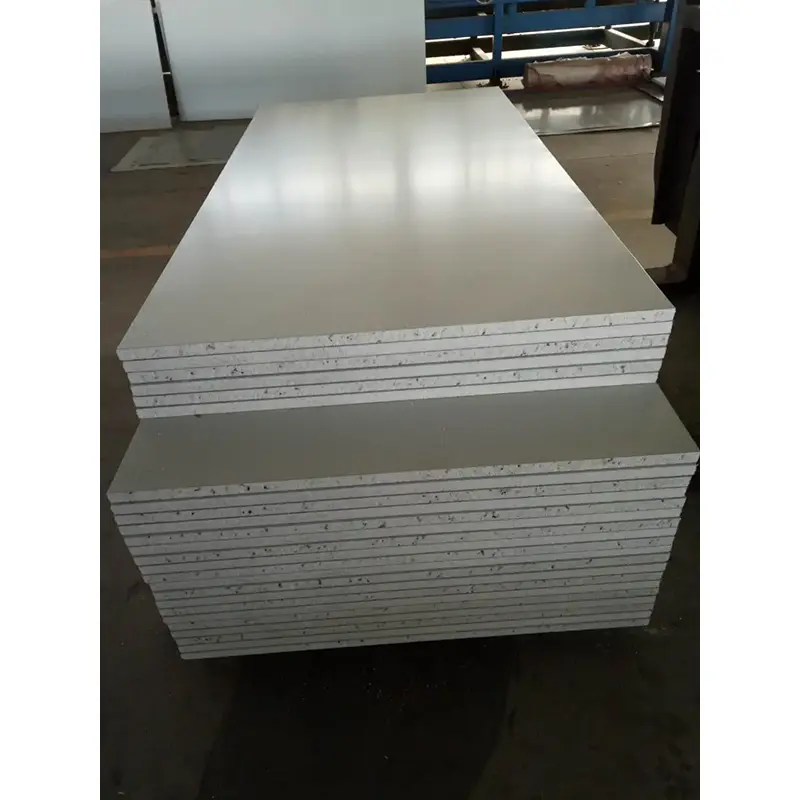
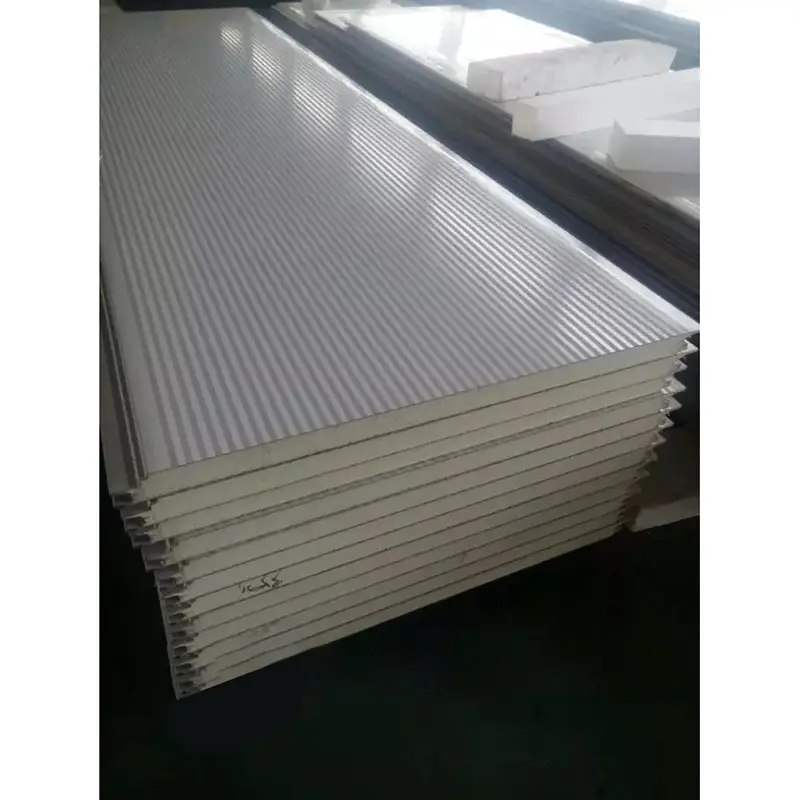
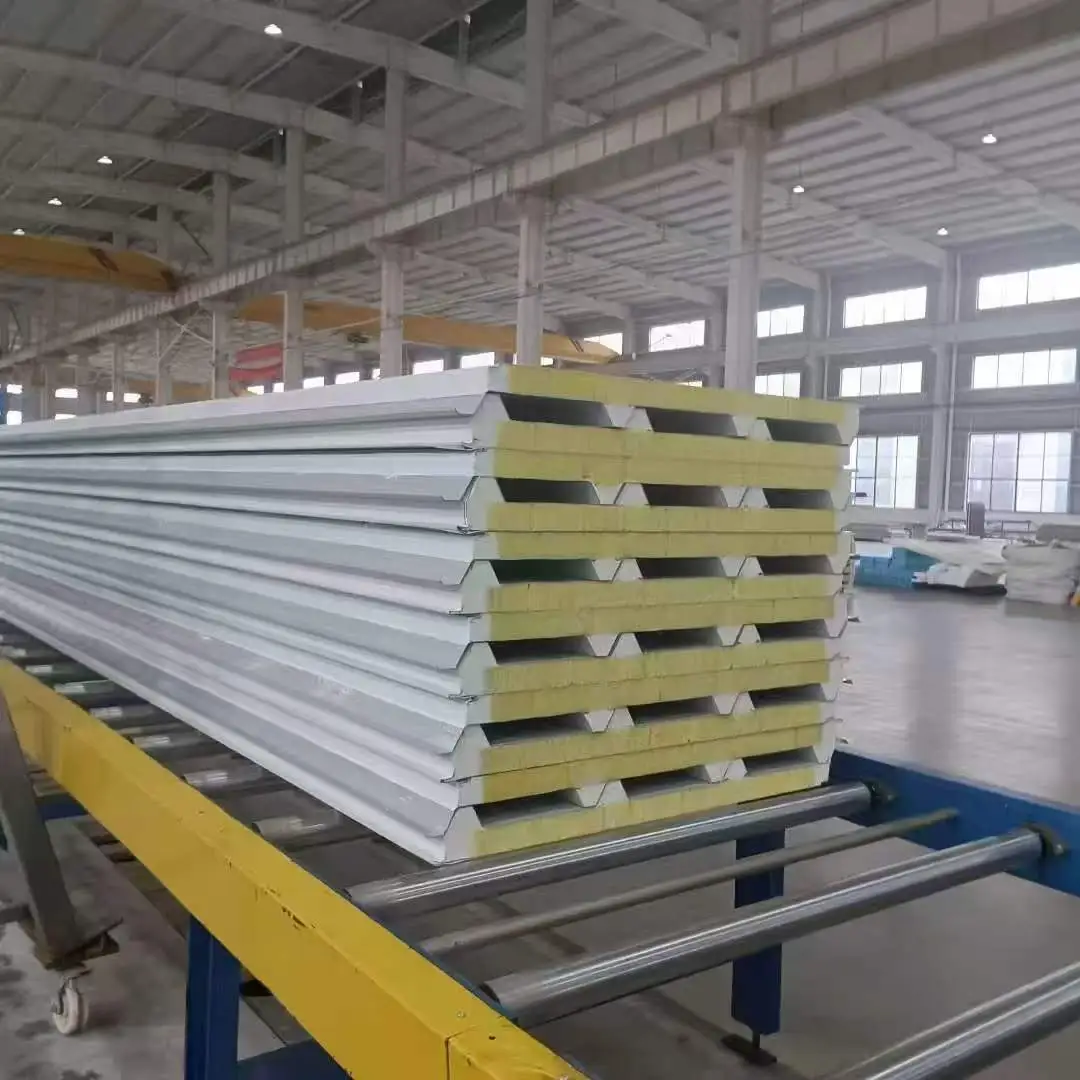
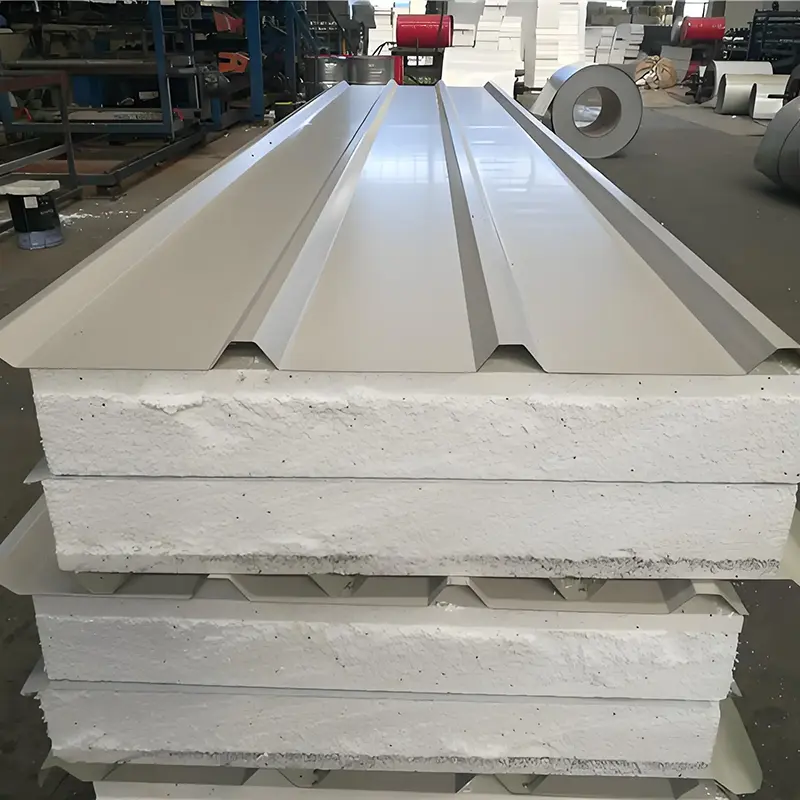
SENBO is a professional manufacturer of Class A fire-rated rock wool composite panels, bonding a rock wool core with cement-based, galvanized steel, or FRP facings. Meets GB/T 25975 and JGJ/T 350-2015. Tensile strength ≥0.10 MPa, thermal conductivity ≤0.046 W/(m·K). Proven in projects like Tianbao Jiuru Pinzhu. Ideal for fire-safe, energy-efficient building envelopes.
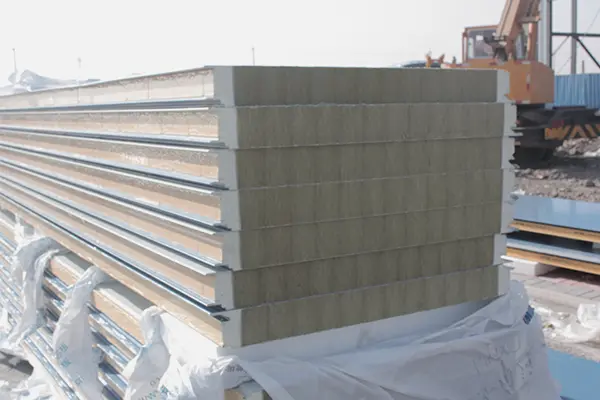
Rock wool composite panels are prefabricated composite boards created by bonding reinforced facing materials or surface layers onto a rock wool board substrate. The substrate itself is an inorganic fiber product made from raw materials such as basalt, gabbro, and dolomite, processed through high-temperature melting (above 1450°C) and fiberization, with the addition of binders and water-repellent agents.
According to the standard JGJ/T 350-2015 (Technical Specification for Application of Thermal Insulation and Fire-Resistant Composite Panels), composite panels are classified into inorganic and organic types, with rock wool panels falling into the inorganic category. They are further classified by mass per unit area into Type I (<20 kg/m²) and Type II (20–30 kg/m²).
Main Product Types
1. Reinforced Vertical-Fiber Rock Wool Composite Board
The core material consists of rock wool strips with fiber orientation perpendicular to the board surface. The surface is reinforced with either a fiberglass mesh-polymer mortar layer or a polyurethane-cement-based interface membrane. Key performance indicators are listed in the table below.
Item
Fiberglass Mesh-Polymer Mortar Type
Polyurethane-Cement-Based Membrane Type
Test Method
Density
≥140 kg/m³
≥100 kg/m³
GB/T 5480
Acidity Coefficient
≥1.8
≥1.8
GB/T 5480
Dimensional Stability
≤1.0%
≤0.2%
GB/T 8811
Tensile Strength Perpendicular to Surface
≥0.10 MPa
≥0.10 MPa
GB/T 30804
Thermal Conductivity
≤0.046 W/(m·K)
≤0.042 W/(m·K)
GB/T 10295/10294
Combustion Performance
Class A
Class A
GB 8624
Recommended product dimensions are a length of no more than 1200 mm and a width of no more than 600 mm. The allowable thickness deviation is +2 mm / -0 mm. The polymer coating on the core material surface must be uniform, with no uncoated areas.
2. Metal-Faced Rock Wool Composite Board
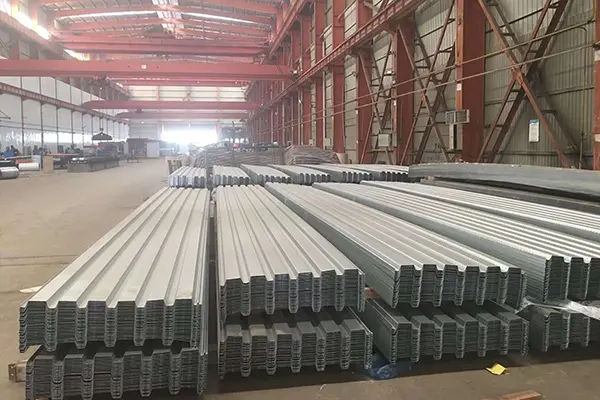
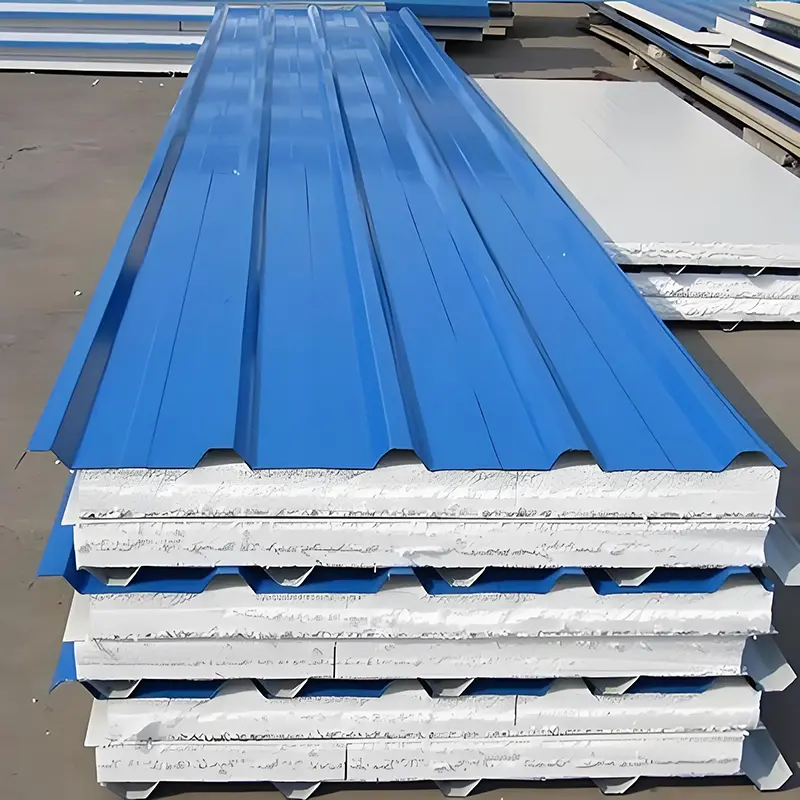
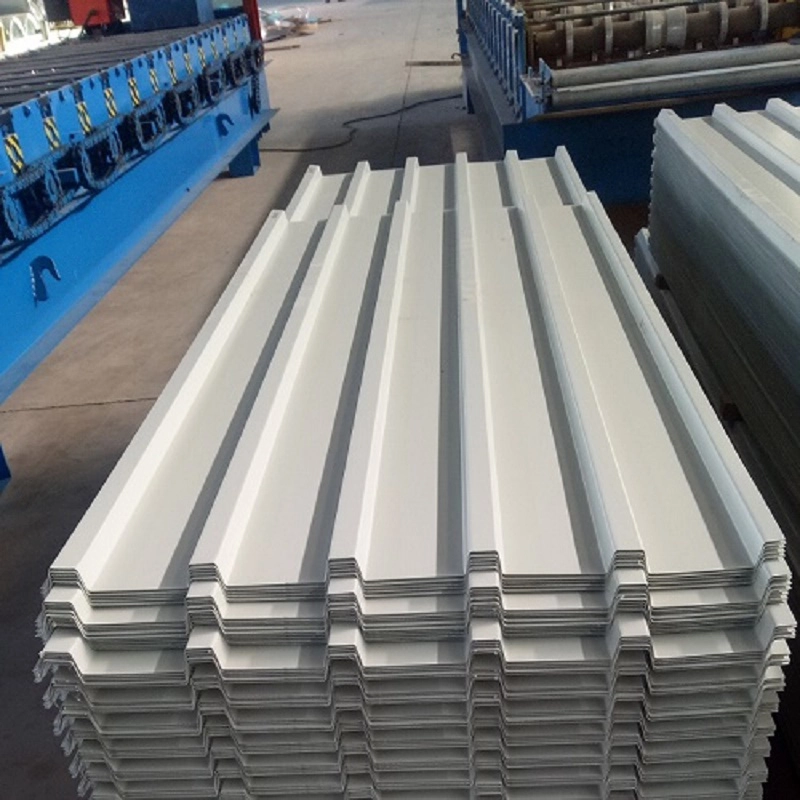
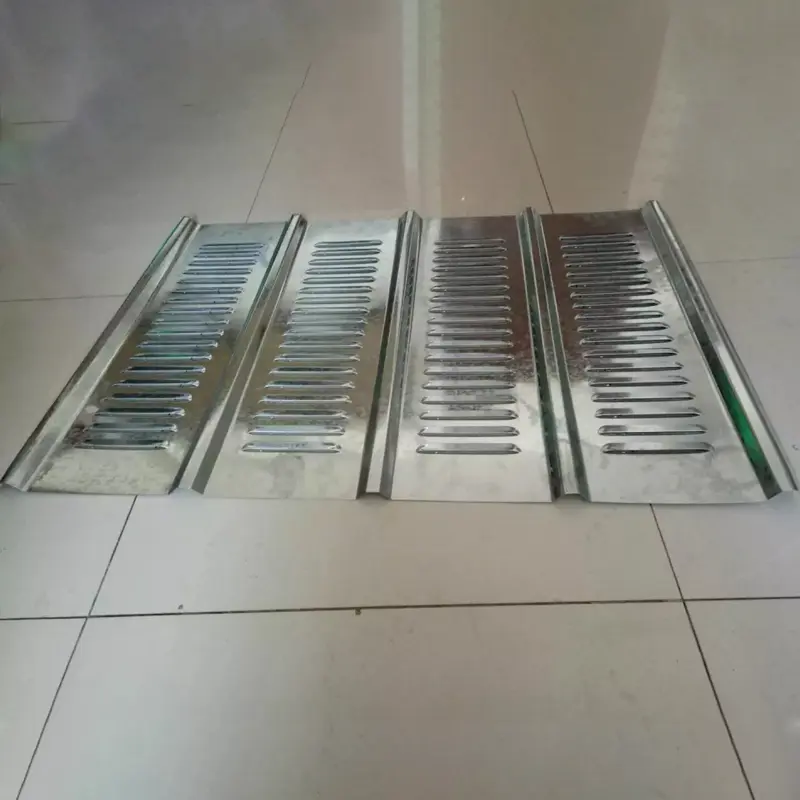
This product is composed of a galvanized steel or color-coated steel facing (0.4–0.8 mm thick) and a rock wool core, bonded together using a high-strength adhesive. Compared to standard rock wool boards, it offers improved overall rigidity and flexural load-bearing capacity. The metal facing also enhances weather resistance and impact resistance.
3. Lightweight Fiberglass-Faced Rock Wool Composite Board
This product features a lightweight fiberglass facing bonded to the surface of a rock wool board. Designed for insulation in opaque curtain wall systems, it is secured to the base wall using anchors and joint sealing tape. It offers advantages such as high construction efficiency, relatively low material cost, and ease of installation.
Real-World Project Validation
1. Validation in Opaque Curtain Wall Insulation Projects
The BBMG Star-Brand® lightweight fiberglass-faced rock wool composite board was utilized in the exterior curtain wall project of the "Tianbao Jiuru Pinzhu" development in the Tianjin Airport Economic Area. Covering an area of over 70,000 square meters, the product met the project's requirements for fire resistance, thermal insulation, heat shielding, and sound absorption. The same type of composite rock wool board was also used for the facade curtain wall insulation system in a commercial building renovation project in downtown Tianjin. Comparative analysis of construction processes, costs, and schedules indicated improvements in both construction quality and project benefits.
2. Validation in External Wall Insulation Systems
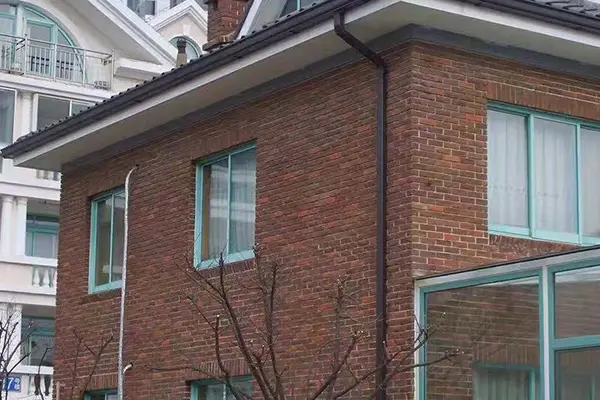
The thin-plaster external wall insulation system utilizing rock wool composite boards has been applied in projects such as Anqing Dechen Chenyunfu and Xuzhou Greenland High-Speed Rail New City. The system comprises rock wool composite boards, adhesives, base-coat mortar, anchors, and alkali-resistant fiberglass mesh. Its characteristics include non-combustibility, absence of toxic gas emissions when exposed to fire, low thermal conductivity, and weather resistance, along with sound insulation and absorption capabilities.
3. Validation of High-Performance Production Lines
A fully automated digital production line for rock wool composite boards, developed by the Harbin Institute of Technology (Suzhou) Research Institute, employs 3D reinforcement and encapsulation technology. This approach addresses industry challenges such as fiber unraveling after cutting, interface bonding issues, and material compatibility between layers. It enables precise control of vertical tensile strength (exceeding 100 kPa) and coating thickness (maintained within 1–1.5 mm).
Key Specifications Overview
All parameters listed below are based on relevant national or industry standards. Customization is available to meet specific project requirements.
Performance Indicator
Parameter/Specification
Standard/Basis
Executive Standards
GB/T 25975-2010; JGJ/T 350-2015
Rock wool products for external thermal insulation; Technical specification for thermal insulation and fire-resistant composite panels
Core Material
Rock wool (basalt fiber)
Acidity coefficient ≥ 1.8
Density
100–150 kg/m³ (Reinforced vertical-fiber type ≥ 140 kg/m³)
Thermal Conductivity
≤ 0.042–0.046 W/(m·K)
Depends on product type
Tensile Strength (Perpendicular to Surface)
≥ 0.10 MPa
Requirement for external wall thin-plastering systems
Dimensional Stability
≤ 0.2%–1.0%
Depends on product type
Mass per Unit Area
Type I < 20 kg/m²; Type II 20–30 kg/m²
Combustion Performance
Class A (Non-combustible)
GB 8624
Temperature Resistance
≥ 800°C
Hydrophobicity
≥ 98%
Technical Features and Benefits
1. Class A Fire Resistance. The panels are rated Class A non-combustible according to GB 8624. They do not emit toxic fumes when exposed to fire, which helps meet mandatory fire safety requirements for high-rise and public buildings.
2. Factory Prefabrication and Installation Efficiency. The panels are prefabricated in a controlled factory environment, reducing the need for on-site wet trades. Installation time can be shorter compared to traditional multi-layer insulation systems. Panel lengths can be customized, and the factory bonding process contributes to consistent quality.
3. Enhanced Mechanical Performance. The composite structure improves impact resistance and shear resistance compared to un-faced rock wool boards. Reinforced vertical-fiber types achieve a tensile strength perpendicular to the surface of at least 0.10 MPa.
4. Thermal Insulation Performance. With a thermal conductivity in the range of 0.042–0.046 W/(m·K), the panels provide stable thermal insulation and contribute to building energy efficiency when properly installed.
5. Acoustic Performance. The porous fiber structure of rock wool provides sound absorption, helping to reduce the transmission of outdoor and indoor noise.
Selection and Installation Considerations
For external wall thin-coat rendering systems: Use reinforced vertical-fiber rock wool composite boards with a perpendicular-to-surface tensile strength of at least 0.10 MPa. Ensure the selected board type is compatible with the specified adhesive and base-coat mortar.
For opaque curtain wall insulation: Lightweight fiberglass-faced boards may be used. Verify that the anchoring system and joint sealing details are designed according to the project's wind load and movement requirements.
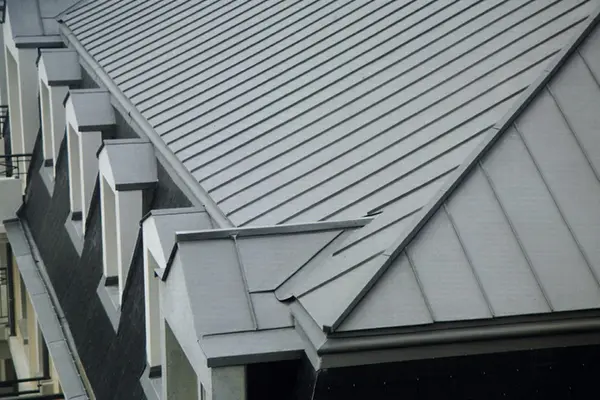
For roof or industrial applications: Metal-faced rock wool composite boards offer additional rigidity and weather resistance. Confirm that the metal facing and adhesive are suitable for the expected service temperature and exposure conditions.
For projects with strict fire safety requirements: All rock wool composite panels listed here are Class A non-combustible. However, the overall fire performance of the wall assembly also depends on installation details, fasteners, and joint treatment.
Application Scenarios
1. External Thermal Insulation Composite Systems (ETICS) with thin-coat rendering for building facades.
2. Insulation layers for opaque curtain walls, such as stone or metal curtain walls.
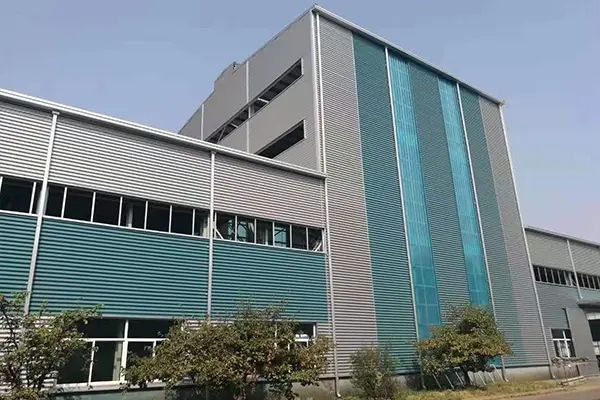
3. Thermal insulation envelopes for roofs and walls of industrial plants and public buildings.
4. Building energy-efficiency projects requiring a combination of fire safety and construction efficiency.
Frequently Asked Questions
1. What is the difference between rock wool composite panels and standard rock wool boards?
Standard rock wool boards are typically supplied without a factory-applied facing layer, and they may require additional on-site reinforcement. Rock wool composite panels are prefabricated with a facing material (such as polymer mortar, fiberglass mesh, or metal sheet) already bonded to the rock wool core. This improves handling, dimensional stability, and mechanical strength, and can simplify installation.
2. Which type of rock wool composite panel is suitable for a thin-coat external wall insulation system?
For thin-coat rendering systems, a reinforced vertical-fiber rock wool composite board is generally recommended. It should have a perpendicular-to-surface tensile strength of at least 0.10 MPa and a density of at least 140 kg/m³. Always confirm compatibility with the specified adhesive and base-coat mortar.
3. Are rock wool composite panels non-combustible?
Yes, the rock wool core is an inorganic material and the panels are rated Class A non-combustible according to GB 8624. However, the fire performance of the complete wall assembly also depends on the facing material, adhesive, fasteners, and installation details.
4. Can the panel dimensions be customized?
Yes, panel dimensions can often be customized to suit project requirements. Standard recommendations are a maximum length of 1200 mm and a maximum width of 600 mm for reinforced vertical-fiber boards. Metal-faced and lightweight fiberglass-faced boards may have different size capabilities. Please contact our technical team with your specific dimensions.
5. What standards apply to rock wool composite panels?
Key standards include GB/T 25975-2010 for rock wool products used in external thermal insulation, and JGJ/T 350-2015 for the application of thermal insulation and fire-resistant composite panels. Test methods referenced include GB/T 5480 for density and acidity coefficient, GB/T 8811 for dimensional stability, GB/T 30804 for tensile strength, and GB 8624 for combustion performance.
6. How should rock wool composite panels be stored and handled on site?
Panels should be stored flat in a dry, covered area away from direct sunlight and moisture. Avoid stacking too high to prevent deformation. During handling, use appropriate lifting equipment and avoid dragging or dropping the panels. Follow the manufacturer's installation guidelines for cutting, anchoring, and joint treatment.
About SENBO Building Materials
Tianjin SENBO Building Materials Technology Co., Ltd. is a manufacturer of rock wool composite panels, louvered perforated panels, windbreak and dust-suppression systems, and other metal envelope products. Our production base is located in Jinghai Economic Development Zone, Tianjin, China, equipped with automated production lines and a four-stage quality inspection process. For more information about our factory, certifications, testing capabilities, and project references, please visit our About Us page or contact our engineering team.
Hot Tags: Rock Wool Composite Panels Manufacturer, Rock Wool Sandwich Panels Supplier, Mineral Wool Composite Panels Wholesale
Send SENBO an inquiry for steel building materials. Request a free quote, sample or bulk order price list. Our sales team responds within 24 hours with factory direct pricing, stock availability and shipping options.
We use cookies to offer you a better browsing experience, analyze site traffic and personalize content. By using this site, you agree to our use of cookies.Privacy Policy