Tianjin SENBO Building Materials Technology Co., Ltd.
Products
Polyurethane Insulation Panels
  • Polyurethane Insulation PanelsPolyurethane Insulation Panels

Polyurethane Insulation Panels

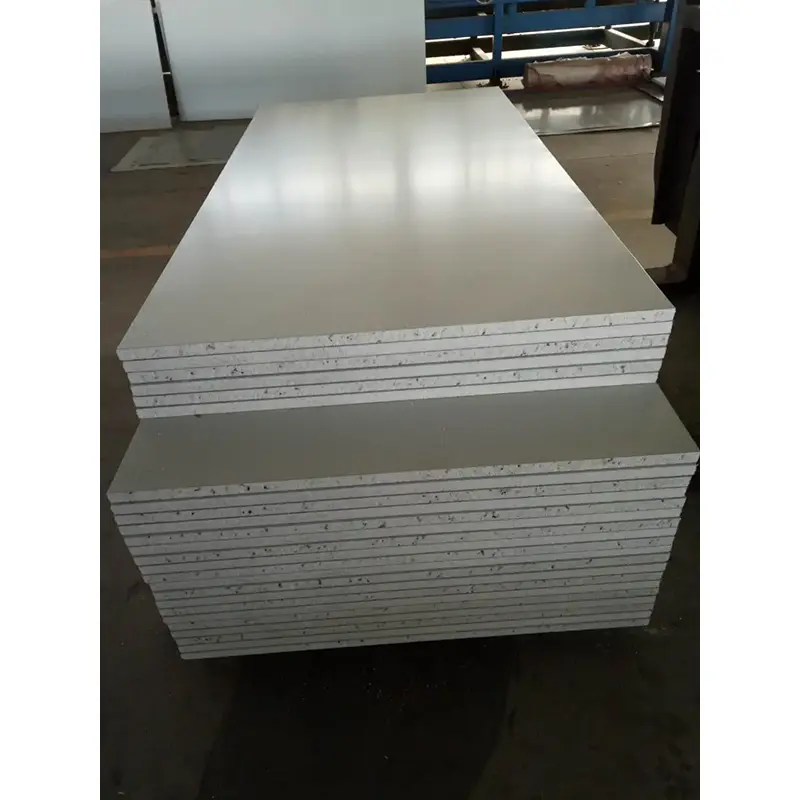
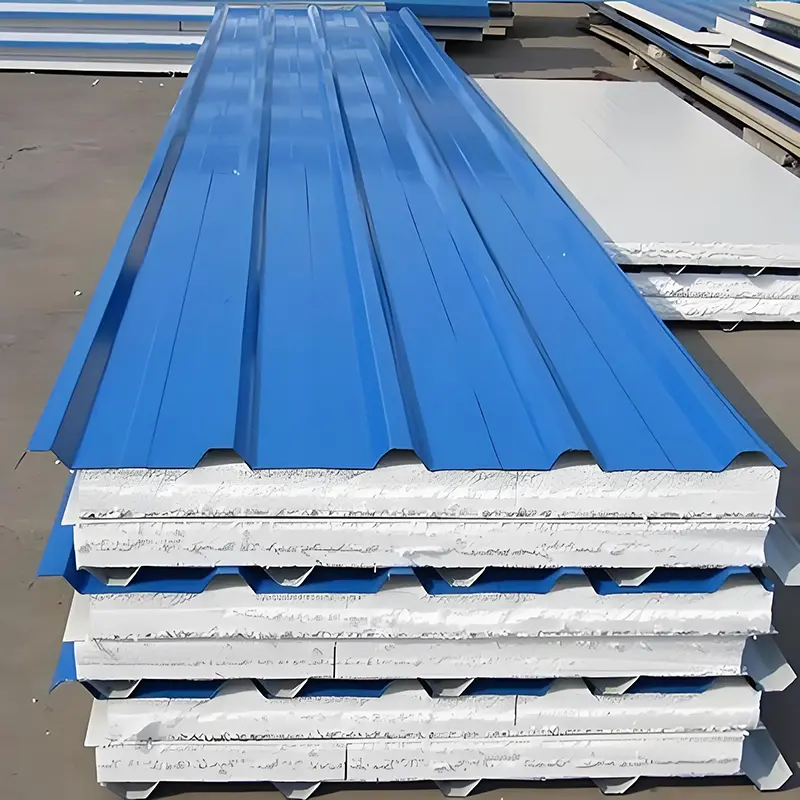
SENBO is a professional manufacturer and supplier of Polyurethane Insulation Panels for exterior walls, roofing, and cold storage applications. The rigid PU foam core delivers excellent thermal performance. Products meet GB/T 21558-2008 and GB/T 33993-2017 standards. Custom sizes and OEM services are available. Contact us for factory prices and samples.

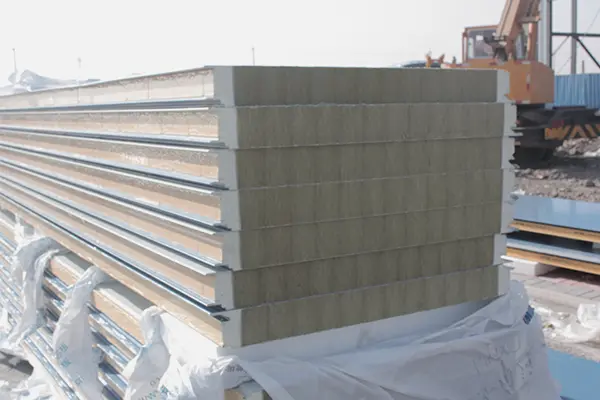
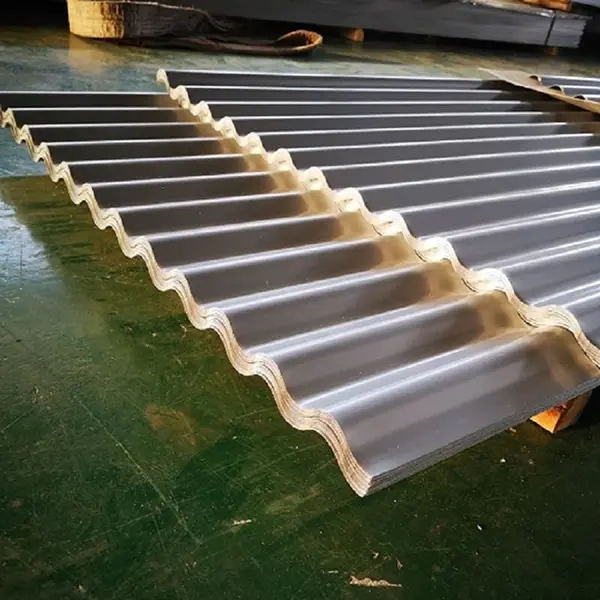
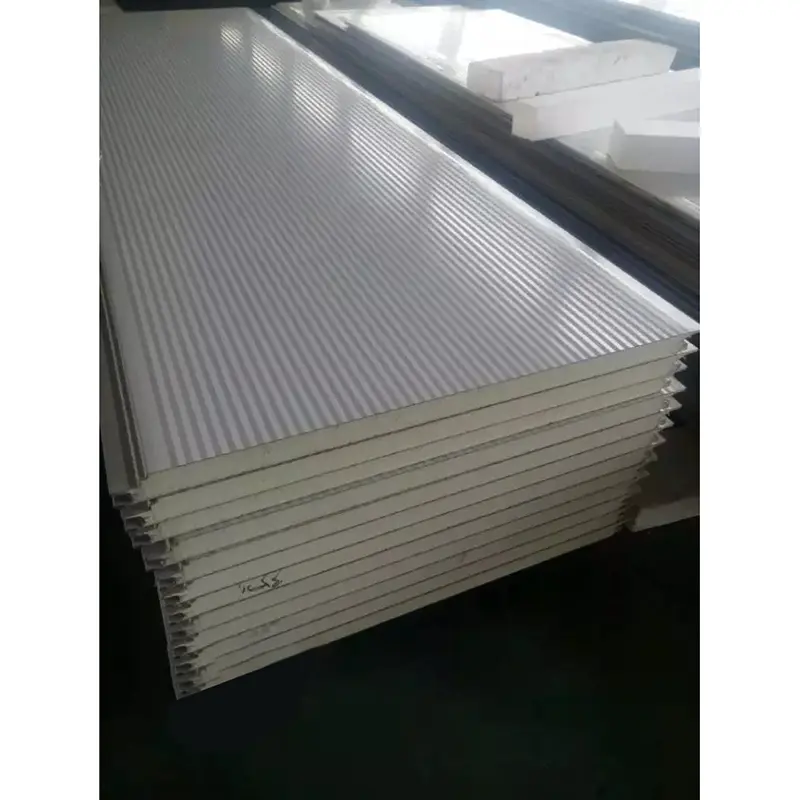
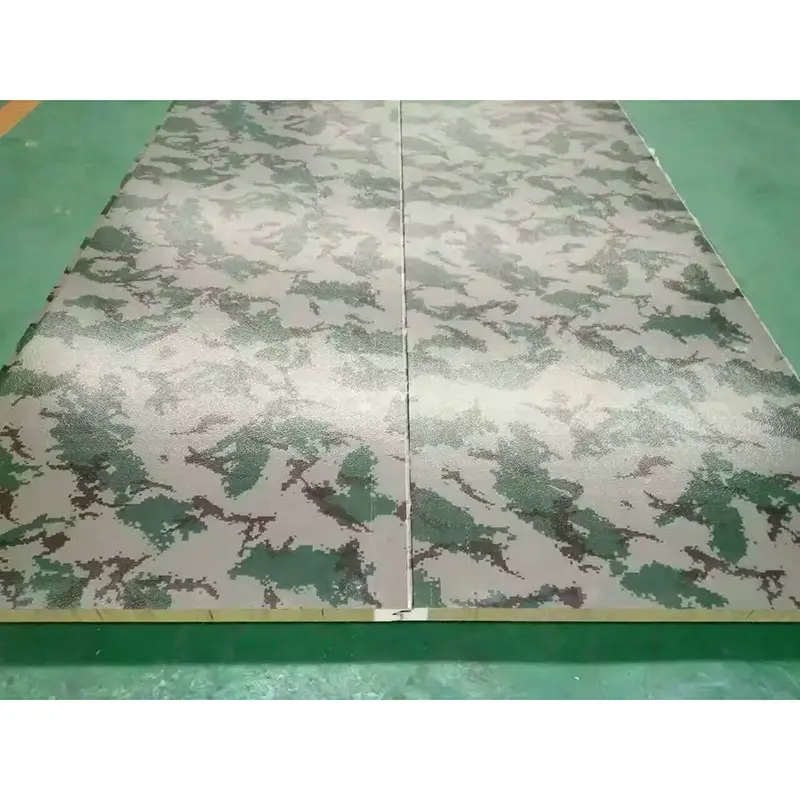
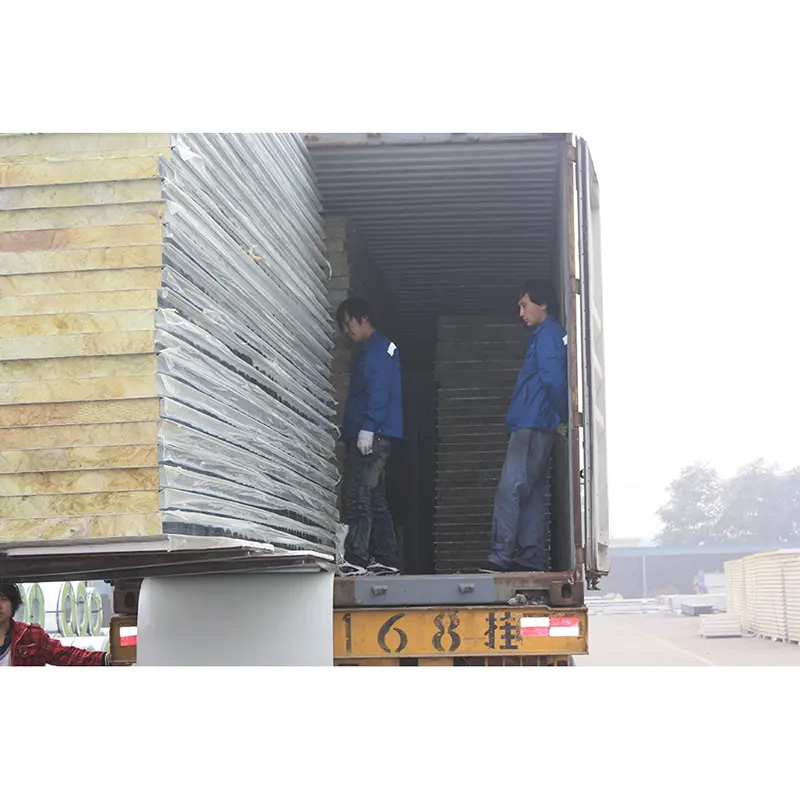
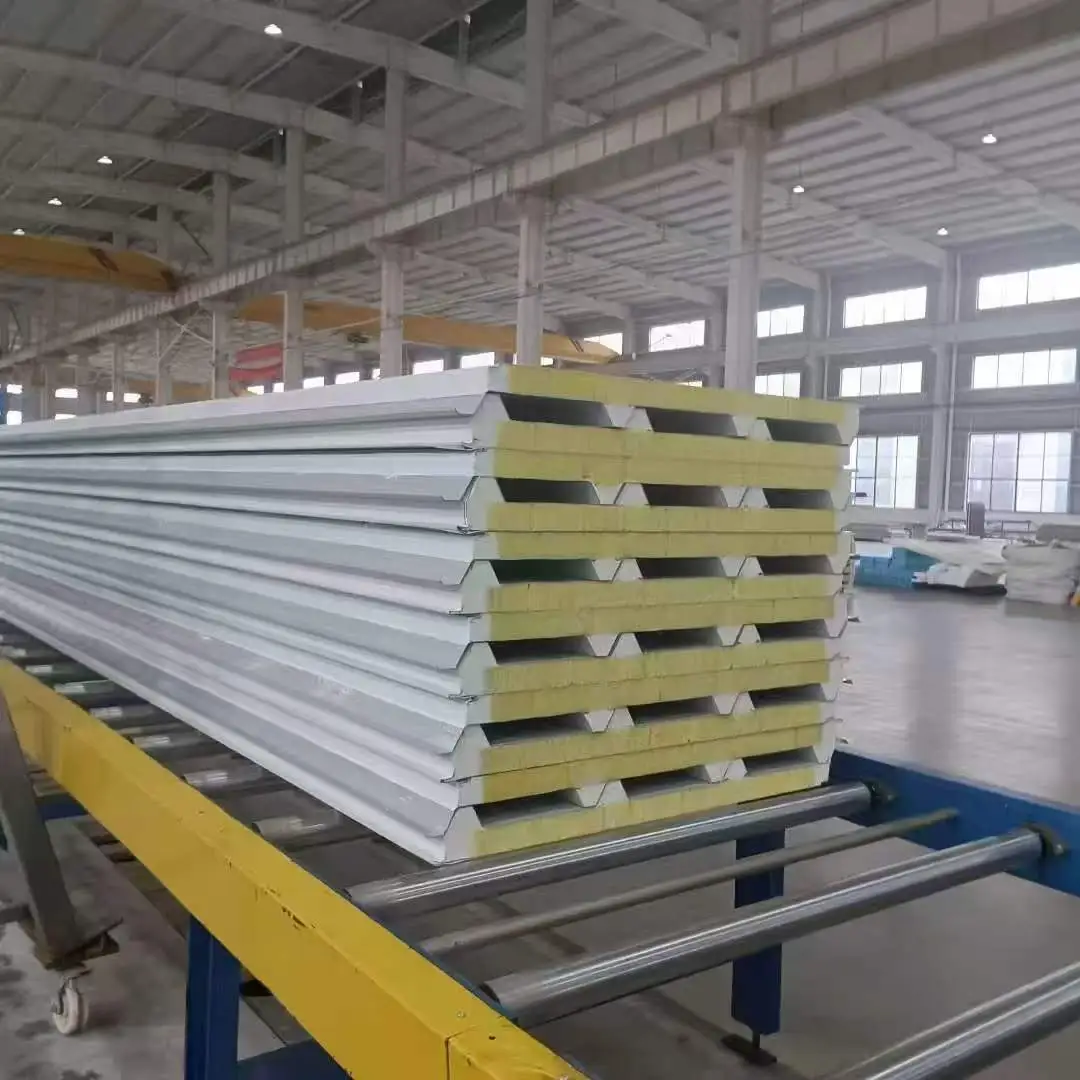
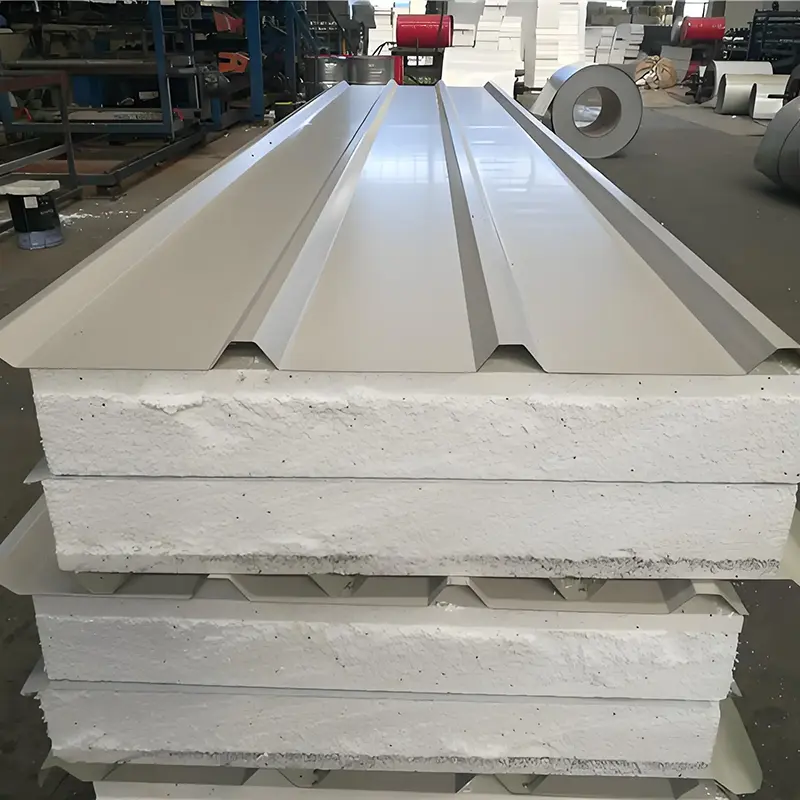
SENBO Building Materials supplies Polyurethane Insulation Panels as part of its building envelope product range. Our manufacturing capability covers both standalone polyurethane foam boards and laminated polyurethane sandwich panels with color-coated steel facings. These products are used in exterior wall insulation, roofing, cold storage, and industrial equipment applications.

Polyurethane boards are thermal insulation panels with a rigid polyurethane foam core, produced via a chemical foaming reaction involving high-functionality polyether polyols and polymethylene polyphenyl polyisocyanate (MDI), facilitated by catalysts, blowing agents, and surfactants. The product can be manufactured as a standalone polyurethane foam board or laminated with color-coated steel sheets to form polyurethane sandwich panels.

Based on fire performance, the boards are classified into two grades: standard flame-retardant (Class B2, oxygen index ≥26%–30%) and high flame-retardant (Class B1). Standard dimensions are typically 1200 mm × 600 mm; thicknesses can be customized to project requirements, with dimensional tolerances meeting relevant standard specifications.

Polyurethane Panels

Actual Performance Verification

1. Thermal Insulation Performance: Thermal Conductivity ≤ 0.024 W/(m·K)

Polyurethane boards exhibit a thermal conductivity of 0.019–0.024 W/(m·K), making them one of the most efficient insulation materials currently available. Under identical energy-saving requirements, the thickness of polyurethane boards can be reduced by approximately 50% compared to polystyrene boards.

Verification from the Wanhua Talent Center near-zero energy building project showed that the measured heat transfer coefficient for main walls using the polyurethane envelope system was 0.17 W/(m²·K), while the heat transfer coefficient for exterior windows was 0.95 W/(m²·K). Project documentation and monitoring data are available upon request.

2. Mechanical Properties: Compressive and Tensile Strength

Polyurethane boards feature a compressive strength of at least 150 kPa (at 10% deformation) and a tensile strength perpendicular to the board surface of at least 0.10 MPa. In practical applications, compressive strength can exceed 0.2 MPa.

Reference data from rigid Polyurethane Insulation Panels produced by the Jiangsu Research Institute of Chemical Industry indicate a tensile strength of at least 0.517 MPa and a compressive strength of at least 0.440 MPa. These values demonstrate the material's load-bearing capacity for exterior wall insulation systems.

3. Water and Moisture Resistance: Water Absorption ≤ 3%

Polyurethane foam has a closed-cell rate of at least 90% and a water absorption rate of no more than 3% (by volume), offering superior moisture resistance compared to most organic insulation materials. Its hydrophobic nature ensures good airtightness at board joints, making it suitable for high-humidity environments and facilities with strict waterproofing requirements, such as cold storage warehouses.

4. Fire Performance: Can Achieve Class B1 Rating

Polyurethane boards can achieve a combustion performance rating of Class B1 (flame-retardant) or Class B2 (combustible), with an oxygen index of at least 30% for high-flame-retardant products. High-flame-retardancy formulations form a protective char layer when exposed to fire, which helps prevent melting drips and flame spread.

The combustion performance rating depends on board thickness and formulation. For building sections with strict fire safety requirements, Class B1 products should be selected and used in conjunction with appropriate fire-resistant structural measures. Fire test reports are available upon request.

5. Dimensional Stability: ≤1.0% at 70°C

The dimensional change rate of polyurethane panels after 48 hours at 70°C ranges from no more than 1.0% (standard) to 1.5% (as required by certain specifications). High-temperature molding technology helps ensure the product does not shrink or deform during long-term use, maintaining consistent thermal insulation performance.

6. Near-Zero Energy Building Verification

The Wanhua Talent Center project utilizes a comprehensive polyurethane building envelope system. Spanning approximately 90,000 m², this near-zero energy building passed the demonstration project acceptance inspection for ultra-low energy buildings in 2024.

Key measured results include: main wall heat transfer coefficient of 0.17 W/(m²·K), which surpasses the requirements of the Technical Standard for Near-Zero Energy Buildings; exterior window heat transfer coefficient of 0.95 W/(m²·K), more than 35% lower than the limit set by Shandong Province energy-saving standards; and total building energy consumption reduced to 60 kWh/(m²·a), a 60% reduction compared to conventional buildings. These results correspond to an annual carbon emission reduction of over 10,000 tons.

Key Specifications Overview

All parameters listed below are based on relevant national standards. Customization is available to meet specific project requirements.

Performance Indicator Parameter/Specification Standard/Basis
Executive Standard GB/T 21558-2008; GB/T 33993-2017 Rigid polyurethane foam for building insulation
Core Material Density ≥30–35 kg/m³ (PUR); ≥35 kg/m³ (PIR)
Thermal Conductivity ≤0.024 W/(m·K) at 25°C Can reach as low as 0.019 W/(m·K)
Compressive Strength ≥150 kPa (at 10% deformation)
Tensile Strength ≥0.10 MPa Perpendicular to the panel surface
Water Absorption Rate ≤3% (volume fraction)
Dimensional Stability ≤1.0% (70°C, 48h)
Combustion Performance Class B1 (Flame-retardant) / Class B2 (Combustible) Oxygen Index ≥30% for B1
Common Dimensions 1200 mm × 600 mm Thickness customizable

Technical Features

1. Thermal Insulation Performance. Thermal conductivity ranges from 0.019 to 0.024 W/(m·K). Under the same energy-saving requirements, the panel thickness can be reduced by approximately 50% compared to polystyrene boards.

2. Moisture Resistance. Closed-cell rate is at least 90% and water absorption is no more than 3%. This helps maintain stable thermal performance over time, particularly in humid environments.

3. Mechanical Strength. Compressive strength is at least 150 kPa and tensile strength perpendicular to the surface is at least 0.10 MPa, meeting the strength requirements for various insulation systems.

4. Dimensional Stability. Dimensional change rate is no more than 1.0% at 70°C after 48 hours, reducing the risk of shrinkage or deformation during long-term use.

5. Fire Performance Options. Available in B1 and B2 fire ratings. High-flame-retardant versions form a protective char layer without dripping when exposed to fire.

Selection Considerations

For exterior wall insulation: Select boards with a compressive strength of at least 150 kPa and tensile strength of at least 0.10 MPa. Confirm the fire rating required by local building codes and choose B1 products where stricter fire safety is mandated.

For cold storage and low-temperature applications: Prioritize boards with low water absorption and high closed-cell content to prevent moisture ingress and maintain thermal performance under high humidity conditions.

For roofing systems: Consider the compressive strength and dimensional stability of the board under expected temperature fluctuations. Metal-faced sandwich panels may be appropriate where additional rigidity is required.

For near-zero energy building envelopes: Refer to performance data from projects such as the Wanhua Talent Center. Engage with the technical team for system-level thermal calculations and condensation risk analysis.

Applicable Scenarios

1. External wall insulation systems, including thin-plaster systems and integrated insulation-and-decoration systems.

2. Building roof insulation, including conventional and inverted roof systems.

3. Low-temperature insulation projects, including cold storage facilities, cold chain warehouses, and refrigerated vehicles.

4. Insulation for industrial piping and equipment, as well as central air-conditioning ductwork.

5. Envelope insulation systems for near-zero-energy and ultra-low-energy buildings.

Frequently Asked Questions

1. What is the difference between PUR and PIR polyurethane boards?

PUR (polyurethane) and PIR (polyisocyanurate) boards differ in their chemical structure and fire performance. PIR boards typically offer improved fire resistance and dimensional stability at elevated temperatures compared to standard PUR boards. The choice between them depends on project fire safety requirements and operating temperature conditions.

2. How does the thermal performance of polyurethane compare with other insulation materials?

Polyurethane has a thermal conductivity of 0.019–0.024 W/(m·K), which is lower than many common insulation materials. This means that for the same level of thermal resistance, a thinner polyurethane board may be used compared to materials with higher thermal conductivity.

3. Which fire rating should I select for a high-rise residential project?

Fire rating requirements depend on local building codes and the specific wall assembly. For projects with strict fire safety requirements, Class B1 products are generally recommended. Always confirm with the design engineer and refer to applicable regulations before final selection.

4. Can polyurethane boards be used in direct contact with water or in below-grade applications?

Polyurethane boards have low water absorption (≤3% by volume) and a high closed-cell content, which provides good moisture resistance. However, for below-grade or continuously wet applications, additional waterproofing measures are typically required. Consult the project waterproofing specification.

5. What information should I provide to receive a quotation?

Please specify the board type (standalone foam board or metal-faced sandwich panel), required thickness, density, fire rating, dimensions, quantity, and the project location. If you have specific thermal performance targets, include those as well so we can recommend the appropriate product configuration.

About SENBO Building Materials

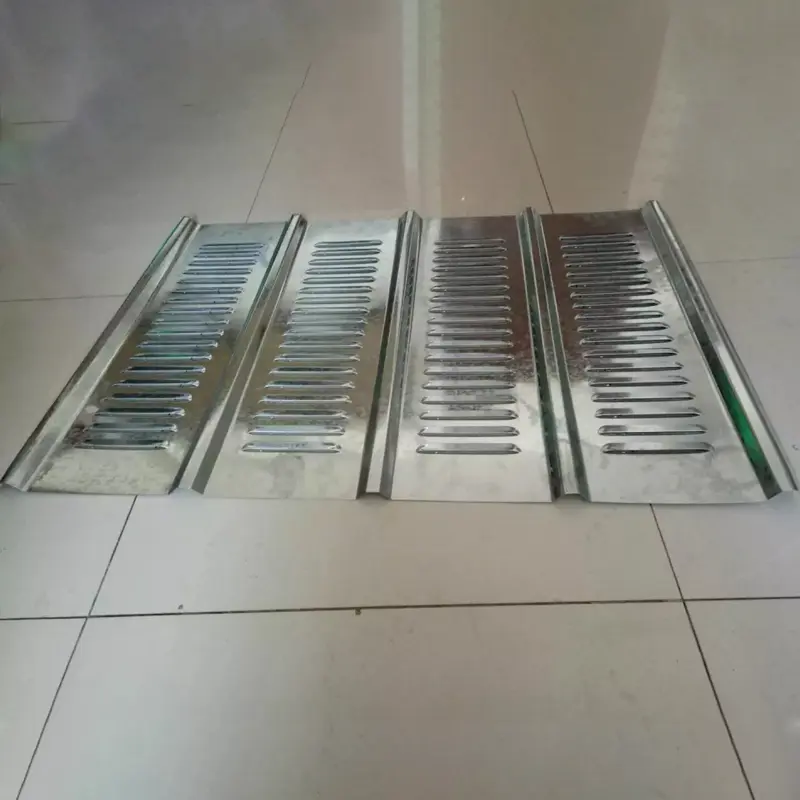
Tianjin SENBO Building Materials Technology Co., Ltd. is a manufacturer of Polyurethane Insulation Panels, rock wool composite panels, louvered perforated panels, and other metal envelope products. Our production base is located in Jinghai Economic Development Zone, Tianjin, China, equipped with automated production lines and a four-stage quality inspection process. For more information about our factory, certifications, testing capabilities, and project references, please visit our About Us page or contact our engineering team.


Hot Tags: Polyurethane Insulation Panels Manufacturer, PU Insulation Panels Supplier, Cold Storage Panels Wholesale
Send Inquiry
Contact Info
Send SENBO an inquiry for steel building materials. Request a free quote, sample or bulk order price list. Our sales team responds within 24 hours with factory direct pricing, stock availability and shipping options.
X
We use cookies to offer you a better browsing experience, analyze site traffic and personalize content. By using this site, you agree to our use of cookies.Privacy Policy
RejectAccept