Aluminum-magnesium-manganese panels are lightweight metal sheets used primarily for roofing and wall cladding. SENBO Building Materials supplies these panels as part of its metal envelope product range, with a focus on alloy traceability, coating performance, and long-term weather resistance.
The base material is typically selected from the 3000 series aluminum alloys, with AA3004 being the most common for architectural roofing due to its balanced strength and formability. Other options include AA3003 for general applications, AA3005 for higher strength, 5052 for marine and coastal environments, and 6061 for projects requiring enhanced structural capacity.
The alloy composition affects corrosion resistance, tensile strength, and workability. All material certificates and mill test reports are available to confirm the specific alloy grade and mechanical properties for each order.
Surface Finishes and Coating Options
Several surface treatments are available depending on project requirements:
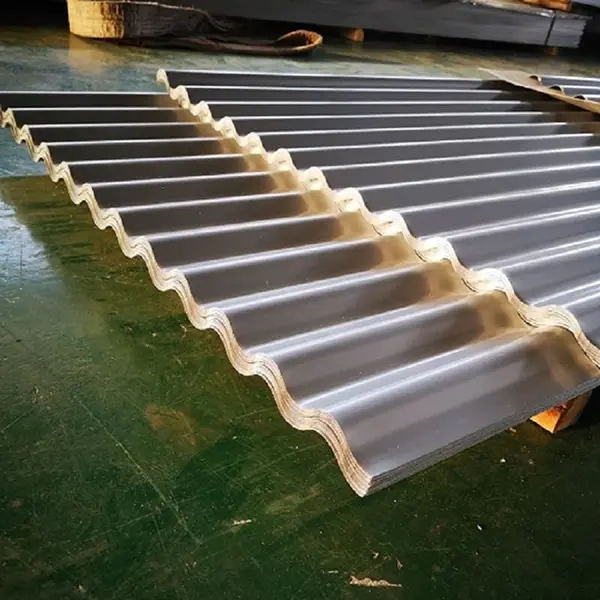
Natural stucco embossed finish: Provides a textured surface that increases panel stiffness and reduces light reflection. Suitable for applications where a natural metallic appearance is preferred.
PVDF fluorocarbon coating: Applied using a multi-coat process with fluorocarbon resin content of at least 70%. The coating thickness on the front side is typically 24 μm or more. PVDF provides strong UV resistance and color retention.
Anodized finish: Creates a dense oxide layer that improves surface hardness and corrosion resistance. Often specified for decorative or high-visibility applications.
Polyester coating: A cost-effective option for interior or less demanding exterior conditions. Performance varies by coating formulation and thickness.
Mechanical Properties and Corrosion Resistance
The tensile strength of AA3004-H24 aluminum-magnesium-manganese sheet is typically 230 MPa or higher, with yield strength of 200 MPa or more and elongation of at least 3.8%. These values are based on standard mill test certificates and may vary slightly by production batch.
Aluminum-magnesium-manganese alloys form a natural oxide layer on the surface when exposed to air. This oxide layer provides inherent corrosion resistance. Under normal atmospheric conditions, the corrosion rate is very low. Salt spray testing of representative coated panels has shown no visible corrosion after extended exposure, but the specific performance depends on coating type, installation details, and environmental severity.
For coastal or industrial environments, a thicker PVDF coating or 5052 marine-grade alloy may be recommended. Regular inspection and cleaning are still required in aggressive environments to maintain long-term appearance and performance.
Profile Options and Installation Systems
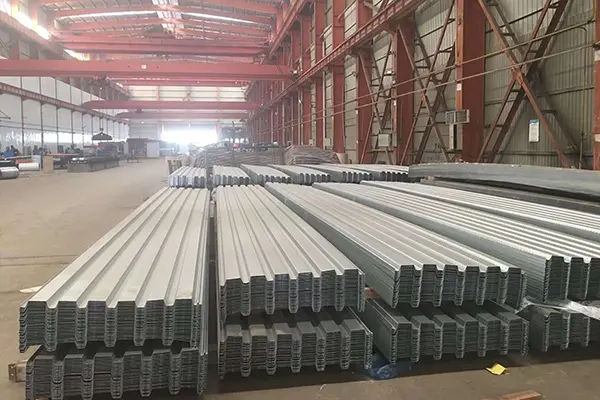
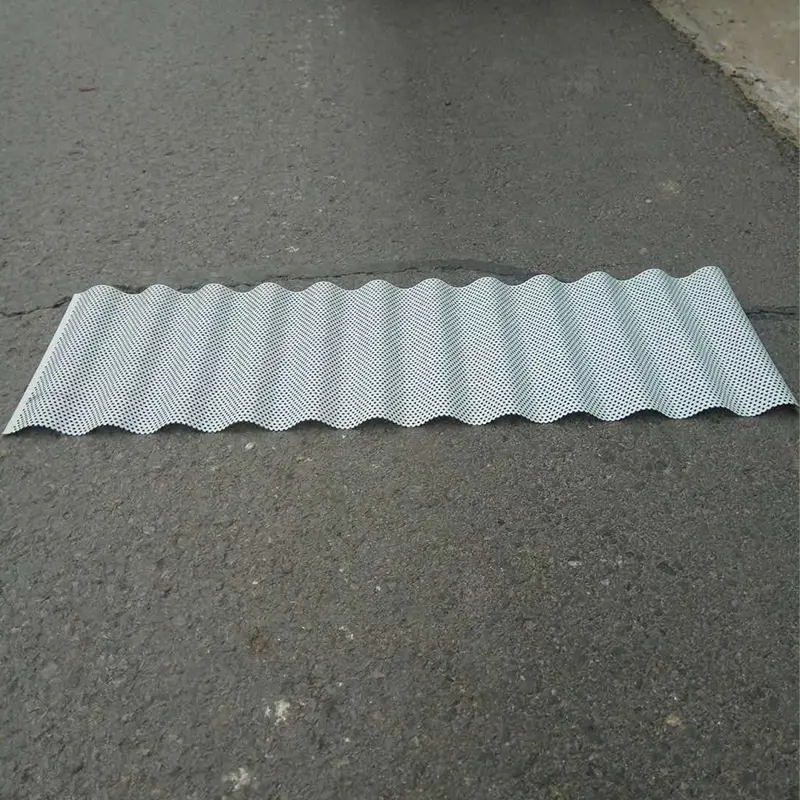
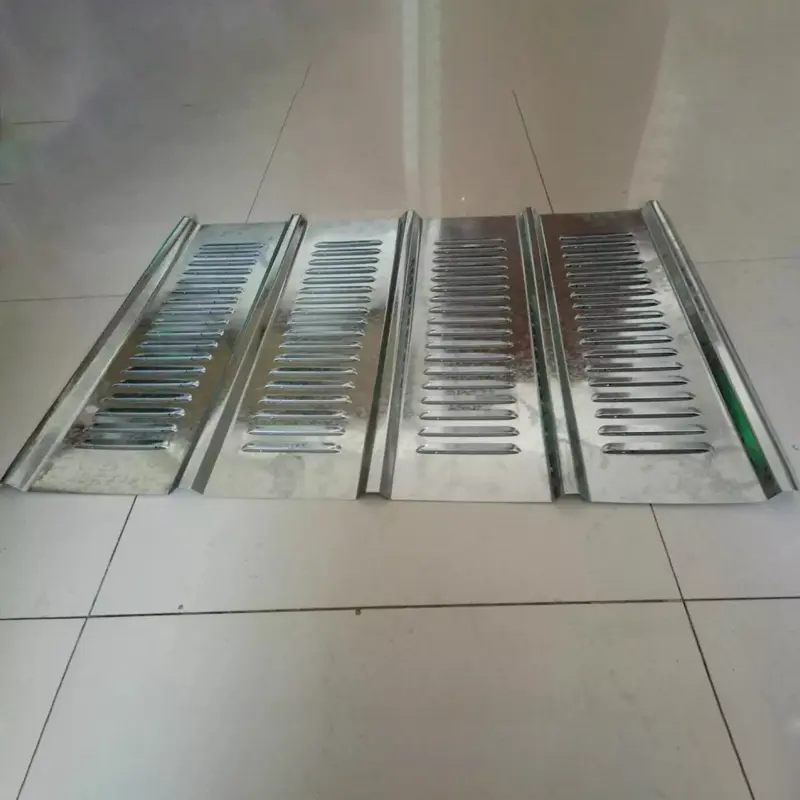
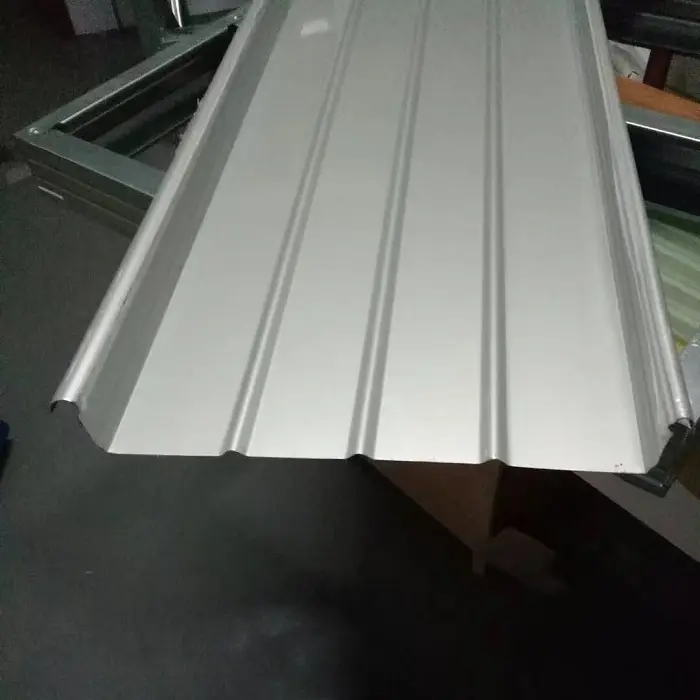
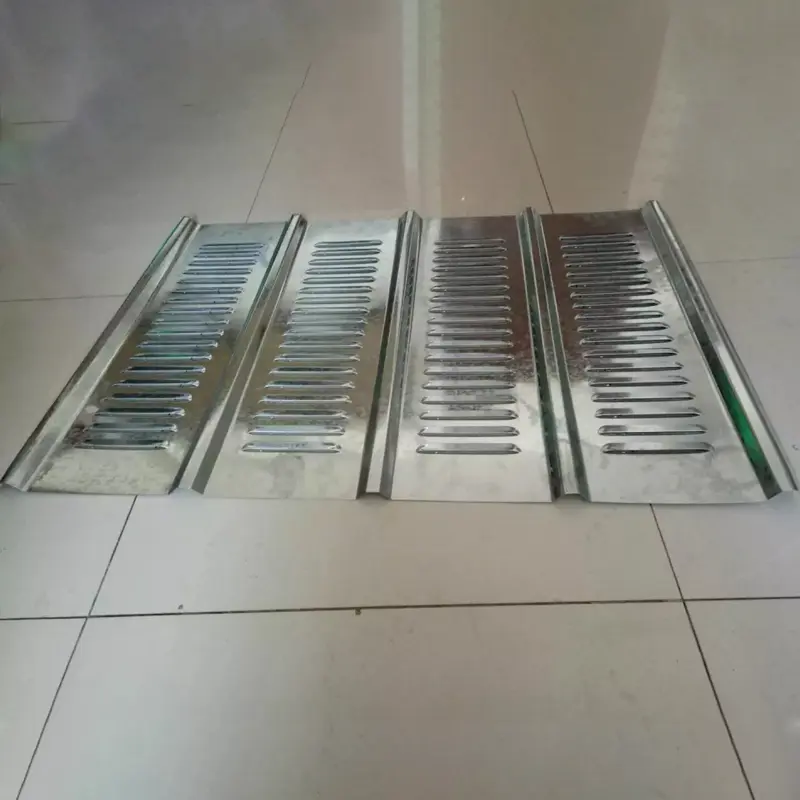
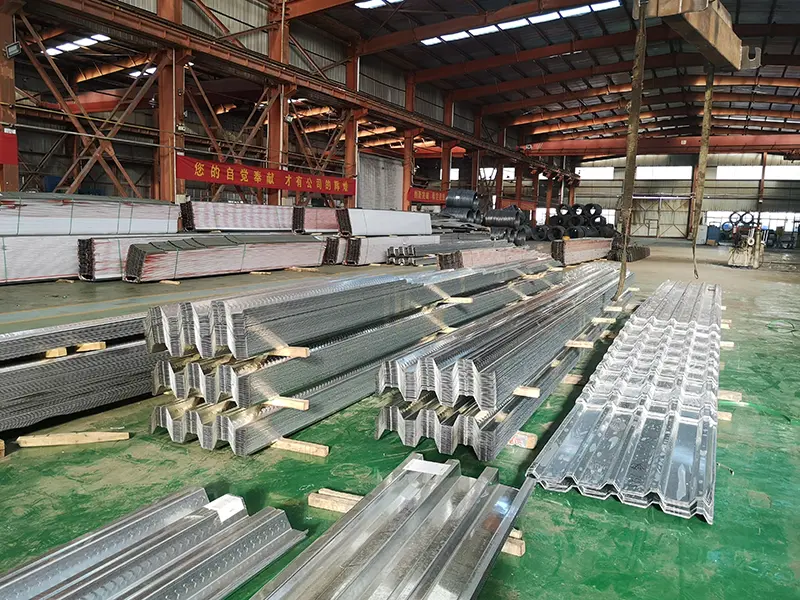
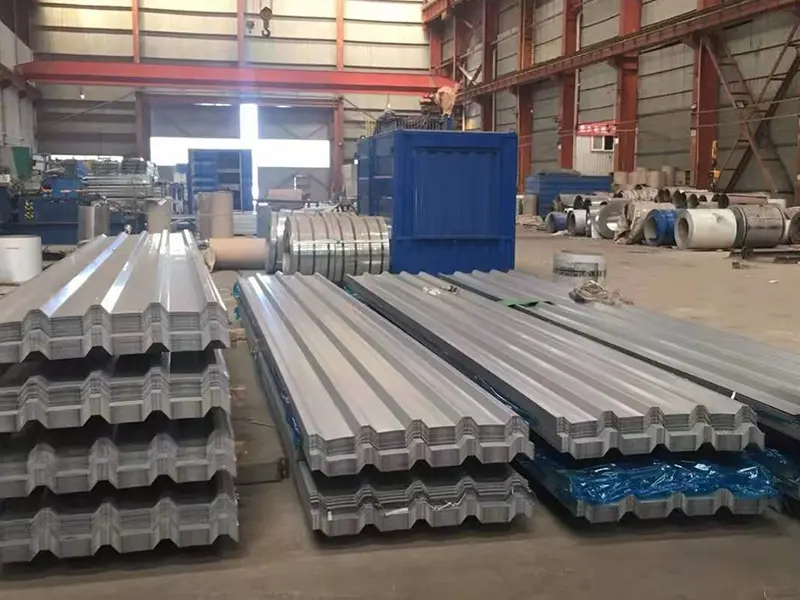
Common profiles include YX65-300, YX65-330, YX65-400, YX65-420, YX65-430, YX65-575, and YX65-600, with rib heights of 25 mm, 45 mm, 50 mm, and 65 mm. The choice of profile depends on span, load, and architectural curvature requirements.
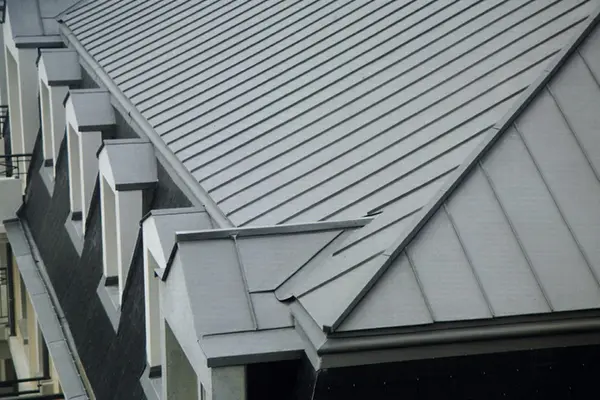
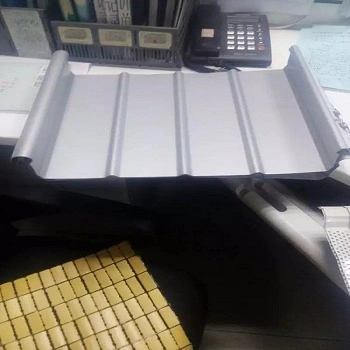
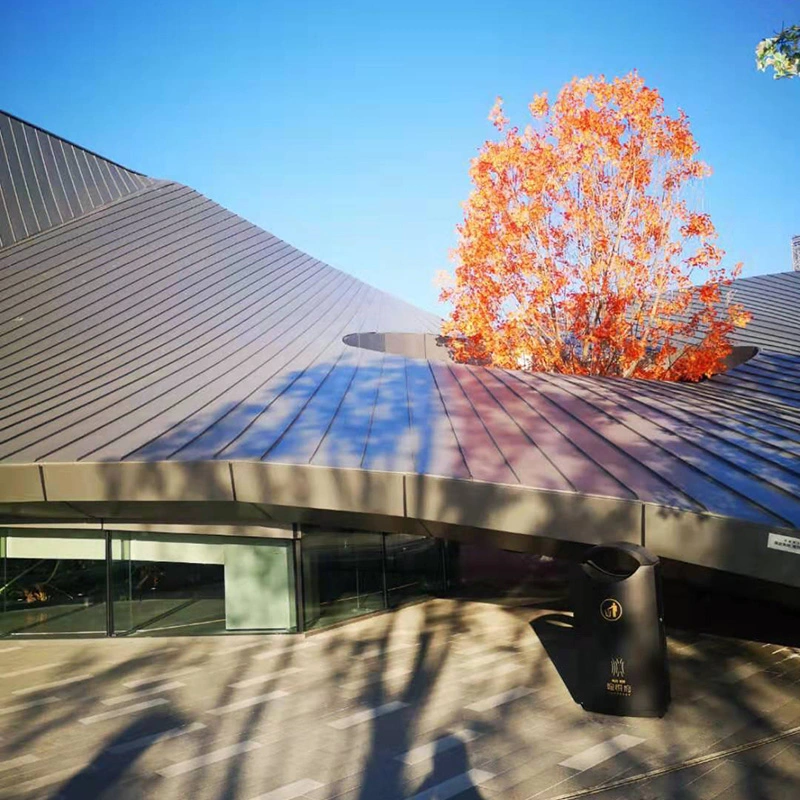
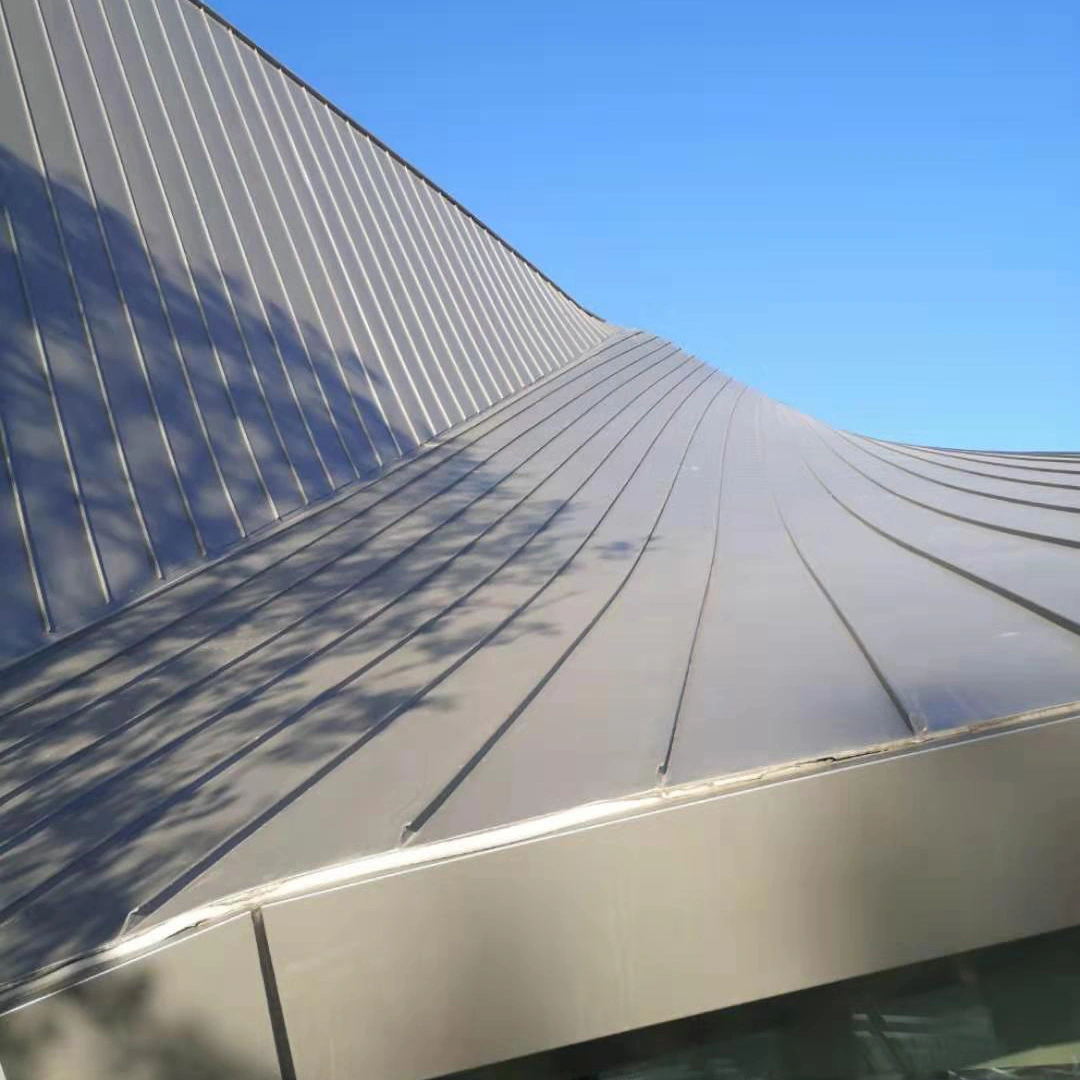
The standing seam system is the primary installation method for aluminum-magnesium-manganese roofing. Panels are attached to the substructure using concealed clips, and adjacent panels are mechanically seamed together using a 270° or 360° lock. This method eliminates exposed fasteners and allows thermal movement along the panel length.
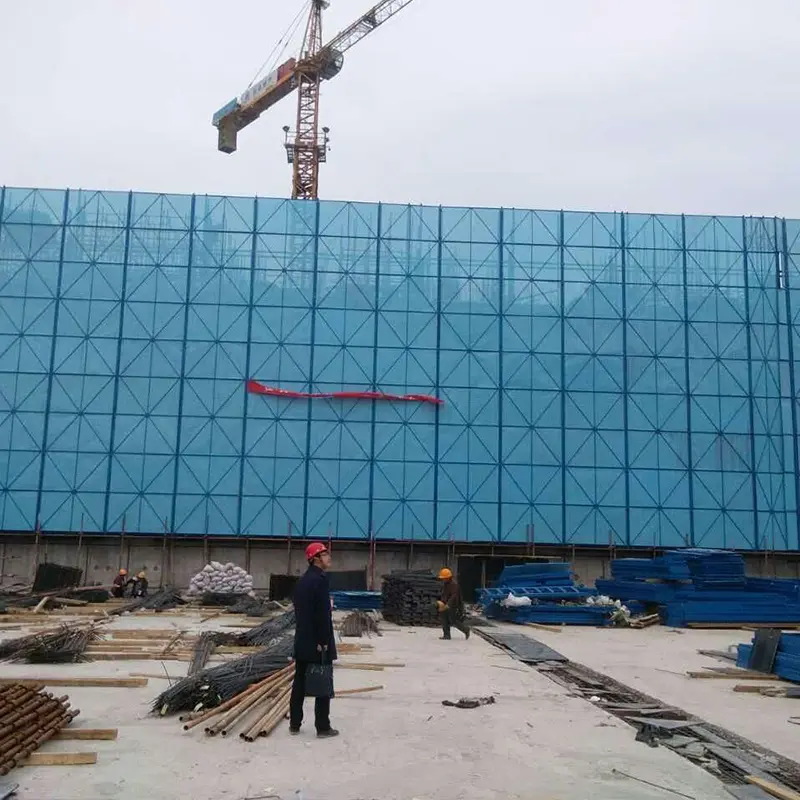
For wall cladding applications, flat or lightly profiled panels can be used with visible or concealed fastening systems. Our technical team can recommend an appropriate profile and fastening method based on wind load calculations and architectural details.
Technical Specifications
|
Parameter
|
Range / Options
|
Notes
|
|
Alloy Grades
|
AA3003, AA3004, AA3005, 5052, 6061
|
Selected by environment and strength
|
|
Sheet Thickness
|
0.6–1.5 mm
|
0.7–1.2 mm common for roofing
|
|
Rib Height
|
25 / 45 / 50 / 65 mm
|
Profile-dependent
|
|
Panel Width
|
300 / 330 / 400 / 430 / 470 / 500 / 575 / 600 mm
|
Effective coverage width
|
|
Tensile Strength (AA3004-H24)
|
≥230 MPa
|
Mill test certificate available
|
|
Yield Strength (AA3004-H24)
|
≥200 MPa
|
Mill test certificate available
|
|
Elongation (AA3004-H24)
|
≥3.8%
|
Mill test certificate available
|
|
Density
|
2.73 g/cm³
|
Approximately one-third of steel
|
|
Coating Options
|
PVDF, polyester, anodized, natural stucco
|
Coating thickness per specification
|
|
Applicable Standard
|
GB/T 12755-2008
|
Profiled steel sheets for building
|
Selection and Installation Guidance
For roofing systems: Confirm the required panel profile and thickness based on span, wind uplift, and snow load calculations. The standing seam system is recommended for long slopes and low-pitch roofs to allow thermal movement.
For coastal environments: Specify 5052 alloy or a PVDF coating system with adequate thickness. Regular rinsing with fresh water helps remove salt deposits and extend the coating life.
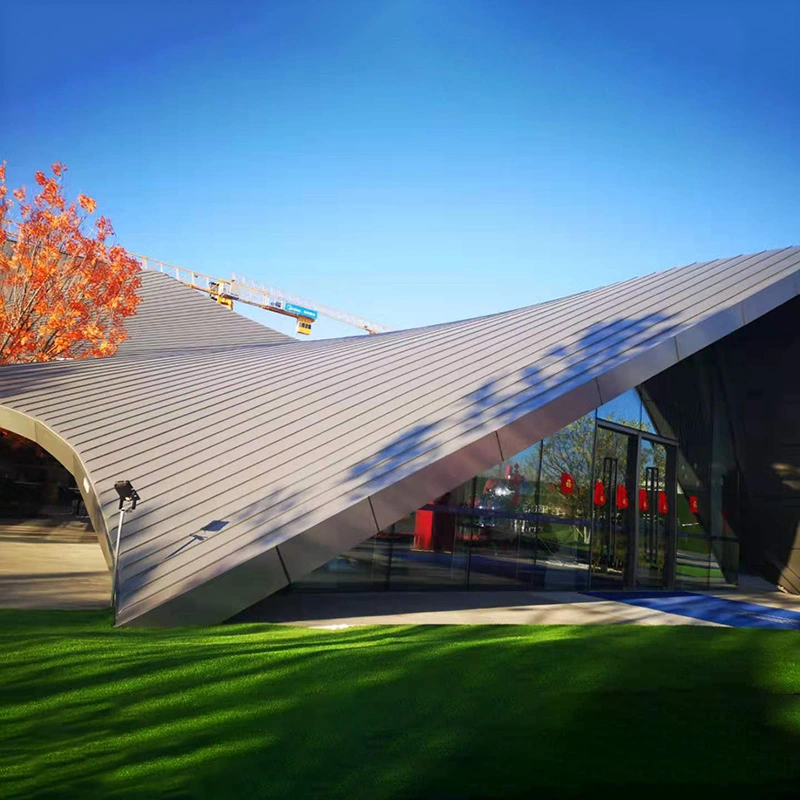
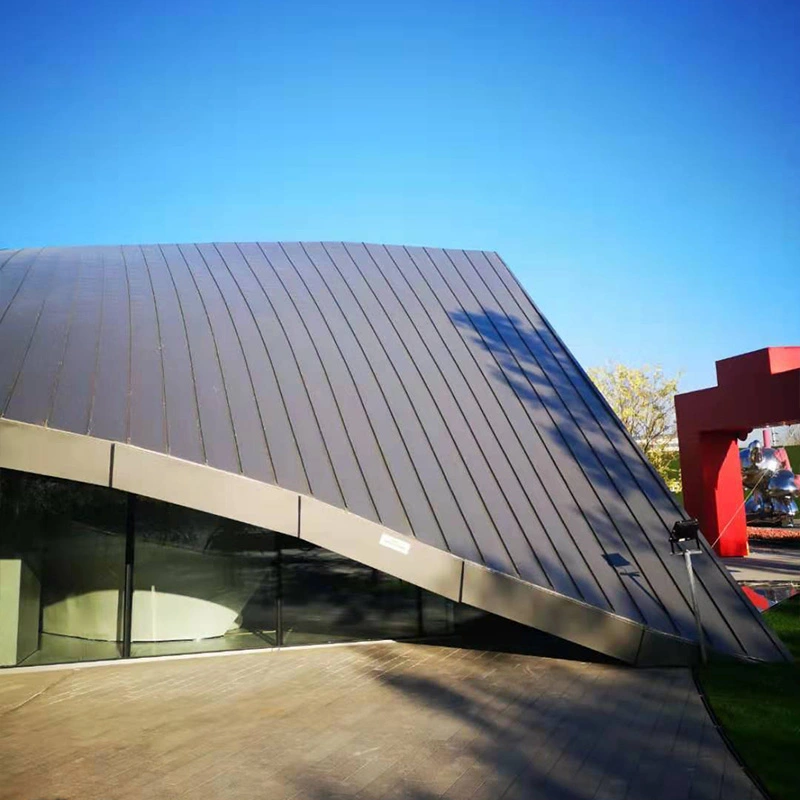
For curved or complex geometries: Aluminum-magnesium-manganese panels can be roll-formed into curved or tapered shapes. Provide architectural drawings early so that the profile and sheet thickness can be selected for formability.
During installation: Use appropriate lifting and handling methods to avoid panel deformation. Ensure the substructure is aligned and that clips are installed according to the specified spacing. Seaming should be performed with calibrated equipment to achieve the correct lock profile.
Typical Applications
1. Airport terminals and high-speed railway stations where long-span metal roofing is required.
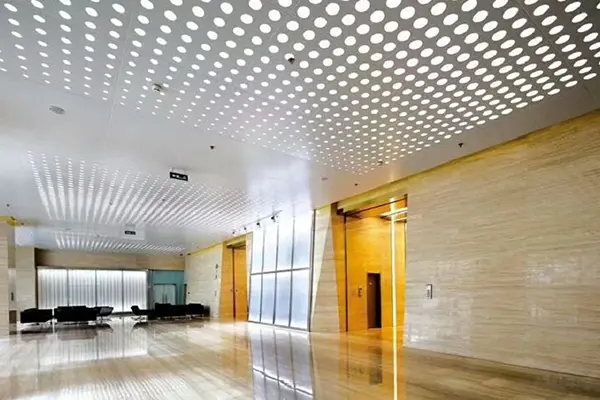
2. Sports stadiums and exhibition centers with curved or complex roof geometries.
3. Commercial buildings and shopping malls that require a durable and visually appealing facade.
4. Industrial buildings in coastal or corrosive environments.
5. High-end residential villas and custom architectural projects.
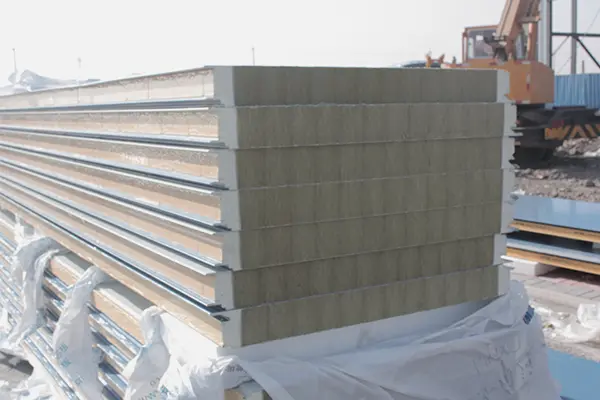
In some building envelope designs, aluminum-magnesium-manganese roofing is combined with Rock Wool Sandwich Panels for thermal insulation and Profiled Steel Sheets for the inner liner, forming a complete roof assembly. Our team can assist with interface details between these products.
Frequently Asked Questions
1. How do I select the right alloy grade for my project?
AA3004 is suitable for most architectural roofing and wall applications due to its balanced strength and corrosion resistance. For coastal or marine environments, 5052 offers higher corrosion resistance. 6061 may be considered when higher structural strength is required, but it is less formable than 3000 series alloys.
2. What is the expected service life of aluminum-magnesium-manganese panels?
Under normal atmospheric conditions and with proper coating selection, the panels can last 30 years or more. The actual service life depends on alloy grade, coating type, environmental exposure, and maintenance. PVDF-coated panels generally offer better long-term color retention than polyester coatings.
3. Can aluminum-magnesium-manganese panels be used for curved roofs?
Yes. The panels can be roll-formed into convex or concave curves and tapered shapes to match architectural geometry. The formability depends on sheet thickness and alloy temper. Our engineering team can advise on achievable curvature radii for specific profiles.
4. How are panels fixed without exposed fasteners?
The standing seam system uses concealed clips that are attached to the substructure. The panels snap onto the clips, and the seams are mechanically locked using a seaming machine. This allows the panels to expand and contract freely along the slope without visible fasteners.
5. What documentation is provided with the panels?
We supply mill test certificates for the aluminum alloy, coating thickness reports, and applicable product test reports. For specific projects, additional documentation such as wind uplift calculations or fire performance data can be provided on request.