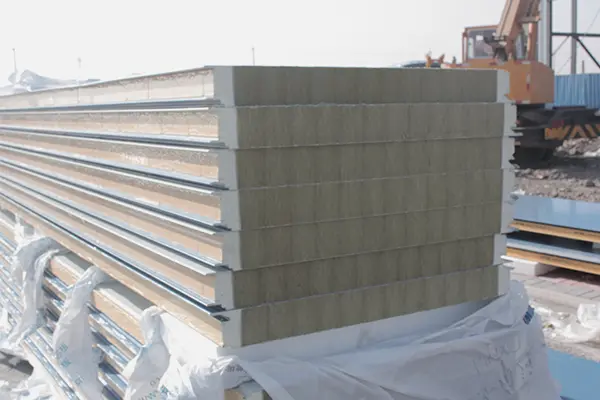
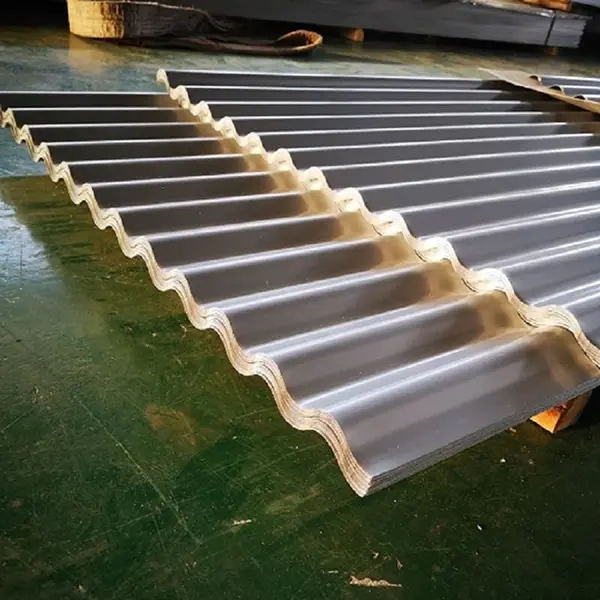
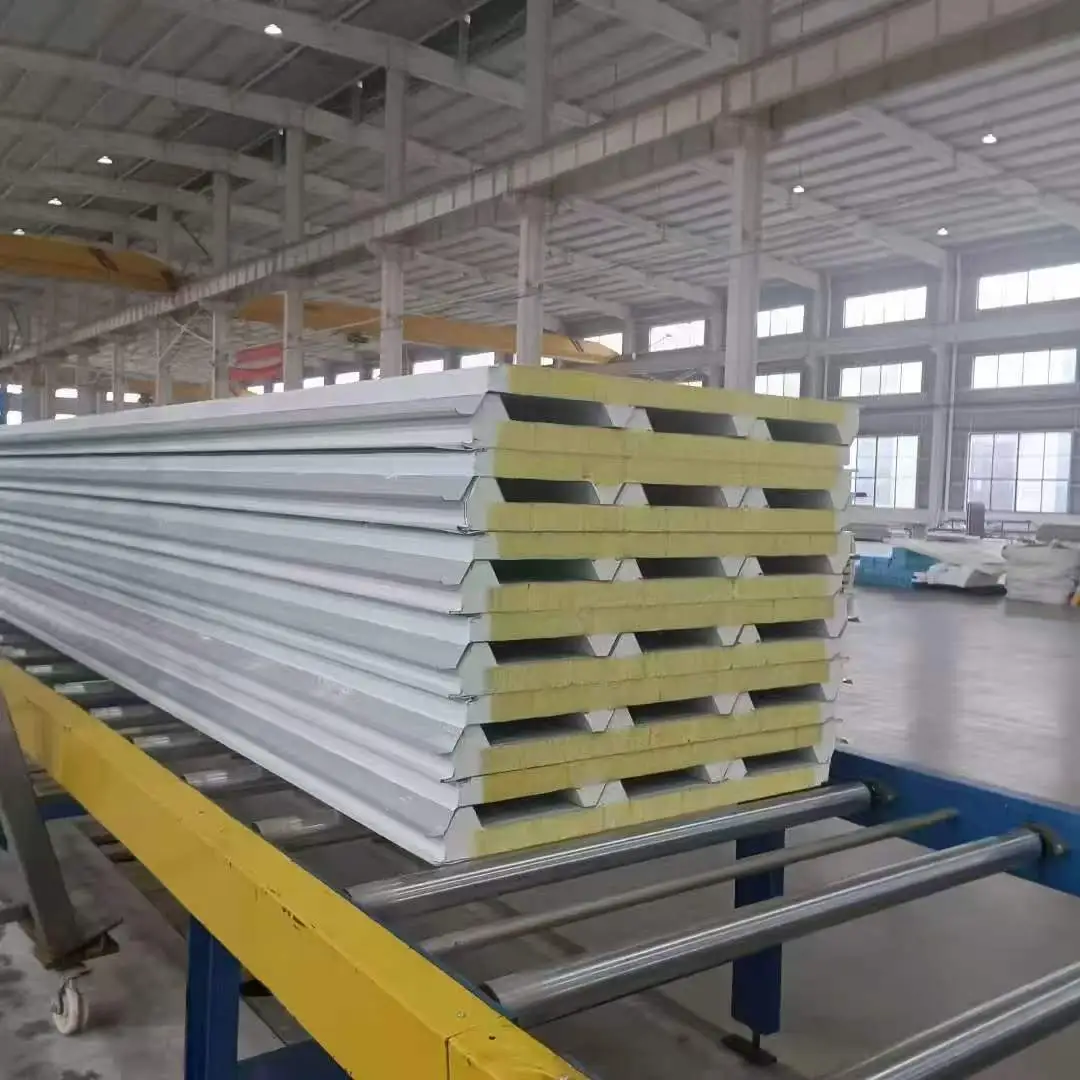
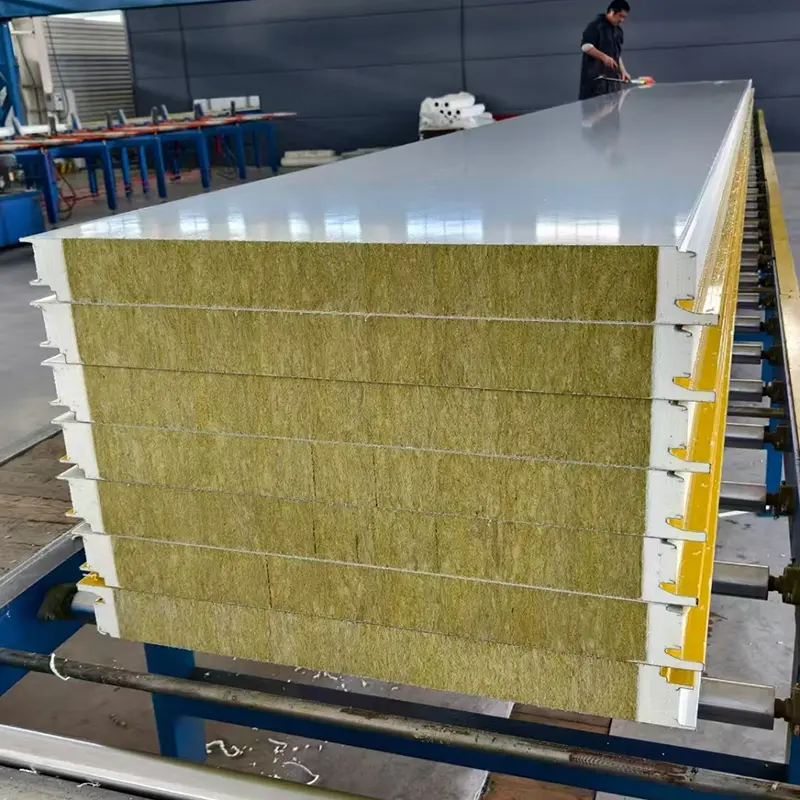
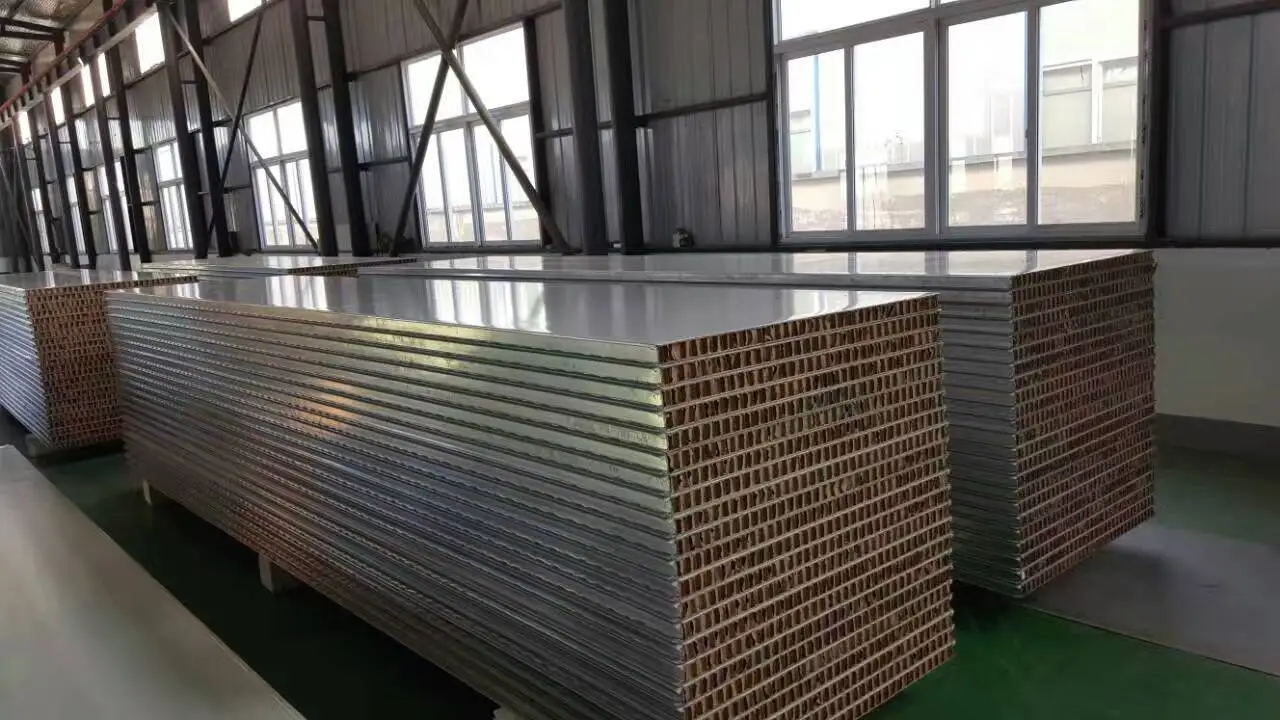
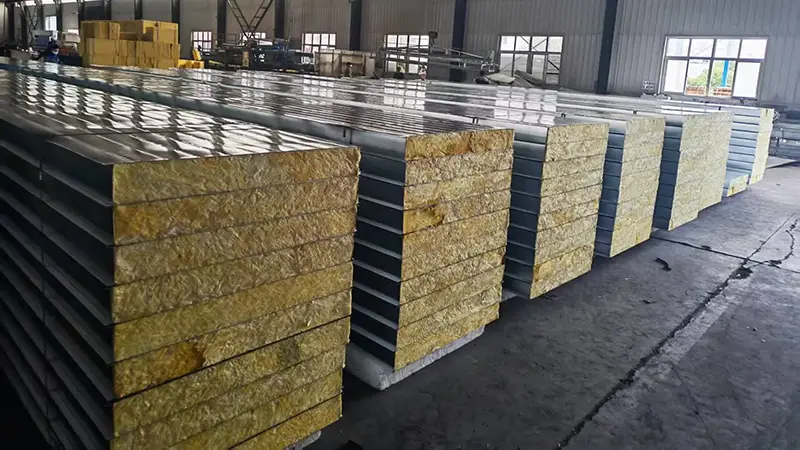
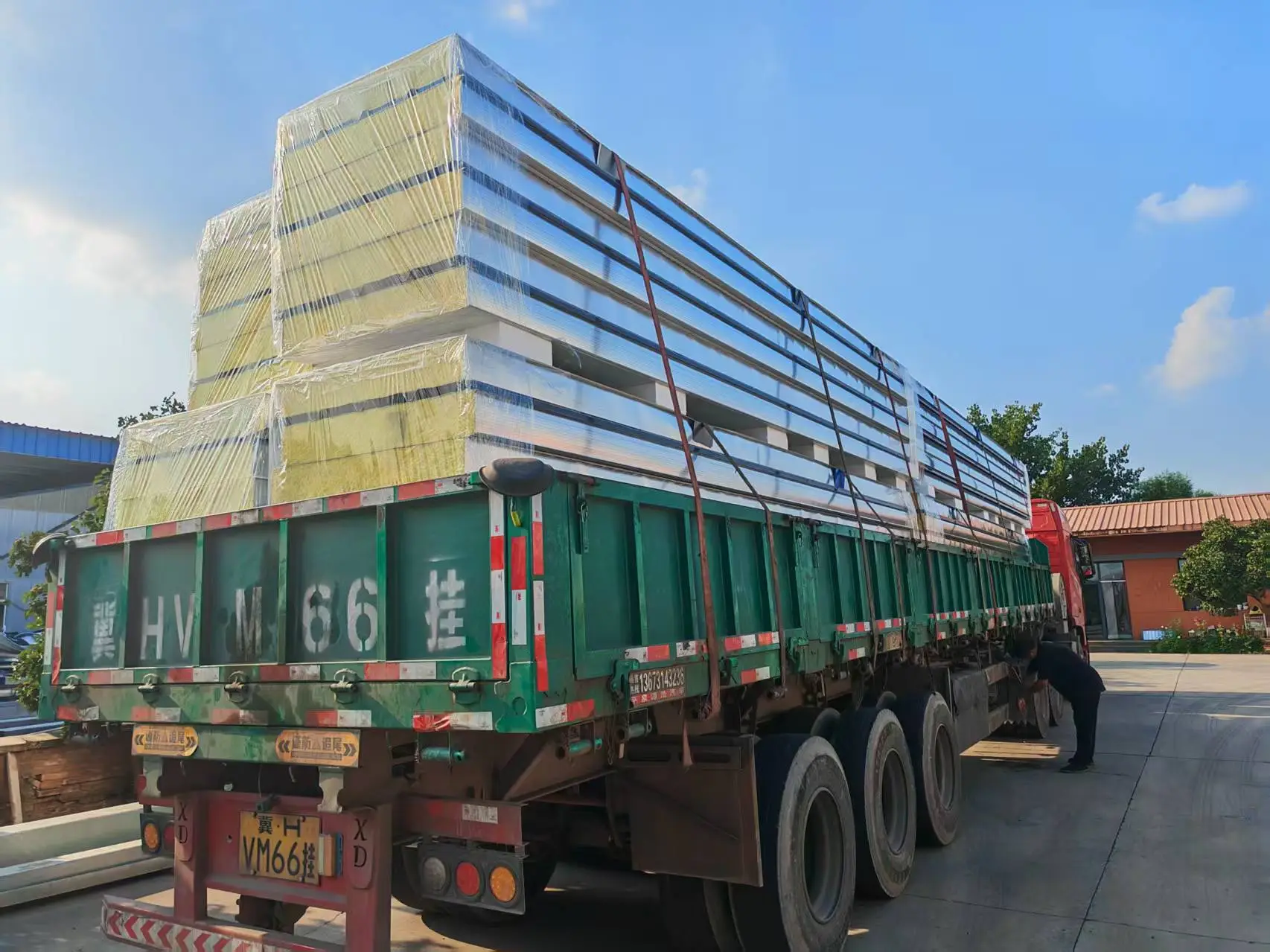
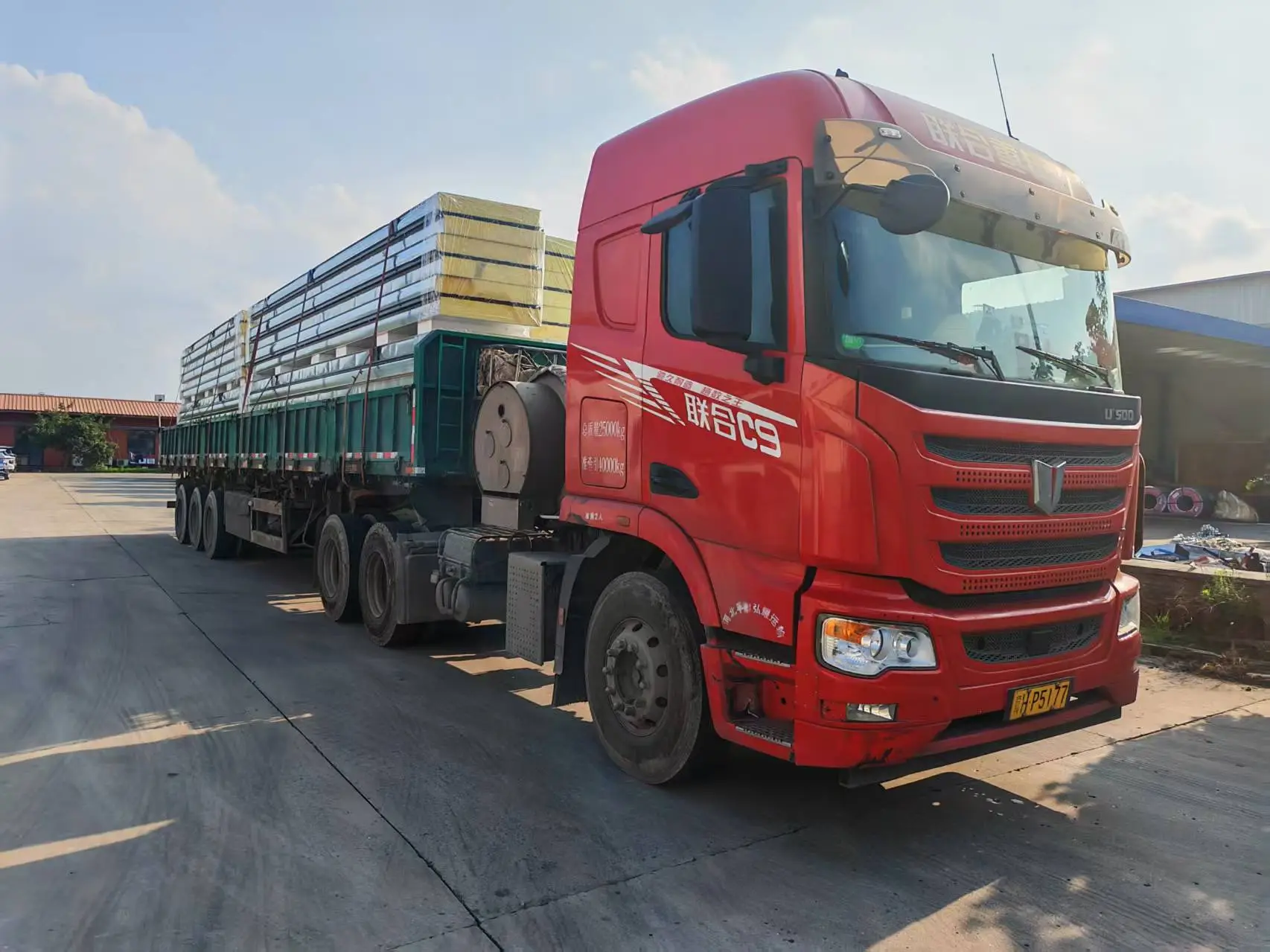
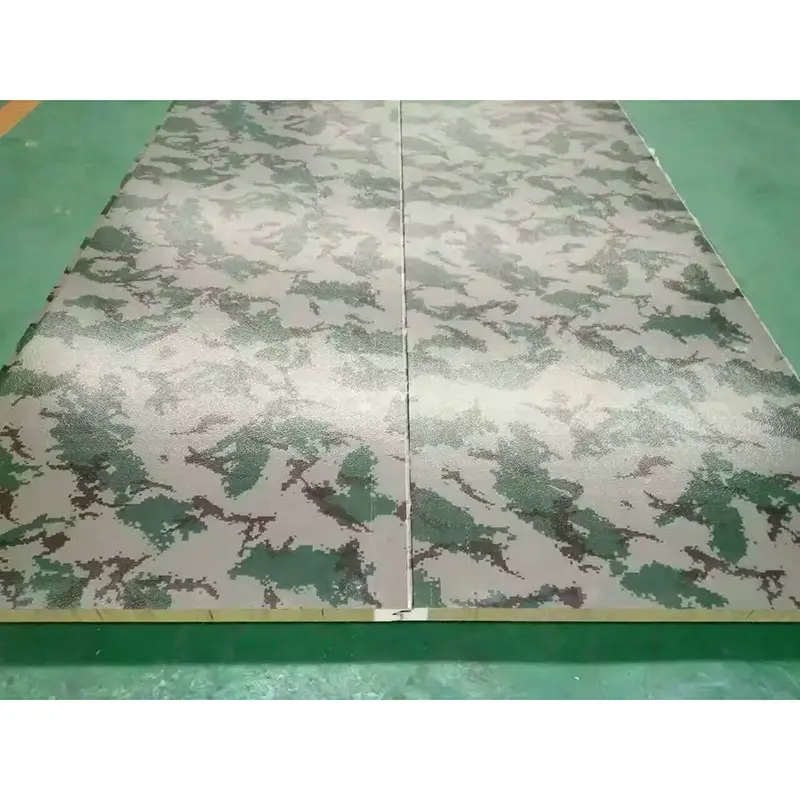
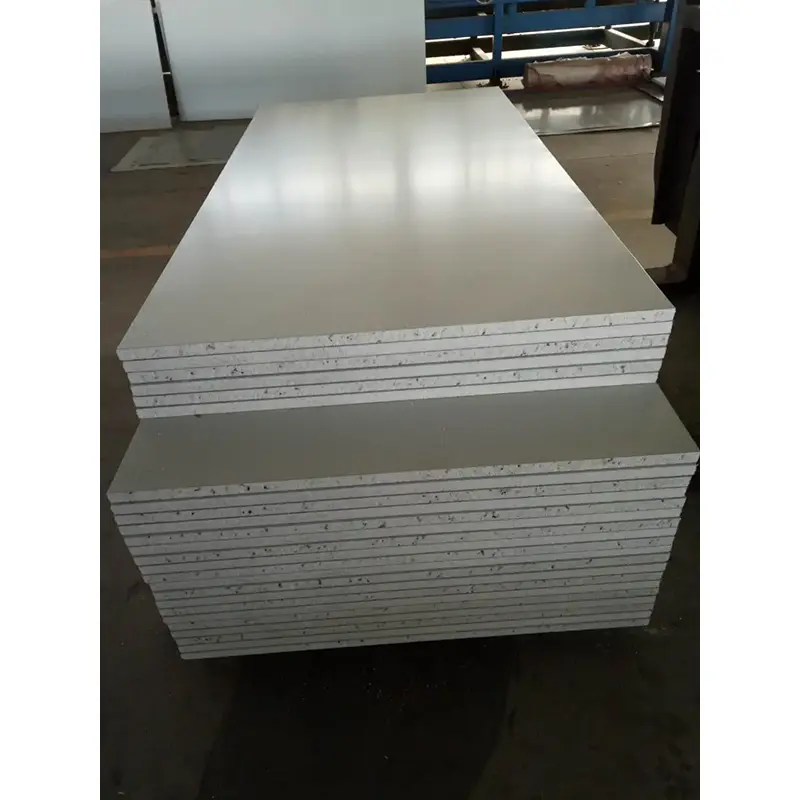
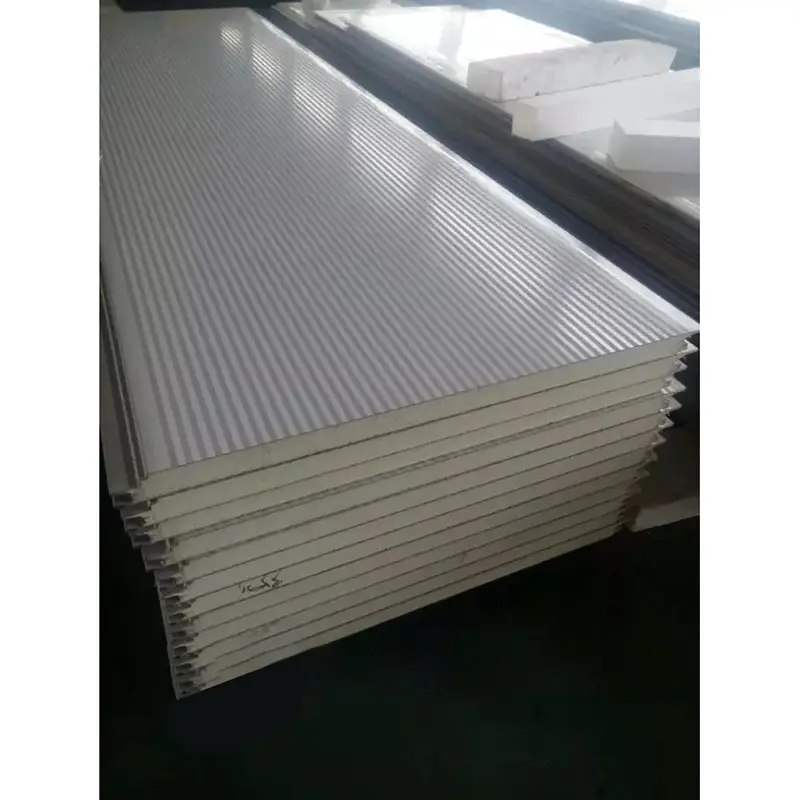
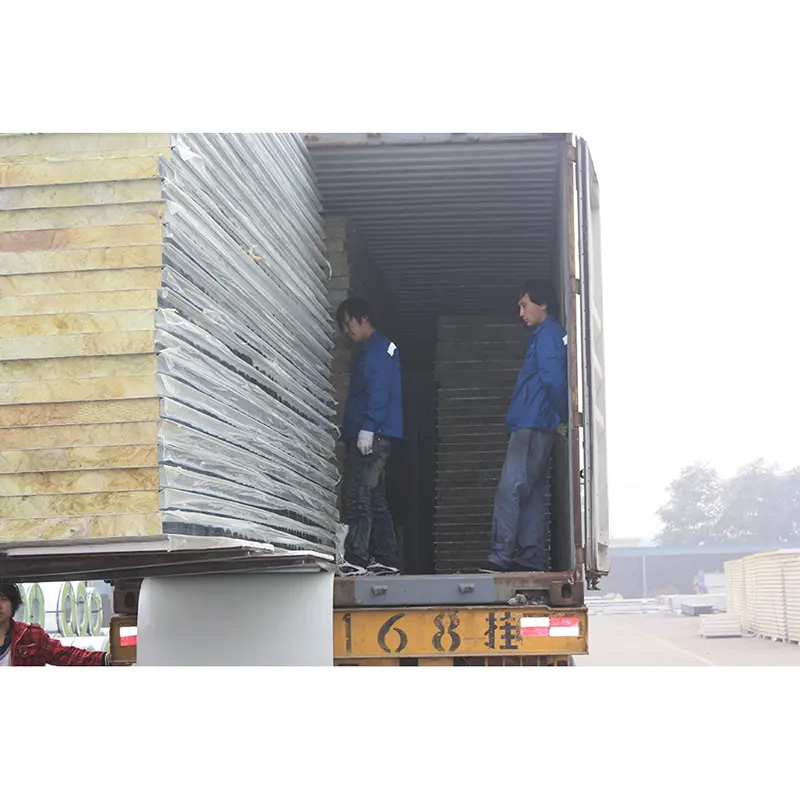
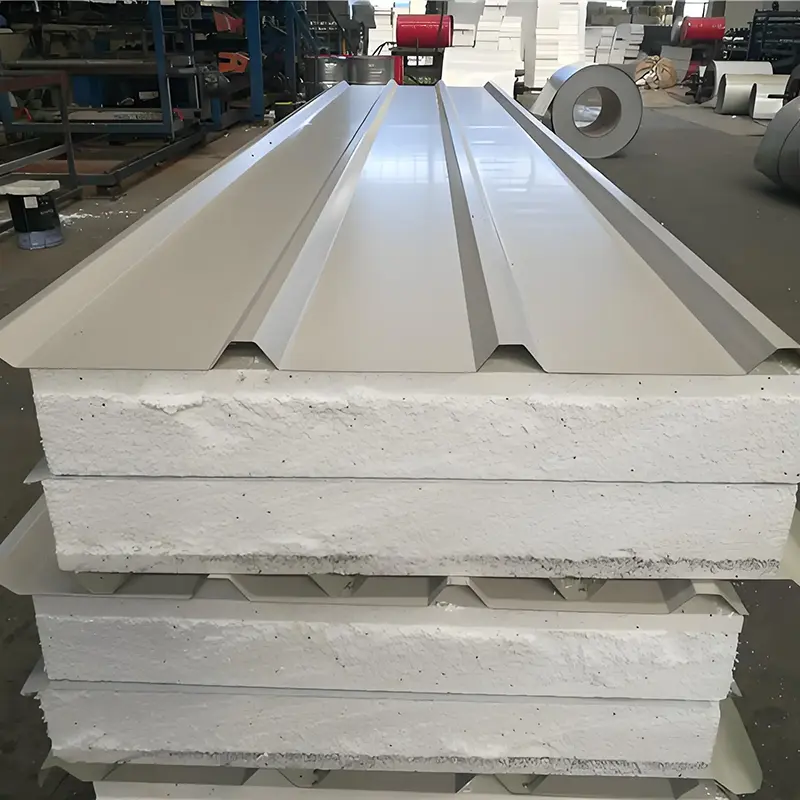
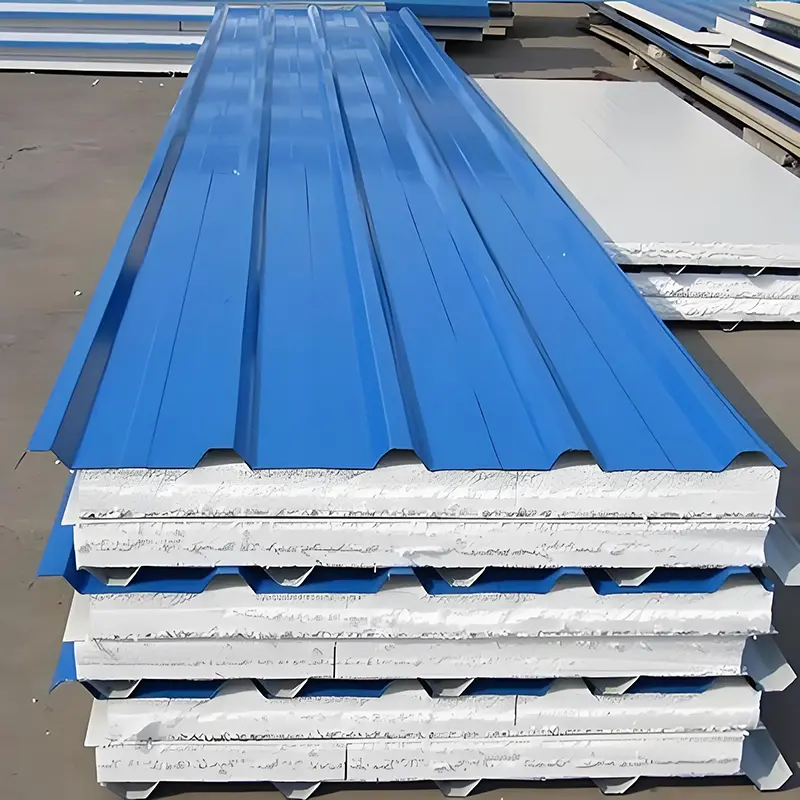
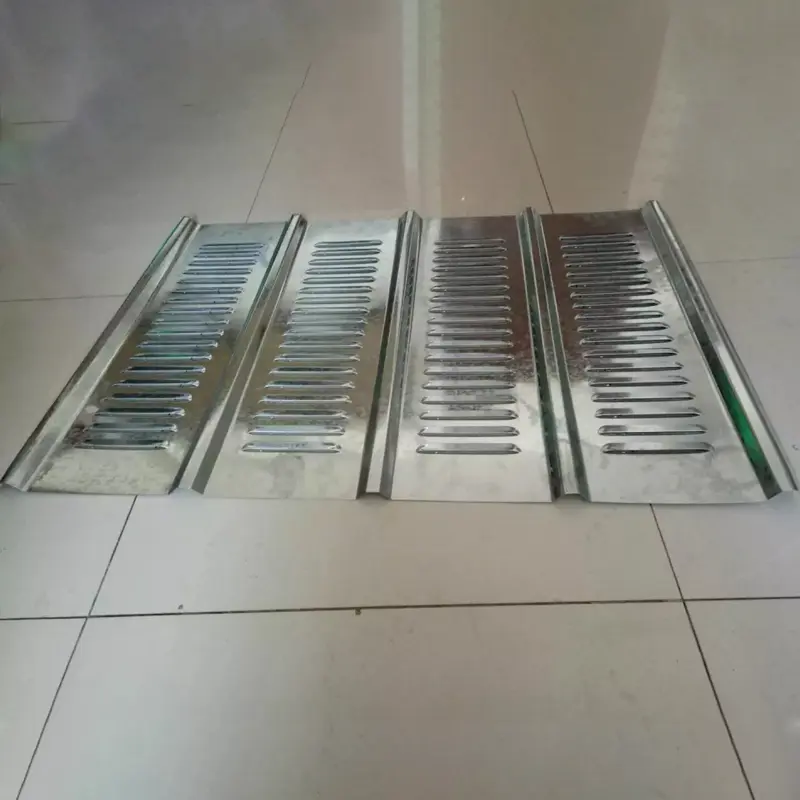
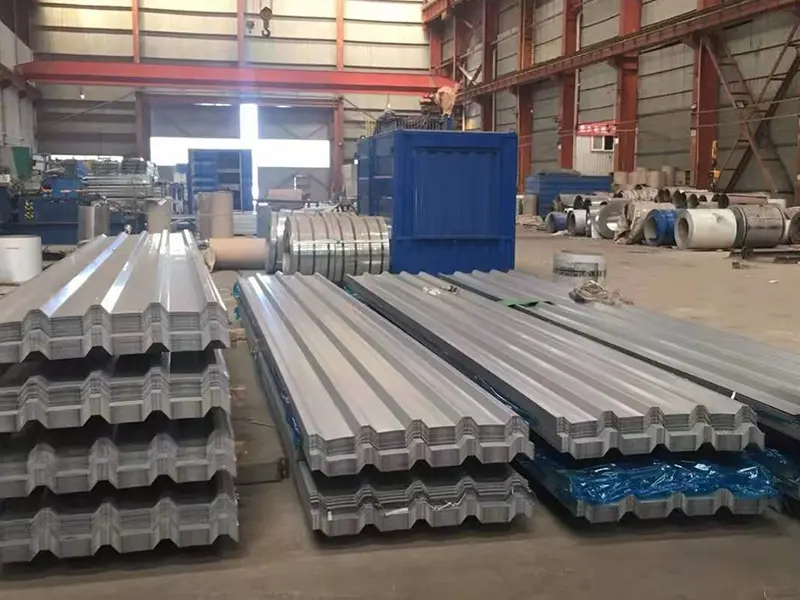
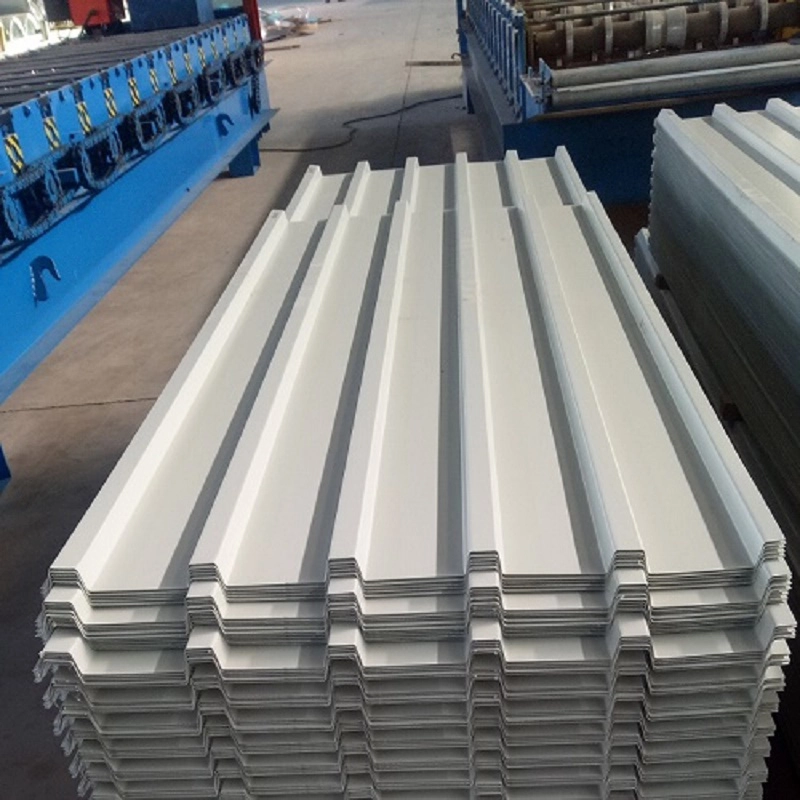
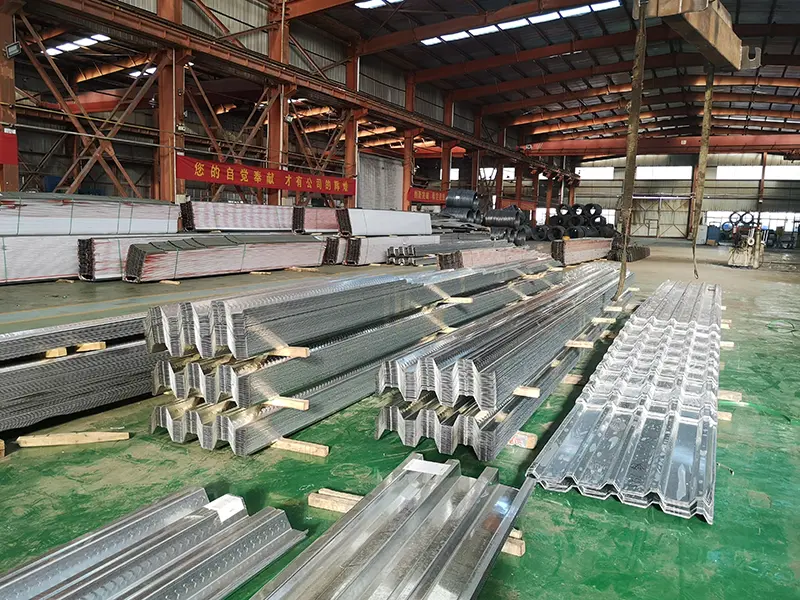
Tianjin SENBO supplies Roof Rock Wool Sandwich Panels with steel or aluminum facings and rock wool, PUR, or EPS cores. Available in 50–200 mm thicknesses, these panels provide thermal insulation, fire resistance, soundproofing, and structural rigidity. Suitable for wholesale and bulk orders for industrial plants, warehouses, and public buildings.
Roof Rock Wool Sandwich Panels, also called metal-faced composite panels, consist of two thin metal facing sheets bonded to a lightweight core material. The facing sheets are typically 0.4 mm to 0.8 mm thick and may be galvanized steel, color-coated steel, Al-Zn coated steel, or aluminum alloy. The core material is selected based on fire safety, thermal insulation, and budget requirements. Common core options are rock wool, rigid polyurethane (PU), and polystyrene (EPS). The facings and core are bonded with adhesive, forming a stressed-skin structure. The metal facings carry tensile and compressive forces, while the core transfers shear stress and keeps the facings separated, resulting in high flexural rigidity relative to panel weight.
Core Material Overview
Rock wool core: Inorganic fiber material. Density ≥100 kg/m³. Thermal conductivity ≤0.045 W/(m·K). Fire performance Class A non-combustible.
Rigid polyurethane (PU) core: Density ≥30 kg/m³. Thermal conductivity ≤0.027 W/(m·K). Best insulation performance among the three. Fire performance up to Class B1.
Polystyrene (EPS) core: Density ≥18 kg/m³. Thermal conductivity ≤0.041 W/(m·K). Economical option. Fire performance Class B2.
Dimensional Specifications
Roof Rock Wool Sandwich Panels are commonly 50 mm to 200 mm thick with effective widths of 900 mm to 1000 mm. PU sandwich panels range from 30 mm to 100 mm thick with an effective width of 1000 mm. EPS sandwich panels are available from 50 mm to 250 mm thick with effective widths of 1150 mm or 1200 mm. Panel length is generally up to 12,000 mm, and custom lengths can be produced according to project requirements.
Performance Comparison
Performance Indicator
Polyurethane (PU) Core
Rock Wool Core
Polystyrene (EPS) Core
Standard Reference
Core Density
≥30 kg/m³
≥100 kg/m³
≥18 kg/m³
JC/T 868 / 869 / 689
Thermal Conductivity
≤0.027 W/(m·K)
≤0.045 W/(m·K)
≤0.041 W/(m·K)
Measured at ambient temperature
Bond Strength
≥0.09 MPa
>0.06 MPa
>0.1 MPa
Between facing and core
Combustion Performance
Class B1
Class A (Non-combustible)
Class B2
GB 8624
Fire Resistance Rating
Not specified
≥60 min for thickness ≥80 mm
Not specified
Verified by fire tests
Flexural Load Capacity
≥0.5 kN/m at L₀/200
≥0.5 kN/m at L₀/250
≥0.5 kN/m at L₀/250
Deflection limit
Common Thickness
30–100 mm
50–200 mm
50–250 mm
Customizable
Effective Width
1000 mm
900–1000 mm
1150–1200 mm
Standard widths
Structural Behavior and Verification
1. Stressed-skin Principle
The panel behaves like an I-beam. The metal facings act as flanges, carrying tensile and compressive stresses. The core acts as the web, transferring shear forces. Increasing core thickness raises flexural rigidity without adding significant weight because the core density is low. All three core types are required to meet a minimum flexural load capacity of 0.5 kN/m under the specified deflection limit. Rock wool and EPS panels are tested at L₀/250, while PU panels are tested at L₀/200.
2. Bond and Peel Performance
Bond strength requirements vary by core type. EPS panels require a bond strength above 0.1 MPa, PU panels at least 0.09 MPa, and rock wool panels above 0.06 MPa. During peel testing, the core material remaining on the facing must be evenly distributed and cover at least 85% of the bonded area. This requirement helps confirm that the facings and core continue to work as a single unit.
3. Fire Performance by Core Type
Fire behavior is determined mainly by the core. Rock wool cores are non-combustible and provide a fire resistance rating of at least 60 minutes when thickness is 80 mm or more. PU cores can reach Class B1 flame-retardant rating. EPS cores are rated Class B2 and are limited to areas with low fire safety requirements. Project fire codes should guide core selection.
4. Thermal Insulation by Core Type
PU cores offer the lowest thermal conductivity at 0.027 W/(m·K) or less, followed by EPS at 0.041 W/(m·K) and rock wool at 0.045 W/(m·K). Selection should balance insulation targets, fire rating, and budget. For a given insulation requirement, PU panels can be thinner than EPS or rock wool panels.
Project Selection Guide
When to Choose Rock Wool Core
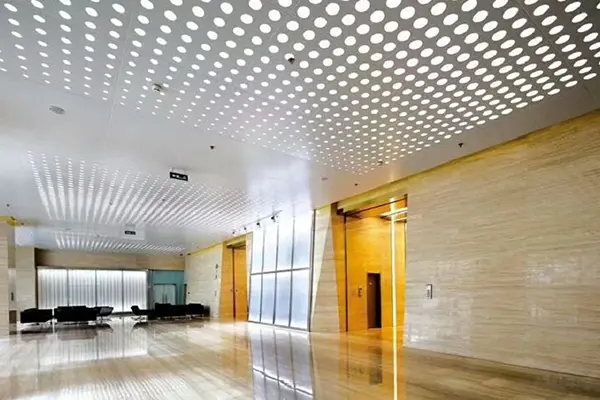
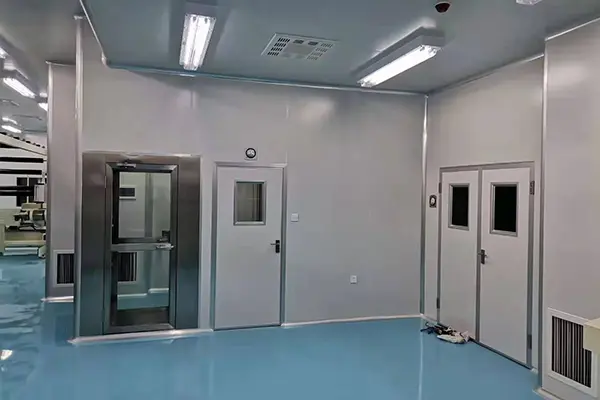
Rock wool core panels are suitable for buildings that require non-combustible envelope materials, such as industrial plants with high fire risk, public buildings, cleanrooms, and areas where fire codes mandate Class A materials. They also provide good sound absorption, which is useful in noisy environments.
When to Choose Polyurethane Core
PU core panels are appropriate for projects where maximum thermal insulation is needed within limited thickness, such as cold storage, temperature-controlled warehouses, and energy-efficient buildings. Their B1 fire rating makes them acceptable in many applications, but local fire regulations should be confirmed.
When to Choose Polystyrene Core
EPS core panels are an economical option for buildings with low fire safety requirements, such as temporary structures, agricultural buildings, and some warehouses. They provide good insulation at a lower cost, but their B2 rating restricts use in occupied or high-risk areas.
Installation and Handling Notes
Use padded lifting slings to prevent damage to metal facings during unloading and placement.
Cut panels with appropriate tools and remove debris from edges to ensure clean joints.
Seal panel joints with compatible sealant or gaskets to maintain weather tightness and thermal continuity.
Store panels on level supports, protected from rain and direct sunlight, and keep the package dry before installation.
Keep EPS panels away from open flames and high-temperature sources during storage and installation.
Frequently Asked Questions
Which core material offers the best fire safety?
Rock wool is the only non-combustible option among the three and provides the highest fire resistance. PU can achieve B1, while EPS is B2. For buildings with strict fire codes, rock wool is usually required.
Can one panel type be used for both walls and roofs?
Yes, sandwich panels can be used for both walls and roofs, but roof panels may require additional features such as stronger profiles, better drainage design, and higher wind uplift resistance. Confirm with the manufacturer that the selected panel meets roof load requirements.
How do I decide between PU and EPS when fire rating is not a major concern?
PU offers better thermal insulation per unit thickness and higher bond strength, but costs more. EPS is lighter and cheaper. If insulation targets can be met with a thicker EPS panel, it may be the more economical choice. Thermal calculations should guide the decision.
What standards apply to sandwich panels?
Relevant standards include JC/T 868 for metal-faced polyurethane sandwich panels, JC/T 869 for metal-faced rock wool sandwich panels, and JC/T 689 for metal-faced polystyrene sandwich panels. Project specifications and acceptance criteria should refer to these documents.
Hot Tags: roof rock wool sandwich panel, rock wool sandwich panel supplier, insulated roof panels manufacturer
Send SENBO an inquiry for steel building materials. Request a free quote, sample or bulk order price list. Our sales team responds within 24 hours with factory direct pricing, stock availability and shipping options.
We use cookies to offer you a better browsing experience, analyze site traffic and personalize content. By using this site, you agree to our use of cookies.Privacy Policy