Tianjin SENBO Building Materials Technology Co., Ltd.
Products
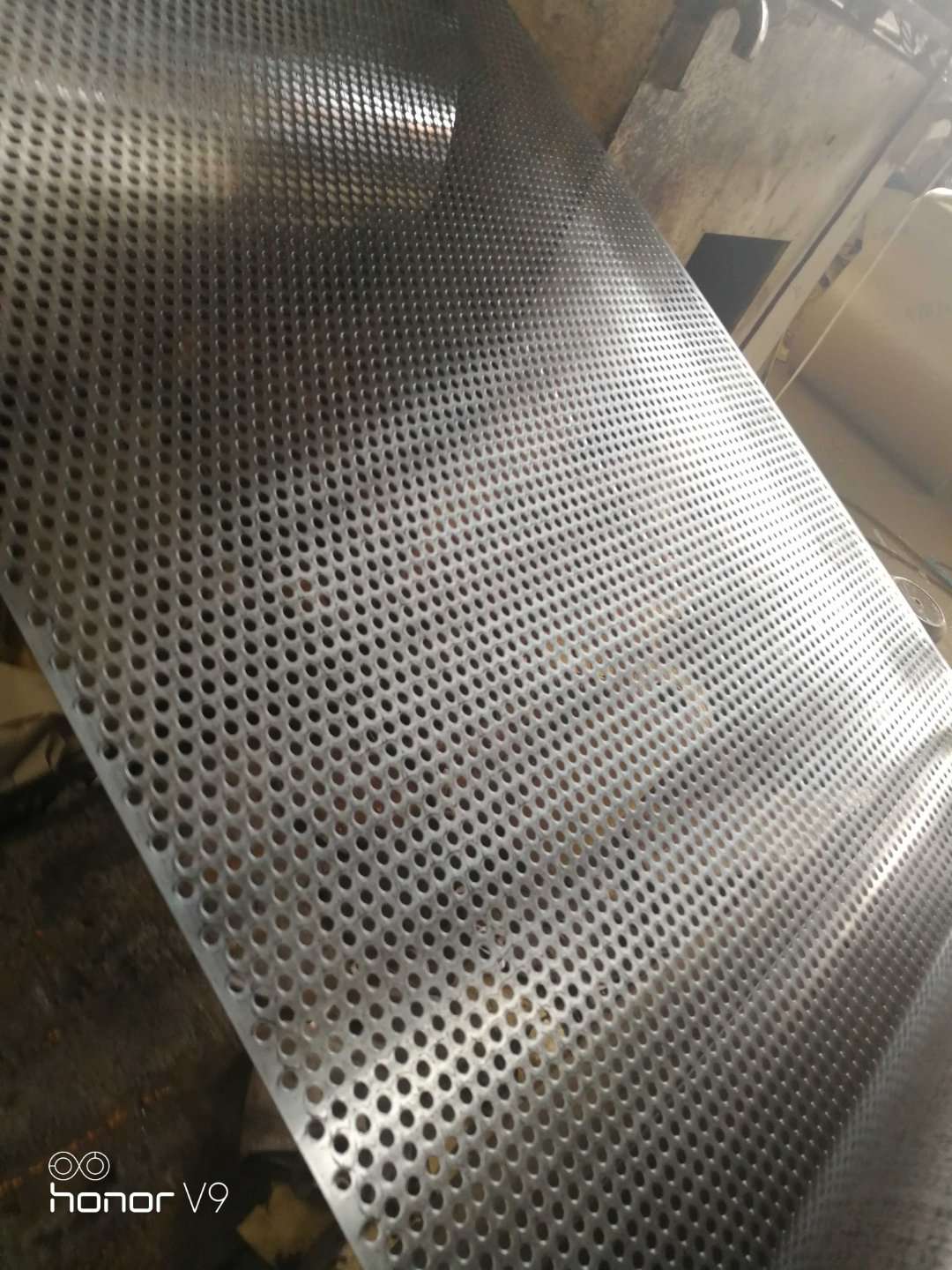
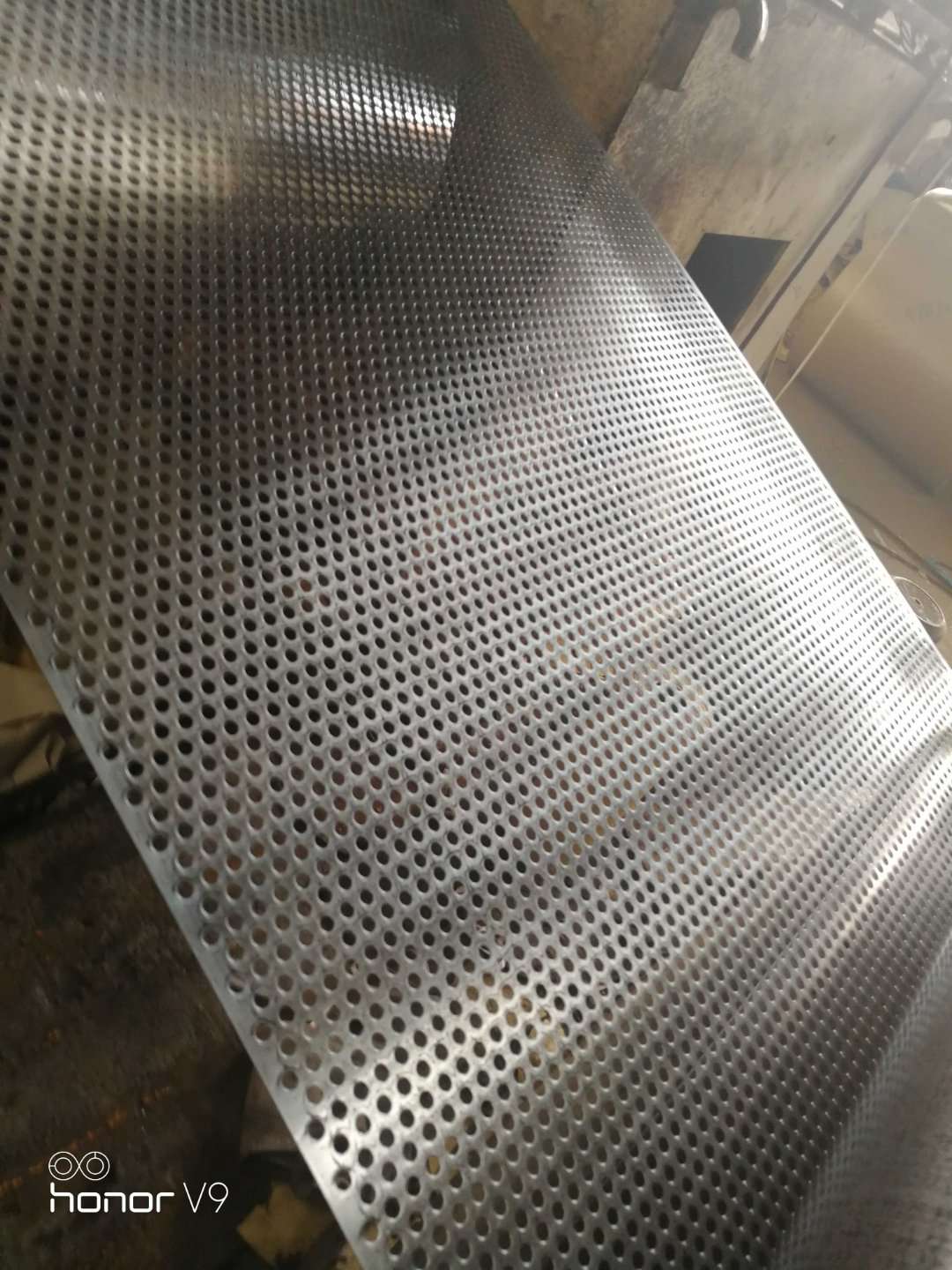
Galvanized Perforated Sheet
  • Galvanized Perforated SheetGalvanized Perforated Sheet

Galvanized Perforated Sheet

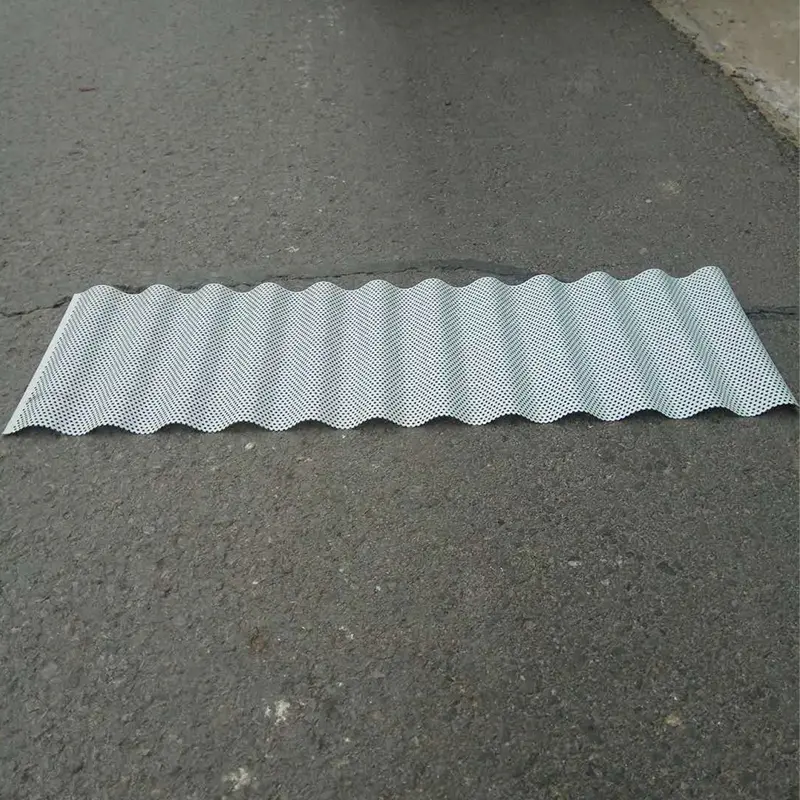
The galvanized perforated sheets manufactured by Tianjin Shengbo Building Materials are produced from galvanized steel substrates using CNC punching technology. The product features a hot-dip galvanized coating of 40–275 g/m² (offering 120–200 hours of salt spray resistance for outdoor use) or an electro-galvanized coating of 5–15 μm (suitable for indoor applications requiring a glossy finish).

Why are perforated metal sheets prone to rusting at the edges of the holes? Because every perforation exposes the underlying steel substrate, making every cut edge a potential starting point for corrosion. The solution for galvanized perforated sheets is to galvanize the steel first and then perforate it; the zinc layer acts as a sacrificial anode. If the coating is scratched or a cut exposes the steel substrate, the zinc corrodes preferentially, providing electrochemical protection to the steel—a level of protection difficult to achieve with paint alone.

galvanized perforated sheets

Key Advantages of Galvanized Perforated Sheets

1. Mechanistically supported rust and corrosion resistance: 

Under atmospheric conditions, the zinc layer forms a dense protective film—composed of ZnO, Zn(OH)₂, and basic zinc carbonate—that slows further corrosion. Zinc coating weights range from over 40g up to 275g; hot-dip galvanized perforated sheets show no red rust after 120–200 hours in salt spray testing—a recognized benchmark predicting a service life of over ten years outdoors.

2. Sacrificial anode protection mechanism: 

When the zinc layer is damaged, a micro-galvanic cell forms between the zinc and the iron. The zinc dissolves as the anode while the iron is protected as the cathode, thereby providing electrochemical protection to the steel substrate. Perforated edges and cutouts remain within this zone of protection—a self-healing characteristic not found in standard painted steel sheets.

3. Flat, smooth surface free of burrs: 

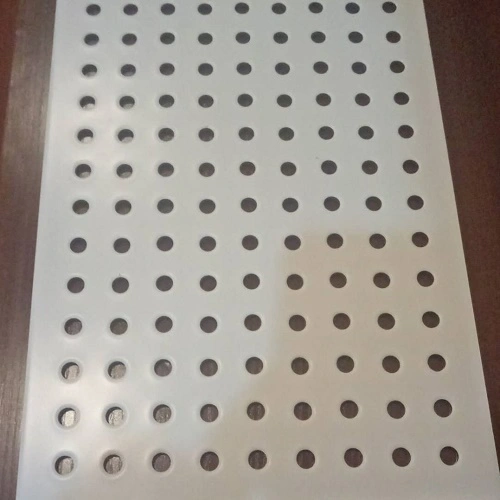
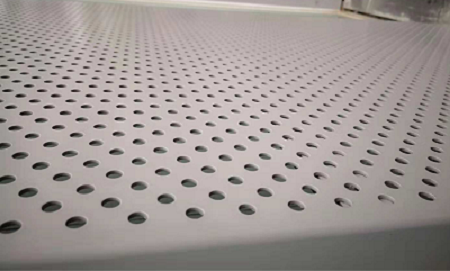
These galvanized perforated sheets feature uniform perforations, a flat surface, no burrs, and high wear resistance. Manufactured using WKC-2000 CNC punching equipment—featuring stepper motor feeding and PLC control—they offer consistent hole sizes and excellent flatness, allowing for immediate installation upon delivery.

4. High-temperature resistance and aesthetic appeal: 

The product withstands high temperatures, and the surface can be finished with fluorocarbon or powder coatings to achieve a wide range of colors, combining aesthetics with durability for an integrated protective and decorative solution. 

5. Excellent Processing Performance: 

Galvanized perforated sheets possess strength comparable to standard iron sheets and are easy to cut, bend, and roll-form. Electro-galvanized steel sheets offer good workability, high surface reactivity, and versatility in post-processing treatments.

6. Convenient Construction and Cost-Efficiency:

The sheets come with a built-in anti-rust layer, allowing for immediate use without the need for additional painting. The domestic market reference price for standard hot-dip galvanized perforated sheets is approximately 150–300 RMB per sheet (prices fluctuate based on zinc costs and specifications; official quotes prevail). Overall procurement and installation costs are significantly lower than those for coated steel or stainless steel alternatives.

galvanized perforated sheets

Reference Table: Salt Spray Test Standards vs. Zinc Coating Thicknes
Service Environment Recommended Salt Spray Test Standard Corresponding Zinc Coating Thickness Galvanizing Method
Indoor dry environment No red rust for ≥48 hours 15-25μm Electro-galvanizing or hot-dip galvanizing
General outdoor environment No red rust for ≥120 hours ≥70μm Hot-dip galvanizing
Coastal / chemical / sewage environment No red rust for ≥200 hours ≥80μm Hot-dip galvanizing or stainless steel

Empirical Conversion: A 70μm hot-dip galvanized coating roughly corresponds to 120–200 hours of salt spray testing; 100 hours of neutral salt spray testing is approximately equivalent to one year of corrosion protection in typical outdoor environments. In highly corrosive environments—such as coastal areas with salt spray, chemical plant zones, or sewage treatment facilities—it is recommended to increase the zinc coating thickness to over 80μm and specify the required salt spray standard, or to switch to a stainless steel substrate.

galvanized perforated sheets

Key Application Scenarios for Galvanized Perforated Sheets

Architectural Facades and Decoration: 

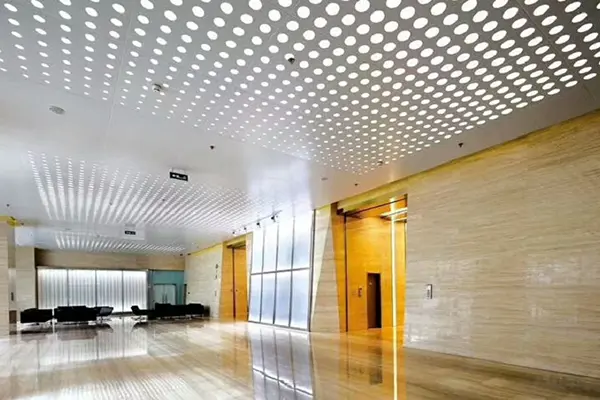
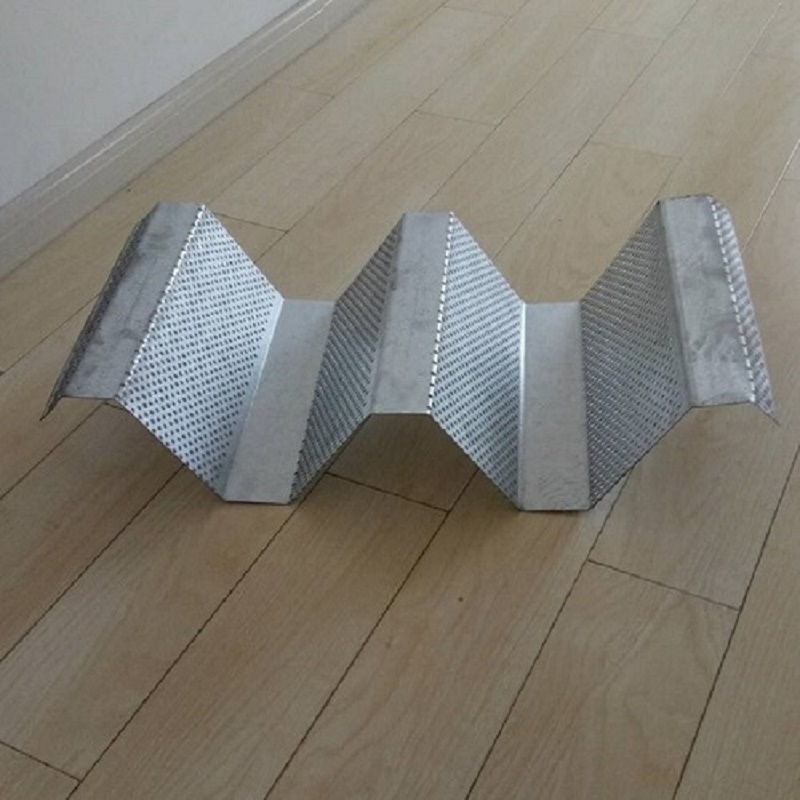
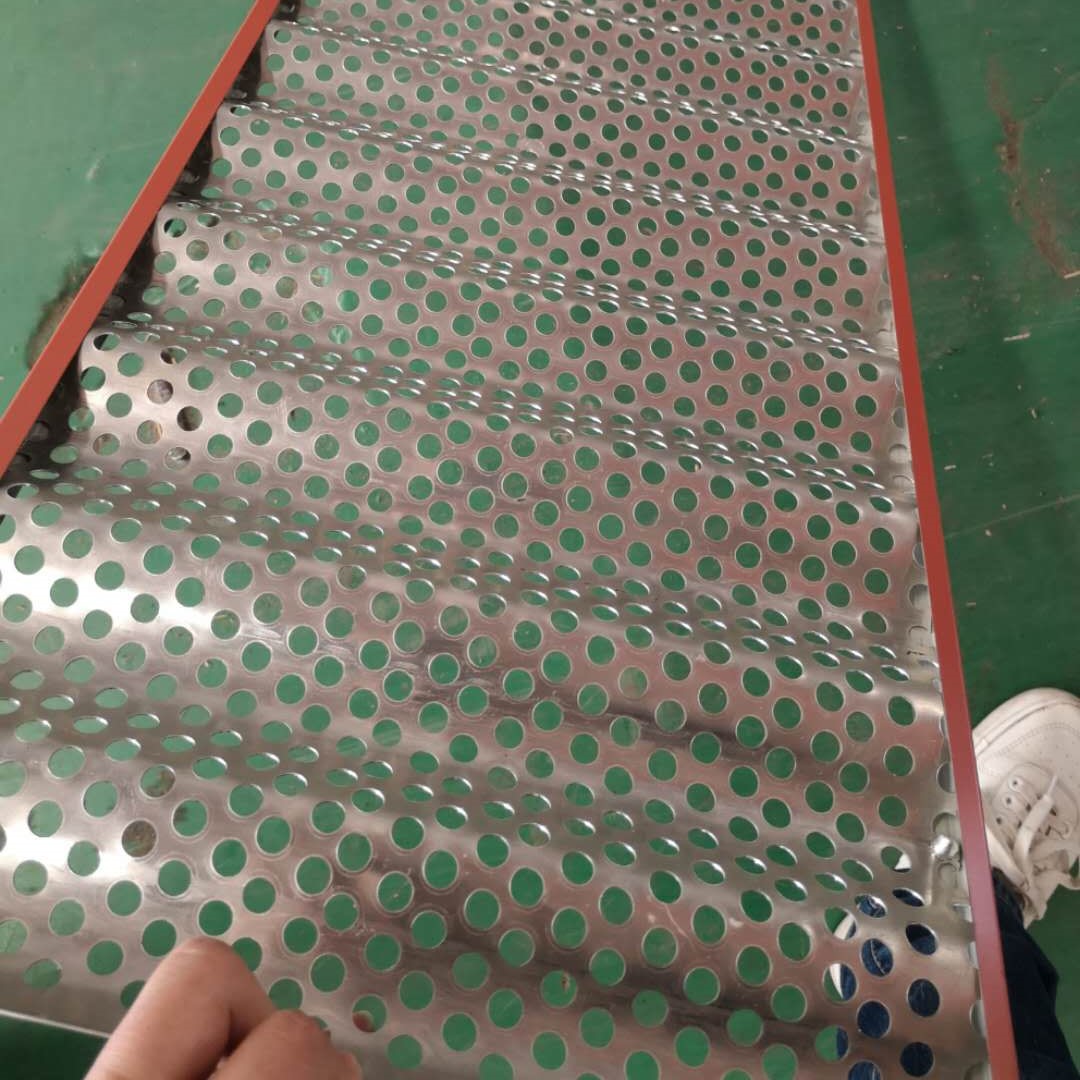
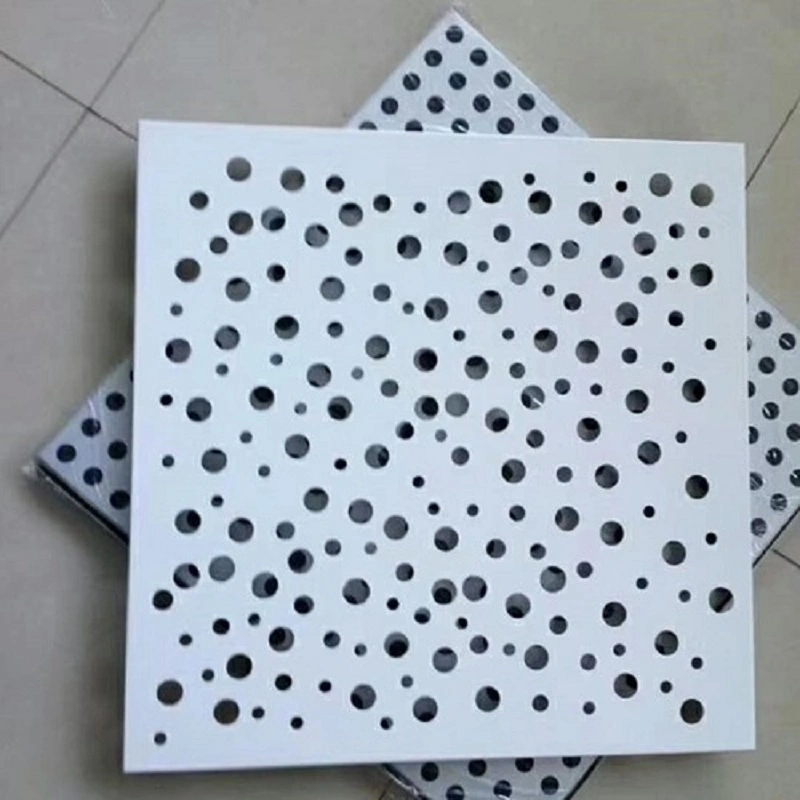
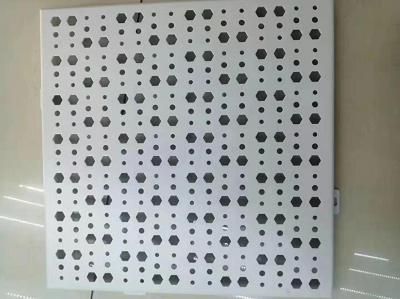
Galvanized perforated sheets are widely used in architectural decoration, including building exterior cladding, automotive dealership facades, sun-shading louvers, and patterned perforated facades. For example, an automotive dealership facade might utilize 0.8–2.0mm thick galvanized steel sheets (sized 450×1800mm) with a silver metallic powder coating and a patterned perforation design, balancing sun shading, ventilation, and aesthetic appeal.

Industrial Filtration and Screening: 

Widely used in sectors such as mining, grain processing, and chemical filtration. Applications include protective guards for machinery, grinding screens and mining screens (including I-beam screens) for grain, feed, and minerals, as well as ventilation mesh for grain storage facilities. They feature uniform aperture sizes, high open-area ratios, and excellent wear resistance and durability.

Livestock Farming: 

Galvanized perforated sheets are a preferred choice for fencing, manure-draining flooring, and ventilation mesh in livestock farming facilities. Livestock Farming: Made from high-quality galvanized sheet metal via CNC processing, these perforated panels offer breathability, moisture resistance, ease of cleaning, and resistance to ammonia corrosion, making them ideal for the humid environments of livestock housing.

Ventilation, Heat Dissipation, and Mechanical Protection:

Used for machinery guards, protective grilles for outdoor AC units, heat dissipation panels for equipment chassis, and speaker grilles; their excellent ventilation and protective capabilities ensure the safe operation of equipment.

Acoustic Noise Reduction and Sound Absorption:

When paired with sound-absorbing materials, galvanized perforated panels are widely used in highway noise barriers, indoor soundproofing, and acoustic panels; the composite structure can achieve a Noise Reduction Coefficient (NRC) of 0.7–0.9.

Grain Storage and Agricultural Facilities: 

Used for ventilation screens in grain silos, grain sorting screens, and agricultural greenhouse ventilation mesh; their corrosion resistance and airflow properties meet the strict ventilation and moisture-proofing requirements of grain storage.

Automotive Industry: They are widely used for protective applications in automotive paint shops. Given the variety of equipment in these facilities, the panels require a certain level of corrosion resistance; however, as they serve a protective function, cost-efficiency is also a priority—galvanized perforated panels offer an ideal balance between these factors.

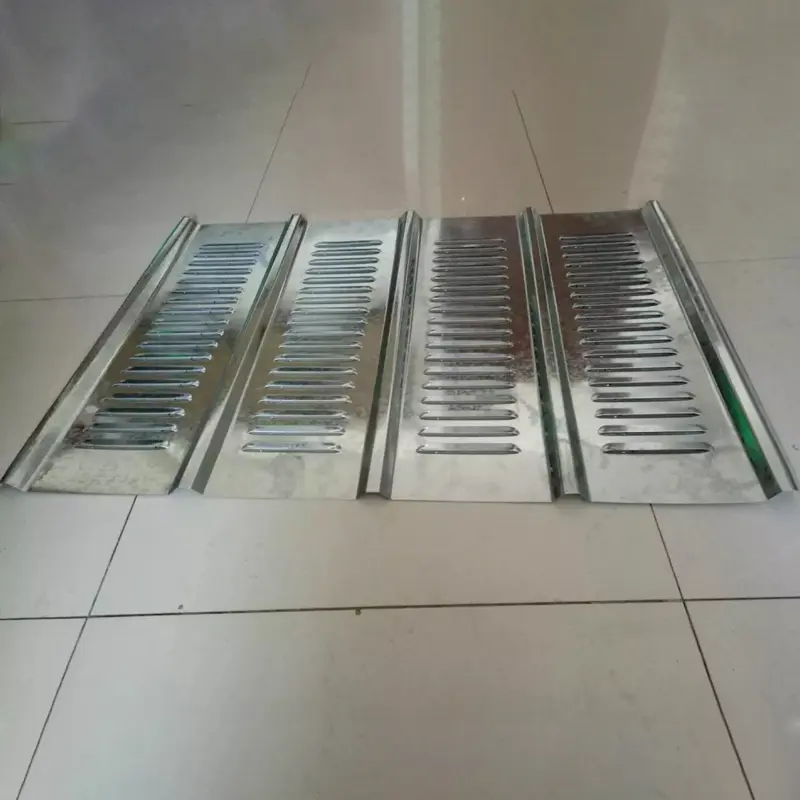
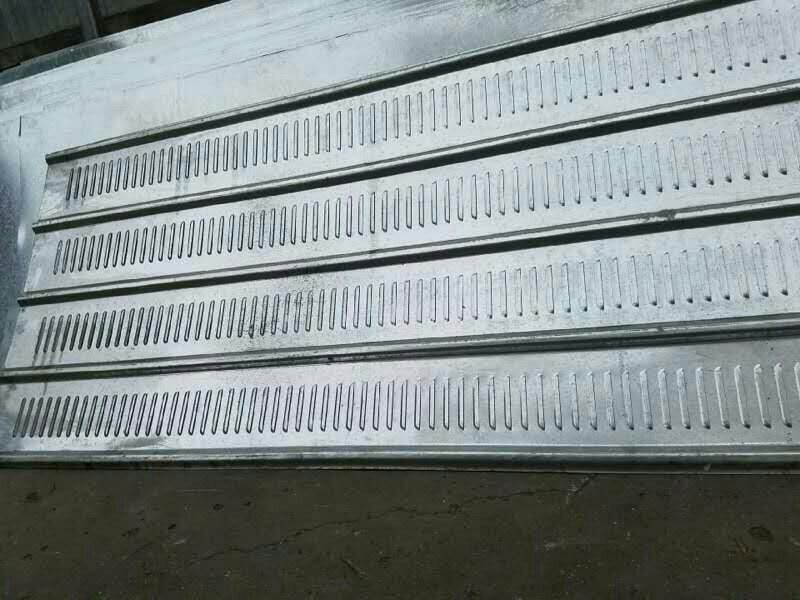
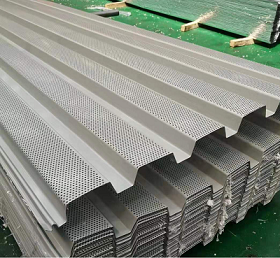
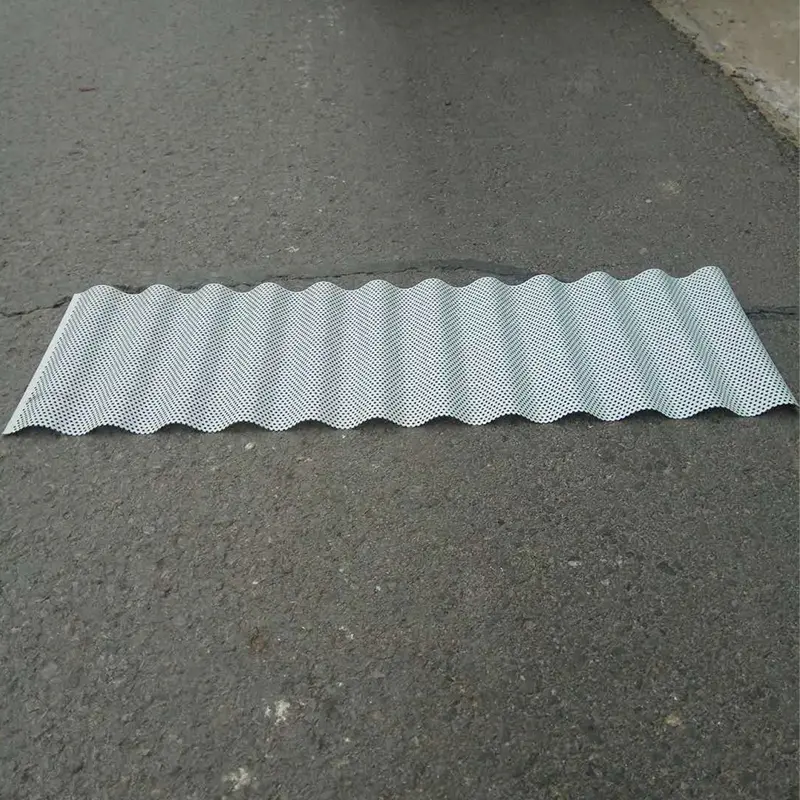
louvered perforated panel

Anti-Corrosion Treatment for Cut Edges

After the perforation process of galvanized perforated sheets, the steel substrate at the edges of the holes is exposed and prone to rusting in hot, humid climates. Although the zinc layer provides some sacrificial anodic protection, the following four edge-protection methods are recommended for highly corrosive environments:

Paint Sealing: 

Manually applying oil-based markers or specialized anti-rust coatings to the cut edges. This method is suitable for parts with less stringent requirements; while convenient, it suffers from low efficiency and high labor costs, and it is often difficult for workers to reach areas with dense perforation patterns.

Water-Based Anti-Rust Solution: 

Soaking the panels in a water-based anti-rust solution followed by drying to form a protective film. This process is simple and does not compromise the appearance or performance of the panels. 

Re-plating Treatment:

For products showing rust at the cut edges but having no specific aesthetic requirements, batch processing via blue, white, or colored zinc electroplating can be used. This method meets the 96-hour neutral salt spray test requirement and offers relatively controllable costs.

Electrostatic Powder Coating: 

This utilizes a dual-layer protection process combining hot-dip galvanizing (for corrosion resistance) and electrostatic powder coating. Specifications include a hot-dip galvanized layer weight of ≥60g/m², a powder coating thickness of ≥60μm, and salt spray resistance of ≥500 hours; this is a widely adopted solution in engineering projects.

Frequently Asked Questions 

Q1: What is the difference between hot-dip galvanized and electro-galvanized perforated sheets?

Hot-dip galvanized (HDG) perforated sheets feature a zinc layer thickness of 35–200μm, strong adhesion, and resistance to rain and outdoor weathering; they are suitable for outdoor guardrails, exterior wall ventilation panels, and ventilation mesh for livestock farming. Electro-galvanized (EG) perforated sheets have a zinc layer thickness of 5–15μm, a smooth, glossy surface, and good workability; they are suitable for indoor equipment protection, precision electronics ventilation, and decorative components requiring a high-quality finish.

Q2: What is the salt spray resistance of galvanized perforated sheets?

Salt spray resistance depends on the galvanizing process and zinc layer thickness: Electro-galvanizing (15–25μm) withstands ≥48 hours of salt spray testing without red rust, making it suitable for dry indoor environments. Hot-dip galvanizing (70μm) corresponds to 120–200 hours of salt spray resistance, suitable for general outdoor environments. For coastal, chemical, or sewage treatment environments, a zinc layer of ≥80μm and a salt spray rating of ≥200 hours are recommended. 100 hours of neutral salt spray resistance is roughly equivalent to one year of corrosion protection in a typical outdoor environment.

Q3: Can galvanized perforated sheets be used in coastal environments?

Yes, provided specific conditions are met: the hot-dip galvanizing process must be used with a zinc layer thickness of ≥80μm, and the salt spray test standard must be set at over 200 hours. For environments with high salt spray and severe corrosion, upgrading to Zinc-Aluminum-Magnesium alloy or stainless steel substrates is recommended; these can be processed on the same production line without compromising machining precision. 

Q4: How are the edges of the holes and the cut edges treated after punching?

After punching galvanized perforated sheets, the steel substrate at the hole edges becomes exposed, necessitating edge protection. Recommended solutions include: sealing with paint (for parts with less stringent requirements); immersion in water-based anti-rust fluid (a simple process that does not affect appearance); batch re-plating (blue, white, or colored zinc, capable of passing a 96-hour salt spray test); and the current industry-standard "hot-dip galvanizing + electrostatic powder coating" dual-layer protection (salt spray resistance ≥ 500 hours).

Q5: Can you customize products based on our engineering drawings, color specifications, and hole patterns?

Yes. We offer hole diameters of 0.2–200 mm, open area ratios of 5%–60%, and thicknesses of 0.2–20 mm, with over 100 color options. We support customization for polyester, powder, and fluorocarbon coatings, as well as patterned perforation. Customization based on drawings is our standard workflow, covering more than 300 custom solutions across six major categories.


Send Inquiry
Contact Info
Send SENBO an inquiry for steel building materials. Request a free quote, sample or bulk order price list. Our sales team responds within 24 hours with factory direct pricing, stock availability and shipping options.
X
We use cookies to offer you a better browsing experience, analyze site traffic and personalize content. By using this site, you agree to our use of cookies. Privacy Policy
RejectAccept