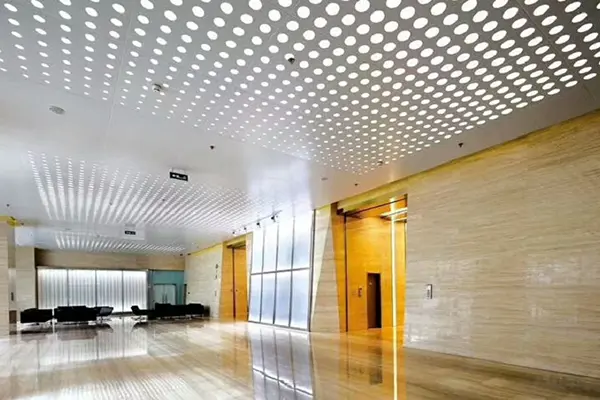
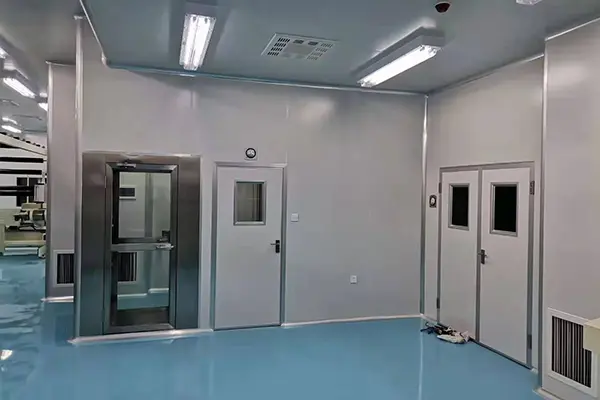
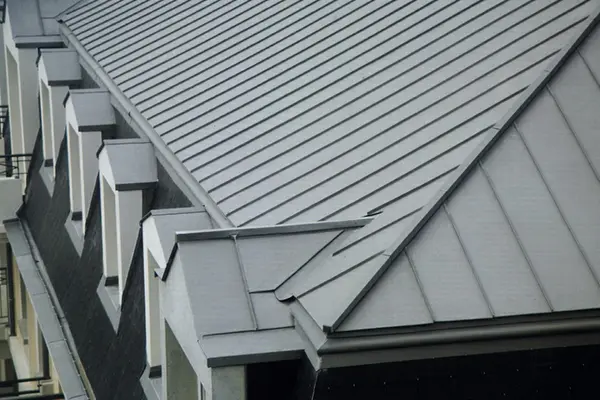
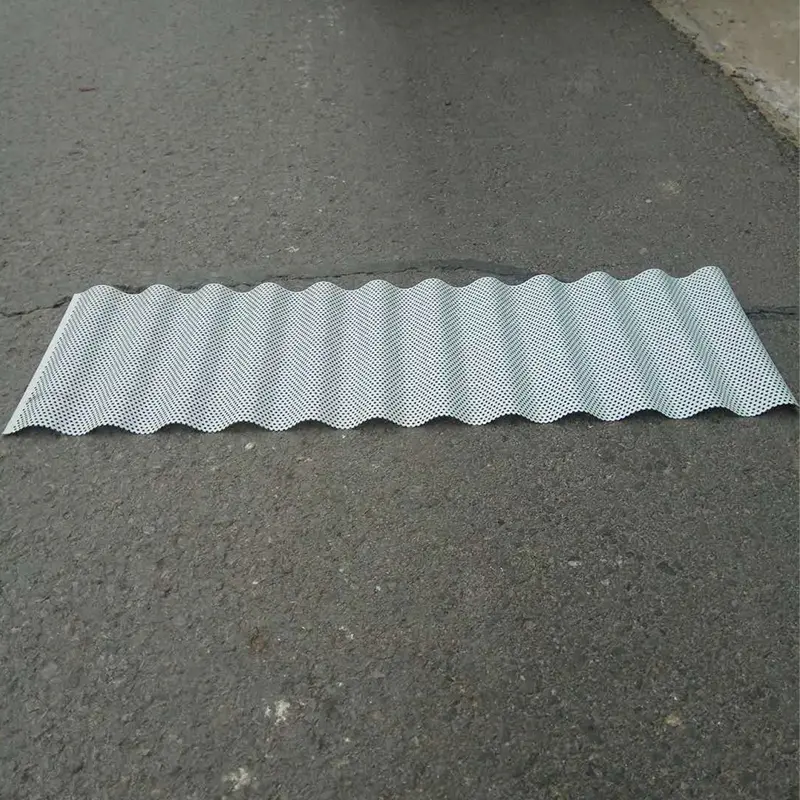
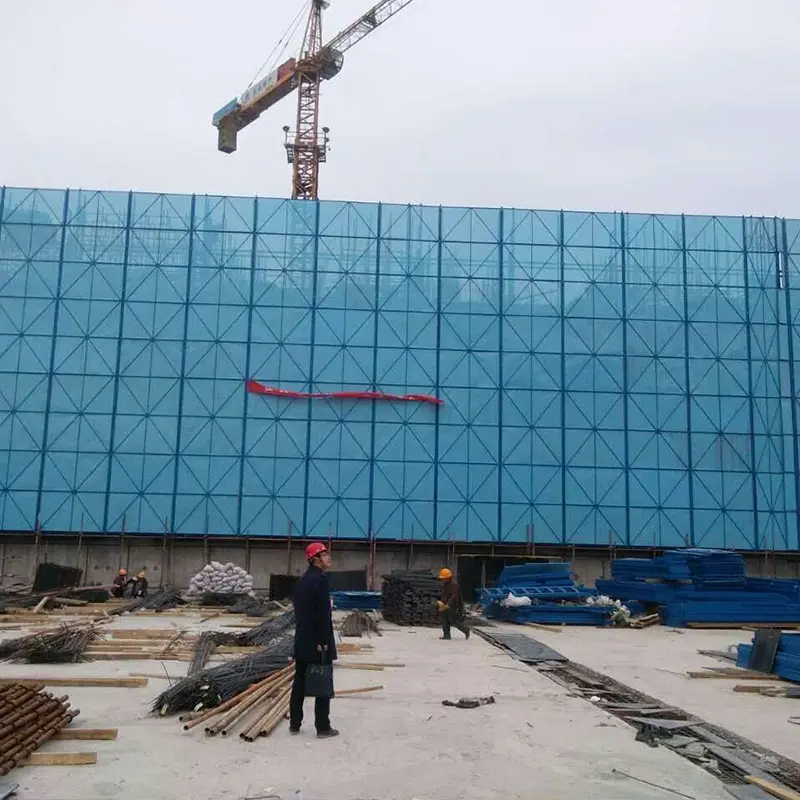
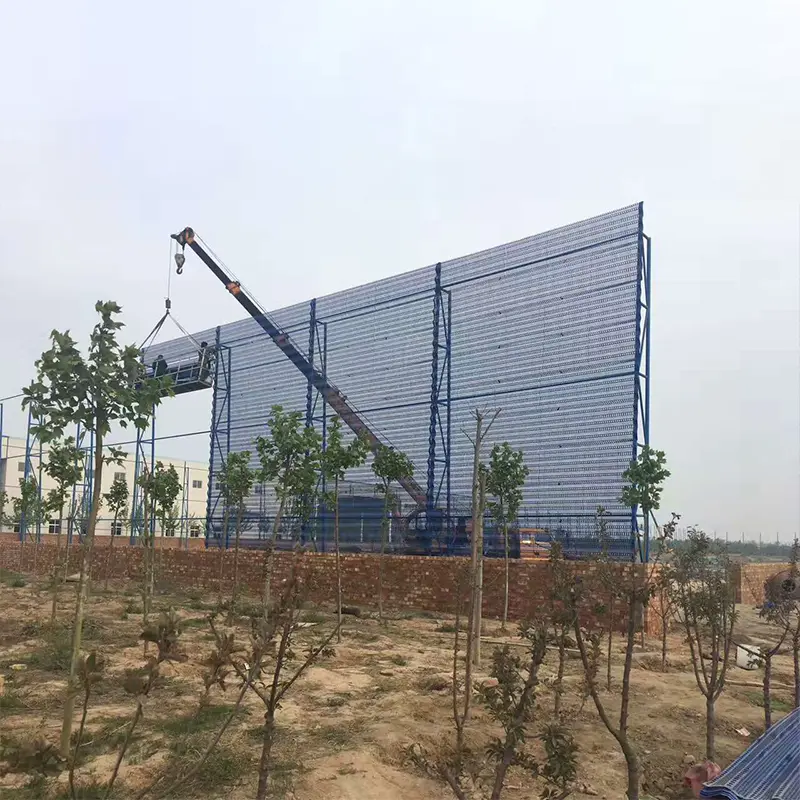
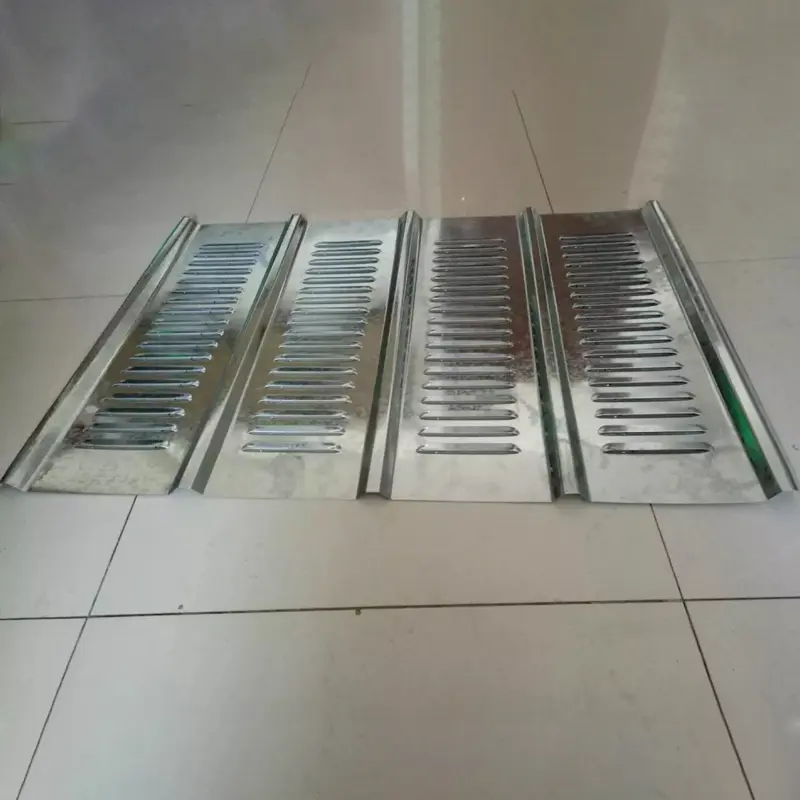
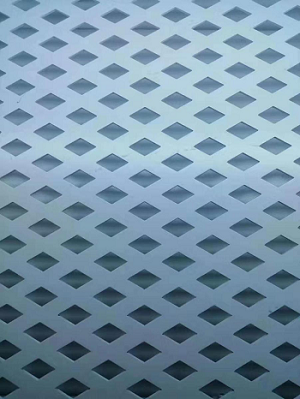
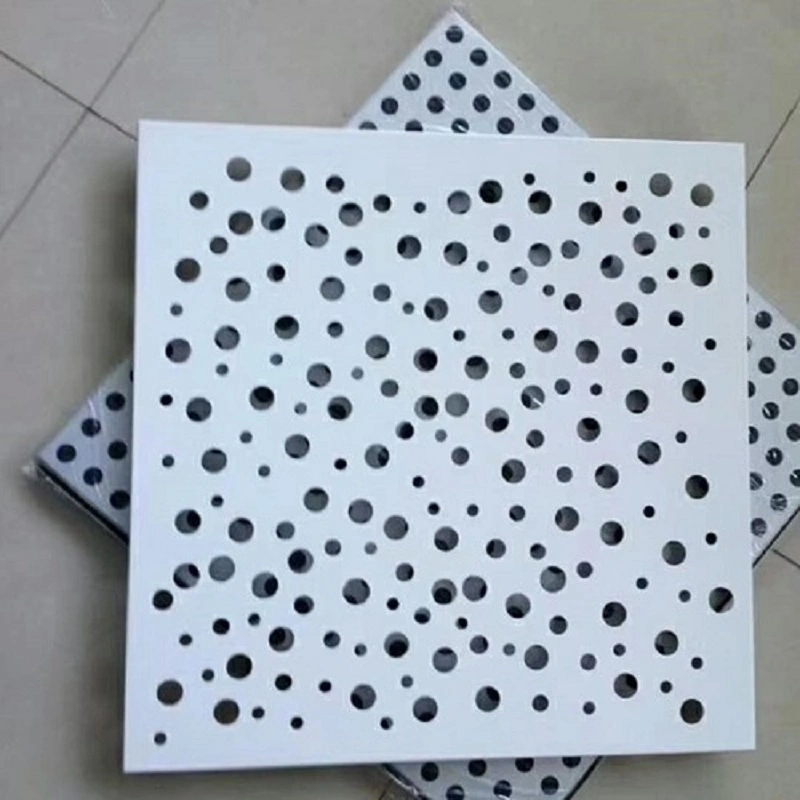
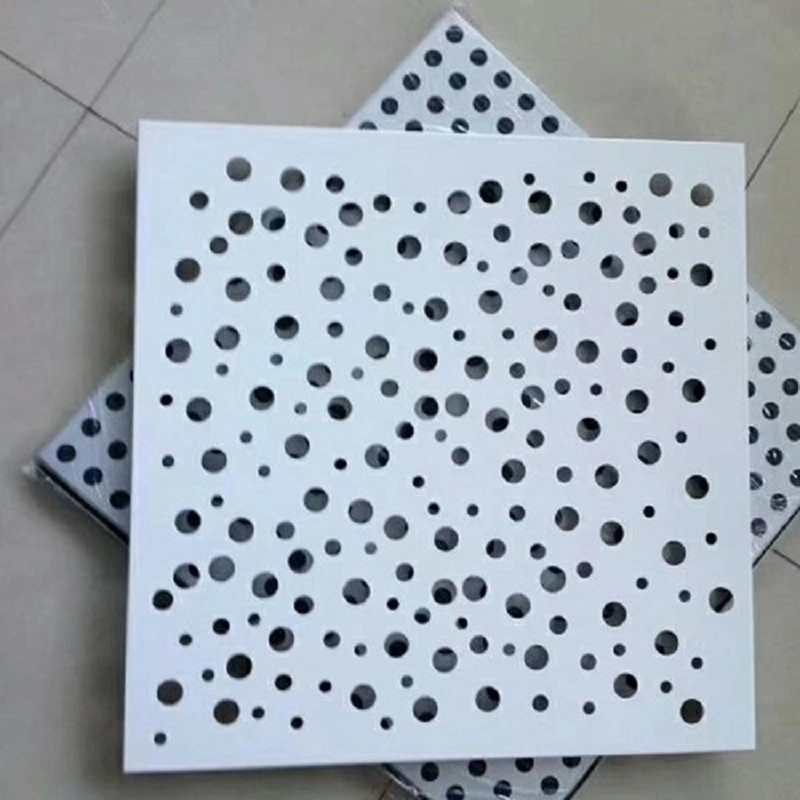
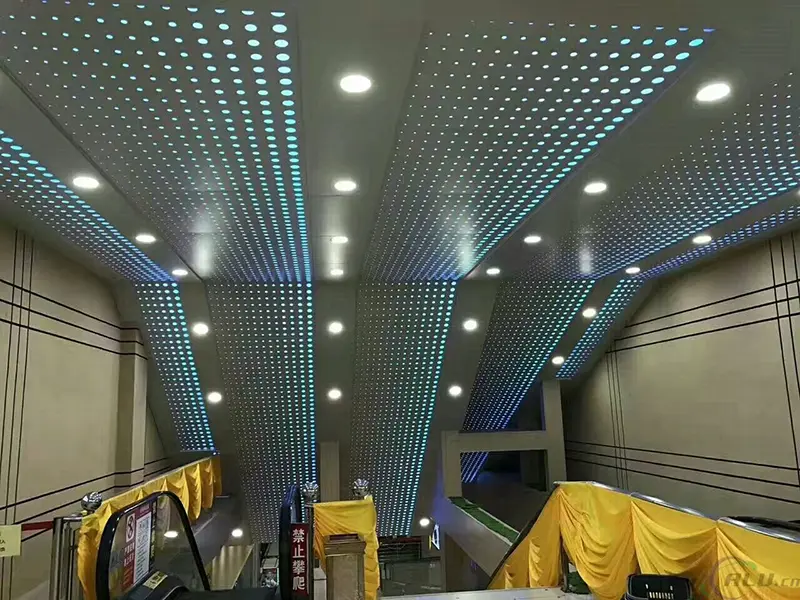
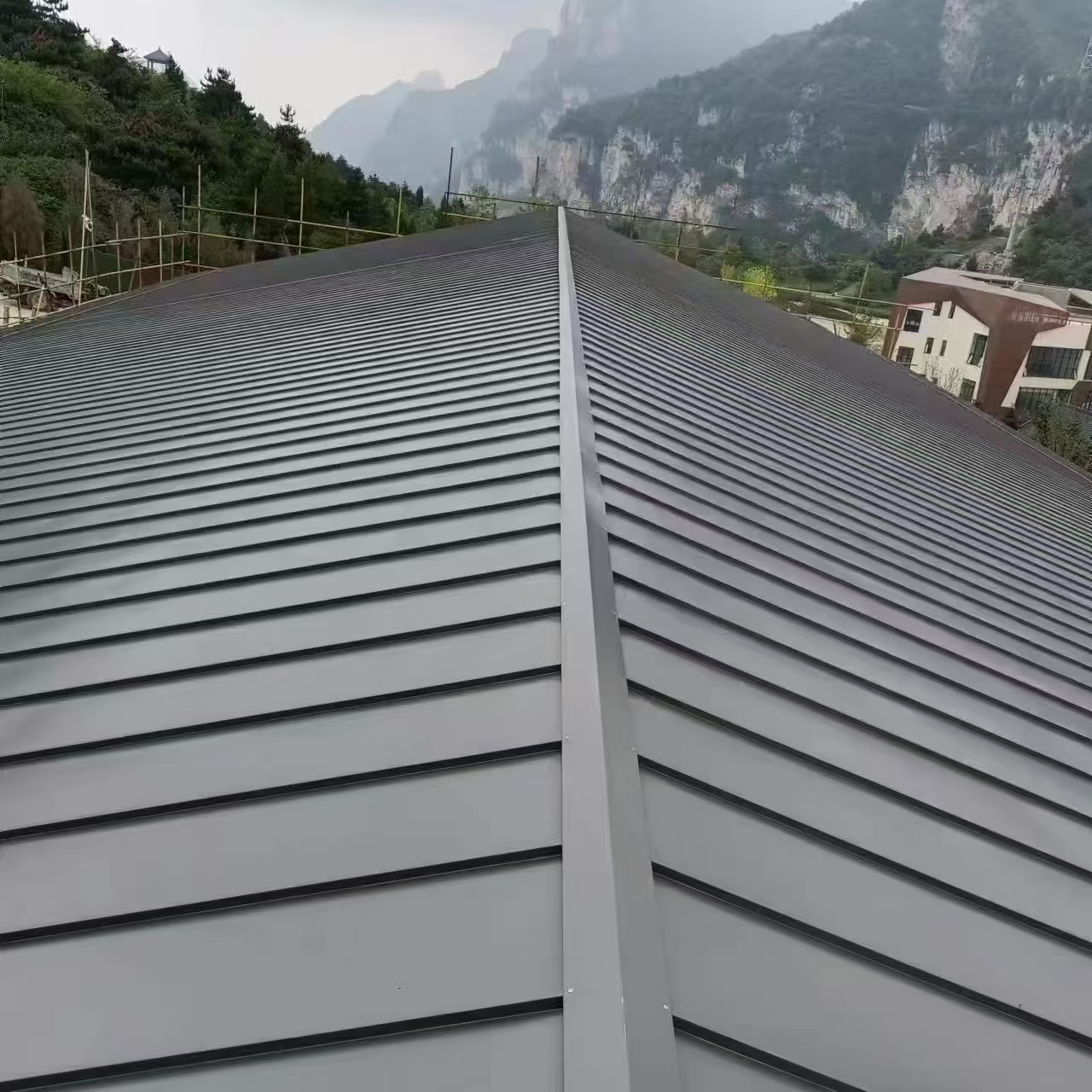
Shengbo Industrial is a green enterprise specializing in steel structures for the global market. Its perforated perforated metal mesh are suitable for secondary processing—such as bending, cutting, and coating—and are typically used in conjunction with frameworks or substructures. Common applications include decorative cladding, equipment guards, ventilation screens, and partitions; however, they are not intended for use as standalone roofing panels or load-bearing wall panels.
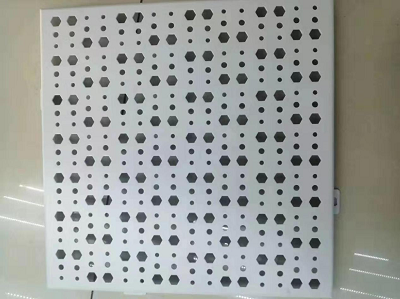
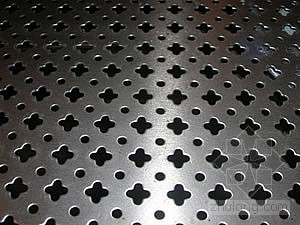
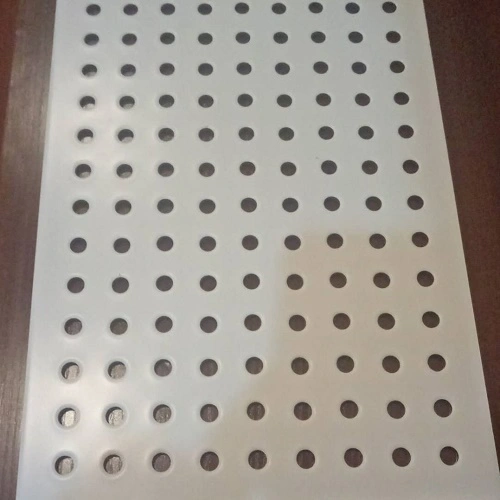
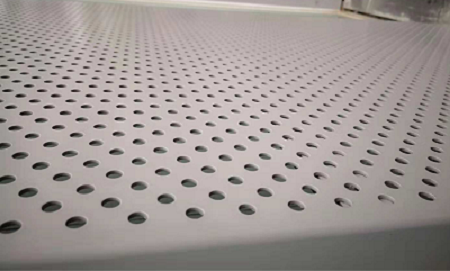
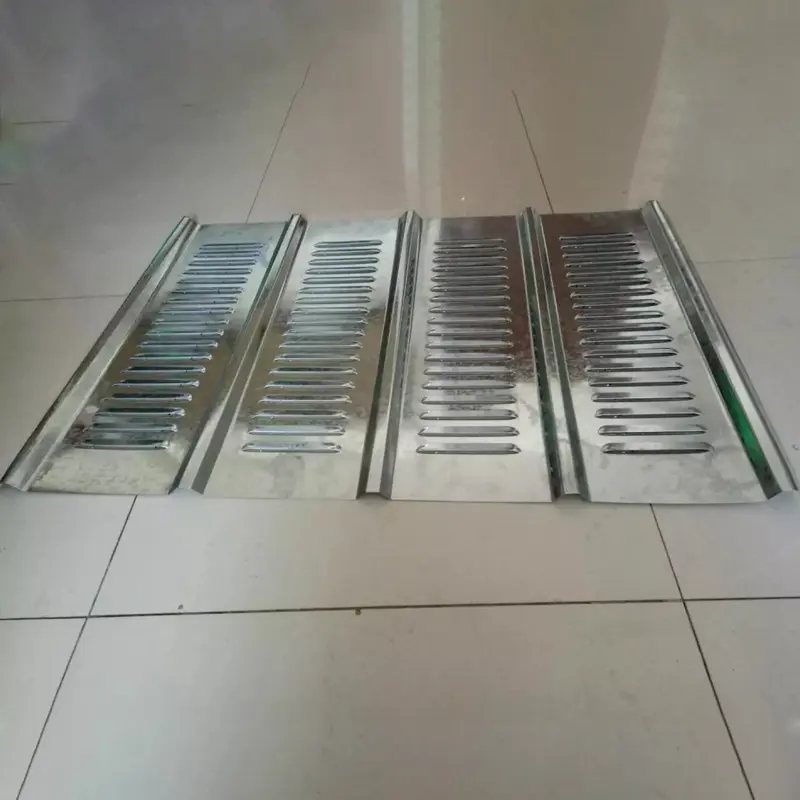
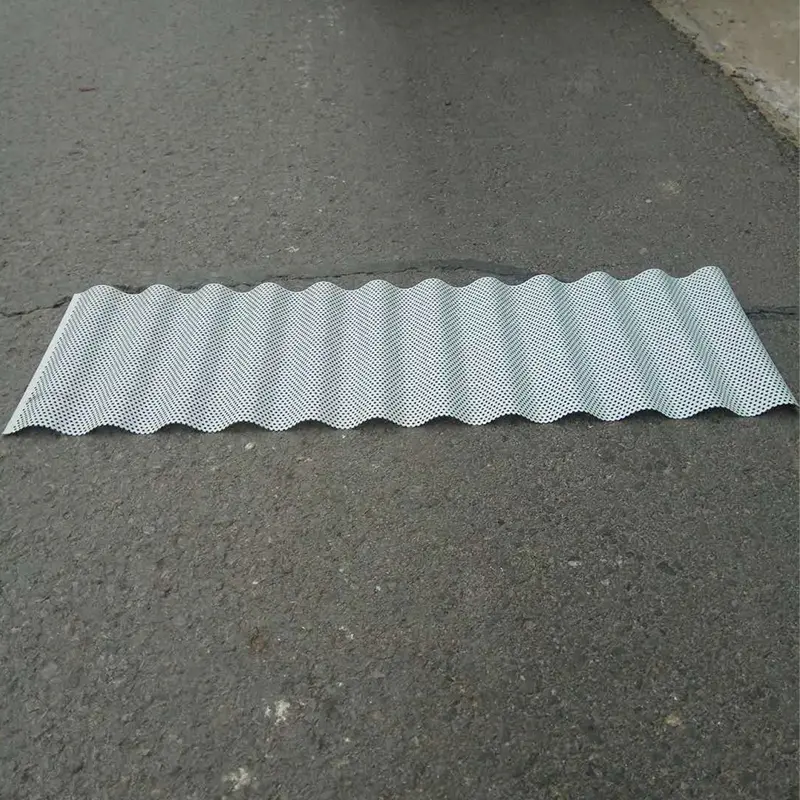
Perforated metal mesh consists of flat metal sheets featuring a regular pattern of holes created via CNC punching processes. Base materials include galvanized steel, color-coated steel, aluminum alloy, and stainless steel. The product retains the sheet's original flatness without undergoing roll-forming or corrugation, offering multifunctional capabilities such as ventilation, noise reduction/sound absorption, protective screening, filtration, and architectural facade decoration. It primarily addresses material needs for architectural ventilation, equipment protection, noise control, screening, and facade shading.
Economic Value:
1. Reduced overall procurement costs:
Factory-direct supply eliminates intermediary markups; standard specifications are stocked, and tiered pricing is available for large-volume orders. Sheets can be recut and processed, ensuring high material utilization and minimal waste.
2. Simplified construction processes:
Finished perforated metal mesh can be bent and cut directly, eliminating the need for on-site punching. This reduces on-site processing time and labor costs.
3. Extended project lifespan:
Base materials combined with anti-corrosion coatings (such as spraying or galvanizing) resist rust in outdoor environments, resulting in lower maintenance and refurbishment frequency and reduced long-term operational costs.
4. Multi-purpose utility reduces material variety:
A single type of perforated metal mesh can serve as a decorative facade, equipment guard, or sound-absorbing liner, thereby reducing the number of material categories and simplifying procurement.
5. Flexible adjustment to project budgets:
A range of material options—from cost-effective galvanized steel to weather-resistant aluminum alloy and corrosion-resistant stainless steel—allows for solutions tailored to various budget levels.
Industry experts with over a decade of experience provide end-to-end technical support. We assist clients in selecting materials, hole diameters, perforation rates, and surface finishes based on project requirements—considering usage scenarios, environmental corrosion conditions, ventilation and acoustic performance, and aesthetic effects. For perforated metal mesh projects, we help verify the technical feasibility of drawings to prevent installation issues later on.
End-to-End Order Service:
We employ a "5-on-1" dedicated service model, assigning specific personnel from sales, technical, production, quality control, and warehousing departments to manage each order. Upon order confirmation, production scheduling is initiated immediately; we provide on-site photos or videos at key production milestones, allowing clients to track progress in real-time. Once production is complete, the quality control department conducts batch-by-batch inspections, verifying specifications, quantities, and panel appearance. Before shipment, we cross-check packing lists and include material certificates and detailed shipping manifests. We support phased shipments to align with project timelines and construction schedules. For full-truckload shipments, we coordinate logistics and prioritize reliable carriers to minimize the risk of transit damage.
After-Sales Support:
Should any issues arise after delivery—such as quality defects, dimensional deviations, or surface damage attributable to factory production—we respond and verify the claim within 24 hours. We promptly provide solutions such as replacements or supplementary materials, without evading responsibility. For damage caused by crushing or impact during transit, we assist the purchaser in compiling evidence and coordinating with the logistics provider to assess damages and process claims. During the installation phase, we offer technical guidance and answer common questions regarding the pairing of perforated mesh with framing systems, bending processes, and mounting methods.
Product Quality and Certification:
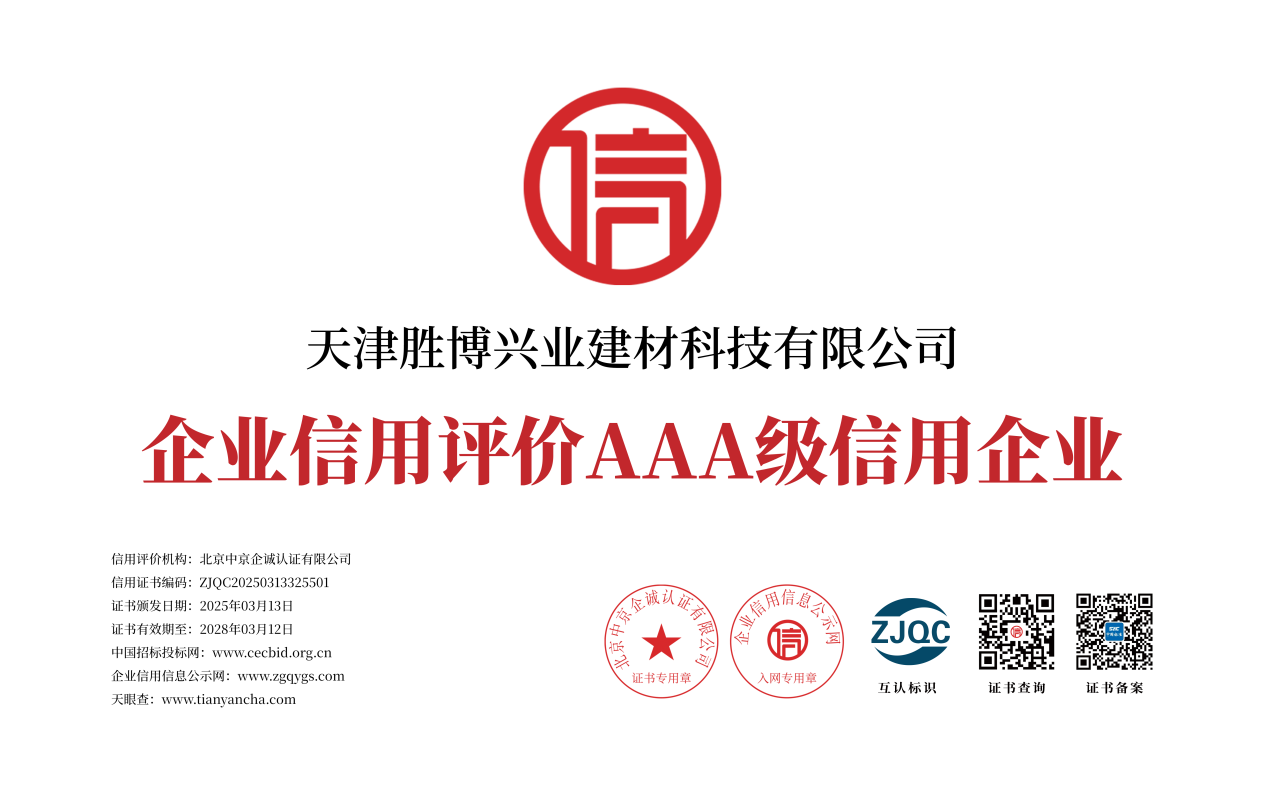
Our company holds a valid business license and 3A credit rating certification. Every batch of perforated mesh undergoes sampling inspections for appearance, aperture, and dimensions before leaving the factory, with strict controls on burrs and panel flatness. We provide material certification documents tailored to client requirements and support third-party inspections for large-scale projects.
Why Choose Shengbo?
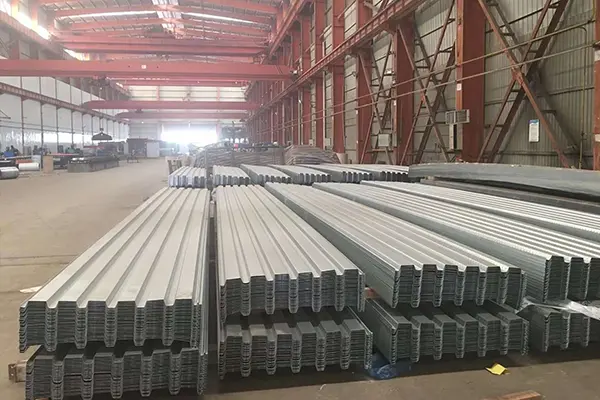
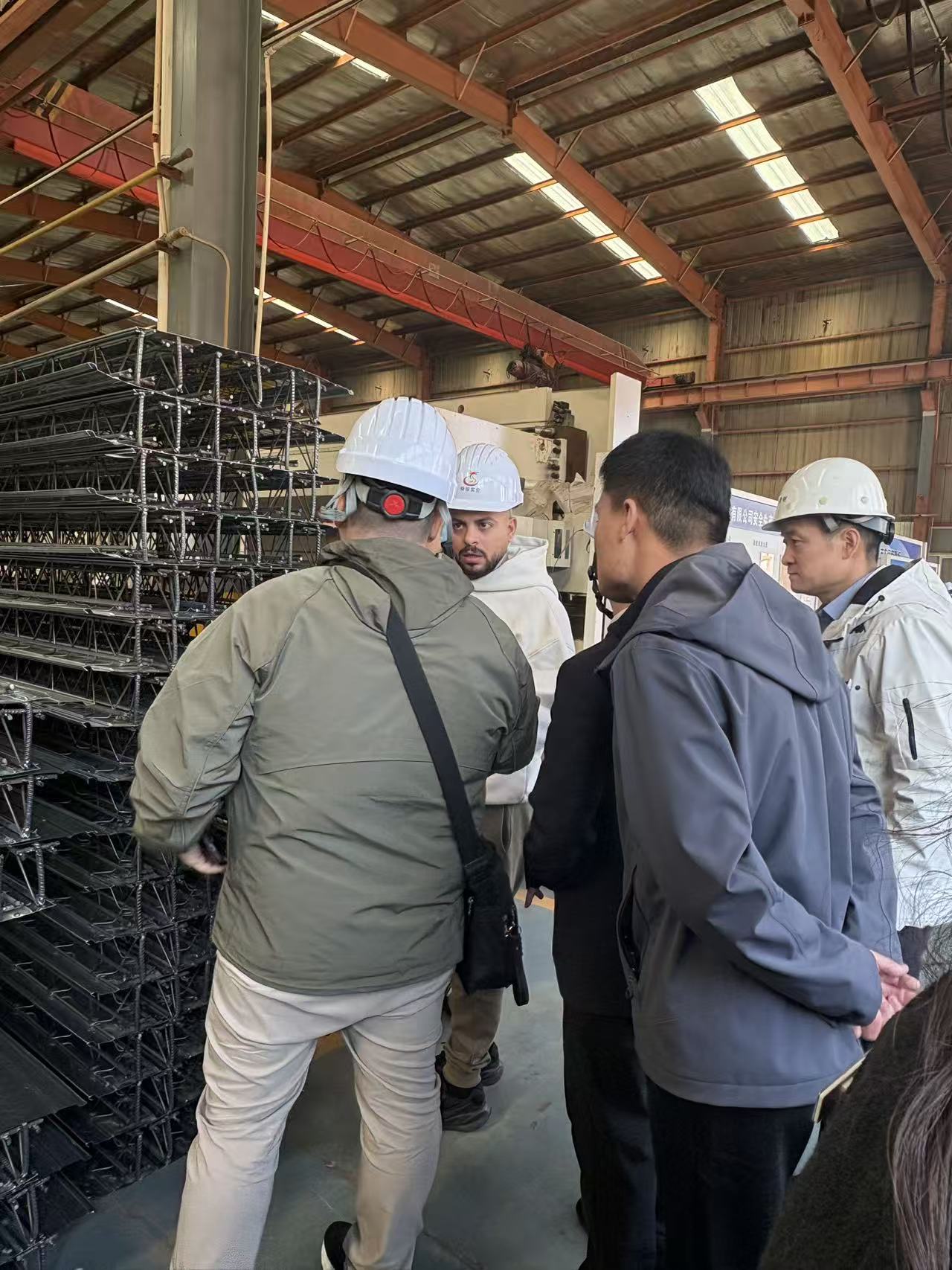
We operate a dedicated perforated metal mesh workshop equipped with top-tier, high-speed, precision automatic punching lines. Our stamping equipment is housed in a separate zone—isolated from profiled sheet and sandwich panel lines—to ensure the flatness of the perforated panels. Our facility features a large raw material warehouse stocked with aluminum, stainless steel, and galvanized steel coils, enabling rapid production scheduling without the need for outsourcing. We also maintain ample finished-goods storage, allowing for phased production, staged storage, and staggered shipments for large projects. Our factory is equipped with dedicated workstations for cutting, bending, and coating; all secondary processing following the punching stage is completed in-house. Customers are welcome to visit our workshop at any time to inspect the production lines, samples, and raw material inventory.
FAQs:
Q1: How do I choose between perforated mesh and perforated profiled panels?
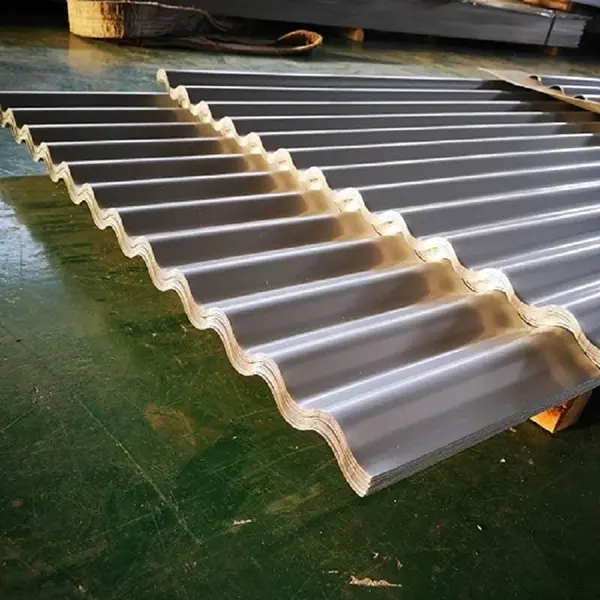
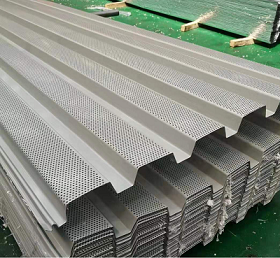
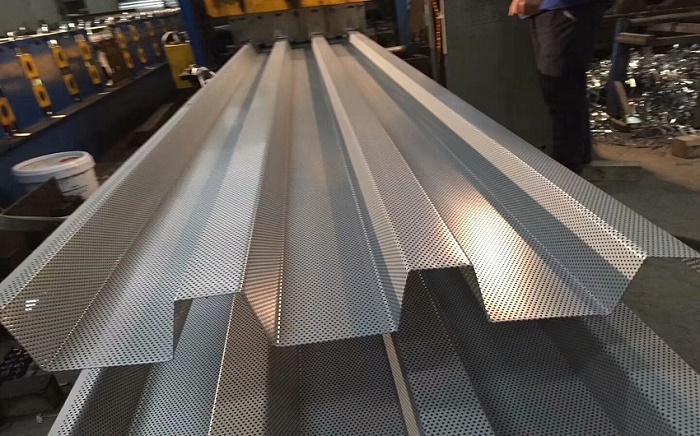
Perforated mesh is flat and suitable for decorative purposes or protective guards. Perforated profiled panels feature structural ribs, offering greater rigidity; they are suitable for direct use as wall cladding. If load-bearing or structural enclosure is required, perforated profiled panels are the preferred choice.
Q2: What is the typical lead time for shipping products?
Standard products ship within 3–7 days; custom products generally take 7–15 days, depending on order volume and processing requirements.
Q3: Will there be burrs on the edges of the products, and how are they handled?
We perform a deburring process before the product leaves the factory. If the material is cut on-site later, burrs may form at the cut edges; these can be easily removed by simple on-site grinding.
Q4: Which materials are best for outdoor use to prevent rusting?
For outdoor applications, aluminum alloy or 304 stainless steel are preferred. If using galvanized steel, a coating (such as powder coating) must be applied; using bare galvanized steel directly in an open-air environment is not recommended.
Q5: Can I obtain a sample to verify quality before placing a large order?
Yes. We can provide small samples for standard specifications. For custom products, a sample production fee is charged, but this cost can be offset against the subsequent bulk order.
Q6: What should I do if the dimensions are incorrect upon delivery?
Please check the packing list immediately upon receipt. If the error is due to a production mistake on our part, we will verify the issue within 24 hours and arrange for re-production and replacement.
Send SENBO an inquiry for steel building materials. Request a free quote, sample or bulk order price list. Our sales team responds within 24 hours with factory direct pricing, stock availability and shipping options.
We use cookies to offer you a better browsing experience, analyze site traffic and personalize content. By using this site, you agree to our use of cookies. Privacy Policy