Tianjin SENBO Building Materials Technology Co., Ltd.
News

How Can Perforated Profiled Metal Panels Improve Building Strength, Acoustic Comfort, and Ventilation

2026-10-28 0 Leave me a message

Perforated Profiled Metal Panels are an effective solution for modern building projects that require structural stability, airflow, acoustic control, and a clean architectural appearance. SENBO combines metal processing expertise with customized perforation and profile design to support industrial buildings, commercial facades, public venues, and noise barrier applications. By selecting the right substrate, panel thickness, opening pattern, and installation system, project teams can balance functional performance with long-term durability.

This guide explains how perforated profiled metal panels work, where they are used, and which technical factors influence their performance. It covers material selection, perforation ratios, structural profiles, acoustic backing, corrosion protection, and installation considerations. A practical comparison table and frequently asked questions help architects, contractors, distributors, and procurement teams identify suitable panel configurations for their projects.

Perforated Profiled Metal Panels

Table of Contents

  1. What Are Perforated Profiled Metal Panels?
  2. What Are the Main Benefits?
  3. Where Can These Panels Be Used?
  4. How Do Materials and Specifications Affect Performance?
  5. How Do Different Panel Configurations Compare?
  6. How Should You Select the Right Panels?
  7. What Should You Know About Installation and Maintenance?
  8. Why Consider SENBO for Custom Metal Panels?
  9. Frequently Asked Questions

1. What Are Perforated Profiled Metal Panels?

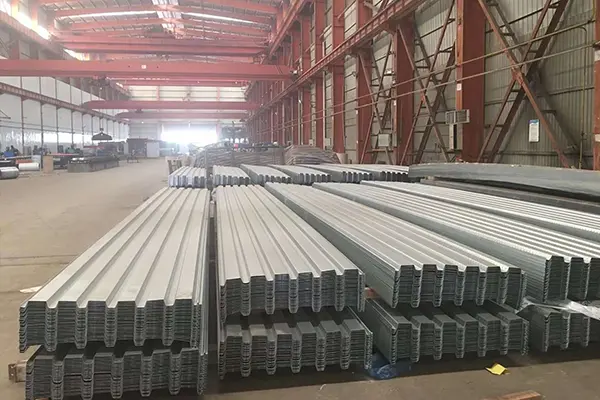
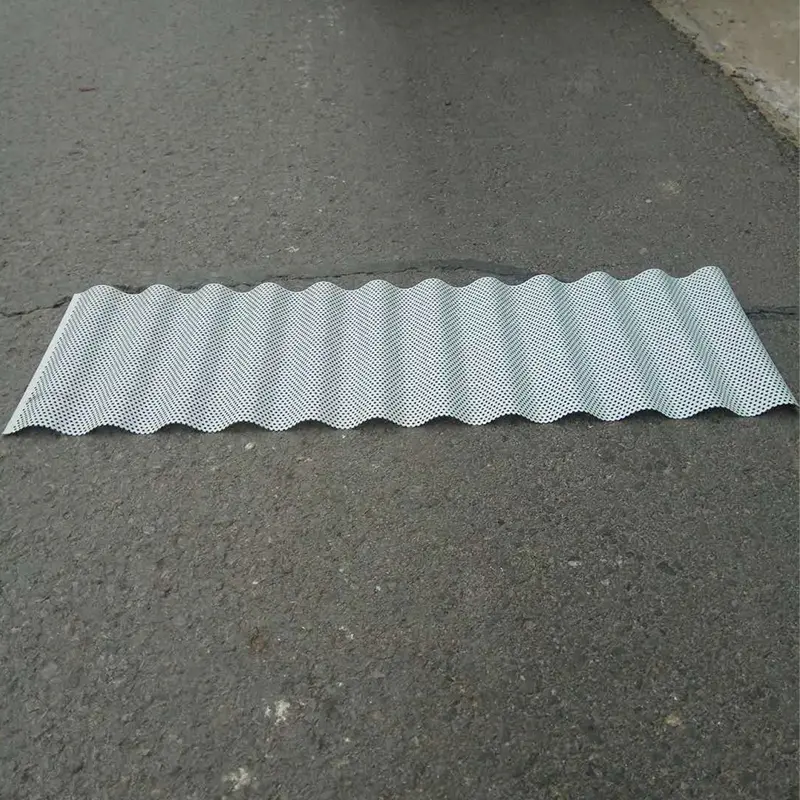
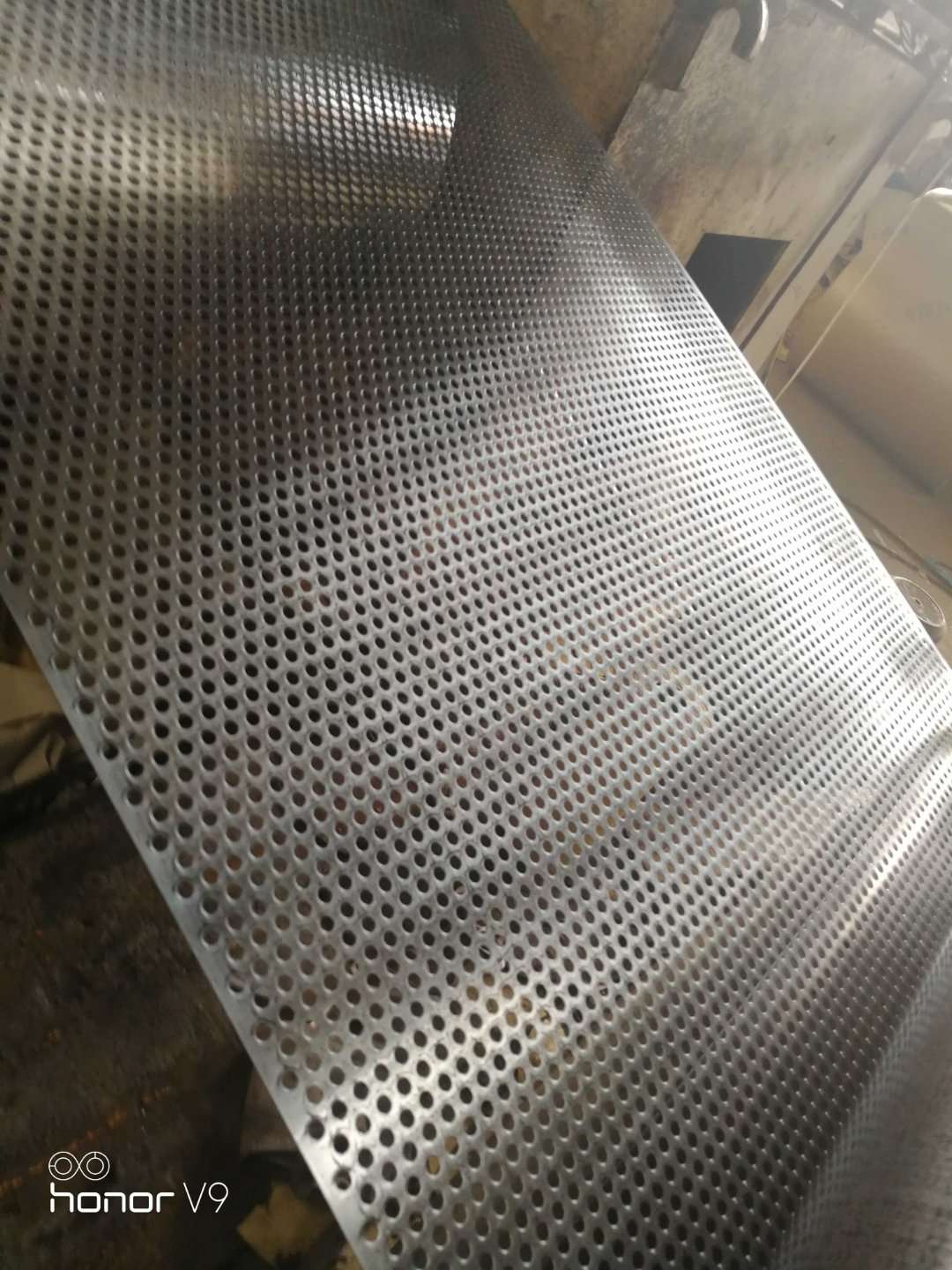
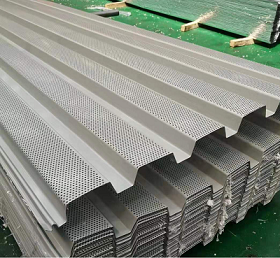
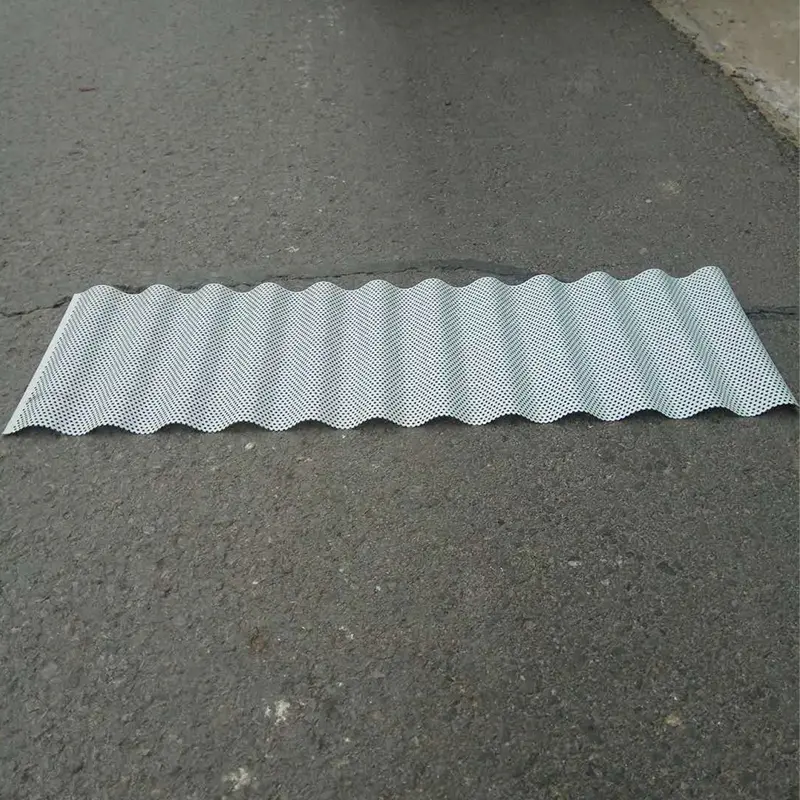
Perforated profiled metal panels are metal sheets manufactured with a formed surface profile and a series of deliberately arranged openings. The raised ribs, corrugations, or other formed geometries contribute to panel stiffness, while the perforations support airflow, light transmission, sound management, or visual screening, depending on the overall system design.

Unlike flat perforated sheets, profiled panels incorporate three-dimensional geometry that can improve rigidity under appropriate design conditions. This combination makes them useful for building envelopes, equipment enclosures, ceilings, ventilation screens, and architectural facades.

SENBO offers customizable perforated profiled metal panels for projects requiring different materials, opening patterns, thicknesses, and profile configurations. The final specification should be selected according to the intended application rather than appearance alone.

Three fundamental design elements determine how a panel performs:

  • Profile geometry: Rib height, shape, and spacing influence stiffness, appearance, and installation compatibility.
  • Perforation design: Hole diameter, spacing, arrangement, and open area influence airflow, light transmission, and acoustic-system behavior.
  • Material and finish: The metal substrate and protective coating affect corrosion resistance, durability, weight, and maintenance requirements.

2. What Are the Main Benefits?

Structural Stability and Design Flexibility

Formed ribs can increase the stiffness of a metal sheet compared with a comparable flat sheet, although actual performance depends on material thickness, profile geometry, perforation layout, support spacing, and loading conditions. Correct engineering helps control deflection and supports reliable installation.

Perforation removes some material from the panel, so opening size and distribution must be considered alongside the profile design. A panel should never be selected solely on the assumption that a deeper profile guarantees sufficient load-bearing capacity.

Ventilation and Heat Dissipation

Openings allow air to pass through the panel, making perforated metal suitable for equipment screens, plant enclosures, ventilated facades, and certain ceiling systems. The actual airflow depends on the percentage of open area, pressure difference, opening geometry, and any backing layers or obstructions.

Acoustic Performance

Perforated metal can form the facing layer of an acoustic assembly. When combined with an appropriately designed cavity and sound-absorbing infill, such as mineral wool, it can help reduce reverberation and manage noise in industrial facilities and public buildings.

However, the acoustic performance of the complete assembly is not determined by the perforated sheet alone. Hole dimensions, open area, cavity depth, infill properties, mounting details, and test conditions all matter. Buyers should request relevant test reports when a project specifies a target Noise Reduction Coefficient (NRC) or other acoustic rating.

Architectural Appearance

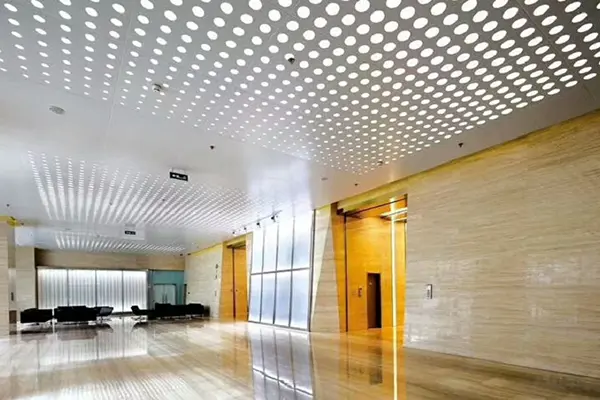
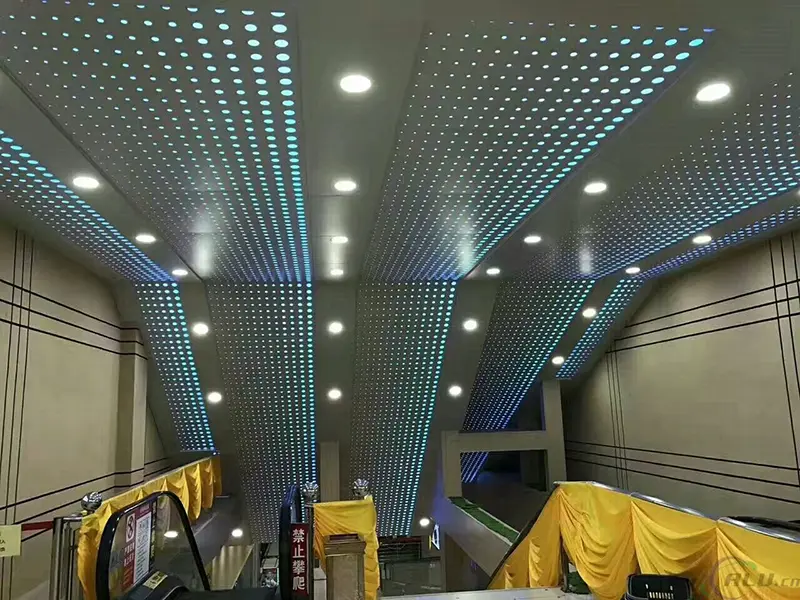
Different hole patterns, profile shapes, and surface finishes allow designers to create distinctive facades, screening systems, and ceiling designs. Perforated panels can provide visual depth while partially screening equipment or service areas.

Durability and Practical Maintenance

When the substrate, coating, and fixing system match the exposure environment, metal panels can provide a durable building solution. Routine inspections help identify coating damage, loose fasteners, blocked openings, or early signs of corrosion before they become more serious problems.


3. Where Can These Panels Be Used?

The combination of formed geometry and open surface area makes perforated profiled metal panels suitable for several building and infrastructure applications.

  • Industrial workshops: Interior linings, ventilation screens, machinery enclosures, and acoustic wall systems.
  • Commercial buildings: Decorative facades, sun-screening elements, service-area concealment, and architectural partitions.
  • Sports and public venues: Ceiling systems and wall linings where appearance, airflow, and reverberation control must be considered together.
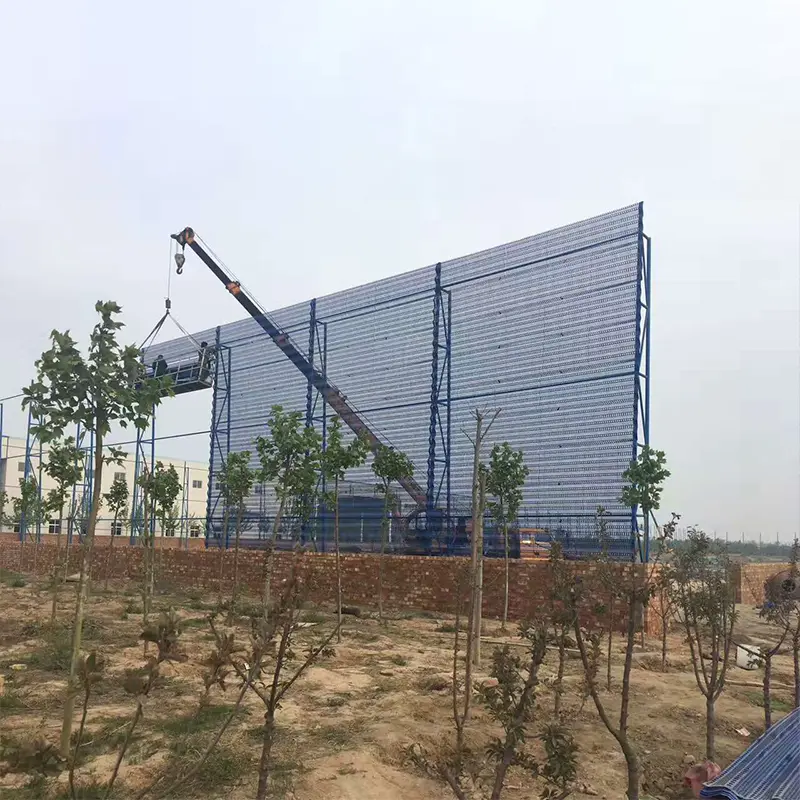
  • Transportation infrastructure: Selected road, rail, and equipment-area noise barrier systems designed around project-specific acoustic requirements.
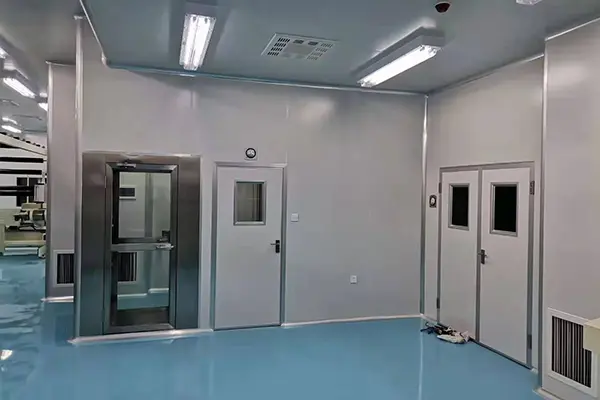
  • Mechanical and electrical facilities: Enclosures that need controlled ventilation and protection of installed equipment.
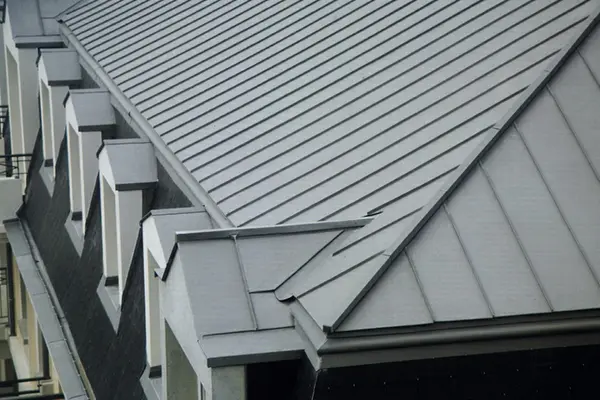
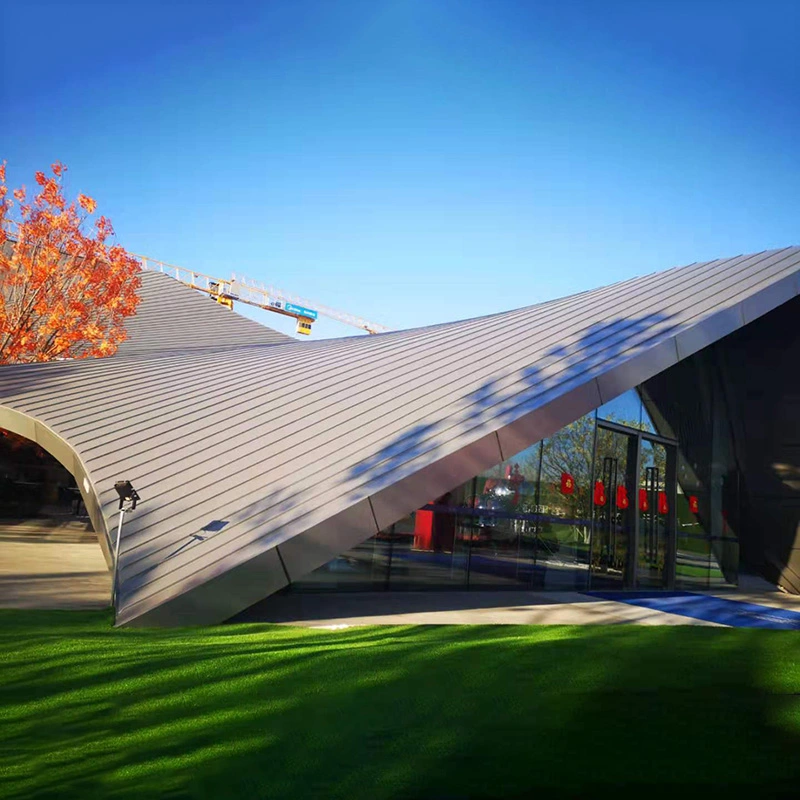
  • Roofing and canopy projects: Applications where a suitable profiled system has been specifically engineered for the required loads, drainage, and environmental exposure.

Not every perforated panel is suitable for every application. For example, an open-screen facade has different weatherproofing requirements from a roof covering, while an acoustic enclosure may require a tested backing assembly. Define the function of the complete system before choosing the panel.


4. How Do Materials and Specifications Affect Performance?

Material selection should reflect the building's location, exposure conditions, structural requirements, appearance, and expected service life. SENBO's product information identifies galvanized or Alu-Zinc coated steel, aluminum alloy, and 304/316 stainless steel among the available substrate options, with coating choices depending on the required finish and application.

Common Material Options

  • Galvanized steel: A practical option for many building applications where zinc protection and suitable detailing are provided.
  • Alu-Zinc coated steel: A coated steel option that may be suitable for building-envelope applications, subject to the specified coating system and exposure conditions.
  • Aluminum alloy: Useful when lower material weight and corrosion performance are important design considerations.
  • 304 or 316 stainless steel: Considered for applications requiring enhanced corrosion resistance. Grade selection should account for the actual environment, especially in coastal or chemically aggressive locations.

Important Technical Parameters

According to SENBO's published product information, the listed panel options include effective widths of 840 mm, 900 mm, or 950 mm; panel thicknesses of 0.4–1.2 mm; and perforation diameters of approximately 3–12 mm. The stated open-area range is 10%–40%, with customization available according to project requirements. These are published product ranges, not a guarantee that every combination is available or suitable for every project.

Before ordering, confirm the following:

  • Base metal type, grade, and thickness.
  • Profile shape, rib height, effective coverage width, and panel length.
  • Hole diameter, pattern, spacing, and open-area percentage.
  • Coating type, color, surface finish, and environmental suitability.
  • Support spacing, design loads, deflection limits, and fixing requirements.
  • Acoustic, fire, ventilation, and other project-specific performance criteria.

For additional building-envelope options, review SENBO's building materials range and discuss the proposed application with the technical team.


5. How Do Different Panel Configurations Compare?

The following table provides a practical starting point for comparing configurations. Final performance depends on the complete panel assembly and must be confirmed against project requirements and applicable test data.

Configuration Primary Consideration Potential Application Key Selection Factor
Light-gauge profiled steel Weight and profile stiffness Interior linings and selected enclosures Thickness, support spacing, and loading
Heavy-gauge profiled steel Greater section capacity may be achievable Selected demanding wall or roof systems Structural calculations and fixing design
Aluminum profiled panels Low material weight and corrosion behavior Architectural screens and facade elements Alloy, thickness, and connection details
High-open-area perforated panels Airflow and visual transparency Ventilation screens and equipment enclosures Required airflow and remaining net section
Acoustic perforated panels with mineral wool backing Sound absorption as a complete assembly Industrial interiors and selected public spaces Tested acoustic performance and cavity design
Corrosion-resistant coated or stainless panels Environmental durability Outdoor and demanding exposure environments Corrosivity, coating system, and maintenance plan

One important principle is that more perforations do not automatically mean better overall performance. Increasing open area can improve airflow and light transmission, but it can also reduce the remaining metal section and affect stiffness. Likewise, a thicker sheet may increase weight and cost without solving an incorrectly designed support or fixing system.


6. How Should You Select the Right Panels?

A structured selection process helps prevent specification gaps, unnecessary costs, and installation problems.

Step 1: Define the Primary Objective

Decide whether the main requirement is ventilation, sound absorption, architectural screening, structural performance, or a combination of functions. Rank the requirements so that competing priorities can be evaluated systematically.

Step 2: Establish the Environmental Conditions

Identify whether the panels will be installed indoors, outdoors, near the coast, or in an industrial environment exposed to moisture, chemicals, dust, or elevated temperatures. These conditions influence the appropriate substrate and coating.

Step 3: Select the Perforation Pattern

Round, square, slotted, and staggered arrangements produce different visual effects and functional characteristics. Specify hole diameter, center-to-center spacing, open area, and solid edge margins. For acoustic applications, evaluate the perforation together with the backing and cavity.

Step 4: Verify Structural Requirements

Provide the design loads, support spacing, panel span, wind exposure, and applicable building-code requirements. The manufacturer or project engineer should verify that the proposed panel and connection details are suitable for the intended installation.

Step 5: Request Technical Documentation

Before production, request drawings, material certificates, finish information, dimensional tolerances, and relevant performance reports. Acoustic and structural claims should be supported by test results that match the specified product configuration and conditions.

Step 6: Review Total Project Cost

Compare more than the unit price. Include fabrication, finishing, transport, installation labor, accessories, maintenance, and any additional acoustic or weatherproofing components. A well-matched system can provide better long-term value than choosing a panel based on initial purchase price alone.


7. What Should You Know About Installation and Maintenance?

Correct installation is essential to achieving the intended performance of perforated profiled metal panels. Even a well-manufactured panel can experience distortion, water ingress, corrosion, or poor acoustic results when support conditions and connection details are inadequate.

Before installation, the project team should:

  • Check panel dimensions, profile orientation, finish condition, and delivered quantities.
  • Confirm that the supporting structure is aligned and suitable for the specified loads.
  • Follow the approved fixing layout, fastener requirements, and edge-clearance details.
  • Protect cut edges and damaged coatings using the specified repair method.
  • Ensure that drainage, ventilation paths, and required cavity details remain unobstructed.
  • Use appropriate protective equipment when handling panels with exposed or cut edges.

Maintenance should include periodic visual inspections, cleaning where necessary, checking fasteners, and examining exposed edges and joints for signs of damage. Cleaning products and repair procedures should be compatible with the selected metal and coating system.

For acoustic systems, inspect the complete assembly rather than the metal facing alone. Moisture intrusion, displaced infill, or blocked openings may affect performance even when the visible panel remains in good condition.


8. Why Consider SENBO for Custom Metal Panels?

Choosing a supplier with relevant manufacturing and technical capabilities can simplify the coordination of panel geometry, perforation, finishing, and installation requirements.

SENBO Building Materials, based in Tianjin, China, presents its perforated profiled metal panels as customizable solutions for industrial, commercial, and public-building projects. The company's published product information describes production processes that include base-material inspection, CNC punching, roll forming, surface finishing, and final product checks.

Potential advantages for project buyers include:

  • Configuration flexibility: Options for different substrates, perforation layouts, profile geometries, and finishes.
  • Application-focused selection: Panel specifications can be discussed in relation to roofing, facades, ceilings, ventilation, and acoustic requirements.
  • Quality documentation: Relevant material certificates and performance reports can be requested for review.
  • Project coordination: Confirmed dimensions, drawings, quantities, and installation details help align manufacturing with site requirements.

When evaluating a supplier, buyers should independently verify the product specification, applicable certifications, test conditions, warranty terms, production schedule, and delivery arrangements. For any claimed structural or acoustic advantage, request documentation covering the exact configuration under consideration.

Explore the SENBO Perforated Profiled Metal Panels product page to review the available product information and identify a suitable starting point for your project inquiry.


9. Frequently Asked Questions

Q1: What are perforated profiled metal panels mainly used for?

They are used in architectural facades, industrial enclosures, ceilings, ventilation screens, equipment covers, and selected acoustic applications. The appropriate configuration depends on structural, environmental, airflow, and appearance requirements.

Q2: Can perforated profiled metal panels reduce noise?

Yes, when designed as part of a suitable acoustic assembly. A perforated metal facing combined with an appropriate cavity and sound-absorbing material can help control reverberation and absorb sound. The actual result depends on the complete system and should be verified through relevant acoustic test data.

Q3: What perforation ratio should I choose?

The correct open-area ratio depends on the desired airflow, visual transparency, structural requirements, and acoustic design. A higher open area may improve ventilation but can reduce the remaining metal section. For noise-control applications, consult the acoustic specification and request test data for the proposed assembly.

Q4: Which material is best for outdoor applications?

There is no single best material for every outdoor environment. Galvanized steel, Alu-Zinc coated steel, aluminum alloy, and stainless steel may all be appropriate under different conditions. Consider humidity, salt exposure, pollutants, coating compatibility, drainage, and maintenance requirements before making a selection.

Q5: Can SENBO customize panel dimensions and perforation patterns?

SENBO's published product information identifies customization options for panel thickness, perforation patterns, open-area ratios, colors, and profile configurations. Confirm the available combinations, dimensional limits, production tolerances, and minimum order requirements with the company before placing an order.

Q6: What information is required for a quotation?

Provide the intended application, panel dimensions, estimated quantity, substrate and coating preferences, profile geometry, perforation pattern, open-area ratio, installation environment, and any structural, fire, acoustic, or ventilation requirements. Drawings and project specifications can help the supplier assess feasibility and prepare a more accurate quotation.

Q7: How can I verify the quality of a perforated metal panel?

Review material certificates, dimensional inspection records, coating specifications, and relevant structural or acoustic test reports. Check that the documents apply to the actual panel configuration and test conditions required by your project.


Conclusion: Choose Perforated Profiled Metal Panels Around Real Project Requirements

Perforated profiled metal panels combine formed metal geometry with functional openings to support a wide range of architectural and industrial applications. Their success depends on matching the profile, substrate, perforation ratio, protective finish, support structure, and installation details to the project's actual requirements. For buyers seeking customizable building-envelope solutions, SENBO provides a starting point for evaluating panel configurations and technical documentation. Visit the product page to explore the available options, discuss your specifications, and contact us for project consultation and a tailored quotation for your next building project.

Related News
Leave me a message
X
We use cookies to offer you a better browsing experience, analyze site traffic and personalize content. By using this site, you agree to our use of cookies. Privacy Policy
RejectAccept