Tianjin SENBO Building Materials Technology Co., Ltd.
Products
Polyurethane Sandwich Panels
  • Polyurethane Sandwich PanelsPolyurethane Sandwich Panels
  • Polyurethane Sandwich PanelsPolyurethane Sandwich Panels

Polyurethane Sandwich Panels

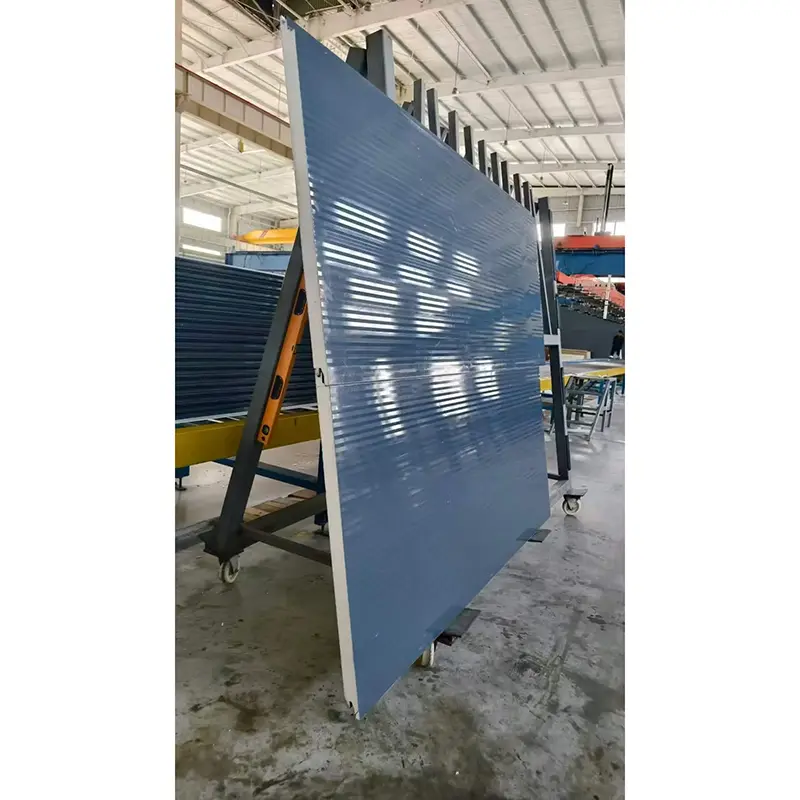
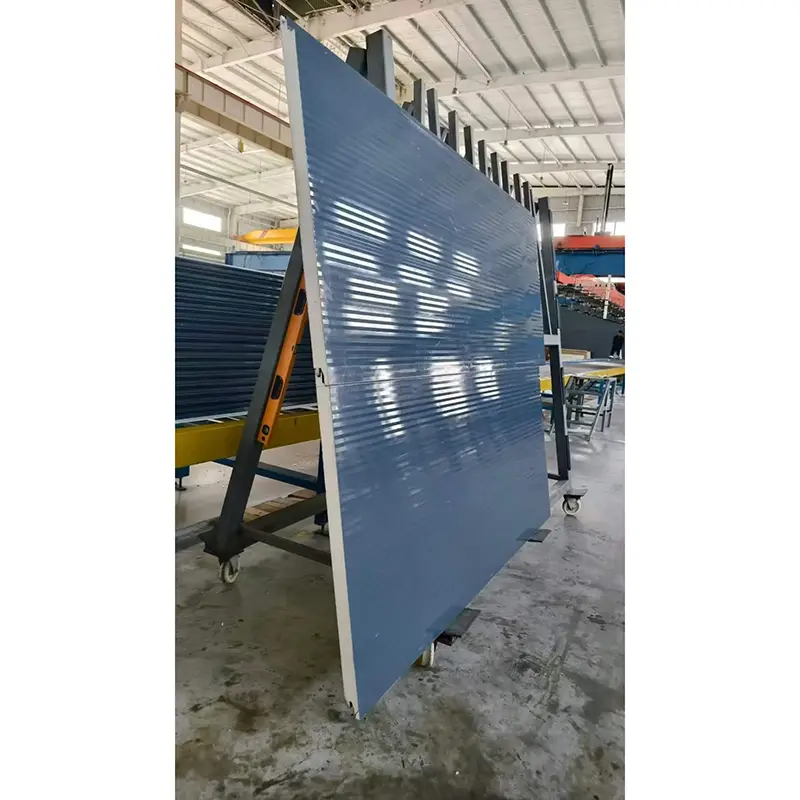
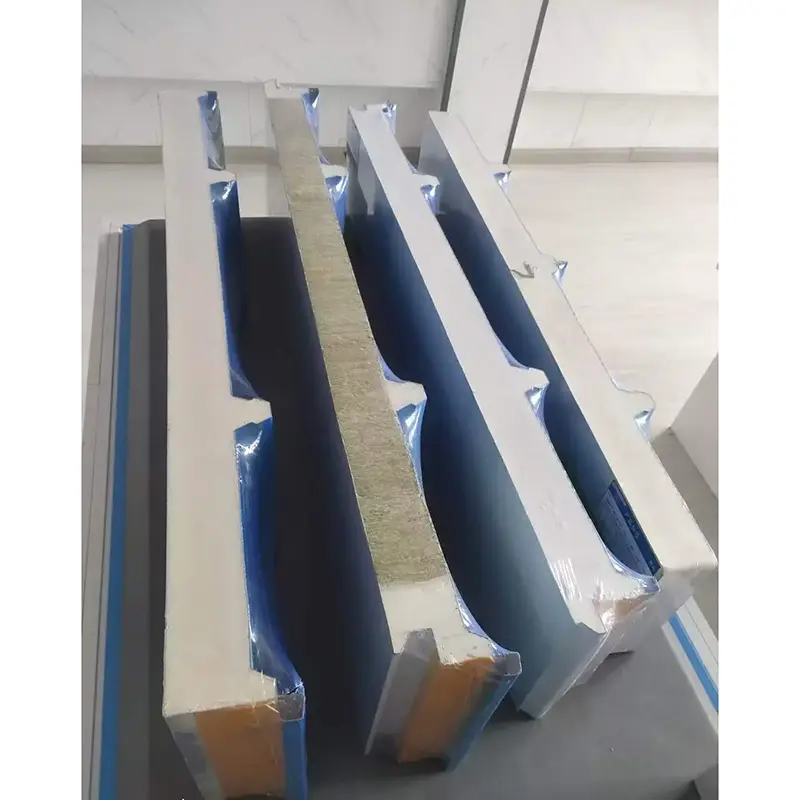
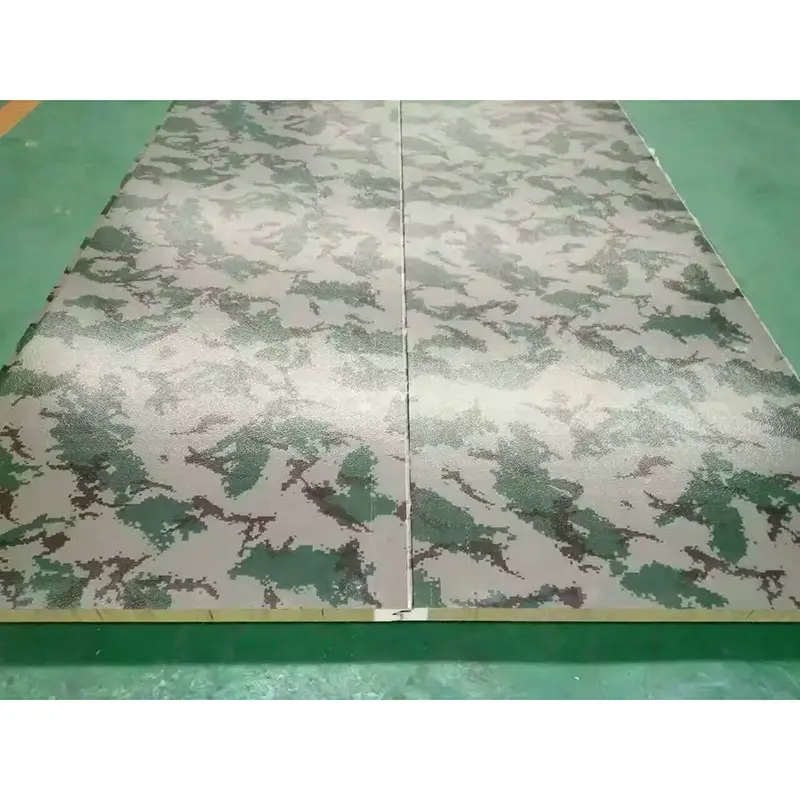
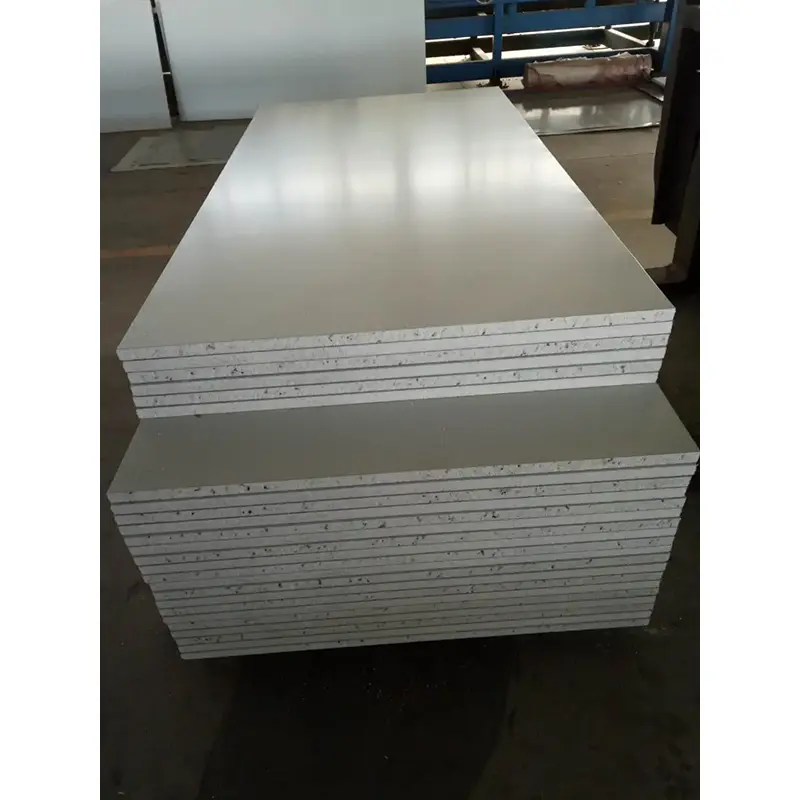
SENBO Polyurethane Sandwich Panels are high‑performance composite outputs from automated continuous production lines, supplied with rigid polyurethane foam core alongside varied facings of color‑coated steel or aluminum sheets. Sourcing this multi‑functional building envelope product suits industrial plants, logistics warehouses and modular constructions. Deployed across cold‑chain cold storage and large public premises, these panels combine thermal insulation, fire safety, load support and waterproof functions for complete project‑ready solutions.

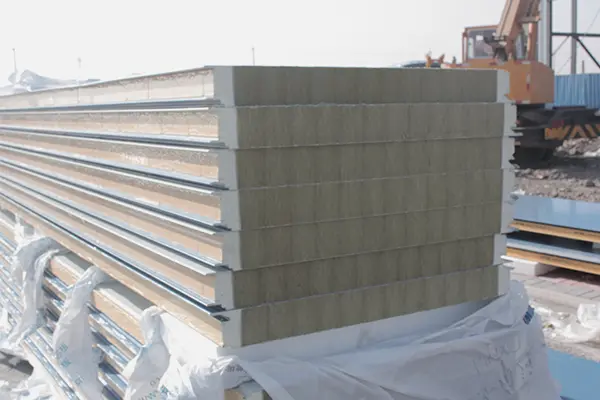
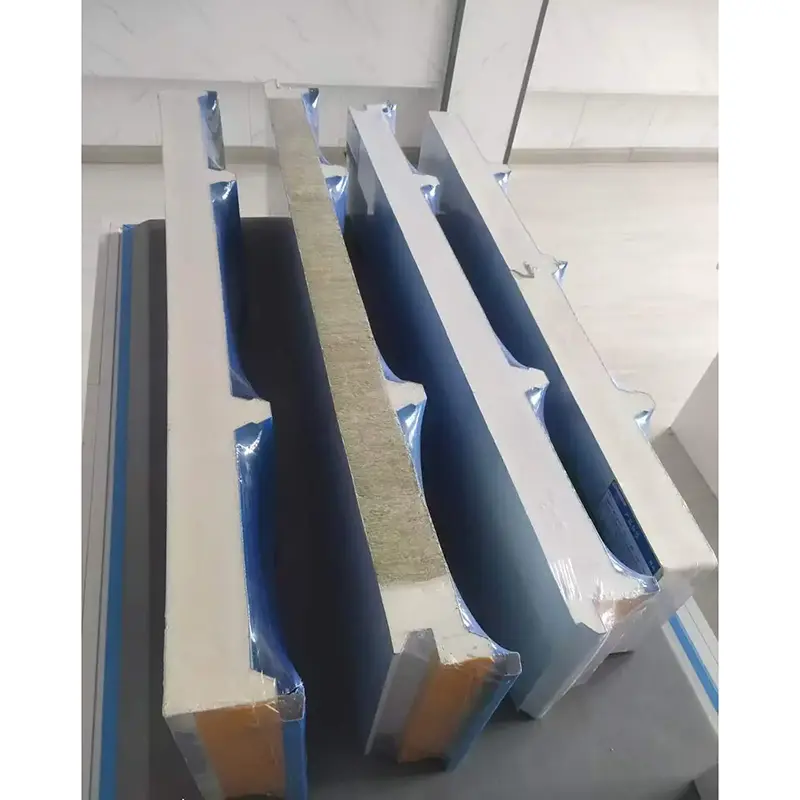
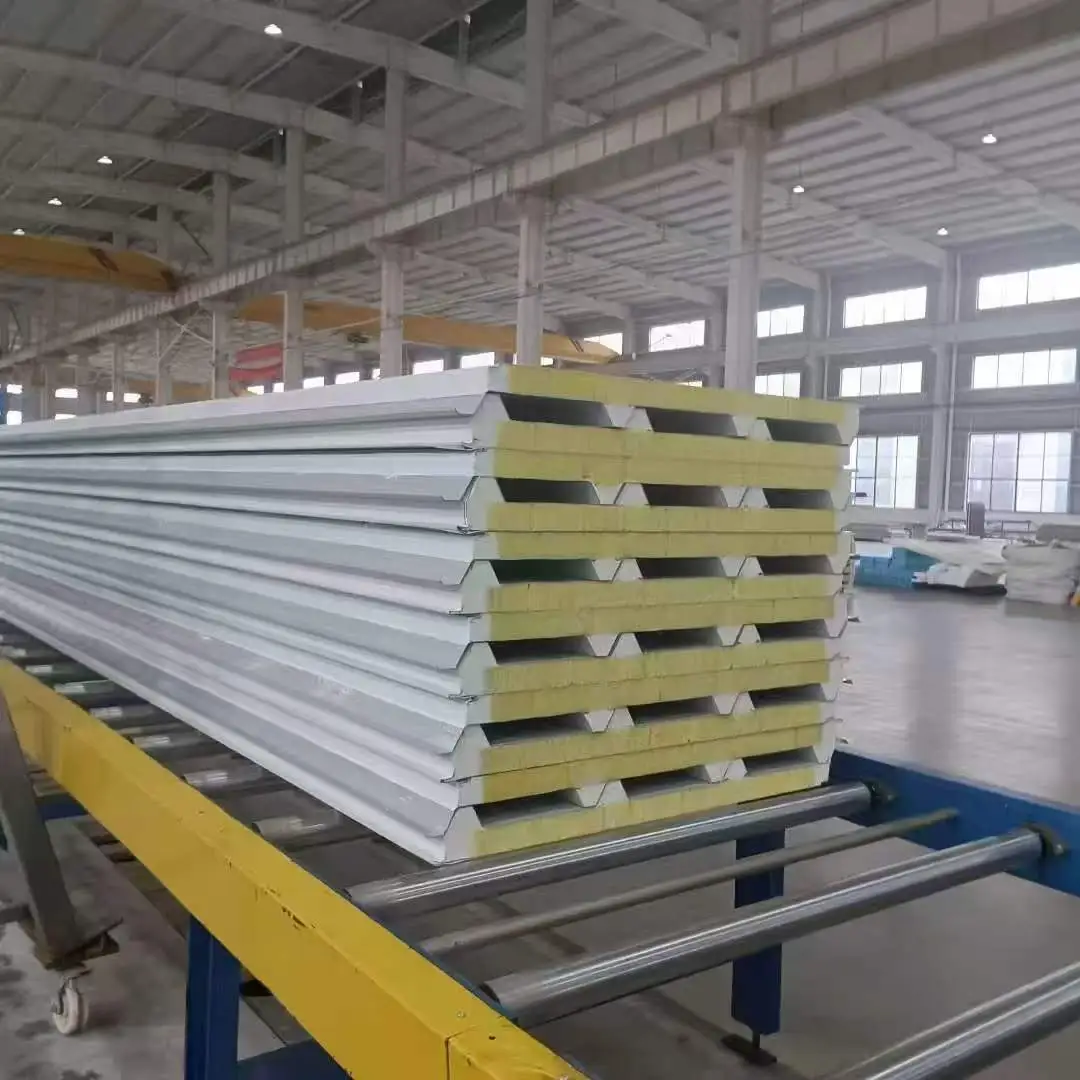
Polyurethane sandwich panels are composite panels produced in a continuous process. The panel consists of a rigid polyurethane foam core bonded between two metal facings. Facing materials include color-coated steel, galvanized steel, Al-Zn coated steel, or stainless steel. After the metal sheets are roll-formed, a polyurethane foaming agent is injected between them. High-temperature foaming and curing create a strong bond between the core and the facings. Production takes place on fully computer-controlled continuous lines, which helps maintain uniform core density and consistent adhesion.

Color-coated steel facings typically range from 0.4 mm to 0.8 mm in thickness. Available surface coatings include polyester (PE) and PVDF fluorocarbon. The rigid polyurethane core has a density of 30 kg/m³ to 80 kg/m³ and a closed-cell content above 95% to 97%. The core contains a large number of independent sealed cells that restrict air movement and reduce convective heat transfer. The thermal conductivity of the core ranges from 0.017 W/(m·K) to 0.024 W/(m·K). Under the same energy-saving requirements, a 20 mm thick polyurethane sandwich panel provides thermal insulation comparable to a 50 mm thick polystyrene panel.

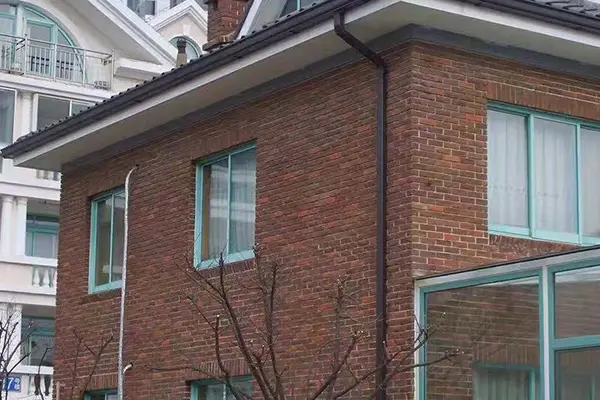
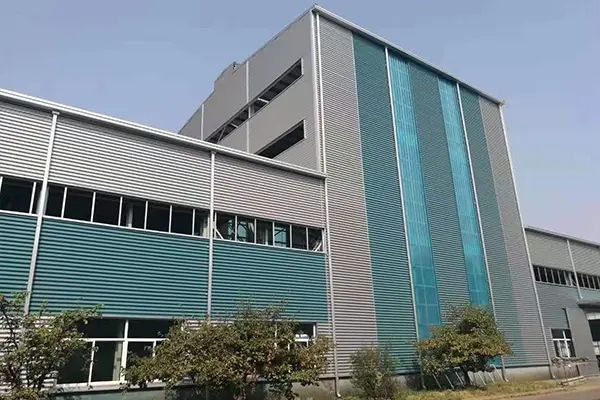
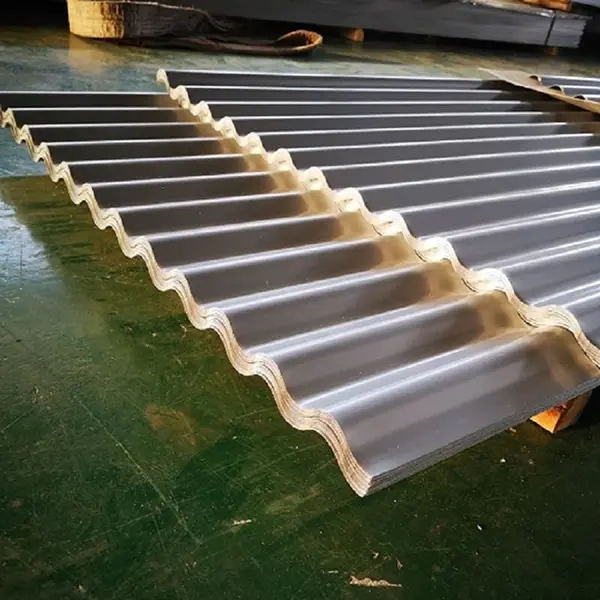
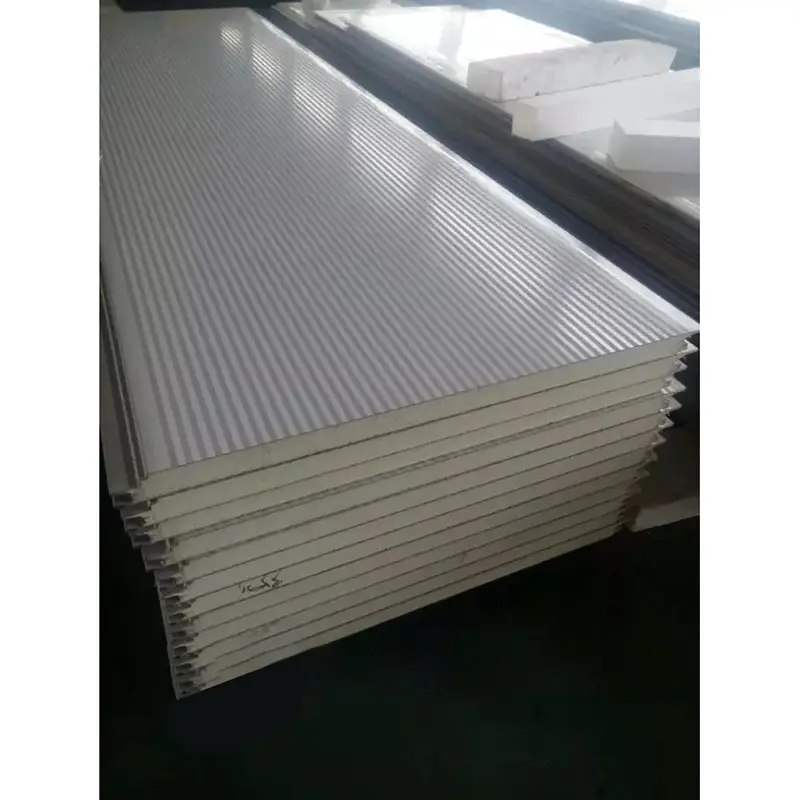
The standard effective panel width is 1,000 mm. Common thicknesses are 50 mm, 75 mm, 100 mm, 150 mm, and 200 mm, with customization available. Panel profiles include flat, micro-ribbed, water-wave, and triangular patterns, allowing architects to match different facade design requirements.

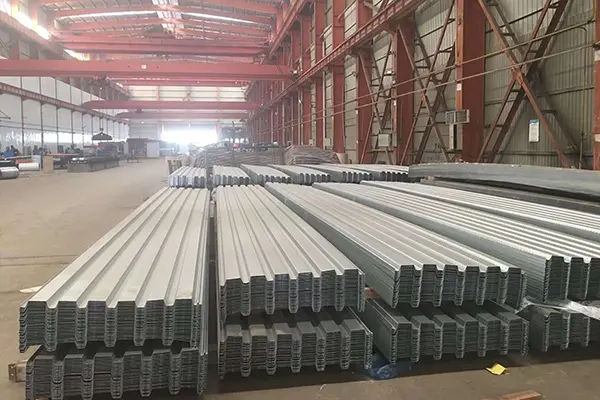
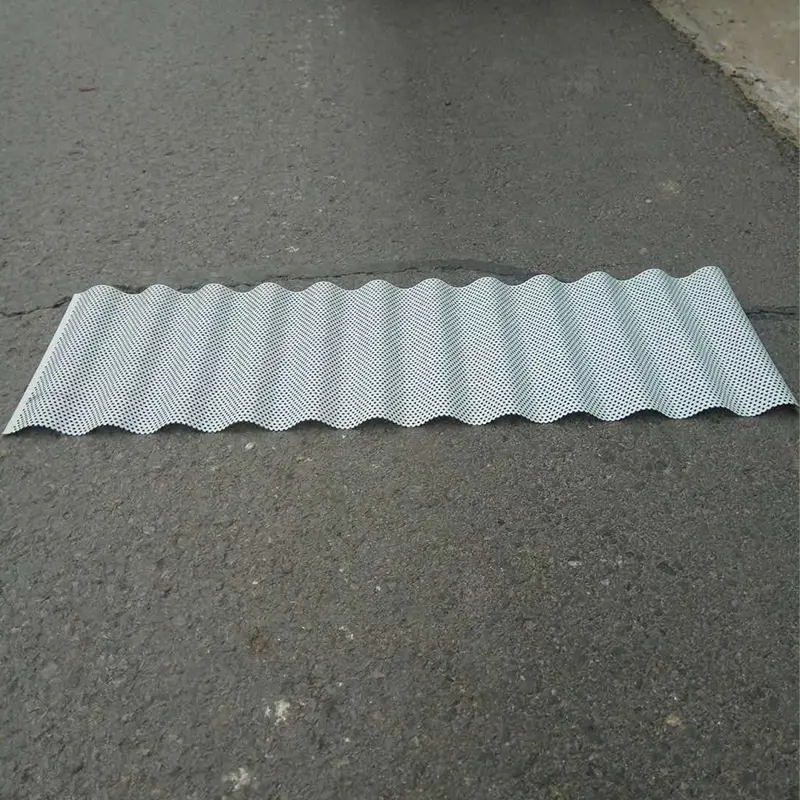
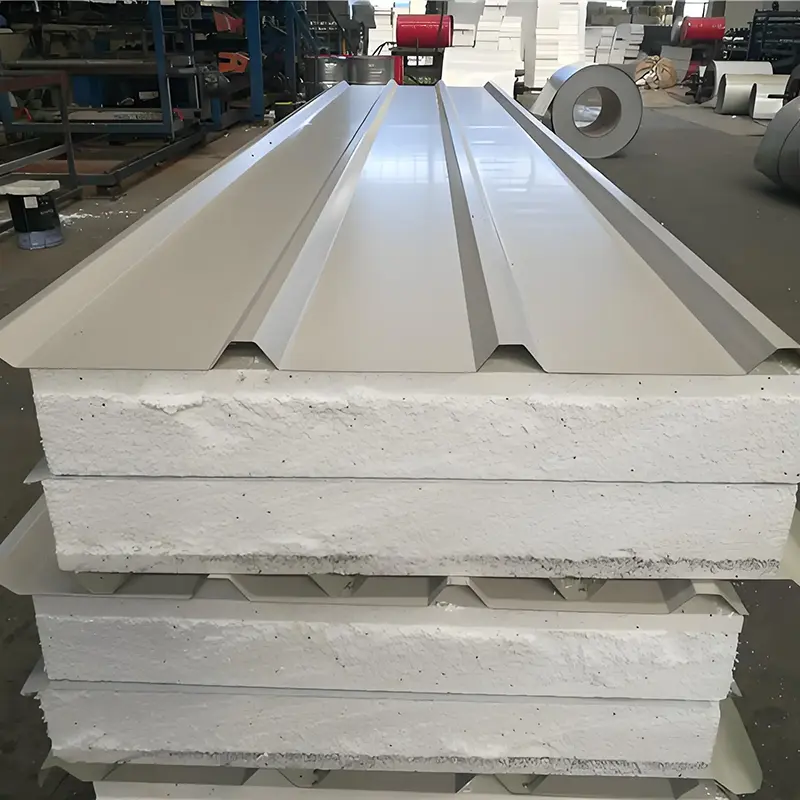
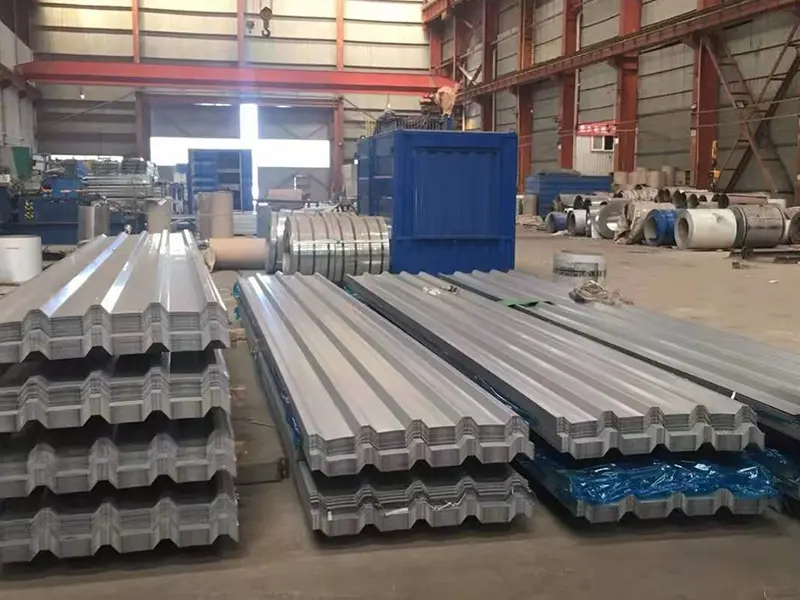
Large-Wave Polyurethane Panels Large-Wave Polyurethane Panels

Technical Specifications

Performance Indicator Parameter / Specification Basis or Remarks
Executive Standard GB/T 23932-2009 Metal-faced thermal insulation sandwich panels for building applications
Facing Material Color-coated steel / Galvanized steel / Stainless steel / Aluminum Thickness 0.4–0.8 mm
Core Material Rigid polyurethane (PU/PIR) Density 30–80 kg/m³
Thermal Conductivity 0.017–0.024 W/(m·K) Low-conductivity products can reach 0.017–0.019 W/(m·K)
Bond Strength ≥0.09 MPa Between facing and core
Flexural Load Capacity ≥0.5 kN/m² at deflection L₀/200 Standard minimum requirement
Closed-cell Content ≥95% Up to 100% in self-skinning areas
Fire Performance Class B1 (Flame-retardant) Oxygen index ≥30%
Effective Width 1000 mm Standard
Common Thicknesses 50 / 75 / 100 / 150 / 200 mm Customizable

Performance Data and Verification

1. Thermal Insulation Performance

Polyurethane sandwich panels offer low thermal conductivity values compared with many other insulation materials. Next-generation low-conductivity polyurethane systems can achieve thermal conductivity values from 0.017 W/(m·K) to 0.019 W/(m·K), which is about 20% better than traditional polyurethane formulations. For a given building area and panel thickness, using low-conductivity panels may reduce annual energy consumption by approximately 13.6%. Polyurethane sandwich panels produced by Xinjiang Gangzhisheng have shown measured thermal conductivity as low as 0.024 W/(m·K). These panels have been used in more than one hundred projects, including the Korla Guoxin Power Plant and Xinjiang Tianshan Aluminum.

2. Flame Retardancy

The combustion performance of these polyurethane sandwich panels meets the Class B1 flame-retardant standard, with an oxygen index of 30% or higher. Polyurethane is a thermosetting material. When exposed to fire, the surface forms a carbonized layer and does not melt or produce burning droplets, which helps delay flame spread. The Shanxi Xinhui Food cold storage project, with an area of nearly 30,000 m², uses polyurethane sandwich panels with BASF Elastopir® SBI B1 core material. This material provides high flame retardancy and meets the fire safety requirements for large-scale cold storage facilities.

3. Bond Strength and Flexural Performance

The bond strength between the facing sheets and the polyurethane core is not less than 0.09 MPa. The flexural load capacity is at least 0.5 kN/m² at a deflection of L₀/200. The continuous production process helps ensure a secure bond, which reduces the risk of delamination or blistering during long-term use.

4. Water Resistance and Dimensional Stability

The closed-cell content of the rigid polyurethane foam exceeds 95% and can reach 100% in self-skinning areas. This results in very low water absorption and helps prevent rainwater and condensation from penetrating the panel. The material shows dimensional stability with variation below 1% under temperature fluctuations of ±30°C, reducing the risk of cracking caused by thermal expansion or contraction. It is suitable for environments with operating temperatures from -170°C to +100°C.

5. Cold Chain Project Validation

In 2025, the Shanxi Xinhui Food project became the first in China to use low-thermal-conductivity polyurethane sandwich panels in a cold storage facility. The project was a collaboration between BASF and Master Cold Chain. It includes more than 50 individual spaces, such as a 22.7-meter fully automated high-bay warehouse, blast-freezing and standard freezing chambers, and processing workshops. Nearly 30,000 m² of panels were used, with facing options including single-sided stainless steel, double-sided stainless steel, and double-sided color-coated steel. This project provides practical validation of the thermal insulation and fire safety performance of polyurethane sandwich panels in ultra-low-temperature cold chain environments.

Installation and Fabrication Notes

  • Use lifting equipment with soft slings to avoid denting the metal facings during handling.
  • Cut panels with a fine-tooth saw or dedicated panel cutting tool, and clean cut edges to remove foam debris.
  • Seal panel joints with compatible sealant or gaskets to maintain air and water tightness.
  • Store panels indoors or under cover, elevated from the ground, and keep them dry before installation.
  • For cold storage applications, ensure all joints and penetrations are sealed to prevent thermal bridging and moisture ingress.

Frequently Asked Questions

What is the difference between PU and PIR cores in polyurethane sandwich panels?

Both PU (polyurethane) and PIR (polyisocyanurate) are rigid foam cores. PIR has a modified chemical structure that provides improved fire performance and higher temperature resistance compared with standard PU. For applications with stricter fire safety requirements, PIR cores are often recommended.

Can polyurethane sandwich panels be used for exterior walls in high-rise buildings?

Polyurethane sandwich panels with a B1 fire rating can be used in many building types, but local building codes and fire regulations must be checked first. For high-rise buildings or areas with specific fire safety requirements, a project-specific evaluation is necessary.

How do I choose the correct panel thickness for a cold storage project?

Panel thickness depends on the required internal temperature, ambient conditions, and energy efficiency targets. A thermal calculation should be performed for the specific project. Common thicknesses for cold storage range from 100 mm to 200 mm.

What maintenance is required for polyurethane sandwich panels?

Regular visual inspection is recommended to check for surface damage, joint sealant failure, or fastener corrosion. Minor scratches on coated steel facings should be touched up with compatible paint to prevent corrosion. Keep drainage paths clear to avoid water accumulation.

Quality Assurance and Inspection

Incoming raw materials are inspected for each batch, including metal facing thickness, coating type, and polyurethane raw material quality. During production, core density, panel thickness, and bond strength are monitored. Finished panels are checked for dimensional accuracy, surface quality, and packaging before shipment. Factory inspection reports in accordance with GB/T 23932-2009 are available, and third-party type test reports can be provided upon project request.

Environmental and Sustainability Considerations

Some polyurethane sandwich panels are available with biomass-balanced raw materials. For example, BASF and Master have collaborated on Biomass Balance (BMB) polyurethane sandwich panels that have received ISCC PLUS certification. This approach helps reduce the carbon footprint of the panel production process while maintaining the same product performance. Panels can also be designed for disassembly and recycling at the end of their service life, depending on the facing and core material combination.

Hot Tags: Large-Wave Polyurethane Panels Supplier, Polyurethane Sandwich Panels Manufacturer, Corrugated Polyurethane Panels Wholesale
Send Inquiry
Contact Info
Send SENBO an inquiry for steel building materials. Request a free quote, sample or bulk order price list. Our sales team responds within 24 hours with factory direct pricing, stock availability and shipping options.
X
We use cookies to offer you a better browsing experience, analyze site traffic and personalize content. By using this site, you agree to our use of cookies.Privacy Policy
RejectAccept