Tianjin SENBO Building Materials Technology Co., Ltd.
Products
Rock Wool Sandwich Panels
  • Rock Wool Sandwich PanelsRock Wool Sandwich Panels
  • Rock Wool Sandwich PanelsRock Wool Sandwich Panels
  • Rock Wool Sandwich PanelsRock Wool Sandwich Panels

Rock Wool Sandwich Panels

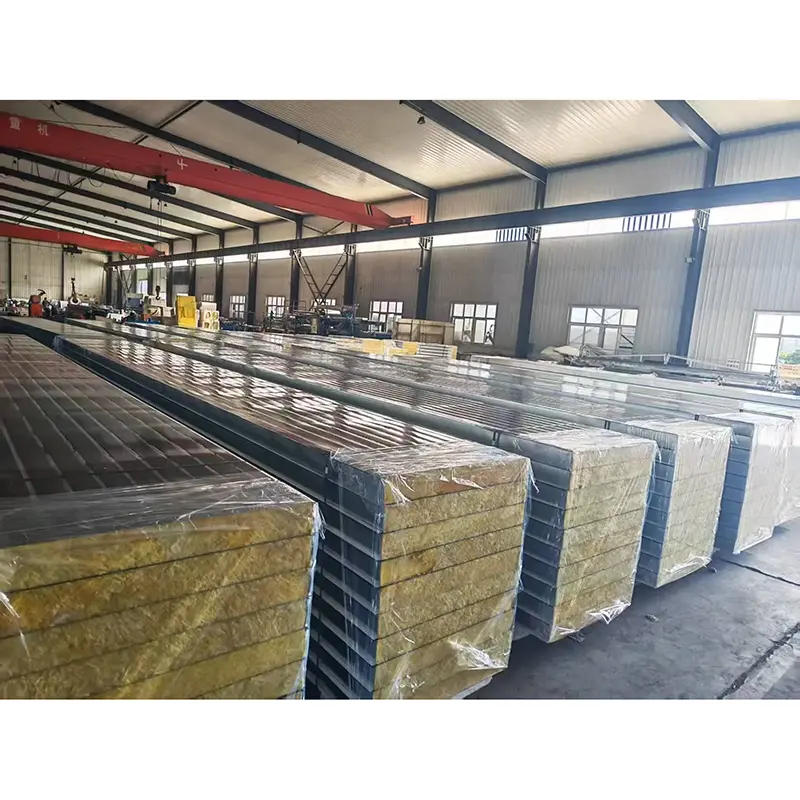
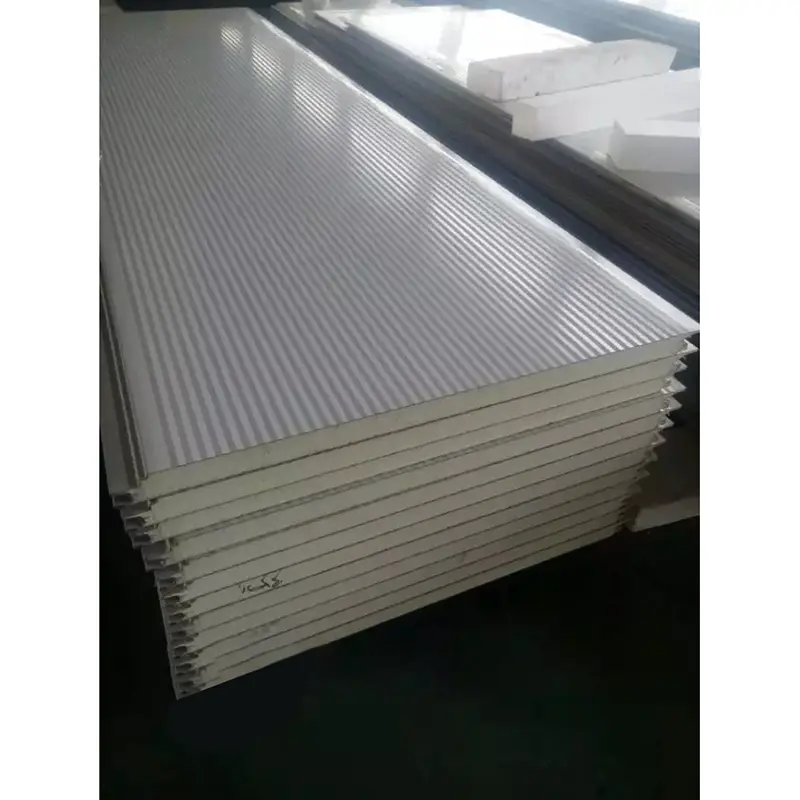
Rock Wool Sandwich Panels, Class‑A fire‑rated building panels from Tianjin SENBO, adopt basalt‑derived rock wool core and color‑coated steel facings bonded by high‑strength adhesive, complying with GB/T 23932‑2009. Buyers can source this integrated fire‑safety and thermal‑insulation building envelope solution widely deployed in industrial plants, theme parks and high‑rise constructions for reliable project‑grade performance.

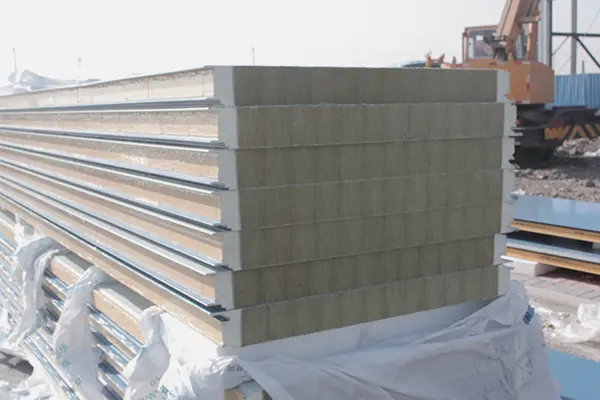
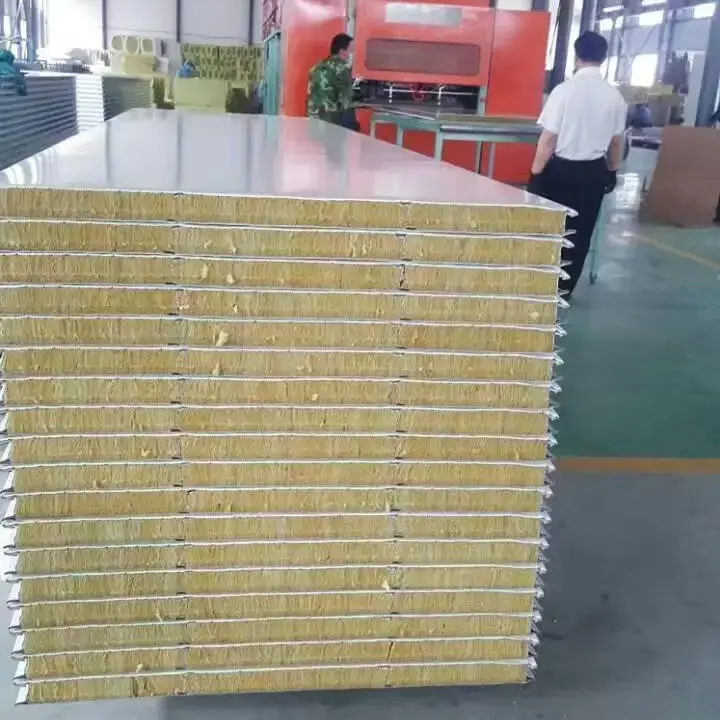
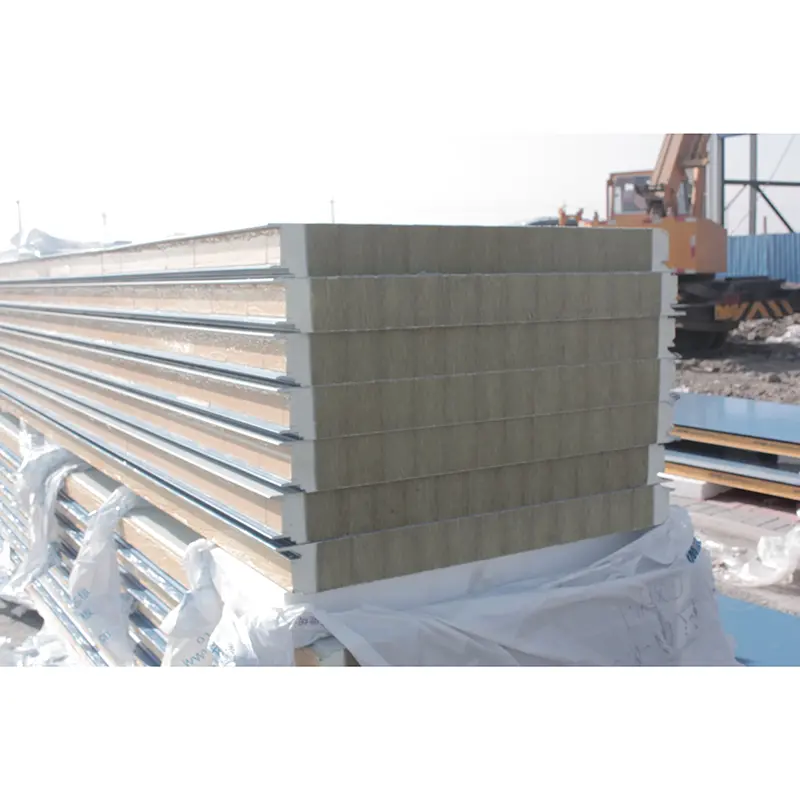
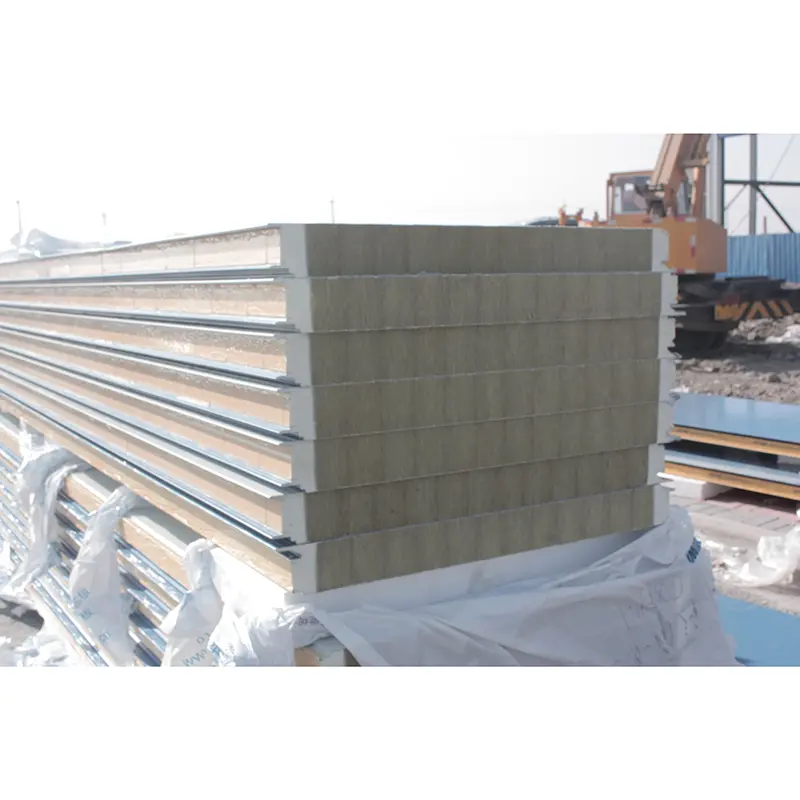
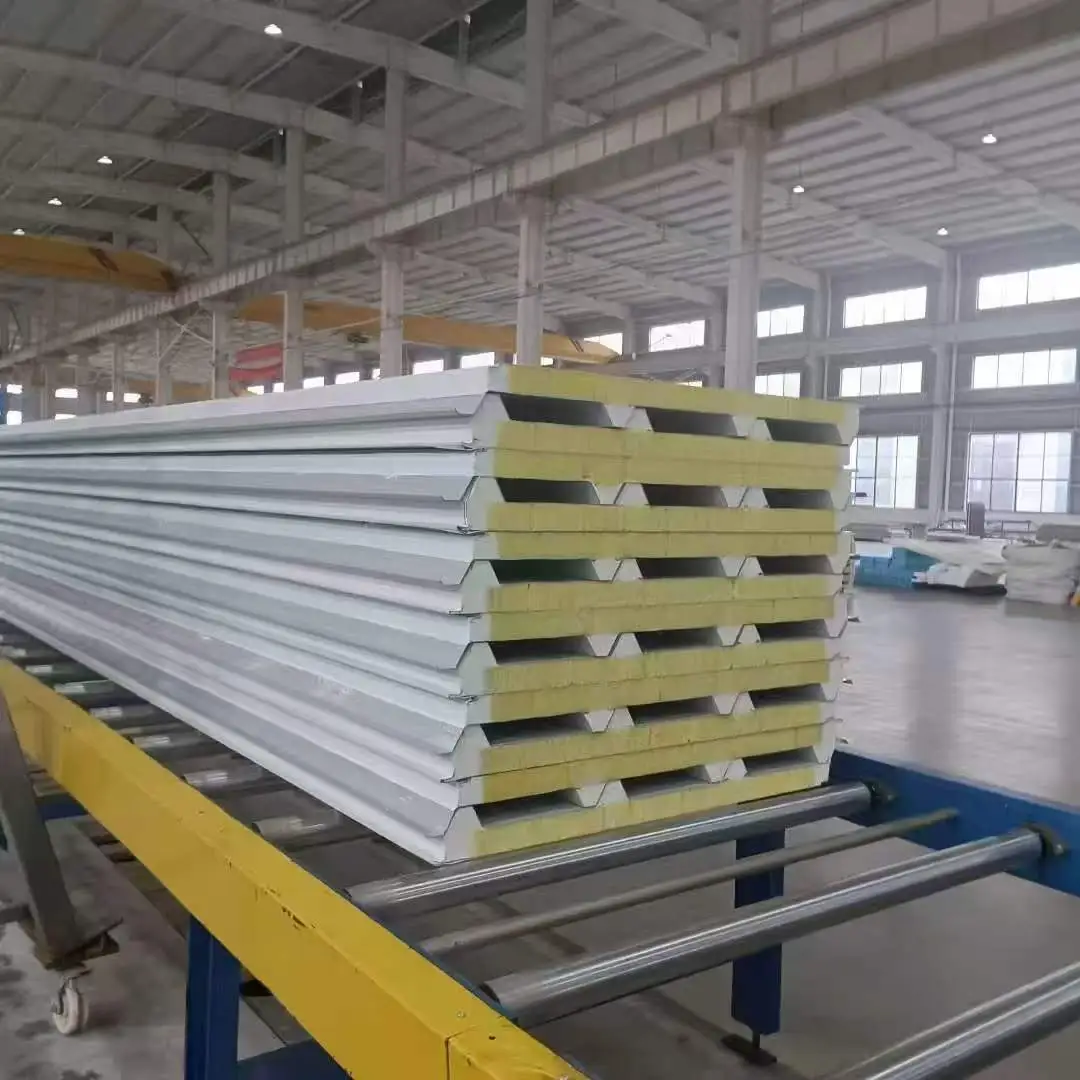
Rock wool sandwich panels are composite panels consisting of metal facings and a rock wool core. The core is produced from natural ores such as basalt and dolomite, which are melted at high temperatures, fiberized by a four-roll centrifugal process, treated with binders and water repellents, and then cured into strips. Before lamination, the core strips are cut and rotated 90 degrees so that the fiber orientation is perpendicular to the panel surface. This improves compressive strength and flexural rigidity.

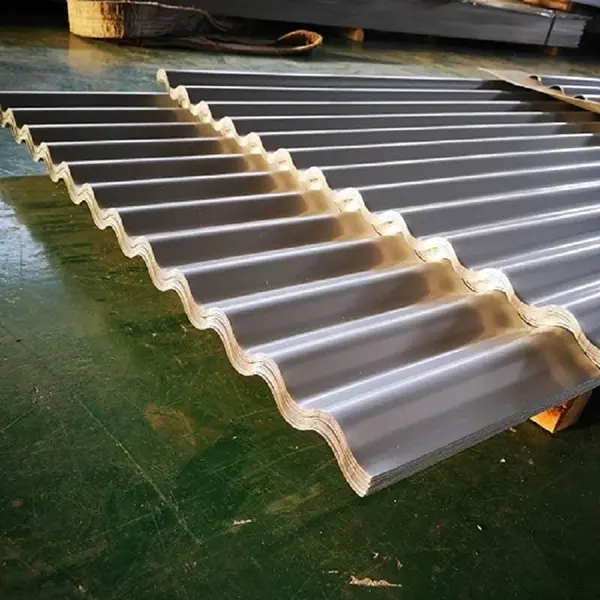
Facing materials include color-coated steel, galvanized steel, or Al-Zn alloy coated steel with a thickness from 0.4 mm to 0.8 mm. Available surface coatings are polyester (PE), silicone-modified polyester (SMP), high-durability polyester (HDP), or PVDF fluorocarbon. The rock wool core density ranges from 100 kg/m³ to 150 kg/m³, with 120 kg/m³ as the standard option. The core is bonded to the metal facings with a high-strength adhesive to form an integrated panel.

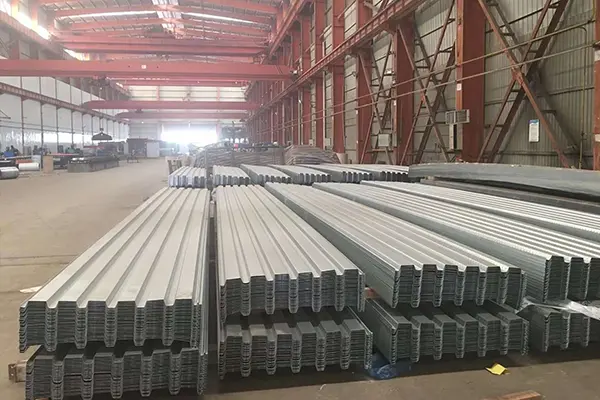
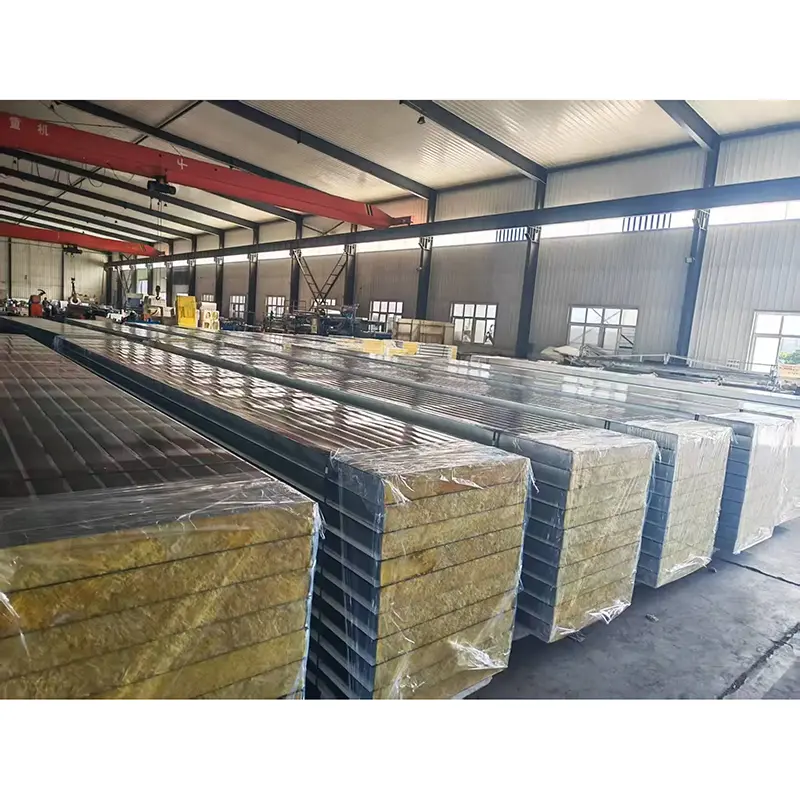
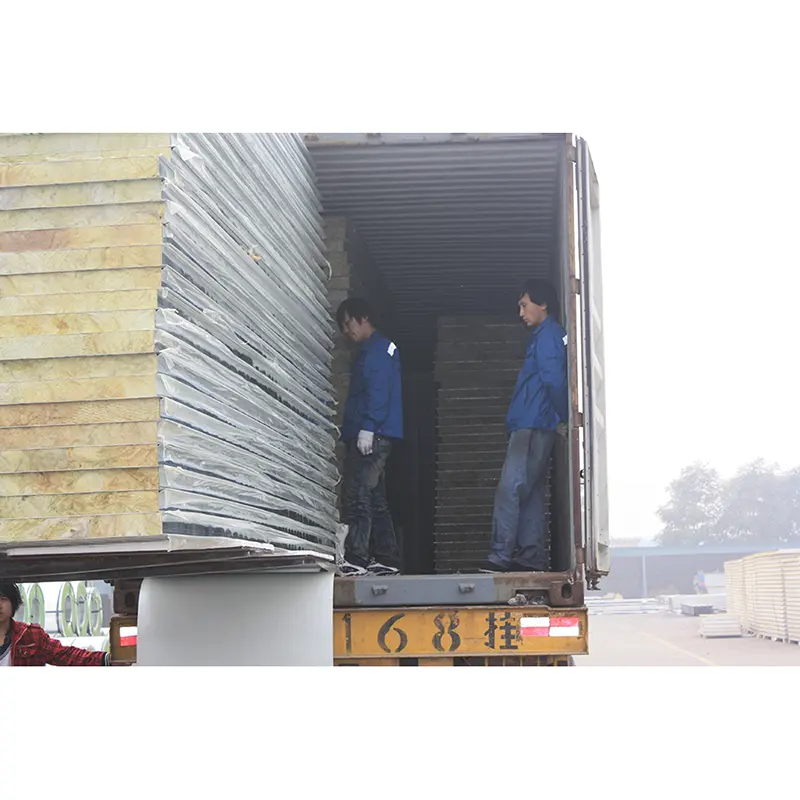
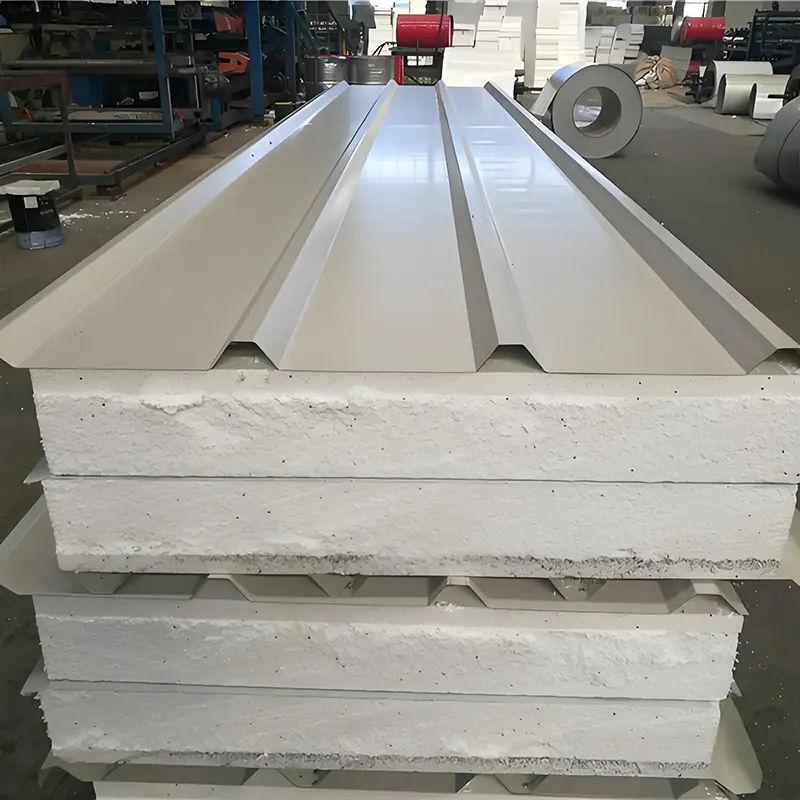
Panel thickness can be customized from 50 mm to 150 mm according to project requirements. The effective width is typically 900 mm or 1000 mm, with 1000 mm used for corrugated profiles. Panel length can reach up to 15,000 mm, depending on transportation conditions.

Rock Wool Sandwich Panels Rock Wool Sandwich Panels

Technical Specifications

Performance Indicator Parameter / Specification Basis or Remarks
Executive Standard GB/T 23932-2009 Metal-faced thermal insulation sandwich panels for building use
Facing Material Color-coated steel / Galvanized steel / Al-Zn coated steel Thickness 0.4–0.8 mm
Core Material Rock wool (basalt fiber) Fibers perpendicular to panel surface; slag wool content excluded
Core Density 100–150 kg/m³ Standard 120 kg/m³
Thermal Conductivity ≤0.043 W/(m·K) Measured at ambient temperature
Bond Strength >0.06 MPa Between facing and core
Peel Bond Area ≥85% Per peeled surface
Flexural Load Capacity ≥0.5 kN/m² at deflection L₀/250 Standard minimum requirement
Combustion Performance Class A (Non-combustible) GB 8624 Class A (A1)
Fire Resistance Rating 50 mm ≥ 60 min; 100 mm ≥ 120 min; 150 mm ≥ 180 min Verified by fire resistance tests
Common Thickness 50–150 mm Customizable
Effective Width 900–1000 mm Tongue-and-groove 900–1000 mm; corrugated 1000 mm

Performance Data and Verification

1. Fire Performance: Class A Non-combustible

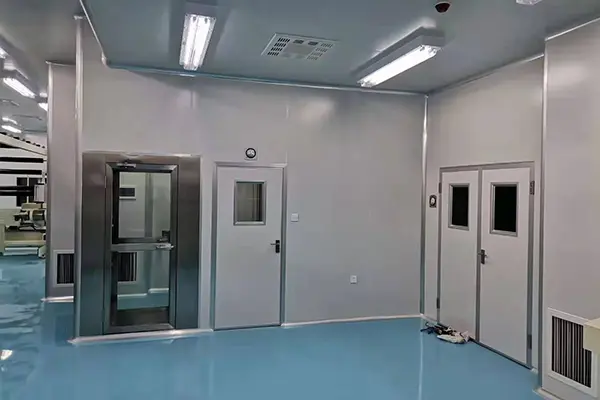
Rock wool core is an inorganic fibrous material that meets the GB 8624 Class A (A1) non-combustible standard. Fire resistance tests have verified that a 50 mm thick rock wool sandwich panel provides a fire resistance duration of at least 60 minutes, a 100 mm panel at least 120 minutes, and a 150 mm panel at least 180 minutes. The core can withstand temperatures above 1000°C. It does not burn, melt, or produce molten droplets when exposed to fire, and it does not release toxic fumes. This performance meets the mandatory fire safety requirements for building envelope materials, including those specified in the Code for Design of Clean Rooms. A public procurement project by Huainan Mining Group explicitly required a Class A fire rating for rock wool sandwich panels, reflecting the critical demand for fire safety in industrial applications.

2. Thermal Insulation Performance

The thermal conductivity of the rock wool core ranges from 0.040 W/(m·K) to 0.048 W/(m·K), with a value not exceeding 0.043 W/(m·K) at ambient temperature. A 100 mm thick rock wool sandwich panel has a heat transfer coefficient of no more than 0.404 W/(m²·K), directly meeting the national standard for a 75% reduction in building energy consumption. Rock wool cores were used in the wall and roof systems of the BASF Zhanjiang Verbund Site project, effectively reducing heat transfer between interior and exterior spaces and lowering energy consumption in factory and office areas.

3. Bonding and Mechanical Properties

The bond strength between the metal facings and the rock wool core is required to be greater than 0.06 MPa. In peel tests, the core material remaining on the metal facings must be evenly distributed and cover at least 85% of the bonded surface area. When the mid-span deflection reaches L₀/250, the flexural load capacity must be no less than 0.5 kN/m². For one 100 mm thick fire-resistant rock wool sandwich panel, the measured flexural load capacity reached 2.68 kN/m², significantly exceeding the minimum requirement. The core density of 120 kg/m³ and the fiber orientation perpendicular to the panel surface provide structural rigidity and flexural performance during long-term use.

4. Sound Absorption and Insulation

The porous fiber structure of the rock wool core provides measurable sound absorption. A 50 mm thick panel achieves a weighted sound insulation value of 29 dB, effectively reducing indoor noise caused by rain or hail impact on the roof. According to ISO 354 testing, the sound absorption performance reaches DELTA LA = 15.7 dB(A).

5. Engineering Application Validation

Rock wool sandwich panels have been validated in multiple real-world projects. The BASF Zhanjiang Verbund Site, BASF Group's third-largest integrated production base globally, used rock wool sandwich panel systems extensively for walls and roofing. The product demonstrated weather resistance and structural stability under high-humidity, high-salinity coastal conditions and typhoon exposure.
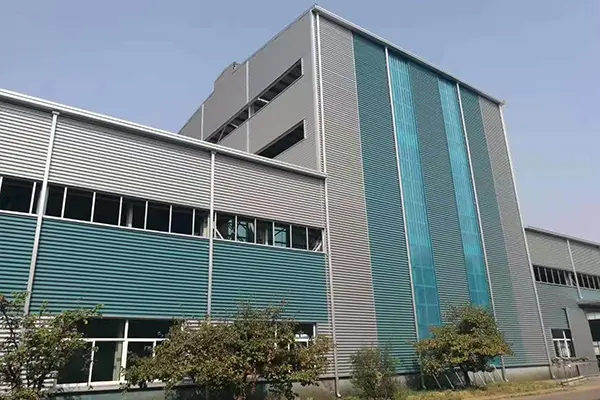
Other projects, including a large theme park in Shanghai, a high-rise building in Beijing, and industrial plants in Guangzhou and Luoyang, have used the material to improve thermal insulation, soundproofing, and fire safety.
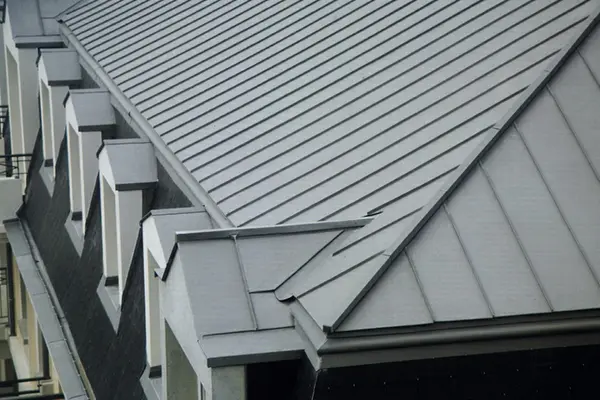
Roof renovation projects at the Yixing Yunxi Commercial Building and the Jingtang Warehouse involved complete replacement of existing roofs with rock wool sandwich panels and the addition of metal support systems to strengthen the structure, improving overall load-bearing capacity and wind pressure resistance.

Rock Wool Sandwich Panels Rock Wool Sandwich Panels

Installation and Fabrication Notes

  • Use wide soft slings when handling panels to avoid localized deformation of the metal facings.
  • Cut panels with dedicated tools and clean core debris from cut edges promptly to prevent moisture absorption or contamination.
  • Apply sealant or use matching fasteners at joints to ensure air and water tightness.
  • Store panels in a dry, ventilated area, elevated from the ground and covered with waterproof sheeting if long-term storage is required.
  • Position on-site openings away from panel ribs and apply waterproofing and sealing after cutting.

Frequently Asked Questions

What is the difference in fire performance between rock wool sandwich panels and polyurethane sandwich panels?

The rock wool core is non-combustible and achieves a Class A fire rating. Polyurethane cores are typically rated B1 or B2. For buildings with high fire safety requirements, such as industrial plants, public buildings, and cleanrooms, rock wool sandwich panels are the more reliable option.

How can I verify the quality of rock wool sandwich panels?

Request third-party test reports from the supplier and check key indicators such as thermal conductivity, bond strength, peel area, fire resistance rating, and combustion performance against GB/T 23932-2009 requirements. On-site inspection should include surface flatness, core uniformity at cut edges, and the absence of facing scratches.

What is the expected service life of rock wool sandwich panels?

Panels with PVDF or HDP coatings can last more than 20 years under normal use and maintenance conditions. Actual service life depends on environmental corrosion, UV exposure, mechanical damage, and other factors. Regular inspection and maintenance can extend the service period.

Can dimensions and colors be customized for specific projects?

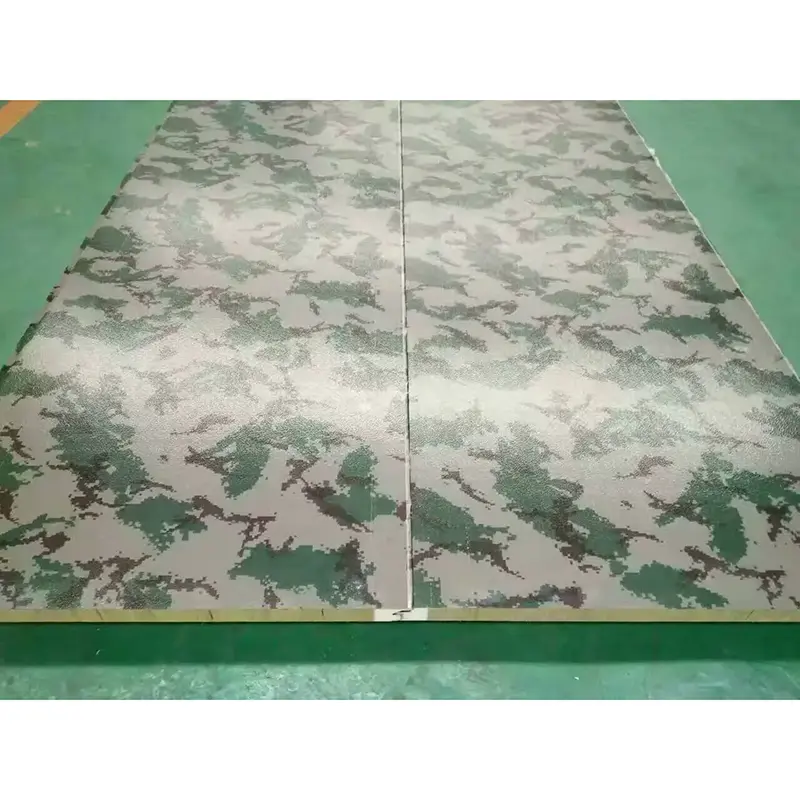
Yes. Panel thickness, length, facing color, and coating type can be customized. It is recommended to confirm production tolerances, minimum order quantities, and delivery lead times with the manufacturer during the design phase.

Quality Assurance and Inspection

Incoming raw materials are inspected for each batch, including facing thickness, coating adhesion, core density, and fiber orientation. In-process inspections cover dimensions, bonding, and surface quality. Finished products are checked for packaging and stacking before shipment. All products can be supplied with factory inspection reports in accordance with GB/T 23932-2009. Third-party type test reports are also available upon project request.

Send Inquiry
Contact Info
Send SENBO an inquiry for steel building materials. Request a free quote, sample or bulk order price list. Our sales team responds within 24 hours with factory direct pricing, stock availability and shipping options.
X
We use cookies to offer you a better browsing experience, analyze site traffic and personalize content. By using this site, you agree to our use of cookies. Privacy Policy
RejectAccept