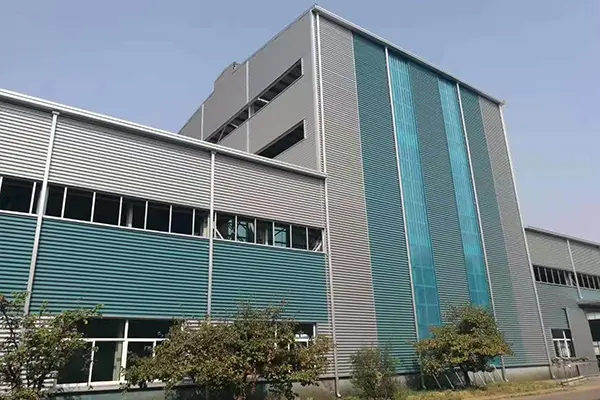
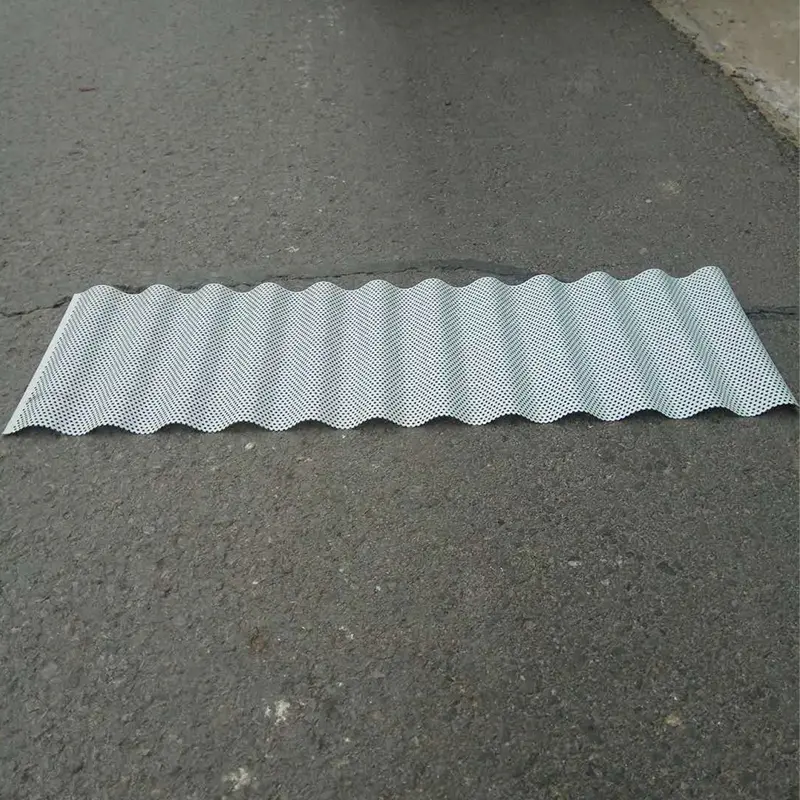
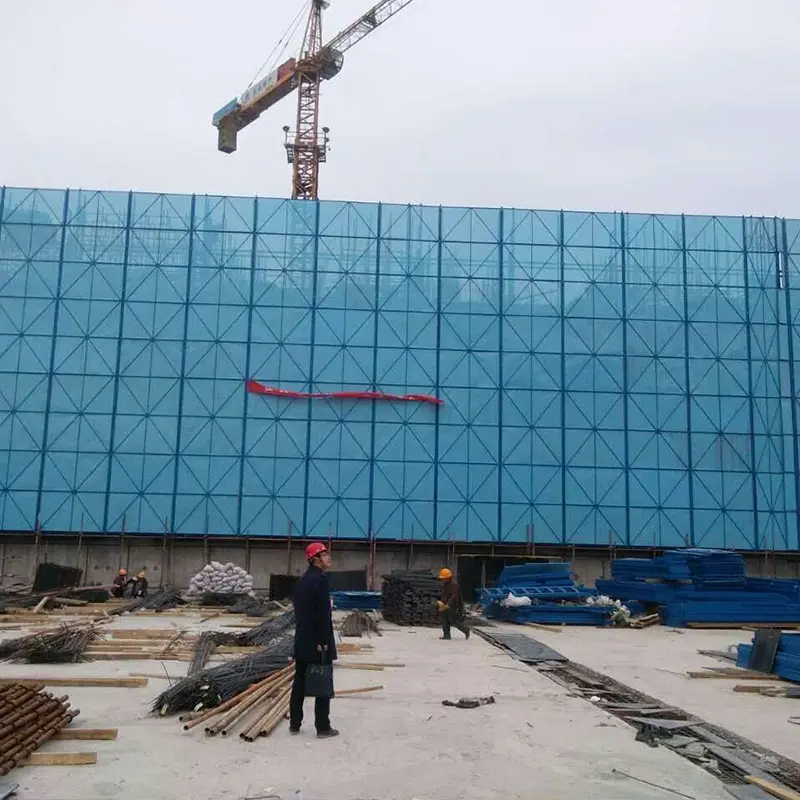
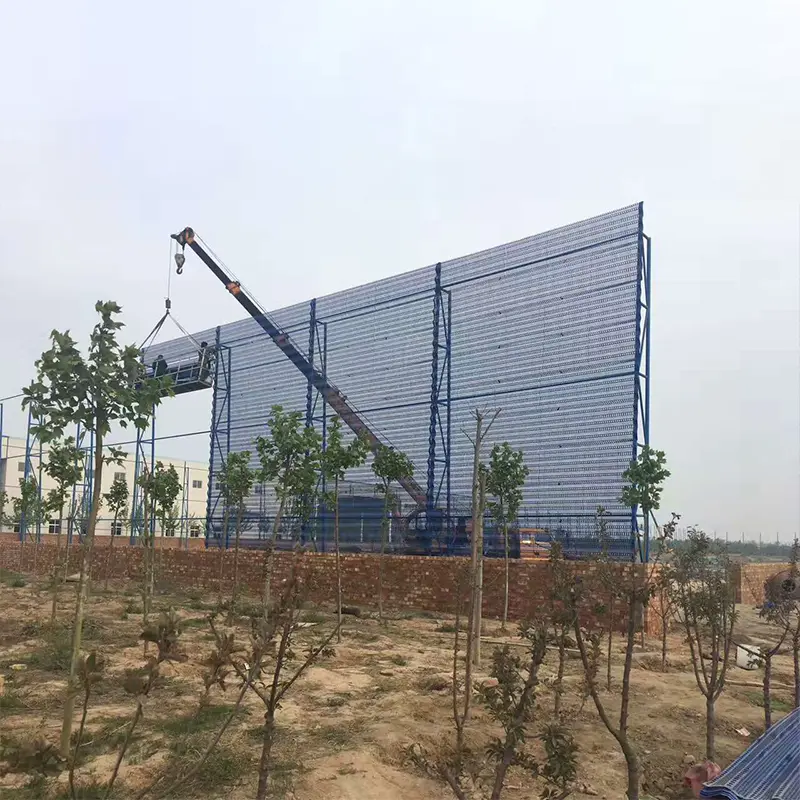
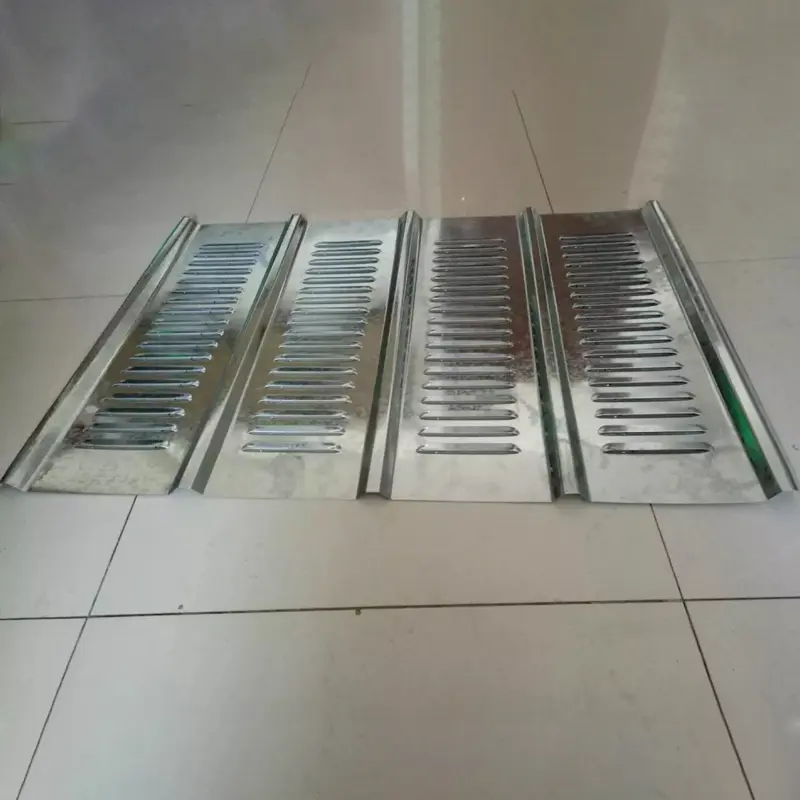
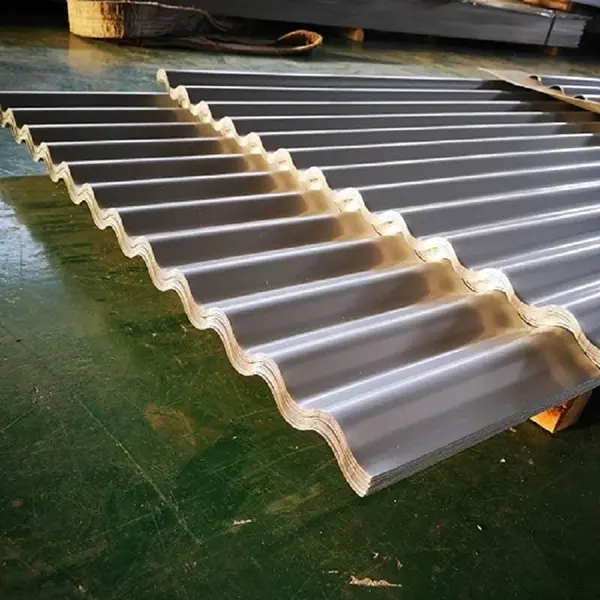
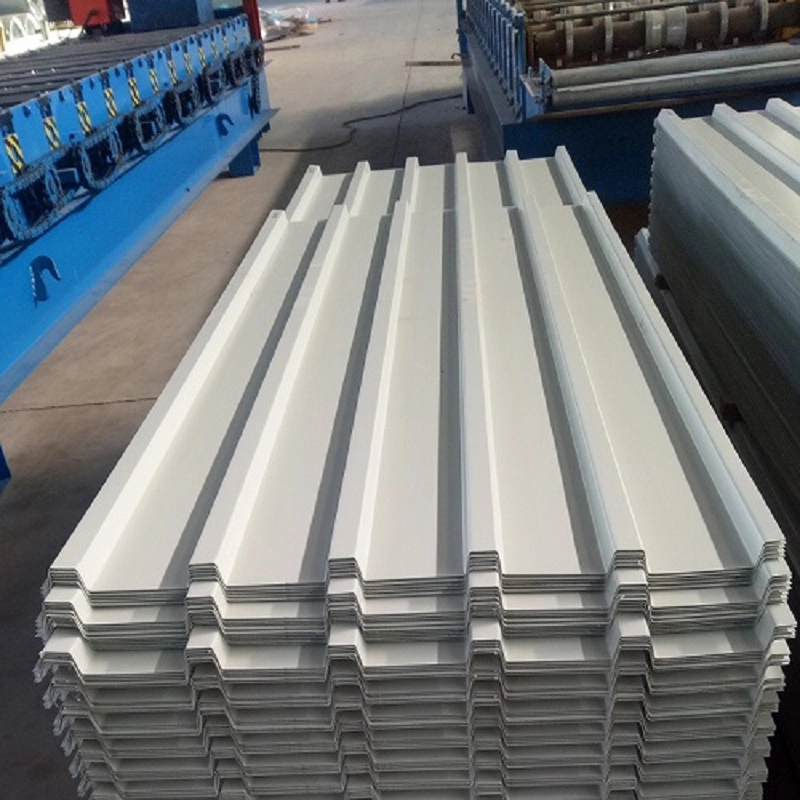
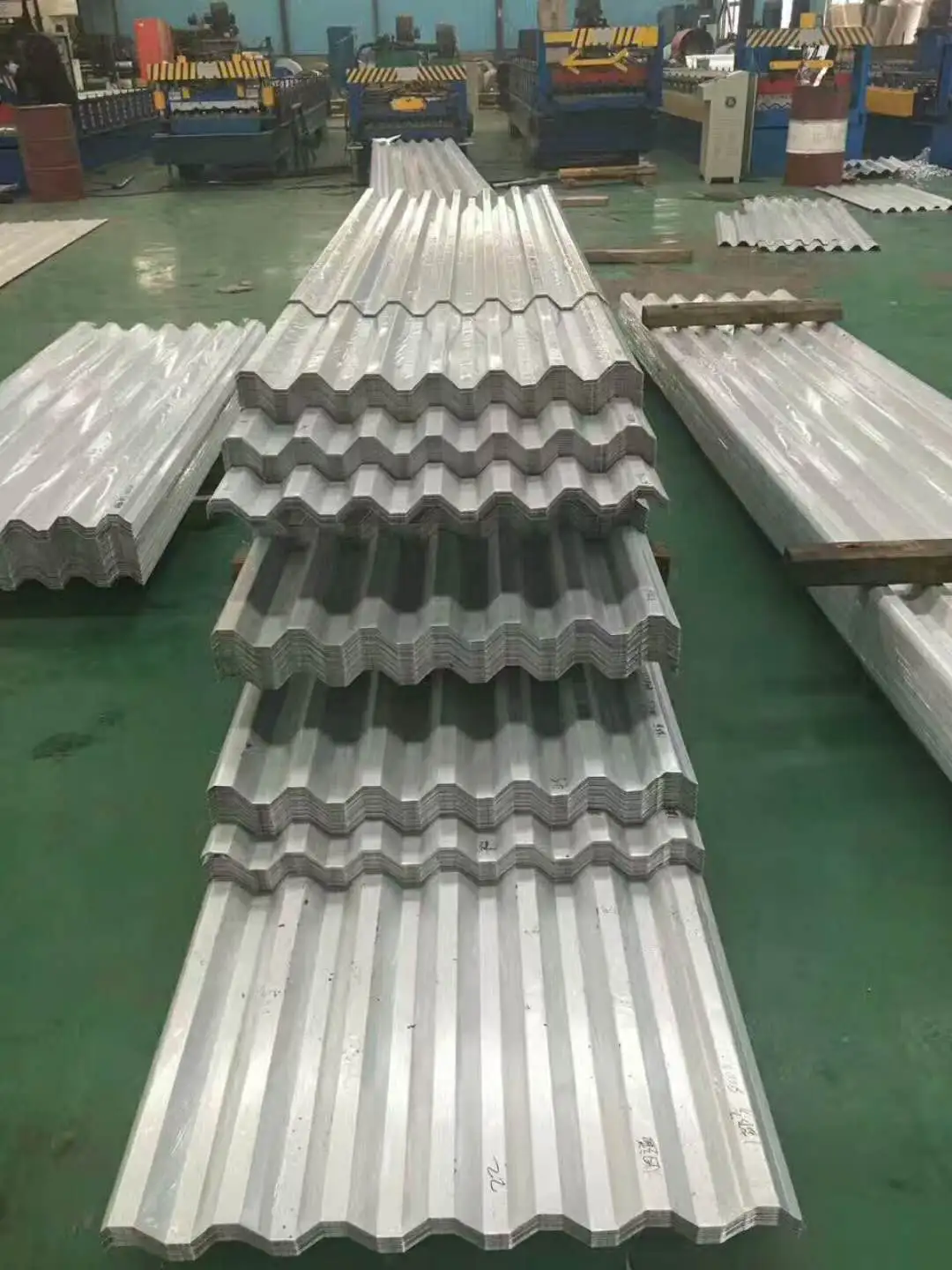
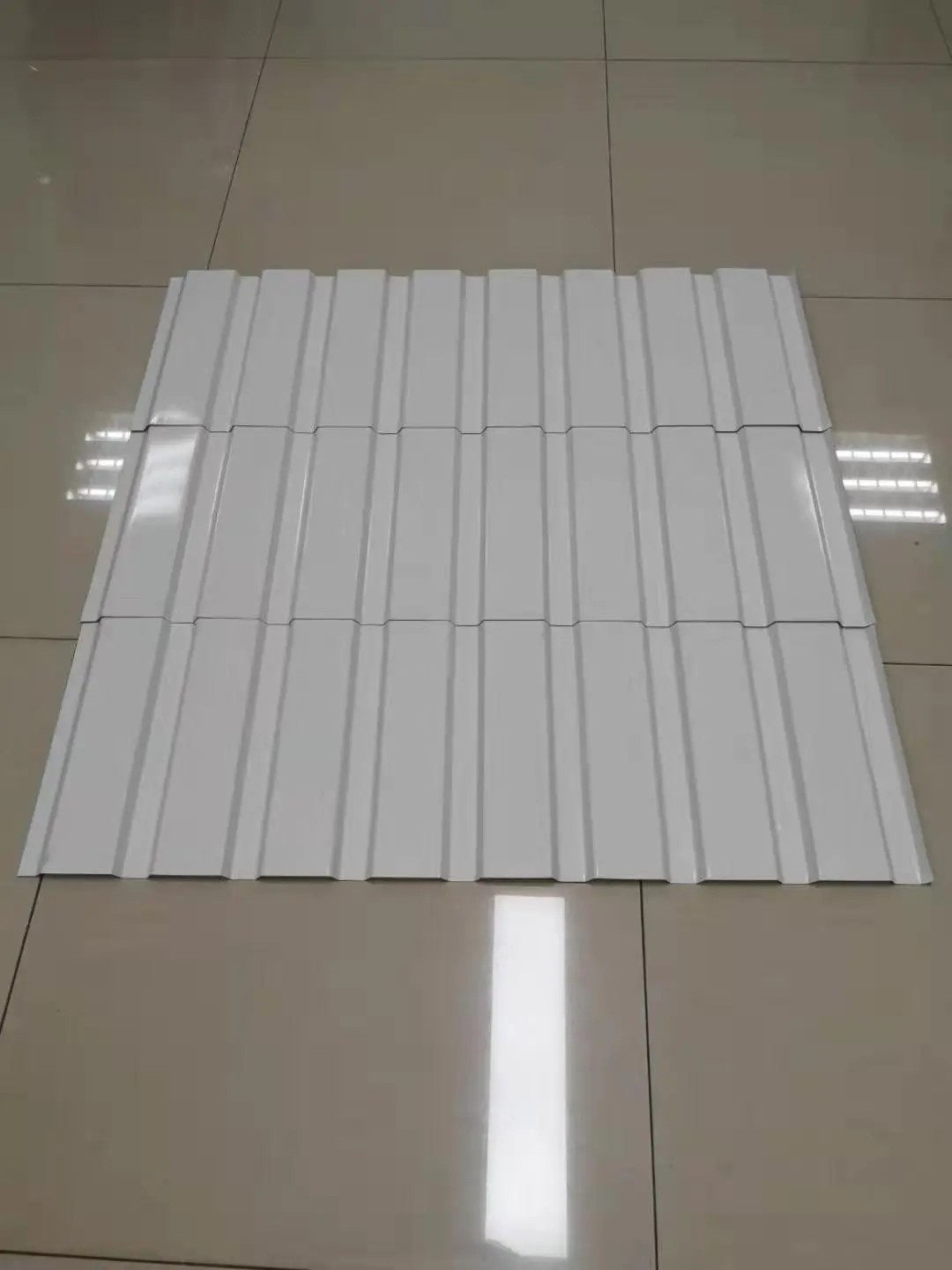
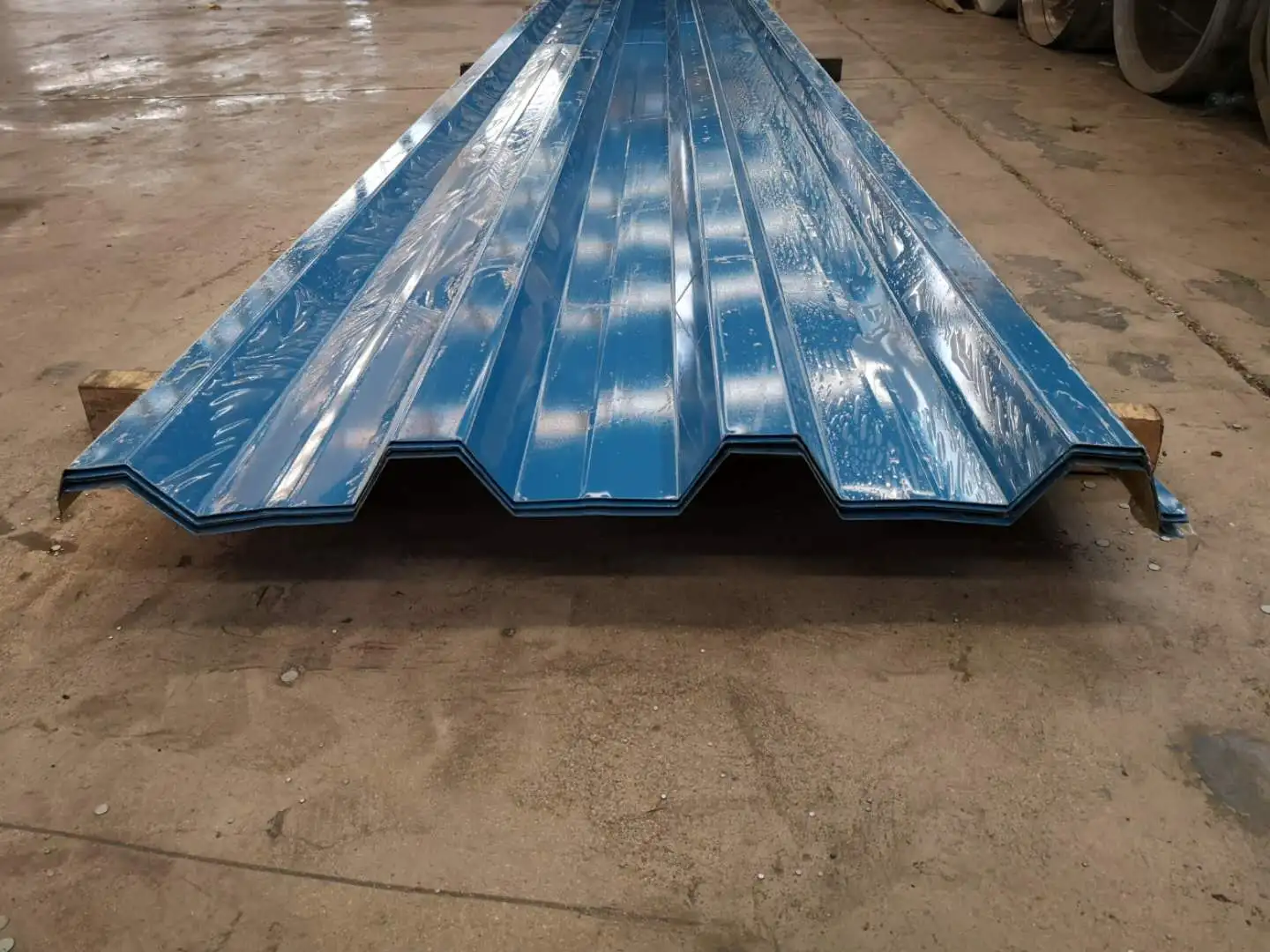
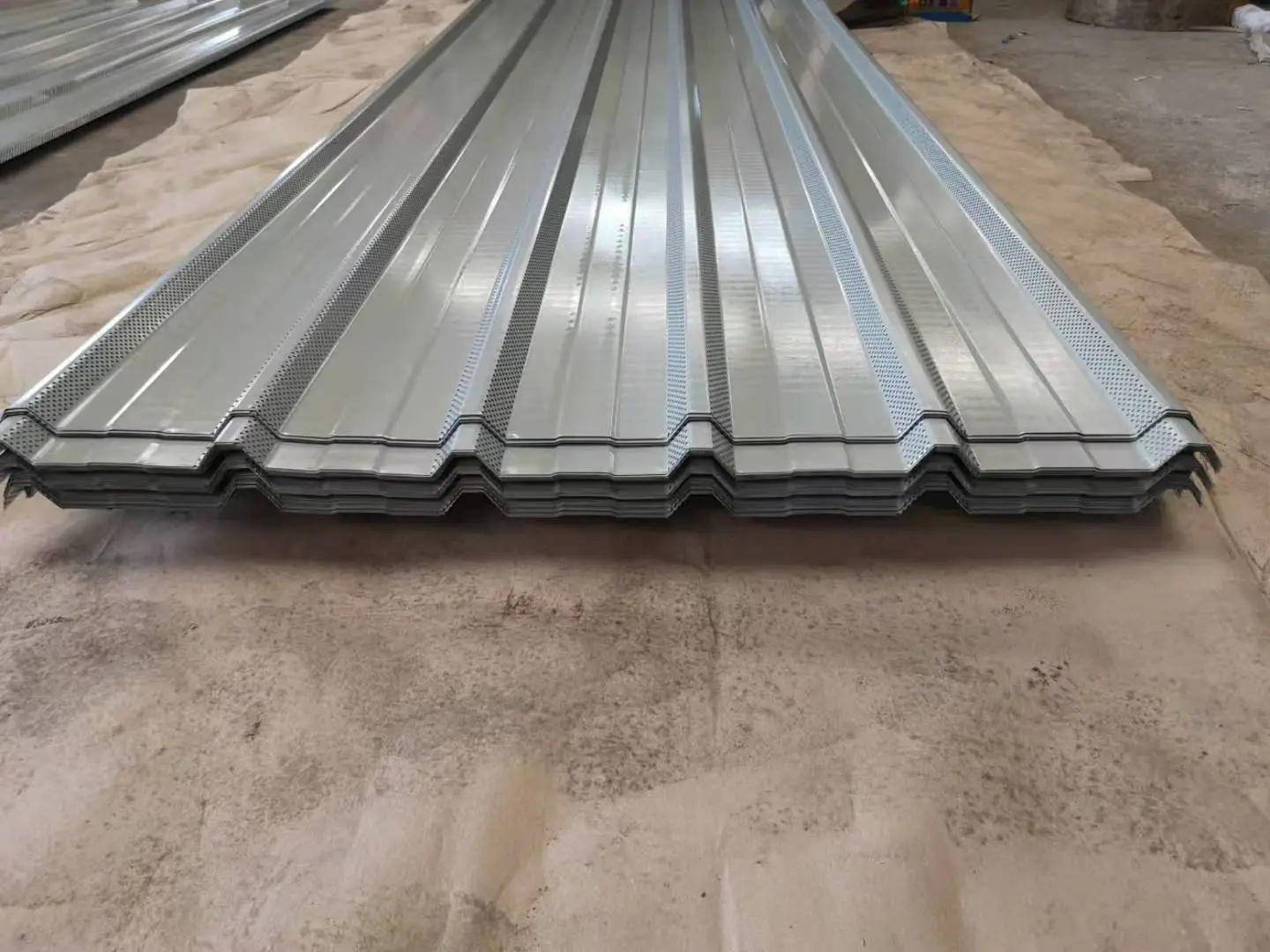
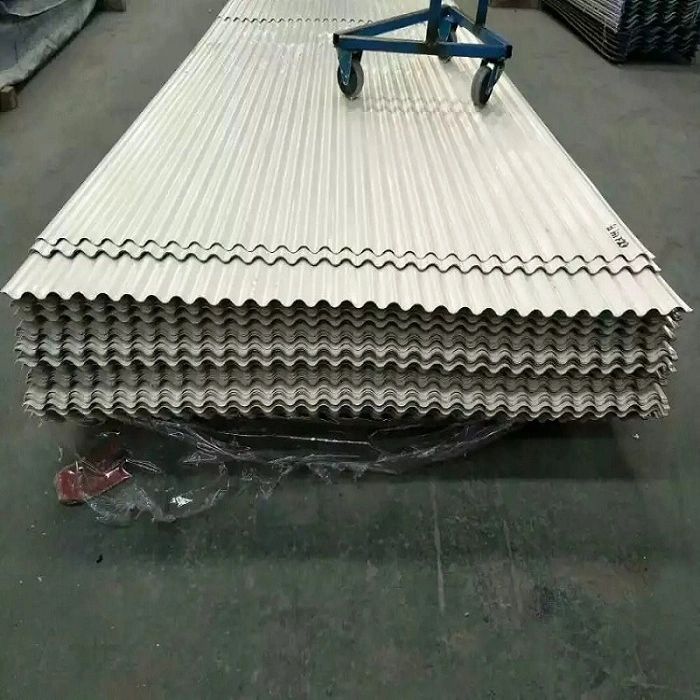
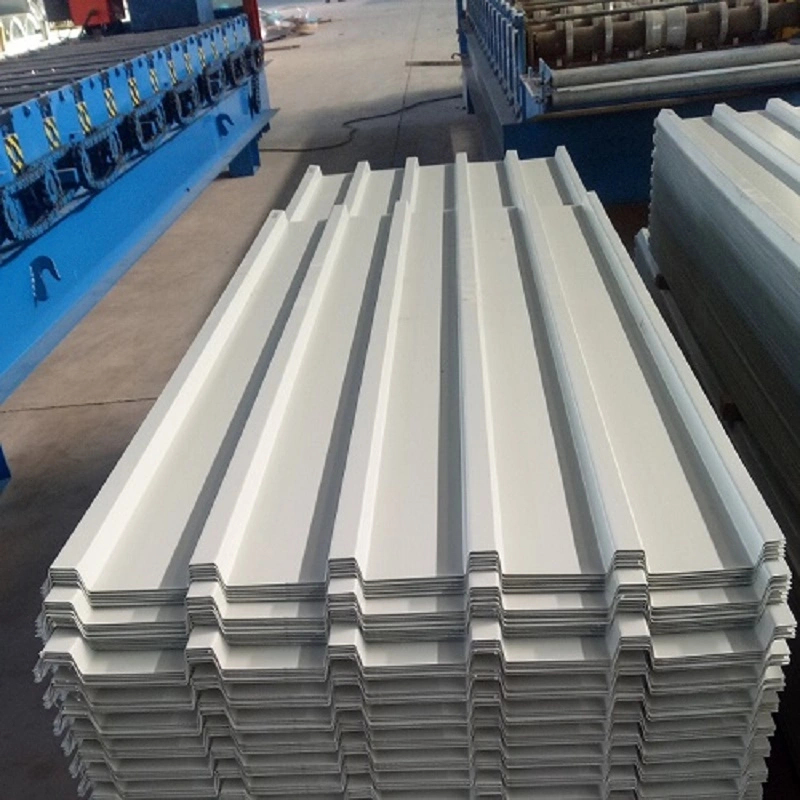
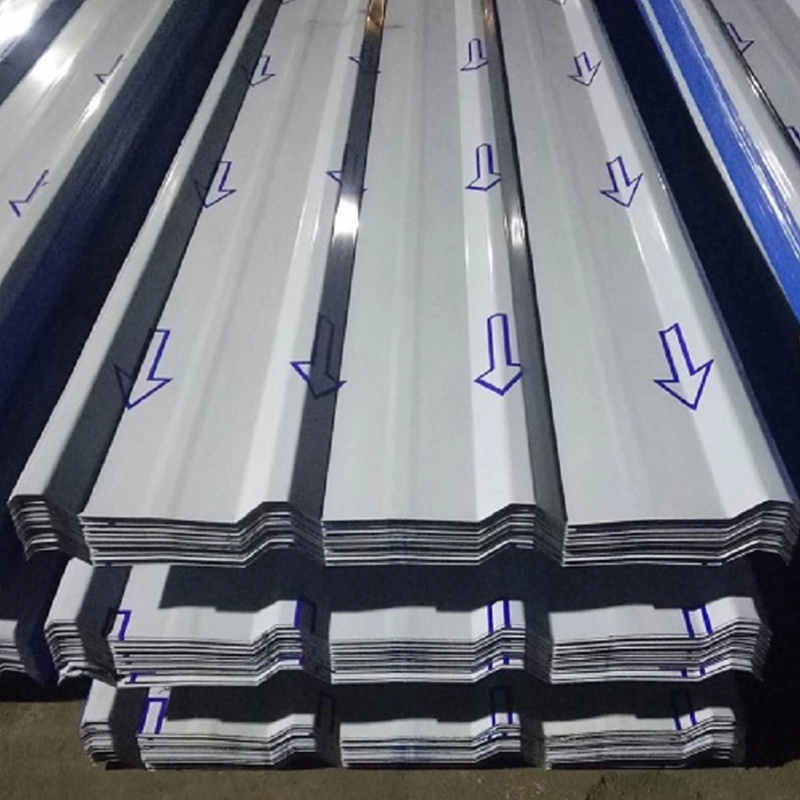
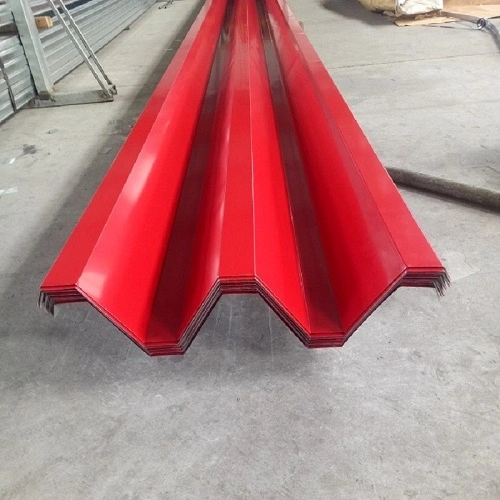
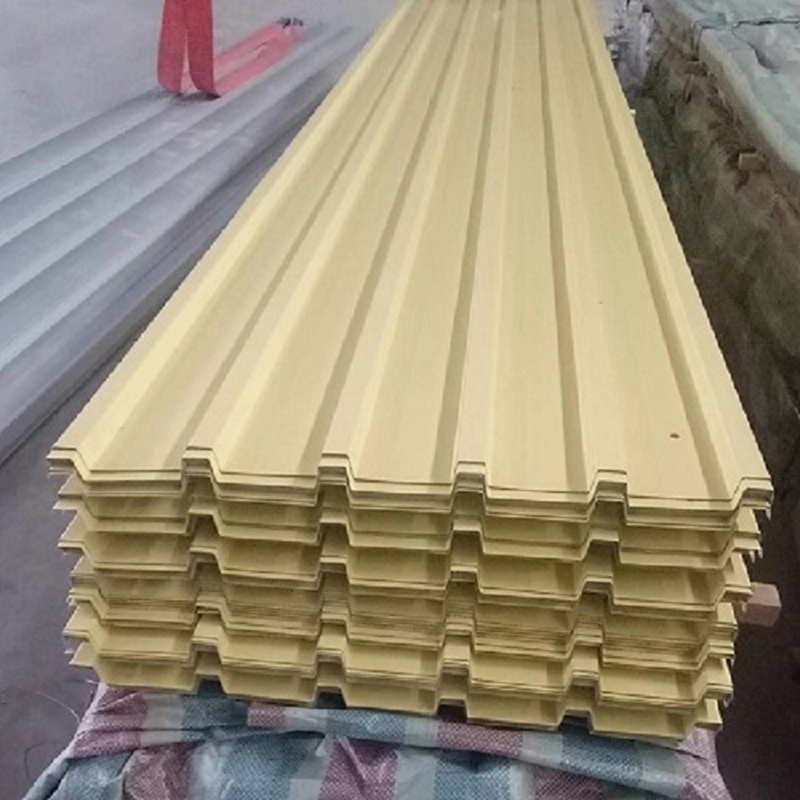
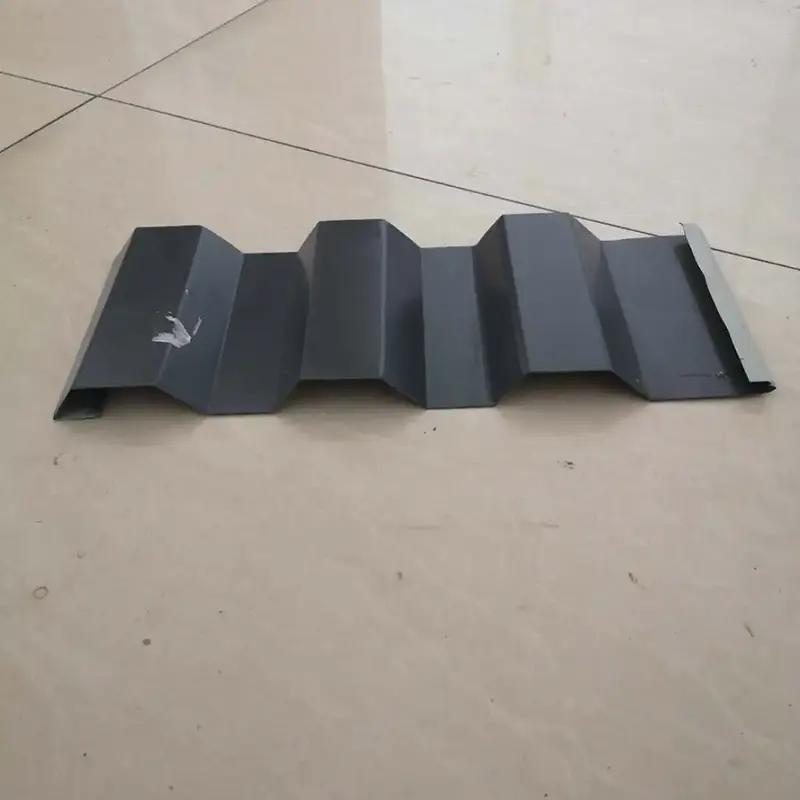
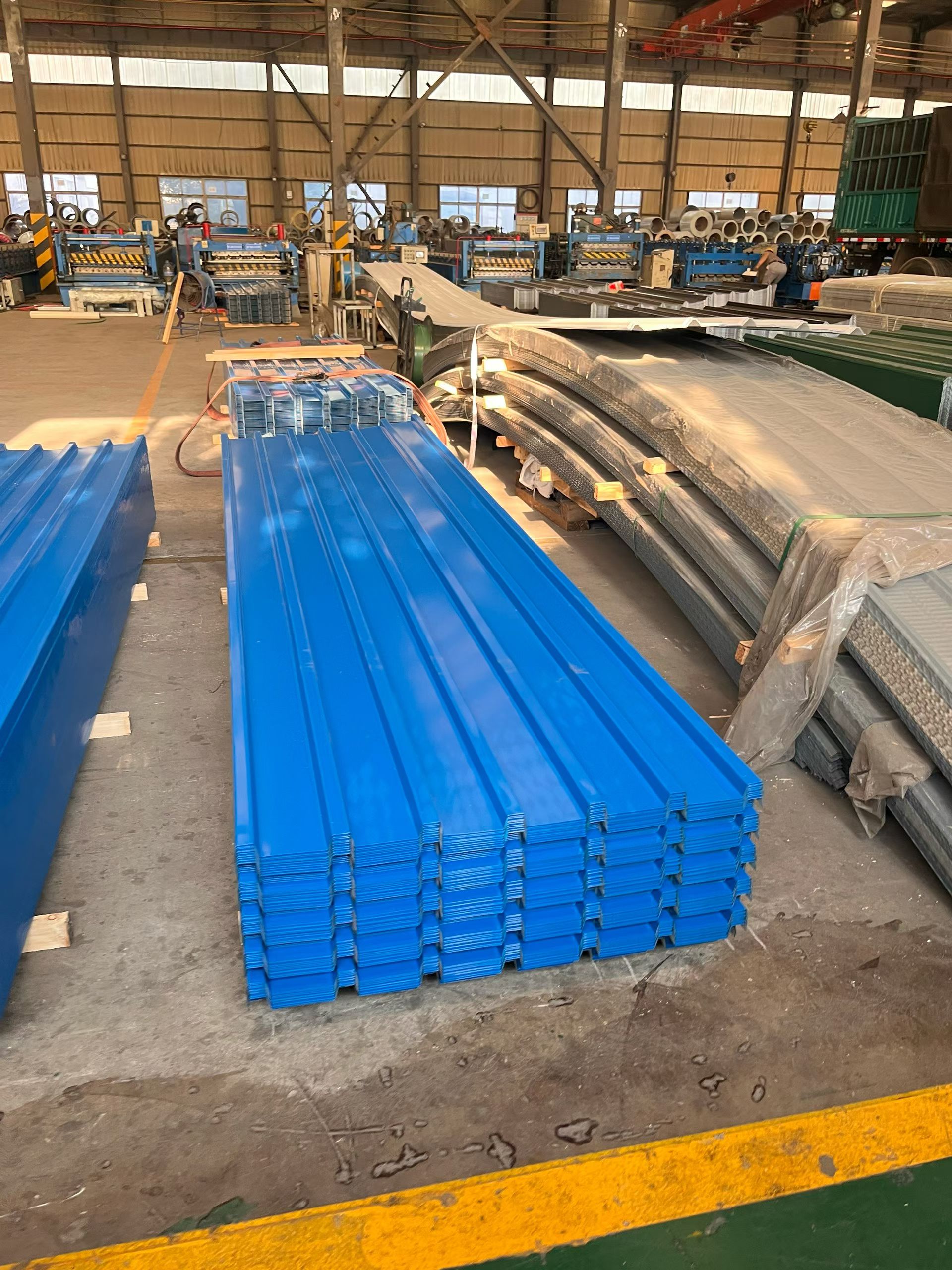
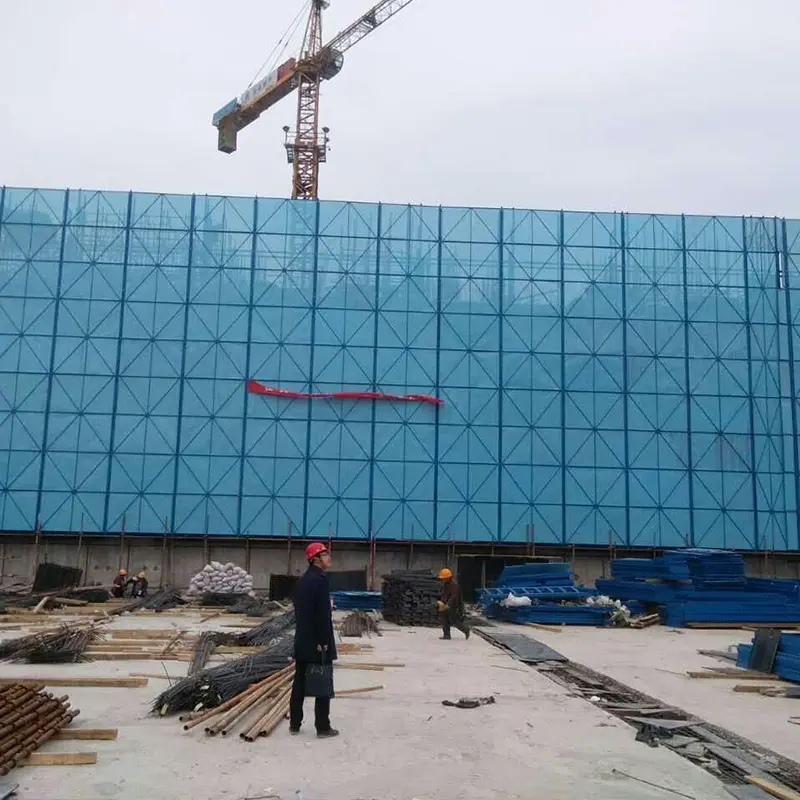
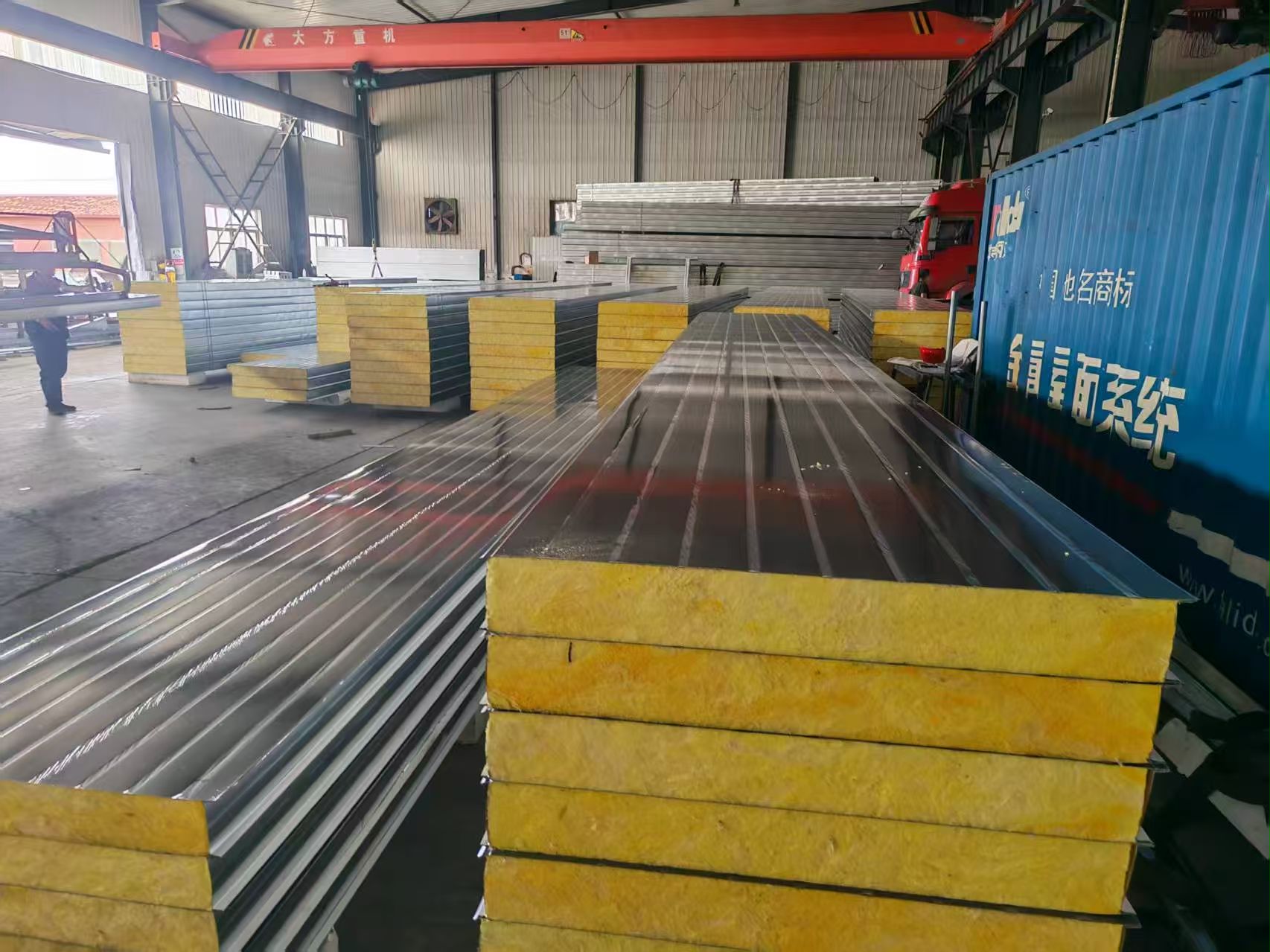
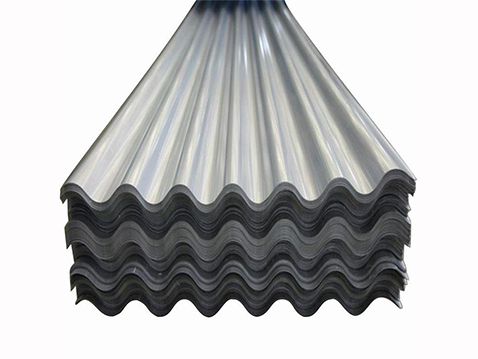
SENBO manufactures Color-coated Profiled Steel Sheet in thicknesses of 0.4–1.6 mm, combining a durable coated surface with a corrugated profile for improved rigidity. Lightweight, easy to install, and available in various colors, it suits roofing and wall systems for industrial plants, airports, and sports facilities. Custom specifications and bulk orders are supported.
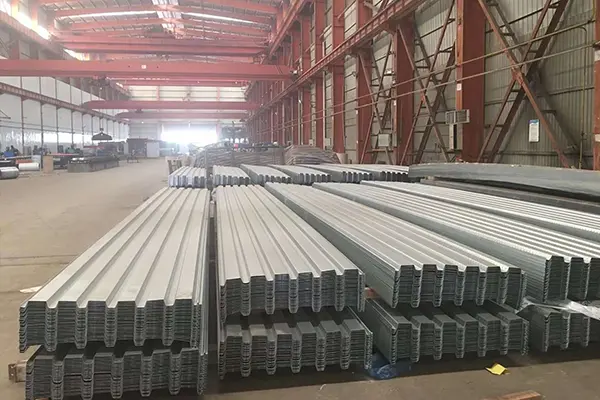
Color-coated Profiled Steel Sheets are produced by cold-roll forming color-coated steel coils into corrugated profiles. They serve as roofing, wall cladding, and interior or exterior decoration for industrial buildings, warehouses, and large-span steel structures. Each sheet consists of a steel substrate providing mechanical strength, a metallic coating acting as a corrosion barrier, and an organic coating that supplies weather resistance and appearance. SENBO operates multiple roll-forming lines for these profiles, with in-house checks on profile geometry, coating thickness, and base metal grade.
Base Material and Coating
The raw material is cold-rolled or hot-rolled steel strip, typically supplied in a 1000 mm width series. Yield strength grades include 250 MPa, 280 MPa, 320 MPa, 350 MPa, and 550 MPa. The coating structure complies with GB/T 12754. A common configuration uses two layers of topcoat on the front side and one layer on the back. Polyester (PE) or fluorocarbon (PVDF) coatings are selected according to the required weather resistance. The specific coating type is confirmed at the time of order.
Product Specifications
Common thicknesses range from 0.4 mm to 1.6 mm. Roofing and wall cladding typically use 0.5 mm to 0.6 mm minimum, while important building exteriors should not be less than 0.6 mm. Load-bearing floor decking may require thicknesses up to 2 mm or 3 mm. Corrugation heights range from 10 mm to 200 mm. For unstiffened sections, the height-to-thickness ratio should preferably be kept below 200. Effective width depends on the profile. Widely used profiles include YX35-125-750 (35 mm rib height, 750 mm effective width), Jiaochi 760 (YX51-380-760), and Jiaochi 820.
Technical Specifications
Performance Indicator
Parameter / Specification
Basis or Remarks
Executive Standard
GB/T 12755-2008
Profiled steel sheets for building
Coating Standard
GB/T 12754
Color-coated steel sheets and strips
Common Thickness
0.4–1.6 mm
Roofing minimum 0.6 mm for key buildings
Rib Height Range
10–200 mm
Height-to-thickness ratio preferably ≤200
Yield Strength
250–550 MPa
250 MPa and 350 MPa common; 550 MPa for snap-lock profiles
Profiled color steel sheets weigh between 6 kg/m² and 10 kg/m², which is significantly lower than traditional concrete or masonry cladding. Yield strength ranges from 250 MPa to 550 MPa, providing good diaphragm stiffness and load capacity. At the Huangshi Daye Special Steel main workshop, YX114-333-666 profiled roofing sheets with a base metal thickness of 0.8 mm were installed over an area of 13,200 m² for the BC span alone, confirming suitability for large industrial roofs.
2. Construction Efficiency
The product supports both factory prefabrication and on-site roll forming. At the Anhui Chaolong Optoelectronics factory project, vehicle-mounted roll-forming machines produced sheets on site, allowing immediate installation and preventing transport damage. Articulated boom lifts assisted with positioning, raising installation efficiency by 70% and reducing high-altitude manual work by 60%. The project covered more than 76,000 m². For the enclosed storage shed at the Yugang Material Yard in Lanzhou, the largest-span tubular truss structure in Northwest China, roof panels used 0.6 mm thick high-strength hot-dip galvanized steel with a colored profiled finish. Long-span installation reduced the number of roof overlaps.
3. Weather Resistance and Corrosion Protection
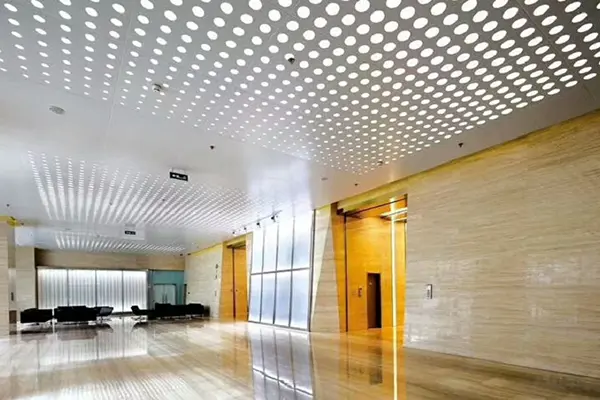
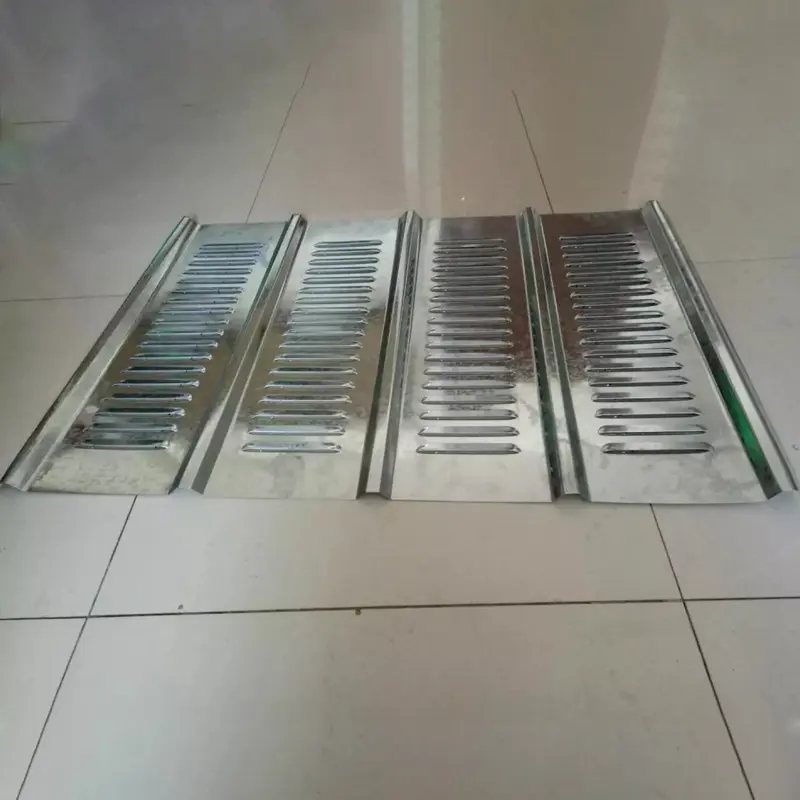
The exterior coating provides self-cleaning properties and long-term weather resistance. Coating systems can be adjusted to match corrosive environments. For hot-dip galvanized substrates, a double-sided coating weight of at least 90 g/m² per side is standard unless otherwise specified. For aluminum-zinc alloy substrates, the minimum is 50 g/m² per side. When the bottom sheet of a composite roof functions as a perforated sound-absorbing panel, hole size and spacing must be determined by acoustic design.
4. Structural Safety and Standards
GB/T 12755-2008 specifies material selection, profile configuration, technical requirements, dimensional tolerances, and quality inspection for profiled steel sheets. To avoid visible color variation, it is advisable to order all sheets for a single roof or wall project from the same production batch.
Product Characteristics
Adjustable strength and profile: Yield strength from 250 MPa to 550 MPa and rib heights from 10 mm to 200 mm allow the sheet to match different span and load conditions.
Low dead weight: At 6 kg/m² to 10 kg/m², the sheet reduces structural loads and foundation costs compared with heavier cladding materials.
On-site forming option: Vehicle-mounted roll-forming machines can produce sheets at the construction site, minimizing transport damage and enabling immediate installation.
Coating flexibility: PE and PVDF systems offer different balances between cost and outdoor durability, with coating weights tailored to the environment.
Wide profile range: Common profiles such as YX35-125-750 and Jiaochi 760 cover a variety of architectural and structural needs.
Typical Applications
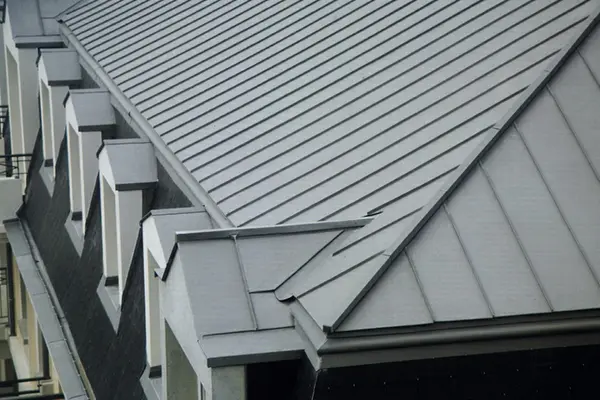
Roof and wall cladding for industrial plants and logistics warehouses.
Large-span public buildings such as airport terminals, stadiums, and exhibition centers.
Steel structure buildings requiring profiled steel sheets according to GB/T 12755-2008.
Composite floor decking, where hot-dip galvanized steel with a minimum thickness of 0.8 mm is recommended.
Installation and Handling Guidelines
Inspect the supporting purlins for alignment before starting sheet installation.
Lift bundles with wide slings to prevent distortion of the ribs.
Cut sheets with shears or nibblers that produce clean edges without damaging the coating.
Use fasteners with washers that match the coating system to avoid galvanic corrosion.
Follow the specified overlap and sealing details at end laps and side laps.
For curved applications, verify the minimum bending radius with the supplier before forming.
Common Questions
How do I choose the right rib height and profile for a roof?
Rib height affects bending stiffness and spanning capability. For short spans, low ribs such as 35 mm may be sufficient. For longer spans or higher loads, deeper profiles such as 51 mm or more are required. The profile should be selected based on span tables and design calculations, not on appearance alone.
What is the minimum roof slope for profiled color steel sheets?
A slope of 2% to 5% is typical for continuous length sheets without end laps. Lower slopes increase the risk of ponding water, which can shorten coating life. Local rainfall intensity and drainage design should also be considered.
Can these sheets be used for curved roofs?
Yes, many profiles can be curved to a large radius by roll-forming or press-braking. The minimum radius depends on the sheet thickness, rib geometry, and coating type. Early coordination with the manufacturer is recommended.
What coating weight is recommended for coastal or industrial areas?
For coastal or corrosive industrial environments, an Al-Zn coated substrate with at least 50 g/m² per side is preferred, and a PVDF topcoat is often specified. In highly aggressive conditions, higher coating weights or additional protective measures may be needed.
Quality Control and Documentation
Suppliers should provide mill test certificates for the base steel and coating thickness records. Profile dimensions and surface condition are checked during production and before shipment. For projects requiring specific wind uplift or structural performance, test reports or calculations can be provided upon request.
Selection Considerations
Confirm the design wind load and span requirements before selecting sheet thickness and profile.
Choose the coating system based on the project's environmental exposure and service life expectation.
Order all sheets for a single elevation or roof plane from the same production batch to ensure color consistency.
Discuss the use of on-site roll forming if transportation or long sheet lengths are a concern.
Send SENBO an inquiry for steel building materials. Request a free quote, sample or bulk order price list. Our sales team responds within 24 hours with factory direct pricing, stock availability and shipping options.
We use cookies to offer you a better browsing experience, analyze site traffic and personalize content. By using this site, you agree to our use of cookies. Privacy Policy