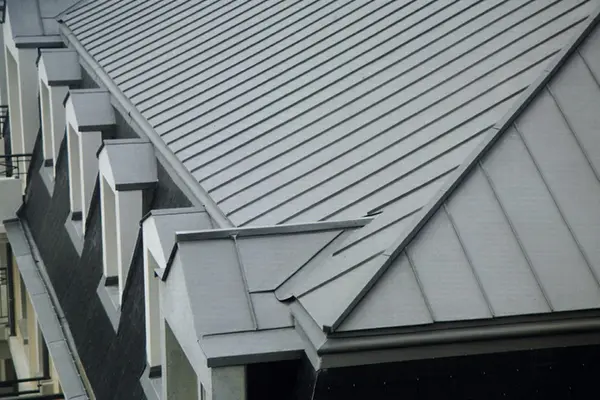
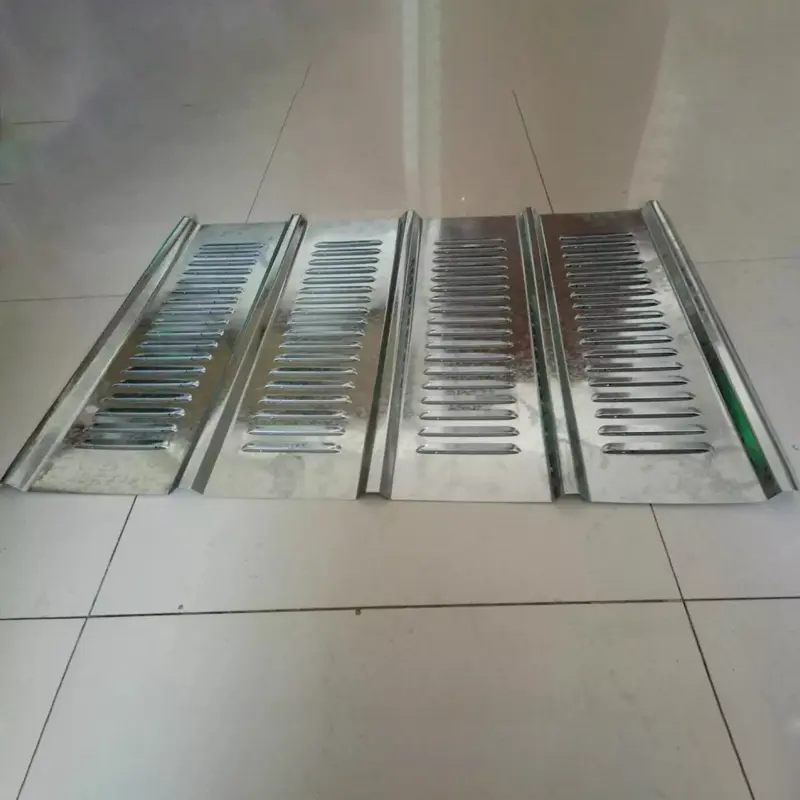
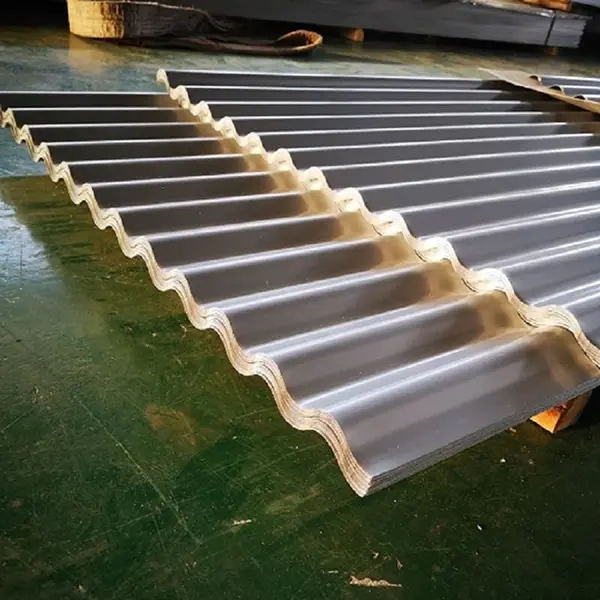
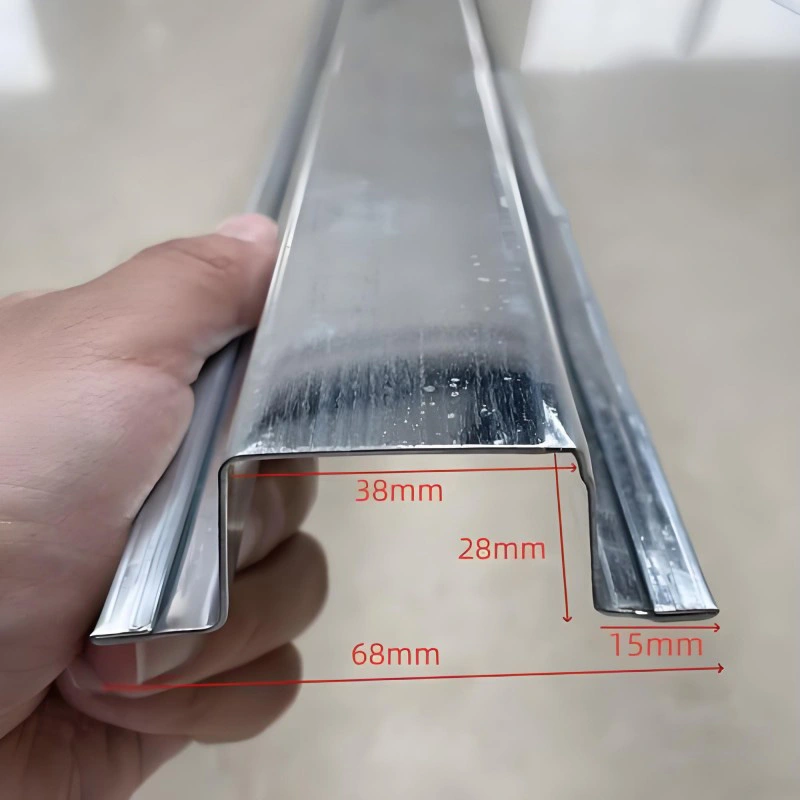
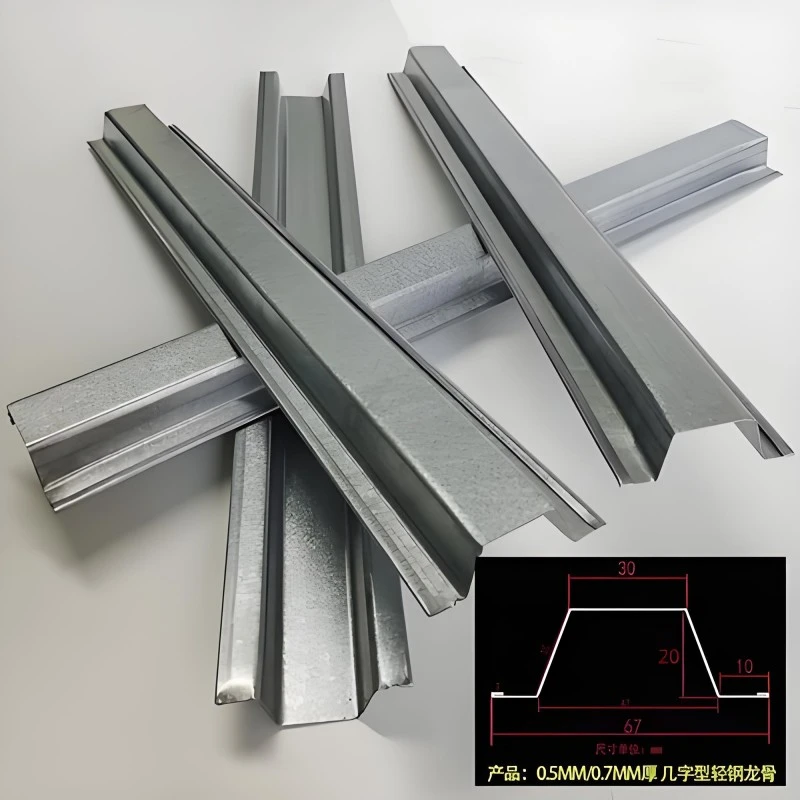
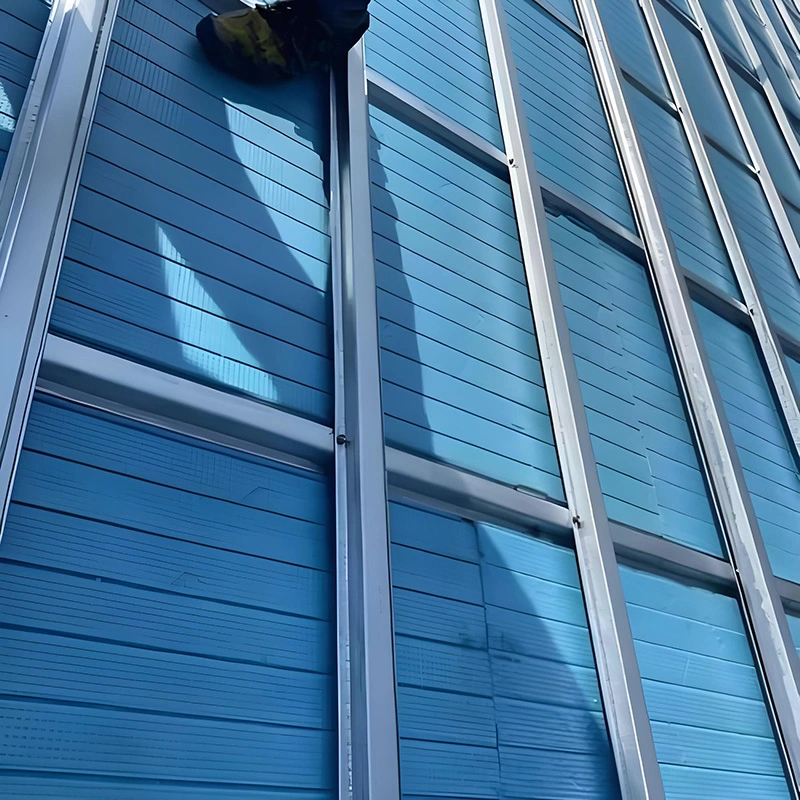
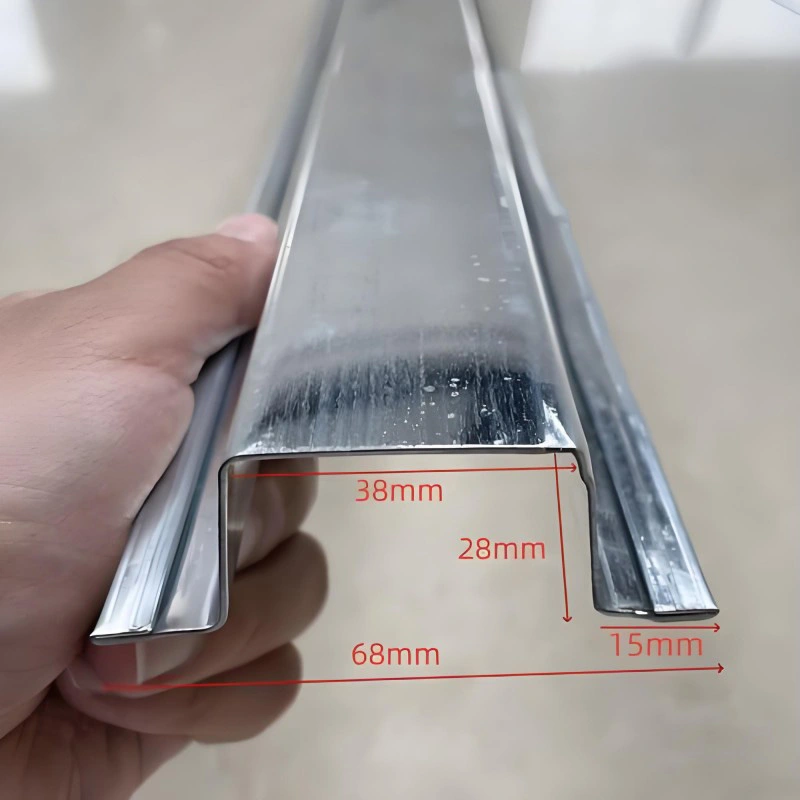
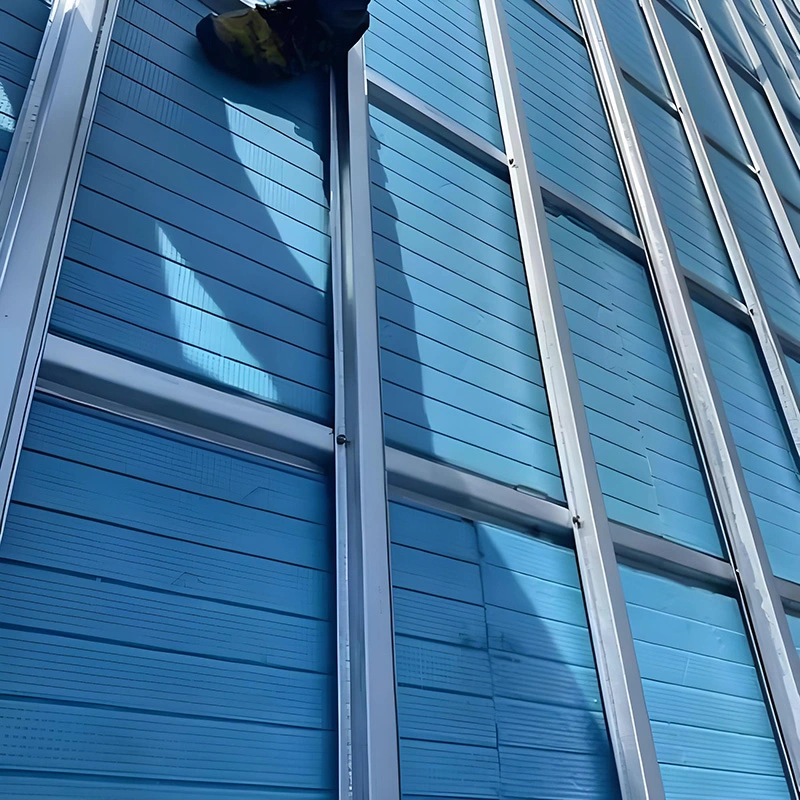
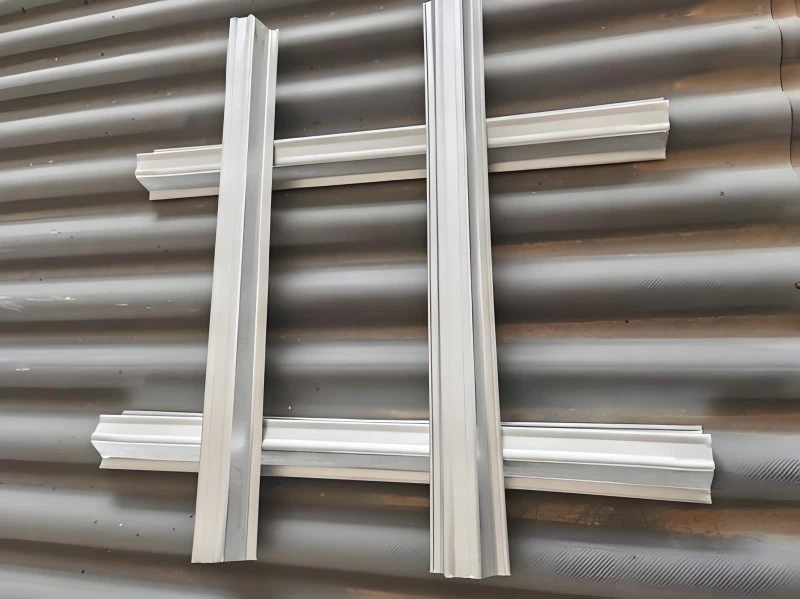
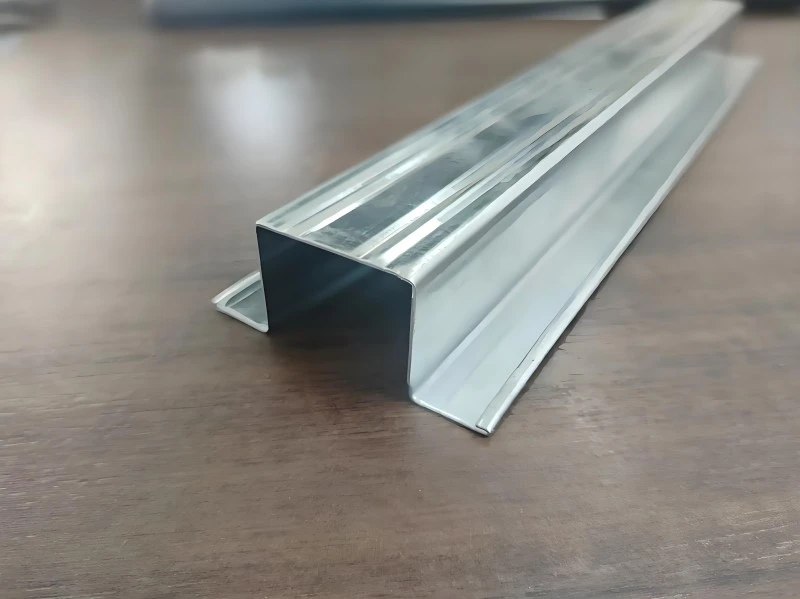
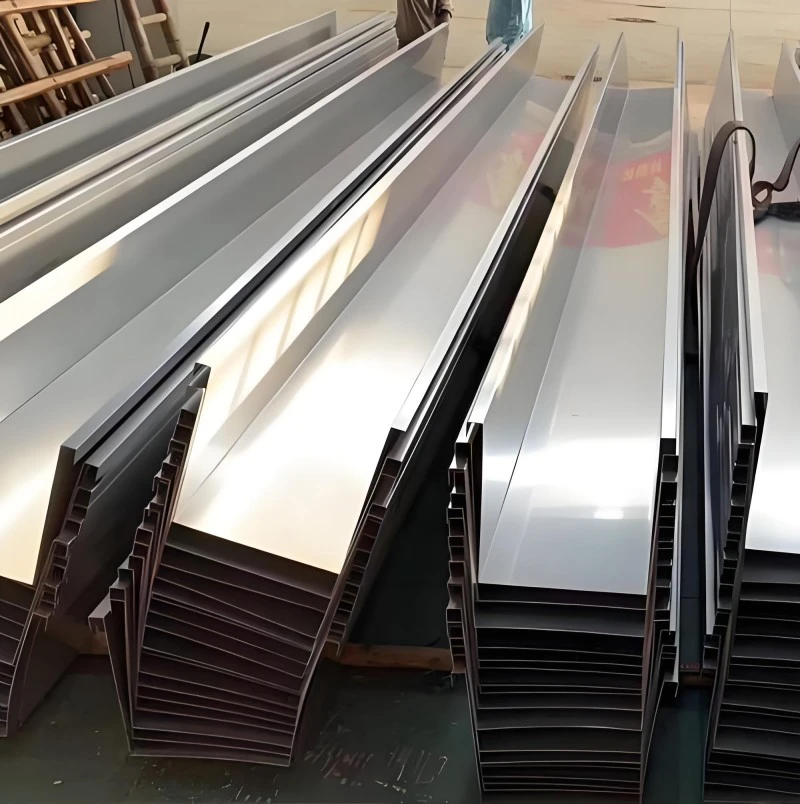
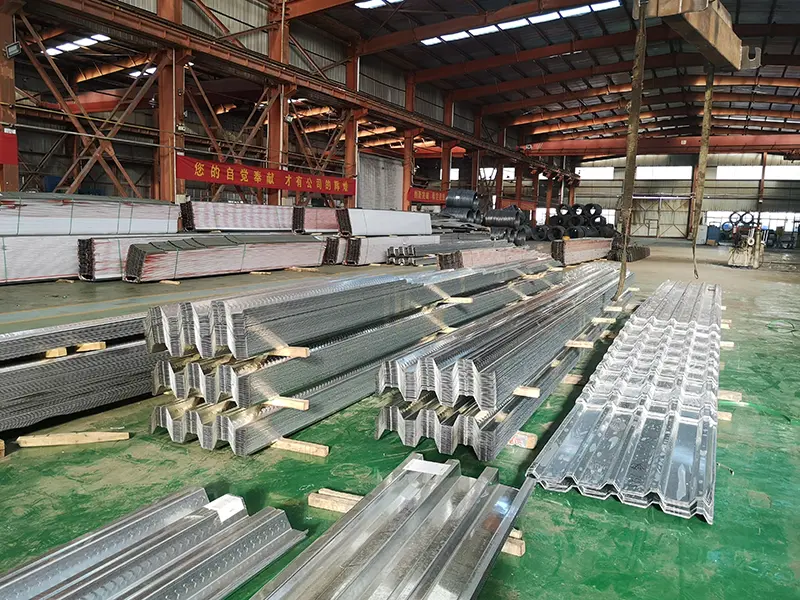
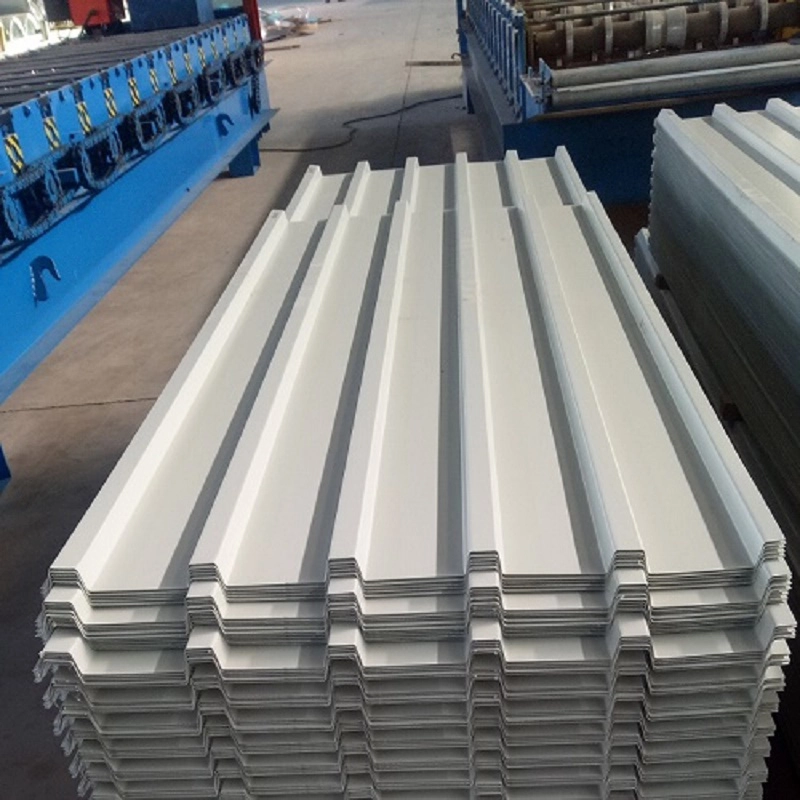
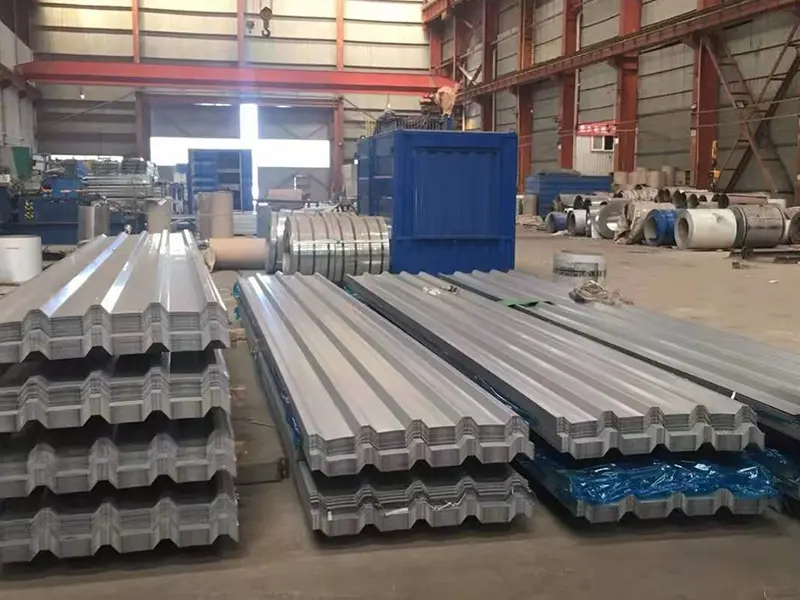
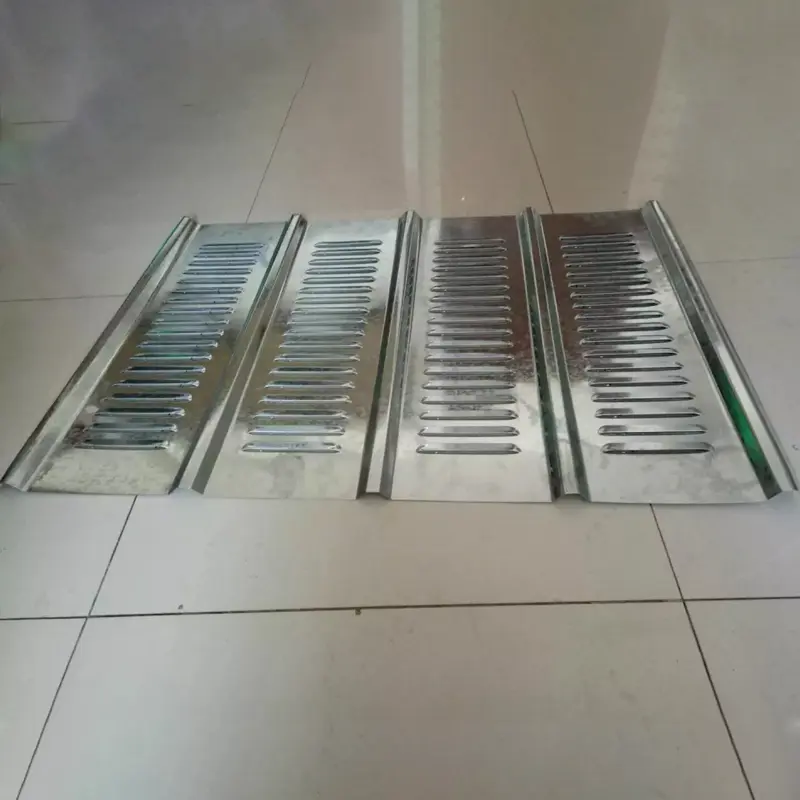
For pitched tile roofs, SENBO Pressure Treated Roofing Battens create a stable framework for securing roofing tiles. Made from galvanized or Al-Zn coated high-strength steel, they resist corrosion, pests, and deformation while replacing conventional wooden battens. Angle, flat, and Omega profiles are available for different roof structures. SENBO supports bulk orders, wholesale supply, and custom specifications.
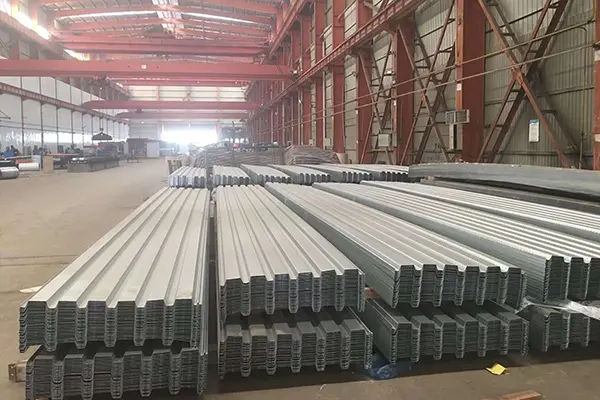
Pressure Treated Roofing Battens made from steel strip serve as the supporting framework for tiles on sloped roofs. They are shaped by cold roll forming and are intended to replace timber battens, which can rot, attract insects, or lose strength over time. SENBO keeps incoming inspection records for strip thickness and coating mass, and the roll forming lines are checked regularly for profile accuracy. The battens are cut to the required length before delivery.
Material and Relevant Standards
The main raw material is Al-Zn alloy coated steel strip in grade G550 with AZ150 coating. The coating contains about 55% aluminium and 43.5% zinc by weight, which gives better protection against corrosion than ordinary galvanized strip. The steel must show a tensile strength of at least 370 MPa, a yield strength of at least 265 MPa, and an elongation after fracture of at least 26%. Salt spray testing follows GB/T 10125-2012, while tensile testing follows GB/T 228.1-2010. A minimum nominal thickness of 0.8 mm applies to metal tile battens in pitched roof work.
Available Shapes and Sizes
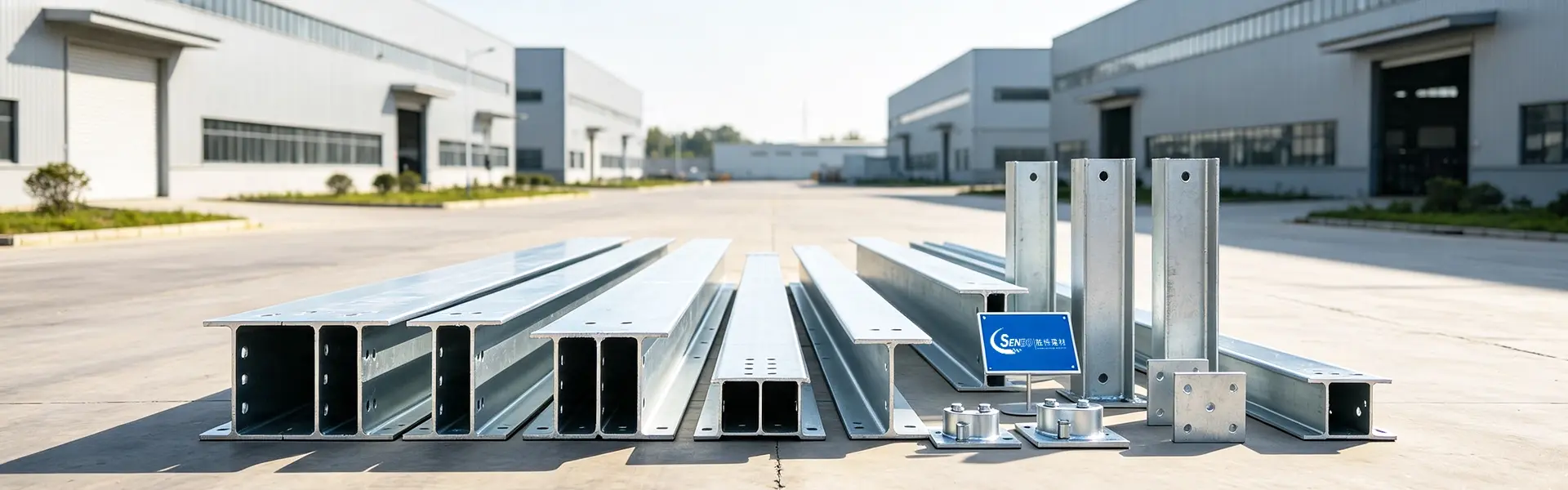
Angle section, for example L30×4 mm, used on steep slopes or where load demands are high.
Flat bar, commonly 25×5 mm.
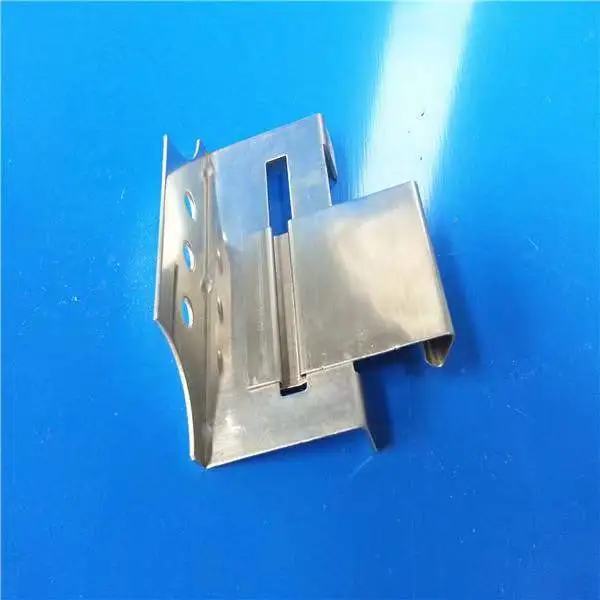
Omega profile, formed from Al-Zn coated strip and fixed with purpose-made brackets and clips.
Hat channel, suitable for lightweight coverings such as stone-coated metal tiles.
Standard pieces are 3 m to 4 m long, but longer lengths can be supplied on request. Pressure Treated Roofing Batten spacing follows the effective cover of the tile and usually falls between 300 mm and 370 mm. The applied coating is at least 85 μm thick. Coloured finishes in polyester or PVDF can be added if the design requires a specific appearance.
Key Data Table
Property
Value
Basis or Comment
Steel grade and coating
G550, AZ150 (Al-Zn)
Also galvanized strip available
Tensile strength
370 MPa minimum
From material certificate
Yield strength
265 MPa minimum
From material certificate
Elongation after fracture
26% minimum
From material certificate
Coating thickness
85 μm minimum
Applied finish
Minimum base thickness
0.8 mm
Pitched roof requirement
Common profiles
Angle, flat, omega, hat channel
Chosen by tile type and load
Standard length
3–4 m
Longer lengths possible
Typical spacing
300–370 mm
Based on tile cover
Test standards
GB/T 10125-2012, GB/T 228.1-2010
Corrosion and tensile tests
Evidence from Completed Roofs
Load Behaviour on Steep Slopes
The batten system was load tested on a project with roof pitches between 45° and 60°. At the Minquan County Senior High School new campus, L30×4 mm galvanized angle battens were set at 340 mm centres beneath 300×400 mm sintered tiles. Wind forces pass through the tiles into the battens by copper wire ties and mortar, then into the main frame via counter-battens welded to embedded plates. Pull-out tests confirmed the assembly met the design wind load. Battens made from G550 Al-Zn coated steel are also used on large roofs such as airport terminals and stadiums, where long-term stiffness and coating durability are required.
Corrosion Performance
Salt spray testing on AZ150 coated battens shows a marked improvement over ordinary galvanized strip. The combination of aluminium and zinc in the coating provides sacrificial protection and slows rust creep at cut edges. The minimum 85 μm organic finish adds a further barrier in humid roof spaces.
Resistance to Biological Attack
Timber battens in warm, damp climates can be damaged by termites and fungal decay. Steel battens do not support insect activity and do not absorb moisture. This property makes them suitable for southern coastal regions and areas with high termite pressure. Records from large public buildings show Al-Zn steel battens remaining in service for more than 30 years without replacement.
Steep Roof Construction Method
At the Minquan project, the total floor area reached 255,000 m² and the roof pitch ranged from 45° to 60°. The construction sequence started with counter-batten levelling, followed by batten fixing, then tile setting with double-strand copper wire ties and polymer mortar bonding. This approach stopped tiles from sliding on the steep surface and kept the roof watertight. The same sequence can be adapted to other steep pitch buildings.
Notable Features
Strength and stiffness are consistent along the length, unlike timber which can vary with grain and knots.
The metallic coating and optional painted finish give long-term protection in damp or coastal air.
Cutting and fixing are quick. Pre-cut lengths reduce on-site work and waste.
Steel battens are fully recyclable and avoid the need for chemical wood preservatives.
Several cross-sections are produced to suit clay, concrete, metal, and stone-coated tiles.
Where the Product Is Used
Pitched roofs on houses, clubs, and low-rise apartments.
Large-scale public roofs such as terminals, sports halls, and exhibition buildings.
Steep roofs at 45° and above, and locations with high wind suction.
Buildings in humid or termite-active regions where timber is not suitable.
Tile fixing on steel-framed roofs.
Site Guidance
Before fixing battens, check the roof plane for level. Use counter-battens to correct uneven substrate.
Fix battens with the bracket or clip specified for the profile. Avoid over-tightening, which can distort the section.
Align each course with a string line. Small errors multiply across the slope and affect tile coverage.
Treat cut ends with a zinc-rich or compatible touch-up paint to restore corrosion protection.
For steep slopes, secure tiles with wire ties or adhesive as shown on the approved drawing.
Questions Raised by Contractors
How does metal batten life compare with treated timber?
Treated timber can last many years, but its performance depends on preservative retention and exposure. Steel battens with AZ150 coating do not rot or split and are not affected by termites. In coastal or high-humidity locations, steel is often the more predictable choice.
Which batten shape is right for a particular tile?
The tile manufacturer's installation guide normally states the required batten section and spacing. Angle and flat sections are common under heavy clay or concrete tiles. Omega and hat profiles are lighter and often used with metal or composite tiles. Confirm compatibility before ordering.
Can the battens be used with photovoltaic roof tiles?
PV tiles have specific mounting and load requirements. The batten profile and spacing must be checked against the PV tile manufacturer's instructions. Additional fixings or reinforced battens may be needed to carry the extra weight and wind load.
What coating weight is best for a seaside project?
AZ150 is usually the minimum for marine exposure. In very aggressive salt-laden air, a heavier coating or stainless steel may be required. The atmospheric corrosivity category should be determined first, then matched to the available coating options.
Quality and Documentation
Before production starts, the steel strip mill certificate is reviewed for grade, coating mass, and mechanical properties. Dimensional checks during forming cover thickness, profile depth, and straightness. For larger contracts, samples can be sent for independent salt spray or tensile testing. Delivery inspection should confirm length, profile, and absence of coating damage.
Items to Confirm Before Ordering
Roof pitch and design wind load, to select the correct section and thickness.
Tile type and required batten spacing, as given by the tile maker.
Corrosion category of the site, which controls the coating choice.
Connection method to the main roof structure, including counter-batten or bracket details.
Transport length limits, which may affect whether battens are supplied in long or standard lengths.
Hot Tags: pressure treated roofing battens, treated roof battens, roofing battens for sale
Send SENBO an inquiry for steel building materials. Request a free quote, sample or bulk order price list. Our sales team responds within 24 hours with factory direct pricing, stock availability and shipping options.
We use cookies to offer you a better browsing experience, analyze site traffic and personalize content. By using this site, you agree to our use of cookies.Privacy Policy