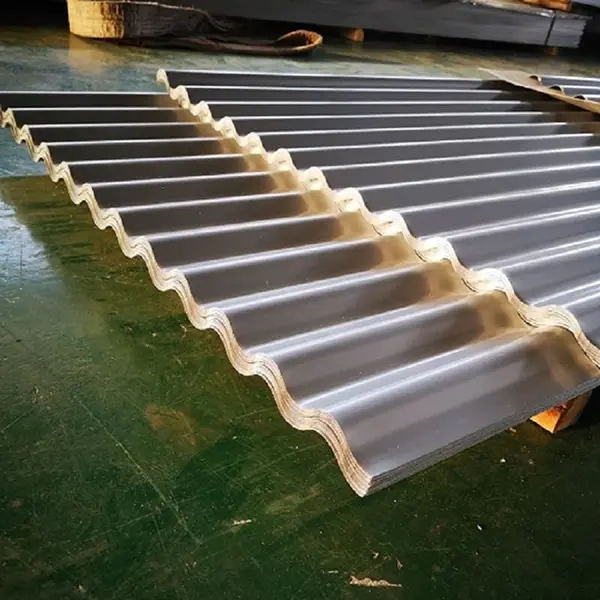
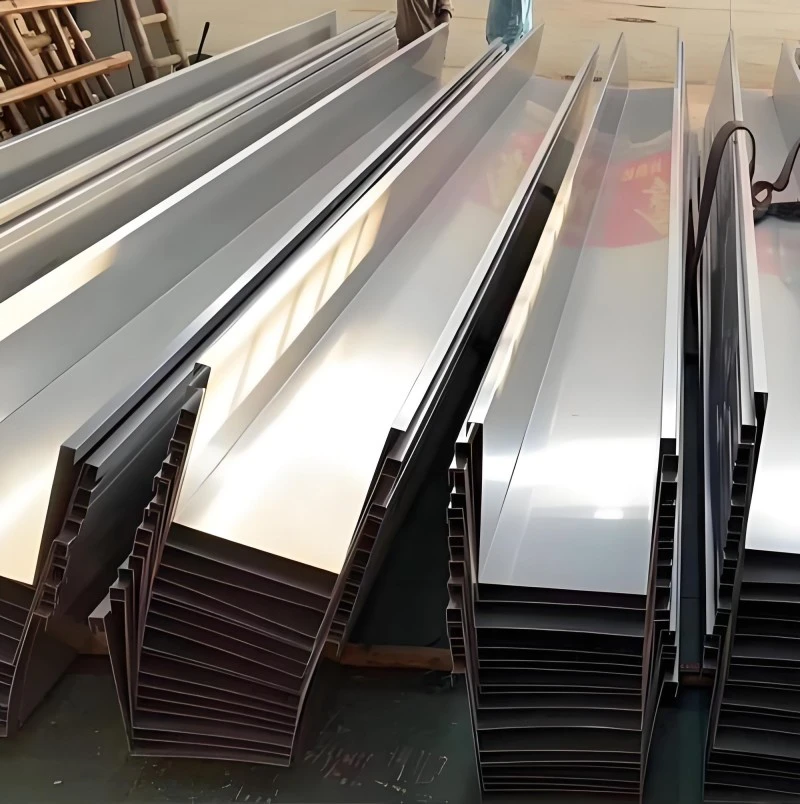
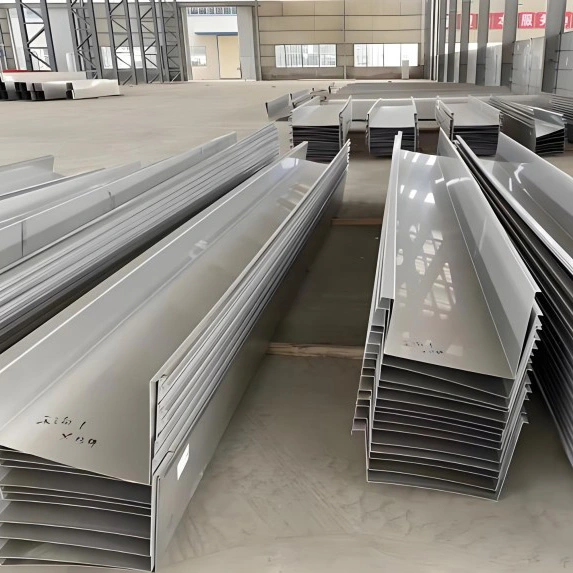
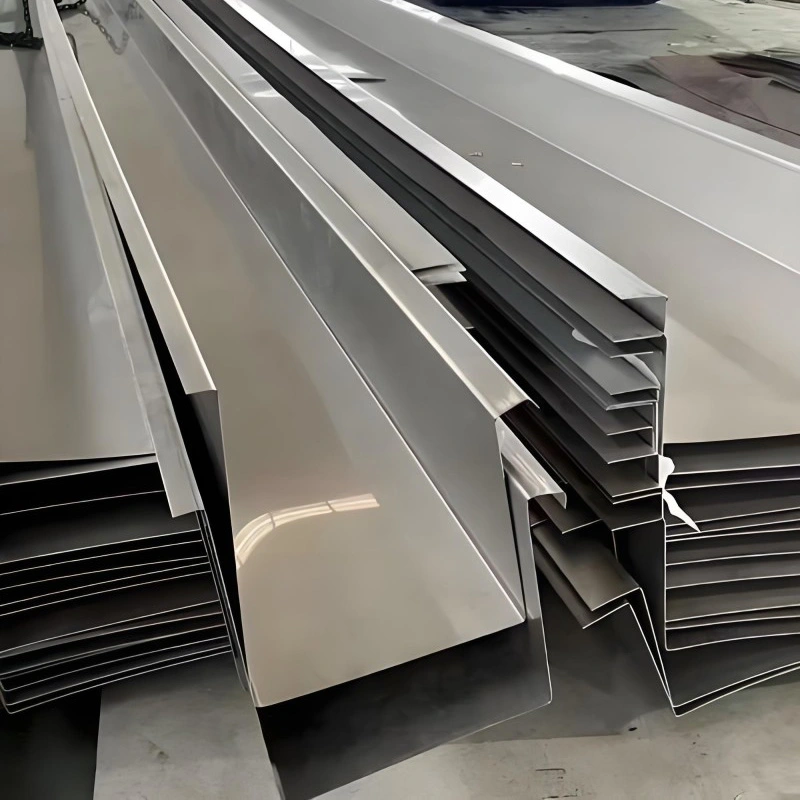
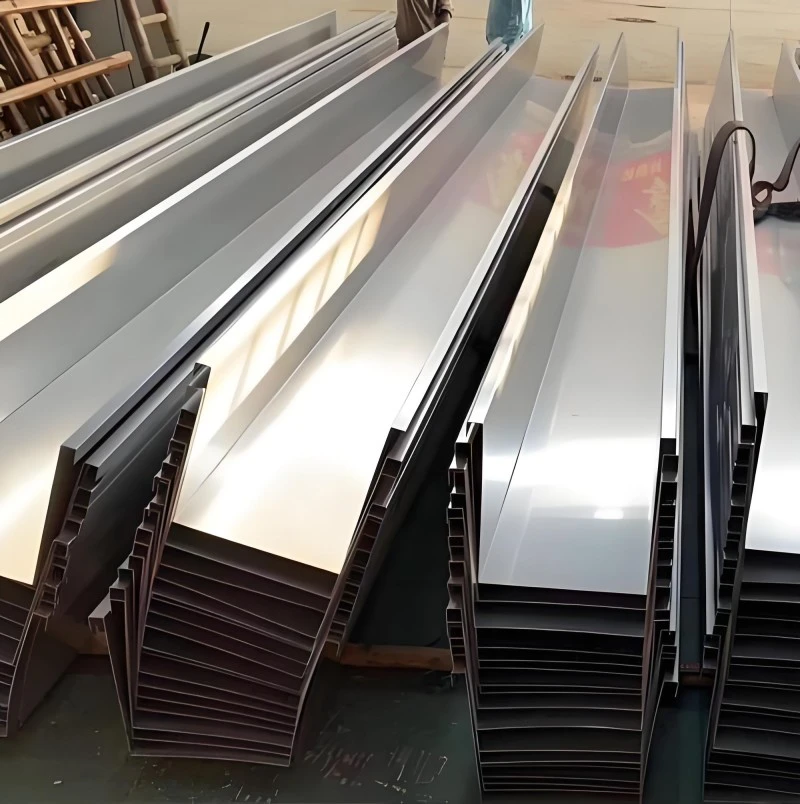
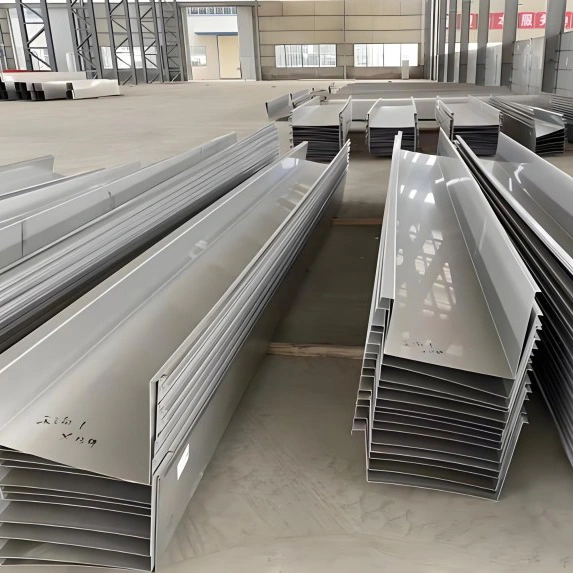
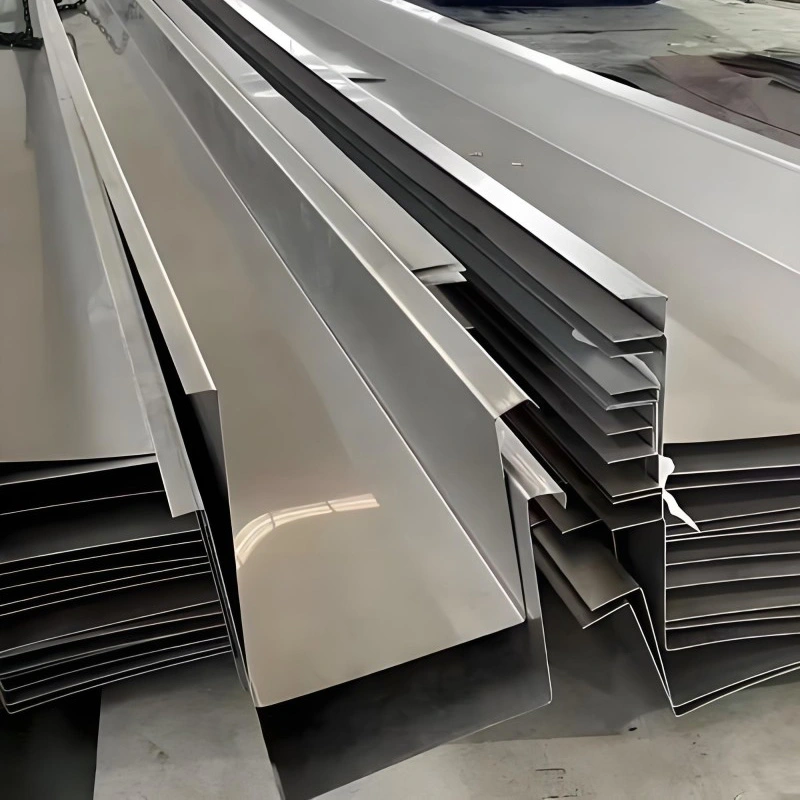
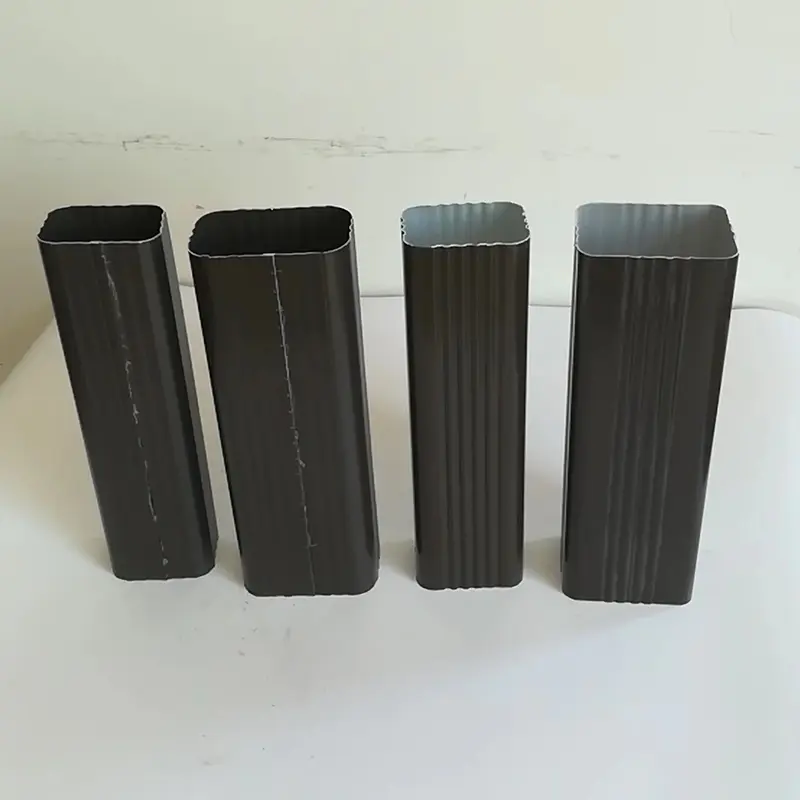
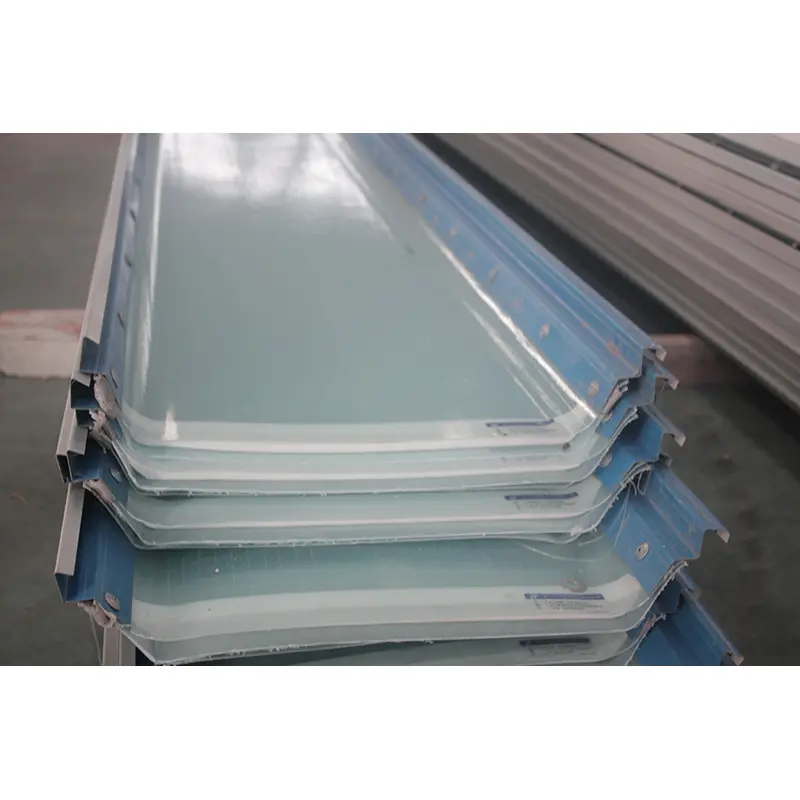
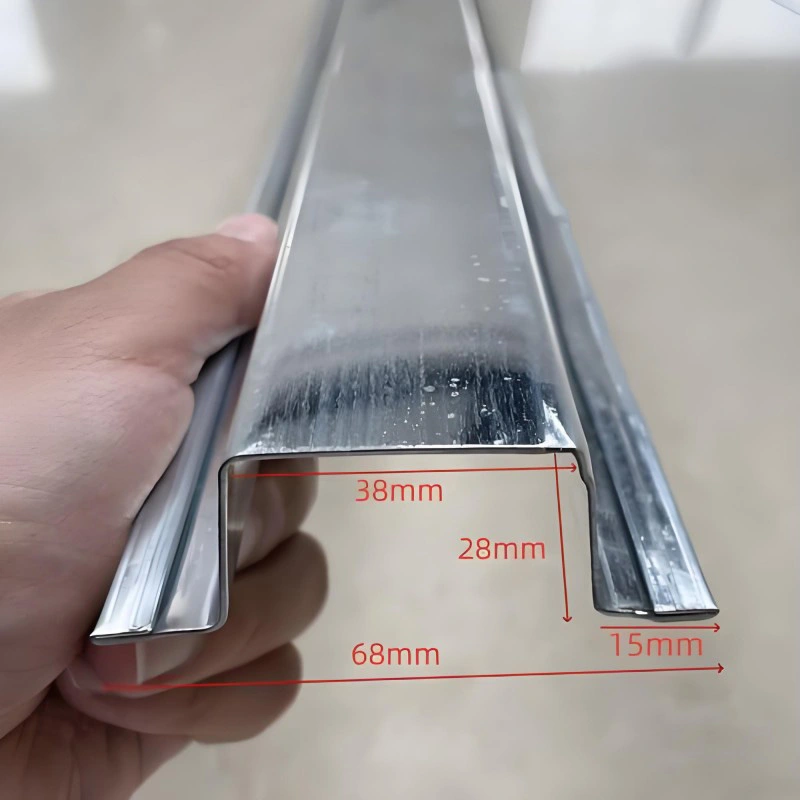
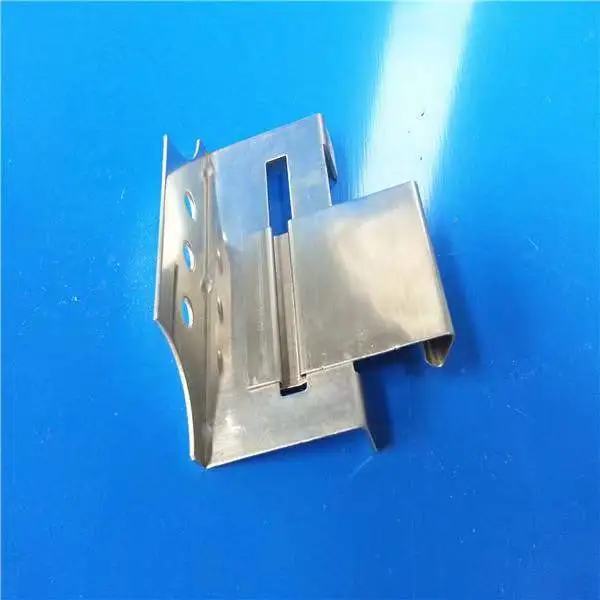
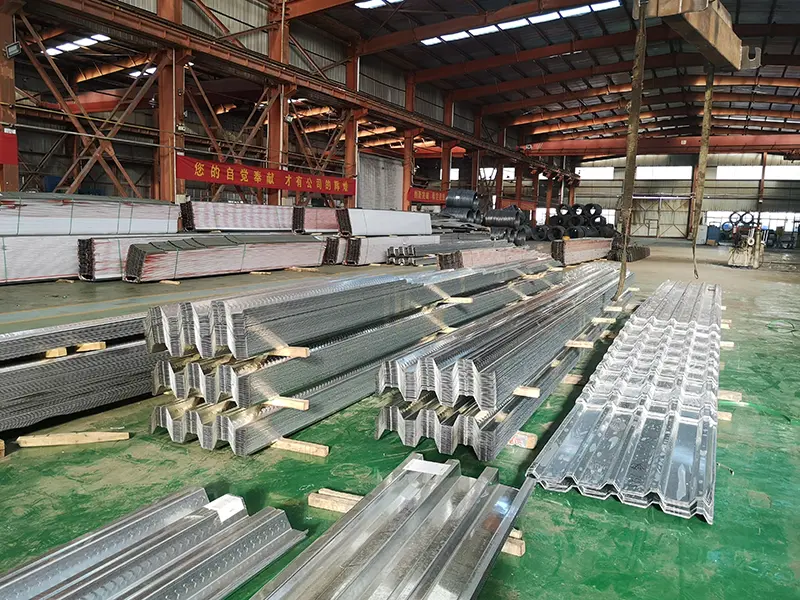
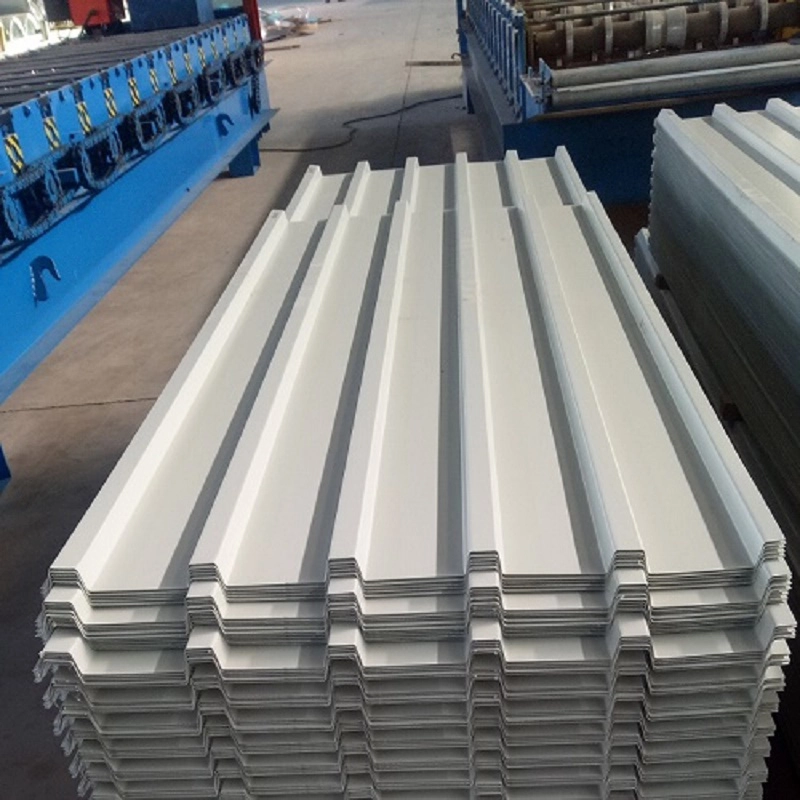
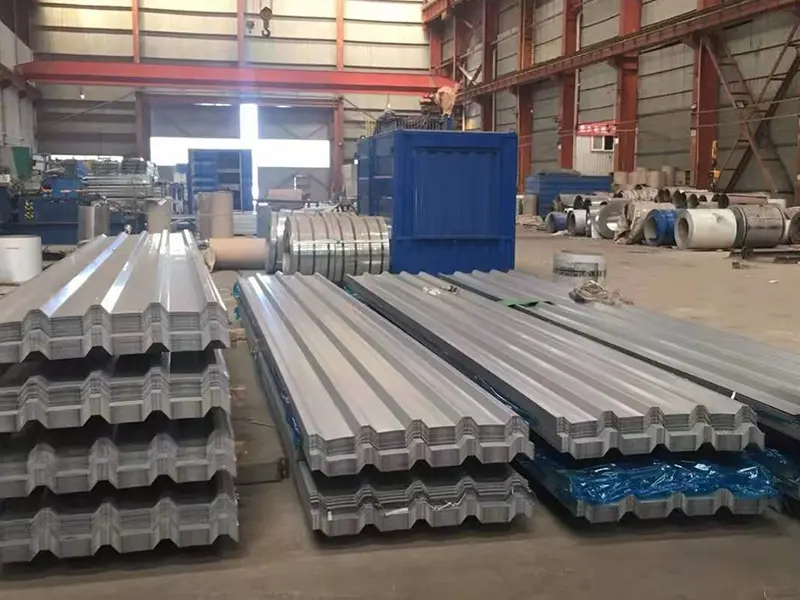
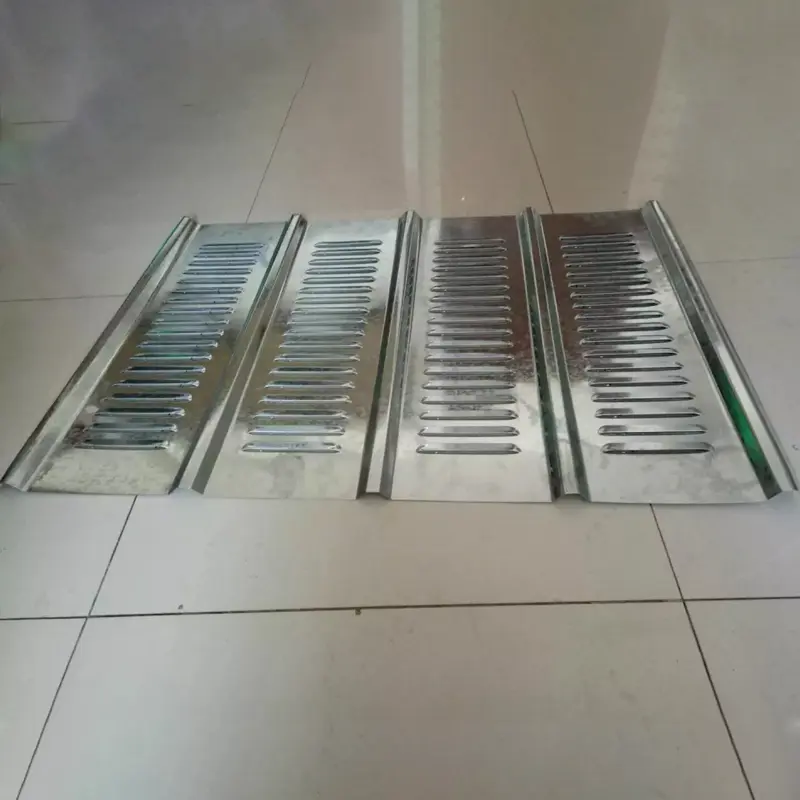
SENBO Stainless Steel Gutters are made from durable 304 stainless steel, offering strong corrosion resistance and reliable performance for industrial, commercial, and coastal buildings. With typical thicknesses of 1.0–3.0 mm, they provide an effective solution for organized roof drainage. SENBO offers wholesale supply, bulk orders, and customized gutter sizes for project requirements.
Roof drainage depends on gutters placed at the low points of the roof to collect rainwater and carry it to downpipes. The Stainless Steel Gutter is classified by location. Internal gutters sit inside the outer wall line and usually work with a parapet wall. External gutters extend beyond the exterior wall and are typically used on buildings without a parapet. This classification follows GB 51022-2015, the technical code for light-weight buildings with gabled steel frames. SENBO fabricates these gutters in a controlled shop environment, with bending and welding completed before delivery. Each piece is checked for width, height, flange size, and straightness before packaging.
The base material is 304 stainless steel as standard. Grades 201 and 316L can be specified when project conditions require a different balance of cost and corrosion resistance. GB 51022-2015 sets a minimum sheet thickness of 1.0 mm for internal gutters made from 304 stainless steel. If another material is substituted, it must receive a reliable anti-corrosion treatment. Plain steel plate gutters must be at least 3.0 mm thick. The national standard atlas 24CS08-1 offers further guidance on selecting and installing drainage accessories.
Dimensions and Fabrication
Thickness ranges from 0.5 mm to 3.0 mm depending on design load and corrosion exposure. Cross-sections are usually rectangular or trapezoidal, with a base width of 0.3 m to 0.5 m and a height of 0.25 m to 0.4 m. Top flanges provide a secure attachment surface. Gutter sections can be made from 1 m to 14 m long. CNC bending holds straightness to 0.3 mm per 1000 mm and angular tolerance to ±0.5 degrees across the full length. Surface finishes include 8K mirror, matte, and brushed.
Parameter Table
Item
Value
Notes
Governing code
GB 51022-2015
Light-weight building steel structure code
Design atlas
24CS08-1
Drainage accessory selection and installation
Material
304 as standard; 201 or 316L available
304 mandated for internal gutters
Minimum thickness
1.0 mm for internal gutters
Code requirement
Shape
Rectangular or trapezoidal
Custom sizing possible
Length
1–12 m standard; up to 14 m on request
Fewer site joints with longer sections
Precision
Straightness 0.3/1000 mm; angle ±0.5°
CNC bent
Overflow outlet
50–100 mm below top edge
Required for internal gutters
Longitudinal slope
At least 5‰
Ensures water flow
Field Experience and Code Compliance
Code-driven Design Rules
GB 51022-2015 specifies that the gutter cross-section may be rectangular or trapezoidal. Internal gutters must include overflow outlets placed 50 mm to 100 mm below the upper edge. All joints must be sealed, and the roof panel must extend into the gutter. Where rainwater enters the gutter from the roof surface, additional waterproofing is mandatory. These requirements create a clear design and installation baseline.
Replacement Projects in Industrial Buildings
At the Shantui Construction Machinery joint workshop, the original gutter system was replaced with 304 stainless steel troughs. Downpipes were connected at the rainwater siphon outlets to keep drainage paths clear. The project demonstrates a typical retrofit scenario where the existing gutter had reached the end of its service life and a stainless steel replacement was chosen for durability.
Public Building Drainage Repair
The Agricultural and Sideline Products Exhibition Center in Huangtan Town, Ninghai County, required gutter replacement after the original system was damaged. About 85 meters of new stainless steel gutter were installed. The specified material was 1.2 mm thick 304 stainless steel, with a height of 0.3 m, base width of 0.35 m, and a 0.05 m top flange. The project illustrates how stainless steel gutters are used to restore drainage function in existing buildings.
Coastal Environment Performance
At the Fangchenggang Gangchen International Hotel, water leakage in the lobby portico was traced to corroded carbon steel gutters. The repair used 1.2 mm thick 304 stainless steel plates, welded on site. The high-humidity, high-salinity coastal atmosphere had caused the original material to rust. After replacement, the drainage issue was resolved. This case supports the use of 304 stainless steel in salt-laden air and similar corrosive settings.
Installation and Freeze Protection
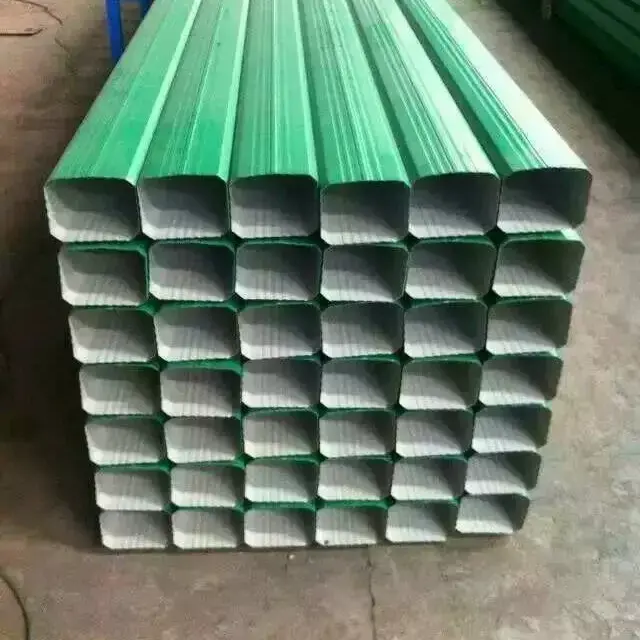
Installation must account for freezing conditions. In cold regions, internal gutters and downpipes need insulation or heat tracing. External gutter systems are preferred in such climates because they are easier to protect from ice blockage. The longitudinal slope must be at least 5‰, and downpipes must be firmly attached to the wall or structural frame. CNC-bent sections reduce field joints and help maintain dimensional accuracy during installation.
Fabrication and Installation Guidelines
Decide between internal and external gutter layout based on the building design and local climate.
Choose the stainless steel grade according to the atmospheric corrosion level. 316L is better for severe marine or chemical environments.
Maintain a gutter slope of at least 5‰ along the full run.
For internal gutters, confirm that overflow outlets are located and sized correctly, and keep them clear of debris.
Use qualified stainless steel welding procedures. Clean heat-affected zones after welding to prevent localized corrosion.
Inspect gutter joints and roof panel entry points for sealing before the roof is completed.
Questions Often Raised by Project Teams
When is an internal gutter required instead of an external one?
Internal gutters are common on buildings with parapet walls or where the architectural design hides the drainage from view. External gutters are simpler to install and maintain. The choice is usually made by the architect and structural engineer based on the facade design and climate.
What makes 304 stainless steel the standard for internal gutters?
Internal gutters are difficult to access after construction, so the material must resist corrosion without maintenance. The code requires 304 stainless steel with a minimum thickness of 1.0 mm because it offers a proven balance of corrosion resistance, strength, and cost.
How are long gutter runs joined on site?
Sections are typically welded or sealed with stainless steel connectors. Welding provides a continuous watertight joint when done correctly. Mechanical joints with sealant are also used, but they require more careful installation and periodic inspection.
What finish is most practical for stainless steel gutters?
Brushed and matte finishes are often preferred because they hide minor scratches and surface marks better than mirror finishes. Mirror finishes are more reflective and can show water stains more readily, but they are sometimes chosen for visual effect.
Receiving and Verification
Each delivery should be checked against the material certificate, which must confirm the stainless steel grade and sheet thickness. Dimensional verification covers width, height, flange size, and straightness. For welded sections, confirm that the welding procedure is qualified and that welders hold valid certifications. Inspect the surface finish for scratches, dents, or other damage that may have occurred during transport.
Points to Confirm Before Ordering
Determine the gutter layout type and confirm the cross-section dimensions with the structural drawings.
Select the stainless steel grade based on the site's corrosion category.
Verify that the sheet thickness meets the minimum required by the governing code for internal gutters.
Plan the gutter slope and support spacing so that water flows steadily toward the downpipes.
For long runs, consider the temperature range and whether expansion joints are needed.
Confirm surface finish requirements and expected delivery length before production begins.
Send SENBO an inquiry for steel building materials. Request a free quote, sample or bulk order price list. Our sales team responds within 24 hours with factory direct pricing, stock availability and shipping options.
We use cookies to offer you a better browsing experience, analyze site traffic and personalize content. By using this site, you agree to our use of cookies.Privacy Policy