Tianjin SENBO Building Materials Technology Co., Ltd.
Products
FRP Daylighting Panels
  • FRP Daylighting PanelsFRP Daylighting Panels

FRP Daylighting Panels

SENBO is a professional manufacturer and supplier of FRP daylighting panels. Light transmission 75–88%, thickness 0.8–3.0 mm, B1 fire rating. Meets GB/T 14206-2015. Widely used in industrial plants, greenhouses, and public buildings. Custom sizes and OEM available; contact for factory prices and samples.

SENBO Building Materials supplies FRP daylighting panels as part of its building envelope product range. These panels are used in steel-structure roofs and walls where natural lighting, corrosion resistance, and compatibility with metal cladding are required.

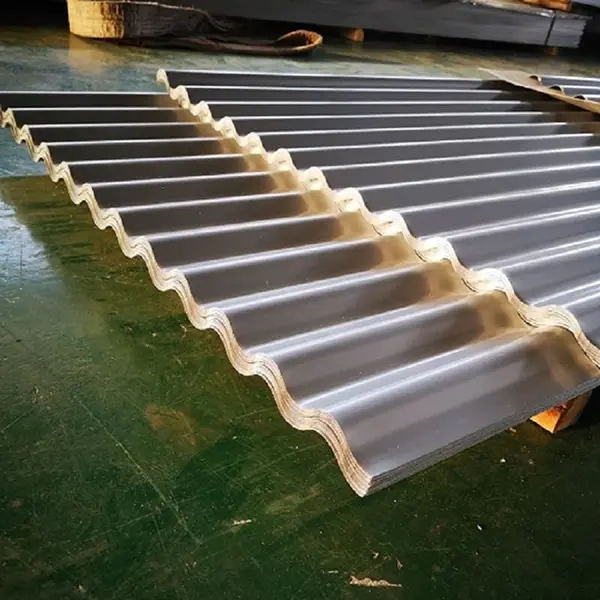
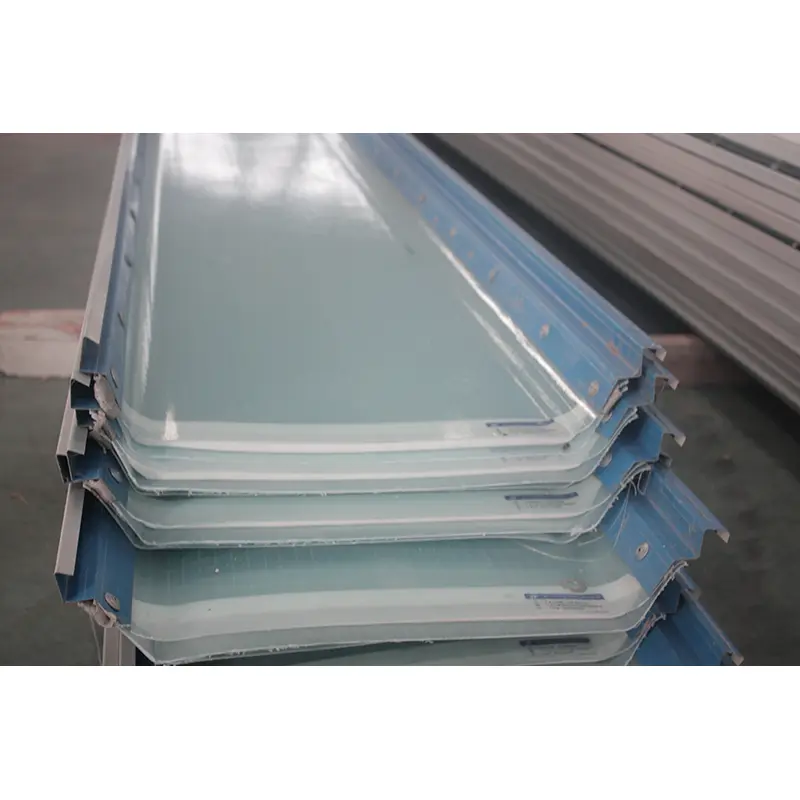
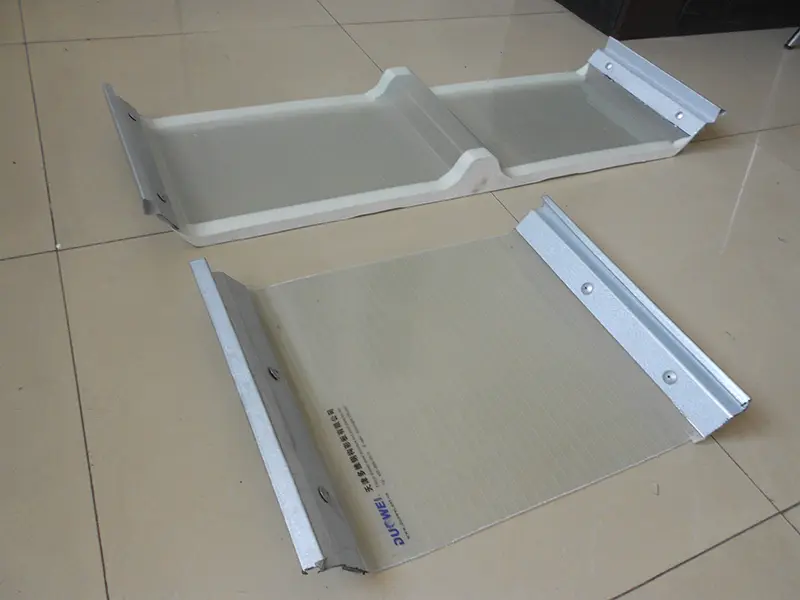
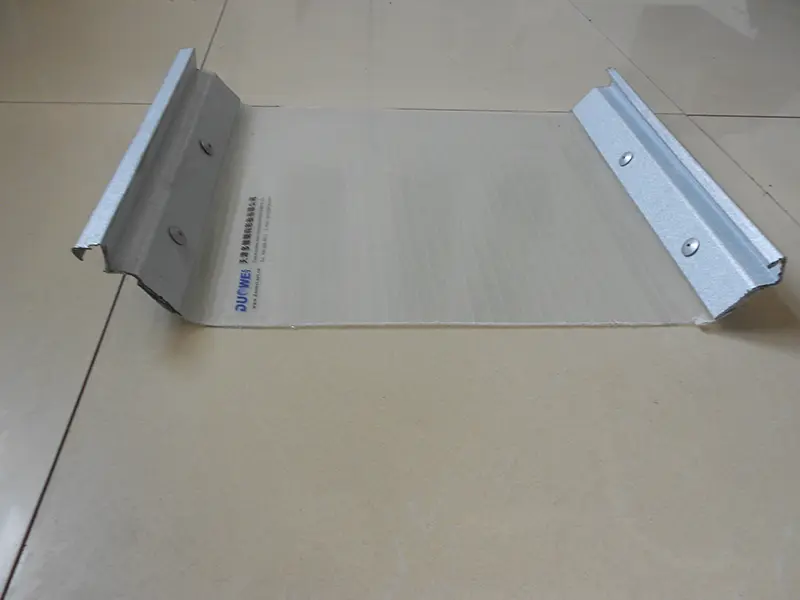
Daylighting panels, also known as FRP daylighting tiles or sheets, are corrugated or flat lighting components manufactured through a continuous mechanized process. They use alkali-free fiberglass mat (content ≥30%) as the reinforcement material and weather-resistant unsaturated polyester resin (content ≥65%) as the matrix. The surface is coated with an aging-resistant gel coat or UV-resistant film to help maintain light transmission and weather resistance during long-term outdoor use.

Material Composition and Specifications

The reinforcement material is alkali-free fiberglass, which provides light transmission and mechanical properties. The resin system uses an aging-resistant, reactive flame-retardant resin. A heat-curing process is used during production. To ensure dimensional stability and mechanical integrity, the degree of cure upon delivery is at least 88% for roofing panels and at least 82% for wall panels.

Common thicknesses for FRP daylighting panels include 0.8mm, 1.0mm, 1.2mm, 1.5mm, 2.0mm, 2.5mm, and 3.0mm. Corrugated profiles are designed to match color steel roofing sheets; common models include the 750, 840, 900, 950, and 1050 series. Lengths can be customized based on project requirements, typically ranging from 6 to 12 meters. The standard finish is transparent; colors such as milky white, blue, and green can be customized to adjust light transmission rates.

Products comply with the national standard GB/T 14206-2015, "Glass Fiber Reinforced Polyester Corrugated Sheets." Design and selection may refer to the national standard atlas 21CJ103-1, "Application and Construction of Glass Fiber Reinforced Polyester (FRP) Sheets (Part I): Daylighting Strips, Ventilation, Fire/Smoke Exhaust Skylights, and Anti-corrosion Panels."

Daylighting PanelsDaylighting Panels

Performance Verification

1. Optical Performance: Light Transmission Rate of 75%–88%

The light transmission rate is a key indicator of daylighting effectiveness. Tender specifications often require a transmission rate of no less than 75%. Actual performance varies by thickness and color; transparent FRP panels with thicknesses of 1.0–1.5mm can achieve transmission rates of 85%–88%. As light passes through the FRP panel, it scatters to create soft, diffused light without glare or harsh hotspots. This characteristic supports uniform indoor lighting in industrial facilities, avoiding the hotspot issues sometimes associated with PC (polycarbonate) sheets.

2. Weather and Corrosion Resistance: Service Life of 15–30 Years

FRP daylighting panels use a surface UV-resistant film or an anti-aging gel coat layer to withstand UV radiation and reduce yellowing and degradation. The UV-resistant film is bonded to the FRP panel via a co-extrusion process, which helps prevent delamination during long-term use. The FRP material offers resistance to acid and alkali corrosion, making it suitable for environments such as chemical plants and coastal areas. Under normal conditions, qualified products have a service life of 15–30 years.

3. Thermal Expansion Compatibility with Color-Coated Steel Sheets

The coefficient of thermal expansion of FRP daylighting panels is close to that of steel. When used with color-coated steel sheets, they expand and contract at similar rates under temperature fluctuations. This reduces the risk of leakage at connection points caused by differential expansion. This characteristic makes FRP daylighting panels a common choice for roof daylighting strips in steel-structure industrial buildings.

4. Flame Retardancy and Mechanical Properties: Oxygen Index ≥ 30%

FRP daylighting panels can achieve a flame retardancy rating of Class B1 and an oxygen index (OI) of at least 30%. Mechanical properties include a tensile strength of at least 85 MPa, a flexural strength of at least 95 MPa, and a Barcol hardness of at least 47. These values support roof load-bearing capacity and wind resistance requirements.

5. Engineering Application Validation: Supported by National Standard Reference Drawings

The national standard reference drawing set 21CJ103-1 provides systematic guidance on product selection and installation details for FRP daylighting panels used in daylighting strips, ventilation skylights, and fire-smoke exhaust skylights. Applications include profiled metal sheet roofs, reinforced concrete roofs, and wall systems. Tender documents for industrial projects, such as the Yantai Lubao Steel Pipe project, have specified compliance with GB/T 14206-2015, Class F1 flame retardancy, a light transmission rate of at least 75%, and an operating temperature range of -40°C to 120°C.

Key Specifications Overview

The following parameters are based on standard production and relevant national standards. Customization is available to meet specific project requirements.

Performance Indicator Parameter/Specification Standard / Notes
Executive Standard GB/T 14206-2015 Glass fiber reinforced polyester corrugated sheets
Design Reference 21CJ103-1 Application details for FRP sheets
Resin Content ≥65% Aging-resistant, reactive flame-retardant resin
Glass Fiber Content ≥30% Alkali-free, untwisted glass fiber
Standard Thickness 0.8–3.0 mm Corrugated or flat sheets
Common Profiles 750 / 840 / 900 / 950 / 1050 types Compatible with color steel roofing
Light Transmittance ≥75% (up to 85%–88%)
Oxygen Index ≥30% Flame retardancy indicator
Operating Temperature -40°C to 120°C
Degree of Cure Roofing >88% / Wall >82% Requirement at delivery
Design Service Life 15–30 years

Technical Features

1. Diffused, Glare-Free Light. FRP panels scatter light through the glass fiber structure, providing even distribution without hotspots. This can improve visual comfort compared to transparent PC sheets.

2. Corrosion Resistance. The FRP material resists acids, alkalis, and aging. It can be used in corrosive environments such as chemical plants, coastal areas, and livestock farms.

3. Thermal Expansion Compatibility. The thermal expansion coefficient is close to that of steel. When used with color steel roofing, the panels expand and contract at similar rates, reducing leakage risk at joints.

4. Flame Retardancy. Rated Class B1 with an oxygen index of at least 30%, meeting common fire safety requirements for industrial buildings.

5. Standardized Design and Selection. Compliance with GB/T 14206-2015 and design reference 21CJ103-1 provides a basis for product selection and installation detailing.

Selection and Installation Considerations

For roof daylighting strips: Select the corrugated profile that matches the adjacent metal roof sheet. Ensure the overlap and fastener details follow the guidance in 21CJ103-1 to maintain weathertightness.

For corrosive environments: Confirm the resin formulation and surface protection are suitable for the specific chemical exposure. In coastal areas, verify that fasteners and sealants are compatible with the FRP material.

For fire safety: When using FRP panels in fire-rated roof or wall assemblies, check that the panel's flame retardancy rating and the overall assembly meet the project's fire resistance requirements.

During installation: Avoid excessive bending or twisting of the panels. Use proper cutting tools and sealant at joints. Follow the manufacturer's recommendations for fastener spacing and edge distance to prevent cracking and leakage.

Application Scenarios

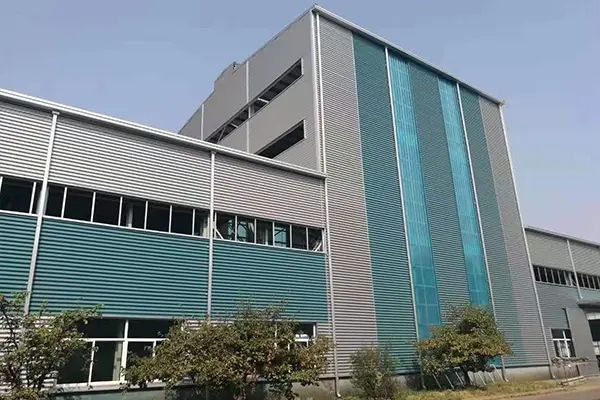
1. Large-area roof daylighting strips for industrial plants and logistics warehouses, compatible with color steel roofing.

2. Facilities requiring natural lighting, such as agricultural greenhouses, flower nurseries, and aquaculture sites.

3. Daylighting roofs for public buildings, including sports venues, large supermarkets, and marketplaces.

4. Daylighting envelope systems for corrosive environments, such as chemical plants and coastal buildings.

Frequently Asked Questions

1. How does FRP compare to polycarbonate (PC) for daylighting panels?

FRP panels typically produce softer, diffused light due to the glass fiber reinforcement, while PC sheets tend to have higher direct light transmission and may create hotspots. FRP also has a thermal expansion coefficient closer to steel, making it more compatible with metal roofing. PC may be lighter and more impact-resistant, but FRP is often preferred in corrosive industrial environments.

2. What is the recommended overlap and fastener spacing for corrugated FRP panels?

Overlap and fastener spacing should follow the design reference 21CJ103-1 and the metal roof profile requirements. As a general guide, end laps should be at least 150–200 mm, and side laps should match the profile's recommended overlap. Fastener spacing is typically 300–500 mm, but project-specific wind load calculations should be used.

3. Can FRP daylighting panels be used for fire smoke exhaust skylights?

FRP panels with appropriate flame retardancy (Class B1, oxygen index ≥30%) may be used in fire/smoke exhaust skylight systems when designed and installed according to relevant standards and project specifications. The overall skylight assembly must meet the required fire performance.

4. How should FRP panels be stored on site?

Store panels flat in a dry, covered area, away from direct sunlight and heat sources. Avoid stacking excessive weight on top of panels. Protect the surface from scratches and chemicals. If stored outdoors temporarily, cover with an opaque, breathable material.

5. What information is needed for a quotation?

Please provide the profile type, thickness, length, color, light transmission requirement, and whether the panels are for roofing or wall application. Also specify the project location and any special environmental conditions (e.g., chemical exposure, coastal). This helps our team recommend the appropriate resin system and surface protection.

About SENBO Building Materials

Tianjin SENBO Building Materials Technology Co., Ltd. is a manufacturer of FRP daylighting panels, polyurethane edge-sealed rock wool panels, polyurethane insulation boards, and other building envelope products. Our production base is located in Jinghai Economic Development Zone, Tianjin, China, equipped with automated production lines and a four-stage quality inspection process. For more information about our factory, certifications, testing capabilities, and project references, please visit our About Us page or contact our engineering team.


Hot Tags: FRP daylighting panels, fiberglass daylighting panels, FRP skylight panels
Send Inquiry
Contact Info
Send SENBO an inquiry for steel building materials. Request a free quote, sample or bulk order price list. Our sales team responds within 24 hours with factory direct pricing, stock availability and shipping options.
X
We use cookies to offer you a better browsing experience, analyze site traffic and personalize content. By using this site, you agree to our use of cookies.Privacy Policy
RejectAccept