Tianjin SENBO Building Materials Technology Co., Ltd.
Products
Magnesium Oxysulfate Cleanroom Panels
  • Magnesium Oxysulfate Cleanroom PanelsMagnesium Oxysulfate Cleanroom Panels

Magnesium Oxysulfate Cleanroom Panels

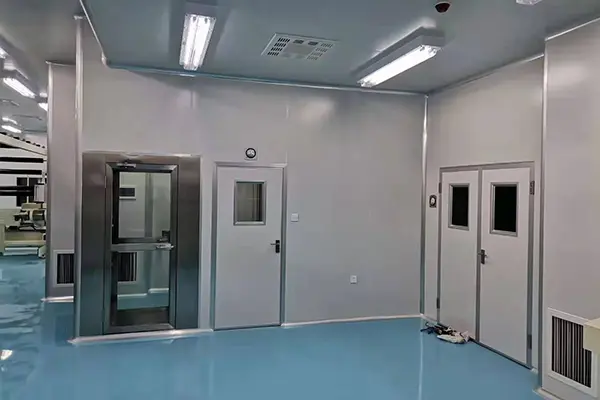
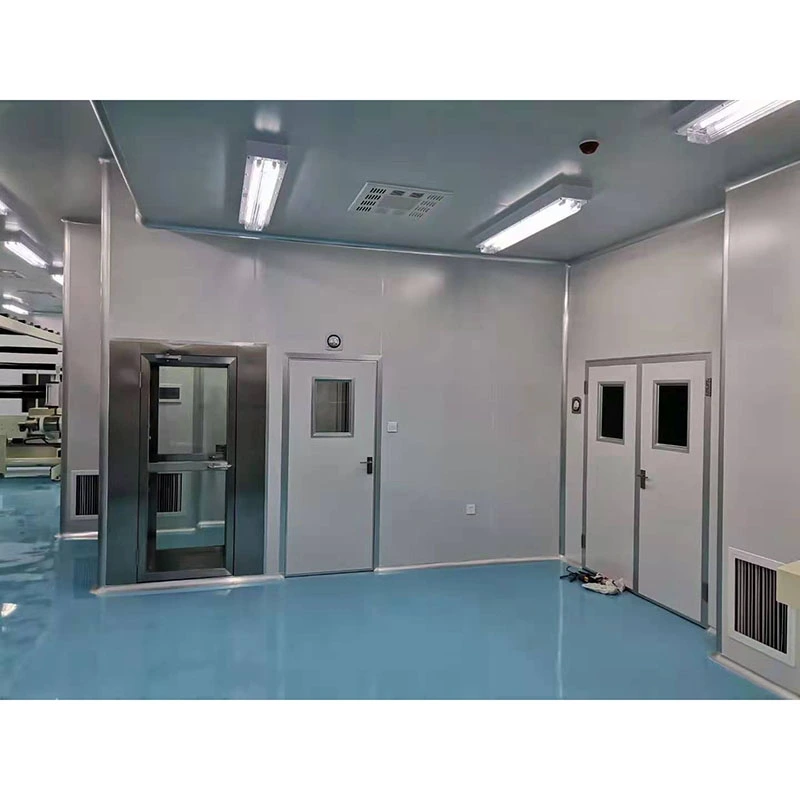
SENBO is a professional manufacturer of Magnesium Oxysulfate Cleanroom Panels, providing A1 non-combustible, moisture-resistant, high-strength enclosure for cleanrooms. Suited for food processing, electronics, central kitchens, and cosmetics facilities. Custom sizes and OEM services are available on request—contact us for factory-direct pricing and samples.

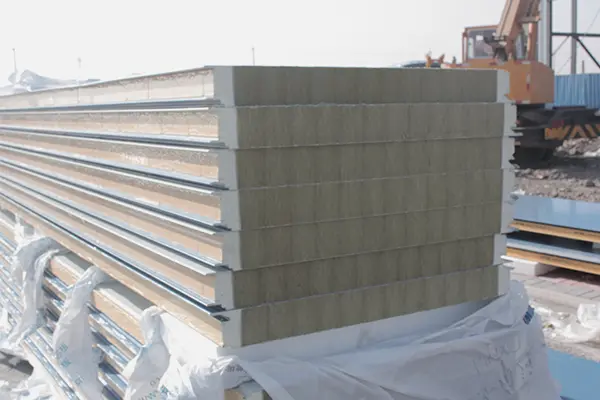
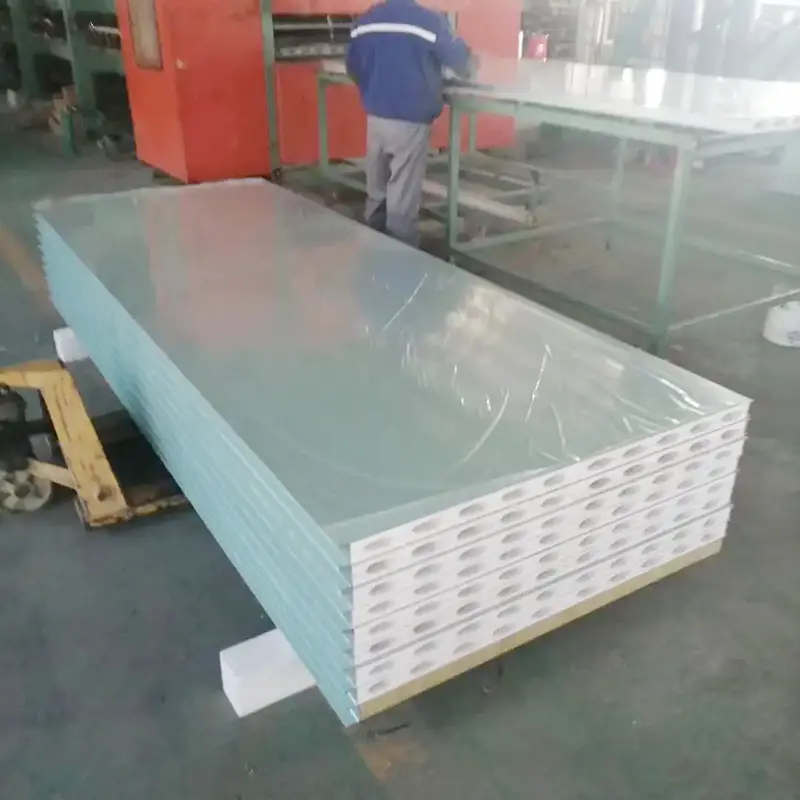
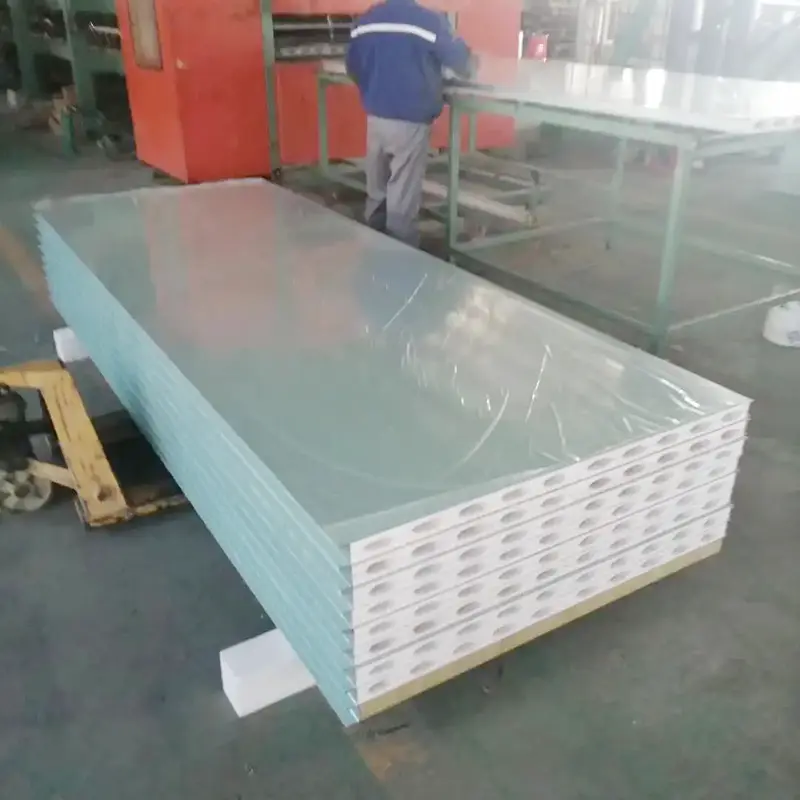
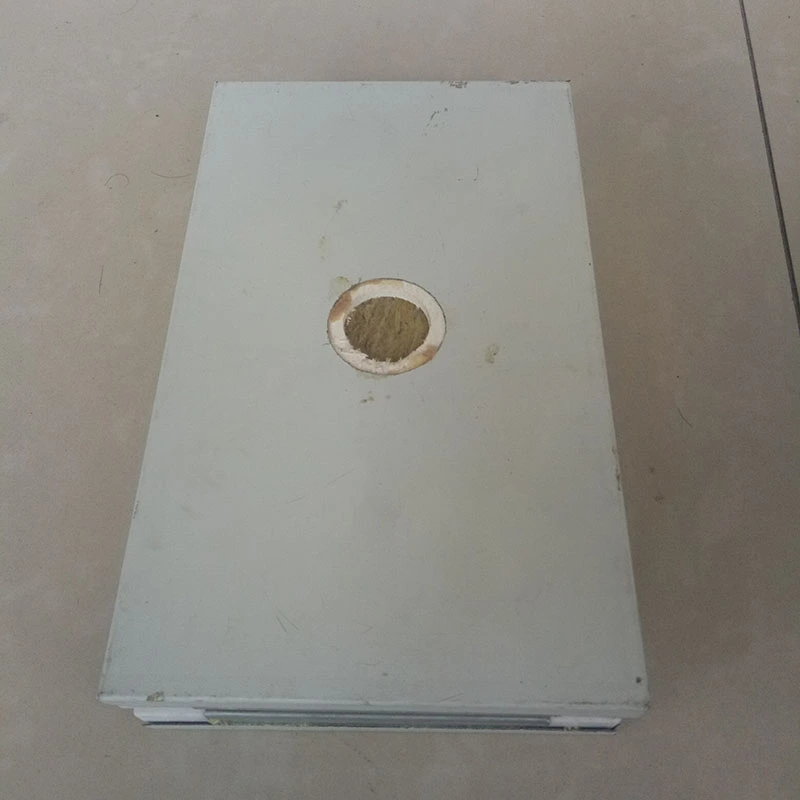
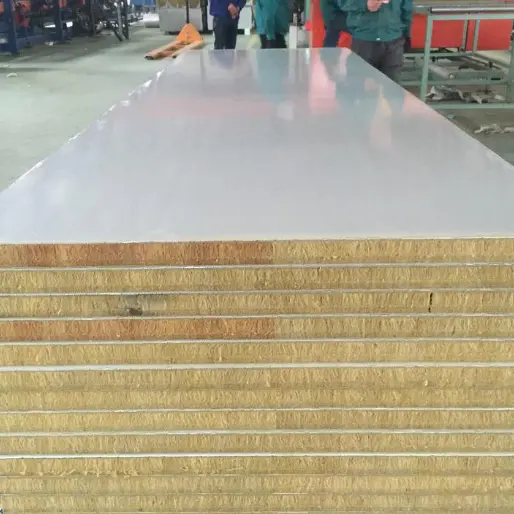
Magnesium oxysulfate purification panels are composite sandwich panels with a magnesium oxysulfate core and facings of color-coated steel or 304 stainless steel (0.4–0.6 mm thick). SENBO Building Materials supplies these panels for cleanroom and controlled-environment applications where fire safety, moisture resistance, and dimensional stability are required.

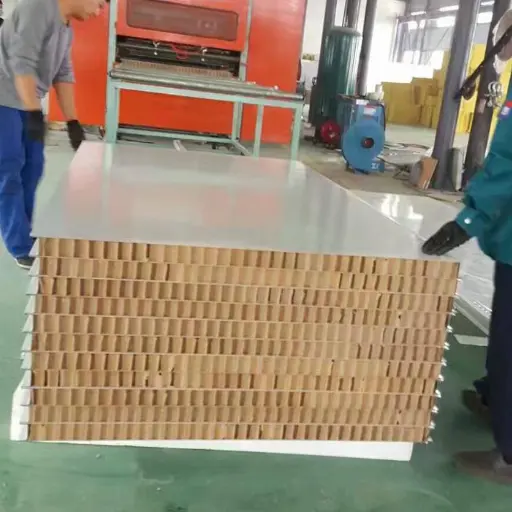
The core is an inorganic cementitious material produced from the reaction of magnesium sulfate and magnesium oxide, blended with specific organic and inorganic additives. It is lightweight, Class A1 fire-resistant, moisture-resistant, and aging-resistant. Two core configurations are available: strip-type cores bonded to steel sheets for higher bonding strength, and hollow cores designed for reduced weight.

Facing Options and Panel Structure

Facing materials are selected based on cleanliness and corrosion resistance requirements. Color-coated steel is the standard option and offers a cost-effective solution. 304 stainless steel facings are used where high cleanliness or chemical resistance is needed. Facing thickness is 0.4–0.6 mm and can be customized. A PVC protective film covers the surface to prevent scratches during transport and installation.

The standard panel uses a tongue-and-groove joint for a tight seal between adjacent panels. Handmade panels are also available, featuring cold-drawn profile framing on all four sides for increased overall rigidity.

Magnesium Oxysulfate Cleanroom Panels

Available Sizes and Dimensions

Panel thickness options include 50 mm, 75 mm, 100 mm, 150 mm, and 200 mm, with customization available. Effective widths are 1150 mm and 950 mm for standard tongue-and-groove panels. Panel length can be up to 12,000 mm, depending on project requirements.

Performance Data and Testing

1. Fire Resistance: Class A1 and ≥1 Hour Rating

Magnesium oxysulfate is an inorganic material and achieves a Class A1 fire rating (non-combustible). Testing on 50 mm thick panels confirms a fire resistance rating of at least 1 hour and the ability to withstand temperatures above 1,200°C. The panels do not burn or emit toxic fumes when exposed to fire, and smoke toxicity meets the AQ1 standard, the highest safety level.

2. Moisture and Water Resistance: Water Absorption ≤0.8%

The water absorption rate is no more than 0.8%, which is significantly lower than that of traditional rock wool panels. Even after absorbing moisture, the core does not deform irregularly or undergo chemical reactions, maintaining dimensional stability. This makes the panels suitable for high-humidity environments that require frequent wash-downs, such as food processing workshops and central kitchens.

In a central kitchen project in Beijing's Fengtai District, stainless steel low-wall bases were installed in ground-floor functional rooms to enhance waterproofing. Combined with the magnesium oxysulfate panels, this created a dual-layer moisture protection system.

3. Bond Strength and Mechanical Properties: Compressive Strength ≥0.5 MPa

The strip-core structure is bonded to the facing sheets, which provides high bond strength and reduces the risk of delamination that can occur with full-sheet composite structures. The core density ranges from 150 to 220 kg/m³, and compressive strength is at least 0.5 MPa. These properties support transportation and installation, and the panels offer good flatness and flexural strength, making them suitable for ceiling applications.

4. Thermal Insulation: Thermal Conductivity 0.030–0.055 W/(m·K)

The thermal conductivity of the core material ranges from 0.030 to 0.040 W/(m·K) according to most test data, with some sources citing up to 0.055 W/(m·K). This performance is comparable to rock wool cores and meets the temperature control requirements of cleanrooms.

5. Sound Insulation: Porous Core Structure

The core has an inherently porous structure with some elasticity. As an airtight solid material, it provides effective sound insulation for cleanroom partitions and ceilings.

6. Project Experience Across Industries

Magnesium oxysulfate panels have been used in several cleanroom projects:

Food industry: A 1,600 m² radish processing cleanroom in Ankang, Shaanxi, used the panels for walls and ceilings (total panel area 4,000 m²), built to Class 100,000 cleanroom standards. A 1,800 m² central kitchen cleanroom in Fengtai District, Beijing, also used the panels for walls and ceilings with a total usage of nearly 4,000 m².

Cosmetics industry: A cosmetics cleanroom in Shanghai used the panels for walls and ceilings, and the client later constructed a second cleanroom due to satisfactory performance.

Electronics industry: A 1,000 m² electronics cleanroom in Zhejiang used the panels, with wall structures and electrical systems largely installed by day 10. A 7,500 m² electrical cleanroom renovation in Jiaxing, Zhejiang, used 50 mm thick panels with aluminum alloy profiles at wall corners.

Technical Specifications

The following parameters are based on standard production and relevant test data. Customization is available.

Performance Indicator Parameter/Specification Notes / Standard Basis
Facing Material Color-coated steel / 304 stainless steel Thickness 0.4–0.6 mm, customizable
Core Material Magnesium oxysulfate (inorganic cementitious material) Strip-type or hollow-type
Core Density 150–220 kg/m³
Panel Thickness 50 / 75 / 100 / 150 / 200 mm Customizable
Effective Width 950 mm, 1150 mm Standard tongue-and-groove joint
Panel Length ≤12,000 mm Customized per project
Combustion Performance Class A1 (Non-combustible) Non-combustible, no toxic fumes
Fire Resistance Rating ≥1 hour (for 50 mm thickness)
Thermal Conductivity 0.030–0.055 W/(m·K)
Water Absorption Rate ≤0.8% Dimensionally stable
Compressive Strength ≥0.5 MPa
Smoke Toxicity Class AQ1 Highest safety rating

Key Characteristics and Practical Benefits

1. Reliable Fire Safety. The Class A1 rating and AQ1 smoke toxicity level mean the panels do not contribute to fire spread or toxic gas release. The 1-hour fire rating at 50 mm thickness helps meet cleanroom and public building fire codes.

2. Low Water Absorption. With a water absorption rate of 0.8% or less, the panels resist moisture-related deformation and mold growth, making them suitable for wet-cleaned environments.

3. Strong Bonding and Dimensional Stability. The strip-core design improves bond strength and reduces delamination risk. The panels maintain dimensional stability even after moisture exposure, unlike some rock wool alternatives.

4. Thermal and Acoustic Performance. The core provides thermal insulation comparable to rock wool, and the porous structure contributes to sound reduction between adjacent rooms.

5. Low Environmental Impact. The production process does not emit harmful gases or waste, and the panels themselves release no harmful substances during use.

Installation and Maintenance Notes

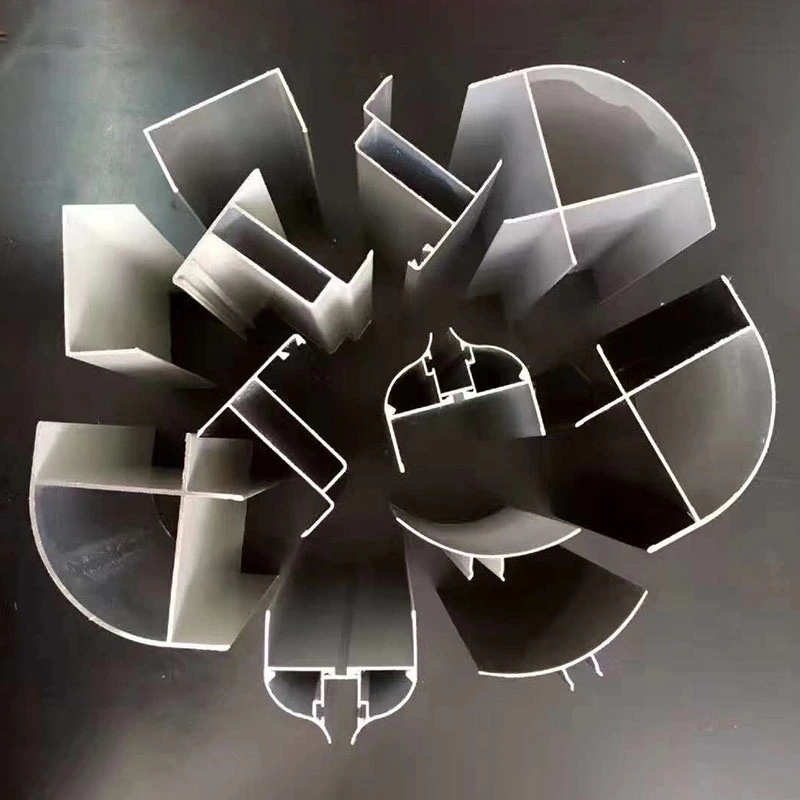
For wall applications: Ensure the supporting structure is plumb and level before panel installation. Use compatible aluminum profiles at corners and openings to protect panel edges and maintain a clean finish.

For ceiling installations: The panels offer good flexural strength, but spans should follow the manufacturer's recommendations to avoid excessive deflection. Use appropriate ceiling grid supports.

For high-humidity areas: Combine the panels with stainless steel low-wall bases or other waterproofing measures at floor level to prevent water ingress behind the panels. Seal joints with approved sealant.

During cleaning: The surface can be wiped with mild detergents. Avoid abrasive cleaners that could scratch the PVC protective film or facing. If the film is removed after installation, use non-abrasive cloths.

Typical Application Areas

1. Wall and ceiling systems for food processing cleanrooms, central kitchens, and dairy production facilities.

2. Cleanrooms for electronics and precision instrument workshops.

3. Cleanrooms for cosmetics and pharmaceutical auxiliary facilities.

4. Industrial purification plants and partition/ceiling systems in controlled environments.

Frequently Asked Questions

1. How does magnesium oxysulfate compare to rock wool for cleanroom panels?

Magnesium oxysulfate has a much lower water absorption rate (≤0.8%) than rock wool, which can absorb moisture and deform. It also provides a Class A1 fire rating and does not produce toxic smoke. Rock wool is lighter and less expensive, but magnesium oxysulfate offers better dimensional stability in humid conditions.

2. Are these panels suitable for exterior walls?

While the core is moisture-resistant, the panels are primarily designed for interior cleanroom applications. For exterior use, additional waterproofing and structural support would be required, and the facing material should be selected for outdoor durability. Consult the manufacturer for specific exterior applications.

3. What is the difference between strip-type and hollow-type cores?

Strip-type cores consist of individual strips bonded to the facings, which provides higher bond strength and reduces the risk of delamination. Hollow-type cores have internal cavities that reduce weight but may have slightly lower structural performance. Strip-type is generally recommended for ceiling applications where bonding strength is critical.

4. How should panels be cleaned and maintained?

Use mild detergents and non-abrasive cloths. Avoid solvents or harsh chemicals that could damage the facing or protective film. Regular inspection of joints and sealant is recommended, especially in high-humidity environments, to ensure continued performance.

5. What information is needed for a quotation?

Please provide the required panel thickness, facing material (color-coated steel or stainless steel), core type, dimensions, quantity, and project location. If the application involves special conditions such as high humidity or chemical exposure, include those details so we can recommend the appropriate configuration.

About SENBO Building Materials

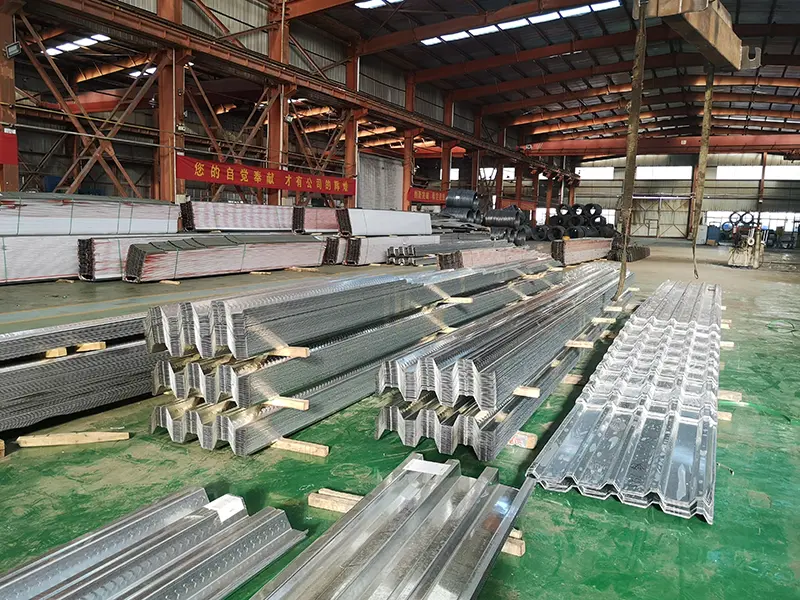
Tianjin SENBO Building Materials Technology Co., Ltd. is a manufacturer of magnesium oxysulfate purification panels, closed-profile steel decking, rebar truss floor decking, and other metal envelope products. Our production base is located in Jinghai Economic Development Zone, Tianjin, China, equipped with automated production lines and a four-stage quality inspection process. For more information about our factory, certifications, testing capabilities, and project references, please visit our About Us page or contact our engineering team.


Hot Tags: Magnesium Oxysulfate Cleanroom Panels Manufacturer, Magnesium Oxysulfate Cleanroom Panels Supplier, Magnesium Oxysulfate Cleanroom Panels Wholesale
Send Inquiry
Contact Info
Send SENBO an inquiry for steel building materials. Request a free quote, sample or bulk order price list. Our sales team responds within 24 hours with factory direct pricing, stock availability and shipping options.
X
We use cookies to offer you a better browsing experience, analyze site traffic and personalize content. By using this site, you agree to our use of cookies.Privacy Policy
RejectAccept